

Note: This article contains affiliate links. If you click on these links and make a purchase, I may earn a small commission at no extra cost to you. This helps support my research and content. Read my full affiliate disclosure here.
Hellebores are long-lived shade perennials valued for winter or early-spring blooms and evergreen foliage. Choosing the right fertilizer for hellebores matters because these plants prefer a steady, gentle supply of nutrients rather than heavy feeding that can scorch roots or force soft, vulnerable growth. The right product supports consistent bloom, tidy foliage, and soil health in a shaded bed or woodland border. This guide covers our five shortlisted fertilizers suited for hellebores and explains how we evaluated nutrient balance, release type, and soil safety. Use the overview and buying pointers below to match a feeding approach to your planting situation before checking the product options.
Top Picks at a Glance
| Best Quality Built to a higher standard if you want something more solid | Espoma Flower-Tone Organic Fertilizer, 4 lb. Bag, 2-Pack |  |
| Best Value The sweet spot between price and what you get | Miracle-Gro Watering Can Singles All Purpose Plant Food, 24 Packets | 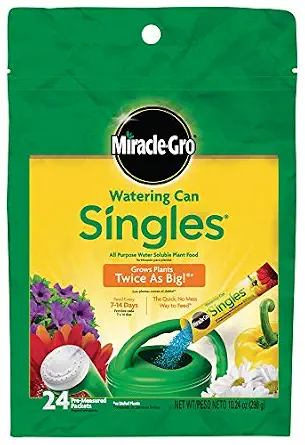 |
| Best Budget The cheapest option that still gets the job done reliably | Jobe's Organics Granular Annual & Perennial Fertilizer, 4 lb |  |
| Most Popular A crowd favorite that many people choose with confidence | Miracle-Gro Water Soluble All Purpose Plant Food, 1.5 lb |  |
| Best Seller A high-volume bestseller chosen again and again | Miracle-Gro Water Soluble All Purpose Plant Food, 3 lb |  |
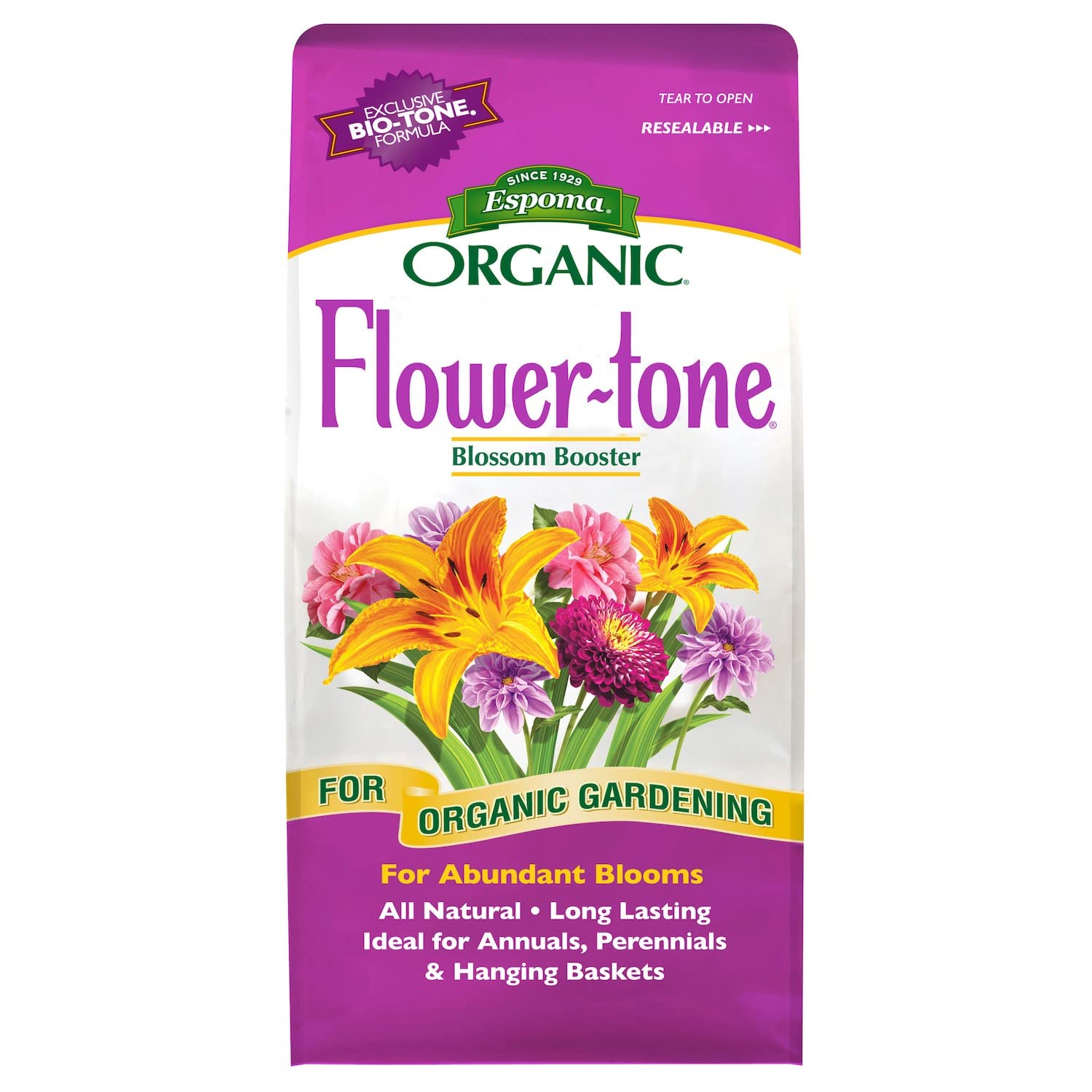
Espoma Flower-Tone Organic Fertilizer, 4 lb. Bag, 2-Pack
| Item Form | Granules |
|---|---|
| Specific Uses For Product | Gardening,Organic,Plant Food |
| Coverage | Medium |
| Target Species | flowers, annuals, perennials, roses |
| Mixing Ratio | 3:4:5 |
Espoma Flower-Tone is an organic granular plant food designed to promote abundant blooms in flowers, perennials, annuals and roses. It is applied directly to the soil around the plant drip line and watered in, with a recommended monthly application during the growing season. The 3-4-5 nutrient ratio with added calcium and the Bio-tone biological formula supply a balanced feed that supports flowering without high nitrogen that would favor foliage over blooms. Because it is granular and labeled for organic gardening, it works well for mixed perennial beds where you want steady, natural nutrient release and compatibility with organic practices. The product comes in convenient 4 pound bags sold as a two-pack for repeat applications. Limitations are that it is a medium-coverage granular feed rather than a fast-acting liquid, so results accumulate over weeks, and you must follow monthly repeat applications for sustained bloom performance.
Best for: Gardeners who want an easy, organic monthly feed to boost blooms in mixed perennial and flower beds and prefer a product that supports soil biology.
Less Ideal for: Growers who need immediate, fast-acting nutrient results or who are managing very large beds where concentrated coverage per application is the priority.
- Organic formula approved for organic gardening and safe for use around flowers and perennials
- Balanced 3-4-5 NPK with added calcium supports bloom production rather than excess leaf growth
- Granular form is easy to apply around drip lines and provides steady nutrient release
- Includes Espoma's Bio-tone biological formula to support soil biology and root health
- Medium coverage means larger beds will require multiple bags for full-season feeding
- Slower to show results compared with liquid or soluble fertilizers
Verdict: A dependable organic granular fertilizer that steadily promotes bigger, healthier blooms in perennial and flower beds when used as a monthly feed.
Miracle-Gro Watering Can Singles All Purpose Plant Food, 24 Packets

| Number of Packs | 24 |
|---|---|
| Unit Count | 10.24 Ounce |
| Item Form | SOLID |
| Application Method | watering can |
| Mixing Ratio | 1 teaspoon per 1 gallon of water |
Miracle-Gro Watering Can Singles are single-use, pre-measured fertilizer packets intended to make feeding roses and other garden plants simple and reliable. To use, tear a packet into a watering can, add the specified amount of water, then apply the solution while watering; the manufacturer recommends feeding every 7 to 14 days during active growth. The packets remove measuring errors and mess, which helps prevent accidental overfeeding. Because the formula is labeled for all flowers, vegetables, trees and shrubs, it fits into regular rose care routines for bloom and bush development. Practical benefits include instant solubility, clear application instructions for outdoor and indoor containers, and consistent coverage per packet for about 10 sq. ft. of garden. Limitations are that you must keep up with the every-1–2-week schedule for best results and that the product is sold as a general-purpose feed rather than a rose-specific bloom booster, so dedicated rosarians seeking targeted NPK ratios might prefer a specialized rose fertilizer.
Best for: Gardeners who want a low-risk, no-mess way to feed roses and mixed flower beds as part of routine watering and prefer simple, foolproof dosing.
Less Ideal for: Specialist rose growers seeking a targeted bloom-boosting formula or those who want a single, slow-release application instead of frequent liquid feedings.
- Pre-measured packets eliminate measuring and reduce mess and dosing errors
- Water-soluble formula mixes quickly in a watering can for immediate application
- Labeled for use on flowers, roses, shrubs, trees and vegetables so it suits mixed beds
- Clear directions for indoor and outdoor application and coverage per packet
- General all-purpose formula rather than a rose-specific NPK for bloom boosting
- Requires regular reapplication every 7–14 days to maintain results
Verdict: If you want a safe, fuss-free way to feed roses while you water, these pre-measured soluble packets make regular feeding simple and consistent.
Jobe's Organics Granular Annual & Perennial Fertilizer, 4 lb

| NPK | 3-5-4 |
|---|---|
| Unit Count | 64 Ounce |
| Item Form | Granules |
| Target Species | Flowers |
Jobe's Organics Granular Annual & Perennial Fertilizer is a slow-release, granular plant food designed to boost blooms and overall plant health for flowering annuals and perennials. You apply it to the root zone every 4 to 8 weeks during the growing season; the 3-5-4 NPK mix emphasizes phosphorus to support flowering and root development while supplying modest nitrogen and potassium. The product is OMRI listed and made from natural sources such as bone meal and feather meal, so it fits organic garden plans and is safe to use around people and pets when applied as directed. The resealable bag keeps the granules dry between uses and the granular form reduces the risk of burning compared with high-dose synthetic feeds. Limitations are that it is a general-purpose formula rather than a crop-specific mix, so heavy feeders or fruiting vegetables may need supplemental fertilization, and the 4 lb bag is best for small beds, containers, or spot applications rather than large landscapes.
Best for: Gardeners on a tight budget who want an organic, easy-to-use fertilizer for flower beds, containers, and small perennial borders and who prioritize safety and simplicity over specialized formulas.
Less Ideal for: Large-scale vegetable growers or gardeners who need high-nutrient, crop-specific feeds for heavy fruiting plants should choose a larger bag or specialized fertilizer instead.
- OMRI listed organic formula suitable for organic gardens
- Balanced 3-5-4 NPK that supports flowering and root development
- Slow-release granular form reduces risk of fertilizer burn
- Resealable bag helps keep product dry and easy to store
- 4 lb size may be small for larger gardens or multiple beds
Verdict: A compact, OMRI-listed granular fertilizer that gives budget-minded gardeners a safe, easy way to boost blooms in small beds and containers.
Miracle-Gro Water Soluble All Purpose Plant Food, 1.5 lb

| Item Form | Powder |
|---|---|
| Application Method | Watering Can |
| Target Species | For all flowers, vegetables, trees, shrubs and houseplants |
| Mixing Ratio | 24-8-16 |
Miracle-Gro Water Soluble All Purpose Plant Food is a powder concentrate you mix with water to give a quick nutrient boost to flowers, vegetables, houseplants, shrubs and trees. It is typically dissolved in a watering can or used with a compatible garden feeder to soak soil at the base of plants, delivering nitrogen-heavy nutrition that shows effects faster than granular fertilizers. Notable features include an easy scooping method for indoor and outdoor dosing, compatibility with containers and in-ground planting, and clear directions for feeding every one to two weeks. In practice this makes the product a convenient option when you want visible growth and greener foliage quickly, and the 1.5 lb container covers roughly 600 sq. ft. Important limitations are that it is a fast-release, high-nitrogen formula best used as a regular quick feed rather than a long-term slow-release solution, and it requires careful measuring to avoid overfeeding. For routine maintenance combine with good watering and follow the label to avoid nutrient imbalance.
Best for: Buyers who prefer proven, easy-to-use feeding routines and want noticeable growth quickly for a variety of garden and houseplants, guided by established usage directions and broad user experience.
Less Ideal for: Gardeners seeking a single, long-term slow-release solution or those who prefer organic or low-nitrogen fertilizers for sensitive plantings should consider alternative products.
- Water-soluble powder starts working quickly at the roots when mixed and applied
- Clear, simple dosing for indoor and outdoor use with included scoop guidance
- Suitable for a wide range of plants including vegetables, flowers, shrubs and houseplants
- Covers a large area from a small container (about 600 sq. ft. per 1.5 lb)
- Fast-release formula means benefits are short-term compared with slow-release granular fertilizers
- Requires precise measuring and regular reapplication to avoid overfeeding
Verdict: A reliable, fast-acting water-soluble plant food for gardeners who want easy, repeatable feeding and quick visible results.
Miracle-Gro Water Soluble All Purpose Plant Food, 3 lb

| Item Form | Powder |
|---|---|
| Application Method | Mix with water in a watering can |
| Fertilizer Analysis (N‑P‑K) | 24-8-16 |
| Unit Count | 48 Ounce |
| Coverage | Feeds approximately 1,200 sq. ft. |
Miracle‑Gro Water Soluble All Purpose Plant Food is a powdered NPK 24‑8‑16 formula that dissolves in water to give plants a quick nutrient boost. You mix measured scoops into a watering can and apply to the soil at the base of plants every 7–14 days for outdoor use or every 14 days for houseplants. Notable features include a high nitrogen content for leafy growth, compatibility with containers and in‑ground beds, and guidance for use with a Miracle‑Gro Garden Feeder for larger areas. In practical terms this is a fast‑acting feed that encourages bigger, greener foliage and works well in regular maintenance of perennials like hostas. Limitations are that it is a fast‑release fertilizer rather than a slow‑release option, so it requires regular reapplication and careful measuring to avoid overfeeding. Also, the 24‑8‑16 balance is geared toward vegetative growth, so it is not optimized if you want to prioritize flowering or bloom boosting.
Best for: Buyers who want a reliable, fast‑acting feed to maintain lush, leafy perennials and container plants and who value proven products with broad user endorsement.
Less Ideal for: Gardeners seeking a single, long‑lasting granular fertilizer or a bloom‑focused formula should consider alternative slow‑release or high‑phosphorus products.
- Water‑soluble powder mixes easily for quick uptake by roots
- High nitrogen formula promotes robust leafy growth ideal for shade plants
- Clear mixing and application instructions for both indoor and outdoor use
- Suitable for containers and in‑ground gardens and compatible with garden feeders
- Requires frequent applications so it is not a low‑maintenance, slow‑release option
- High nitrogen ratio is less suitable when the primary goal is more flowers than foliage
Verdict: A fast‑acting, water‑soluble fertilizer that reliably produces bigger, greener hosta leaves when used as directed.
Choosing the Right Fertilizer for Hellebores: Key Factors to Consider
Nutrient Ratio and Micronutrients
Hellebores need a balanced nutrient supply that supports steady foliage and reliable flowering. A moderate nitrogen level prevents overly lush, weak growth that can be prone to slugs and winter damage, while adequate phosphorus and potassium help bud set and root health. Micronutrients such as iron, magnesium, and manganese matter in shaded beds where deficiencies show as chlorosis or poor bloom. Choosing a fertilizer with clearly listed micronutrient content makes it easier to correct specific deficiencies without overapplying primary nutrients.
Think of nutrient ratio as tailoring the food to the plant's life cycle. A spring feeding aimed at bud set should emphasize phosphorus and potassium slightly more than a maintenance feed in summer. If soil tests show specific shortfalls, targeted supplements are better than blanket high-N products.
Release Type: Slow-Release Vs Soluble
Release type determines how often you feed and how steady the nutrient supply is. Slow-release granular or coated formulations provide a steady dose over weeks to months and reduce the risk of sudden, soft growth flushes that can be damaged by cold. They are useful in mixed borders or planted containers where regular feeding is inconvenient. Soluble or liquid fertilizers deliver nutrients quickly and are useful for correcting short-term deficiencies, giving a targeted boost before bloom, or when foliage shows stress.
For hellebores, aim for a feeding schedule that avoids large spikes in nitrogen. Slow-release products paired with a light liquid feed in early bloom can balance convenience and responsiveness.
Salt Index and Root Safety
Fertilizer salt content affects root health, especially in the shallow root zone of hellebores and in containers. High-salt fertilizers can draw moisture away from roots or cause leaf scorch in cool, wet soils. Check product information for low salt index formulations or those marketed as root-safe for ornamentals. Organic options and slow-release formulas typically present lower immediate salt risk than straight synthetic soluble salts.
If you are planting in pots or poor-draining garden soil, err on the side of lower-salt, gentler formulations and use conservative application rates to avoid root stress.
Application Method and Timing
How you apply fertilizer affects effectiveness and risk. Granules broadcast into beds are convenient, but surface application combined with light raking and watering helps move nutrients into the root zone. Liquid feeds applied at root level are fast-acting and reduce foliage contact, which is helpful when the plant is in bud. Timing matters: a feed in late winter or very early spring supports bud development, while a lighter midseason feed maintains vigor without promoting late growth that could be damaged by frost.
Consider how accessible your beds are and whether you prefer scheduled, low-effort feeds or occasional targeted applications when planning which product to buy.
Soil Health and Organic Compatibility
Hellebores thrive in humus-rich, well-draining soils with steady moisture. Fertilizers that support microbial life and add organic matter will improve long-term soil structure and nutrient cycling. Organic or slow-release formulations that include composted materials, seaweed, or fish emulsion contribute to soil organic matter and beneficial microbes. Synthetic quick-release fertilizers can be effective for immediate correction but do not build soil organic content.
If you manage a naturalistic or wildlife-friendly garden, prioritize products that explicitly support soil biology and avoid salts or additives that harm earthworms and beneficial microbes.
Container Versus In-Ground Needs
Hellebores grown in containers have more restricted root zones and require more careful feeding. Nutrients are used and leached faster in pots, so controlled-release granules or regular dilute liquid feeds are both valid approaches. Choose a formulation with low salt risk for containers and consider a potting mix amended with slow-release fertilizer to even out supply.
In-ground plantings can rely on less frequent feeding and benefit more from soil amendments and top-dressings of compost or well-rotted organic material to sustain nutrient availability.
When to Feed Hellebores
Feed hellebores mainly in late winter to early spring as growth resumes and buds form. A light maintenance feed in early summer can be useful in poor soils, but avoid late-season high-nitrogen applications that encourage new growth vulnerable to frost.
If plants are in containers, a slightly more frequent schedule is appropriate because nutrients leach faster. Reduce feeding during periods of drought or extreme heat to prevent stress.
- Late winter to early spring for bud development
- Light midseason maintenance if growth appears weak
- Avoid feeding in late fall to prevent tender new shoots
Soil Testing and Correcting Deficiencies
A simple soil test provides useful guidance on pH and nutrient levels before selecting a fertilizer. Many hellebores perform best in slightly alkaline to neutral soils with good organic content. If a test shows specific micronutrient shortages, choose targeted supplements rather than broad-spectrum high-N products.
Addressing pH or organic matter through lime or compost additions often improves nutrient uptake more effectively than repeated fertilizer applications.
- Test pH and basic nutrient levels before major feeding
- Use targeted micronutrient supplements if soil tests indicate need
- Improve organic matter to enhance nutrient availability
Organic Options and Low-Impact Feeding
Organic fertilizers and soil amendments are attractive for shade gardens and wildlife-friendly plantings because they enhance soil life and add humus. Materials such as well-rotted compost, leaf mold, or an organic granular feed steady over the season support hellebores without producing a growth spike.
Seaweed and fish-based products provide trace elements and can be applied as a gentle liquid feed before bloom. Apply conservatively and follow label guidance to avoid nutrient overload.
- Compost and leaf mold increase organic content
- Seaweed or fish emulsion supply micronutrients
- Choose low-salt organic blends for containers
Feeding Mature Clumps Versus Young Plants
Established hellebore clumps need maintenance feeding and soil enrichment rather than heavy doses aimed at rapid growth. A balanced slow-release feed and an annual top-dressing of compost usually meet their needs. Young plants and recently transplanted specimens benefit from a gentle, low-rate feeding to support root establishment without forcing leaf production.
Avoid deep root disturbance when applying fertilizers; light surface applications combined with water are usually sufficient for both mature and young plants.
- Mature clumps: focus on maintenance and compost top-dress
- Young plants: use gentler, low-rate feeds to support roots
- Surface application reduces root disturbance
Common Mistakes to Avoid
Overfeeding with high-nitrogen quick-release fertilizers can produce weak, lush foliage and reduce winter hardiness. Applying fertilizer too late in the season risks encouraging tender shoots that suffer frost damage. Another common error is feeding without knowing soil condition; unnecessary fertilization can create imbalances or mask underlying issues like poor drainage.
Using concentrated fertilizers in containers without leaching can lead to salt buildup and root damage. Always follow recommended rates and adapt frequency to your soil type and planting situation.
- Do not over-apply high-nitrogen formulations
- Avoid late-season feeding that promotes tender growth
- Flush containers periodically to prevent salt buildup
How We Chose the Best Fertilizer for Hellebores
We selected products that fit the feeding needs of hellebores in shaded, woodland, and mixed-border situations. Key editorial filters included nutrient ratios appropriate for flowering perennials, gentle release profiles, and minimal salt burn risk. We prioritized options with clear application guidance so gardeners can match dose and timing to seasonal growth cycles. Evaluation emphasized concrete dimensions: NPK balance and micronutrient content, release type and longevity, salt index and root safety, ease of application for beds and containers, and compatibility with organic or low-impact gardening practices. We excluded highly concentrated or foliage-boosting formulas designed for heavy-feeding annuals, products lacking transparent labeling, and items with unclear safety data for ornamental perennials. The final shortlist includes fertilizers that deliver predictable nutrient delivery while protecting soil structure and microbial life.
FAQ
How often should I feed hellebores?
Typically feed once in late winter or early spring and optionally a light maintenance feed in early summer. Containers may need more frequent, dilute applications because nutrients leach faster.
Can hellebores be fed with general-purpose lawn fertilizer?
General lawn fertilizers often have higher nitrogen levels than ideal for hellebores and can encourage soft growth. If used, apply at reduced rates and avoid late-season feeding to prevent tender shoots.
Are organic fertilizers better for hellebores?
Organic options build soil health and supply micronutrients with lower immediate salt risk, making them a good choice for woodland or wildlife gardens. They act more slowly than synthetic liquids, so combine with targeted feeds if quick correction is needed.
What signs indicate my hellebores need fertilizer?
Signs include poor flowering, pale or yellowing leaves indicating nutrient deficiencies, and general decline in vigor. Confirm with a soil test before feeding to target the problem accurately.
Is foliar feeding useful for hellebores?
Foliar feeding can correct minor micronutrient deficiencies quickly, but it is not a substitute for root-zone feeding. Use foliar sprays sparingly and follow label directions to avoid leaf burn.
Final Verdict
When choosing a fertilizer for hellebores, prioritize a balanced nutrient ratio, low salt impact, and a release profile that matches your gardening routine. Organic or slow-release options often provide the gentlest, most predictable results in shaded beds and containers, while liquid feeds are useful for targeted corrections. Balance convenience with plant safety: err on lower application rates, feed at the right time for bud development, and support soil health with compost or top-dressings. Those priorities will keep hellebores floriferous and resilient over many seasons.
