

Note: This article contains affiliate links. If you click on these links and make a purchase, I may earn a small commission at no extra cost to you. This helps support my research and content. Read my full affiliate disclosure here.
Shade-loving hostas and ferns respond to steady, appropriate feeding more than heavy fertilizer swings. Choosing the right fertilizer for hostas and ferns affects leaf size, vigor, and resilience to stress in shady beds, containers, or woodland edges. In this guide we shortlist five top options suited to that use case and test how they perform across nutrient balance, application simplicity, and effect on soil life. You'll get practical notes on nutrient ratios, release type, and timing so you can pick an approach that fits the way you garden. Read on for concise criteria and what to expect from each feeding strategy.
Top Picks at a Glance
| Best Overall The best all-around choice for most situations | TATAWORM Organic Palm & Fern Liquid Kelp Fertilizer, 4 oz |  |
| Best Budget The cheapest option that still gets the job done reliably | Jobe's Fern & Palm Fertilizer Spikes, 30 Count |  |
| Highest Rated A top-rated pick with lots of positive feedback | Miracle-Gro Water Soluble All Purpose Plant Food, 1.5 lb |  |
| Most Popular A crowd favorite that many people choose with confidence | Miracle-Gro Pour & Feed Liquid Plant Food, 32 fl. oz. | 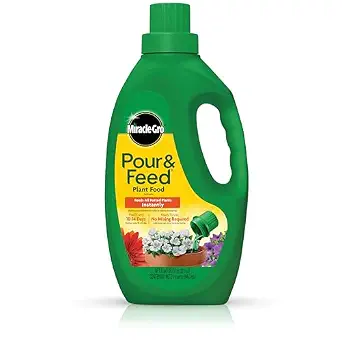 |
| Best Seller A high-volume bestseller chosen again and again | TPS NUTRIENTS Indoor Plant Food Liquid Fertilizer, 8 fl oz |  |
TATAWORM Organic Palm & Fern Liquid Kelp Fertilizer, 4 oz

| Item Form | Liquid |
|---|---|
| Application Method | Soil Drench |
| Target Species | Palms;Ferns |
| Mixing Ratio | 1 tsp/gal for palms; 1/2 tsp/gal for ferns |
| Formula | 0-0-4 |
This concentrated liquid kelp fertilizer is designed to gently feed palms, ferns, cycads, and other tropical foliage with a seaweed extract sourced from Maine. It mixes quickly with water and is applied as a soil drench; the bottle’s scoop and clear mixing ratios (1 tsp/gal for palms, 1/2 tsp/gal for ferns) make regular feedings every 2 to 3 weeks easy to follow. The formula is low-nitrogen and plant-safe so it encourages steady root development, improved nutrient uptake, and fuller green fronds without pushing rapid, weak leaf growth. Because it is OMRI listed and made without synthetic additives it fits an organic care routine and is described as safe for people and pets when used as directed. Practical limits are that the 4 oz concentrate requires careful measuring to avoid overuse and that visible benefits take a few weeks of consistent application. Also it is a complementary seaweed product rather than a complete N-P-K replacement for heavily depleted soils, so you may still need a balanced fertilizer if plants show nutrient deficiencies beyond what kelp supports.
Best for: Home gardeners who want a gentle, organic seaweed boost for shade-loving perennials and ferns and prefer a low-maintenance, regular feed schedule to support steady growth.
Less Ideal for: Gardeners needing a high-nitrogen or complete synthetic fertilizer to rapidly correct severe nutrient deficiencies or to force quick growth in large beds.
- Concentrated liquid kelp mixes easily for simple soil drench feeding
- OMRI listed organic formula made from Maine Ascophyllum nodosum
- Gentle, low-risk feeding that promotes root strength and lush fronds
- Clear mixing ratios included for palms and ferns for predictable use
- Small 4 oz bottle requires frequent repurchasing for larger gardens
- Not a full N-P-K fertilizer so it will not correct major nutrient deficiencies
Verdict: A gentle, OMRI-listed liquid kelp concentrate that steadily improves root health and foliage for ferns and other shade-loving ornamentals when used as a regular feed.
Jobe's Fern & Palm Fertilizer Spikes, 30 Count

| Unit Count | 30 Count |
|---|---|
| Application Method | Insert into soil |
| Target Species | Fern and Palm |
| NPK | 16-2-6 |
Jobe's Fern & Palm Fertilizer Spikes are ready-to-use sticks that deliver a slow-release dose of nutrients directly to the root zone of potted palms and ferns. You insert the pre-measured spikes into the soil at planting or around established plants, and repeat application about every 60 days. The 16-2-6 NPK blend emphasizes nitrogen for leafy growth with small amounts of phosphorus and potassium, making it suited to encourage lush foliage in indoor and container palms. Practical advantages include no mixing, minimal mess, and built-in portion control that reduces the chance of overfeeding. Because they release slowly, spikes provide steady feeding without frequent attention. Limitations are the fixed nutrient ratio and limited coverage per spike, so larger landscape palms or trees will need many spikes or an alternate granular/tree fertilizer formulated for big palms and root volumes outdoors. Also the product contains phosphorus, which may be restricted in some locales near waterways.
Best for: Buyers who want a simple, low-effort way to keep container or small palm specimens and ferns fed without mixing fertilizers or precise measuring.
Less Ideal for: People caring for large landscape palms or those who need a custom NPK program should choose a granular or liquid palm fertilizer designed for trees and wide root zones.
- Pre-measured spikes for no-mess, easy application
- Slow-release formula targets roots for steady feeding
- High nitrogen NPK (16-2-6) encourages leafy growth in palms and ferns
- Safe for indoor use around homes when used as directed
- Fixed NPK ratio may not suit palms needing different nutrient balance
- Limited coverage per spike makes it impractical for large outdoor palms
Verdict: A convenient, no-mess slow-release spike that keeps potted palms and ferns fed with minimal effort.
Miracle-Gro Water Soluble All Purpose Plant Food, 1.5 lb

| Item Form | Powder |
|---|---|
| Application Method | Watering Can |
| Target Species | For all flowers, vegetables, trees, shrubs and houseplants |
| Mixing Ratio | 24-8-16 |
Miracle-Gro Water Soluble All Purpose Plant Food is a powder concentrate you mix with water to give a quick nutrient boost to flowers, vegetables, houseplants, shrubs and trees. It is typically dissolved in a watering can or used with a compatible garden feeder to soak soil at the base of plants, delivering nitrogen-heavy nutrition that shows effects faster than granular fertilizers. Notable features include an easy scooping method for indoor and outdoor dosing, compatibility with containers and in-ground planting, and clear directions for feeding every one to two weeks. In practice this makes the product a convenient option when you want visible growth and greener foliage quickly, and the 1.5 lb container covers roughly 600 sq. ft. Important limitations are that it is a fast-release, high-nitrogen formula best used as a regular quick feed rather than a long-term slow-release solution, and it requires careful measuring to avoid overfeeding. For routine maintenance combine with good watering and follow the label to avoid nutrient imbalance.
Best for: Buyers who prefer proven, easy-to-use feeding routines and want noticeable growth quickly for a variety of garden and houseplants, guided by established usage directions and broad user experience.
Less Ideal for: Gardeners seeking a single, long-term slow-release solution or those who prefer organic or low-nitrogen fertilizers for sensitive plantings should consider alternative products.
- Water-soluble powder starts working quickly at the roots when mixed and applied
- Clear, simple dosing for indoor and outdoor use with included scoop guidance
- Suitable for a wide range of plants including vegetables, flowers, shrubs and houseplants
- Covers a large area from a small container (about 600 sq. ft. per 1.5 lb)
- Fast-release formula means benefits are short-term compared with slow-release granular fertilizers
- Requires precise measuring and regular reapplication to avoid overfeeding
Verdict: A reliable, fast-acting water-soluble plant food for gardeners who want easy, repeatable feeding and quick visible results.
Miracle-Gro Pour & Feed Liquid Plant Food, 32 fl. oz.

| Item Form | Liquid |
|---|---|
| Application Method | Directly to the soil |
| Target Species | potted plants |
| Unit Count | 32 Fluid Ounces |
Miracle-Gro Pour & Feed is a ready-to-use liquid fertilizer designed for container plants and houseplants. You apply it by measuring with the bottle cap and pouring the recommended amount directly onto the soil around each pot, so no mixing or watering-can prep is required. Its convenience makes it easy to maintain a regular 10–14 day feeding schedule for bedding plants like petunias in containers. The product is formulated for potted plants only, and the liquid form gives fairly quick nutrient availability compared with slow-release granules. Practical benefits include simple dosing with the cap, suitability for indoor and outdoor use, and a clearly stated application rhythm that helps keep flowering plants vigorous. Important limitations are that it is not intended for in-ground beds and that frequent applications mean you need to remember regular feedings; it is also a general all-purpose formula rather than a petunia-specific bloom booster.
Best for: A plant owner who prefers simple, low-effort care for container flowers and wants a dependable, easy-to-measure fertilizer to keep petunias and other potted ornamentals blooming.
Less Ideal for: Gardeners seeking a long-term, in-ground soil amendment or those who prefer an infrequent, slow-release feeding schedule should consider other products.
- Ready-to-use liquid requires no mixing so application is fast and low-effort
- Cap-measure dosing makes it easy to apply the correct amount for each container
- Suitable for both indoor and outdoor container plants so one product covers many uses
- Feeds on a 10–14 day schedule for consistent nutrient supply to flowering containers
- Not formulated for in-ground planting so unsuitable for garden beds
- Requires frequent application compared with slow-release fertilizers
Verdict: Use this if you want a no-mix, easy-to-measure liquid fertilizer to keep container petunias fed and blooming on a regular schedule.
TPS NUTRIENTS Indoor Plant Food Liquid Fertilizer, 8 fl oz

| Item Form | Liquid |
|---|---|
| Specific Uses For Product | Plant Food |
| Application Method | Watering can |
| Mixing Ratio | 2:1 (oz/gallon) or 1:64 (tbsp/gallon) |
TPS NUTRIENTS Indoor Plant Food is a concentrated liquid fertilizer made for regular use with houseplants. You mix the measured dose into water and apply it with your usual watering can; the label gives an easy mixing ratio for household use. Its kelp-enriched formula is pitched at improving leaf color, encouraging steady new growth, and supporting root health, so expect glossier foliage and more frequent leaf production when plants are fed consistently. The 8 fl oz bottle is portable and fits on a plant shelf or utility area, and the liquid form dissolves readily for even application. It is intended for medium coverage and labeled as gentle for weekly feeding, which simplifies care for busy owners. Important limitations are that this is a small bottle meant for regular top-up feedings rather than long-term bulk use, and it assumes you will follow dilution directions to avoid overfeeding. Keep it away from children and pets and avoid skin or eye contact when handling.
Best for: Plant owners who want a simple, low-effort weekly fertilizer to keep indoor foliage vibrant and encourage steady new leaf growth. Good for people who prefer an easy liquid mix applied during regular watering routines.
Less Ideal for: Gardeners needing a bulk or multi-season fertilizer for outdoor beds or large collections should consider larger-capacity or specialized products instead.
- Liquid concentrate mixes easily for even application with a watering can
- Kelp-enriched formula aimed at improving foliage color and encouraging new growth
- Gentle enough for weekly feedings according to product guidance
- Clear mixing instructions for home use
- Small 8 fl oz volume limits how many plants you can feed before repurchasing
- Not formulated or labeled for outdoor or large-scale garden use
Verdict: A convenient kelp-enriched liquid concentrate that makes weekly feeding easy for anyone who wants healthier, more vibrant indoor foliage.
Choosing the Right Fertilizer for Hostas and Ferns: Key Factors to Consider
Nutrient Ratio and Balance
Hostas and ferns prefer a gentle, balanced feeding rather than high-nitrogen pushes that force fast, weak growth. Look for fertilizer ratios that offer moderate nitrogen with some phosphorus and potassium to support root development and overall plant health. The N-P-K numbers tell you the immediate available macro nutrients, but also consider secondary nutrients like magnesium and calcium which influence leaf color and texture.
A balanced ratio reduces the chance of soft, floppy leaves and helps ferns keep their fronds robust. Over time, repeated high-nitrogen applications can make plants more susceptible to pests and winter damage, so choose a formula suited to repeated light feedings rather than a single heavy dose.
Release Type and Feeding Frequency
The release mechanism determines how often you need to fertilize and how steady the nutrient supply will be. Slow-release granules or coated feeds deliver nutrients over weeks to months and are useful for low-maintenance beds and large clumps of hostas. Soluble liquids and water-soluble granulars act quickly and are helpful when you need a fast green-up, such as after cutting back or transplanting.
Consider how often you visit the garden and whether you prefer scheduled yearly applications or multiple light feedings during the growing season. In mulched shade beds, slow-release products reduce the chance of nutrient washout and frequent disturbance of the root zone.
Salt Index and Foliage Safety
Delicate hosta leaves and fern fronds show salt damage as browning or irregular spots, especially when fertilizer contacts foliage. Low-salt feeds and well-diluted liquids reduce leaf scorch risk. Granular products should be applied to the soil surface or under mulch rather than sprinkled on foliage, and dissolved salts should be avoided in hot or drought conditions.
If you grow hostas in containers, salt buildup is more likely because salts concentrate in the smaller root volume. Choose products labeled low-salt or plan regular leaching with thorough waterings to flush excess salts from container media.
Compatibility with Mulch and Soil Biology
Shade beds with hostas and ferns are often mulched with leaf litter or compost to retain moisture. Fertilizers that integrate well with organic mulches and support soil microbes are preferable in these systems. Organic granulars and slow-release formulas typically feed microbes while releasing nutrients more gently, preserving beneficial fungi and earthworms that help roots access nutrients.
Synthetic quick-release salts can harm soil biology if overused and may require additional organic matter to buffer effects. Think about how the fertilizer will interact long term with your mulched beds and whether you want a product that builds soil over seasons.
Application Method and Garden Logistics
Consider how you actually apply fertilizer across beds, borders, or containers. Granular top-dressings are quick for large beds but require accurate dosing. Liquids and foliar feeds give more control in containers and newly divided clumps but need more frequent application. Pelletized or spike formats can be convenient but may not spread nutrients evenly in dense plantings.
Accessibility matters when working in shaded borders with limited clearance. Choose an application style that minimizes stepping into beds, prevents accidental leaf contact, and fits your watering routine.
Seasonal Timing and Climate Considerations
Feeding schedules depend on local climate and growth cycle. In cool climates, late-spring to mid-summer feedings support foliage expansion without encouraging late-season tender growth that could be damaged by frost. In mild regions, light feedings across a longer season are often sensible. Also consider rainfall patterns: heavy rains can leach soluble nutrients, favoring slow-release options.
Adjust timing for newly divided or transplanted hostas and ferns, where gentler, more frequent feedings support establishment without shocking roots. Always align fertilizer timing with your local frost dates and typical growth flushes.
Benefits of Slow-Release Feeding in Shade Beds
Slow-release fertilizers reduce the peaks and troughs of nutrient availability that can stress shade perennials. For hostas and ferns, a steady supply supports consistent leaf expansion and reduces the risk of soft tissue that breeds pests or disease.
They are particularly useful in mulched beds where nutrients are gradually made available as microbes break down materials. Slow-release products also lower the chance of accidental leaf contact with concentrated granules, which can be an issue when working in tight clumps.
- Provides even nutrient supply over weeks to months
- Reduces need to reapply frequently
- Less risk of foliar burn from contact
Using Organic Fertilizers to Improve Soil Over Time
Organic fertilizers offer nutrients while contributing organic matter and supporting beneficial soil life. Over several seasons, they can improve water retention and nutrient-holding capacity in shaded soils commonly used for hostas and ferns.
Organic options are slower acting, so expect gentler, long-term improvements rather than immediate greening. They pair well with leaf-mulch regimes and compost top-dressing in woodland-style plantings.
- Feeds microbes and root-associated fungi
- Builds soil structure and moisture retention
- Often lower salt risk for container-grown plants
Liquid Applications and Quick Green-Up
Water-soluble fertilizers and diluted liquids are useful when you need a quick color boost after dividing or transplanting hostas. They move rapidly into the root zone and can correct short-term deficiencies.
Because they act fast, schedule liquid feedings sparingly and avoid applying during hot, dry spells to prevent stress. Dilution and careful watering help prevent salt accumulation in containers.
- Fast nutrient availability for quick recovery
- Easier to apply to containers and small clumps
- Requires more frequent dosing than slow-release
Adjusting Feed When Dividing or Planting
Newly divided hostas and fresh fern transplants have limited root systems and benefit from gentle nutrition. Strong, concentrated feeds can scorch roots or push growth before a root system is established.
Use low-strength liquid feeds or light applications of mild granular fertilizer at planting, then increase feed strength as roots fill the soil. Pair with an even moisture regime and fresh organic matter to support establishment.
- Favor low-strength, frequent feeds for establishment
- Avoid heavy top-dressing directly against crowns
- Monitor moisture to prevent transplant shock
Container Culture Tips for Hostas and Ferns
Containers concentrate salts and deplete nutrients faster than beds, so choose fertilizers formulated for container use or plan regular, milder feedings. Periodic flushing of the container with deep watering helps remove accumulated salts and keeps roots healthy.
Consider slow-release pellets combined with occasional liquid boosts during peak growth to balance convenience with control. Always check drainage and repotting intervals to maintain a healthy root environment.
- Use low-salt formulas or dilute liquids for pots
- Flush containers periodically to prevent buildup
- Combine slow-release with light seasonal liquids
How We Chose the Best Fertilizer for Hostas and Ferns
We prioritized products and approaches that match the needs of shade-loving perennials with shallow roots and modest nutrient demands. Key evaluation criteria included nutrient balance and ratio, release type and longevity, ease of application for beds and containers, impact on soil biology and mulch-friendly systems, and safety for delicate foliage and nearby plants. We favored formulas that deliver a steady supply of nitrogen without overstimulating thin-leaved foliage, and those that supply adequate potassium for overall plant hardiness. We excluded fertilizers designed exclusively for heavy-feeding vegetables, high-soluble organic teas that require complex preparation, and orchid or cactus-specific formulas that do not suit common garden soils. Also removed were products with application methods incompatible with dense shade beds, such as foliar sprays that risk wetting foliage in cool, humid conditions. The final list focuses on balanced granular and low-salt liquid options, slow-release choices, and organic granulars that integrate well with mulched hosta and fern plantings.
FAQ
How often should I fertilize hostas and ferns?
It depends on the fertilizer type. Slow-release products are typically applied once or twice per season, while soluble liquids are used every 3 to 6 weeks during active growth. Adjust frequency for containers and newly planted divisions, which need gentler, more frequent feeding.
Can I use a general-purpose fertilizer in a shade garden?
Often a general-purpose formula will work if it provides a balanced nutrient ratio and low salt content. Prefer products with moderate nitrogen and some potassium, and avoid high-nitrogen blends that encourage weak, tender growth in shade plants.
Will organic fertilizers give the same results as synthetic ones?
Organic fertilizers release nutrients more slowly and improve soil structure over time, so results are typically gentler and cumulative. Synthetic options can provide faster green-up but may require more frequent applications and careful salt management.
How do I avoid leaf scorch when applying fertilizer?
Keep granular products off foliage by applying to soil surface or under mulch, and water in lightly after application. For liquids, dilute according to label guidance and avoid spraying fronds directly, especially during cool, damp conditions.
What signs indicate my hostas or ferns need feeding?
Slow or stunted leaf expansion, pale leaf color, or a general decline in vigor can suggest nutrient deficiency. Test soil or observe plant response after a gentle feeding to confirm needs, and avoid overfeeding as a first response.
Final Verdict
Choose a fertilizer for hostas and ferns that matches your garden rhythm: slow-release or organic options suit mulched shade beds and low-maintenance plantings, while dilute liquid feeds help with quick recovery after dividing or transplanting. Prioritize a balanced nutrient ratio, low salt index, and an application method that keeps granules off delicate foliage. Weigh the tradeoffs between convenience and immediacy: slow-release products reduce maintenance and salt risk, whereas liquid feeds provide control and fast results. Follow timing and dilution guidance for your climate and container needs to keep foliage healthy and vigorous.
