

Note: This article contains affiliate links. If you click on these links and make a purchase, I may earn a small commission at no extra cost to you. This helps support my research and content. Read my full affiliate disclosure here.
Wisteria rewards gardeners with long cascades of fragrant flowers, but the wrong feeding strategy can encourage too much leaf growth at the expense of blooms. Choosing the right fertilizer for wisteria matters because these vines respond strongly to nutrient balance and timing. This guide covers the five top options gardeners commonly shortlist for established and young wisteria, and explains the practical tradeoffs between bloom promotion, vegetative control, and ease of use. We evaluate each choice on the most useful gardener-focused criteria so you can pick what fits your site and maintenance style.
Top Picks at a Glance
| Best Quality Built to a higher standard if you want something more solid | Easy Peasy Triple Super Phosphate 0-46-0 Granular Fertilizer |  |
| Best Budget The cheapest option that still gets the job done reliably | Ho Yoku Bonsai Fertilizer Pellets for Flowering Trees |  |
| Highest Rated A top-rated pick with lots of positive feedback | TreeHelp Premium Liquid Fertilizer for Wisteria |  |
| Most Popular A crowd favorite that many people choose with confidence | Nelson NutriStar Bougainvillea & Flowering Vine Food, Granular 17-7-10 (2 lb) |  |
| Best Seller A high-volume bestseller chosen again and again | Miracle-Gro Water Soluble All Purpose Plant Food, 1.5 lb |  |
Easy Peasy Triple Super Phosphate 0-46-0 Granular Fertilizer

| Item Form | Granules |
|---|---|
| Specific Uses For Product | Lawns,Plant Food |
| Application Method | Work into the top six inches of the soil |
| Target Species | Cactus |
| Mixing Ratio | 1:0:0 |
This granular triple super phosphate supplies a very concentrated dose of phosphorus (0-46-0) intended to promote strong root development and bigger blooms when worked into soil. Typical use is a soil amendment applied to the root zone every 6 to 8 weeks during the growing season or worked into planting holes for trees and shrubs. Notable features include a very high phosphate concentration that supplies phosphorus without added nitrogen or potassium and a granular form that is easy to spread and incorporate into the topsoil. Practical benefits for flowering woody vines like wisteria include improved bloom set and root vigor when phosphorus is the limiting nutrient. Important limitations are that it contains only phosphorus so it must be combined with a balanced fertilizer program when plants need nitrogen or potassium, and excessive applications to already phosphorus-rich soils will not help and can cause nutrient imbalance. Follow soil test recommendations and label application rates for best results.
Best for: Gardeners focused on maximizing bloom production and root strength who use soil tests or targeted nutrient plans and are comfortable pairing a phosphorus-only product with other fertilizers.
Less Ideal for: Beginners who want an all-in-one garden fertilizer or growers with unknown high-phosphorus soils who prefer balanced or complete formulations.
- Very high phosphate concentration (0-46-0) delivers targeted phosphorus for blooms and root development
- Granular form is simple to apply and can be worked into soil or planting holes
- Slow release behavior reduces immediate burn risk compared with soluble phosphate sources
- Suitable for a wide range of plants and planting situations including trees, shrubs, and container specimens
- Contains only phosphorus so it does not provide nitrogen or potassium needed for balanced nutrition
- Not helpful for soils that already test high in phosphorus and can cause imbalance if overused
Verdict: Choose this high-phosphate granular when you need a targeted boost to blooms and root development as part of a planned, performance-focused feeding regime.
Ho Yoku Bonsai Fertilizer Pellets for Flowering Trees

| Item Form | Granules |
|---|---|
| Specific Uses For Product | Flowering tropical trees and houseplants |
| Coverage | Medium |
| Mixing Ratio | No mixing required |
Ho Yoku Bonsai Fertilizer Pellets are small slow-release granules intended to boost flowering on tropical bonsai and potted flowering trees such as wisteria, bougainvillea, and azaleas. You simply scatter the pellets on the soil surface and water; the manufacturer says the pellets provide continuous feeding over roughly two months with repeated waterings and recommends reapplying every three to four weeks during the growing season. The product is organic-style in concept, comes as 1/4 inch pellets, and requires no mixing which makes it convenient for small pots and hobbyists. Practical benefits include simple monthly application, controlled release that reduces the need for frequent feeding, and a formula targeted to flowering species so it supports bloom production. Limitations are the small 10 ounce repack size which gives limited coverage for multiple plants and the product is focused on flowering tropical/houseplants so it is not a general all-purpose fertilizer for foliage or heavy feeders.
Best for: Buyers who want an inexpensive, low-effort bloom booster for individual potted flowering trees and bonsai and prefer a simple monthly application routine.
Less Ideal for: Gardeners managing large beds, full-size wisteria shrubs, or those seeking a general-purpose fertilizer for foliage and vegetables should choose a product formulated for larger-scale use.
- Slow-release granules provide continuous feeding over weeks after watering
- Very easy to apply with no mixing required; scatter on soil and water
- Formulated specifically to encourage blooms on flowering trees and tropical houseplants
- Small 10 ounce repack may not cover many plants or large pots
- Targeted toward flowering tropical species and not formulated as a broad-spectrum feed for all plant types
Verdict: A simple, budget-friendly slow-release pellet that makes monthly feeding easy for potted wisteria and other flowering bonsai.
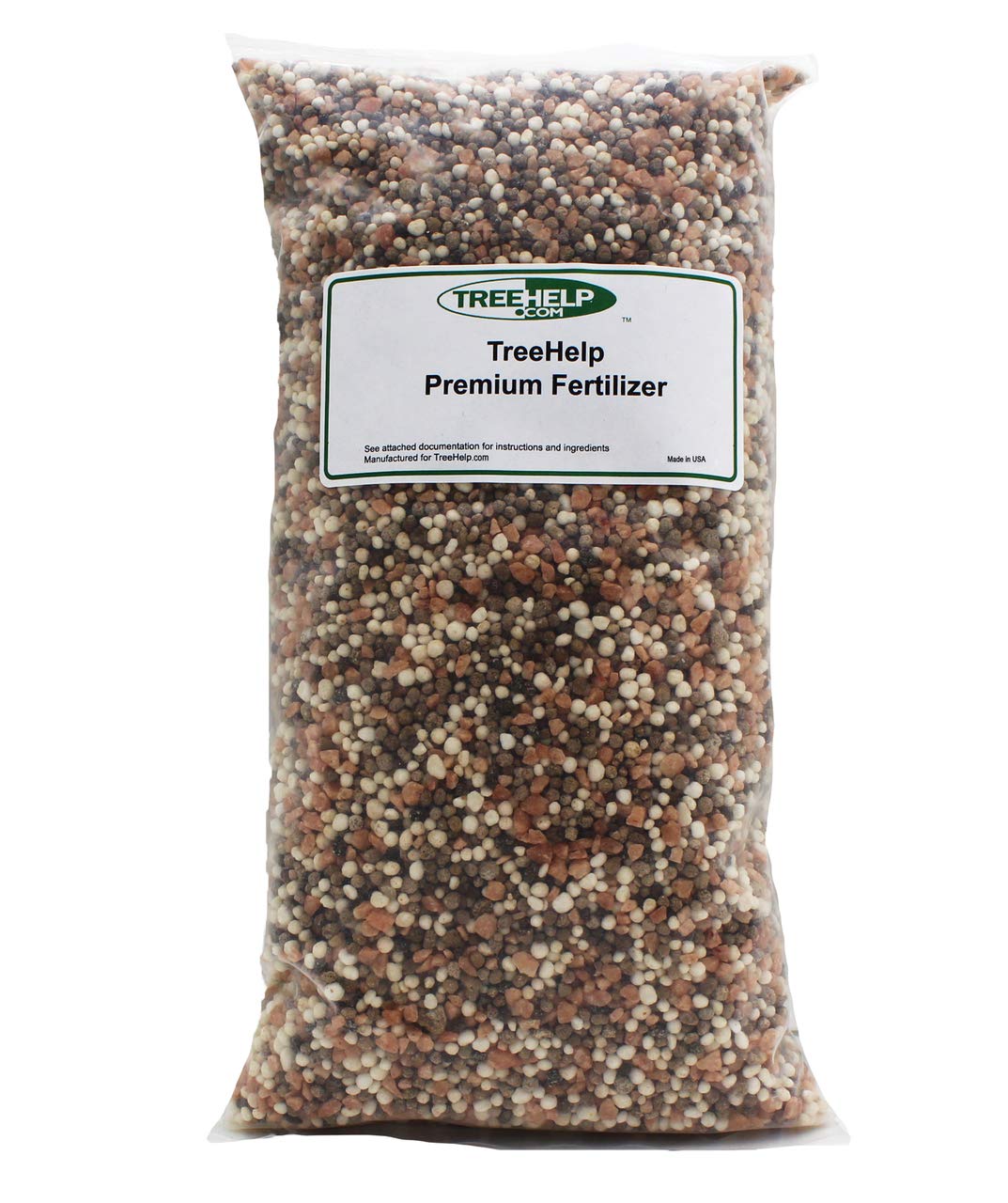
TreeHelp Premium Liquid Fertilizer for Wisteria
| Item Form | Liquid |
|---|---|
| Specific Uses For Product | Root Development |
| Coverage | Full |
| Target Species | Wisteria |
| Unit Count | 52.9 Ounce |
TreeHelp Premium Liquid Fertilizer is a wisteria-specific root development formula intended for regular application to mature or newly planted wisteria. It is used by mixing per the included instructions and applying to the soil around the root zone to encourage stronger roots and sustained growth through a slow-release nitrogen component. Notable features include a liquid form for easy dilution and targeted labeling for wisteria, plus directions that cover treatment rates for one large tree or multiple smaller plants. In practice the product makes routine feeding straightforward and helps maintain vigor without needing complex blends. Important limitations are that it is purpose-built for wisteria so it is less versatile for mixed-plant beds, and safety precautions note it can be harmful if swallowed or absorbed through the skin, so careful handling and storage are required. For gardeners who want a simple, plant-specific liquid feed to support reliable root health, this product delivers clear, usable instructions and steady nutrient release.
Best for: Gardeners who prioritize dependable, plant-specific feeding for wisteria and who prefer a straightforward liquid treatment with clear application instructions.
Less Ideal for: People who need a multipurpose fertilizer for mixed borders or who prefer dry/slow-release granular formats for long-term unattended feeding.
- Formulated specifically for wisteria to support root development
- Liquid form mixes easily for straightforward soil application
- Contains slow-release nitrogen for continued feeding through the season
- Clear instructions provided for treating one large or multiple smaller trees
- Designed for wisteria only so it is not a general-purpose fertilizer
Verdict: Buy this if you want a simple, wisteria-specific liquid feed that promotes reliable root development and season-long nitrogen delivery.
Nelson NutriStar Bougainvillea & Flowering Vine Food, Granular 17-7-10 (2 lb)

| Item Form | Granules |
|---|---|
| Application Method | Granular |
| Coverage | Medium |
| Target Species | bougainvillea vines and flowering |
| Mixing Ratio | 17:7:10 |
This granular NutriStar formula is built for gardeners who want bigger, more frequent blooms from bougainvillea and similar flowering vines. You apply the slow‑release granules on the soil surface for use in pots, hanging baskets or the ground, feeding every 14 days until blooming then monthly during bloom. The 17-7-10 blend with four sources of nitrogen, added sulfur and gypsum is designed to encourage root health, acidify soil slightly and support sustained flower production without frequent liquid feeding. In practice it simplifies maintenance: it is easy to sprinkle, creates little mess and supports both indoor and outdoor plants. Expect noticeable improvements in bloom size and quantity when used as directed, especially on acid‑loving vines. Limits to consider are that the product is a targeted bloom formula so it emphasizes flowering over foliage greening and the 2 lb jar covers medium area only compared with larger commercial bags, so frequent users or larger plantings will need the bigger sizes.
Best for: Gardeners focused on maximizing bloom production from bougainvillea and other flowering vines who want an easy, low‑maintenance granular feed for pots and landscapes.
Less Ideal for: People managing large beds or many plants who need bulk coverage or those seeking a balanced fertilizer to drive leafy growth rather than flowering.
- 17-7-10 slow‑release formula developed to boost bloom size and frequency
- Contains sulfur and gypsum to help acidify soil and improve root zone structure
- Four sources of nitrogen provide sustained feeding without liquid fertilizers
- Suitable for indoor and outdoor use in hanging baskets, pots, and ground plantings
- Small 2 lb package provides limited coverage compared with larger sizes
- Formula prioritizes flowering which may not correct nitrogen deficiencies for heavy foliage growth
Verdict: Choose this slow‑release 17-7-10 granular feed if you want an easy, bloom-focused fertilizer that reliably increases flower size and frequency on bougainvillea and other flowering vines.
Miracle-Gro Water Soluble All Purpose Plant Food, 1.5 lb

| Item Form | Powder |
|---|---|
| Application Method | Watering Can |
| Target Species | For all flowers, vegetables, trees, shrubs and houseplants |
| Mixing Ratio | 24-8-16 |
Miracle-Gro Water Soluble All Purpose Plant Food is a powder concentrate you mix with water to give a quick nutrient boost to flowers, vegetables, houseplants, shrubs and trees. It is typically dissolved in a watering can or used with a compatible garden feeder to soak soil at the base of plants, delivering nitrogen-heavy nutrition that shows effects faster than granular fertilizers. Notable features include an easy scooping method for indoor and outdoor dosing, compatibility with containers and in-ground planting, and clear directions for feeding every one to two weeks. In practice this makes the product a convenient option when you want visible growth and greener foliage quickly, and the 1.5 lb container covers roughly 600 sq. ft. Important limitations are that it is a fast-release, high-nitrogen formula best used as a regular quick feed rather than a long-term slow-release solution, and it requires careful measuring to avoid overfeeding. For routine maintenance combine with good watering and follow the label to avoid nutrient imbalance.
Best for: Buyers who prefer proven, easy-to-use feeding routines and want noticeable growth quickly for a variety of garden and houseplants, guided by established usage directions and broad user experience.
Less Ideal for: Gardeners seeking a single, long-term slow-release solution or those who prefer organic or low-nitrogen fertilizers for sensitive plantings should consider alternative products.
- Water-soluble powder starts working quickly at the roots when mixed and applied
- Clear, simple dosing for indoor and outdoor use with included scoop guidance
- Suitable for a wide range of plants including vegetables, flowers, shrubs and houseplants
- Covers a large area from a small container (about 600 sq. ft. per 1.5 lb)
- Fast-release formula means benefits are short-term compared with slow-release granular fertilizers
- Requires precise measuring and regular reapplication to avoid overfeeding
Verdict: A reliable, fast-acting water-soluble plant food for gardeners who want easy, repeatable feeding and quick visible results.
Choosing the Right Fertilizer for Wisteria: Key Factors to Consider
Nutrient Ratio and Flowering
The balance of nitrogen, phosphorus, and potassium determines whether a wisteria will prioritize leaf growth or bloom production. Wisteria typically flowers best when nitrogen is moderate so the vine does not put all energy into foliage, while adequate phosphorus supports bud set. Look for formulations with a relatively lower middle number for nitrogen compared with the phosphorus number or at least a balanced NPK that is not high in nitrogen.
Overfeeding with high-nitrogen products can produce lush green growth but fewer flowers, so understanding label numbers and how they translate into seasonal plant behavior is critical when selecting a fertilizer for wisteria.
Application Method and Timing
How you apply fertilizer affects results and labor. Granular slow-release feeds require fewer applications and provide steady nutrients over months, which suits gardeners who prefer low-maintenance care. Water-soluble and liquid fertilizers allow quick correction of deficiencies and more precise timing around bud development, but they require more frequent repeat applications.
Timing is especially important: a spring feed at bud swell can support bloom set, whereas late-summer or fall high-nitrogen feeding can encourage growth that does not harden off before winter. Choose a format that matches how often you will apply and the seasonal rhythm of your vine.
Longevity and Frequency
Some products release nutrients slowly for several months, while others need monthly or biweekly applications. Longevity affects both convenience and the plant's steady access to nutrients. For an established wisteria in a large garden, a longer-lasting product reduces disruption and risk of overfeeding. For smaller containers or newly planted vines, shorter-acting feeds let you fine-tune nutrition without building up excess salts.
Think about whether you want an occasional maintenance feeding or the ability to respond quickly to poor bloom years. That decision will determine the right feed duration for your situation.
Salt Index and Root Safety
High-salt fertilizers can stress roots, especially in containers or compacted soils, which may reduce flowering and increase susceptibility to drought. Products with a lower salt index or clear label guidance for dilution are safer around wisteria roots. Good fertilizers include instructions for safe application rates and watering-in practices that prevent root burn.
If your soil test shows marginal salinity or you tend to container-garden, prioritize formulations designed for sensitive woody plants or those with lower soluble salt content.
Support for Young Versus Established Vines
Young wisteria need a different approach than mature specimens. Newly planted vines benefit from fertilizers that encourage root development and steady, controlled vegetative growth so the plant establishes without excessive top growth. Established plants may tolerate or need bloom-focused feeds to maximize flowering once structural pruning is in place.
When selecting fertilizer for wisteria, check whether the formulation is labeled for woody vines or for establishment use. That helps avoid overfeeding young plants and ensures mature plants get the bloom stimulus they need without encouraging runaway vigor.
Soil Compatibility and pH Considerations
Wisteria prefers neutral to slightly acidic soil, and some fertilizer types can influence soil pH over time. Organic amendments and certain slow-release formulas tend to have a gentler impact on pH than repeated alkaline liquid feeds. If your soil is already extreme in pH, choose fertilizers that do not exacerbate the imbalance and consider combining feeding with regular soil tests.
Matching feed type to your existing soil chemistry helps the plant access nutrients efficiently and supports consistent flowering season after season.
When to Feed Wisteria During the Year
Feed timing can make a big difference for blossom quantity. Apply a cautious feed in early spring just as new shoots begin to emerge to support bud development. Avoid heavy high-nitrogen applications after mid-summer because late-season vegetative growth may not harden off and can reduce next spring's blooms.
A light feed after flowering can help replenish energy reserves if the vine looks depleted, but skip late autumn fertilizing for woody vines. Match the timing to the fertilizer's release profile so nutrients are available when buds form.
- Spring feed at bud swell for bloom support
- Light post-bloom feed only if the vine appears weak
- Avoid late-summer or autumn high-nitrogen applications
Feeding Wisteria in Containers Versus In-Ground
Container-grown wisteria need more frequent, gentle feeding because potting mix holds fewer reserves and salts can build up quickly. Use lower-salt or diluted liquid feeds on a regular schedule and flush the potting medium periodically with water to avoid salt accumulation.
In-ground specimens have access to a larger soil volume and organic matter, so slow-release granular feeds often provide balanced nutrition with less risk of buildup. Still, monitor soil moisture and nutrient availability with occasional soil tests.
- Containers: dilute liquids, feed more often, flush periodically
- In-ground: slow-release options reduce labor and runoff risk
- Watch for leaf yellowing as a sign of deficiency rather than assuming overfeeding
Organic Versus Synthetic Options
Organic fertilizers release nutrients more slowly and contribute to soil structure as they break down, which can be helpful for long-term health and beneficial soil biology. They are less likely to cause sudden growth flushes that reduce flowering, but they may take longer to correct deficiencies.
Synthetic fertilizers offer precise nutrient ratios and quicker correction of nutrient shortages. They can be useful when you need to respond to a poor bloom year, but they require careful application to avoid over-stimulating foliage.
- Organics build soil health and provide gradual feeding
- Synthetics give fast, precise results but need careful dosing
- Consider alternating approaches based on soil test results
Watering and Fertilizer Interaction
How you water affects nutrient uptake and the risk of salt injury. Always water in granular fertilizers well after application to move nutrients to the root zone and avoid leaf scorch. For concentrated liquid feeds, dilute according to label guidance and apply during the cooler part of the day to reduce stress.
Consistent soil moisture helps wisteria set and open flowers properly. Avoid drought stress during bud formation, and be cautious about overwatering after feeding because saturated soil reduces oxygen around roots and impairs nutrient uptake.
- Water in fertilizers to move nutrients to roots
- Dilute concentrated feeds to label recommendations
- Maintain even moisture during bud set and flowering
Adjusting Feeding for Pruning and Vigor Control
Pruning strategy and feeding go hand in hand. If you prune hard to control vigor and shape the vine, expect a burst of regrowth and adjust feeding accordingly. A restrained feeding approach after heavy pruning helps new shoots establish without runaway leafy growth that can delay bloom.
Conversely, when you want to encourage flowering after structural pruning, favor a bloom-supporting nutrient balance and avoid high-nitrogen inputs that counteract pruning goals.
- Cut back feeding after heavy pruning to avoid vigorous regrowth
- Use bloom-focused nutrition following structural pruning when flowers are desired
- Coordinate pruning schedule with the fertilizer release profile
How We Chose the Best Fertilizer for Wisteria
We shortlisted fertilizers that match wisteria's unique needs and then applied consistent, garden-focused filters to the list. Primary evaluation criteria included nutrient ratio and bloom promotion because wisteria often flowers best with an NPK balance that favors phosphorus and moderates nitrogen. Application method and ease were assessed so gardeners can choose between granular, liquid, and slow-release formats based on how often they want to feed. Longevity of effect and timing mattered for gardeners who prefer a single seasonal feeding versus multiple quick treatments. Safety for roots and surrounding plants was checked, including salt index and recommended dilution rates for concentrated products. We also considered suitability for young versus established vines, and whether the fertilizer supports root development during the first years. Exclusions: we ruled out formulations intended exclusively for lawns or high-nitrogen general-purpose feeds that primarily stimulate vegetative growth, and we excluded products with unclear label nutrient analysis or ambiguous instructions.
FAQ
How often should I fertilize established wisteria?
Often a single well-timed spring application is sufficient for established in-ground vines, especially if you use a slow-release product. In container situations or if using water-soluble feeds, monthly or biweekly light applications during the growing season are more common.
Will a high-phosphorus fertilizer always increase blooms?
Not always. Higher phosphorus can help bud set, but if nitrogen is too high or other conditions like light, pruning, or soil pH are unfavorable, blooms may still be poor. A balanced approach that considers overall vine health works best.
Can fertilizing fix poor flowering right away?
Usually it takes a season to see the full benefit of corrected nutrition, especially with slow-release or organic feeds. Quick-correcting liquid feeds can help in a single season, but other limiting factors like pruning, light, or root health must also be addressed.
Is it safe to fertilize wisteria in pots?
Yes, but potted vines are more sensitive to salt buildup and require gentler, more frequent feeding with lower-strength solutions. Flush the pot occasionally to prevent salt accumulation and use potting mixes with good drainage.
Should I change fertilizer after heavy pruning?
After heavy pruning, reduce high-nitrogen feeding to avoid excessive vegetative regrowth. Choose a gentler or bloom-supportive formula while the vine recovers so energy goes into establishing shoots and future buds rather than unstoppable leaf growth.
Final Verdict
Picking the right fertilizer for wisteria means balancing bloom promotion against unwanted vegetative vigor. Prioritize nutrient ratios that favor bud set, choose a feed format that matches how often you will apply, and mind root safety and soil compatibility. For young plants, favor root-building, moderate feeds; for established vines, lean toward bloom-supporting formulations and correct timing. With those tradeoffs in mind, you can select a feeding approach that fits your pruning style and maintenance rhythm and that helps the vine reward you with dependable flowering.
