

Note: This article contains affiliate links. If you click on these links and make a purchase, I may earn a small commission at no extra cost to you. This helps support my research and content. Read my full affiliate disclosure here.
Choosing the right fertilizer changes how plants perform across beds, containers, and lawns. The right formula gives seedlings a reliable start, supports heavy feeders during bloom, and helps established perennials maintain vigor while avoiding nutrient lockups that stress roots. This guide covers seven carefully shortlisted fertilizers suited to common garden situations, from containers to small vegetable plots. We evaluated options on practical gardener concerns like nutrient balance, application method, and risk of burn to help you pick a fertilizer that fits your soil, planting style, and maintenance rhythm. Read on to see the criteria we used and what to expect from each type.
Top Picks at a Glance
| Best Overall The best all-around choice for most situations | Osmocote Smart-Release Plant Food Plus Outdoor & Indoor, 8 lb. |  |
| Best Quality Built to a higher standard if you want something more solid | FoxFarm Soil Liquid Trio Pack (Big Bloom, Grow Big, Tiger Bloom) – 48 fl oz |  |
| Best Value The sweet spot between price and what you get | Purived 16 oz All-Purpose Liquid Houseplant Fertilizer |  |
| Best Budget The cheapest option that still gets the job done reliably | Miracle-Gro Water Soluble All Purpose Plant Food, 1.5 lb |  |
| Highest Rated A top-rated pick with lots of positive feedback | ALVENZO BloomaCare 4-5-5 Liquid Plant Fertilizer, 6.8 fl oz |  |
| Most Popular A crowd favorite that many people choose with confidence | Miracle-Gro Water Soluble All Purpose Plant Food, 10 lb | 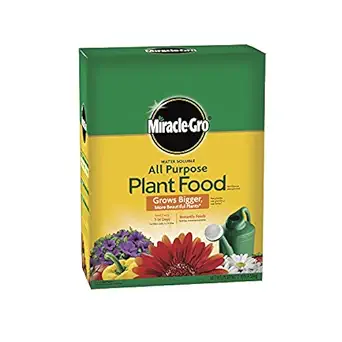 |
| Best Seller A high-volume bestseller chosen again and again | TPS NUTRIENTS Indoor Plant Food Liquid Fertilizer, 8 oz |  |
Osmocote Smart-Release Plant Food Plus Outdoor & Indoor, 8 lb.

| Item Form | Granules |
|---|---|
| Specific Uses For Product | Plant Food |
| Application Method | Sprinkle |
| Coverage | Full |
| Mixing Ratio | 1 scoopful (3 tablespoons) per 2 gal. pot or 4 sq. ft. |
Osmocote Smart-Release Plant Food Plus is a granular, slow-release fertilizer designed for both container and in-ground use that feeds plants up to six months per application. You apply it by sprinkling the recommended scoopful into the top 1 to 3 inches of soil and watering; for indoor plants use half the outdoor rate. Each granule is resin-coated so nutrients are released gradually with moisture and temperature, which reduces the need for frequent feeding and helps avoid fertilizer burn when used as directed. It covers up to about 300 square feet from the 8 lb. container and is labeled for most plant types including vegetables, flowers, shrubs, and houseplants. The practical benefits are long-lasting feeding, broad compatibility across garden uses, and an easy sprinkle-and-water routine. Limitations are that specific nutrient analysis and ingredient details are not listed on the product page here and that release depends on environmental conditions so results can vary by climate and watering habits.
Best for: Gardeners who want a low-maintenance, long-lasting fertilizer that can handle a variety of plants and settings and prefer an easy sprinkle-and-forget feeding schedule.
Less Ideal for: Growers who need precise, water-soluble nutrient dosing for hydroponics or who require a detailed N-P-K breakdown for tailored fertilizing plans should consider more specialized products.
- Feeds up to six months per application with controlled-release granules
- Works for both indoor and outdoor plants including containers and in-ground beds
- Easy application: sprinkle, mix into topsoil, and water
- No-burn pledge when used as directed
- Product listing does not provide a full nutrient analysis or ingredient breakdown
- Nutrient release rate varies with temperature and moisture so feeding effect is environment-dependent
Verdict: Choose this if you want a simple, long-lasting slow-release fertilizer that feeds most indoor and outdoor plants for up to six months with minimal upkeep.
FoxFarm Soil Liquid Trio Pack (Big Bloom, Grow Big, Tiger Bloom) – 48 fl oz

| Item Form | Liquid |
|---|---|
| Specific Uses For Product | Plant Food |
| Coverage | Organic |
| Liquid Volume | 48 fluid ounces |
The FoxFarm Soil Liquid Trio Pack bundles Big Bloom, Grow Big and Tiger Bloom into a cohesive feeding program for gardeners who want strong vegetative growth followed by prolific flowering and fruit set. In practice you use Grow Big during the vegetative stage to promote leaf and root development, Big Bloom as an all‑purpose booster throughout the cycle, and Tiger Bloom once buds form to push flower and fruit production. The formulas are concentrated liquids, easy to mix into watering cans or irrigation, and FoxFarm notes greenhouse testing for consistency. Practical benefits include a staged nutrition plan that removes guesswork between growth phases and a single brand chemistry that reduces compatibility issues. Limitations are that doses must be followed to avoid overfeeding and the trio is a general program rather than a crop‑specific, measured nutrient chart for precision growers. Also safety precautions are needed when handling concentrated liquids around children and pets.
Best for: Gardeners who prioritize measurable performance and want a single, stage‑based feeding plan to push vigorous growth and higher bloom or fruit yields.
Less Ideal for: Growers seeking a lab‑grade, fully tailored nutrient regimen or those who prefer granular/slow‑release fertilizers for low‑maintenance feeding.
- Includes three complementary formulas covering veg, bloom and continual feeding
- Concentrated liquid format mixes easily into watering or fertigation systems
- Formulas tested for consistency in greenhouse settings
- Versatile across many plant types including roses, vegetables and houseplants
- Not a precision, crop‑specific nutrient program for high‑intensity growers
- Requires careful dilution and handling of concentrated liquids
Verdict: Buy this trio if you want a ready‑to‑use, stage‑based liquid feeding program that reliably supports vigorous growth and bigger blooms or fruit.
Purived 16 oz All-Purpose Liquid Houseplant Fertilizer

| Item Form | Liquid |
|---|---|
| Specific Uses For Product | Houseplant Fertilizer |
| Application Method | soil drench, foliar feed, full & semi hydroponics |
| Liquid Volume | 16 fluid ounces |
| Mixing Ratio | 320:1 |
Purived 16 oz All-Purpose Liquid Houseplant Fertilizer is a concentrated, water-soluble formula intended to stretch into roughly 50 gallons of feed solution. You mix one capful per gallon (mixing ratio 320:1) and apply as a soil drench, foliar spray, or in full and semi-hydroponic setups, which makes it flexible for different indoor growing methods. The formula lists primary macronutrients and a suite of micronutrients including iron, magnesium, manganese, and zinc so it addresses both growth and trace element needs. Practical benefits are minimal odor, easy measuring with the cap, and a long two-year shelf life so you can buy once and use over seasons. Limitations to note are that the label gives no N-P-K breakdown so precise nutrient planning requires testing or alternating with other feeds, and the single bottle requires careful dilution to avoid overfeeding. For growers who want one concentrated, general-purpose feed for varied indoor plants, this is a convenient option, but serious growers seeking exact ratios for specific stages may want a fertilizer with explicit N-P-K values.
Best for: Buyers who prioritize a single, flexible fertilizer they can use across many indoor plants and feeding methods and who want to minimize how often they purchase feed products.
Less Ideal for: Growers who need precise N-P-K ratios for staged feeding programs or those managing large outdoor beds where higher-volume commercial formulations are preferred.
- Concentrated bottle that mixes into about 50 gallons, reducing storage and cost per gallon
- Usable as soil drench, foliar feed, and in full or semi-hydroponic systems for versatility
- Contains macronutrients plus a broad range of micronutrients for balanced feeding
- Low odor and a two year shelf life for convenient storage
- Label does not list exact N-P-K ratios which limits precision feeding plans
- Requires careful dilution to avoid nutrient burn since only a single mixing ratio is provided
Verdict: A single concentrated, multi-method liquid fertilizer that lets indoor plant owners feed many plants conveniently from one bottle.
Miracle-Gro Water Soluble All Purpose Plant Food, 1.5 lb

| Item Form | Powder |
|---|---|
| Application Method | Watering Can |
| Target Species | For all flowers, vegetables, trees, shrubs and houseplants |
| Mixing Ratio | 24-8-16 |
Miracle-Gro Water Soluble All Purpose Plant Food is a fast-acting powdered fertilizer you mix with water to feed a wide range of plants from houseplants to vegetables and shrubs. You use the included scoop to dilute the powder in a watering can or fill a compatible garden feeder for larger areas; directions call for feeding every 7 to 14 days outdoors and every 2 weeks indoors. Notable features are the high-nitrogen 24-8-16 formula that promotes quick, leafy growth and the water-soluble format that delivers nutrients to roots almost immediately. In practice this makes it a handy boost during the growing season when plants need frequent feeding for bigger foliage and better blooms. The product is versatile across containers and in-ground beds and one 1.5 lb container covers a modest garden area. Important limitations are that it is a quick-feed fertilizer rather than a slow-release option so you need to reapply regularly, and heavy use without following dilution guidelines can risk nutrient imbalance. For gardeners looking for an easy, repeatable feed, this is a practical staple.
Best for: Gardeners who want an inexpensive, easy-to-use fertilizer to give frequent, visible boosts to a variety of plants and who prefer quick results over long-term slow feeding.
Less Ideal for: People who prefer low-maintenance, infrequent feeding with slow-release formulas or those managing very large landscapes where bulk coverage from granular products is more practical.
- Water-soluble powder that starts working quickly when mixed and applied
- All-purpose formula suitable for flowers, vegetables, trees, shrubs and houseplants
- Clear, simple application methods for watering can or garden feeder
- High nitrogen content (24) for visible leafy growth and vigor
- Requires frequent reapplication compared with slow-release granular fertilizers
- Smaller 1.5 lb container covers a limited area so larger gardens may need multiple containers
Verdict: A cheap, easy-to-mix water-soluble fertilizer that delivers quick, repeatable nutrient boosts for a wide range of garden and houseplants.
ALVENZO BloomaCare 4-5-5 Liquid Plant Fertilizer, 6.8 fl oz

| Unit Count | 7.05 Ounce |
|---|---|
| Liquid Volume | 200 ml |
| Item Highlight | 4-5-5 NPK formula, easy to mix with water, for pothos, monstera, snake plants and more |
| Brand | ALVENZO |
The ALVENZO BloomaCare 4-5-5 liquid fertilizer is a small, concentrated bottle intended for routine feeding of houseplants and hydroponic setups. It supplies a balanced NPK profile plus calcium and magnesium in a quick-mix liquid that you dilute with water for soil drench or foliar spray. Typical use is straightforward: follow the label dilution for regular maintenance of pothos, monstera, snake plants and similar foliage, or add directly to hydroponic reservoirs. Notable features include its soluble formula that mixes easily, explicit suitability for both soil and hydroponic systems, and the inclusion of secondary nutrients like calcium and magnesium that support steady growth and leaf health. Practical benefits are predictable, even feeding for everyday use and convenience from the concentrated bottle. Limitations are the small 200 ml volume, which means more frequent replacement for larger plant collections, and the listing does not provide granular dosing guidance for every species so cautious starting dilutions are advisable.
Best for: Buyers who prioritize dependable, easy-to-use daily feeding for indoor plants or small hydroponic systems and want a straightforward, all-purpose liquid fertilizer.
Less Ideal for: Not a good fit for large-scale growers or those who need bulk commercial quantities or highly specific bloom-boosting formulas.
- Balanced 4-5-5 NPK suited for regular foliage maintenance
- Concentrated liquid mixes quickly for soil or foliar application
- Includes secondary nutrients calcium and magnesium for stronger leaf health
- Small 200 ml/6.8 fl oz bottle may require frequent repurchase for larger collections
- Label lacks detailed species-specific dosing for advanced growers
Verdict: A compact, no-fuss 4-5-5 liquid fertilizer that reliably supports everyday indoor and small hydroponic plant care.
Miracle-Gro Water Soluble All Purpose Plant Food, 10 lb

| Item Form | Granules, Powder |
|---|---|
| Application Method | watering can |
| Target Species | Flowers, vegetables, trees, shrubs and houseplants |
| Unit Count | 160 Ounce |
| Fertilizer Analysis | 24-8-16 |
Miracle-Gro Water Soluble All Purpose Plant Food is a granular powder you mix into water to give a fast nutrient boost to houseplants, container plants, in-ground vegetables, flowers, shrubs and trees. It dissolves in a watering can or garden feeder so you can soak soil at the base of plants and deliver nutrition directly to roots. Key practical features are the high-nitrogen 24-8-16 formula for leafy growth, clear mixing directions for indoor and outdoor use, and a scoop included for consistent dosing. A 10 lb container covers a large area, making it convenient for gardeners who feed often every one to two weeks. Limitations to note are that it is a quick-release, water-soluble feed rather than a slow-release granule, so it requires regular reapplication and routine mixing. Users should follow the label to avoid overfeeding and store the product dry and away from children and pets.
Best for: Gardeners who want reliable, proven results and prefer a fertilizer with clear instructions and wide real-world use across many plant types.
Less Ideal for: People looking for a low-maintenance slow-release fertilizer or a formula tailored to a specific crop like acid-loving plants or bloom boosters.
- Fast-acting water-soluble formula that delivers nutrients directly to roots
- Clear mixing/application guidance for indoor and outdoor plants
- Broad compatibility with flowers, vegetables, trees, shrubs and houseplants
- Large 10 lb supply covers a substantial garden area when applied as directed
- Requires frequent reapplication compared with slow-release fertilizers
- Not formulated as a specialty blend for acid-loving or bloom-only needs
Verdict: Choose this if you want a trusted, fast-acting all-purpose soluble fertilizer that reliably feeds a wide range of indoor and outdoor plants.
TPS NUTRIENTS Indoor Plant Food Liquid Fertilizer, 8 oz

| Item Form | Liquid |
|---|---|
| Application Method | Watering can |
| Unit Count | 8 Fluid Ounces |
| Mixing Ratio | 1 tbsp per 32 oz water |
This 8 oz TPS NUTRIENTS indoor plant food is a liquid concentrate designed to be mixed with water and applied during regular watering. It is meant for weekly or routine feeding of common houseplants such as pothos, monstera, snake plants, and fiddle leaf figs. Notable features include a kelp-enriched formula, a clear mixing ratio (1 tablespoon per 32 oz water), and a watering-can application that integrates into normal care. In practice it delivers easily measured feedings and should help maintain greener, glossier leaves and steady new growth when used consistently. Because it is a concentrate, a small bottle covers many feedings, which is convenient for someone keeping several pots. Limitations are that it is formulated specifically for indoor use and labeled for medium coverage, so very large collections or heavy-feeding plants may need a higher-volume product or supplementary treatments. Also follow safety directions to keep the concentrate away from children and pets and avoid skin or eye contact.
Best for: Anyone who wants a simple, low-effort fertilizer to keep a modest indoor plant collection healthy with predictable weekly feedings and easy dosing.
Less Ideal for: Collectors with very large numbers of plants, heavy feeders, or outdoor gardeners should look for higher-volume or specialty fertilizers instead.
- Liquid concentrate mixes easily with water for straightforward, regular feedings
- Kelp-enriched formula that targets foliage color, new growth, and root strength
- Clear mixing instructions make dosing simple and repeatable
- Small bottle provides many applications for typical indoor plant collections
- Designed for indoor houseplants only so not suited to outdoor or large-scale garden use
Verdict: A small, easy-to-use liquid concentrate that delivers reliable weekly nutrition to keep common houseplants healthy and vibrant.
Choosing the Right Fertilizer: Key Factors to Consider
Nutrient Ratio and What It Means
The N-P-K ratio printed on fertilizer indicates the relative amounts of nitrogen, phosphorus, and potassium. Nitrogen promotes leafy growth, phosphorus supports root development and flowering, and potassium improves stress tolerance and overall hardiness. Choosing a ratio depends on the plant stage: high-nitrogen mixes help leafy greens and lawns, while higher phosphorus supports bulbs, flowering perennials, and root crops.
Beyond the three primary numbers, secondary nutrients like calcium, magnesium, and sulfur plus trace micronutrients such as iron, manganese, and boron can correct common deficiencies and improve plant health. A balanced formula or a plan to supplement missing nutrients matters more than absolute N-P-K for long-term garden success.
Application Method and Convenience
Fertilizers come as granular, slow-release, liquid concentrates, and water-soluble powders. Granular products are easy to broadcast or side-dress and often fit routine seasonal applications. Liquid concentrates and water-soluble formulas give quicker availability and let you feed through watering cans or hose-end applicators for fast responses. Slow-release granules reduce frequency of feeding but offer less control if you need to adjust quickly.
Consider how you water and tend your garden. If you rely on drip irrigation, choose a product that dissolves well and is compatible with the system. If you manage containers or small beds, soluble or liquid feeds let you correct deficiencies faster and avoid buildup that can occur with repeated granular surface applications.
Risk of Burn and Safety
High-concentration fertilizers can scorch roots and foliage if applied too strongly or unevenly. The risk of burn rises with high-salt formulas and when applied to dry soil. Proper dilution and following label rates reduce this danger. When using concentrated liquids or salt-heavy granular blends, always water after application to help move nutrients into the root zone and avoid direct contact with stems and leaves.
Organic fertilizers tend to pose a lower immediate burn risk because nutrients release more slowly as microbes break down the material. That said, they can still cause local imbalances if overapplied. Storage and handling safety matters too: keep products dry, out of reach of children and pets, and follow packaging guidance for personal protective equipment when recommended.
Feed Longevity and Seasonal Timing
Longevity determines how often you need to reapply. Fast-acting soluble feeds can correct deficiencies in days but require frequent repetition through a season. Slow-release or controlled-release granules provide steady nutrients over weeks to months, which suits gardeners who prefer fewer interventions. Some blends advertise specific release intervals depending on soil temperature. Consider plant needs: heavy feeders like tomatoes benefit from a mix of quick-release and sustained feeding, while established perennials often fare well with fewer, balanced applications.
Match the feed schedule to the growing cycle. Begin with starter feeds during planting, use bloom-boosting formulas during flowering, and taper nitrogen late in the season to encourage hardiness in perennials and shrubs.
Suitability for Soil Type and Plants
Soil texture and fertility influence fertilizer choice. Sandy soils drain quickly and may need more frequent, lighter feeds because nutrients leach faster. Clay soils hold nutrients longer but can lock them up; in those cases, using feeds with added calcium or organic matter can improve nutrient availability and soil structure. Container mixes usually require more frequent feeding because potting medium has limited nutrient reserves.
Consider specific plant groups when choosing formulations. Acid-loving plants may need micronutrient attention and low-phosphorus blends in some soils. Lawns, vegetables, annuals, and woody shrubs each have different ideal ratios and timing, so pick a format and schedule that fits the dominant plant types in your garden.
Environmental Impact and Runoff Considerations
Excess fertilizer can leach into waterways and cause algal blooms, so application technique and timing matter. Avoid heavy feeding before intense rain events and do not apply near storm drains or unprotected water bodies. Slow-release formulations and organic sources can reduce peak nutrient runoff because they release nutrients gradually.
Use the lowest effective rate and follow label guidance. Incorporating organic matter and improving soil structure can help retain nutrients and reduce the need for repeated fertilizer applications. Thoughtful placement and timing protect both the garden and the surrounding ecosystem.
When to Use Quick-Release Versus Slow-Release
Quick-release fertilizers show results within days and are useful for correcting deficiencies, pushing a crop to finish, or feeding thirsty container plants. They are convenient when you need a fast response but require a consistent schedule to maintain nutrient levels.
Slow-release products cut down on visits and give more even feeding over time. They are best for established beds, perennial borders, and lawns where steady nutrition matters more than rapid correction.
- Use quick-release for containers, seedling boosts, and corrective feeding.
- Use slow-release for lawns, long-season containers, and low-maintenance beds.
- Combine both approaches for heavy-feeding vegetables to get immediate and sustained supply.
How to Apply Fertilizer Safely
Read label directions carefully and measure accurately. Overapplication is a common source of plant damage. For granular feeds, apply evenly and rake or water them into the root zone unless the label instructs otherwise.
When using liquid concentrates, prepare dilutions in a dedicated container and avoid splashing on foliage. Water thoroughly after applying granular products to move nutrients into the soil and reduce the risk of burn.
- Calibrate spreaders and measuring cups before use.
- Avoid feeding during peak heat to reduce stress.
- Keep products stored dry and sealed.
Matching Fertilizer to Common Garden Scenarios
Container gardens have limited nutrient reserves, so choose soluble or regular liquid feeds and maintain a consistent feeding schedule. Raised beds and in-ground vegetable plots benefit from a mix of organic matter and targeted feeding during planting and fruit set.
Lawns usually perform best with licensed turf formulations or balanced granular feeds applied based on soil test results. For mixed borders, pick a balanced, low-salt formulation that supports both annuals and perennials without favoring foliage over blooms.
- Containers: frequent, dilute feeds
- Vegetable beds: starter feed at planting plus bloom-period boost
- Borders and ornamentals: balanced, low-salt formulas
Testing Soil and Adjusting Feed Plans
A simple soil test tells you pH and nutrient availability and prevents guesswork. Many gardeners under- or over-fertilize because they lack a baseline reading. Use test results to choose between acidic or alkaline adjustments, and to decide whether to prioritize phosphorus, potassium, or micronutrients.
After testing, plan feeding around deficiencies rather than applying blanket treatments. Re-test periodically to track changes and refine your schedule.
- Test before major planting or after persistent growth issues
- Adjust pH first when nutrient lockup is suspected
- Use test results to pick targeted supplements
Storing and Handling Fertilizer
Store fertilizers in a cool, dry place away from direct sunlight and moisture. Keep products sealed to maintain integrity and avoid caking in granular blends. Proper storage preserves effectiveness and reduces the risk of accidental spills or contamination.
Label containers clearly and keep them out of reach of children and pets. Clean measuring tools after use and avoid cross-contamination between different formulations.
- Keep dry and cool, sealed when not in use
- Label and lock storage if children or pets are present
- Clean tools and dispose of rinse water responsibly
How We Chose the Best Fertilizer
We started by filtering for products and formulations that are commonly used in home gardens and small-scale growing situations. The shortlist excludes specialty formulations that require advanced equipment or professional licensing such as agricultural-scale controlled-release blends and industrial-strength specialty amendments. Selection focused on accessible formats gardeners can apply without special training: granular, water-soluble, liquid concentrates, and organic blends. Our editorial filters emphasized nutrient balance, application versatility, and safety for common garden plants. We measured how clearly N-P-K ratios are declared, the presence of secondary nutrients and micronutrients, and how that composition suits different plant groups. Application ease included how simple the directions are, required dilution rates, and compatibility with watering systems. We also considered burn risk by looking for concentration guidance and buffering features. Longevity of feeding effect and suitability for container versus in-ground planting were included. Packaging and shelf stability were considered insofar as they affect handling and storage. These criteria align with the scoring metrics used throughout the guide.
FAQ
How often should I fertilize my vegetable garden?
It depends on the fertilizer type and soil fertility. Fast-acting liquid feeds are often applied every two to three weeks during active growth, while slow-release granules may be applied once at planting and again midseason. Base timing on crop needs and soil test results.
Can I use the same fertilizer on containers and in-ground plants?
You can, but application frequency and concentration will differ. Containers need more frequent, lighter feedings because potting mixes hold fewer nutrients. Always follow dilution directions for soluble feeds and reduce strength for container applications if advised.
Will too much fertilizer harm my plants?
Yes, overapplication can cause salt build-up, root burn, or excessive leafy growth at the expense of flowers or fruit. Follow label rates, water after application to move nutrients into the root zone, and adjust based on plant response.
Are organic fertilizers always better for the garden?
Organic fertilizers release nutrients more slowly and often improve soil structure, which can be beneficial. However, they may not correct acute deficiencies quickly and can require larger volumes. The best choice depends on your goals and whether you need immediate correction or long-term soil health.
How do I avoid nutrient runoff after applying fertilizer?
Avoid applying before heavy rain and do not overapply near water features. Use slow-release products and incorporate organic matter to increase nutrient retention. Water in granular applications lightly to move nutrients into the soil without creating runoff.
When should I stop fertilizing perennials for the season?
Reduce or stop nitrogen-rich feeds late in the season to encourage plants to harden off. Apply final maintenance feeds earlier in late summer rather than in autumn so plants have time to prepare for dormancy without a final flush of tender growth.
Final Verdict
Selecting the right fertilizer means balancing immediate plant needs with long-term soil health. Prioritize a formulation that matches your soil test results, plant types, and maintenance style. Decide between quick-release products for rapid correction and slow-release or organic options for steady feeding and lower burn risk. Final choices should reflect tradeoffs between frequency of application, the risk of runoff, and how quickly you need results so you can maintain strong, productive plants season after season.
