

Note: This article contains affiliate links. If you click on these links and make a purchase, I may earn a small commission at no extra cost to you. This helps support my research and content. Read my full affiliate disclosure here.
A busy foodservice space needs insect control that works quietly and reliably. Choosing the right fly trap for restaurant use matters because flying pests can contaminate food, distract staff, and trigger health inspections. In this guide we shortlisted the top commercial-grade options that are built for kitchens, dining rooms, and back-of-house areas. We evaluated traps on capture method, sanitation and maintenance, safety around food, and long-term reliability. Below you will find concise guidance to help you pick the style and features that match your restaurant layout and operations before the product list.
Top Picks at a Glance
| Best Overall The best all-around choice for most situations | Catchmaster Vector Optima Black Wall‑Mounted UV Fly Light Trap |  |
| Best Quality Built to a higher standard if you want something more solid | Catchmaster Vector Plasma One Commercial UV Fly Light Trap |  |
| Best Value The sweet spot between price and what you get | Catchmaster Vector 30 Commercial UV Fly Light Trap (30W) |  |
| Best Budget The cheapest option that still gets the job done reliably | Catchmaster Vector 9 Plug-In UV Fly Trap with Glue Boards |  |
| Highest Rated A top-rated pick with lots of positive feedback | Gardner WS-95 Wall Sconce Fly Light Trap |  |
| Best Seller A high-volume bestseller chosen again and again | ZEVO Compact Flying Insect Trap with 3 Refill Cartridges |  |
Catchmaster Vector Optima Black Wall‑Mounted UV Fly Light Trap
| Target Species | Fly |
|---|---|
| Material Type | Aluminum |
| Unit Count | 1 Count |
| Number of Pieces | 1 |
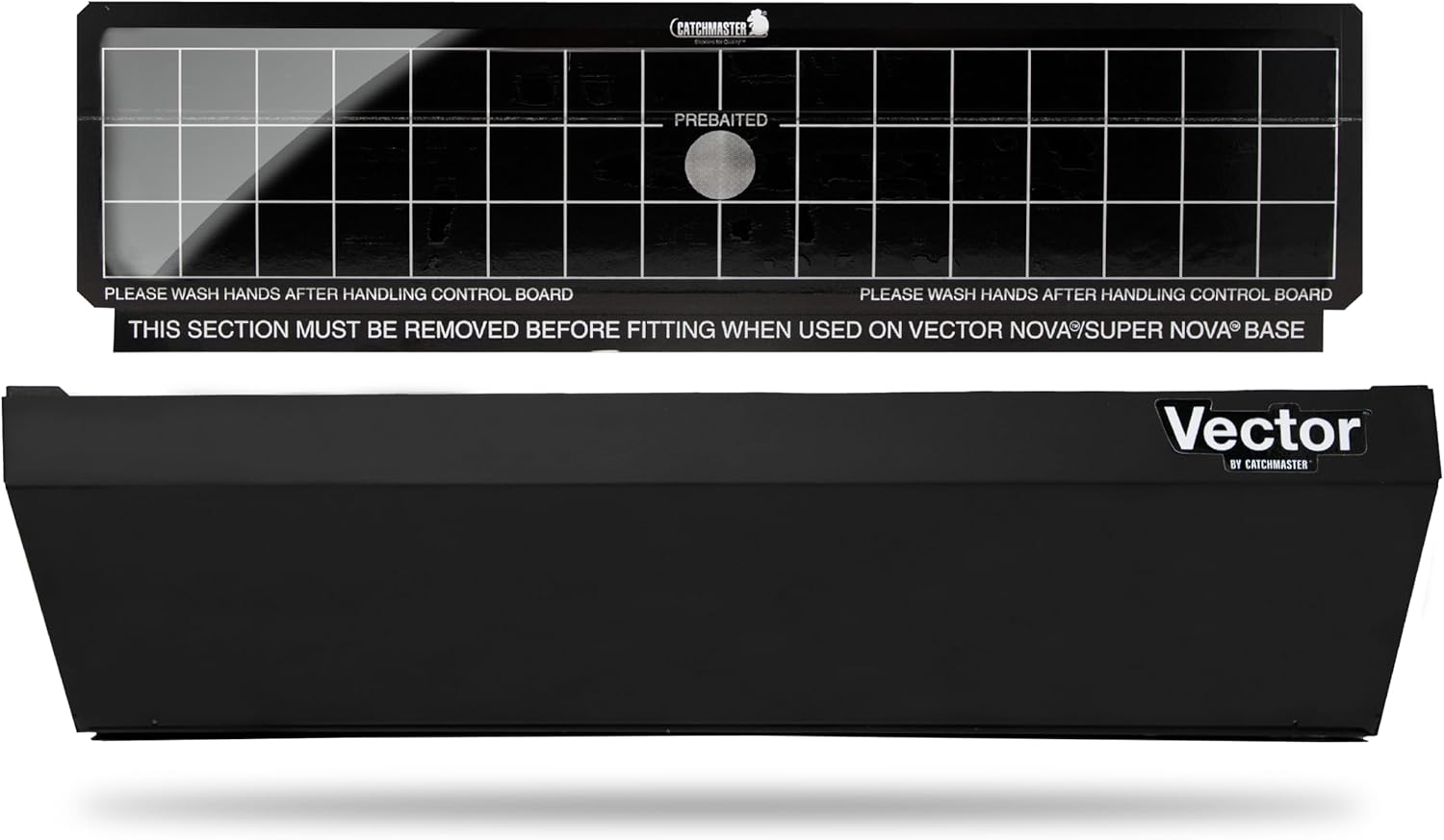
The Catchmaster Vector Optima is a commercial‑style, wall‑mounted UV light trap that uses a 15W actinic bulb and replaceable glue boards to attract and capture flies and other flying insects without zapping them. Install it about 6 feet high and away from competing light sources; insects drawn to the UV enter the unit and stick to the high‑tack adhesive boards hidden behind a cover for discreet sanitation. The aluminum casing and shatterproof bulb make it durable for restaurant back‑of‑house and dining areas, and maintenance is straightforward — swap glue boards monthly or as needed and replace bulbs annually. Its silent operation and covered catch area keep trapped insects out of sight, which helps maintain a professional dining environment. Limitations are that it requires a power outlet, routine consumable purchases (glue boards and bulbs) and it is intended for indoor, dry locations only, so it is not suitable for outdoor or wet areas of a foodservice operation.
Best for: Restaurant operators who need a quiet, discreet indoor fly control solution for dining rooms, kitchens, or prep areas and who can commit to routine maintenance and consumable replacement.
Less Ideal for: Businesses that need outdoor or wet‑area pest control or those who prefer electric zappers or chemical control methods instead of adhesive traps.
- Silent, non‑zapping operation suitable for dining areas
- Discrete covered catch area hides trapped insects from view
- Durable aluminum housing with shatterproof bulb for commercial settings
- Effective UV attractant with up to 590 sq ft coverage when placed correctly
- Requires regular replacement of glue boards and periodic bulb replacement
- Not rated or sealed for wet or outdoor use so cannot be used near sinks or open air areas
Verdict: A discreet, heavy‑duty indoor UV glue‑board trap built for restaurants that want silent, out‑of‑sight fly control with straightforward maintenance.
Catchmaster Vector Plasma One Commercial UV Fly Light Trap

| Target Species | Fly |
|---|---|
| Style Name | Plasma One – 1,416 sq ft |
| Unit Count | 1 Count |
| Material Type | Light Trap |
The Catchmaster Vector Plasma One is a commercial UV fly light that uses a 36W shatterproof bulb and adhesive glue boards to silently attract and trap flies, gnats, fruit flies and moths. Designed to mount vertically or horizontally, it is intended for front-of-house and back-of-house placement in restaurants, bars and other food-service settings where a discreet, non-zapping solution is needed. Installation is straightforward and the slim aluminum housing keeps the unit low-profile while the glue boards hide captured insects from view. Maintenance consists of monthly glue-board changes under normal conditions and bulb replacement roughly every 6 to 12 months, which keeps ongoing costs predictable. The unit covers a large area suitable for dining rooms and kitchen adjacencies, and the airplane-grade aluminum and shatterproof bulb construction make it durable for commercial use. Limitations are the need to replace consumables regularly and that performance depends on correct placement and routine servicing to maintain effective attraction and trapping.
Best for: Operators and managers of restaurants or food-service spaces who prioritize a discreet, professional fly-control solution that works continuously without noise or visible zapping.
Less Ideal for: Homes or outdoor-only locations where weatherproofing or cordless operation is required; users who want a permanently maintenance-free insect control device.
- Silent UV-based trapping avoids zapping and visible carcasses in dining areas
- Slim, mountable design fits front-of-house locations without looking bulky
- Durable airplane-grade aluminum housing and shatterproof bulb for commercial environments
- High-adherence glue boards hide catches and reduce escape once insects enter
- Requires regular replacement of glue boards and periodic bulb changes
- Effectiveness depends on correct placement and frequent servicing under heavy fly pressure
Verdict: Choose this unit when you need a durable, discreet commercial fly control that quietly traps insects behind glue boards in restaurant front- or back-of-house areas.
Catchmaster Vector 30 Commercial UV Fly Light Trap (30W)

| Target Species | Fly |
|---|---|
| Power Source | Electric |
| Material Type | Aluminum |
| Coverage | ~1,500 sq. ft. |
The Catchmaster Vector 30 is a heavy-duty indoor UV fly trap designed for continuous use in spaces that need reliable, low-noise insect control. It uses two 15W actinic UV bulbs to lure flies and gnats into the housing where they become stuck on replaceable Catchmaster glue boards. The aluminum casing and shatterproof bulbs make it resilient for demanding environments and the unit ships with a glue board and bulbs installed so it is ready to operate. Typical placement is mounted about 6 feet off the ground and away from competing light sources; in a garage it will quietly reduce flying insect activity without zapping or chemical sprays. Maintenance is straightforward: monthly glue board changes under normal pressure and bulb replacement every 6 to 12 months. Limitations are that it requires mains power and periodic consumables, and its performance drops if placed near open doors or bright lights that compete with the UV attractant. For a garage where discreet, continuous, and non-toxic fly control is the priority, the Vector 30 is a robust choice.
Best for: Buyers who need a durable, low-noise fly control solution for a garage or workshop and prioritize continuous, chemical-free performance over one-off treatments. Ideal for someone who wants a professionally oriented device they will service regularly for consistent results.
Less Ideal for: People who need a completely portable or battery-powered trap or who want a one-time disposable solution rather than a permanently mounted, serviced unit.
- Commercial-grade aluminum housing and shatterproof bulbs for durability in heavy-use areas
- Dual 15W actinic UV bulbs provide a wide attractant range for up to about 1,500 sq ft
- Silent, non-zapping glue-board capture keeps trapped insects out of view
- Simple maintenance with replaceable glue boards and commonly available bulbs
- Designed for indoor, continuous operation in food-service and high-traffic spaces
- Requires mains power and cannot be used where outlets are unavailable
- Ongoing cost for replacement glue boards and periodic bulb changes
- Attractant effectiveness is reduced near competing light sources or open doors
Verdict: For garages that need continuous, professional-grade, non-zapping fly control, the Vector 30 delivers durable, quiet performance with replaceable glue boards.
Catchmaster Vector 9 Plug-In UV Fly Trap with Glue Boards

| Target Species | Fly |
|---|---|
| Power Source | ac |
| Number of Pieces | 13 |
The Catchmaster Vector 9 is a plug-in indoor fly trap that combines a 9W fluorescent UV lamp with sticky glue boards to quietly attract and capture house flies, gnats, fruit flies, and night-flying moths. It is typically used in kitchens, entryways, garages, or any indoor space where flying insects are visible; you plug it in, position it near activity, and replace pre-cut glue cards as they fill. Notable features include a heavy-duty UV tube that draws more insects than LED-based traps and an enclosed catch area that hides captured bugs for mess-free disposal. The unit ships with a one-year supply of glue boards, so maintenance is mainly swapping cartridges and replacing bulbs occasionally. Limitations to note are that it relies on UV-attracted insects so it will not control pantry or clothes moths and it requires an AC outlet and periodic consumables. For restaurant back-of-house or small prep areas this model gives quiet, hands-off control without sprays, but you will need to plan ongoing glue board replacements and proper placement to avoid attracting insects toward food prep zones.
Best for: Small commercial kitchens or restaurant back-of-house areas that need a quiet, non-spray method to reduce visible flies and gnats and can schedule regular glue-board maintenance.
Less Ideal for: Large dining rooms or open restaurant floors where a higher-coverage or wall-mounted commercial system is required, and operations that cannot accommodate consumable replacements.
- Effective UV fluorescent bulb attracts a wide range of light-attracted flying insects
- Enclosed sticky glue boards keep captures discreet and allow mess-free disposal
- Comes with a one-year supply of glue boards for low initial maintenance
- Quiet operation suitable for indoor spaces where noise is a concern
- Requires AC power and proximity to an outlet
- Does not attract pantry or clothes moths that are not UV-responsive
- Ongoing cost for replacement glue boards and eventual bulb replacement
Verdict: A compact, quiet plug-in UV trap that provides discreet, hands-off fly and gnat control for small restaurant prep or service-adjacent areas when you plan for regular glue-board upkeep.
Gardner WS-95 Wall Sconce Fly Light Trap

| Target Species | Fly, Mosquito |
|---|---|
| Power Source | wired_electric |
| Maximum Range | 1800 feet |
| Material Type | Alloy Steel |
The Gardner WS-95 is a wall‑mounted UV fly light trap built for continuous indoor use in kitchens and other foodservice areas where discreet, reliable insect control matters. It uses a powerful UV lamp and a removable glueboard to attract and capture flies and mosquitoes across a large coverage area, while the recessed V-shaped sconce hides trapped insects from view. Installation is straightforward with a self-leveling mount for one-person fitting and the unit runs on standard wired electric power for uninterrupted operation. Regular maintenance requires monthly replacement of the glueboards and annual lamp replacement to maintain peak performance. The alloy steel housing and commercial design make it appropriate for steady use in a restaurant environment, but buyers should plan for ongoing consumable costs and ensure a nearby power source since it is not cordless. Overall it is a practical, durable option when you need continuous, out-of-sight insect control in busy indoor food prep or service areas.
Best for: Restaurants and commercial kitchens that need a dependable, always-on indoor insect control device which stays out of sight while protecting large service areas.
Less Ideal for: Small temporary setups, mobile food vendors, or users who need a cordless or chemical-free short-term solution should consider portable or battery-powered options instead.
- High attraction range rated to cover up to 1800 square feet, suitable for large indoor spaces
- Discreet V-shaped sconce design conceals captured insects from customers or staff
- Alloy steel construction built for commercial durability and continuous operation
- Simple one-person, self-leveling wall mount for easy installation
- Requires wired electric power so placement is limited to areas with outlets or wiring
- Ongoing consumables: glueboards and UV lamp need periodic replacement to stay effective
Verdict: A durable, high‑coverage wall sconce fly trap designed to deliver continuous, out‑of‑sight insect control for busy restaurant interiors.
ZEVO Compact Flying Insect Trap with 3 Refill Cartridges

| Target Species | Fly, Fruit Fly, Gnat |
|---|---|
| Power Source | Electric |
| Unit Count | 4 Count |
| Material Type | Plastic |
The ZEVO Compact Flying Insect Trap is a plug-in indoor unit that attracts fruit flies, gnats, and house flies with blue and UV light and holds them on disposable adhesive cartridges so you can remove and replace refills without touching the insects. Typical use is to place the unit near problem areas such as fruit bowls, trash cans, or houseplants and leave it powered continuously for around-the-clock catch. Notable features include a no-mess adhesive cartridge with a tab for easy disposal, a compact profile for tight spaces, and a quiet, spray-free operation that avoids chemical odors and zapping sounds. In practice it provides consistent passive control for small flying pests and is family-friendly when used as directed. Limitations are that it is designed for indoor spot control of small flies rather than large infestations, and effectiveness depends on correct placement and periodic cartridge replacement roughly every six weeks. The unit requires an outlet and ongoing refill purchases to maintain performance.
Best for: Buyers who want a discreet, low-maintenance indoor solution for everyday small flying pests and prefer nonchemical, quiet options with easy cleanup.
Less Ideal for: People needing fast knockdown for heavy infestations or outdoor/large-area pest control should consider more powerful or whole-home treatments.
- Chemical-free, quiet operation suitable for homes with children or pets
- No-mess disposable adhesive cartridges with tab for easy removal
- Compact plug-in design fits tight indoor spaces near problem sources
- Blue and UV light provides continuous attraction day and night
- Not intended for large infestations or outdoor use
- Requires regular purchase and replacement of proprietary refills
Verdict: Choose this compact plug-in trap if you want a discreet, chemical-free way to reduce fruit flies and gnats in indoor problem spots with minimal fuss.
Choosing the Right Fly Trap for Restaurant: Key Factors to Consider
Capture Method
The trapping mechanism determines how quickly and reliably flying pests are removed from a restaurant environment. Sticky boards, light traps, and mechanical suction all behave differently: light-based lures attract by wavelength and placement, sticky boards hold insects but need regular replacement, and electric or mechanical traps neutralize insects but can create insect fragments that require containment.
Think about how the capture method interacts with your lighting, customer areas, and food prep zones. A method that works well in a back kitchen might be inappropriate in a dining room if it produces visible dead insects or emits noise.
Sanitation and Cleanability
Frequent cleaning is a reality in commercial kitchens. Traps that allow quick, tool-free access to collection trays or replaceable cartridges reduce staff time and lower the chance of contamination during maintenance. Smooth, nonporous surfaces and sealed collection areas help prevent residue buildup and odors.
Consider how the unit handles carcass disposal and whether consumables like glue boards are enclosed to avoid contact with food-prep surfaces. Models that tolerate routine washdowns and resist corrosive cleaners will last longer in harsh kitchen environments.
Placement and Installation Needs
Where you can mount or place a trap affects effectiveness. Wall-mounted units work well near entrances and service corridors, ceiling-mounted models attract flies across a wider area, and freestanding units can be moved as needs change. Power access, mounting hardware, and clearance for routine maintenance must fit your layout.
Also account for sightlines and customer perception. Some traps are designed to be discreet or hidden above ceilings, while others are visible but styled for front-of-house use. Installation complexity and required tools will influence how quickly you can deploy units across multiple locations.
Safety and Food Compliance
Anything installed in or near food service areas must minimize contamination risks. Non-toxic capture is often preferred to chemical sprays; sealed collection systems prevent insect parts from falling into food. Look for designs that reduce splatter or aerosolization, and that allow staff to handle waste without direct contact.
Verify that materials are resistant to food-grade cleaners and that the unit does not emit byproducts that could affect food aroma. Consider local health-code expectations about where traps can be placed and what capture methods are acceptable in preparation zones.
Operational Costs and Consumables
Ongoing costs matter in a busy restaurant with tight margins. Some traps require periodic replacement of glue boards, bulbs, or cartridges, while others have minimal consumables but higher initial cost. Estimate replacement frequency based on predicted insect pressure and the visibility of the trap in daily operations.
Also think about supply-chain reliability for replacement parts and whether one technician can service multiple units. Systems that allow quick swap-outs reduce labor impact and keep traps functioning between scheduled maintenance.
Noise, Light, and Customer Impact
Traps used in dining or front-of-house areas must not distract guests. Low-noise fans or silent mechanical systems are better for open dining rooms. Light-based traps should balance attractant wavelengths with customer comfort; excessive visible flashing or bright bulbs can be off-putting.
Assess whether a trap will be visible to patrons and choose discreet options for customer-facing areas. Consider the cumulative effect of multiple units in a single space and prioritize low-profile designs where ambiance matters.
Choosing a Trap Style for Different Restaurant Zones
Back-of-house, walk-in areas, dining rooms, and service corridors each have distinct insect pressures and hygiene priorities. In prep and dishwashing areas prioritize sealed containment and easy cleaning so staff can remove insects without contacting carcasses. In dining spaces aim for discrete solutions that minimize visible dead insects and avoid bright, customer-visible lights.
- Place sealed-collection units above or behind service lines in kitchens.
- Use lower-visibility or ceiling-mounted options in dining rooms to preserve ambiance.
- Reserve stronger attractant units for loading docks and waste handling zones where insect pressure is highest.
Placement Best Practices
Correct placement amplifies trap performance. Mount units above food-prep surfaces at a recommended height to intercept flying paths but keep them a safe distance from direct food contact. Avoid placing traps directly over open food or salad bars and maintain clear access for cleaning.
Routine checks should be scheduled daily during peak season and at least weekly otherwise to empty or replace collection elements. Record maintenance events so staff can spot changing insect activity patterns and adjust placement if necessary.
- Locate traps near doorways, windows, and waste disposal routes where flies enter.
- Keep traps out of drafty areas where air movement reduces lure effectiveness.
- Make sure staff can reach units for service without moving food or equipment.
Managing Consumables and Supplies
Streamline stocking by standardizing consumables across similar units. Choose glue boards, bulbs, and cartridges that are widely available and simple to replace. Label replacement parts and keep a small inventory onsite to avoid downtime during busy service periods.
Train one or two staff members on safe removal techniques and supply rotation to prevent mistakes that could lead to contamination. Keep a checklist so service is consistent across shifts and locations.
- Rotate consumables on a set interval rather than waiting for visible saturation.
- Dispose of used materials in sealed containers before sending them to the general waste stream.
- Document supplier part numbers to simplify reorder processes.
Integrating Traps Into Food Safety Programs
Include traps in your Hazard Analysis and Critical Control Points documentation and daily cleaning logs. Photographic records of trap condition and placement during inspections can demonstrate proactive pest control to health inspectors.
Coordinate with your pest control provider when insect patterns change or if traps alone do not reduce insect activity. Traps are a monitoring and control tool and should be part of a broader integrated pest management plan.
- Log trap maintenance and inspections in your sanitation records.
- Use traps to monitor trends and trigger targeted interventions in affected zones.
How We Chose the Best Fly Trap for Restaurant
We focused on criteria that matter in commercial food environments where sanitation and continuous operation are nonnegotiable. First, we prioritized capture method effectiveness in busy indoor spaces, including lure attractants and trapping mechanics that perform under constant foot traffic and variable lighting. Second, we weighted sanitation and cleanability, looking for designs that minimize fly contact with surfaces and simplify waste removal without complex disassembly. Third, we evaluated installation and placement flexibility so units can be mounted, wall-mounted, or freestanding depending on prep rooms, service areas, and dining spaces. Fourth, we considered safety and compliance features such as non-toxic trapping options, containment to prevent carcass scattering, and easy access for routine inspections. Finally, durability and serviceability were examined to ensure units hold up to daily cleaning cycles and regular maintenance. We excluded outdoor-only models and any units intended for residential hobby use that lack commercial sanitation features. Units that relied on unclear capture claims or required specialized consumables not widely available were also filtered out.
FAQ
Can I use outdoor fly traps inside a restaurant?
Outdoor-only traps are usually designed for different insect species and environmental conditions. They may emit odors, use baits that are not appropriate indoors, or lack the sealed containment needed near food. For restaurant use choose units specified for indoor commercial environments.
How often should glue boards or collection trays be changed?
Frequency depends on insect pressure but expect daily checks in high-traffic or warm months and at least weekly checks during slower periods. Change consumables as soon as they reach recommended saturation or show buildup to maintain hygiene and effectiveness.
Are electric traps safe to use near food prep areas?
Electric traps can be safe if they are designed for foodservice use and include sealed capture areas to contain fragments. Avoid models that produce spray or aerosolized debris and follow manufacturer cleaning instructions to prevent contamination.
Will bright light traps bother customers in dining rooms?
Visible bright lights can distract guests and affect ambiance. Use ceiling-mounted or less-visible units in dining areas, select lures with less intrusive wavelengths, or place units out of direct sightlines to minimize guest impact.
What should I do if traps are not reducing fly activity?
If traps are not effective, reassess placement, ensure consumables are fresh, and inspect for alternative attractants like improperly stored food or waste. In persistent cases consult a pest control professional to identify breeding sites or environmental factors driving activity.
Final Verdict
Pick the trap type and placement that match the unique flow of your restaurant. Prioritize sealed capture and easy cleaning in prep areas, and low-visibility, low-noise options for front-of-house spaces. Balance consumable costs with ease of maintenance to keep units operational during service. Ultimately, integrate traps into your overall sanitation and pest management practices rather than relying on a single device. Focus on capture method, sanitation, installation flexibility, and compliance to choose confidently for your restaurant environment.
