

Note: This article contains affiliate links. If you click on these links and make a purchase, I may earn a small commission at no extra cost to you. This helps support my research and content. Read my full affiliate disclosure here.
If your patio bakes in afternoon sun, choosing plants rated for full sun makes the difference between a lush display and a pot of wilted foliage. Full sun patio plants are specifically adapted to handle prolonged direct sunlight, high temperatures, and the faster-drying soils common in containers. This guide shortlists seven top options suited to sunny patios and evaluates them against real gardener concerns like heat tolerance and container performance. You'll find practical notes on watering habits, soil and pot choices, and how each plant behaves through the season.
Top Picks at a Glance
| Best Overall The best all-around choice for most situations | Southern Living Obsession Nandina 2 Gal. Shrub |  |
| Best Quality Built to a higher standard if you want something more solid | Proven Winners Red Pillar Hibiscus Live Shrub (2 Gal) |  |
| Best Value The sweet spot between price and what you get | The Three Company Lavender (2-Pack) Live Fragrant Purple Perennials, 1 Qt Pots |  |
| Best Budget The cheapest option that still gets the job done reliably | Wivolibe Gazania Seeds — 300-Pack Heat and Drought Tolerant Mix |  |
| Highest Rated A top-rated pick with lots of positive feedback | Proven Winners En Fuego Rose 2 Gal. Shrub |  |
| Most Popular A crowd favorite that many people choose with confidence | Perfect Plants Confederate Jasmine Live Vine, 1 Gallon |  |
| Best Seller A high-volume bestseller chosen again and again | Perfect Plants Frostproof Gardenia Live Plant, 1 Gallon |  |
Southern Living Obsession Nandina 2 Gal. Shrub

| USDA Hardiness Zone | 6, 7, 8, 9, 10 |
|---|---|
| Sunlight Exposure | Full Sun to Part Shade |
| Moisture Needs | Moderate Watering |
| Soil Type | Loam Soil |
| Expected Planting Period | Year Round |
The Southern Living Obsession Nandina is an evergreen landscape and container shrub selected for season-long red foliage and low maintenance habits. It reaches roughly 48 inches tall and wide, making it a useful accent or small hedge on a sunny patio. Typical use is planting in loam with good drainage in full sun to part shade, watering twice weekly while establishing then cutting back to weekly moisture. Notable features listed by the producer include deer resistance, year-round planting window, and organic material characteristics. In practice you get strong color contrast without regular pruning or special care, and the size is manageable for border beds or large pots. Limitations are that it does not bloom for floral interest and it is recommended for USDA zones 6 through 10, so it is not suited to colder climates; also the bright foliage color performs best with adequate light rather than deep shade.
Best for: Gardeners looking for an easy-care, colorful evergreen for sunny patios or borders who want strong foliage impact without frequent pruning or high upkeep.
Less Ideal for: People seeking flowering shrubs, those in climates colder than USDA zone 6, or gardeners who need shade-loving specimens.
- Vivid season-long bright red foliage for strong visual impact
- Suitable for containers or landscape plantings due to compact mature size
- Low maintenance once established with moderate watering needs
- Deer resistant and adaptable to full sun to part shade locations
- No blossoms, so it provides foliage interest only
- Recommended hardiness limited to USDA zones 6–10
Verdict: Choose this nandina if you want a low-maintenance, compact evergreen that delivers strong red foliage for full-sun patios and containers.
Proven Winners Red Pillar Hibiscus Live Shrub (2 Gal)

| Indoor Outdoor Usage | Outdoor |
|---|---|
| Expected Blooming Period | Summer to Fall |
| Sunlight Exposure | Full sun to partial shade |
| USDA Hardiness Zone | 5,6, 7, 8, 9 |
| Moisture Needs | Regular Watering |
The Red Pillar Proven Winners hibiscus is a space-saving rose of Sharon bred to grow as a narrow column rather than a wide shrub, so it delivers big red blooms without taking much horizontal space. It is typically planted in full sun to part shade on patios, as a flanking accent by an entryway, or in a container where vertical color is wanted. Notable features include a naturally columnar habit, long bloom period from spring into fall, and tolerance for heat, drought, and salt, which makes it low-maintenance once established. Practical benefits are clear for sunny patios: it attracts pollinators, resists deer, and fits tight spots where standard hibiscus would crowd other plants. Limitations to consider are that it ships dormant (so you will be planting a bare-root or near-dormant shrub), it needs regular watering during establishment, and it will still reach substantial height over time so occasional pruning or staking may be needed to keep it compact. Follow planting instructions and fertilize in early spring for best performance.
Best for: Buyers who need a high-impact flowering shrub for a sunny patio or narrow spot and prioritize strong seasonal performance and low maintenance once established.
Less Ideal for: Anyone wanting an instant, full-size flowering screen right away or a strictly low-growing groundcover alternative should consider other plants.
- Columnar growth habit saves horizontal space and works well in narrow patios or containers
- Long bloom period from spring through fall provides extended seasonal color
- Tolerant of heat, drought, and salt which reduces maintenance in tough sunny sites
- Attracts bees, butterflies, and hummingbirds, adding wildlife value
- Ships dormant so initial establishment requires careful planting and watering
- Will grow tall over time and may need pruning to maintain a desired height
Verdict: Choose Red Pillar hibiscus when you want long-lasting, pollinator-friendly red blooms in a narrow, sun-loving shrub that fits tight patio spaces.
The Three Company Lavender (2-Pack) Live Fragrant Purple Perennials, 1 Qt Pots

| Sunlight Exposure | Full Sun |
|---|---|
| USDA Hardiness Zone | 5-9 |
| Moisture Needs | Low |
| Unit Count | 2 Count |
This two-pack of lavender arrives as small, potted perennials meant for planting in full sun beds, containers, or borders. Each plant produces classic purple blooms and a strong lavender scent that attracts pollinators and can help deter deer. The plants are marketed for low moisture needs and prefer well-draining soil, so they work well in sunny patio planters or a sunny herb garden where irrigation is occasional. Practical gardeners will appreciate the compact, mounded habit that fits containers and tight border spaces. These ship in 1-qt pots and are sized for immediate planting rather than long-term display in the pot. Expect routine watering until established and then reduced frequency; they are rated for USDA zones 5 to 9. Limitations include the small starter size that requires potting on or planting out for fuller effect and the need for reliably good drainage to avoid root rot in heavier soils. For a sunny patio, they provide fragrance, pollinator value, and a neat form when placed in groups or mixed with other drought-tolerant plants.
Best for: Gardeners looking to add low-maintenance, fragrant plants to a sunny patio or border who prioritize easy-care, pollinator-friendly specimens that fit containers or small spaces.
Less Ideal for: Those seeking instant, large-scale impact or groundcover in shady locations should consider larger specimens or shade-tolerant alternatives.
- Fragrant purple blooms that attract pollinators
- Low moisture needs once established, suitable for drought-tolerant plantings
- Compact, mounded habit fits containers and narrow borders
- Rated for USDA zones 5–9 for broad regional suitability
- Ships in small 1-qt pots so plants need potting on or planting out for best display
- Requires well-draining soil and can suffer in heavy, poorly drained sites
Verdict: A practical choice for sunny patios and containers when you want compact, fragrant, low-water perennials that attract pollinators.
Wivolibe Gazania Seeds — 300-Pack Heat and Drought Tolerant Mix

| Indoor Outdoor Usage | Outdoor |
|---|---|
| Other Special Features of the Product | Attracts Pollinators |
| Sunlight Exposure | Full Sun |
| Moisture Needs | Moderate Watering |
| Material Features | GMO Free |
These Wivolibe Gazania seeds offer a large packet of hardy, full-sun annuals suitable for quick color on patios, in containers, or as a low-spreading ground cover. Typical use is direct sowing in sunny beds or pots where Gazania’s large, multicolored blooms open in bright sunlight; plants are described as tolerant of heat and drought and bloom from early summer to frost in favorable climates. Notable features in the listing include a 300-seed count, GMO-free material claim, and the variety’s attraction to pollinators. Practically this means you can seed a fairly large area or several containers from one pack, expect low watering needs once established, and get long bloom periods in warm, sunny sites. Limitations to keep in mind are that success depends on proper full-sun exposure and moderate watering, results vary by climate (short-lived perennial only in warm regions), and small seed size requires careful sowing for even spacing. Germination rates are not specified so budget growers should expect some variability and plan seed spacing accordingly.
Best for: Buyers looking to add inexpensive, long-blooming color to sunny patios or beds who prioritize value and low-maintenance plants.
Less Ideal for: Gardeners who need guaranteed germination counts or who prefer perennial plants that persist year after year in cool climates.
- Large 300-seed packet covers multiple beds or several containers
- Designed for full sun with heat and drought tolerance once established
- GMO-free seeds and marketed to attract pollinators
- Versatile use as bedding, ground cover, or in sunny patio containers
- Germination rate is not provided so actual plant count may vary
- Short-lived perennial only in warm climates so may behave as an annual farther north
Verdict: If you want a budget-friendly way to fill sunny patio containers or beds with heat-tolerant, long-blooming color, this 300-pack of Gazania seeds is a practical choice.
Proven Winners En Fuego Rose 2 Gal. Shrub

| Sunlight Exposure | Full Sun |
|---|---|
| USDA Hardiness Zone | 4, 5, 6, 7, 8, 9 |
| Expected Blooming Period | Spring to Fall |
| Moisture Needs | Regular Watering |
The Proven Winners En Fuego rose is a compact flowering shrub bred for vibrant yellow, red and orange blooms from spring through fall. Sold in a 2 gallon pot, it is intended for full sun planting on patios, borders, or small garden beds and arrives dormant when shipped in cooler months. Notable features include recurring large blooms, glossy dark green foliage, and low-maintenance traits that attract pollinators. Care follows standard rose practice: water before planting, dig a hole wider than the pot, mulch, and fertilize in early spring. Practical benefits are season-long color, good cold hardiness across zones 4–9, and a manageable mature size that fits patio spaces. Limitations are typical of roses: it needs regular watering and basic maintenance like mulching and spring fertilization, and the multicolored blooms change appearance as they age which may not suit gardeners seeking uniform flower color. Expect reliable performance when planted in sunny, well-drained sites and given routine care.
Best for: Buyers who want a dependable, compact full-sun shrub that delivers long-season color on a patio or small garden without specialized care and who prioritize consistent seasonal performance.
Less Ideal for: Gardeners seeking completely uniform flower color or those unwilling to provide routine watering and basic rose care should consider other low-input perennials.
- Vivid, multicolored blooms provide long bloom season from spring to fall
- Adaptable to USDA zones 4–9 for broad climate reliability
- Compact mature size suitable for patios and small beds
- Attracts pollinators and marketed as low maintenance
- Requires regular watering and seasonal fertilization to perform well
- Color variation as blooms age may not deliver uniform flower color
Verdict: A reliable, compact full-sun rose that delivers vibrant, long-season color for patios and small gardens when given routine care.
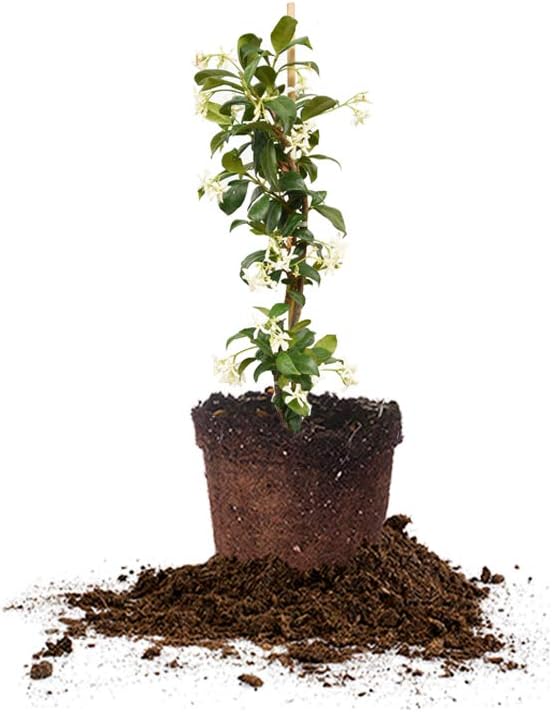
Perfect Plants Confederate Jasmine Live Vine, 1 Gallon
| Indoor Outdoor Usage | Outdoor |
|---|---|
| Other Special Features of the Product | Fragrant |
| Expected Blooming Period | Summer, Spring |
| Sunlight Exposure | Full Sun, Partial Shade |
| Moisture Needs | Moderate Watering |
This Confederate jasmine is a sun-loving, fragrant climbing vine sold as a 1-gallon live plant that works well trained on trellises, fences, or pergolas. It produces pale pinwheel flowers in spring and summer and is described as hardy and easy to grow, so typical use is planting in loam soil in a full sun to partial shade spot, then training the stems with stakes, wire, or clips as it grows. Notable features include a strong spring scent, organic material features, and moderate watering needs. Practical benefits are quick establishment in a sunny patio location, attractive cascading foliage that softens structures, and straightforward shaping to create living screens or vertical accents. Important limitations are that the listing notes it does not ship to some states and the plant will need space to reach its mature height; it is sold as a single 1-gallon unit so larger screening projects require multiple purchases. Expect to prune and train it periodically to keep it tidy and in the desired footprint.
Best for: Gardeners who want a fragrant, low-hassle climbing plant to add vertical interest and scent to a sunny patio and are comfortable training and pruning vines as they establish.
Less Ideal for: Buyers who need instant privacy or groundcover across wide areas without planting multiple specimens or those who cannot provide room for a tall mature vine.
- Fragrant spring and summer blooms add strong scent to patios
- Tolerates full sun and partial shade for flexible placement
- Easy to train and shape on trellises, fences, or walls
- Described as easy to grow with moderate watering needs
- Sold as a single 1-gallon plant which may be insufficient for quick screening
- May reach a large mature height so requires planning for vertical space
Verdict: A fragrant, sun-tolerant vine that is simple to grow and train for adding vertical scent and interest to a sunny patio.
Perfect Plants Frostproof Gardenia Live Plant, 1 Gallon

| Indoor Outdoor Usage | Outdoor |
|---|---|
| Other Special Features of the Product | Deer Resistant, Fragrant |
| Expected Blooming Period | Summer |
| Sunlight Exposure | Full Sun, Partial Shade |
| Expected Planting Period | Spring |
This 1-gallon Frostproof gardenia is a compact, fragrant shrub intended for outdoor planting in full sun to partial shade. It produces glossy green foliage and white, highly scented flowers during the spring and summer months, making it useful as a border plant, low hedge, or accent near entries and seating areas. The plant ships ready to plant and includes easy-to-use plant food to help with establishment. Practical benefits include deer resistance, modest maintenance needs with little or no pruning to maintain shape, and a mature habit that reaches around 5 feet tall so it provides visual impact without becoming a large tree. Limitations to consider are climate sensitivity beyond its marketed frostproof tolerance and the need for a sunny spot to flower well; it is not intended for indoor use and does not ship to certain states. For gardeners who prefer reliable, fragrant patio plants that integrate easily into sunny beds, this gardenia is a straightforward choice, but buyers in colder microclimates or with mostly shady patios should plan alternatives.
Best for: Gardeners who want a dependable, fragrant shrub for sunny patio beds or borders and prefer low-maintenance plants that establish easily and provide seasonal blooms.
Less Ideal for: People who need plants for shaded patios, strictly indoor containers, or those in climates outside the plant's suitable outdoor range should consider other species.
- Fragrant white blooms that add scent to outdoor seating areas
- Suitable for full sun to partial shade locations common on patios
- Low maintenance habit that generally needs little pruning to keep shape
- Deer resistant, making it practical for suburban landscapes
- Comes as a live 1-gallon plant with plant food to help establishment
- May be climate sensitive despite the frostproof name and can underperform outside its recommended zones
- Not intended for indoor growing or heavily shaded patios
- Does not ship to certain states
Verdict: Choose this frostproof gardenia when you want an easy-care, fragrant shrub that performs well in sunny patio beds and adds seasonal scent and structure to the landscape.
Choosing the Right Full Sun Patio Plants: Key Factors to Consider
Sun Exposure and Microclimate
Full sun means sustained direct sunlight for most of the day, but patios still vary in how hot or reflective they become. A south- or west-facing patio with walls and pavers will radiate extra heat, increasing stress on container roots. Choose plants rated for high light and tolerant of reflected heat, and place pots where they get airflow to reduce leaf temperature.
Pay attention to local extremes. If your patio routinely reaches prolonged heat waves, prioritize the most heat-hardy choices and use larger containers to buffer soil temperature swings.
Container Size and Material
Pot size affects soil moisture and root space. Larger containers hold more water and remain cooler, which helps when direct sun accelerates drying. If space is limited, select compact varieties bred for containers rather than forcing full-sized garden varieties into small pots.
Material matters too. Terracotta breathes and cools but dries faster, while plastic and glazed ceramic retain moisture longer but can trap heat. Consider saucers and pot feet that lift pots slightly to encourage drainage and airflow under the container.
Soil Mix and Drainage
A well-draining container mix keeps roots healthy in sun-exposed pots where evaporation is high. Look for blends with plenty of organic matter plus aerating components like perlite or coarse sand to prevent compaction. Good drainage prevents root rot during summer storms and lets you water deeply less frequently.
Topdressing and periodic refreshes help maintain structure and nutrient levels. Avoid heavy garden soil straight into pots; it compacts and hinders both drainage and root growth under intense sun.
Watering Strategy
Sunny patios dry out pots quickly, so watering frequency and technique are crucial. Deep, infrequent watering encourages roots to explore the container, while light, frequent misting only wets the surface and increases stress. Use a moisture meter or finger test to gauge the root zone rather than relying on surface dryness alone.
Mulching the top of the pot with a thin, decorative layer can slow evaporation. Also consider grouping pots with similar water needs so you can maintain a consistent schedule.
Plant Habit and Maintenance Needs
Choose plants with growth habits that suit container use: compact, non-invasive roots, and predictable mature size. Plants that require constant deadheading, heavy pruning, or aggressive fertilization may demand more time than casual patio gardeners want.
Assess how much seasonal grooming you are willing to do. Low-maintenance bloomers and foliage plants that keep form without frequent trimming are usually better fits for busy patios.
Salt and Fertilizer Tolerance
Containers on patios can accumulate fertilizer salts faster because they are watered more often and have limited soil volume. Plants that tolerate moderate salt buildup or respond well to regular light feeding will hold up better. Rinse pots occasionally and replace potting mix annually for sensitive species.
If you use water with significant mineral content, choose plants known to handle those conditions or use filtered water for sensitive potted selections.
Best Practices for Pot Placement
Position pots where they receive the intended hours of sun without being trapped against heat-reflective walls for long periods. If possible, allow for afternoon shade during heat spikes or move more vulnerable pots to slightly cooler spots on very hot days.
Group plants with similar moisture needs together to simplify watering. Elevate pots on feet or a slatted bench to increase airflow beneath the container and reduce heat buildup at the root crown.
- Rotate pots occasionally so all sides get light and the plant grows evenly
- Avoid placing dark pots on black decking where they will absorb extra heat
- Use saucers to catch runoff but empty them to prevent standing water
Timing Planting and Seasonal Care
Set out or plant patio specimens after the last strong cold snaps so roots can establish before the peak heat arrives. Early establishment improves a plant's ability to tolerate later dry spells.
Adjust feeding through the season: lighter, more frequent feeds for container bloomers and a slow-release option for foliage-dominant plants. Flush containers midseason to prevent fertilizer salt buildup if growth slows or leaf tips brown.
- Top-dress with fresh mix or compost in midseason to renew nutrients
- Deadhead spent flowers to encourage continued bloom on certain sun-loving species
Managing Pests and Sun-Related Stress
Sun-stressed plants can attract pests or exhibit problems like scorched leaf margins. Inspect containers regularly for early signs of trouble and treat issues promptly with physical removal or appropriate organic controls.
Provide adequate air circulation and avoid crowding pots. Good airflow reduces humidity pockets and fungal risk, while strong ventilation helps plants cool naturally on hot afternoons.
- Check undersides of leaves for sap-sucking insects
- Water at the base to keep foliage dry and reduce fungal disease risk
Designing a Long-Lasting Patio Display
Combine plants with staggered bloom times and varied foliage textures to maintain interest from spring through fall. Mix low-growing spillers, upright centerpieces, and foliage accents to create depth in a single pot or grouping.
Consider seasonal swaps. Some sun-tolerant annuals provide intense summer color but can be exchanged for cool-season plants in spring and fall to extend overall patio appeal.
- Use a unifying color or foliage theme for a cohesive look
- Include at least one drought-tolerant anchor plant per group to stabilize watering needs
Soil Amendments and Fertilizer Scheduling
Feed container plants on a schedule that matches their growth habit. Heavy bloomers benefit from regular balanced liquid feeding, while slow-growing foliage types often do well on a monthly slow-release blend.
Amend potting mixes with moisture-retaining particles like coconut coir in very hot, dry climates, but avoid making mixes so wet they restrict oxygen to roots.
- Apply water-soluble fertilizer at half strength more frequently rather than full strength rarely
- Replace the top one to two inches of potting mix annually to refresh nutrients
How We Chose the Best Full Sun Patio Plants
We focused on traits that matter to gardeners who use containers or planters on sunny patios. Selection prioritized proven heat tolerance, compact and predictable container growth habit, and consistent flowering or foliage interest through summer. We also examined drought resilience under typical patio conditions, susceptibility to common sun-related problems such as leaf scorch, and ease of routine care including pruning and deadheading. Plants that required specialty soils, complicated microclimate setups, or frequent chemical treatments were excluded. Final picks had to perform reliably in direct sun for at least six hours daily, fit in common patio container sizes, and show repeat bloom or sustained ornamental foliage without extensive intervention.
FAQ
How many hours of sun count as full sun for patio plants?
Full sun typically means at least six hours of direct sunlight per day. For hotter climates or reflective patios, more hours of sun plus high temperatures can increase stress, so choose the hardiest options available.
Can I use regular garden soil in patio pots that get full sun?
Regular garden soil usually compacts in containers and limits drainage, which is risky in full sun where evaporation is high. Use a well-draining container mix with organic matter and aerating components instead.
How often should I water full sun patio plants?
Watering frequency depends on pot size, material, and plant type, but many sun-exposed containers need deep watering every few days in hot weather. Check the root zone moisture and water deeply when the top inch or two is dry.
Do mulches help in containers on sunny patios?
A thin mulch layer can reduce surface evaporation and keep potting mix cooler. Use lightweight organic mulches and avoid burying crowns; refresh the mulch as it breaks down to keep airflow healthy.
Are self-watering pots worth using on sun-exposed patios?
Self-watering pots can reduce daily watering needs by providing a reservoir that buffers evaporation. They are helpful in full sun but still require monitoring to avoid overwatering some species and periodic flushing to prevent salt buildup.
Final Verdict
For sunny patios, prioritize plants that combine proven heat tolerance with good container behavior and reasonable water efficiency. Focus on container size and material first, then match plant habit and maintenance needs to how much time you will spend caring for the display. Tradeoffs are unavoidable: the showiest bloomers often need more feeding and water, while the toughest foliage plants give longer-term resilience. Choose based on the microclimate of your patio and the level of seasonal involvement you prefer to get a reliable, attractive display.
