

Note: This article contains affiliate links. If you click on these links and make a purchase, I may earn a small commission at no extra cost to you. This helps support my research and content. Read my full affiliate disclosure here.
Picking the right full-sun plants for planters matters when light, root space, and heat all work against you. In a container, plants must tolerate high temperatures, dry soil between waterings, and limited root volume while still giving color, texture, or fragrance. This guide highlights seven top full-sun plants suited to planters and hanging baskets, all chosen for their container vigor and predictable performance. We shortlisted options that thrive in direct sun, resist stress, and fit small to medium pots. Read on for practical notes on vigor, water needs, and placement to help you pick the best plants for your balcony or patio.
Top Picks at a Glance
| Best Overall The best all-around choice for most situations | Proven Winners Double Play Doozie Spirea Shrub, 2 Gal. |  |
| Best Quality Built to a higher standard if you want something more solid | Tropical Plants of Florida Red President Hibiscus Bush (Live Plant) |  |
| Best Value The sweet spot between price and what you get | Wivolibe Gazania Seeds — 300-Pack Heat and Drought Tolerant Mix |  |
| Best Budget The cheapest option that still gets the job done reliably | ELLA'S HOMES Lantana Live Plants (2-Pack) |  |
| Highest Rated A top-rated pick with lots of positive feedback | CitronellaKing Hesperaloe Red Yucca Plants (2 pack) |  |
| Most Popular A crowd favorite that many people choose with confidence | Perfect Plants Confederate Jasmine Live Plant, 1 Gallon |  |
| Best Seller A high-volume bestseller chosen again and again | The Three Company Lavender (2-Pack) Live Fragrant Purple Perennials in 1-Qt Pots |  |
Proven Winners Double Play Doozie Spirea Shrub, 2 Gal.

| Sunlight Exposure | Full sun to partial shade |
|---|---|
| USDA Hardiness Zone | 3, 4, 5, 6, 7, 8 |
| Expected Blooming Period | Spring to Fall |
| Moisture Needs | Moderate Watering |
| Soil Type | Sandy Soil |
The Double Play Doozie spirea is a compact ornamental shrub prized for nonstop spring-to-fall flowering and striking red-to-purple foliage and blooms. Sold in a 2 gallon pot, it is typically used as a container accent, grouped edge planting, or low hedge where bright seasonal color is desired. Notable features include seedless, non-invasive habit that channels energy into continuous blooms, broad USDA hardiness (zones 3 to 8), and tolerance for sandy soils and moderate water. Practical benefits are reliable color without constant deadheading, easy placement in full sun containers on patios, and low maintenance care: plant in sun to part shade, water at planting, mulch and fertilize in early spring. Limitations are its modest mature spread and height, which make it unsuitable as a large specimen, and the need to keep it watered during establishment; it is deciduous so it loses foliage in winter. For growers seeking a high-impact, low-effort container plant, this spirea hits the brief, but plan for seasonal dormancy and appropriate spacing when using multiple pots.
Best for: Gardeners who want a low-maintenance, high-impact container or border plant that provides continuous color in full sun and values reliable performance over novelty.
Less Ideal for: People seeking an evergreen focal shrub or a large specimen to fill expansive beds should consider larger or evergreen alternatives.
- Repeat blooming from spring through fall delivers long season color
- Seedless, non-invasive habit directs energy to flowers rather than reseeding
- Performs across USDA zones 3 to 8 for wide climate adaptability
- Works well in containers and as a low hedge or landscape accent
- Deciduous nature means no winter foliage interest
- Modest mature size limits use as a large specimen plant
Verdict: Choose this spirea when you need a compact, low-maintenance container or border plant that delivers long season, showy blooms in full sun.
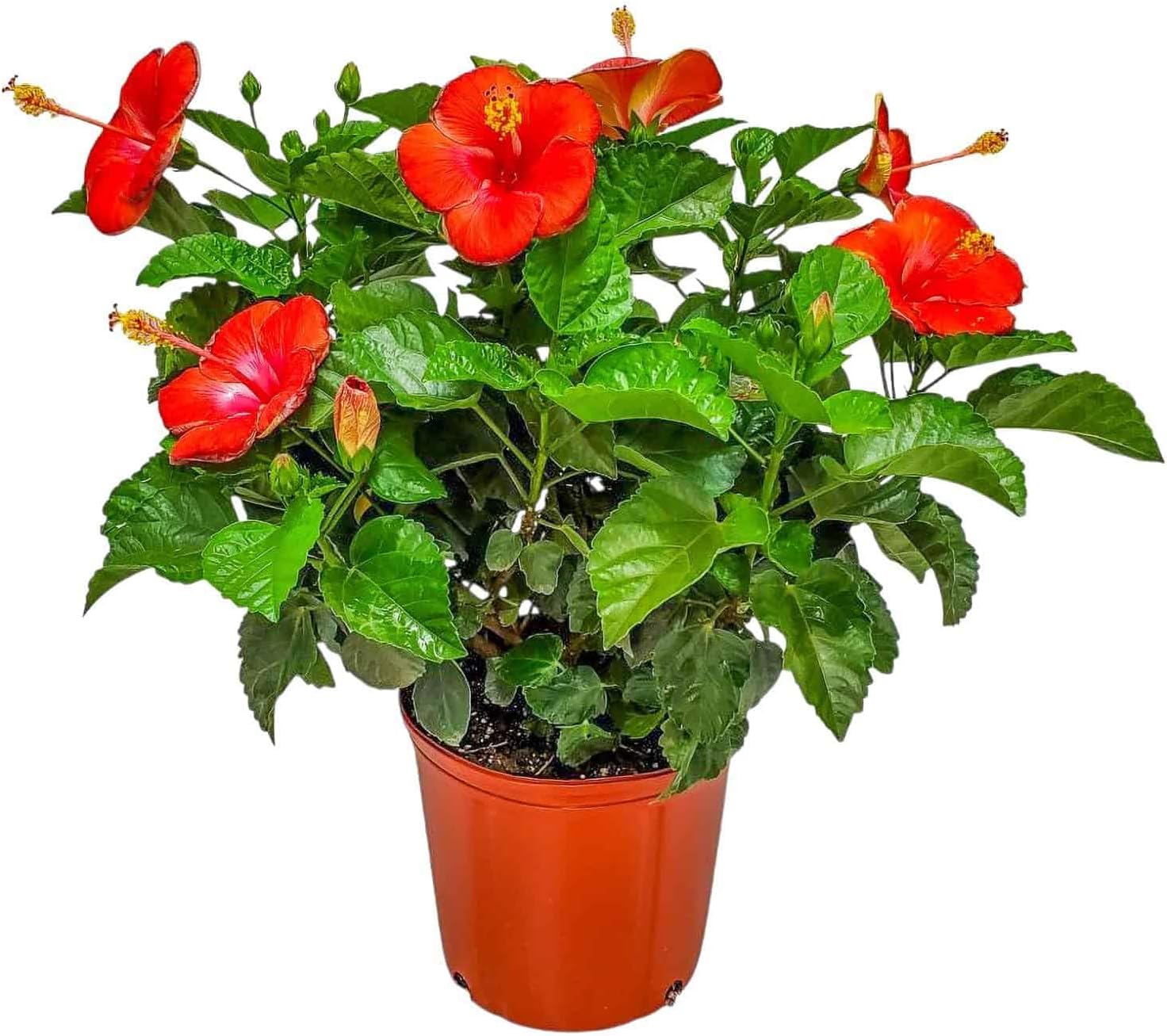
Tropical Plants of Florida Red President Hibiscus Bush (Live Plant)
| Indoor Outdoor Usage | Indoor, Outdoor |
|---|---|
| Expected Blooming Period | Spring to Fall |
| Sunlight Exposure | Full Sun |
| Moisture Needs | Moderate Watering |
This Red President hibiscus arrives as a ready-to-plant live bush that brings classic large red blooms to patios, containers, or garden beds. It is grown to a compact, rounded form suited to planters and smaller outdoor spaces and is typically used as a focal flowering plant on a sunny deck or in a grouped container display. Key features from the grower include full-sun preference, seasonal blooms from spring through fall, and moderate water needs, which means regular watering during warm months and reduced watering in cooler periods. Practical benefits are immediate visual impact without needing propagation and suitability for container culture in warm climates. Important limitations are its need for consistent sunlight and moisture to flower well and that it is best for warm-season planting in sandy, well-draining soils; it will not thrive in consistently shady or cold environments. Expect routine maintenance such as watering and occasional deadheading to keep blooms abundant.
Best for: Buyers who want a performance-oriented flowering plant for sunny planters and prioritize abundant seasonal blooms and immediate visual impact in small outdoor spaces.
Less Ideal for: Gardeners in cool-temperate climates, heavily shaded yards, or those seeking a low-maintenance, drought-tolerant planter plant should consider alternatives.
- Produces large, showy red flowers that provide strong visual impact in planters
- Compact, rounded growth habit designed to fit patios and smaller containers
- Suitable for container and outdoor use in full sun, making it versatile for planters
- Blooms from spring through fall for an extended flowering season
- Requires regular watering and warm conditions to bloom well
- Not suitable for shady or cold climates where tropical hibiscus cannot overwinter
Verdict: Choose this hibiscus when you want a compact, high-impact flowering plant that performs strongly in full-sun planters and delivers long seasonal blooms.
Wivolibe Gazania Seeds — 300-Pack Heat and Drought Tolerant Mix

| Indoor Outdoor Usage | Outdoor |
|---|---|
| Other Special Features of the Product | Attracts Pollinators |
| Sunlight Exposure | Full Sun |
| Moisture Needs | Moderate Watering |
| Material Features | GMO Free |
These Wivolibe Gazania seeds offer a large packet of hardy, full-sun annuals suitable for quick color on patios, in containers, or as a low-spreading ground cover. Typical use is direct sowing in sunny beds or pots where Gazania’s large, multicolored blooms open in bright sunlight; plants are described as tolerant of heat and drought and bloom from early summer to frost in favorable climates. Notable features in the listing include a 300-seed count, GMO-free material claim, and the variety’s attraction to pollinators. Practically this means you can seed a fairly large area or several containers from one pack, expect low watering needs once established, and get long bloom periods in warm, sunny sites. Limitations to keep in mind are that success depends on proper full-sun exposure and moderate watering, results vary by climate (short-lived perennial only in warm regions), and small seed size requires careful sowing for even spacing. Germination rates are not specified so budget growers should expect some variability and plan seed spacing accordingly.
Best for: Buyers looking to add inexpensive, long-blooming color to sunny patios or beds who prioritize value and low-maintenance plants.
Less Ideal for: Gardeners who need guaranteed germination counts or who prefer perennial plants that persist year after year in cool climates.
- Large 300-seed packet covers multiple beds or several containers
- Designed for full sun with heat and drought tolerance once established
- GMO-free seeds and marketed to attract pollinators
- Versatile use as bedding, ground cover, or in sunny patio containers
- Germination rate is not provided so actual plant count may vary
- Short-lived perennial only in warm climates so may behave as an annual farther north
Verdict: If you want a budget-friendly way to fill sunny patio containers or beds with heat-tolerant, long-blooming color, this 300-pack of Gazania seeds is a practical choice.
ELLA'S HOMES Lantana Live Plants (2-Pack)

| Unit Count | 2 Count |
|---|---|
| Plant Type | Perennial Flower Plant |
| Sun Exposure | Full sun |
| Size at Shipment | 5-12 Inches Tall |
This 2-pack of Lantana live plants arrives ready to transplant into pots or garden beds and is aimed at straightforward, low-maintenance summer color. Each plant is described as well-rooted and 5 to 12 inches tall, with random blooming colors that provide mixed orange, yellow, red, and purple clusters. In practice these lantanas perform best in full sun and are valued for long bloom periods and drought tolerance once established, making them a reliable option for sunny patios and containers. The plants are perennial where climate allows but go dormant in winter, so they are best used as outdoor seasonal or multi-year accents depending on your zone. Limitations are the random color selection and modest initial size, so buyers who need specific color schemes or instant large specimens may want larger or labeled starts. For gardeners seeking fuss-free, sun-loving container plants, these lantanas are an easy way to add sustained bloom without heavy care requirements.
Best for: Buyers who want dependable, low-effort full-sun container plants that provide long-lasting color on patios and in sunny beds.
Less Ideal for: Gardeners who need specific flower colors on demand or immediate large displays should consider larger nursery specimens or labeled varieties.
- Ready-to-transplant, well-rooted plants for quick establishment
- Long-blooming, colorful flower clusters that thrive in full sun
- Low maintenance and drought-tolerant once established
- Sold as a two-pack for easy pairing in pots or beds
- Color is random so exact flower shades are not guaranteed
- Plants are small on arrival and may take a season to reach full size
Verdict: A simple, dependable two-pack of sun-loving lantanas that delivers long-lasting color with minimal care.
CitronellaKing Hesperaloe Red Yucca Plants (2 pack)

| USDA Hardiness Zone | 5-11 |
|---|---|
| Sunlight Exposure | Full Sun to Partial Shade |
| Expected Blooming Period | Spring, Summer, Fall |
| Soil Type | Well-Draining Soil |
| Moisture Needs | Moderate Watering |
These two Hesperaloe red yucca starter plants arrive ready to plant in nursery cubes and are meant to provide low-maintenance vertical interest in drought-tolerant landscapes. They form neat, arching rosettes of narrow foliage and send up tall coral-red flower spikes that attract pollinators through spring to fall. Use them in full sun to partial shade beds, rock gardens, or large containers on well-draining soil; water sparingly after establishment and keep the top inch of soil dry between waterings. Notable features include broad USDA hardiness (zones 5–11), evergreen foliage, and strong drought and cold tolerance, which reduce seasonal chores and replacement risk. As starter plants they require transplanting and some early-season attention to settle in, and they will take a season or two to reach the reported mature height and bloom potential. If you need instant, full-size impact you will need to supplement with larger specimens, but for reliable, low-effort long-term structure in low-water designs these are a practical choice.
Best for: Buyers who prioritize reliable, low-maintenance perennial plants for drought-tolerant landscapes and want long-term structural interest with minimal ongoing care.
Less Ideal for: Gardeners seeking immediate large specimens, instant screening, or plants for heavily shaded locations should consider alternatives.
- Drought-tolerant and cold-hardy across USDA zones 5–11 for dependable outdoor performance
- Evergreen, architectural foliage with tall coral-red flower spikes that attract hummingbirds
- Low maintenance once established and suited to xeriscapes, rock gardens, borders, and containers
- Arrives as ready-to-plant nursery cubes that simplify initial planting and establishment
- Starter size means several seasons of growth are needed to reach full height and spread
- Not a quick fix for instant privacy or immediate large-scale impact
Verdict: A dependable, low-care choice for adding architectural form and long-lasting coral-red blooms to drought-tolerant gardens and containers.
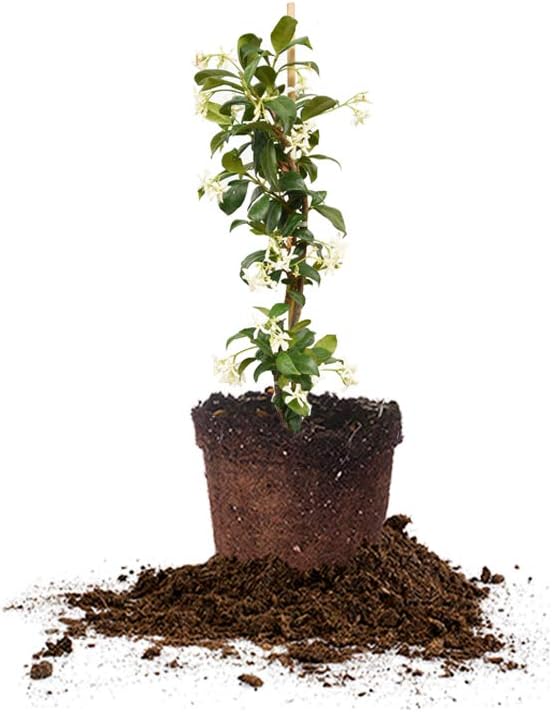
Perfect Plants Confederate Jasmine Live Plant, 1 Gallon
| Indoor Outdoor Usage | Outdoor |
|---|---|
| Other Special Features of the Product | Fragrant |
| Expected Blooming Period | Summer, Spring |
| Sunlight Exposure | Full Sun, Partial Shade |
| USDA Hardiness Zone | 4 |
This 1-gallon Confederate jasmine arrives as a young vine that quickly establishes in sunny spots and rewards with heavily scented, pale pinwheel flowers in spring and summer. Growers typically train it on a trellis, fence, hanging basket with support, or along railings; the vine is noted for cascading lime-green foliage and responds well to light shaping with clips or garden wire. Notable features from the listing include suitability for full sun to partial shade, moderate watering needs, and USDA hardiness to zone 4, which means it can persist in a wide range of climates when planted in appropriate sites. As a live plant it is straightforward to plant in loam-based soils and is described as easy to grow and maintain. Limitations to consider are that this is a young, single-plant offering so it will take time to reach its mature height and spread, and it requires support and periodic pruning to control vigor if used in baskets or confined containers. Also it does not ship to certain states according to the product notes.
Best for: Buyers who want an easy-care, fragrant climbing vine to add scent and cascading foliage to sunny baskets or supported containers and who value proven plant performance backed by customer feedback.
Less Ideal for: Gardeners seeking an instant full basket display or a no-maintenance groundcover should look elsewhere, as this vine needs time, training, and occasional pruning to fill space.
- Fragrant spring and summer blooms that add strong scent to outdoor spaces
- Tolerates full sun to partial shade making placement flexible
- Described as easy to grow which suits novice gardeners
- Hardy to USDA zone 4 so adaptable across many climates
- Sold as a single 1-gallon plant so it needs time and space to reach full coverage
- Requires a trellis or support and pruning to train and control growth
Verdict: A fragrant, easy-to-grow jasmine vine ideal for gardeners who want a proven, sun-tolerant climber to add scent and cascading foliage to hanging baskets and supported containers.
The Three Company Lavender (2-Pack) Live Fragrant Purple Perennials in 1-Qt Pots

| Sunlight Exposure | Full Sun |
|---|---|
| USDA Hardiness Zone | 5-9 |
| Moisture Needs | Low |
| Expected Blooming Period | Late Spring to Summer |
These lavender plants arrive as two 1‑quart pots of Lavandula Purple intended for outdoor planting in full sun. They are compact, mounded perennials that reach roughly 12–18 inches tall and are typically used in containers, balcony planters, or low hedge borders where their purple blooms and strong scent add visual and aromatic interest. The plants prefer well‑draining soil and low moisture once established, which makes them low‑maintenance for sunny balconies. Notable features include pollinator‑attracting flowers, deer‑deterring scent, and suitability for USDA zones 5–9, which covers many temperate climates. Because these are live plants shipped from a greenhouse, success depends on initial care during the first weeks after planting and ensuring pots have drainage. Plant size on arrival and bloom timing will vary by season, and buyers in very hot or very cold microclimates should adjust care accordingly. For small‑space gardeners wanting fragrant, drought‑tolerant color in full sun, these lavenders are a practical choice when tended promptly after delivery.
Best for: Gardeners with sunny balconies who want low‑maintenance, fragrant flowering plants that perform well in containers and attract pollinators.
Less Ideal for: People with shaded or mostly north‑facing balconies or those unwilling to water and pot the plants promptly after delivery.
- Compact habit suited to containers and balcony planters
- Fragrant purple blooms that attract pollinators
- Low water needs once established for easy care
- Shipped as live plants directly from greenhouse so you receive established starts
- Success depends on prompt transplanting and initial watering care after arrival
- Not suitable for shady balconies since it requires full sun
Verdict: A compact, fragrant lavender pair that gives sunny balconies long‑lasting color and low‑maintenance scent when planted in well‑draining containers.
Choosing the Right Full Sun Plants for Planters: Key Factors to Consider
Sun Exposure and Microclimate
Full sun in a garden can vary from four to eight hours or more of direct light, and planters on different sides of a building experience distinct microclimates. South- and west-facing locations receive the hottest, most intense afternoon sun, which increases evaporation and heat stress on foliage. Choosing plants rated for strong sun and reflective heat will reduce leaf scorch and wilting.
Pay attention to how wind, nearby reflective surfaces, and building heat affect a planter. A plant that tolerates bright morning sun may struggle in a planter placed on a hot balcony that bakes in afternoon heat. Matching plant tolerance to your specific exposure avoids repeated replanting and lost starts.
Pot Size and Root Space
Containers limit root growth, which affects water and nutrient availability and overall plant size. Larger, deeper pots retain moisture longer and allow plants with bigger root systems to thrive, while small pots favor compact, fibrous-rooted species. Consider mature root habit when choosing plants for planters: some species remain compact naturally, while others will become root-bound and decline if forced into small containers.
Also allow for seasonal growth and potting mix volume. Shallow-rooted plants dry out faster and need more frequent watering; deep-rooted or scrambling plants will need a bigger container to avoid stress during peak sun.
Soil Mix and Drainage
Good container soil balances moisture retention with drainage. Under full sun, surface and subsurface soil can heat quickly and dry out, so mixes with organic matter plus components like perlite or pumice help retain just enough water without causing waterlogging. Drainage holes and a slightly elevated pot help prevent standing water, which can cause root rot even for sun-tolerant species.
Soil choice also affects nutrient availability. In full sun, plants often grow faster and use nutrients quickly, so a mix that supports moderate fertility and aeration will keep plants healthy between feedings.
Watering Frequency and Dormancy
Planters in full sun typically need more frequent watering than in-ground plants. Evaporation from the soil surface and transpiration from leaves accelerate under hot sun. Some full-sun container plants are adapted to drought and tolerate dry periods, while others require consistent moisture to keep blooms coming. Know whether the species goes semi-dormant in extreme heat; this affects watering schedules and expectations for summer appearance.
Grouping plants with similar water needs in the same pot reduces stress and simplifies care. Consider using water-retaining granules or a top dressing of mulch in larger containers to moderate soil moisture swings.
Plant Size, Form, and Placement
A plant's mature height and spread determine whether it suits a tabletop pot, window box, or large patio planter. Upright, mounding, trailing, and clumping forms all have different uses: trailing varieties soften edges and spill over, while upright or architectural forms provide structure. Balance scale to avoid overcrowding; a single vigorous plant can overwhelm a small pot and cause water stress for itself and companions.
Also plan for seasonal layering. Taller plants at the back or center, mid-height fillers, and trailing edge plants create a balanced container composition that maximizes visual appeal in direct sun.
Maintenance and Seasonal Longevity
Full-sun planters often need pruning, deadheading, and occasional refreshes to maintain vigor under intense light. Some species bloom heavily but require regular deadheading to keep flowering; others are low-maintenance but less floriferous. Consider how often you want to deadhead, fertilize, or replace annuals.
Perennial or woody options in containers may require winter protection or downsizing of root mass during colder months. Understanding seasonal care needs helps you choose plants that match the time you can commit to maintenance.
Designing a Container Combo for All-Day Sun
Start with a strong structural plant as the tallest element, add one or two mid-height bloomers for color, and finish with a trailing species to soften the rim. In full sun, choose all three with compatible water and heat needs to avoid sacrificing one for another.
Use contrasting leaf textures and bloom shapes to keep the arrangement interesting through the season. A mix of drought-tolerant foliage and repeat-blooming flowers ensures color even during brief dry spells.
- Anchor with an upright or architectural plant for form
- Add midsize floriferous plants for continuous color
- Finish with trailing plants to hide pot edges
Seasonal Care Calendar for Sun-Facing Planters
Spring: refresh potting mix and check drainage. Plant after the last frost and start with steady moisture to help roots establish before hot weather.
Summer: expect more frequent watering and deadheading. Move containers where afternoon shade is possible during heatwaves if some plants show stress.
Fall: reduce fertilizer as growth slows and cut back spent stems. Start tapering water as temperatures drop.
Winter: protect hardy container perennials with insulated wrap or move to a sheltered spot. Consider overwintering tender plants indoors or replacing with cool-season containers.
- Increase watering in heat, reduce in cool weather
- Refresh top layer of soil between seasons
- Protect sensitive plants from extreme cold
Watering Strategies for Hot, Sunny Containers
Use the finger test and pick-up method: check moisture an inch or two below the surface and lift the pot to feel its weight. Large pots retain moisture longer; small pots often need daily checks in peak sun.
Consider drip irrigation or self-watering inserts for consistent moisture. When hand-watering, soak the soil thoroughly so water reaches the root ball rather than just wetting the surface.
- Water deeply and less frequently to encourage healthy roots
- Use mulch or gravel top dressings to slow evaporation
- Group pots with similar needs to simplify irrigation
Managing Nutrients in Fast-Growing Containers
Plants in sun often produce more foliage and flowers, which uses up nutrients faster. Use a balanced, slow-release fertilizer at planting then supplement with liquid feed during the growing season for long-blooming species.
Avoid overfertilizing, which can produce lush foliage at the expense of blooms and increase water demand. Monitor leaf color and vigor to fine-tune feeding frequency.
- Apply slow-release fertilizer at planting
- Feed with dilute liquid fertilizer every 2 to 4 weeks for heavy bloomers
- Flush pots occasionally to prevent salt buildup
Troubleshooting Common Sun-Related Problems
Leaf scorch, faded blooms, and rapid soil drying are typical problems in full sun planters. Identify whether issues stem from irrigation, reflected heat, or inadequate root volume.
Adjusting watering, adding shade during midafternoon, and repotting into a larger container are the usual remedies. For persistent problems, swap to more heat-tolerant species rather than increasing maintenance burden.
- Check for compacted soil or root-bound plants
- Provide temporary shade during heatwaves
- Replace sensitive plants with tougher alternatives if problems persist
How We Chose the Best Full Sun Plants for Planters
We focused on traits that matter most for plants grown in containers under direct sun. Primary filters were container adaptability, heat and drought tolerance, and compact or controllable growth habit so plants do well in limited root space. We also prioritized predictable flowering or foliage interest during long sun exposure and resistance to common sun-related stress such as leaf scorch or rapid surface drying. Selection considered maintenance needs like pruning and deadheading frequency, ease of watering without root rot, and general pest tolerance for outdoor planters. We excluded plants that require deep soil, heavy shade, or frequent transplanting to establish. Plants geared only to large landscape beds or those that become invasive in pots were not considered. The final list balances visual appeal with real-world container performance, and the evaluation criteria emphasize how a plant behaves in a planter rather than ideal garden beds.
FAQ
How often should I water planters in full sun?
It depends on pot size, soil mix, and weather. Small pots may need daily watering in hot spells, while large containers can go several days between deep soaks. Check an inch or two below the surface and adjust based on plant response.
Can I grow perennials in sun-facing containers year after year?
Often yes, but choose perennials with compact root habits and provide winter protection if your climate is cold. You may need to divide or repot every few years to refresh soil and prevent root crowding.
Should I group plants with different water needs in the same planter?
Usually no. Grouping plants by similar water and heat requirements reduces stress and simplifies care. If you mix needs, the thirstiest or most drought-tolerant species will suffer.
What potting mix works best for sunny containers?
A mix that balances moisture retention with drainage is best-ample organic matter plus aeration components like perlite or pumice. Avoid pure garden soil, which compacts and dries unevenly in pots.
How do I protect containers from extreme afternoon heat?
Provide temporary shade with a sail or moveable screen, reposition pots to a less exposed spot during heat waves, and add reflective or insulating material under pots to reduce heat transfer from hard surfaces.
When should I repot a sun-loving plant into a larger container?
Repot when roots circle the pot interior or when the plant dries out rapidly after a thorough watering. Spring is the best time to repot, giving the plant a full season to re-establish before the hottest weather.
Final Verdict
Choosing full-sun plants for planters comes down to matching exposure, pot size, and maintenance bandwidth. Prioritize heat and drought tolerance, select species with appropriate root habits for your container size, and group plants by water needs to reduce stress. Accept tradeoffs: the most floriferous plants often need more deadheading and feeding, while low-maintenance choices provide steady foliage with less fuss. With the right match of plant to planter and a sensible care routine, you can keep containers vibrant all season.
