

Note: This article contains affiliate links. If you click on these links and make a purchase, I may earn a small commission at no extra cost to you. This helps support my research and content. Read my full affiliate disclosure here.
Choosing the right garden shade cloth matters because it changes light, temperature, and humidity in ways that directly affect plant health. The wrong density can scorch plants or reduce yields by cutting too much light, while poor material or edges can fail after a season in sun, wind, or rain. This guide covers seven shortlisted options for garden shade cloth chosen for common backyard, patio, and small-farm situations. We evaluate each on how much sun they block, how well they stand up to weather and wear, and how easy they are to install and maintain. Read on to compare the top picks and the specifics that matter for different garden uses.
Top Picks at a Glance
| Best Overall The best all-around choice for most situations | WindscreenSupplyCo 45% HDPE Shade Cloth with Metal Grommets, 5 x 10 ft |  |
| Best Quality Built to a higher standard if you want something more solid | Shade&Beyond 90% Sun Shade Cloth with Grommets, 8' x 12' HDPE Pergola Canopy |  |
| Best Value The sweet spot between price and what you get | Cool Area Sun Shade Cloth, 55% UV Block, 6.5 x 10 ft |  |
| Best Budget The cheapest option that still gets the job done reliably | JOJOLEE 70% HDPE Shade Cloth with Grommets, 3 x 6 ft |  |
| Highest Rated A top-rated pick with lots of positive feedback | Coolaroo 90% UV Block Heavy Duty Shade Fabric Roll, 6 ft x 50 ft |  |
| Most Popular A crowd favorite that many people choose with confidence | winemana 50% Shade Cloth Mesh Tarp, 10 x 20 ft |  |
| Best Seller A high-volume bestseller chosen again and again | SUNNY GUARD 10' x 13' Rectangle Shade Sail (95% UV Block) |  |
WindscreenSupplyCo 45% HDPE Shade Cloth with Metal Grommets, 5 x 10 ft

| Shade rate | 45% |
|---|---|
| Material Type | High Density Polyethylene (HDPE) |
| Mount Type | Tie with metal grommets |
| Special features | UV resistant, Water resistant, Tear resistant |
This 5 x 10 ft WindscreenSupplyCo shade cloth is a practical, mid-density option for garden shading and light privacy. Made from virgin HDPE with a knitted, breathable weave it blocks about 45 percent of sunlight while still allowing airflow, which helps lower temperatures roughly 10 to 15 degrees in covered areas. The fabric has double-stitched edges with 1.5 inch polyester webbing and solid metal grommets spaced for straightforward tie-down installation. In use it works well over raised beds, small greenhouses, pergolas, and patios where plants need reduced light but not total shade. The material is water resistant and UV stabilized so it stands up to sun and seasonal exposure, though heavy wind or abrasive contact will still eventually wear any mesh. Because this is a lighter 45% weave it is not intended where near-total privacy or maximum sun blocking is required. For a balanced garden setup that needs cooling, airflow, and protection for sun-sensitive vegetables and seedlings this cloth offers durable, easy-to-fit coverage at a sensible performance level.
Best for: Gardeners who want dependable, balanced sun reduction and airflow for vegetables, seedlings, raised beds, and small patio coverings and who prioritize durability and easy installation.
Less Ideal for: People seeking near-complete privacy, heavy-duty wind screens, or complete sun blackout should choose a higher shade percentage or a different material.
- Breathable knitted HDPE reduces heat while maintaining airflow to prevent stuffiness
- Double-stitched reinforced hems and polyester webbing lower risk of fraying during installation
- Solid metal grommets make mounting with rope or straps quick and secure
- UV-resistant and water-resistant material suited for seasonal outdoor exposure
- 45% shade rate may be insufficient for plants or spaces that need heavy shade or full privacy
- Mesh can degrade over long-term exposure in very windy or abrasive conditions
Verdict: A durable, breathable 45% shade cloth that delivers sensible cooling and protection for garden beds and small outdoor coverings while staying easy to install.
Shade&Beyond 90% Sun Shade Cloth with Grommets, 8' x 12' HDPE Pergola Canopy
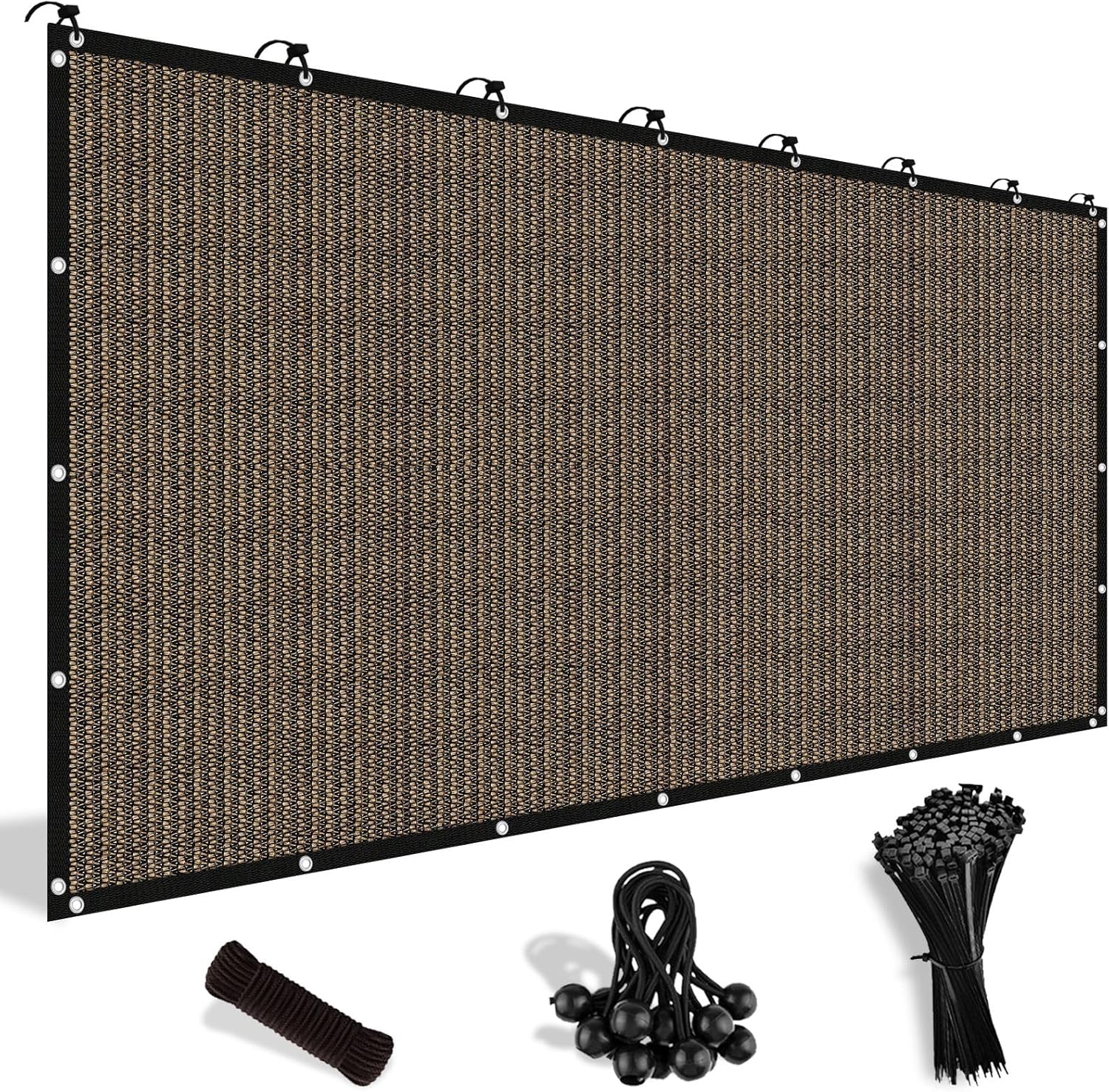
| Material Type | High Density Polyethylene (HDPE) |
|---|---|
| Shade Percentage | 90% Sun Block |
| Grommet Spacing | Every 2 ft |
| Fabric Weight | 200GSM |
| Mount Type | Tie |
This Shade&Beyond 90% sun shade cloth is built for performance-minded gardeners and outdoor spaces where strong UV protection and durability matter. Made from 200 GSM high-density polyethylene with reinforced double grommets every two feet, the fabric delivers substantial sun blocking and good airflow to lower temperatures under a pergola or patio cover. Typical use is mounting it to posts, pergola rafters, or framing with ties and included fixing accessories to create a cooler seating area, protect greenhouse plants from scorch, or shield a pet shelter. The material feels robust and the seams and stitching are reinforced, which helps the cloth resist tearing and stretching during normal use. Keep in mind the product is not water resistant and should be removed or secured during heavy storms or high winds. Installation requires tying or fastening around perimeter points so planning anchor locations and using proper tension will maximize longevity and shade performance.
Best for: Gardeners and homeowners who prioritize high UV protection and long-lasting performance for pergolas, patios, and plant shading and who are willing to mount and tension the cloth properly.
Less Ideal for: People who need a waterproof shelter or a quick pop-up solution for occasional use; those who want a fully rigid or permanent roofing replacement should look elsewhere.
- High-density 200 GSM HDPE fabric offers strong UV resistance and heat reduction
- Reinforced double grommets every 2 feet make attachment and uniform tensioning easier
- Durable seams and stitching reduce the chance of tearing under normal outdoor use
- Breathable mesh allows airflow so shaded areas stay cooler rather than trapping heat
- Not water resistant so it will not keep rain out and should be removed in heavy storms
- Requires secure mounting and periodic tightening to prevent wind damage
Verdict: Choose this heavy-duty 90% HDPE shade cloth when you need maximum UV protection and durable construction for pergolas and garden shade applications.
Cool Area Sun Shade Cloth, 55% UV Block, 6.5 x 10 ft

| Shade factor | 55% |
|---|---|
| Material | HDPE (new) |
This Cool Area shade cloth is a simple, no-frills solution for shading small garden beds, greenhouses, patios, and animal shelters. Made from new HDPE with a woven-hole construction, it reduces direct sun by roughly 55% while remaining breathable so you can water plants through it without pooling. The material is described as tear resistant and UV resistant with a 2 to 3 year service life, and the sheet includes no-guess grommet points for fixing with zip ties or rope, so installation is quick and tool-free. In practice it offers effective temperature and light reduction for heat-sensitive vegetables, seedlings, or potted plants and can double as temporary cover for a pergola or kennel. Limitations are its modest size for larger projects and the stated ±5 inch cut tolerance, so plan overlap or seams for wider coverage; heavier duty or higher-percentage shade fabrics will be better if you need long-term commercial protection or near-total sun blocking.
Best for: Gardeners who want an inexpensive, easy-to-install shade cover to protect seedlings, pots, or small beds from summer sun without blocking air or water access.
Less Ideal for: Commercial growers or anyone needing complete blackout or very high-percentage shade for long-term crop protection should choose heavier industrial fabrics or larger panels.
- Breathable HDPE weave allows water and air to pass so plants can be watered and ventilated under shade
- Built-in grommet points and lightweight fabric make installation with zip ties or rope quick and tool-free
- Constructed from non-recycled HDPE intended for tear and UV resistance for a multi-season lifespan
- 55% shade factor balances reduced heat and light while preserving enough sun for many vegetables and ornamentals
- 6.5 x 10 ft size may require multiple panels and overlaps for larger beds or greenhouses
- ±5 inch manufacturing tolerance means exact coverage should not be assumed
Verdict: Choose this lightweight HDPE 55% shade cloth when you need an affordable, breathable, easy-to-install cover to protect small garden areas from excess sun.
JOJOLEE 70% HDPE Shade Cloth with Grommets, 3 x 6 ft

| Material Type | High Density Polyethylene (HDPE) |
|---|---|
| Shade Rate | 70% |
The JOJOLEE 70% shade cloth is a budget-friendly sun net designed to cut about 70% of direct sunlight while remaining breathable so plants and outdoor spaces stay cooler without trapping moisture. Made from high density polyethylene, this small 3 x 6 ft panel is intended for temporary or semi-permanent shade on patios, greenhouses, pergolas, chicken coops, balconies, or over potted plants. Notable features include widened stitched borders, reinforced corner sleeves, and rust-resistant metal grommets for straightforward attachment with rope or zip ties. Because the fabric is permeable to water and air it keeps soil and foliage ventilated and reduces heat stress by an expected 10 to 15°F in direct sun. The cloth is not waterproof, so it will not provide rain protection, and the 3 x 6 ft size limits coverage to small areas or spot shading without multiple panels. Overall it offers a durable, no-frills way to add shade on a tight budget, but larger installations will require planning for seams and additional fasteners.
Best for: Gardeners or homeowners who want an inexpensive, durable way to reduce sun exposure for small beds, planters, or outdoor seating areas and prefer a straightforward DIY install.
Less Ideal for: People needing full rain protection or large continuous shade for big patios or commercial greenhouses should choose waterproof canopies or larger industrial shade systems instead.
- Blocks approximately 70% of sunlight while allowing air and water permeability
- High density polyethylene construction resists tearing and UV damage
- Reinforced stitched borders and corner sleeves reduce edge fraying under tension
- Rust-resistant metal grommets make attachment quick and durable
- Not water resistant so it will not keep rain out
Verdict: A practical, low-cost HDPE shade cloth that reliably cuts sun and improves airflow for small garden and patio shading projects.
Coolaroo 90% UV Block Heavy Duty Shade Fabric Roll, 6 ft x 50 ft

| Material Type | High Density Polyethylene (HDPE) |
|---|---|
| Item Type Name | Shade Fabric with 90% UV Protection (6'x50') |
| Water Resistance Level | Not Water Resistant |
| Mount Type | Tie |
This Coolaroo shade fabric is a straightforward solution for creating durable shade and privacy across patios, pergolas, pet runs, play areas, and fences. Sold as a 6 by 50 foot HDPE roll, the material blocks up to 90% of UV while still allowing airflow, so it reduces heat and sun exposure without turning a space into a stuffy enclosure. The fabric is tear, fade, and fray resistant and can be cut to fit custom openings; mounting is typically done with ties or zip ties to posts, rails, or frames. It is not water resistant, so it should be taken down for heavy rain or storms, but it dries quickly and is easy to clean. The product is made from recyclable, non-toxic materials and is designed for long-term outdoor exposure, which supports reliability-minded buyers who want a low-maintenance, long-lasting shade solution. Expect to plan simple fastening points and periodic inspection of attachment points in windy conditions.
Best for: Buyers who prioritize a dependable, low-maintenance shade solution for patios, pergolas, pet areas, or fences and want a product that endures long outdoor exposure with minimal upkeep.
Less Ideal for: People who need a fully waterproof canopy for rain protection or those who prefer a pre-finished fixed-size shade panel rather than a customizable roll.
- Blocks up to 90% of UV to reduce sun exposure and heat
- Breathable HDPE construction maintains airflow while shading
- Tear-, fade-, and fray-resistant for extended outdoor use
- Customizable roll length that can be cut to fit nonstandard openings
- Not water resistant so it should be removed or secured during heavy rain or storms
- Requires secure tie-point mounting and occasional checks in windy conditions
Verdict: A robust, breathable HDPE shade roll that reliably blocks 90% of UV and is built to last for long-term outdoor shading needs.
winemana 50% Shade Cloth Mesh Tarp, 10 x 20 ft

| Shade rate | 50% |
|---|---|
| Material Type | High Density Polyethylene (HDPE) |
| Water Resistance Level | Water Resistant |
| Mount Type | Tie |
This winemana 50% shade cloth is a large, breathable HDPE mesh tarp designed to reduce sunlight exposure while maintaining airflow. Common uses include shading garden beds and seedling areas, covering patios or pergolas for cooler seating, and providing shelter for chicken coops or pet runs. The fabric is UV-treated and woven to be tear resistant, with reinforced hems and metal grommets spaced for easy fastening to poles, fences, or frames using rope, zip ties, or bungee cords. Its 50% shade rate makes it suited to spring seedlings and cool-season crops that need filtered light rather than full sun blockage. Practical benefits are simple setup, multi-season durability, and the ability to fold or stretch slightly to fit various spaces. Limitations to keep in mind are that it is not a waterproof solid tarp so heavy rain will pass through, wind can pull on the material if not tightly secured, and exact fit requires planning because the size is fixed and may need trimming or folding for some installations.
Best for: Gardeners and outdoor homeowners who want reliable, proven sun protection for seedlings, beds, patios, or pet areas and prefer a durable, easy-to-install solution backed by many buyers.
Less Ideal for: People needing a waterproof shelter, a custom-cut permanent awning, or those who require a precise bespoke size without adjustments.
- Breathable HDPE weave promotes airflow and reduces heat buildup
- UV-stabilized, tear-resistant material for multi-season outdoor use
- Reinforced hems and metal grommets simplify secure mounting
- Generous 10 x 20 ft coverage suits beds, patios, and animal enclosures
- Not a solid waterproof tarp so it will not block heavy rain
- Fixed size may require folding or trimming for precise fits
Verdict: Choose this roomy, reinforced 50% HDPE shade cloth when you need durable, breathable sun protection for seedlings, patios, or animal enclosures.
SUNNY GUARD 10' x 13' Rectangle Shade Sail (95% UV Block)

| Material Type | High Density Polyethylene (HDPE) |
|---|---|
| UV Blocking | Up to 95% UV block |
| Mount Type | Tie |
| Water Resistance Level | Not Water Resistant |
The SUNNY GUARD 10' x 13' rectangle shade sail is a simple, effective way to add long‑lasting shade to a backyard, patio, pergola, or pool area. Made from high density polyethylene (HDPE), the fabric is breathable so it allows air to circulate while blocking up to 95% of harmful UV, which can noticeably lower the temperature under the sail. It installs by tying the reinforced corners to posts or anchors and the listing includes ropes; for a more secure, permanent setup consider buying stainless steel hardware. The sail is customizable in size and the material resists sun degradation better than thin fabrics, but it is not waterproof so it should be taken down in heavy rain or left untended in wet conditions. Because seams and edges are welded and D‑rings are stainless steel, the sail handles normal wind and sun exposure well but performs best when properly tensioned and anchored.
Best for: Buyers who want a reliable, low‑maintenance shade solution to reduce sun exposure and cool outdoor seating areas without complicated installation.
Less Ideal for: People who need a waterproof canopy or a permanent anchored awning for exposed, storm‑prone locations should consider other products.
- High Density Polyethylene fabric blocks up to 95% of UV rays
- Breathable material allows air flow and reduces temperature under the sail
- Reinforced corners with stainless steel D‑rings improve durability
- Customizable sizes to fit different outdoor spaces
- Not water resistant so must be removed or avoided in rainy conditions
- Basic tie mounting requires additional hardware for permanent, high‑wind installations
Verdict: A breathable, high‑UV‑blocking shade sail that delivers effective cooling for patios and gardens with minimal upkeep.
Choosing the Right Garden Shade Cloth: Key Factors to Consider
Shade Density and Light Needs
Shade cloth is sold by percentage of light blocked, and that number directly affects plant growth. A light-blocking percentage in the 10-30% range is useful for cooling and wind reduction without stressing full-sun vegetables, while 40-60% suits shade-tolerant ornamentals, and 70-90% is best for heat-sensitive plants or reducing solar stress during peak heat.
Understanding the exact shading percentage matters because two fabrics of the same color can transmit different amounts of light. Choose based on the crop stage as well. Young seedlings and lettuce often need higher shade, while fruiting crops usually tolerate, and often need, more light to set fruit.
Fabric Material and UV Stabilization
The base material-typically knitted polyethylene or woven polypropylene-determines tear resistance and how the fabric behaves when wet. Knitted fabrics tend to be more flexible and breathable, while woven options can be denser and more abrasion resistant.
Crucially look for UV-stabilized fibers or fabric that specifies UV inhibitors. Without UV protection the fabric will become brittle and lose shading effectiveness within a season or two. UV-stabilized cloth retains tensile strength and shade percentage for multiple growing seasons, reducing the need for frequent replacement.
Edge Construction and Attachment Points
How the cloth is finished at the edges determines long-term performance in wind. Reinforced hems, double-stitched edges, and tightly spaced grommets prevent tearing and make mounting simpler. Poor edge construction concentrates stress in narrow areas and leads to rips along the hem.
Consider the intended mounting method. If you will tension the cloth across a frame or between posts, look for grommet spacing that matches your support structure and for hem widths that accept rope or bungee attachments without bunching.
Airflow and Light Diffusion
Shade cloth should reduce direct sunlight without creating stagnant pockets of hot, humid air. Fabrics that allow good airflow help dissipate heat and reduce humidity buildup that can lead to mildew and pest pressure.
Light diffusion is also important for even plant growth. A cloth that scatters light reduces hot spots and shadow strips, so plants receive a more uniform light distribution. This can be especially helpful for layered beds and densely planted containers.
Durability in Weather and Maintenance Needs
Outdoor exposure subjects shade cloth to UV, wind loading, rain, and sometimes snow. Durability depends on both the fabric and the finishing details. Look for materials rated for outdoor use, and consider whether the cloth resists waterlogging and dries quickly to prevent mildew.
Maintenance is typically minimal but practical considerations matter. Can the cloth be left up year-round in your climate, or should you remove it each season? Some fabrics tolerate folding and storage without creasing or damage, while others should be rolled and kept dry to extend life.
Size, Customization, and Trimability
Shade cloth often comes in large widths and must be trimmed to fit irregular frames or small structures. A cloth that trims cleanly without unraveling or losing attachment point integrity is more versatile.
Also consider whether the available sizes match your garden layout. Buying larger yardage that can be cut down gives flexibility, but requires good edge finishing after trimming. If you lack time or tools for custom work, look for commonly sized panels that fit standard hoop houses, pergolas, or frames.
Best Shade Density for Common Garden Situations
Different areas in a garden need different shade percentages. Seed-starting flats and tender ornamentals often fare better under 40 to 70 percent block, while full-sun vegetables generally need only 10 to 30 percent shading during extreme heat spells. Consider seasonal adjustments: install heavier shading only for the hottest months and switch to lighter protection when light is limiting fruit set.
- Seedlings and cuttings: 40-70% shade
- Leafy greens and herbs in summer: 30-50% shade
- Heat-sensitive ornamentals and potted plants: 60-90% shade
Installing Shade Cloth Over Beds and Frames
Plan the support first. Tension distributes wind load; anchors at regular intervals reduce flapping and edge wear. For frames, run the cloth with the longest side perpendicular to prevailing winds, and leave enough slack to account for expansion when wet. Use soft ties or tensioning rope to avoid cutting into the hem.
- Use grommets or reinforced corners for primary tie points
- Space anchors to match grommet intervals to avoid concentrated stress
- Consider removable clips for ease of seasonal removal
Managing Microclimate Under Shade Cloth
Shade cloth lowers daytime peak temperatures but can also slightly raise nighttime minimums by reducing radiational cooling. Monitor soil moisture: shaded areas often retain moisture longer, so adjust irrigation schedules to avoid overwatering. Check humidity-prone plant species for signs of increased fungal pressure and improve airflow where needed by opening sides or raising the cloth slightly.
- Adjust irrigation frequency downward in heavily shaded areas
- Lift cloth during cloudy stretches to avoid extended low-light periods
- Combine shade with reflective mulches for crops needing both cooling and high light
Seasonal Storage and Care
Clean the cloth before storage to remove debris and dampness that can promote mold. Roll rather than fold where possible to reduce creases, and store in a dry, ventilated location out of direct sun so UV stabilizers do not degrade unused fabric. Inspect edges and grommets before reinstalling; small repairs are easier than replacing a full panel.
- Brush off dirt and rinse with water if needed
- Allow to dry completely before rolling
- Patch small tears with appropriate UV-resistant tape or fabric patches
Using Shade Cloth for Shade Structures and Temporary Covers
Shade cloth works well on pergolas, temporary event covers, and mobile carts because it is lightweight and can be mounted quickly. When used as a temporary cover, choose a fabric with good edge finishing to endure repeated setup and takedown. For semi-permanent structures, consider mounting methods that let you easily tension and remove the cloth for cleaning or winter storage.
- Fast-attach clips speed setup and reduce grommet wear
- Plan for drainage where water can pool on the surface
- Use slightly steeper pitches to shed water on larger spans
How We Chose the Best Garden Shade Cloth
We focused on attributes that matter in real garden settings and applied clear editorial filters to narrow the list to seven robust options. Selection began with materials and UV resistance: we prioritized fabrics designed for prolonged sun exposure and that list UV-stabilized fibers or comparable protection. We also screened for construction features gardeners rely on, including reinforced hems, grommet spacing, and edge finishes that reduce tearing during wind events. We evaluated light transmission properties and available shade densities so the picks cover common needs from seedlings to heat-sensitive ornamentals. Durability testing criteria included resistance to fatigue from repeated stretching, resistance to mold and mildew in humid zones, and proven dimensional stability after wetting and drying cycles. Practical installation and flexibility were also considered: options with straightforward mounting points, the ability to trim without losing integrity, and compatibility with common support structures scored higher. Exclusions: we filtered out short-term decorative fabrics, untreated woven fabrics lacking UV claims, and products intended only for indoor or temporary event use. The final set reflects materials and builds suitable for season-to-season outdoor garden use and aligns with scoring metrics used across the guide.
FAQ
What shade percentage should I use for seedlings and transplants?
For seedlings and young transplants, moderate to heavy shade in the 40-70% range is common because it reduces stress and prevents leaf burn. Lighter shading can be used if plants show slowed growth or leggy stems.
Can shade cloth reduce the need for irrigation?
Often yes. By cutting direct sun and lowering temperatures, shade cloth reduces evaporation from soil and plant surfaces, which can allow you to water less frequently. However, watch for overwatering in cooler, shaded spots and adjust schedules accordingly.
How long does garden shade cloth typically last?
Lifespan varies with material and UV stabilization. UV-stabilized knitted fabrics can last multiple seasons in temperate climates, while untreated fabrics often fail within a season. Proper edge finishing and installation also play a big role in longevity.
Is darker shade cloth better than lighter colors?
Darker cloth often blocks more light and can reduce glare, but color alone does not guarantee a specific shade percentage. Check the listed shade density and UV treatment rather than relying on color as the primary guide.
Can I cut shade cloth to fit a custom frame?
Yes, many garden shade cloths can be trimmed with scissors, but you should finish cut edges with tape, hem, or secure with grommets to prevent fraying and edge failure. Trim only when you can adequately finish the new edges.
Final Verdict
Choose garden shade cloth based on the light needs of the plants you are protecting and the local weather patterns. Prioritize materials with UV stabilization and strong edge construction if you plan to leave cloth in place for multiple seasons. Balance shade density against airflow needs to avoid humidity problems, and prefer panels that match your mounting method or can be trimmed and finished cleanly. The right cloth reduces heat stress and evens light distribution while lasting through seasons if properly installed and cared for. Use the evaluation criteria above to match features to your garden situation so you can pick a solution that fits both your plants and your installation style.
