

Note: This article contains affiliate links. If you click on these links and make a purchase, I may earn a small commission at no extra cost to you. This helps support my research and content. Read my full affiliate disclosure here.
If you need to remove strips of turf, transplant sod, or dig out grass for a new bed, the right garden shovel makes the work faster and less tiring. A shovel built for digging grass balances a sturdy, narrow blade for clean cuts with a handle and shaft that resist twist and absorb shock. This guide shortlists seven top options chosen for their digging geometry, materials, and durability so you can pick one suited to repeated turf work. Below we explain the practical features we evaluated, so you can match a shovel to how you garden and the scale of turf removal you plan to do.
Top Picks at a Glance
| Best Overall The best all-around choice for most situations | Root Slayer Nomad Garden Spade (Serrated Edge) |  |
| Best Quality Built to a higher standard if you want something more solid | Root Slayer XL Round-Head Digging Shovel |  |
| Best Value The sweet spot between price and what you get | KOLEIYA 41-Inch Round Point Garden Shovel with D-Handle |  |
| Best Budget The cheapest option that still gets the job done reliably | GSBLUNIE 33-inch Garden Shovel with Fiberglass Shaft and D-Grip |  |
| Highest Rated A top-rated pick with lots of positive feedback | wangyanhao Heavy-Duty Flat Shovel with D-Handle |  |
| Most Popular A crowd favorite that many people choose with confidence | Ashman 41-Inch Heavy-Duty Round Digging Shovel |  |
| Best Seller A high-volume bestseller chosen again and again | Root Slayer Garden Shovel with Serrated V-Tip |  |
Root Slayer Nomad Garden Spade (Serrated Edge)

| Material Type | Alloy Steel |
|---|---|
| Blade Material | Carbon Steel |
| Handle Material | Carbon Steel,Polypropylene |
| Grip Type | Ergonomic |
| Unit Count | 1 Count |
The Root Slayer Nomad is a scaled-down version of the award-winning Root Slayer spade built to handle tough digging and root removal in confined spaces. Its serrated, V-shaped tip and ripsaw teeth let you saw through roots and compacted soil while the powder-coated carbon steel blade resists corrosion during repeated use. The shorter head and long shaft make the tool easy to maneuver in raised beds, narrow planting strips, and when camping or trail work requires a compact shovel. A fiberglass shaft with non-latex grips provides leverage and a secure hold for directed digging and prying. Because it is made from robust carbon steel and engineered for heavy-duty tasks, the Nomad is best used for focused garden jobs rather than grave digging or continuous commercial use. Expect a dependable, long-lived tool for home gardeners who need a reliable root-cutting spade in smaller spaces, with the usual requirement of occasional blade cleaning and sharpening to maintain cutting performance.
Best for: Buyers who prioritize a dependable, long-lasting digging tool for home gardens and raised beds and who value root-cutting performance in confined or portable work sites.
Less Ideal for: People who need a full-size spade for large-scale or continuous commercial digging work should consider a larger, heavy-duty model instead.
- Aggressive serrated blade and V-shaped tip that cut through roots and compacted soil.
- Powder-coated carbon steel blade for strength and corrosion resistance.
- Compact head and long shaft for easy maneuvering in raised beds and tight spaces.
- Fiberglass shaft with non-latex grips offers good leverage and a secure hold.
- Smaller, compact design limits leverage and surface area compared with full-size spades for very large digging jobs.
- Requires periodic sharpening and cleaning to keep serrations effective and corrosion minimal.
Verdict: A compact, rugged spade built to reliably cut roots and dig in tight garden spaces, ideal for homeowners who want a durable, long-lasting tool.
Root Slayer XL Round-Head Digging Shovel

| Material Type | Carbon Steel, Fiberglass |
|---|---|
| Blade Material | Carbon Steel |
| Handle Material | Fiberglass |
| Gauge | 13 |
| Item Type Name | Round Head Shovel XL |
The Root Slayer XL is built for demanding digging tasks where cutting through sod and roots matters. Its 13-gauge mid-carbon steel blade is sharpenable and features an inverted V-shaped cutting tip plus ripsaw-style teeth that make slicing through turf and stubborn roots faster than a smooth-edge shovel. The extra-long pultruded fiberglass shaft with a reinforced core gives taller users better leverage and improved control when driving the blade into compacted soil or clay. In real-world use this tool excels at making clean holes for planting, removing root-bound sod, and breaking up dense garden soil without repeatedly switching tools. Expect a durable, low-flex shaft and a blade that can be resharpened to retain cutting performance over years of use. The main compromises are weight and size: the XL length and heavy-gauge blade make it less handy for very tight beds or precision work, and it is bulkier to store and carry than compact spades.
Best for: Gardeners and landscapers who prioritize digging power and root-cutting performance and need a durable tool for removing sod and breaking compacted soil, especially taller users who want extra reach and leverage.
Less Ideal for: Those who mostly work in small raised beds, container gardens, or require a lightweight, compact spade for precision planting should consider a shorter, lighter shovel instead.
- Inverted V-shaped tip and serrated edge cut through roots and sod more effectively than smooth shovels
- 13-gauge mid-carbon steel blade is sturdy and can be resharpened to maintain performance
- Extra-long reinforced fiberglass shaft provides strong leverage and resists bending
- Designed for heavy-duty tasks like digging in compacted soil, clay, and rocky ground
- XL length and heavier blade make it awkward for tight planting beds or precision digging
- Larger size increases bulk for storage and transport compared with shorter spades
Verdict: If you need a heavy-duty shovel that cuts roots and slices through sod while giving taller users excellent leverage, this XL Root Slayer is built for the job.
KOLEIYA 41-Inch Round Point Garden Shovel with D-Handle
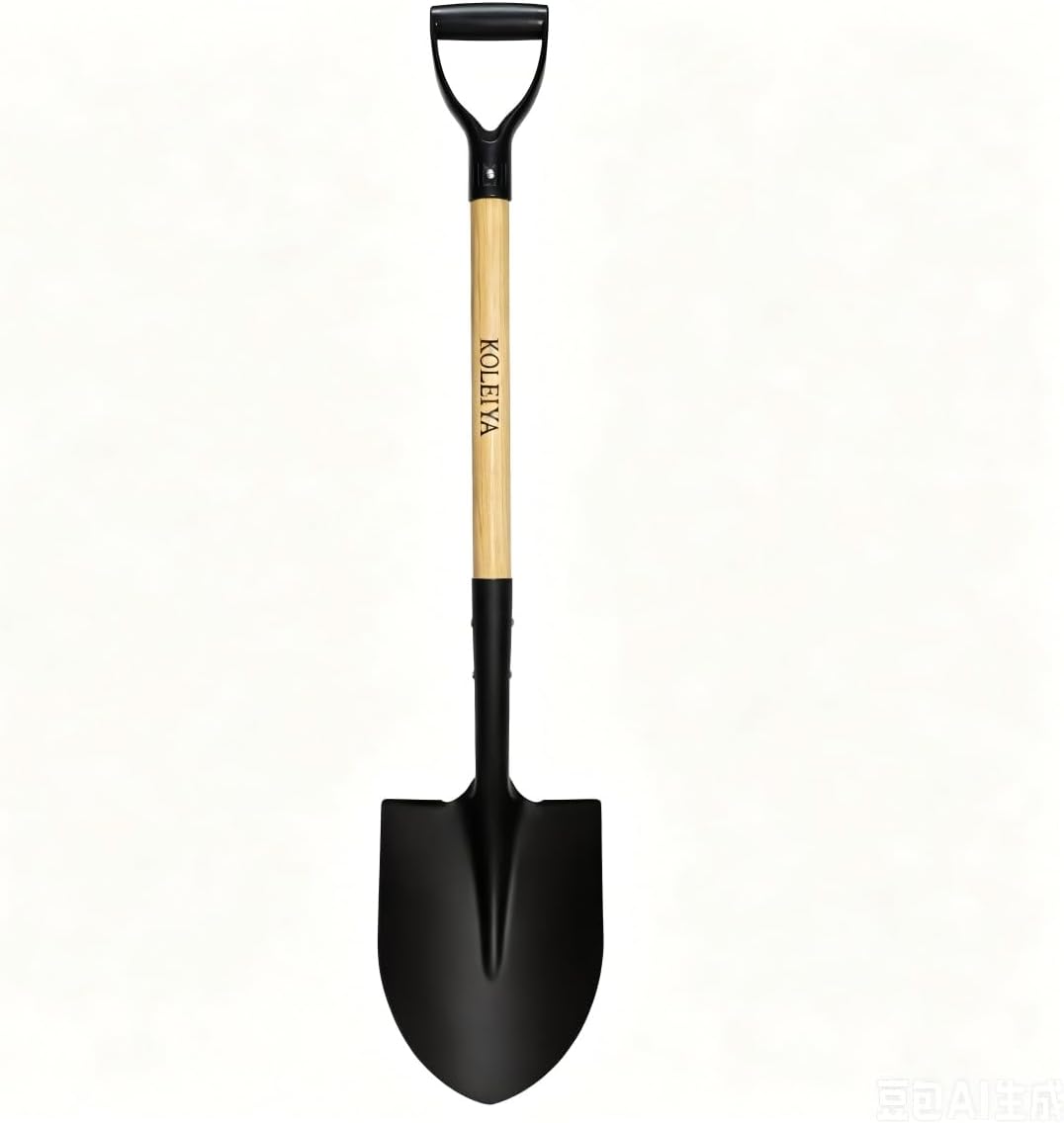
| Blade Material | Alloy Steel |
|---|---|
| Handle Material | Wood |
| Grip Type | D-Grip |
| Unit Count | 1 Count |
This KOLEIYA 41-inch round point shovel is a straightforward, heavy-duty digging tool aimed at everyday yard tasks. The high-carbon alloy steel blade and double-rivet attachment give confidence when cutting into turf, moving soil, or scooping gravel, and the D-shaped wooden handle provides comfortable leverage for repeated digs. At 41 inches overall and about 3.3 pounds, it balances reach and maneuverability so you can work standing up without excessive fatigue. Typical uses include digging into grass and topsoil for planting or removing turf, transplanting, edging beds, and light snow or ice removal from driveways. The solid hardwood handle and steel blade make it durable, but the wooden shaft will require occasional care to avoid splintering or weather damage if left outdoors. This is a simple, no-frills tool that focuses on strength and usability rather than specialized features like serrated edges or fiberglass handles. If you need a reliable spade for frequent digging and general garden maintenance, this model performs well; if you want rustproofing or a lighter synthetic shaft, look elsewhere.
Best for: Buyers who want a sturdy, no-frills shovel for regular garden digging, transplanting, and turf removal and who prioritize durability and straightforward performance over lightweight synthetic materials.
Less Ideal for: People who need a fully rustproof tool, a very lightweight composite shaft, or a specialty shovel with serrated edges or interchangeable heads.
- Durable alloy steel blade with double-rivet attachment for reliable digging strength
- Comfortable D-shaped wooden handle that improves leverage during repetitive use
- 41-inch length gives good standing reach for digging grass and transplanting
- Relatively lightweight at about 3.3 pounds so it is easier to use for extended periods
- Wooden handle needs periodic maintenance and can weather or splinter if left exposed
- Blade and metal parts are not explicitly coated so long-term rust resistance may be limited
Verdict: A robust, practical round point shovel that gives reliable digging power and comfortable leverage for everyday grass and garden work.
GSBLUNIE 33-inch Garden Shovel with Fiberglass Shaft and D-Grip

| Material Type | Metal |
|---|---|
| Handle Material | Fiberglass |
| Blade Material | Metal |
| Grip Type | D-Grip |
This GSBLUNIE 33-inch garden shovel is a straightforward digging tool that pairs a pointed forged metal blade with a lightweight fiberglass shaft and ergonomic D-grip. It is used for cutting into compacted soil, scooping, transplanting and light off-road or camping tasks; the pointed blade helps penetrate roots and rocky ground while the fiberglass handle keeps overall weight low. Assembly is tool-free and quick, making it easy to get to work without fuss. Practical benefits include the comfortable D-handle for two-handed leverage, a durable metal blade that resists bending on typical garden jobs, and a size that is simple to carry in a trunk or pack for roadside or campsite use. Limitations are its shorter 33-inch length compared with full-size long-handle shovels, which reduces leverage for very deep or heavy excavation, and the product is positioned as a compact, general-purpose shovel rather than a specialist for continuous heavy construction work.
Best for: Buyers who want an affordable, easy-to-use shovel for routine garden digging, transplanting and occasional outdoor trips, and who prioritize portability and low weight over industrial digging power.
Less Ideal for: If you need a long-handle shovel for deep trenching, continuous heavy excavation, or professional construction work, choose a full-size, commercial-grade digging shovel instead.
- Forged pointed metal blade that slices into compacted soil and roots
- Lightweight fiberglass shaft that reduces user fatigue and is easy to carry
- Ergonomic D-grip for secure two-handed leverage and comfort
- Tool-free, quick assembly for immediate use
- Shorter 33-inch length provides less leverage for deep or very heavy digging
- Not designed as a specialist construction-grade heavy excavation tool
Verdict: A lightweight, budget-friendly digging shovel that gives reliable performance for routine garden holes and portable outdoor use.
wangyanhao Heavy-Duty Flat Shovel with D-Handle

| Handle length | 41 inches |
|---|---|
| Blade finish | Powder-coated steel |
| Handle type | D-shaped with grip |
This flat shovel is built for regular garden work where strength and visibility matter. The heavy-duty steel blade with a weather-resistant powder coat stands up to repeated digging in turf and compacted soil, while the 41-inch shaft gives good leverage for scooping and edging without excessive bending. The D-shaped handle with an orange grip improves control when prying sod or transplanting small shrubs and makes the tool easy to spot in the yard. It is a versatile tool for tasks such as cutting sod, trenching shallow edges, dividing perennials, and moving soil or mulch. Because it is a straight transfer-style blade rather than a pointed digging shovel, it excels at slicing turf and transferring material but will be slower in very hard, rocky ground where a pointed tip helps penetrate. Overall the design favors durability and user comfort for routine grass and garden digging tasks.
Best for: Buyers who prioritize a durable, easy-to-handle shovel for regular lawn and garden digging tasks and want a tool that reduces back strain during extended use.
Less Ideal for: Gardeners who frequently dig in heavy rocky clay or need a compact, folding tool for tight storage should consider a pointed or shorter shovel instead.
- Heavy-duty steel blade with powder-coated finish resists rust and wear
- 41-inch handle provides good leverage and reduces bending
- D-shaped handle with padded grip improves control and visibility in the yard
- Versatile flat blade useful for cutting sod, edging, transplanting, and moving material
- Flat transfer blade is less effective at penetrating very hard or rocky soil compared with a pointed shovel
- Long fixed handle may be bulky for storage or tight spaces
Verdict: A tough, visible flat shovel built for dependable turf cutting, edging, and routine soil-moving tasks in the garden.
Ashman 41-Inch Heavy-Duty Round Digging Shovel

| Blade Material | Alloy Steel |
|---|---|
| Material Type | Metal, Plastic |
| Handle Material | Plastic, fiberglass, or similar non-conductive and durable material |
| Grip Type | Ergonomic |
| Blade Length | 41 inches |
The Ashman 41-inch round digging shovel is a straightforward heavy-duty tool for digging, transplanting, trenching, and moving soil or compost. The hardened alloy-steel round blade is sharpened for penetrating compacted ground and scooping soil, while the long handle and D-grip let you apply two-handed leverage for tougher jobs. In use it performs like a standard garden shovel: cut into the soil with the sharpened lip, cup and lift loose material, and transfer it to beds or wheelbarrows. The handle material is described as weather-resistant and nonconductive, which helps comfort and durability compared with untreated wooden shafts. Notable features are the ergonomic grip and a blade sized for typical garden holes and transplanting. Limitations include the lack of a footstep plate for extra digging leverage and no stated warranty information, so buyers should expect a basic utilitarian tool rather than premium field repairs or extras. It is best suited to routine yard work rather than specialized digging in rock or extremely heavy-duty excavation.
Best for: Buyers who want a reliable, no-frills digging shovel for everyday garden and landscaping tasks and who value tools that feel sturdy and comfortable to use.
Less Ideal for: Not a great choice for contractors or users who need a shovel rated for heavy rock excavation or one with accessory features like replaceable heads or a defined warranty plan.
- Hardened alloy-steel round blade that penetrates and scoops soil effectively.
- Ergonomic D-handle for two-handed control and improved leverage.
- Weather-resistant handle material reduces splitting and conductance compared with plain wood.
- Sharpened blade edge makes initial soil penetration easier for transplanting and trenching.
- No reinforced footstep or collar for extra kicking leverage on very compacted ground.
- Manufacturer warranty or support details are not provided in the product information.
Verdict: A dependable, ergonomically gripped round shovel that delivers effective digging and scooping for routine garden and landscaping work.
Root Slayer Garden Shovel with Serrated V-Tip

| Blade Material | Carbon Steel |
|---|---|
| Handle Material | Carbon Steel |
| Blade Length | 13 inches |
| Grip Type | Ergonomic |
The Root Slayer is a purpose-built digging shovel that combines a sharpened inverted-V tip, sawtooth edges, and a sturdy carbon steel blade so you can cut through roots and packed soil without switching tools. In use it functions as a spade, root saw, and hatchet for tasks like digging planting holes, removing stubborn grasses, and trenching in clay or compacted ground. The resin-encased steel shaft and ergonomic O-handle give good leverage and a comfortable grip during repeated digs, while the powder-coated carbon steel resists rust and holds up to heavy garden work. Because the blade focuses force on a narrow point it penetrates hard-packed areas more easily than a flat shovel, and the serrated sides let you slice roots instead of yanking them. Expect a robust, long-lasting tool suited to regular backyard landscaping, but be mindful it is built for cutting and digging rather than prying or levering large stones, and the heavier construction adds noticeable weight compared with lightweight trowels or fiberglass-handled alternatives.
Best for: Gardeners who need a single robust tool for digging in compacted soil and cutting roots while valuing proven design and positive user feedback.
Less Ideal for: If you mainly need a lightweight transplanting trowel, long-handled pry tool, or a shovel for moving large volumes of loose material, this specialized root-cutting shovel is not the best match.
- V-shaped sharpened tip concentrates force to penetrate compacted soil and break through roots
- Serrated blade edges allow cutting through roots without switching tools
- Powder-coated carbon steel blade offers durability and rust resistance for repeated outdoor use
- Ergonomic O-handle and resin-encased steel shaft provide good leverage and a comfortable grip
- Heavier construction makes it less convenient for prolonged overhead or fine-detail tasks
- Not designed for heavy prying or levering large rocks
Verdict: Buy this if you want a durable, root-cutting shovel that makes digging holes in compacted soil and slicing roots significantly easier than a standard spade.
Choosing the Right Garden Shovel for Digging Grass: Key Factors to Consider
Blade Shape and Edge
Blade shape determines how cleanly a shovel severs grass and lifts sod. Narrow, pointed or rounded blades concentrate force and make it easier to cut into turf roots, while wider blades move more material but can tear rather than slice. A sharpened or scuffed edge helps start cuts in dense sod without excessive prying.
Edge holding matters because repeated turf cutting dulls plain carbon steel edges unless the metal and heat treatment are adequate. A blade with a defined bevel and the right thickness will balance bite and durability so you can slice strips of grass rather than rip them.
Shaft Strength and Joinery
The joint between blade and shaft sees the highest leverage when prying up sod. A shaft that flexes or a weak ferrule will lead to wobble, reduced control, and faster wear. Look for one-piece forged blades with a full-tang socket or a welded ferrule that resists twisting and shedding connections under load.
Shaft material affects both strength and feel. Hardwood shafts can absorb shock and be reshaped, while metal or composite shafts tend to be stronger under lateral stress. Choose a shaft that matches the intensity of your turf work and the expected hits when levering out roots.
Handle Comfort and Grip
Comfort matters because removing grass often requires repetitive pushing, pulling, and levering. Handles with an ergonomic D-grip or a flared end let you apply force with both hands comfortably. Grip texture or a rubberized sleeve helps when hands get sweaty or damp from dew.
Length also plays a role. Longer handles give more leverage for prying but can be harder to store and control in tight beds. Shorter handles suit precise edging and shallow turf removal. Consider how you hold the shovel during the full motion, not just the starting position.
Turf Cutting Efficiency
Efficiency is how quickly and cleanly a shovel removes a given area of grass. That depends on blade geometry, edge angle, and the tool's ability to resist bending when you lever out sod. A shovel that makes consistent, single-pass cuts will save time and reduce the physical strain of repeated digging.
Also consider the weight distribution. A slightly heavier blade can help the tool bite into dense turf, but excessive weight increases fatigue during extended work sessions. Aim for a balance that matches how much grass you plan to move and how frequently.
Rust Resistance and Finish
Blades used on wet turf or dewy mornings are prone to corrosion unless properly finished. A durable coating, powder coat, or stainless treatment keeps the edge serviceable longer and reduces maintenance. Painted blades can hide wear but expect the finish to scratch where the blade contacts the soil.
Regular cleaning and drying extend any shovel's life, but starting with better rust resistance reduces the maintenance burden. Check for quality finishes on both blade and ferrule since moisture accumulates where parts meet.
Choosing the Right Blade Profile for Turf
Different blade profiles serve distinct turf tasks. A narrow, rounded point is best for slicing and cutting ribbons of grass for transplant or repair. A flat, square-ended blade works better for scraping and leveling exposed soil after turf removal.
Think about the typical soil in your yard. Clay-heavy soils require more force to cut through roots, so a slightly thicker, stronger blade helps. In sandy or friable soils you can favor a thinner blade that reduces disruption.
- Pointed or rounded tips concentrate force for cutting.
- Flat square blades move material and level more effectively.
- Thicker blades hold up better in compacted soils.
Handle Length and Working Posture
Handle length changes how you use body weight when digging grass. Longer handles let you lever with your legs and back from a standing position, reducing direct strain on hands. Shorter handles demand a more stooped position but can improve control for edging near beds or sidewalks.
Try to match handle length to your height and the most common tasks you do. If you regularly remove long strips of turf, a longer handle will reduce repetitions and make prying easier.
- Longer handles increase leverage but require more storage space.
- Shorter handles improve precision in tight spaces.
- Consider a D-grip for two-handed leverage during prying.
Maintenance Tips to Keep a Shovel Working
After use on damp grass, brush soil and moisture from the blade and dry it before storing. A quick rub with an oily rag on raw steel blades prevents rust. Periodically resharpen or touch up the blade edge with a file for cleaner turf cuts.
Inspect the shaft-to-blade connection regularly for looseness. Tighten or re-seat ferrules and replace worn grips when they start to slip. Small maintenance routines keep a shovel reliable season after season.
- Clean and dry the blade after each use.
- Oil exposed steel to slow rust formation.
- Check and tighten ferrules and handle fittings.
Using Proper Technique When Removing Turf
Start cuts by inserting the blade at a slight forward angle and use your foot to press the blade into the turf. Work in straight runs to create uniform strips and avoid jagged edges that are harder to replant. Use your legs to lift and lever rather than relying solely on arm strength.
For stubborn roots, lift the strip and cut roots with the shovel tip or a hand tool. Rest and change position frequently to avoid overloading any single muscle group during extended digs.
- Press the blade in with your foot for clean initial cuts.
- Lift using leg and hip motion rather than arms.
- Work in consistent strips to make replanting easier.
When to Choose a Heavier Duty Shovel
If your turf has thick root networks or you often work in compacted clay, a heavier duty shovel with a thicker blade and reinforced shaft reduces the chance of failure. These shovels stand up to repeated prying and the occasional hammering action needed to slice deeply into sod.
Keep in mind that heavier tools increase fatigue for longer jobs. Balance the need for durability with how many hours you will spend on turf removal and whether you can alternate with lighter tools.
- Heavy-duty blades resist bending in compacted soil.
- Reinforced shaft joinery prevents wobble during leverage.
- Rotate tasks to manage fatigue when using heavier tools.
How We Chose the Best Garden Shovel for Digging Grass
We focused on tools that perform well when removing or cutting turf and digging in sod-bound soils. Our selection filters emphasized blade geometry and edge holding, construction materials, handle ergonomics, durability under repeated impact, and overall control during one-handed and two-handed digging. We excluded lightweight decorative shovels and tools intended only for loose soil or planting bulbs. Tools that showed brittle welds, unstable ferrules, or poor balance were not considered. The final list favors shovels with a narrow or rounded blade suitable for cutting grass, robust joinery between blade and shaft, comfortable long-handles for leverage, and handle finishes that reduce slippage and vibration. We also checked compatibility with common garden tasks like trenching and edging so the picks work across several turf-related projects.
FAQ
What blade shape works best for cutting strips of turf?
Narrow, pointed, or rounded blades tend to cut turf more cleanly because they concentrate force at the edge. A defined bevel helps the blade slice roots rather than tear them, producing neater strips for transplanting or disposal.
Should I get a wooden or metal shaft for turf work?
Wooden shafts absorb shock and are comfortable for repeated use, but metal or composite shafts usually resist twisting and breakage better under heavy leverage. Choose based on how much prying and pounding you expect to do.
How can I keep a shovel edge sharp for digging grass?
Use a mill file or sharpening stone periodically to maintain a defined bevel. Clean the blade after each use and remove rust so you can sharpen effectively. A sharper edge reduces the force needed to cut through roots.
Is a D-grip handle worth it for removing turf?
A D-grip improves two-handed leverage and gives better control when prying up sod. It is particularly helpful for heavier digs or when you need to apply upward force while keeping the shovel steady.
How do I prevent a shovel from rusting after working on wet grass?
Wipe off moisture and soil, then dry the blade before storage. Lightly oil raw steel surfaces to slow oxidation. Storing the tool in a dry place and checking finishes regularly reduces long-term rust.
Final Verdict
Prioritize blade profile and shaft strength when choosing a garden shovel for digging grass, because those aspects determine how cleanly you can cut turf and how long the tool lasts under prying stress. Balance handle comfort and length with the scale of your turf projects so you can use leverage efficiently without causing undue fatigue. Focus on a shovel that matches the soil type and the frequency of turf work. A well-chosen, well-maintained shovel will make grass removal quicker and less physically taxing, letting you complete projects with cleaner edges and fewer repeated passes.
