

Note: This article contains affiliate links. If you click on these links and make a purchase, I may earn a small commission at no extra cost to you. This helps support my research and content. Read my full affiliate disclosure here.
Choosing the right ground cover for planters matters more than most gardeners realize. The material you use across container soil affects moisture retention, root temperature, and how often you need to water or tidy up fallen debris. In small or large planters alike, the wrong cover can trap moisture against stems or let soil crust and dry out quickly. This guide presents six shortlisted ground cover solutions suited for planters and container gardening. We focus on real-garden performance: how each option manages drainage, suppresses weeds, and interacts with potting mix and plant roots. Below are the evaluation factors we used to narrow the list and practical notes to help you pick the right cover for your containers.
Top Picks at a Glance
| Best Overall The best all-around choice for most situations | SUNYAY Natural Coco Liner Roll 12 x 80 inch |  |
| Best Quality Built to a higher standard if you want something more solid | Plants for Pets 10" x 20" Sedum Groundcover Mat |  |
| Best Value The sweet spot between price and what you get | Mosser Lee Natural Green Sheet Moss, 325 sq. in. |  |
| Best Budget The cheapest option that still gets the job done reliably | MAXPACE Natural Coconut Coir Liner Sheets, 14 x 11 in, 2 Pack |  |
| Most Popular A crowd favorite that many people choose with confidence | Mosser Lee Spanish Moss, 250 Cubic Inches |  |
| Best Seller A high-volume bestseller chosen again and again | Yarrdfir Coco Coir Liner Roll, 12 x 80 Inch |  |
SUNYAY Natural Coco Liner Roll 12 x 80 inch
| Material Type | Coconut fiber |
|---|---|
| Mounting Type | Hanging, Window Mount |
| Other Special Features of the Product | Drainage Hole |
| Indoor Outdoor Usage | Outdoor |
| Capacity | 1 kg |
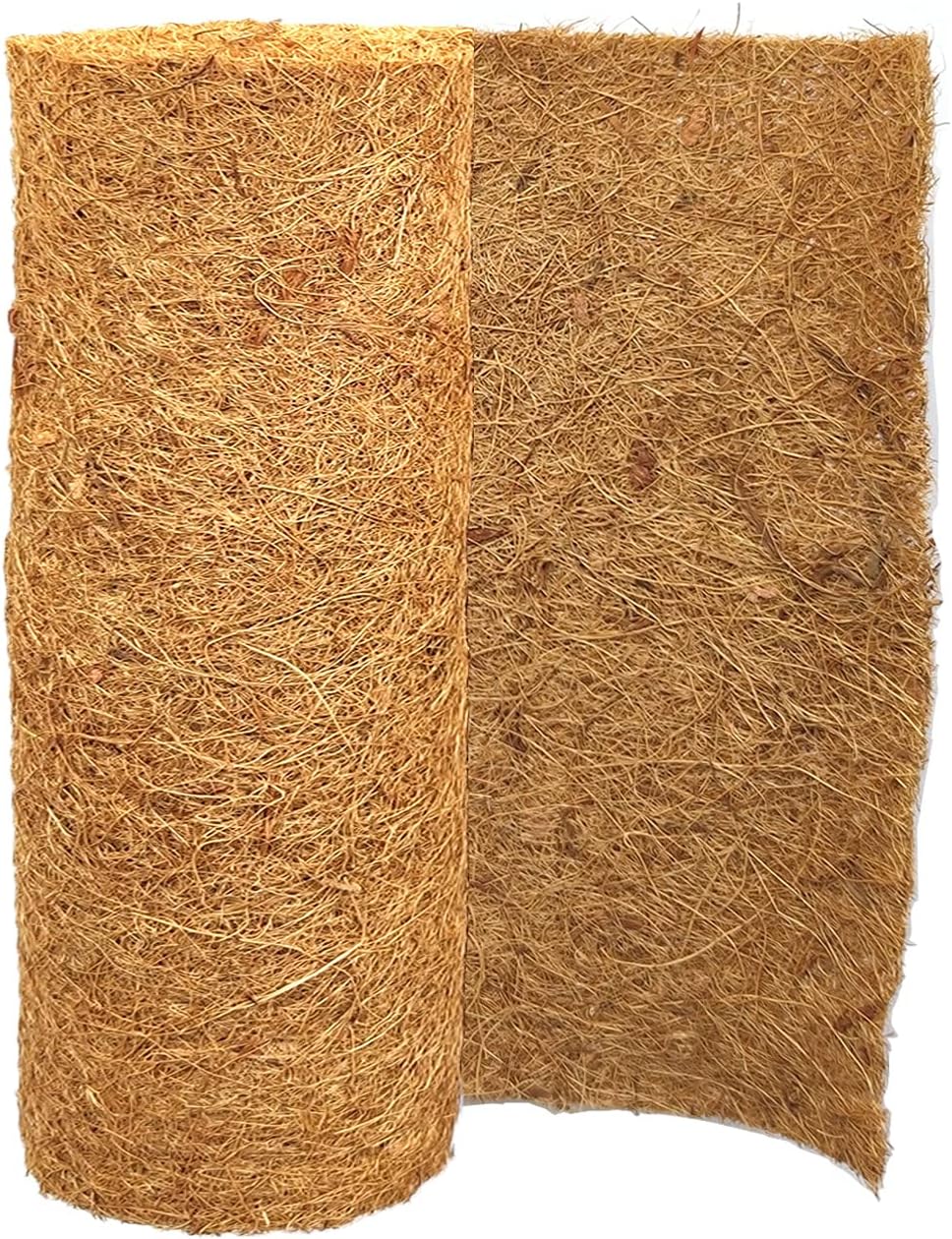
This SUNYAY coco liner is a thick roll of natural coconut fiber that you cut to fit and line hanging baskets, window boxes, rectangular planters or use as ground cover inside containers. Its sturdy unfinished coir holds soil and plants while allowing drainage through the built-in holes and the fiber structure, which helps retain moisture without waterlogging roots. Typical use is trimming the sheet to shape, tucking it inside a basket or planter, and filling with potting mix; it also doubles as a pet or reptile substrate or temporary weed mat. The product is breathable, biodegradable and straightforward to install, and the long roll covers multiple small planters or a single long trough. Limitations are that coir will gradually compact and break down over seasons so it may need replacement, and the natural fiber is not rigid so it performs best supported by a basket or planter edge rather than as a free-standing liner.
Best for: Gardeners wanting a natural, reusable liner for multiple outdoor containers who value easy customization and breathable drainage for planted baskets and window boxes.
Less Ideal for: People who need a permanent, rigid liner solution or an impermeable barrier for water-sensitive installations should consider molded liners or plastic options.
- Made from 100% natural coconut coir, biodegradable and eco-friendly
- Comes in a long roll that can be cut to fit multiple planters or a single long window box
- Permeable fiber and drainage holes let excess water escape while retaining moisture for roots
- Thick, sturdy construction suitable for hanging baskets and supported planters
- Natural fibers compact and degrade over time and will need periodic replacement
- Not rigid on its own so requires a supporting planter or basket frame to hold shape
Verdict: A long, natural coir roll that lets you cut and fit breathable, drainage-friendly liners for multiple outdoor planters and hanging baskets.
Plants for Pets 10" x 20" Sedum Groundcover Mat

| Indoor Outdoor Usage | Indoor, Outdoor |
|---|---|
| Sunlight Exposure | Full Sun |
| USDA Hardiness Zone | 3, 4, 5, 6, 7 |
| Soil Type | Sandy Soil |
| Moisture Needs | Moderate Watering |
This pre-planted sedum mat arrives as a 10 by 20 live tile of mixed sedum varieties intended for fast groundcover and vertical accents in full-sun locations. You can lay the mat directly into a well-drained, sandy bed, separate it into sections for multiple small plantings, or attach it to a living wall frame; the drought- and heat-tolerant succulents need bright sun and infrequent watering once established. Notable features include a ready-to-plant live mat that blooms in late spring to early summer, biodegradable material, and plant mixes that tolerate neglect and resume growth after dry periods. Practical benefits are quick visual coverage without transplanting many small pots, low watering needs for waterwise landscapes, and suitability for hardiness zones listed by the maker. Important limitations are the small tray size that covers only a modest area per unit and the seasonal sensitivities of some sedum types which may go semi-dormant under 50°F, so multiple tiles or dividing the mat is necessary for larger projects.
Best for: Buyers who want a low-maintenance, fast-establishing groundcover for sunny beds or living walls and prioritize reliable drought performance and easy installation.
Less Ideal for: Not a great fit for large-scale monoculture lawns where bulk coverage and uniformity are needed or for gardeners who need shade-tolerant groundcovers.
- Ready-to-plant live mat simplifies installation and speeds groundcover establishment
- Drought and heat tolerant sedum mix reduces watering and maintenance needs
- Versatile use for beds, edging, green roofs and vertical gardens
- Biodegradable mat material integrates into soil over time
- Small 10×20 mat covers a limited area so larger projects require multiple tiles
- Some varieties may go dormant or thin in cooler temperatures below about 50°F
Verdict: An easy-to-install live sedum mat that delivers fast, drought-tolerant groundcover for sunny spots where low maintenance and quick coverage matter.
Mosser Lee Natural Green Sheet Moss, 325 sq. in.

| Coverage | 325 sq. in. |
|---|---|
| Material | 100% organic natural sheet moss |
Mosser Lee Natural Green Sheet Moss is a pre-harvested organic sheet designed to cover soil in planters, terrariums, dish gardens and craft projects. The flat, clean sheets are easy to trim with scissors so you can size them to fit shallow planters or the surface of a moss bed in a dish garden. Because it is natural moss it helps retain moisture at the soil surface, which can reduce how often small indoor planters need watering and helps delicate roots stay humid in closed terrariums. The product works well as a finishing layer to hide potting mix and to give planters a finished, uniform look without planting additional groundcover. Limitations are that it is decorative rather than a living, spreading groundcover so it will not fill gaps or propagate on its own, and it will eventually dry and require rehydration or replacement in drier environments. Use in high-traffic outdoor beds or where long-term living coverage is needed is not its intended role.
Best for: Buyers who want a low-effort, attractive soil cover for indoor planters and terrariums that reduces visible potting mix and helps retain moisture.
Less Ideal for: Gardeners seeking a living groundcover that spreads or establishes outdoors should choose planted groundcovers instead.
- Pre-cut flat sheets are easy to trim and fit small or irregular planters
- Organic natural moss provides an attractive, true-to-life appearance
- Helps retain surface moisture to reduce watering frequency in small indoor containers
- Versatile for terrariums, dish gardens, wreaths and craft projects
- Does not self-propagate or replace living groundcover over time
- Will dry out and need periodic rehydration or replacement in dry conditions
Verdict: An easy-to-use organic sheet moss that quickly gives planters and terrariums a neat, moisture-retaining surface finish.
MAXPACE Natural Coconut Coir Liner Sheets, 14 x 11 in, 2 Pack

| Brand | MAXPACE |
|---|---|
| Number of Packs | 2 |
| Style Name | Natural |
| Item Weight | 0.15 kg |
These MAXPACE coconut coir liner sheets are a simple, multiuse ground cover for planters and hanging baskets that also doubles as reptile bedding or a temporary snow mat. Sold as two 14 x 11 inch natural fiber sheets, they are lightweight, breathable, and easy to trim to fit irregular pots or window boxes. In practice the dense coir holds soil while allowing excess water to drain, which helps keep container plantings tidy and reduces mess in metal or wire baskets. The material also retains moisture and slowly releases it to roots, so it can reduce how often you water small pots. For non-gardening uses the sheets work as a reusable reptile carpet that rinses clean and eventually decomposes to add organic matter to the soil. The main limitations are the modest size of each sheet and that coir will break down over seasons so it is not a permanent liner for large planters. For budget-focused gardeners wanting an inexpensive, natural solution for small containers, these are a practical choice.
Best for: Buyers who need an inexpensive, natural liner or ground cover for small pots, hanging baskets, or starter planters and value easy customization and biodegradability.
Less Ideal for: Gardeners seeking a long-term, heavy-duty liner for large planters or full-depth root barriers should consider more durable synthetic or thicker preformed liners instead.
- Made from 100% natural coconut coir that is eco-friendly and biodegradable
- Easy to cut and fit to different planter shapes and hanging baskets
- Breathable and water-retentive fiber helps soil drainage while holding moisture
- Lightweight and reusable after rinsing for non-plant uses
- Sheets are relatively small so multiple pieces are needed for larger pots or full basket liners
- Natural coir breaks down over time and may require periodic replacement
Verdict: A low-cost, natural and easy-to-cut coir liner that keeps small planters tidy and adds biodegradable cover without fuss.
Mosser Lee Spanish Moss, 250 Cubic Inches

| Item Weight | 4.6 ounces |
|---|---|
| Manufacturer | Mosser Lee Company |
| ASIN | B000QTO78Q |
| Item model number | ML0560 |
Mosser Lee Spanish Moss is a lightweight natural moss sold in a 250 cubic inch bag for use as a decorative soil cover and craft filler. It is typically spread over potting soil, used in terrariums, hanging baskets, or woven into artificial arrangements to conceal soil and give a finished look. The product preserves moisture around the root zone without forming a water-impermeable layer, so plants can still be watered and fertilized normally. As a natural material it is renewable and easy to work with: fluff it up, spread it, or trim to fit. Limitations are that it is purely decorative and will eventually break down outdoors or with heavy watering, so it is best for indoor pots, displays, or short-term outdoor use; it also does not provide the insulating or long-term weed-suppressing benefits of heavier mulches. For cautious buyers this offers a predictable, widely used option that improves presentation with minimal risk to plant health.
Best for: Buyers who want a low-risk, decorative top layer for indoor pots, terrariums, and floral arrangements that improves appearance without altering watering routines.
Less Ideal for: Gardeners looking for a durable outdoor mulch that suppresses weeds or provides long-term soil insulation should choose a heavier organic or inorganic mulch instead.
- Natural, renewable material suitable for indoor plant displays and craft projects
- Lightweight and easy to spread or trim to fit pots and arrangements
- Helps retain surface moisture without blocking watering or fertilization
- Breaks down over time and needs periodic replacement in moist conditions
Verdict: Choose this Spanish moss when you want an easy, natural topper that improves the look of pots and arrangements without changing how you water or care for plants.
Yarrdfir Coco Coir Liner Roll, 12 x 80 Inch

| Material Type | coco coir |
|---|---|
| Size | 12×80 Inch (Pack of 1) |
| Other Special Features of the Product | Breathable, Weather Resistant |
| Indoor Outdoor Usage | Indoor, Outdoor |
This Yarrdfir coco coir liner is a roll of natural coconut fiber designed to line hanging baskets, window boxes, planters and similar containers. It is breathable, water-permeable and arrives compressed then expands slightly after unpacking, making it easy to cut to fit round or rectangular pots. At about a quarter inch thickness the mat is substantial enough to hold potting mix while allowing drainage and some insulation for roots. Practical benefits include straightforward trimming for custom shapes, suitability for indoor or outdoor use, and resistance to weather so it lasts through a season or more in sheltered locations. The liner is focused on simple, passive performance rather than heavy-duty structural support, so it works best as a plant ground cover or basket liner rather than a replacement for more rigid planting systems. If you need an eco-friendly, easy-to-fit ground cover for planters that promotes drainage and root health, this coir roll is a solid low-maintenance choice.
Best for: Buyers who want a simple, low-maintenance natural liner for hanging baskets, window boxes, and planter ground cover and prefer a product that is easy to cut and install without special tools.
Less Ideal for: People looking for a rigid or load-bearing liner for large heavy-planter installations or for permanent structural support should choose a more substantial liner system.
- 100% natural coco coir provides breathable, water-permeable ground cover for planters
- Roll format is easy to cut to custom shapes and sizes for baskets and window boxes
- Weather resistant finish suitable for indoor and outdoor planter use
- Medium 1/4 inch thickness holds potting mix while allowing drainage and insulation
- Compressed packaging means it needs time to expand and may require reshaping after unpacking
- Not rigid enough to replace structured liners or support very heavy soil loads
Verdict: A straightforward, easy-to-trim natural coir roll that provides breathable, weather-resistant ground cover for planters and hanging baskets.
Choosing the Right Ground Cover for Planters: Key Factors to Consider
Moisture Management
How the cover affects water retention in a confined container is vital. Some covers reduce evaporation by shading the potting mix surface, which can cut watering frequency. Others wick moisture or hold water against the crown of plants and increase the risk of rot. Consider whether you need a cover that preserves moisture during heat spells or one that encourages quick drying after heavy watering.
Different plants have different moisture needs, so the role of ground cover varies. Succulents often require covers that promote rapid drainage and airflow, while moisture-loving annuals benefit from covers that reduce surface drying between waterings. Think about your typical watering schedule and local climate when choosing.
Drainage and Aeration
Planters rely on free drainage through potting mix and the container's drainage holes. A ground cover should not form an impermeable layer that slows water escape. Breathable covers let air and excess water move through the topsoil so roots can get oxygen; impermeable or compacting materials prevent that and can shorten plant life.
Also consider how a cover interacts with the pot's drainage system. Some heavier covers settle and compact over time, reducing surface porosity and causing puddling. Lighter, loose covers tend to preserve aeration but may shift or blow away in windy, exposed locations.
Compatibility with Plant Types
Different plant groups have distinct surface requirements. Shallow-rooted herbs and annuals can be sensitive to heavy covers that obstruct young shoots. Conversely, established perennials or trailing groundcovers in containers often benefit from a thin mulch that protects soil and hides bare mix.
Think about seasonal changes too. A cover that works well through summer may trap too much moisture in cool, wet months. Match the cover to the dominant plants in the planter, and plan to swap or adjust it across the seasons if needed.
Maintenance and Longevity
Consider how often the cover will need topping up, cleaning, or replacement. Organic covers break down and enrich the potting mix but require periodic replenishment. Inorganic options last longer but may need cleaning from algae or dust and can shift after repeated watering or when plants are moved.
Ease of maintenance also matters for planted containers that are used decoratively on patios or balconies. If you prefer minimal upkeep, choose covers that stay put and age gracefully without frequent intervention.
Aesthetic and Functional Fit
Ground cover in planters is both functional and visual. The right material should complement the container and plant palette while performing its soil-protective role. Natural pebbles or attractive mulches can make a planter look finished, while coarse or utilitarian covers may be better hidden by foliage.
Balance looks with function. A flashy cover that makes a planter attractive is only useful if it does not impair plant health or drainage. Inspect how a chosen cover behaves under your typical light and watering conditions before committing across many pots.
Types of Ground Covers Suitable for Planters
Planter-friendly ground covers fall into a few broad groups: inorganic top dressings, organic mulches, living groundcovers, and breathable fabric or mesh layers. Each group behaves differently in terms of moisture control, weight, and longevity.
Inorganic dressings include things like pebbles and gravel that shed water, keep soil from splashing during watering, and resist decay. Organic mulches such as bark chips or coconut coir break down over time and can improve potting mix structure but need replenishing. Living covers are low-growing plants that root into the potting mix and provide ongoing coverage but require consideration for root competition. Fabrics and meshes primarily stabilize soil and reduce evaporation while remaining breathable when selected correctly.
- Inorganic: stable, low decay, can raise pot weight
- Organic: improves soil over time, requires topping up
- Living: dynamic cover that can compete for moisture
- Fabrics/mesh: lightweight, breathable options for erosion control
How Ground Cover Affects Watering Routine
A cover alters how quickly surface water evaporates and how water percolates into the potting mix. Thin decorative layers and breathable fabrics slow evaporation moderately while letting water pass through quickly. Dense organic mulches retain moisture longer and may reduce watering frequency, which can be useful in hot climates.
Adjust your watering routine after installing a new cover. Check the moisture at root depth rather than relying on surface dryness. Over time you may be able to water less often, but also watch for signs of overwetting such as yellowing foliage or foul smells.
- Use finger tests or moisture meters below the cover
- Reduce surface watering if using moisture-retaining covers
- Lift or disturb the cover occasionally to inspect soil condition
Best Ground Cover Choices by Planting Situation
For succulents and cacti, choose light, fast-draining covers such as coarse grit or lava rock that do not hold water near crowns. For mixed annuals and herbs, a thin organic mulch or fine gravel can suppress seedlings while allowing young shoots to emerge. For ornamental pots in shady locations, avoid covers that hold moisture excessively and instead use materials that encourage drying.
For balcony or rooftop containers where wind and movement are common, select heavier or interlocking covers that will not blow away. For indoor planters, choose dust-free and lightweight options that are easy to remove for repotting.
- Succulents: coarse grit, pebbles, lava rock
- Herbs and annuals: fine gravel, thin bark, coir
- Shady pots: breathable, quick-drying covers
- Windy locations: heavier stones or anchored mats
Applying and Maintaining Ground Cover in Containers
Start with a clean surface and a freshly watered potting mix. Apply a thin, even layer of your selected cover – typically between 0.5 and 2 inches depending on the material and plant needs. Too thick a layer can impede water penetration and oxygen exchange, while too thin may not deliver the desired benefits.
Inspect covers seasonally. Remove debris, replenish organic materials as they decompose, and re-level inorganic dressings after heavy rain or watering. When repotting, lift the cover gently and replace it after refreshing the potting mix so the layer remains effective.
- Layer depth guideline: 0.5-2 inches depending on material
- Refresh organic covers yearly; inorganic may last multiple seasons
- Clean away algae or mold on stones to maintain appearance
Environmental and Sustainability Considerations
Think about the lifecycle of the cover material. Organic mulches are renewable and break down into soil benefits but may require regular replacement. Some inorganic options are mined or processed, so consider recycled or locally sourced stones where possible. Coconut coir is a renewable byproduct but may travel long distances before reaching you, which affects its carbon footprint.
Also consider runoff and how the cover behaves during heavy rains. Lightweight covers can wash out of pots and into gutters, while compacted organic layers can increase water retention and alter container runoff. Choose materials that balance sustainability with practicality for your gardening context.
- Prefer local or recycled inorganic materials when available
- Use sustainably sourced organic options and replenish responsibly
- Secure loose covers in exposed sites to prevent washout
How We Chose the Best Ground Cover for Planters
We focused on practical, garden-tested attributes that matter in container planting. Our selection process prioritized materials and mixes that perform reliably in pots and troughs rather than large in-ground beds. Key evaluation criteria included moisture management, breathability and aeration, durability in outdoor conditions, ease of application and maintenance, and compatibility with common container soils and plants. We also considered how well a cover suppresses weed seedlings and reduces surface evaporation without causing root rot. To form the shortlist we excluded materials that are strictly decorative but impede drainage, products intended only for in-ground landscaping, and anything that required specialty tools or professional installation. We favored covers that gardeners can apply and replace easily, that tolerate frequent watering cycles, and that let beneficial organisms in the potting mix remain active. The final picks reflect a balance of practical performance, low maintenance, and minimal interference with container plant health.
FAQ
Will ground cover prevent weeds entirely in planters?
Ground cover reduces weed seed germination by blocking light and creating a physical barrier, but it rarely prevents weeds entirely. Fine weeds can still sprout in gaps or around stems, so occasional hand removal and inspection are needed.
How thick should I apply ground cover in a planter?
Aim for about 0.5 to 2 inches depending on the material. Thin layers suit fast-draining covers and delicate seedlings; thicker layers work for decorative stone or to suppress persistent weed pressure.
Can I use ground cover with newly planted seedlings?
Be cautious with new seedlings. Some covers can smother young shoots or block emergence. Use a very light layer or delay application until seedlings are established, or choose a cover that permits easy emergence.
Does ground cover change how often I should fertilize containers?
Ground cover itself does not usually alter fertilizer needs significantly. Organic covers that break down may contribute minor nutrients over time, but routine feeding schedules for container plants generally remain the same.
Is it better to use organic or inorganic ground cover for planters?
Both have advantages. Organic covers improve soil structure and retain moisture but need replenishing. Inorganic covers last longer and resist decay but do not add nutrients. Your plant types and maintenance preferences determine which is better.
How do I prevent ground cover from washing out during heavy rain?
Use heavier materials or anchor covers with a thin mesh layer underneath. Position pots in sheltered spots during storms and ensure drainage holes are unobstructed so water exits the container quickly rather than carrying light cover material with it.
Final Verdict
Picking the right ground cover for planters comes down to balancing moisture control, drainage, and maintenance. Prioritize covers that match your plants' water needs and the container's exposure to sun and wind. Expect tradeoffs: organic options improve soil over time but require topping up, while inorganic covers last longer but add weight and no nutrients. Decide first whether moisture retention or rapid drying is the priority, then choose a compatible material and appropriate layer depth. With the right selection and routine checks, a proper ground cover will reduce watering chores, cut weed pressure, and keep containers looking tidy while supporting healthy root systems.
