

Note: This article contains affiliate links. If you click on these links and make a purchase, I may earn a small commission at no extra cost to you. This helps support my research and content. Read my full affiliate disclosure here.
If you manage a garden patch that gets little direct sun, choosing the right ground cover changes how that space looks and performs. Shade-friendly ground covers reduce soil erosion, choke out weeds, and create a cohesive underplanting beneath trees, large shrubs, or on north-facing slopes. This guide covers seven shortlisted ground covers selected for shady areas, focusing on how they behave in real-world garden conditions. We tested choices against practical gardener concerns such as shade tolerance, spread and containment, seasonal foliage behavior, and maintenance needs. Read on to find the ground-cover type that best fits your shaded bed, walkway edge, or beneath-canopy planting while keeping upkeep simple.
Top Picks at a Glance
| Best Overall The best all-around choice for most situations | GARDENS OY VEY Dwarf Mondo Grass – 54 Live Plants |  |
| Best Quality Built to a higher standard if you want something more solid | Pachysandra terminalis 'Green Sheen' Groundcover — 100 Bare Root Plants | 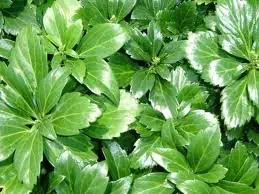 |
| Best Value The sweet spot between price and what you get | Generic Hosta Seeds (200 Count) |  |
| Best Budget The cheapest option that still gets the job done reliably | Mixrug Hosta Seeds — 300+ Mixed Hosta Seeds for Shade-Tolerant Ground Cover |  |
| Highest Rated A top-rated pick with lots of positive feedback | Asiatic Jasmine Live Plants, 18-Pack (3" Pots) Evergreen Ground Cover |  |
| Most Popular A crowd favorite that many people choose with confidence | KVITER Forget Me Not Heirloom Flower Seeds (1200 count) |  |
GARDENS OY VEY Dwarf Mondo Grass – 54 Live Plants

| Sunlight Exposure | Full Sun, Partial Shade |
|---|---|
| Moisture Needs | Regular Watering |
| Hardiness | Zones 7-10 |
| Unit Count | 1 Count |
This dwarf mondo grass is a slow-growing, clumping evergreen that produces dense, dark green, grass-like tufts ideal for creating a low-maintenance ground cover in shade or partial sun. Sold as a 54-plant set, it is most often used for edging, rock gardens, borders, or mass plantings where a fine-textured carpet is desired. Key features include its compact height and fine leaves that give a finer look than common liriope, evergreen foliage through the growing season, and hardiness in USDA zones 7 to 10. In practice it establishes with regular watering and once roots mature requires only occasional irrigation except during droughts; occasional pruning of old foliage keeps plantings tidy. Limitations are that it is slow and clumping rather than a fast-spreading mat, so it takes time to fill a large area, and it performs best within its hardiness and light range rather than in very hot full-sun sites or colder zones.
Best for: Gardeners who want a tidy, low-growing evergreen ground cover for shaded or partially shaded beds and prefer a planting that looks refined rather than aggressively spreading.
Less Ideal for: Those needing a fast-spreading, immediate lawn-like cover or gardeners in climates colder than USDA zone 7 should consider other ground covers.
- Compact, fine-textured foliage gives a neat, refined ground-cover appearance
- Evergreen habit provides year-round color in suitable climates
- Tolerates full sun to partial shade, making it versatile for shadier sites
- Sold in a multi-plant bundle that suits mass plantings and edging
- Slow, clumping growth means it can take time to fully fill large areas
Verdict: Choose this dwarf mondo grass when you want a fine-textured, evergreen ground cover that performs well in shade and creates a tidy, low-maintenance carpet over time.
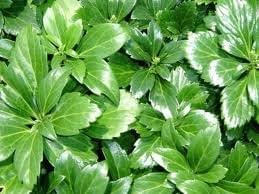
Pachysandra terminalis 'Green Sheen' Groundcover — 100 Bare Root Plants
| Hardiness Zone | 5 to 9 |
|---|---|
| Height | 6 to 12 inches |
| Spread | 1 to 1.5 feet |
| Sun | Part shade to full shade |
| Quantity | 100 bare root plants |
This 100-plant bundle of Pachysandra terminalis 'Green Sheen' is aimed at quickly establishing a glossy, shade-tolerant carpet in parts of the garden where sun is limited. The cultivar produces heavily rooted bare-root plants that spread by underground stems to form dense, dark green foliage 6 to 12 inches tall and about a foot to 1.5 feet across per plant. It performs well in part to full shade, tolerates zones 5 to 9, and offers low maintenance once established, with small white spring flowers and good erosion-control potential. Practical benefits include fast area coverage when planted at the recommended 6 to 9 inch spacing and simplified weed suppression from the dense growth habit. Limitations are that bare-root material requires prompt planting and good initial care to avoid losses, and pachysandra can be aggressive in some settings so it may need edging to prevent unwanted spread into adjacent beds.
Best for: Gardeners who need a high-performance, low-maintenance groundcover to quickly fill and stabilize shady areas and prioritize fast coverage over decorative variety.
Less Ideal for: People who want a non-spreading or highly controlled border plant or those unwilling to plant and establish bare-root material promptly.
- Very shade tolerant and suited for part shade to full shade sites
- Rapid spreading habit creates dense, low-maintenance groundcover that suppresses weeds
- Sold as 100 heavily rooted plants to establish coverage quickly
- Good for erosion control and forming a uniform carpet of foliage
- Bare-root plants must be planted promptly and cared for during establishment
- Can be invasive without edging or management in some landscapes
Verdict: Choose this 100-plant Green Sheen pachysandra pack when you want a fast-establishing, shade-tolerant groundcover that quickly forms a dense, low-maintenance carpet.
Generic Hosta Seeds (200 Count)

| Indoor Outdoor Usage | Outdoor |
|---|---|
| Other Special Features of the Product | Low Maintenance |
| Expected Blooming Period | Fall |
| Sunlight Exposure | Full Sun |
| Number of Items | 200 |
These hosta seeds are sold as a 200-seed mix for establishing shade-friendly foliage beds and groundcover. In practice you start seeds in flats or directly in prepared, well-drained soil in partial to full shade, keep them evenly moist during germination, and transplant seedlings to borders, under trees, or into containers. The listing highlights low maintenance, fall blooming and full-sun exposure on the label while the description repeatedly emphasizes performance in partial to full shade and suitability for shady landscapes. Because hostas are perennial foliage plants rather than instant groundcover, expect a season or two for seedlings to bulk up before they form a dense mat. Notable points are the large seed count and non-GMO material, which make it economical for filling larger shady patches or trying multiple varieties. Limitations include variability inherent to mixed seed packs and the time and care required at the seedling stage compared with buying established plants. For gardeners who want to expand shady beds without buying many liners, this packet offers an affordable way to grow diverse hosta foliage from seed.
Best for: Gardeners who want an affordable way to establish or expand low-maintenance groundcover in shaded areas and are willing to grow plants from seed to save money.
Less Ideal for: Those needing immediate, established groundcover or uniform, named hosta varieties should choose potted plants or labeled cultivars instead.
- Large 200-seed count suitable for filling or experimenting in larger shady areas
- Marketed as low-maintenance perennial foliage suitable for shady landscapes
- Non-GMO seeds and a mixed-variety selection for visual variety in the garden
- Seed-starting requires time and attention before plants form effective groundcover
- Mixed packs can produce variable foliage forms and growth rates compared with named cultivars
Verdict: A cost-effective seed packet for gardeners who want to grow diverse, low-maintenance hosta foliage as long-term shady groundcover.
Mixrug Hosta Seeds — 300+ Mixed Hosta Seeds for Shade-Tolerant Ground Cover

| Indoor Outdoor Usage | Outdoor |
|---|---|
| Other Special Features of the Product | Attracts Pollinators |
| Expected Blooming Period | Year Round |
| USDA Hardiness Zone | 5 |
| Material Features | GMO Free |
These Mixrug hosta seeds provide a high-count, budget-friendly way to establish shade-tolerant ground cover under trees and in north-facing beds. The packet contains 300+ seeds of mixed varieties, including blue-green and variegated types, so you can plant densely to fill bare, low-light spots and create decorative foliage interest rather than relying on flowers. The listing highlights drought tolerance once established and suitability for regular shaded-site moisture, which makes these seeds practical for water-wise shade gardens. Expect to sow in prepared, well-draining soil and be patient: seed-grown hostas take time to germinate and form clumps compared with buying mature plants. Because this is a seed mix you may get variation in vigor and appearance between seedlings and not every seed will produce a mature plant quickly. For gardeners on a budget this packet is a cost-effective way to cover a large area and suppress weeds, but plan on a season or more for full coverage and occasional thinning to select the best performers.
Best for: Cost-conscious gardeners who need an affordable way to establish perennial ground cover in shady beds and are willing to grow plants from seed over time.
Less Ideal for: People who want immediate, uniform coverage or who prefer guaranteed cultivar traits should choose potted hostas or named divisions instead.
- High seed count (300+) suitable for covering large shady areas
- Shade-adapted mix designed for planting under trees and north-facing sites
- Described as drought tolerant once established, reducing long-term watering
- Non-GMO seed packet and a variety of foliage colors for visual interest
- Seed-grown hostas require time to establish and will not match the instant effect of mature plants
- Outcome can vary by seed vigor and variety, so spacing and thinning are often needed
- Product details list full sun exposure in one section which may cause confusion about ideal light
Verdict: If you need a low-cost way to establish perennial shade ground cover across a large area, this high-count hosta seed mix delivers the most plants per dollar.
Asiatic Jasmine Live Plants, 18-Pack (3" Pots) Evergreen Ground Cover

| Indoor Outdoor Usage | Outdoor |
|---|---|
| Sunlight Exposure | Partial Shade To Full Sun |
| USDA Hardiness Zone | 7-10 |
| Moisture Needs | Moderate Watering |
| Unit Count | 18 Count |
These Asiatic jasmine plants are a practical choice for establishing a reliable evergreen ground cover in shady or partially shaded areas. Sold as 18 healthy 3-inch potted plants, they are typically planted 12 to 18 inches apart and will spread horizontally to fill bare soil, stabilize slopes, and reduce maintenance where grass struggles. Key features include year-round glossy foliage, tolerance of full sun to partial shade, and low watering needs once established. In the first season they need regular watering to develop roots, and occasional trimming controls their spread. Practical benefits include erosion control, a uniform green carpet without frequent mowing, and adaptability to a range of soils. Limitations are that they are a spreading vine so they require room to expand and periodic pruning near borders, and they need frost protection in colder microclimates outside USDA zones 7 to 10. For someone prioritizing a dependable, low-fuss ground cover in a shaded landscape, these plants deliver consistent results when spaced and established correctly.
Best for: Homeowners or landscapers who want a dependable, low-maintenance evergreen ground cover for shaded or partially shaded sites and value consistent, long-term coverage over time.
Less Ideal for: People with very small, tightly planted beds or those who prefer a non-spreading, formal groundcover solution should consider contained or clumping alternatives.
- Evergreen foliage provides year-round ground cover and visual consistency
- Tolerates full sun to partial shade, making it suitable for shady areas under trees
- Low maintenance once established, with moderate watering needs
- Good for slope stabilization and erosion control due to vigorous horizontal spread
- Spreading habit requires space and occasional trimming to keep within borders
- May need protection from frost outside USDA zones 7 to 10
Verdict: A reliable, low-maintenance evergreen ground cover that performs well in shady to partially shaded areas when planted and spaced correctly.
KVITER Forget Me Not Heirloom Flower Seeds (1200 count)

| Unit Count | 1200 Count |
|---|---|
| Sunlight Exposure | Full Sun |
| Expected Blooming Period | Spring to Summer |
| Material Features | GMO Free, Heirloom |
| Moisture Needs | Regular Watering |
These KVITER Forget Me Not seeds come in a bulk 1200-count packet aimed at gardeners who want mass planting or ground cover in shady to part-sun spots. The seeds are heirloom and non-GMO and include a step-by-step growing guide on every packet, which makes them easy to use for direct sowing in spring. They are described as germinating without cold stratification in 10–21 days at typical spring temperatures and perform across USDA zones 1–12, so you can expect blue, low-growing clumps that reach about 16 inches at maturity. Practical benefits include the large seed quantity for filling borders or creating a carpet of flowers, seed-saving potential from mature seed pods, and suitability for cut flowers. Limitations are that results depend on proper moisture and soil (loam recommended) and that the bulk quantity may be more than small-scale gardeners need. Some buyers report variable germination, so plan to overseed or start extra trays if you want reliable coverage in a shady area.
Best for: Buyers who want an affordable way to establish a low, blue-flowering ground cover or fill borders in shady to part-sun areas and who prefer clear planting instructions and heirloom seed stock.
Less Ideal for: People seeking a small starter packet for container-only gardening or those who need instant mature coverage without waiting for seedlings to establish.
- Large 1200-count packet suitable for mass plantings or ground cover
- Heirloom non-GMO seeds with seed-saving potential
- Includes a detailed step-by-step growing guide with each packet
- No stratification required and germination window (10–21 days) provided
- Broad USDA zone range (1–12) so usable in most climates
- Bulk quantity may be excessive for small containers or tiny beds
- Germination performance can be inconsistent, so overseeding may be necessary
Verdict: A cost-effective bulk seed packet for creating blue, low-growing ground cover in shady to part-sun beds, especially for gardeners who value heirloom seed and clear planting guidance.
Choosing the Right Ground Cover for Shady Area: Key Factors to Consider
Light Levels and Microclimates
Not all shade is the same. Deep shade beneath a dense canopy differs from dappled shade or areas with strong morning sun and afternoon shade. Match a ground cover to the lowest light level it will regularly experience rather than the occasional bright hour.
Microclimates from nearby walls, paving, or reflective surfaces change temperature, humidity, and light. Some shade-loving ground covers tolerate cooler, damper conditions under trees, while others do better in brighter, dry shade near structures. Understanding the exact light pattern where you want coverage helps you pick a species that will establish and persist with minimal replacement.
Spread Habit and Containment
Ground covers spread by runners, stolons, rhizomes, or clumping growth. Aggressive spreaders can quickly suppress weeds and fill bare soil but may escape into adjacent beds or lawns. Conversely, slow or clumping ground covers are easier to contain but take longer to provide full coverage.
Consider nearby plantings and hardscape when choosing spread habit. Use physical barriers, regular edging, or choose a clump-forming species when you need neat boundaries. For slope erosion control, a faster spreader may be preferable despite increased containment work.
Soil Type and Drainage
Soil texture and drainage strongly influence establishment and long-term health. Many shade areas under trees have compacted, acidic, or depleted soils with limited organic matter. Choose ground covers that tolerate the existing soil conditions or are adaptable across a range of pH and drainage.
Improving soil with modest amounts of compost and avoiding deep digging that disturbs tree roots will help establishment. For persistently wet shade, select species that handle poor drainage rather than forcing drier-ground plants into unsuitable spots.
Maintenance and Longevity
Think about how much routine care you want to commit. Some ground covers are essentially set-and-forget, needing only occasional trimming or deadleaf removal. Others require periodic division, reseeding, or aggressive pruning to prevent legginess or flowering that invites self-seeding.
Maintenance also includes seasonal cleanup, mulching intervals, and how the plant responds to foot traffic. Choosing a low-maintenance variety will save time, but may trade off slower coverage or less seasonal interest.
Wildlife and Ecological Impact
Ground covers affect pollinators, soil life, and local wildlife. Flowering ground covers can provide nectar for bees and butterflies, while evergreen mats offer shelter for small fauna. Some aggressive species can outcompete native plants and reduce biodiversity.
When possible, favor species that support local ecology or at least do not become invasive in your region. Consider how the ground cover will fit into your broader planting plan and whether it helps create layered habitat or unintentionally displaces beneficial understory plants.
Appearance and Seasonal Behavior
Beyond functionality, appearance matters for how the shaded area reads in the landscape. Some ground covers offer evergreen foliage, variegation, or spring flowers, while others die back in winter and leave bare soil. Decide whether year-round coverage or seasonal bloom is a higher priority for the space.
Also consider texture, leaf size, and color contrast with surrounding plants. Coarser foliage can provide structural support beneath larger shrubs, while fine-textured mats work well at walkway edges and between stepping stones.
Where to Plant Ground Cover in Shade
Shaded ground covers work well beneath trees, along north-facing walls, under large shrubs, and in narrow side-yard strips. Planting beneath mature tree canopies requires care to avoid root damage; use shallow planting techniques and avoid deep cultivation that can harm tree roots.
Edge planting along paths or between flagstones helps define routes and reduces mud. For compacted or heavily trafficked shade, choose tougher, low-growing species that can take occasional foot traffic without thinning out.
- Avoid planting deeply near major tree roots; keep soil disturbance minimal.
- Use mulch sparingly at first to conserve moisture but avoid smothering low mats.
- Prepare small planting holes and add compost to depleted soils to aid establishment.
Establishing Ground Cover Successfully
Plant in spring or early fall when soil temperatures are moderate and moisture availability helps roots take hold. Water regularly during the first growing season to encourage a dense root network that suppresses weeds.
Group plugs or starts close enough to close canopy quickly but not so tight that air circulation is impaired. A planned planting layout helps achieve quicker coverage and reduces the need for reseeding or additional plant purchases.
- Keep new plantings moist but not waterlogged until established.
- Protect young plants from heavy foot traffic and rodent damage until they form a dense mat.
- Monitor for weeds and remove them by hand early to prevent competition.
Managing Spread and Rejuvenation
Regular light pruning or thinning controls overly vigorous ground covers. For creeping species, trim runners that head into beds you want to protect. For clump-forming types, divide older clumps every few years to maintain vigor and prevent bare centers.
Rejuvenation planting can be done by filling gaps with additional plugs or by overseeding with compatible species. This keeps the mat dense and reduces weed flushes after winter dieback or summer stress.
- Use edging or root barriers where escape into lawns is a concern.
- Keep an annual maintenance window to remove dead leaves and evaluate density.
- Replant thin areas in early growing season for best recovery.
Design Ideas Using Shade Ground Cover
Use a single ground cover for a unified look in large shaded beds, or combine two complementary textures near walkways for contrast. Low-growing flowers can be interplanted for seasonal color without overwhelming the overall mat.
Ground covers also function as living mulch around shrubs and small trees. Leave a small mulch ring around trunks to avoid crown rot while allowing the cover to protect soil from erosion and moisture loss.
- Pair evergreen ground cover with spring-blooming bulbs for seasonal interest.
- Create informal drifts of a single ground cover to emphasize naturalistic planting.
- Use contrast in leaf size and color between ground cover and overstory shrubs.
Dealing with Common Problems
Thin or patchy growth often results from inadequate light, soil compaction, or poor drainage. Test the site conditions and amend soil or improve drainage where possible. In some situations, relocating or choosing a more shade-tolerant species is the most practical fix.
Pests and fungal issues appear when overcrowding reduces airflow. Maintain spacing and remove diseased foliage promptly. For persistent problems, improve cultural conditions before resorting to treatments.
- Address compaction by top-dressing with compost rather than deep tilling under tree roots.
- Reduce watering frequency if soils remain soggy to prevent root rot.
- Inspect new plants for pests and quarantine before adding them to established beds.
How We Chose the Best Ground Cover for Shady Area
We prioritized attributes that matter in low-light garden situations and excluded options better suited to full sun or formal lawns. Selection focused on shade tolerance across dense canopy and morning-only light conditions, reliable spreading habit without invasive takeover, and year-round ground coverage including evergreen or autumn interest. Establishment speed and soil adaptability were evaluated to reflect how quickly a planting will suppress weeds and stabilize soil on slopes or under trees. Maintenance burden was measured by pruning, thinning, and replanting frequency so gardeners know how much routine care to expect. Cold hardiness and pest resistance were considered to ensure choices survive common regional stressors without heavy intervention. Plants were excluded if they require open sun, extensive deadheading, or constant division to stay contained. We also filtered out ground covers that rely on aggressive chemical inputs or frequent soil amendments to persist. The final list balances durability, landscape function, and realistic upkeep for typical shaded garden environments.
FAQ
Can ground cover survive under large tree canopies?
Often yes, but success depends on how dense the canopy is and how compacted the soil has become. Select species specifically rated for deep shade and avoid disturbing critical tree roots when planting.
How long before a new ground cover fills in?
It depends on the species and planting density. Faster-spreading types can establish a solid mat within one growing season, while clumping or slower plants may take two to three seasons to fully cover an area.
Will ground cover damage tree roots or trunks?
Most ground covers do not harm trees if planted and mulched properly. Avoid piling soil or mulch against trunks and limit deep cultivation that could injure roots. Choose low-growing species that do not require heavy soil disturbance.
How do I keep a ground cover from becoming invasive?
Choose noninvasive species suited to your region, use edging or barriers, and monitor runner growth. Regular trimming and prompt removal of escape shoots keep spread under control.
Can I plant bulbs and ground cover together in shade?
Yes. Plant spring bulbs slightly deeper during installation so they have room to emerge before the ground cover fully shades them. Select ground covers that stay low in early spring or that can be temporarily thinned.
What maintenance is required in winter for shade ground covers?
Maintenance is usually light. Remove heavy debris to prevent fungal buildup and fill any bare spots in early spring. Evergreen covers may need little attention, while seasonal dies-back species will benefit from a cleanup before growth resumes.
Final Verdict
Choosing the right ground cover for a shady area means balancing shade tolerance, spread habit, and maintenance needs. Prioritize species that match your exact light conditions and soil type, and plan for containment if you prefer tidy beds. A successful planting will provide durable soil cover, reduce weeds, and enhance the understory with minimal ongoing work.
