

Note: This article contains affiliate links. If you click on these links and make a purchase, I may earn a small commission at no extra cost to you. This helps support my research and content. Read my full affiliate disclosure here.
Picking the right ground cover for wet shady areas matters because many plants struggle with low light and consistently damp soil. The wrong choice leaves bare patches, persistent weeds, and slippery paths. You need plants that tolerate low light, resist root rot, and compete with aggressive weeds while still looking good. This guide presents five carefully shortlisted ground covers suited to use in wet shady areas. Each pick was chosen for its ability to handle shade and moisture while simplifying care. Below we explain how we evaluated options and what practical traits to prioritize before you plant.
Top Picks at a Glance
| Best Overall The best all-around choice for most situations | Loseedsoo Wild Ginger (Asarum canadense) Seeds — 30+ Perennial Woodland Groundcover |  |
| Best Quality Built to a higher standard if you want something more solid | Pachysandra terminalis 'Green Sheen' Groundcover — 100 Bare Root Plants | 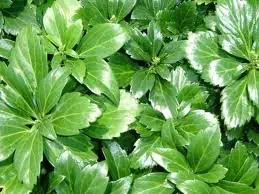 |
| Best Value The sweet spot between price and what you get | Florida Foliage Dwarf Mondo Grass (10 Live Plants) |  |
| Best Budget The cheapest option that still gets the job done reliably | Outsidepride Irish Moss (Sagina subulata) Ground Cover Seeds, 5000 count |  |
| Most Popular A crowd favorite that many people choose with confidence | Greenwood Nursery Mahogany Bugleweed (Ajuga reptans) – 2 Pint Pots |  |
Loseedsoo Wild Ginger (Asarum canadense) Seeds — 30+ Perennial Woodland Groundcover

| Botanical Name | Asarum canadense |
|---|---|
| Plant Type | Perennial |
| Light | Partial Shade to Full Shade |
| Unit Count | 1 Count |
These Loseedsoo wild ginger seeds provide a straightforward way to establish Asarum canadense as a durable, shade-tolerant groundcover. The packet includes 30+ seeds intended for partial to full shade planting in rich, moist, well-drained soil. Gardeners typically sow the seeds shallowly, keep the medium consistently moist, and often cold-stratify the seed first to improve germination because seedlings can be slow to appear. Once established, wild ginger forms heart-shaped foliage that spreads gradually to suppress weeds and fill shady borders beneath trees. Notable features are its native provenance, perennial habit, and distinctive low flowers hidden under the leaves. Practical benefits are low long-term maintenance and good performance where many sun-loving plants fail. Important limitations are the slow and sometimes erratic germination from seed and the need for consistent moisture during establishment, so results require patience and some initial care.
Best for: Gardeners who need a reliable, low-maintenance native groundcover for shaded areas and are willing to give seeds careful moisture and time to establish.
Less Ideal for: People who need instant coverage or a guaranteed quick result should choose plugs or established plants instead.
- Shade-adapted perennial suitable for partial to full shade sites
- Provides low, spreading heart-shaped foliage that creates a natural woodland groundcover
- Native species that fits well in shaded borders, beneath trees, and naturalized landscapes
- Includes 30+ seeds, allowing coverage of multiple small planting spots or patches
- Seeds germinate slowly and may require cold stratification and patient care
- Establishment needs consistently moist, rich soil during the early growth period
Verdict: A good choice for gardeners seeking a long-term, shade-loving native groundcover when they can commit to patient seed sowing and moist establishment.
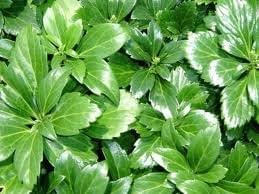
Pachysandra terminalis 'Green Sheen' Groundcover — 100 Bare Root Plants
| Hardiness Zone | 5 to 9 |
|---|---|
| Height | 6 to 12 inches |
| Spread | 1 to 1.5 feet |
| Sun | Part shade to full shade |
| Quantity | 100 bare root plants |
This 100-plant bundle of Pachysandra terminalis 'Green Sheen' is aimed at quickly establishing a glossy, shade-tolerant carpet in parts of the garden where sun is limited. The cultivar produces heavily rooted bare-root plants that spread by underground stems to form dense, dark green foliage 6 to 12 inches tall and about a foot to 1.5 feet across per plant. It performs well in part to full shade, tolerates zones 5 to 9, and offers low maintenance once established, with small white spring flowers and good erosion-control potential. Practical benefits include fast area coverage when planted at the recommended 6 to 9 inch spacing and simplified weed suppression from the dense growth habit. Limitations are that bare-root material requires prompt planting and good initial care to avoid losses, and pachysandra can be aggressive in some settings so it may need edging to prevent unwanted spread into adjacent beds.
Best for: Gardeners who need a high-performance, low-maintenance groundcover to quickly fill and stabilize shady areas and prioritize fast coverage over decorative variety.
Less Ideal for: People who want a non-spreading or highly controlled border plant or those unwilling to plant and establish bare-root material promptly.
- Very shade tolerant and suited for part shade to full shade sites
- Rapid spreading habit creates dense, low-maintenance groundcover that suppresses weeds
- Sold as 100 heavily rooted plants to establish coverage quickly
- Good for erosion control and forming a uniform carpet of foliage
- Bare-root plants must be planted promptly and cared for during establishment
- Can be invasive without edging or management in some landscapes
Verdict: Choose this 100-plant Green Sheen pachysandra pack when you want a fast-establishing, shade-tolerant groundcover that quickly forms a dense, low-maintenance carpet.
Florida Foliage Dwarf Mondo Grass (10 Live Plants)

| Sunlight Exposure | Full Sun |
|---|---|
| USDA Hardiness Zone | 3 |
| Expected Plant Height | 6 inches |
| Moisture Needs | Regular Watering |
| Unit Count | 10 Count |
Dwarf Mondo Grass is a slow-growing, evergreen ground cover that creates a dense carpet of narrow, dark green foliage and is typically used to edge paths, fill narrow beds, or cover shady ground. These 10 live plants are shipped ready to plant and are well suited to moist, shady spots where many grasses struggle. Notable features include shade tolerance, low maintenance watering needs, and a compact 6-inch mature height that reduces trimming. In practice you plant crowns 4 to 6 inches apart for a quick-looking mat, water regularly while establishing, and expect steady but not aggressive spread. Important limitations are that it prefers sandy, well-draining soil and regular moisture rather than standing water, so it is better for wet shady areas that drain moderately well rather than permanently soggy ground. Also, its slow growth means it takes time to fill large areas and may need seasonal debris removal to keep the carpet tidy.
Best for: Gardeners who want a low-maintenance, evergreen ground cover for shady, damp beds or borders and prefer plants that establish steadily without frequent pruning.
Less Ideal for: People needing an aggressive, fast-spreading cover for large eroded slopes or areas that remain flooded for extended periods should choose alternatives better adapted to standing water.
- Shade tolerant and performs well in low-light garden areas
- Evergreen, providing year-round low-profile ground cover
- Compact 6-inch height minimizes pruning and keeps walkways clear
- Sold in a 10-plant pack for quick initial coverage
- Slow spread rate means it can take several seasons to fully establish across large areas
- Not suited to permanently waterlogged soil despite liking regular moisture
Verdict: Choose these 10 dwarf mondo grass plants when you want a tidy, evergreen, shade-tolerant ground cover that establishes steadily with minimal upkeep.
Outsidepride Irish Moss (Sagina subulata) Ground Cover Seeds, 5000 count

| Expected Blooming Period | Spring to Fall |
|---|---|
| Sunlight Exposure | Partial Sun |
| USDA Hardiness Zone | 4 |
| Moisture Needs | Moderate Watering |
| Unit Count | 5000 Count |
Outsidepride Irish Moss seeds are intended to establish a dense, low carpet of green that fills gaps between stepping stones, edges pathways, and acts as a lawn alternative in cooler, moist sites. You surface-sow the fine seeds in spring on well-drained but consistently moist soil and keep them damp while they germinate; the company rates coverage at roughly 100 sq ft for the 5,000-count pack. Notable features are the plant's very low height (1–2 inches), tolerance for partial shade, and small white spring blooms that add subtle texture to rock gardens and borders. In practice this makes Irish Moss a good choice where soils stay cool and slightly wet rather than bone dry, and where foot traffic is light. Limitations are that it needs regular moisture during establishment and performs poorly in heavy foot traffic or hot, fully exposed sites; germination and coverage can be uneven if sowing depth or moisture is inconsistent. For gardeners with shaded, damp patches who want a soft, low-maintenance carpet, Irish Moss delivers attractive, resilient ground cover once established.
Best for: Gardeners with shaded or consistently damp patches who want a low-growing, decorative ground cover that stabilizes soil and softens pathways; buyers who prefer a perennial, low-maintenance lawn alternative and are prepared to keep soil moist while plants establish.
Less Ideal for: People needing a hardwearing surface for frequent walking or play, or those with very dry, hot sunny sites that do not retain moisture.
- Creates a dense, mat-forming carpet ideal for filling gaps between pavers and edging pathways
- Perennial and cold-hardy across a wide USDA range, returning year after year
- Tolerates partial shade and prefers consistently moist, well-drained soils suited to wet-ground spots
- Small white flowers in late spring to early summer add seasonal interest without raising height
- Requires steady moisture during germination and establishment to achieve full coverage
- Not suited to heavy foot traffic or very hot, fully exposed locations
Verdict: Choose these Irish Moss seeds if you want a low, shade-tolerant ground cover that establishes a soft, moisture-friendly carpet for pathways and rock gardens.
Greenwood Nursery Mahogany Bugleweed (Ajuga reptans) – 2 Pint Pots

| Indoor Outdoor Usage | Outdoor |
|---|---|
| Sunlight Exposure | Full Sun, Partial Sun |
| USDA Hardiness Zone | 10, 11, 4, 5, 6, 7, 8, 9 |
| Moisture Needs | Moderate Watering |
| Other Special Features of the Product | Deer Resistant, Drought Tolerant, Low Maintenance, Pest Resistant |
This Mahogany Bugleweed from Greenwood Nursery is a fast-growing groundcover best used to fill shady to partly sunny beds where you want low upkeep and seasonal color contrast. Sold as two pint pots, the plants establish quickly and spread to form a dense mat of nearly black leaves that sets off blue flower spikes in late spring and early summer. The listing notes it tolerates poor soil, is drought tolerant once established, and resists deer and many pests, which makes it practical for low-intervention landscapes. Care instructions are included and supplemental watering is advised during the first year while roots develop. Important limitations for the article goal: although ajuga tolerates shade and some moisture, this cultivar prefers well drained loam and is described for moderate moisture rather than consistently wet soils, so it may not be the best choice for waterlogged sites. Also, ajuga can self-spread and crowd out fine-textured plants, so plan boundaries or use edging when you want to contain the patch.
Best for: Buyers who want an attractive, low-effort groundcover for shady to partly sunny garden beds and value plants with social proof of success and low maintenance behavior.
Less Ideal for: Gardeners looking specifically for groundcovers that tolerate permanently wet or boggy conditions, or those who need a non-spreading, tightly clumping groundcover.
- Forms a dense, fast-spreading mat that quickly covers bare soil
- Semi-evergreen dark foliage provides season-long contrast with spring blue flowers
- Low maintenance and pest resistant with noted deer resistance
- Drought tolerant once established, reducing long-term watering needs
- Stated soil preference is well drained loam, so it may not tolerate persistently wet or waterlogged sites
- Can spread aggressively and may require edging or regular thinning to prevent crowding
Verdict: Choose this mahogany ajuga when you want a proven, low-maintenance groundcover that fills shady beds quickly and adds dark foliage contrast with seasonal blue blooms.
Choosing the Right Ground Cover for Wet Shady Areas: Key Factors to Consider
Shade Tolerance and Light Requirements
How much light a ground cover can handle determines where it will thrive. In wet shady areas you often have dappled or deep shade from trees and structures; choose species that perform well in low light rather than ones that need partial or full sun.
Plants that are marginal in low light will grow leggy, produce fewer leaves, and be more vulnerable to pests and disease. Prioritize ground covers labeled for moderate to dense shade and pay attention to leaf color and spread habit, which indicate how they will look under your canopy.
Soil Moisture and Drainage Needs
Some ground covers tolerate saturated soil for long periods, while others need merely moist but well-drained conditions. For areas that stay soggy after rain, select species specifically noted for wet-soil resilience to avoid winter dieback and root rot.
Also consider seasonal fluctuations. A plant that tolerates occasional standing water but prefers moist soil may still suffer in sites with poor seasonal drainage. Improving soil structure or adding shallow grade changes can broaden your choices, but choose primary plants that match how wet the site actually stays.
Disease and Pest Resistance in Damp Conditions
Damp, shaded sites are breeding grounds for fungal diseases such as leaf spot and root rot. Ground covers with compact growth, good air circulation between leaves, and proven disease resistance fare better.
You should favor species with a track record of resisting common fungal problems in moist shade. Also consider cultural controls like spacing, cleaning up fallen leaves, and avoiding overhead watering to reduce disease pressure.
Spread Habit and Invasiveness Risk
How a plant spreads affects maintenance and neighboring plants. Some ground covers spread slowly by clumping, other spread by rhizomes or runners and can quickly fill the bed. In wet shady areas, aggressive spreaders can escape into nearby naturalized areas and become invasive.
Choose plants with a spread habit that matches your garden goals. If you want contained planting, pick slower, clumping types or use edge barriers. For erosion control on slopes, a faster spreader might be appropriate, but balance speed with invasion risk.
Maintenance, Cutting Back, and Longevity
Maintenance needs differ widely. Low-maintenance ground covers may only need seasonal thinning or light trimming, while others require regular deadheading, division, or replacement every few years.
Consider how easy it is to renew a tired patch. Perennials that rejuvenate from the crown with a simple division are often the least labor intensive. Think about leaf drop from overhead trees and whether you want a cover whose foliage hides litter or one that needs frequent cleanup.
Preparing a Wet Shady Planting Site
Assess microclimate and drainage before planting. Dig a simple test hole and observe how long water stands after a heavy rain; that tells you whether you need true wet-soil tolerant plants or if a bit of soil amendment will suffice. Removing competing tree roots only when necessary and loosening compacted soil will help new roots establish.
When planting, avoid burying crowns too deep and space plants for the mature spread to ensure good air circulation. A shallow layer of leaf-mulch can help moderate temperature and moisture without suffocating crowns.
- Perform a percolation test after a heavy rain to gauge standing water duration
- Loosen compacted topsoil to improve root penetration
- Use organic mulch sparingly to retain moisture but avoid smothering crowns
Best Ground Cover Uses in Wet Shade
Not every ground cover is suited to every role. Use denser, spreading covers for slope stabilization and erosion control, and select lower, clumping types for planting under shrubs or near foundations where you may need cleaner edges.
For paths and stepping-stone edges choose species that tolerate intermittent foot traffic and recover quickly from trampling. In woodland garden beds prioritize native or naturalized species that support local wildlife and resist escape into wild areas.
- Erosion control: faster-spreading, mat-forming covers
- Ornamental beds: tidy, clumping foliage that tolerates leaf litter
- Path edges: tolerant of intermittent foot traffic and easy to trim
Soil Amendments and Planting Techniques for Wet Sites
In many wet shady sites shallow organic matter and coarse sand can improve structure but avoid heavy clay compaction solutions that create a perched water table. If waterlogging is extreme consider installing a simple French drain or creating raised planting mounds to give crowns better aeration.
When planting, stagger planting times and sizes to increase survival rates. Use root-friendly planting mixes that retain moisture but provide air pockets. After planting, firm soil gently and water in to eliminate air pockets without compacting the root zone.
- Amend topsoil with coarse compost to improve structure
- Consider slight mounding for crown aeration in persistently wet spots
- Install simple drainage only if necessary to avoid disturbing mature trees
Seasonal Care and Problem Prevention
Routine seasonal care helps prevent decline. In spring remove dead foliage and thin dense patches to improve airflow. Reduce mulch depth in winter to prevent crown rot, and clear excessive leaf litter that traps moisture on foliage.
If fungal issues appear, remove affected leaves and improve spacing. Avoid overhead irrigation and water plants early in the day so foliage dries before night. Monitor for pests that favor weakened plants and address issues promptly with cultural controls.
- Thin dense cover in spring to reduce disease risk
- Clear wet leaf litter in late fall to limit overwintering fungal spores
- Water at the base and avoid evening irrigation to let foliage dry
Combining Ground Covers With Shrubs and Trees
Layering ground cover beneath shade-loving shrubs or specimen trees can create a cohesive planting while reducing bare soil. Select species that will not aggressively climb or smother the shrub trunks, and leave a small clearance around trunks to prevent rot.
When mixing species, pair a denser, mat-forming ground cover with a taller, clumping understory plant to create year-round interest and to avoid monocultures that can be vulnerable to specific pests or diseases.
- Maintain a 2- to 4-inch clear zone at tree trunks to prevent crown rot
- Combine different growth habits for structural interest and resilience
- Use native species where possible to support local ecosystems
How We Chose the Best Ground Cover for Wet Shady Areas
We focused on traits that determine long-term success in wet, shaded garden locations. Key evaluation criteria included shade tolerance at lower light levels, resistance to fungal disease and root rot in persistently damp soils, capacity to establish and spread without becoming invasive, maintenance needs once established, and benefits to soil stability and erosion control. We also considered how well plants compete with weeds and tolerate foot traffic if placed near paths. To keep recommendations practical, we excluded plants that need consistently dry feet, those that require full sun, and species known to be highly invasive in shady woodland settings. We prioritized species and cultivars with documented regional performance in moist shade and with demonstrated resilience against common fungal issues. Final selections favor low-maintenance options that reduce long-term labor for gardeners managing soggy, low-light beds.
FAQ
Can I plant ground cover directly under large trees in wet shade?
Often you can if roots and canopy allow it, but success depends on root competition and soil compaction. Choose shallow-rooted, shade-tolerant species and improve soil structure where practical. Avoid deep digging that damages large roots.
How do I stop ground cover from becoming invasive in moist shade?
Select non-invasive or clumping species, use edge barriers, and monitor spread during the first few seasons. Regular trimming and prompt removal of runners that escape the bed help keep plants contained.
Will ground cover reduce mosquito breeding in soggy areas?
Dense planting can reduce exposed standing water by improving soil uptake, but it will not eliminate pooling. Correct drainage problems and remove sources of standing water to reduce mosquitoes.
When is the best time to plant ground cover in wet shady areas?
Early spring or early fall are usually best because soils are workable and temperatures moderate. Planting outside extremes gives roots time to establish before the wettest or hottest parts of the year.
Can I improve drainage instead of choosing wet-tolerant plants?
Sometimes modest grading or adding organic matter helps, but large drainage changes can harm nearby trees. For persistently wet spots, it is often safer to select plants adapted to wet soils rather than radically remake the site.
Final Verdict
Choose ground covers for wet shady areas by matching light tolerance and wet-soil resilience to the site conditions. Prioritize disease-resistant, appropriately spreading plants for the role you need, whether slope stabilization, ornamental beds, or path edges. Balance establishment speed against invasiveness and plan modest seasonal maintenance to keep covers healthy. With the right priorities you can create a low-maintenance, attractive understory that stabilizes soil and reduces weeds. Focus on how the plant grows in shade and wet soil first, then refine choices for spread habit and maintenance needs to make a confident selection.
