

Note: This article contains affiliate links. If you click on these links and make a purchase, I may earn a small commission at no extra cost to you. This helps support my research and content. Read my full affiliate disclosure here.
A good hand garden spade makes many small gardening jobs faster and less tiring. Whether you are transplanting seedlings, breaking up compacted soil in raised beds, or edging a container, the right spade shape and handle let you work with more control and less strain. This guide shortlists the top-performing options gardeners choose for small beds and containers and explains the practical tradeoffs between blade strength, handle comfort, and maintenance. Read on for concise evaluations based on real garden tasks and the criteria we used to pick these seven hand garden spades.
Top Picks at a Glance
| Best Overall The best all-around choice for most situations | Garden Weasel Heavy Duty Hand Trowel |  |
| Best Quality Built to a higher standard if you want something more solid | DeWit Forged Hand Trowel (Short Handle) |  |
| Best Value The sweet spot between price and what you get | WORKPRO 11" Garden Hand Trowel, Polished Stainless Steel with Wood Handle |  |
| Best Budget The cheapest option that still gets the job done reliably | VIBOGEN Hand Trowel — Compact Iron Blade with Wooden Ergonomic Handle |  |
| Highest Rated A top-rated pick with lots of positive feedback | Kemaier Heavy-Duty Garden Trowel |  |
| Most Popular A crowd favorite that many people choose with confidence | Fiskars Ergo Garden Trowel (Cast-Aluminum Head, Ergonomic Grip) |  |
| Best Seller A high-volume bestseller chosen again and again | Grenebo 9-Piece Stainless Steel Gardening Tool Set with Tote Bag | 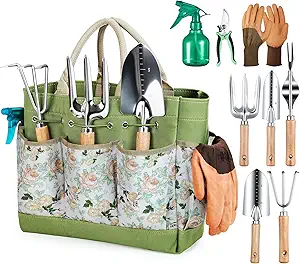 |
Garden Weasel Heavy Duty Hand Trowel

| Blade Material | Aluminum |
|---|---|
| Handle Material | Thermoplastic Rubber (TPR) |
| Material Type | Polypropylene |
| Grip Type | Textured |
The Garden Weasel Heavy Duty Hand Trowel is a versatile digging and transplanting tool built for frequent garden use. Its one-piece Aluminiron alloy blade and full-length tang provide a balance of lightweight handling and corrosion resistance, while the gently sloping bowl makes it easy to scoop and move soil or lift small plants with their root ball intact. The textured, overmolded TPR grip is comfortable for extended sessions and includes an eyelet for convenient hanging storage. Practical features like the root-slicing edge and a rounded butt allow you to push with your palm when extra force is needed. This trowel works well for planting bulbs, scraping pots, creating furrows, and general bed prep. Expect durable, season-to-season performance, though the aluminum-based blade is not intended for chopping through very tough rocky ground or roots where a heavier steel blade would perform better. For everyday vegetable beds, container gardening, and perennial borders it is a dependable, user-friendly choice.
Best for: Gardeners who want a dependable, comfortable all-purpose trowel for routine planting, potting, and bed work and who value ease of use and longevity.
Less Ideal for: People who frequently dig in heavy, rocky ground or need a tool primarily for chopping thick roots should choose a heavier steel digging tool instead.
- One-piece Aluminiron alloy construction offers lightweight durability and rust resistance
- Ergonomic soft-touch TPR grip reduces hand fatigue during extended use
- Gently sloping bowl and root-slicing edge make transplanting and soil transport easy
- Built-in eyelet and textured grip improve storage and handling
- Aluminum-alloy blade is less suitable for cutting through very hard, rocky soil or thick roots
Verdict: A comfortable, durable all-purpose trowel that handles most planting and potting tasks with ease.
DeWit Forged Hand Trowel (Short Handle)

| Material Type | Boron Steel, Ash Hardwood |
|---|---|
| Blade Material | Tempered Steel |
| Handle Material | Ash Wood |
| Unit Count | 1 Count |
| Manufacturer Warranty Description | Guaranteed a lifetime. |
The DeWit Forged Hand Trowel is a performance-focused garden tool built for heavy use. Its forged boron steel blade is fully sharpened along the length, which makes slicing through compacted soil, cutting roots, and precise planting noticeably easier than with stamped blades. The short European ash hardwood handle offers a firm, comfortable grip and some natural flex to resist breakage during tough jobs. At about 13 inches overall the trowel balances digging capacity and maneuverability so you can work in beds, containers, and tighter spaces without feeling cumbersome. Notable features include a tempered steel construction, FSC-sourced ash handle, and a limited lifetime guarantee that reflects durable craftsmanship. The main limitations are its short handle, which gives less leverage for deep digging compared with long-handled tools, and the relatively narrow head that can move less soil per scoop than wider garden spades. This trowel is best when you need a long-lasting, sharp hand tool for frequent planting, transplanting, and root work rather than large-scale soil moving.
Best for: Gardeners who prioritize a durable, high-performance hand tool for frequent planting, transplanting, and root work and value long-term reliability over budget options.
Less Ideal for: People who need maximum leverage for deep post-hole style digging or those who mostly move large volumes of soil should choose a long-handled spade instead.
- Forged boron steel blade for strength and abrasion resistance
- Full-length sharpened edge for easier cutting and precise planting
- European ash hardwood handle provides comfortable grip and resilience
- Compact overall length balances control and digging capacity
- Backed by a limited lifetime guarantee indicating durable construction
- Short handle limits leverage for deep digging
- Narrow head moves less soil per scoop compared with larger spades
Verdict: If you want a professional-grade, long-lasting hand trowel that cuts through soil and roots with precision, this forged DeWit trowel is the top choice.
WORKPRO 11" Garden Hand Trowel, Polished Stainless Steel with Wood Handle

| Material | Wood |
|---|---|
| Handle Material | Wood |
| Head Material | Stainless Steel |
| Item Weight | 8.8 ounces |
| Warranty Description | 2 Year |
This WORKPRO 11" hand trowel pairs a polished stainless steel blade with a comfortable wooden handle for a reliable all-purpose garden tool. The hardened stainless head resists rust and holds shape while digging into compact soil, removing weeds, mixing compost, and transplanting seedlings. The straight, narrow blade gives good penetration for pots and raised beds and the smooth hardwood grip reduces wrist strain during repeated use. A hanging hole on the handle makes storage simple and the tool is light enough for extended sessions without feeling fatiguing. Because it is a single, hand-sized trowel, it is best for small-plot jobs, container gardening, and spot weeding rather than heavy excavation or prying roots. Overall this is a durable, no-nonsense trowel that will suit routine garden chores and last with basic care.
Best for: Gardeners who prioritize durable, everyday tools for container beds, raised beds, and routine transplanting and weeding tasks and want a straightforward, long-lasting trowel.
Less Ideal for: People needing a heavy-duty digging tool for landscaping, large holes, or heavy root removal should choose a larger shovel or specialized pry tool.
- Polished high-hardness stainless steel blade resists rust and bending
- Comfortable hardwood handle that reduces wrist fatigue
- Lightweight and compact for extended use and easy storage
- Hanging hole on handle for convenient storage
- Hand-sized design is not suited for heavy digging or levering large roots
- No protective coating on handle or blade details for long-term finish preservation
Verdict: A compact, rust-resistant trowel built for everyday transplanting and weeding that balances durability with comfortable handling.
VIBOGEN Hand Trowel — Compact Iron Blade with Wooden Ergonomic Handle

| Handle Material | Wood |
|---|---|
| Blade Material | Iron |
| Grip Type | Ergonomic |
| Item Highlight | Compact Planting Tool for Loosening Soil, Digging, Potting and Transplanting |
This VIBOGEN hand trowel is a simple, no-frills garden spade designed for routine planting and potting tasks. Its compact iron blade maneuvers easily around stems and roots, making it convenient for working in pots, planters, raised beds, and other tight spaces. The wooden handle with ergonomic grip gives comfortable control during repeated scooping, digging, and transplanting. Because the blade is iron, it should handle regular soil and light digging reliably, though it is best used for everyday garden chores rather than heavy-duty rock or root work. The small size keeps it lightweight and easy to store in a tool bag or tote. Expect sensible performance for basic garden care at a low cost, with the main limitation being that the iron blade and compact form are not intended for demanding excavation or prolonged heavy use.
Best for: Buyers who want an inexpensive, practical trowel for everyday potting, container planting, and light bed work and prefer a simple, comfortable tool for routine garden care.
Less Ideal for: Gardeners who need a heavy-duty digging tool for rocky soil, large roots, or extended excavation should choose a sturdier or larger spade instead.
- Compact blade easier to maneuver around roots and in pots
- Ergonomic wooden handle offers a comfortable grip for repeated use
- Iron blade provides dependable performance for routine soil work
- Small size is convenient to store and carry for container gardening
- Not built for heavy-duty digging through rocks or dense roots
- Iron blade may require maintenance to prevent rust over time
Verdict: A low-cost, compact trowel that delivers reliable everyday performance for potting and container gardening.
Kemaier Heavy-Duty Garden Trowel

| Material Type | Stainless Steel |
|---|---|
| Handle Material | Metal |
| Blade Material | Stainless Steel |
| Grip Type | Ergonomic |
The Kemaier Heavy-Duty Garden Trowel is a robust hand spade intended for demanding home and professional gardening tasks. Its full-tang stainless steel construction and reinforced weld point make it resistant to bending and corrosion, so it stands up to compacted soil, clay, and frequent use. The blade is razor-sharp and includes a dual-sided serrated edge, which lets you slice soil cleanly and saw through small roots or stubborn weeds without switching tools. An ergonomic, heat-dipped rubber grip gives non-slip control in wet or muddy conditions and helps reduce wrist fatigue during repetitive digging. Practical benefits include durable performance in heavy soil, multi-function use as both a digger and a small root saw, and low maintenance because of rust resistance. The main limitations are that it is a single hand tool so larger jobs still require larger spades or powered equipment, and the full-metal handle can feel cold or heavy to some users during long sessions.
Best for: Buyers who put durability and dependable performance first and need a single, long-lasting hand spade for tough soil, root work, and frequent use.
Less Ideal for: Gardeners who routinely tackle large excavation projects or prefer lighter ultralight tools for very long sessions should consider larger spades or lighter alternatives.
- Heavy-duty stainless steel and full-tang construction for bend resistance and rust protection
- Dual-sided serrated edge plus sharp blade for cutting roots and precise digging
- Reinforced weld between blade and handle increases durability under torque
- Ergonomic non-slip rubber grip reduces wrist strain and maintains control in wet conditions
- Single hand tool not suited to large-scale digging that requires long-handled spades or powered equipment
Verdict: Choose this trowel when you want a single, built-to-last hand spade that handles compacted soil and root cutting without bending.
Fiskars Ergo Garden Trowel (Cast-Aluminum Head, Ergonomic Grip)

| Material Type | Aluminum |
|---|---|
| Grip Type | Ergonomic |
| Included Components | Trowel |
| Item Type Name | Ergo Garden Hand Trowel |
| Manufacturer | Fiskars Garden |
The Fiskars Ergo Garden Trowel is a straightforward, heavy-duty hand tool built for everyday gardening use. Its cast-aluminum head provides extra digging power and resists rust, so it cuts through compact or slightly rocky soil more easily than thinner steel trowels. The polished blade holds an edge through routine use, making tasks like planting, transplanting, and loosening soil faster. The molded ergonomic grip reduces hand fatigue during longer sessions and gives good control when scooping soil or working around roots. A convenient hang hole keeps the trowel accessible in a shed or on a pegboard. Limitations are few but notable: the all-aluminum construction is strong and corrosion resistant but less forgiving than tempered steel if used as a pry bar, so avoid levering heavy roots or rocks. For general garden beds, pots, and everyday planting chores this trowel is reliable, comfortable to hold, and designed to last.
Best for: Gardeners who want a dependable, comfortable all-purpose trowel for beds, containers, and routine planting tasks and value durability and ease of use.
Less Ideal for: People who frequently need a tool for heavy prying, splitting roots, or digging large stones should consider a heavier-duty digging tool or a tempered-steel trowel instead.
- Cast-aluminum head offers strong digging power and rust resistance
- Ergonomic non-slip grip reduces hand fatigue and improves control
- Polished blade holds up to regular use for planting and transplanting
- Hang hole for easy, space-saving storage
- Backed by a full lifetime warranty (manufacturer-stated)
- Not intended for heavy prying or levering large roots or rocks
- All-aluminum construction can bend under extreme leverage compared with tempered steel alternatives
Verdict: A comfortable, rust-resistant trowel built for dependable everyday digging and planting in garden beds and containers.
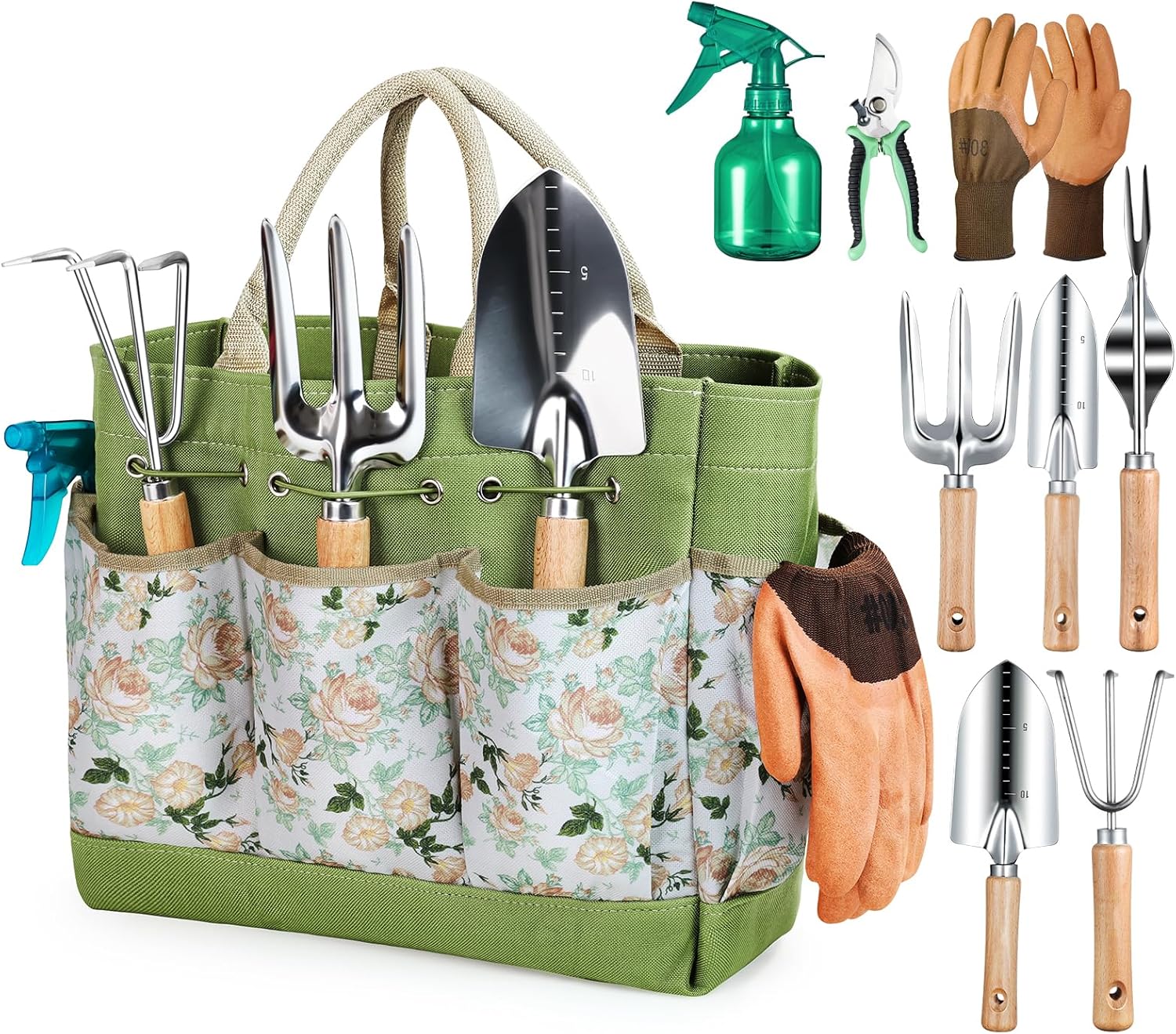
Grenebo 9-Piece Stainless Steel Gardening Tool Set with Tote Bag
| Number of Items | 9 |
|---|---|
| Material Type | Stainless Steel |
| Handle Material | Carbon Steel, Stainless Steel |
| Unit Count | 1 Count |
| Additional Features | Rust Resistant |
This Grenebo 9-piece set supplies the core hand tools needed for everyday weeding, transplanting and light pruning. The kit includes a transplanter, trowel, cultivator, weeder, pruning shears and other hand tools stored in a floral tote so everything stays together between jobs. Tools are made from stainless steel and marketed as rust resistant, which makes them suitable for regular outdoor use if cleaned and dried after each session. Wooden ergonomic handles help reduce wrist strain during repetitive tasks and the hanging holes on the handles make drying and storage easier. Practical benefits here are convenience and a complete starter selection for small beds, containers and borders. Limitations are that these are hand tools only so they are best for surface weeds and shallow roots rather than deep perennial roots or heavy digging, and handles are standard size so gardeners who need extra leverage or heavy-duty steel should look elsewhere.
Best for: Gardeners who want a ready-to-use, low-risk starter kit for regular bed and container maintenance and prefer tools that are easy to store and care for.
Less Ideal for: Those who need heavy-duty digging tools or long-handled weeders for large beds and deep-rooted perennial removal should consider more specialized equipment.
- Complete 9-piece set covers common weeding and planting tasks
- Stainless steel construction with rust-resistant finish for durability
- Ergonomic wooden handles reduce hand fatigue during use
- Included tote bag keeps tools organized and easy to carry
- Hanging holes on handles simplify drying and off-season storage
- Hand-tool design not intended for heavy digging or removing very deep perennial roots
- Handles are standard length and not designed for extra leverage on stubborn roots
Verdict: A complete, rust-resistant 9-piece hand tool set that reliably covers everyday weeding and light garden maintenance.
Choosing the Right Hand Garden Spade: Key Factors to Consider
Blade Material and Shape
Blade material determines how well a hand garden spade cuts through roots, slices compost, and holds an edge over time. Hardened carbon steel tends to sharpen easily and keep a keen edge for tougher soils, while stainless steel resists rust better in frequent wet use. The blade profile matters too: a narrow pointed blade penetrates compacted or clay soils more easily, while a wider rounded blade is better for scooping and moving loose potting mix.
Think about the soils you work in and whether you prefer an edge you can resharpen yourself or a lower-maintenance finish that tolerates damp conditions. Blade thickness also affects how the tool flexes under load; thicker blades are more durable for prying but add weight, which can tire your hand during long sessions.
Handle Ergonomics and Grip
Handle length, diameter, and grip texture change how the spade feels during repetitive tasks. Shorter handles give maximum control for planting and working in tight containers, while slightly longer handles provide more leverage for breaking compacted soil. A contoured or padded grip helps reduce pressure points and wrist twist during digging and can cut down on hand fatigue.
Material choices range from smooth hardwoods that absorb shock to synthetic grips that resist moisture and provide cushioning. Consider how often you garden and whether you wear gloves; a handle that is comfortable bare-handed may feel different when gloved. Also look for secure ferrule or shaft connections so the handle does not loosen with repeated use.
Weight, Balance, and Control
A well-balanced hand garden spade feels like an extension of your hand. Weight affects both digging power and fatigue: heavier spades drive into dense soil more easily but can tire your wrist during detailed work, while very light spades reduce strain but may flex or lack prying strength.
Balance between blade and handle matters for precise transplanting because it determines how steady the tip is when you dig small holes. For container gardening and raised beds, prioritize nimbleness and precise control; for heavier ground work, prioritize enough mass to help penetrate the soil without forcing hand stress.
Corrosion Resistance and Finish
Garden spades live in wet, acidic, and abrasive environments, so protective finishes and corrosion-resistant materials extend tool life. Coatings, stainless alloys, or well-sealed wooden handles reduce the chance of rust and rot. A finish that tolerates repeated soil contact and occasional wet storage means the tool will stay functional longer with minimal upkeep.
Pay attention to how blades are joined to handles. Exposed joints or poorly sealed ferrules can trap moisture and accelerate failure. For frequent outdoor storage, choose finishes and materials that require less drying and oiling to stay serviceable.
Durability and Construction
Construction quality is evident in single-piece forged blades versus welded assemblies and in how the blade attaches to the handle. A forged or one-piece blade limits weak points and reduces the chance of separation when prying roots. Reinforced collars and secure rivets prevent wobble and keep the tool dependable across seasons.
Consider typical stressors like prying rocks, levering roots, and repeated impacts; a more robust build will handle occasional heavy use without failure. For light container work you can accept lighter construction, but for mixed garden tasks choose a sturdier build to avoid mid-season repairs.
Ease of Maintenance and Sharpening
A tool that is simple to maintain stays useful longer. Think about how easy it is to sharpen the blade with a file or stone, whether the finish allows reconditioning, and how readily replacement handles or parts are available. Some blade steels accept a very sharp edge and are easy to resharpen in the field; others resist rust but are harder to hone.
Regular maintenance routines include drying tools after use, oiling wooden handles, and touching up the edge. If you prefer low upkeep, favor corrosion-resistant finishes and simpler geometries that are easy to sand and recondition.
Best Shapes for Specific Garden Tasks
Different blade profiles suit different chores. Pointed narrow blades are ideal for breaking into compacted garden rows and for dividing root-bound plants, while rounded or square-point shapes are better for scooping potting mix and leveling soil in containers. Consider the most common tasks you do and choose the blade outline that matches those motions.
If you split time between beds and pots, a compromise blade that combines a tapered point with a slightly concave face can handle both penetration and scooping without feeling specialized.
- Pointed tip: best for penetrating compact soil and cutting roots
- Rounded face: good for scooping and transplanting in containers
- Square point: useful for edging and creating flat-bottomed holes
Handle Materials Compared
Wood handles offer a traditional feel and natural shock absorption, but they need occasional oiling to prevent splitting and rot. They can be sanded or repaired easily and are often preferred by gardeners who like a warmer hand feel. Synthetic handles such as fiberglass resist moisture and are less likely to crack, though they may transmit more vibration.
Rubberized grips improve purchase in wet conditions and reduce blisters, but glued or molded grips can eventually deteriorate in sun-exposed storage. Match the handle material to how you store tools and how much maintenance you will perform.
- Wood: shock-absorbing, repairable, needs sealing
- Fiberglass: moisture-resistant, durable, slightly stiffer
- Rubberized grips: comfortable, slip-resistant, may age
Caring for a Hand Garden Spade
Routine care keeps a spade functional for years. After use, knock off excess soil, dry the metal parts, and apply a light coat of oil to the blade if you expect moist storage. Wooden handles benefit from periodic linseed or mineral oil to prevent drying and cracking.
Sharpen the cutting edge lightly when it starts to drag instead of tearing soil. Address any loose ferrules or rivets promptly to avoid safety risks. Proper storage on a dry rack or hung under cover helps prevent corrosion and handle rot.
- Clean soil soon after use to prevent caking
- Dry and oil metal parts if storing outdoors
- Re-seal wooden handles yearly for long life
Using a Spade Without Strain
Good technique reduces fatigue and prolongs tool life. Use your body weight when pushing the spade into the ground instead of relying solely on wrist strength. For repetitive digging, switch hands or take short breaks to reduce localized strain.
When prying roots or rocks, keep the blade close to the ground and leverage from the handle rather than bending your wrist. For container work, support the edge of the pot with one hand while you dig to avoid tipping and unnecessary wrist torque.
- Use body weight to push the blade
- Switch hands frequently for repetitive work
- Leverage the handle for prying, not wrist torque
Making Small Repairs and Mods
Minor repairs extend tool life. Tighten loose ferrules, replace worn rivets, and sand down splintered wood handles before applying oil. A simple wrap of cord or tape can rescue a frayed grip for a season while you source a replacement.
For customized comfort, consider adding a short rubber sleeve or non-slip tape to the grip to alter thickness and feel. These quick fixes can make a spade more usable without permanent changes.
- Tighten fittings and re-seat loose heads
- Sand and oil wooden handles to restore grip
- Use non-slip tape for temporary grip improvements
How We Chose the Best Hand Garden Spade
We focused on features that change how a hand garden spade performs in everyday garden tasks. Primary evaluation criteria included blade material and edge retention to judge digging durability, handle ergonomics and grip for comfort during repetitive work, overall balance and weight for precise control when transplanting, corrosion resistance and finish for durability in wet soil, and ease of sharpening and maintenance. We tested how tool geometry affects digging in loam, clay, and potting mixes and considered how handle length and diameter influence wrist position and leverage. We excluded specialty digging tools that are not intended for transplanting or edging, oversize spades for sod cutting, and any spade designs meant primarily for heavy trenching. Products that lacked clear information about materials or construction were not included. The final picks represent tools that perform well across the criteria above and suit small-scale garden tasks.
FAQ
What is the best blade shape for transplanting seedlings?
A narrow, slightly pointed blade gives precise control when opening small holes and slicing roots. It lets you dig a clean, deep pocket without disturbing surrounding plants, which is useful for delicate seedlings.
How often should I sharpen a hand garden spade?
Sharpening frequency depends on use and soil type. For regular seasonal use in loamy soil, a light touch-up once or twice a season is common. In rocky or abrasive soils, you may need to hone the edge more often.
Is a wooden handle better than fiberglass for a hand spade?
It depends on preferences and storage conditions. Wooden handles absorb shock and feel warm in hand but need periodic sealing. Fiberglass resists moisture and cracking but can transmit more vibration. Choose based on how you store tools and how much maintenance you will do.
Can I use a hand garden spade for digging in clay?
You can, but choose a narrow, pointed blade and a sturdier construction. Clay requires more force, so a well-built blade and good balance reduce the chance of bending or fatigue. Work when the clay is slightly moist rather than bone dry for easier penetration.
How should I store a hand garden spade to prevent rust?
Store tools dry and off the ground, ideally hung or on a rack in a ventilated shed. Wipe and oil the blade before long-term storage and make sure wooden handles are dry to prevent rot.
Final Verdict
Prioritize the factors that match how and where you garden. If you work mostly in containers and raised beds, favor a lighter, narrow-bladed spade with an ergonomic grip for precise control. If you need to tackle compacted soil or occasional prying, choose a sturdier blade and secure ferrule construction even if it adds a bit of weight. Balancing blade material, handle comfort, and maintenance needs will get you the most useful tool for everyday chores. With modest care and the right shape for your tasks, a quality hand garden spade will be one of the most used and trusted tools in your garden.
