

Note: This article contains affiliate links. If you click on these links and make a purchase, I may earn a small commission at no extra cost to you. This helps support my research and content. Read my full affiliate disclosure here.
If you often work with dimensional lumber, choosing the right hand saw for ripping wood makes a big difference in speed and finished edge quality. A rip-focused saw behaves differently than a crosscut tool: its tooth geometry, set, and blade stiffness all affect how quickly you feed through a board and how much tracking you need to do with your off-hand. This guide summarizes six top hand saws shortlisted for common ripping tasks and yard-to-shop carpentry, with attention to cut straightness, cutting speed, and ease of setup. Below we explain the practical differences that matter in real wood, describe the criteria used to evaluate each saw, and outline factors to consider when matching a rip saw to your projects.
Top Picks at a Glance
| Best Overall The best all-around choice for most situations | Taytools / Lynx 20" Thomas Flinn Rip Saw with Beech Handle (4.5 TPI) |  |
| Best Quality Built to a higher standard if you want something more solid | Temple Tool 9.5" Ryoba Japanese Pull Saw (Rip and Crosscut) |  |
| Best Value The sweet spot between price and what you get | Jorgensen 15-Inch Hand Saw with 8 TPI Black-Coated Blade |  |
| Best Budget The cheapest option that still gets the job done reliably | Frocopo 6-inch Double-Edge Pull Hand Saw with Wooden Handle | 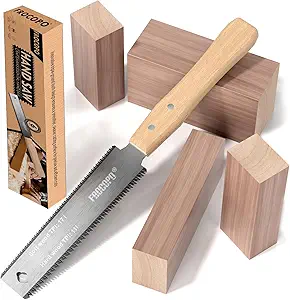 |
| Highest Rated A top-rated pick with lots of positive feedback | Jorgensen 20-Inch Hand Saw with 11 TPI Black-Coated Blade and Ergonomic Non-Slip Handle |  |
| Most Popular A crowd favorite that many people choose with confidence | RUITOOL 6" Japanese Ryoba Pull Saw with SK5 Blade and Beech Handle |  |
Taytools / Lynx 20" Thomas Flinn Rip Saw with Beech Handle (4.5 TPI)

| Number of Teeth | 90 |
|---|---|
| Cutting Angle | 90 degrees |
| Blade Shape | Rectangular |
| Blade Material | Alloy Steel |
| Handle Material | Beechwood |
This Thomas Flinn co-branded Lynx/Taytools 20" rip saw is built for clean, controlled rip cuts in soft and hardwoods. The 4.5 TPI, hand-filed teeth are shaped specifically for ripping along the grain, and the taper-ground alloy steel plate reduces binding as the saw advances through stock. The saw arrives hand-sharpened and can be resharpened in the future, extending its working life. A stained European beech handle with brass button screws offers a traditional look and a comfortable grip for extended sawing sessions. Because the blade is 20 inches long and has relatively coarse teeth, it excels on full-size boards and construction lumber rather than fine joinery. It is a straightforward, no-frills tool that favors durability and predictable performance over modern ergonomic bells and whistles. If you want a reliable, serviceable rip saw that mirrors classic Sheffield craft, this model delivers; buyers should be prepared to use proper technique for the best results and to maintain the edge when needed.
Best for: A practical woodworker or DIYer who wants a traditional, durable hand rip saw for cutting boards and construction lumber by hand and values long-term serviceability over modern styling.
Less Ideal for: Woodworkers who need a fine-tooth saw for finish work, delicate joinery, or frequent crosscutting should consider a different saw designed for those tasks.
- Taper-ground alloy steel blade reduces binding for straighter rip cuts.
- 4.5 TPI hand-filed teeth are optimized for efficient ripping along the grain.
- Hand-sharpened at the factory and can be resharpened to extend service life.
- Solid European beech handle with brass fittings provides a comfortable, traditional grip.
- Coarse 4.5 TPI is not suitable for fine finish or crosscut work.
- No modern ergonomic features such as soft grips or anti-slip inserts.
Verdict: A classic Sheffield-made rip saw that delivers reliable, low-binding ripping performance for users who want a durable, resharpenable hand tool.
Temple Tool 9.5" Ryoba Japanese Pull Saw (Rip and Crosscut)

| Blade Material | High Carbon Steel |
|---|---|
| Power Source | Hand Power |
| Blade Shape | Rectangular |
| Handle Material | Wood |
| Included Components | Case |
This Ryoba-style pull saw is built for precise ripping and crosscutting thanks to its double-edged blade: rip teeth on one edge for cutting with the grain and finer crosscut teeth on the opposite edge for cross-grain work. The thin, high-carbon Japanese steel blade cuts on the pull stroke, which lets the blade be narrow-kerf and stay taut during cuts, producing clean, accurate results with less effort than a typical Western push saw. The solid wingnut wood handle with brass fittings gives a comfortable, controlled grip and the included case keeps the blade protected between uses. Practical benefits include excellent control for joinery, fast stock reduction when ripping boards to width, and long-lasting edge retention from the high-grade steel. Limitations are that the saw is hand-powered so large volume ripping or very thick timbers will be slower than power tools, and users accustomed to push-style Western saws will need a short adjustment period to master the pull stroke technique.
Best for: A buyer who prioritizes cutting performance and precision for hand tool woodworking and joinery, wanting a single saw that handles both ripping and crosscut tasks with clean results.
Less Ideal for: People who need to quickly resaw large timbers or perform high-volume ripping where a table saw or circular saw is more efficient.
- Double-edged Ryoba blade lets you rip and crosscut with one tool
- Thin pull-stroke blade produces a narrow kerf for precise, low-waste cuts
- High-carbon Japanese steel holds an edge for clean finish cuts
- Solid wooden handle offers comfortable, controlled grip
- Includes a protective case for safe storage
- Not suitable for high-volume ripping compared with powered saws
Verdict: Choose this Ryoba pull saw if you want a compact, high-performance hand saw that delivers accurate, low-kerf ripping and crosscutting for fine woodworking.
Jorgensen 15-Inch Hand Saw with 8 TPI Black-Coated Blade

| Number of Teeth | 8 |
|---|---|
| Blade Material | Alloy Steel |
| Handle Material | Aluminum |
| Surface Recommendation | Plastic,Wood |
The Jorgensen 15-inch hand saw is a straightforward, heavy-cut handsaw aimed at general woodworking and outdoor trimming tasks. Its 8 TPI triple-ground teeth deliver aggressive, fast cuts through dimensional lumber and framing stock, while the SK5 high-carbon steel blade holds an edge and resists bending under regular use. The black Teflon-like coating reduces friction and helps keep sap and debris from building up on the blade. The reinforced aluminum frame and TPE/ABS ergonomic grip make it comfortable to hold for extended sessions and the handle includes 45° and 90° angle guides useful for marking cuts. Practical uses include rip and cross cuts on rough lumber, pruning thick branches, and cutting PVC or trim where speed matters more than ultra-fine finish. Limitations are inherent to the coarse 8 TPI: it is not intended for fine finish work or precise joinery and will leave a rougher cut on delicate stock. Also, being a fixed non-folding saw it requires safe storage with the included edge protector.
Best for: A buyer who wants a reliable, fast-cutting handsaw for general carpentry, framing, and heavier trimming tasks and values durability and comfort during frequent use.
Less Ideal for: Not the best choice for woodworkers focused on fine finish work, delicate trimming, or precision joinery who need higher-tooth-count saws.
- Aggressive 8 TPI triple-ground teeth for fast, efficient cutting of rough lumber
- SK5 high-carbon steel blade offers good edge retention and resists bending
- Black low-friction coating reduces material buildup and helps corrosion resistance
- Ergonomic aluminum-framed handle with TPE/ABS grip and built-in angle guides
- Coarse 8 TPI tooth pattern produces a rougher finish not suited to fine joinery
- Fixed blade requires careful storage and is less portable than folding saws
Verdict: Choose this saw if you want a durable, comfortable hand saw that makes fast, aggressive cuts for general carpentry and trimming.
Frocopo 6-inch Double-Edge Pull Hand Saw with Wooden Handle

| Blade Material | SK5 Steel |
|---|---|
| Blade Length | 6 inches |
| Number of Teeth | 17 |
| Power Source | Hand Powered |
| Handle Material | Wood |
This Frocopo 6-inch hand saw is a small pull-style saw built for accurate finishing and quick trim work. The thin, flexible SK5 steel blade is double-edged—11 TPI on one side for faster cuts and 17 TPI on the other for finer finishes—so you can switch between speed and precision without changing tools. Its triple-ground, hardened teeth help produce cleaner cuts, and the lightweight wooden handle makes the saw comfortable for extended use when working on small projects, flush cuts, or detail carpentry. The compact blade length and flexibility make it especially useful for flush-cutting trim, model making, and cutting engineered wood in tight spots. Limitations are its short 6-inch blade and small size, which are not suited to ripping large boards or heavy demolition; larger saws will cut faster on big stock. For shoppers focused on straightforward, affordable finishing work, this saw offers sharp teeth, an ergonomic grip, and versatility between coarse and fine cutting in a single, pocketable tool.
Best for: Practical buyers who need an affordable, precise hand saw for trim, small woodworking projects, and flush cuts and who prioritize value and versatility in a compact tool.
Less Ideal for: Tradespeople who regularly cut large lumber or need a saw for heavy demolition should choose a larger handsaw or power tool instead.
- Double-edged SK5 steel blade provides both coarse and fine cutting options
- Triple-ground hardened teeth for cleaner, more accurate cuts
- Lightweight wooden handle designed for comfortable, fatigue-free use
- Compact 6-inch blade fits tight spaces and enables flush cuts
- Short blade length limits efficiency on large or long boards
- Not intended for heavy-duty ripping or pruning tasks
Verdict: A budget-friendly, compact pull saw that gives you both coarse and fine cutting in one lightweight tool for precise trim and small woodworking tasks.
Jorgensen 20-Inch Hand Saw with 11 TPI Black-Coated Blade and Ergonomic Non-Slip Handle

| Power Source | hand_powered |
|---|---|
| Number of Teeth | 11 |
| Blade Material | High Speed Steel |
| Handle Material | ABS and TPE |
The Jorgensen 20-inch hand saw is a straightforward, reliability-minded tool for cutting wood, PVC and similar materials. Its 11 TPI triple-ground teeth and induction hardened high-speed steel blade are designed to hold an edge and cut quickly on both push and pull strokes, while the low-friction black coating helps reduce binding. The molded ABS and TPE handle is shaped for a firm, non-slip grip and includes 45 and 90 degree guide marks to help keep cuts square. Practical touches include a cardboard sleeve and plastic tooth protector for safe storage and transport. In use the saw excels at fast, coarse ripping and trimming tasks around the workshop or yard, and the robust blade construction makes it suitable for repeated use without frequent re-sharpening. It is not a fine-tooth finish saw, so expect rougher edges on delicate joinery and slower performance on very hard, dense timbers. For routine framing, pruning and general carpentry where dependable, aggressive cutting is the priority, this saw performs well.
Best for: Buyers who prioritize a durable, workhorse handsaw for everyday cutting tasks like framing, pruning and general carpentry and who want a tool that stays sharp through repeated use.
Less Ideal for: Woodworkers needing a fine-tooth saw for smooth finish cuts or hobbyists doing delicate joinery should choose a finer TPI saw instead.
- Triple-ground 11 TPI teeth and induction hardened high-speed steel blade for durable, fast cutting
- Low-friction black coating reduces binding for smoother strokes
- Ergonomic ABS+TPE non-slip handle with angle guides for comfortable, accurate cutting
- Includes blade protector and cardboard sleeve for safer storage
- Coarse 11 TPI tooth pattern produces rougher cuts not suited for fine finish work
Verdict: A tough, no-nonsense 20-inch handsaw built for fast, reliable cutting on everyday woodworking and yard tasks.
RUITOOL 6" Japanese Ryoba Pull Saw with SK5 Blade and Beech Handle

| Blade Material | SK5 steel |
|---|---|
| Blade Length | 6 inches |
| TPI | 14 & 17 |
| Handle Material | Beechwood |
This RUITOOL 6-inch Ryoba pull saw is a small, precision hand saw built for controlled ripping and crosscutting in tight workspaces. It uses a thin, flexible SK5 high-carbon steel blade and a double-edge tooth pattern—17 TPI one side and 14 TPI on the other—so you can switch between finer finish cuts and faster rip cuts without changing tools. The hardened three-edge teeth are intended to stay sharp longer and clear chips efficiently, and the lightweight beechwood handle gives a traditional feel and comfortable grip for short sessions. In practice the blade thickness and tooth counts favor accuracy and smooth surfaces rather than aggressive material removal, so it excels on trim, joinery, and ripping small stock rather than heavy framing. Because the blade is only 6 inches long and very thin, it can flex for flush cutting but is not suited to long, heavy cuts or very dense timbers without more strokes and patience. For someone who values control and clean rip cuts on small pieces, this saw is a handy, durable choice with predictable performance.
Best for: Buyers who prioritize clean, controlled ripping and finish work on small boards, trim, and joinery projects and who prefer a traditional Japanese pull-saw feel backed by many user reviews.
Less Ideal for: Contractors or hobbyists who need fast stock removal on large panels, heavy framing lumber, or long continuous rip cuts should choose a larger saw or a powered tool instead.
- Double-edged blade with 14 and 17 TPI lets you switch between faster ripping and finer finish cuts
- SK5 high-carbon steel blade is thin and flexible for accurate flush and joinery work
- Hardened three-edge teeth improve sharpness retention and chip removal
- Lightweight beechwood handle provides a comfortable, traditional grip
- Short 6-inch blade and thin profile limit efficiency on long or very thick rip cuts
- Not intended for heavy framing or sustained removal of very dense hardwood
Verdict: Choose this compact Ryoba if you want a precise, dual‑tooth Japanese pull saw that delivers clean ripping and finish cuts on small workpieces.
Choosing the Right Hand Saw for Ripping Wood: Key Factors to Consider
Tooth Geometry and Pitch
Rip saw teeth are shaped with chisel-like edges that slice along the wood grain rather than sever fibers across it. This geometry encourages efficient chip ejection and helps the blade bite into the board when you push. Tooth pitch, measured in teeth per inch, dictates how quickly material is removed and how smooth the resulting kerf will be. Coarser pitches remove material faster and are better for heavy, fast ripping in softwoods, while finer pitches give cleaner faces and work better on hardwoods or thin stock.
When choosing a rip saw, match tooth geometry and pitch to the lumber you cut most often. For dimensional framing lumber a lower TPI is usually fine; for finish lumber and hardwoods choose a slightly finer tooth pattern to avoid tearout.
Blade Length and Cutting Capacity
Blade length determines how much of a stroke is effective and whether you can rip full-width boards in a single pass. Longer blades let you use longer, more efficient strokes that reduce the number of passes needed and help maintain a straighter line. However, very long blades are heavier and harder to control for short, detailed work.
Consider the typical board widths you cut. A 22- to 26-inch rip saw suits common framing and wide boards, while a shorter blade can be faster to handle when working with narrower stock or when space is limited.
Blade Stiffness and Thickness
Stiffer blades resist bending and tracking errors that cause a saw to drift off the cut line. Blade thickness and material both contribute to stiffness. A thicker blade will cut a wider kerf but will track straighter and stand up to lateral pressure, while a thinner blade wastes less material and requires less effort to push. The right balance depends on whether you prioritize a narrow kerf or precise straightness.
For repetitive rip cuts or when working with heavy, knotty lumber, choose a stiffer blade. For delicate work where waste matters, a thinner blade with good temper can be preferable.
Handle Design and Two-Hand Control
Ripping is a push-dominant action that can fatigue your hand and arm over multiple cuts. Handle ergonomics affect comfort, control, and the ability to apply steady forward pressure. Look for handles that fit your hand size, offer a secure grip, and allow you to brace the saw with your off-hand when needed. Some saws provide straps or extended tangs that facilitate two-handed pushing for longer strokes.
A comfortable handle keeps the blade tracking true and reduces the risk of overcompensating during the cut. If you do long ripping sessions, prioritize cushioning and a grip shape that aligns the wrist for efficient pushing.
Tooth Set and Kerf Width
Tooth set determines how wide the kerf is compared with the blade body and affects how freely the saw moves through the wood. A wider set reduces binding during long cuts or in humid wood that swells, but it also removes more material and requires more effort. Minimal set gives a narrow waste line and lower effort but can bind in sticky or resinous species.
For rip work in wet or variable lumber choose a modest set to avoid binding. For very green or resinous woods, a more pronounced set helps prevent the blade from pinching.
Maintenance, Sharpening, and Longevity
Rip saws can be resharpened and maintained to extend life and keep cutting performance high. Some blades are made from harder steel that retains sharpness longer but can be trickier to file. Consider how comfortable you are with sharpening and whether you will perform routine maintenance. Regular jointing and setting of teeth keep the blade cutting straight and fast.
A saw that is easy to maintain will save time and money over repeated use. If you plan to use a rip saw frequently, choose one with a blade and tooth profile that matches your sharpening skills and tools.
When a Rip-Specific Hand Saw Outperforms a General Purpose Saw
Rip-specific hand saws have tooth geometry and gullet shape designed to remove long shavings along the grain. That design translates into faster forward feed and cleaner edges when cutting with the grain. In practical use, you will notice fewer binding issues and less need to correct the cut line when the saw's teeth are optimized for ripping.
A general-purpose or crosscut-oriented saw may still work for occasional rip cuts but will usually be slower and leave a rougher surface. If your work involves frequent ripping of board-width lumber or you need straighter long cuts, investing in a dedicated rip saw pays off in time saved and reduced frustration.
- Rip saws reduce chatter and tearout when cutting along the grain
- Tooth shape improves chip clearance for longer continuous strokes
- Dedicated rip teeth make it easier to keep a straight kerf without heavy hand correction
Setting Up and Starting a Straight Rip Cut
Begin by marking your cut and using a square and marking knife where possible. A shallow starter notch or a shallow plunge with a utility knife along the line keeps the saw from wandering on the first few strokes. Use a full-length grip and start with light, short strokes until the saw establishes a kerf.
As the kerf deepens, increase stroke length and apply steady forward pressure. Keep your shoulders and hips aligned with the cut line to help the saw track true. If the saw begins to drift, pause and check the kerf, then correct gently rather than forcing the blade sideways.
- Mark and score the line to prevent early wander
- Start with short strokes and increase length as the kerf forms
- Maintain body alignment with the cut to encourage straight tracking
Sharpening and Maintaining Rip Teeth
Rip teeth are sharpened with files that create a chisel-like bevel on each tooth. The process differs from crosscut filing which forms knife-like edges. Use a file guide matched to the tooth pitch when possible, and check for even rise and set across the tooth line. Jointing the teeth periodically removes nicks and evens height before you file to shape.
Keep the blade clean of pitch and resin build-up; small amounts of paste wax on the blade can reduce friction and improve feed. Regular maintenance extends edge life and keeps cutting effort lower over many boards.
- Use a matched file and guide for consistent tooth geometry
- Joint teeth before profiling to remove nicks
- Keep blades free of pitch and lightly lubricated for smoother cuts
Matching Saw Length to Project Type
For framing, ripping sheet goods, and wide stock, choose a longer blade that accepts longer forward strokes and reduces the number of passes. For shop detail work, tight spaces, or short boards, a shorter rip saw gives quicker handling and less swing mass.
If you frequently switch between ripping and crosscutting, consider pairing a rip saw with a dedicated crosscut saw rather than compromising on a single do-it-all blade. That approach keeps each saw optimized for its primary task.
- Long blades for fewer passes on wide boards
- Short blades for tight spaces and quick handling
- Pairing specialized saws yields better results than one compromise tool
Using a Rip Saw in the Workshop and on the Jobsite
On a jobsite you may need ruggedness and ease of maintenance. Choose blades that stand up to occasional abuse, and handles that resist moisture and grime. In the workshop, you can favor finer tooth patterns and more refined handle ergonomics for longer sessions and cleaner faces.
Storage and transport matter too. A blade protector or dedicated saw sleeve guards teeth and prevents damage when moving between sites. Keep spare sharpening tools and a small file in your toolbox for touch-ups during long work days.
- Jobsite choices favor durability and simple maintenance
- Workshop choices can favor finer teeth and comfort for long sessions
- Protect blades in transit and carry basic sharpening gear
How We Chose the Best Hand Saw for Ripping Wood
We selected candidates by focusing on performance attributes that directly affect ripping with a handsaw. Key evaluation criteria included tooth geometry and pitch for rip cutting, blade stiffness and thickness to minimize flex and tracking, handle ergonomics for sustained pushing action, and saw length that suits typical lumber dimensions. We also evaluated cutting speed and feed efficiency by considering tooth count and gullet size, and checked durability aspects like blade steel type and edge retention where specified. Safety and control features such as comfortable grip shape and secure mounting of the blade to the handle were also part of the assessment. Products were excluded if their tooth pattern favored crosscutting only, if the blade was too short for common rip jobs, or if the handle design limited effective two-handed control. We focused on tools that are practical for home workshops, jobsite carpentry, and backyard ripping tasks rather than specialist joinery saws with very fine teeth.
FAQ
What tooth pitch is best for ripping pine framing lumber?
For common softwoods like pine used in framing, a coarser pitch around 5 to 7 teeth per inch usually offers fast material removal and a good feed rate. Coarse teeth clear chips quickly, which helps when you make long rip cuts through wide boards.
Can I use a crosscut saw to rip boards in a pinch?
You can, but crosscut teeth are shaped to sever fibers across the grain and will cut more slowly when ripping. Expect more effort, a rougher cut face, and a higher likelihood of the saw wandering compared with a rip-specific saw.
How often will I need to sharpen a rip saw?
Sharpening frequency depends on use and wood species. Occasional hobby use might need only yearly touch-ups, while daily jobsite ripping on abrasive or knotty stock could require sharpening every few weeks. Regular inspection and light jointing keep teeth effective longer.
Does a wider kerf make ripping easier?
A wider kerf reduces the risk of the blade binding in the cut, which can make long or wet cuts easier. The tradeoff is more material waste and slightly greater effort per stroke. Choose kerf width based on whether preventing binding or minimizing waste is the priority.
Should I sharpen rip teeth myself or use a pro service?
If you are comfortable with files and can maintain consistent tooth geometry, you can sharpen rip teeth yourself with a file guide. For very hard steels or if you prefer perfect, factory-style results, a professional service can restore teeth quickly. Either approach is fine depending on your time and skill level.
Final Verdict
When choosing a hand saw for ripping wood prioritize tooth geometry, blade stiffness, and a handle that supports sustained pushing action. Decide on blade length and kerf width based on the board sizes you cut most often, and match tooth pitch to the species and finish quality you need. Regular sharpening and proper setup will keep a rip saw fast and accurate. Balance speed, waste, and control for your typical projects. A dedicated rip saw tuned to your lumber and workflow will save time and produce straighter, cleaner rip cuts than general-purpose alternatives.
