

Note: This article contains affiliate links. If you click on these links and make a purchase, I may earn a small commission at no extra cost to you. This helps support my research and content. Read my full affiliate disclosure here.
A homeowner pressure washer is one of the most useful cleaning tools for keeping a house exterior, deck, patio, and hardscapes looking cared for. The right machine makes short work of mildew on siding, dirt on driveways, and weathered stains on wood while minimizing surface damage and fuss. This guide shortlists seven solid homeowner pressure washers suited to routine residential jobs and weekend cleanup tasks. We evaluated machines for real-world concerns like effective cleaning power, nozzle and hose convenience, and safe adjustability so you can match a model to your typical outdoor chores. Scroll on for concise reasons each pick made the list and how we measured their practical strengths.
Top Picks at a Glance
| Best Overall The best all-around choice for most situations | Westinghouse WPX3000e Electric Pressure Washer (3000 PSI, 1.76 GPM) |  |
| Best Quality Built to a higher standard if you want something more solid | EGO POWER+ HPW3200 Cordless Pressure Washer (3200 PSI) | 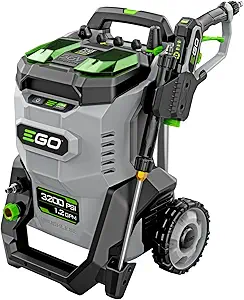 |
| Best Value The sweet spot between price and what you get | Sun Joe SPX100-GO 1800 PSI Electric Pressure Washer |  |
| Best Budget The cheapest option that still gets the job done reliably | KEEPEAK Cordless Pressure Washer 1450 PSI with 6‑in‑1 Nozzle and 2×4.0Ah Batteries |  |
| Highest Rated A top-rated pick with lots of positive feedback | commowner Electric Pressure Washer 5000 PSI with Pressure Control and GFCI |  |
| Most Popular A crowd favorite that many people choose with confidence | Westinghouse ePX3500 Electric Pressure Washer (2500 PSI, 1.76 GPM) |  |
| Best Seller A high-volume bestseller chosen again and again | Westinghouse ePX3100s Electric Pressure Washer (2100 PSI, Foam Cannon & Turbo Nozzle) |  |
Westinghouse WPX3000e Electric Pressure Washer (3000 PSI, 1.76 GPM)

| Maximum Pressure | 3000 psi |
|---|---|
| Maximum Flow Rate | 1.76 gpm |
| Power Source | ac |
| Hose Length | 25 feet |
| Tank Volume | 0.45 gallons |
The Westinghouse WPX3000e is an electric pressure washer built for heavy-duty home cleaning without gas engine maintenance. It pairs a robust AC motor and an axial 3-piston pump to produce up to 3000 PSI (2600 rated) and a peak flow of 1.76 GPM, making it suitable for decks, driveways, fences, garage floors and cars. Typical use involves connecting the 25 ft abrasion-resistant hose, choosing one of five quick-connect nozzles (including turbo and soap), and using the .45 gallon onboard soap tank for detergent cleaning. Practical features that help around the yard include 10-inch never-flat wheels for maneuvering, a 35 ft GFCI power cord for reach and safety, and compatibility with common M22 accessories like surface cleaners and foam cannons. Expect strong cleaning power for stubborn grime, though real-world flow at rated pressure is lower (about 1.1 GPM), so larger surface jobs will take longer than with higher-flow gas units. This unit favors homeowners who want electric convenience and solid pressure without dealing with fuel or frequent engine maintenance.
Best for: Homeowners who want a powerful electric washer to tackle stubborn dirt on driveways, decks, siding and vehicles while avoiding gas-engine maintenance. It suits people who value durability and accessory compatibility for varied outdoor cleaning tasks.
Less Ideal for: If you need the fastest possible coverage on very large surfaces or frequent professional use, a higher-flow gas or commercial pressure washer would be a better fit.
- High maximum pressure (3000 PSI) suitable for tough stains and concrete cleaning
- Electric AC motor with maintenance-free axial pump reduces engine upkeep
- Onboard .45 gallon soap tank and five quick-connect nozzles for versatile cleaning modes
- Long reach and mobility provided by 25 ft hose, 35 ft GFCI cord, and 10-inch never-flat wheels
- Rated flow drops to about 1.1 GPM at operating pressure which slows cleaning of very large areas
- Heavier and bulkier than compact consumer electric models due to rugged frame and larger wheels
Verdict: A powerful, maintenance-light electric pressure washer that gives homeowners gas-level pressure for tough cleaning without the hassles of a gas engine.
EGO POWER+ HPW3200 Cordless Pressure Washer (3200 PSI)

| Power Source | Battery Powered |
|---|---|
| Maximum Pressure | 3200 psi |
| Maximum Flow Rate | 2 gpm |
| Hose Length | 7.62 meters |
| Tank Volume | 2 gallons |
The EGO POWER+ HPW3200 is a cordless pressure washer designed for homeowners who need strong, portable cleaning without a gas engine. It uses two 56V ARC Lithium batteries (sold separately) and Peak Power technology to reach up to 3200 PSI and a maximum flow of 2.0 GPM, with selectable ECO, High, and Turbo modes via a wand-integrated display. Typical uses include cleaning driveways, patios, vehicles, and outdoor furniture where access to an outlet may be limited. Setup is straightforward thanks to quick-connect points, a 25-foot flexible high-pressure hose, and a siphon hose for drawing from a fresh water source. The telescopic handle and compact footprint make it easy to move and store. Practical benefits are strong cleaning power close to gas-equivalent performance, cordless convenience, and a range of included nozzles and a foam cannon for different tasks. Important limitations are that batteries and charger are not included so runtime and power depend on the batteries you pair, and higher-pressure Turbo mode will reduce runtime compared with ECO mode.
Best for: Homeowners who prioritize high cleaning performance and cordless convenience for frequent outdoor cleaning jobs and who already use or plan to invest in EGO ARC batteries.
Less Ideal for: Buyers who need an all-in-one package with batteries and charger included or those who only need occasional light-duty cleaning and prefer a lower-cost electric model.
- Powerful cordless output up to 3200 PSI for heavy-duty cleaning tasks.
- Selectable ECO, High, and Turbo modes with wand display for on-the-fly control.
- Draws from a fresh water source via included siphon hose for true cordless operation.
- Quick-connect hose and wand fittings plus multiple nozzles and foam cannon for versatile cleaning.
- Telescopic handle and compact design for easier transport and storage.
- Batteries and charger are not included so total cost and runtime depend on which ARC batteries you buy.
- Higher-pressure Turbo mode significantly reduces runtime compared with ECO mode.
Verdict: Choose the HPW3200 if you want near-gas cleaning power in a truly cordless pressure washer for demanding homeowner jobs.
Sun Joe SPX100-GO 1800 PSI Electric Pressure Washer

| Power Source | ac |
|---|---|
| Maximum Pressure | 1800 psi |
| Hose Length | 20 feet |
The Sun Joe SPX100-GO is a lightweight, corded electric pressure washer designed for everyday homeowner jobs like cleaning cars, patios, siding, and outdoor furniture. It produces up to 1800 PSI and about 1.7 GPM to give noticeably better cleaning power than a garden hose while remaining easy to use and maintain. Notable features include a built-in 13.5 oz detergent foam bottle for quick soap application, four quick-connect nozzles that range from a pinpoint jet to a wide fan, a 20 foot hose and a telescoping handle that make maneuvering simple, and a Total Stop System that shuts the pump off when the trigger is released to protect the unit. The unit is plug-in electric so it starts instantly and avoids gas maintenance and fumes, but its power and flow rate are best suited to light-to-moderate grime rather than heavy industrial-scale grime or large concrete driveways. If you want straightforward, portable cleaning for cars, decks, and small exterior surfaces, this balances performance, convenience, and safety features in a compact package.
Best for: A homeowner who wants a no-fuss, maintenance-light pressure washer for cars, patios, decks, siding, and occasional outdoor cleaning where portability and simple detergent use matter most.
Less Ideal for: Not the best choice for contractors or anyone who needs high-flow, heavy-duty cleaning power for large driveways, commercial jobs, or frequent prolonged use.
- 1800 PSI and 1.7 GPM deliver noticeably stronger cleaning than a garden hose for typical homeowner tasks
- Onboard 13.5 oz detergent foam bottle simplifies applying soap for deeper cleaning
- Four quick-connect nozzles provide versatile spray patterns from concentrated jet to wide fan
- Total Stop System and safety features (GFCI, thermal sensor, double insulation) protect the pump and user
- Corded electric power limits mobility compared with petrol or cordless models for large jobs
Verdict: Choose this compact electric model if you want a practical, easy-to-use pressure washer that boosts cleaning power for typical homeowner jobs without gas maintenance.
KEEPEAK Cordless Pressure Washer 1450 PSI with 6‑in‑1 Nozzle and 2×4.0Ah Batteries

| Power Source | Battery Powered |
|---|---|
| Maximum Flow Rate | 3 gpm |
| Maximum Pressure | 1450 psi |
| Hose Length | 5 meters |
This compact cordless pressure washer is aimed at homeowners who want a grab‑and‑go cleaning tool for cars, patios, fences, and small driveways. The brushless motor produces up to 1450 PSI and 3.0 GPM, which is noticeably stronger than a garden hose and effective at blasting away dirt, grime, and road film. It runs on two included 4.0Ah batteries that provide roughly 30 minutes of continuous use and fast recharging, so you can finish spot jobs without trailing cords. The unit includes a 6‑in‑1 rotating nozzle, a foam cannon, multiple adapters for buckets or faucets, a 16.4 ft hose with a weighted filter, and a built‑in shutoff valve for convenient water control. Its lightweight design and hard case make storage and transport easy for weekend detail jobs or quick patio touchups. Limitations are its modest runtime for larger projects and lower raw power compared with plug‑in or gas models, so it is best for routine homeowner tasks rather than heavy commercial cleaning.
Best for: Homeowners who need an affordable, portable pressure washer for regular car washing, patio and fence cleaning, and quick outdoor touchups without running cords.
Less Ideal for: People who routinely clean large driveways, commercial surfaces, or heavily soiled siding should choose a higher‑capacity corded or gas model instead.
- Cordless operation with two 4.0Ah batteries enables portable cleaning without a power outlet
- Brushless motor delivers up to 1450 PSI and 3.0 GPM for effective removal of dirt and grime
- Includes 6‑in‑1 nozzle, foam cannon, adapters, and 16.4 ft hose for versatile use out of the box
- Lightweight design and waterproof hard case make it easy to store and transport
- Approximately 30 minutes of runtime limits use on larger surfaces
- Not as powerful as electric corded or gas pressure washers for heavy-duty cleaning
Verdict: A portable, budget‑friendly cordless washer that gives homeowners enough pressure and included accessories to handle routine car and patio cleaning without a power outlet.
commowner Electric Pressure Washer 5000 PSI with Pressure Control and GFCI

| Power Source | ac |
|---|---|
| Maximum Flow Rate | 4 gpm |
| Maximum Pressure | 5000 psi |
| Hose Length | 23 feet |
This commowner electric pressure washer is designed for homeowners who want a powerful but simple-to-use cleaning tool. It delivers up to 5000 PSI with an adjustable pressure range that lets you dial down force for delicate tasks like washing cars or screens and crank it up for concrete and heavy grime. The unit includes a 23 foot hose, four quick-connect nozzle tips (0°, 15°, 25°, 40°), and a 500 ml foam cannon so you can switch between concentrated blasting and gentler washing. Practical safety features include a built-in GFCI on the power cord and an automatic total-stop system that shuts the pump when you release the trigger, which helps reduce wear and energy use. Assembly is straightforward and the 35 foot cord gives decent reach without extra extensions. Expect a robust cleaning capability for driveways, decks, siding, and cars, but bear in mind this is a higher-pressure electric model so start at lower settings on softer materials to avoid surface damage. The package focuses on essentials rather than extras like onboard storage for accessories.
Best for: Homeowners who prioritize a dependable, safety-focused pressure washer that can handle both heavy grime and gentler jobs by adjusting pressure and using common attachments.
Less Ideal for: Users who need a compact, ultra-lightweight unit for occasional light cleaning or those who require a full set of specialized professional accessories included out of the box.
- High maximum pressure up to 5000 PSI for heavy-duty cleaning tasks
- Adjustable pressure control lets you safely clean delicate surfaces
- Built-in GFCI and total-stop system improve electrical and pump safety
- Includes four quick-connect nozzle tips and a 500 ml foam cannon for flexible cleaning modes
- Electric motor and higher PSI may still risk damage on fragile materials if not carefully adjusted
- No detailed onboard accessory storage or many bundled specialty tools
Verdict: A safety-minded, high-pressure electric washer that gives homeowners reliable cleaning power and adjustable pressure for a wide range of jobs.
Westinghouse ePX3500 Electric Pressure Washer (2500 PSI, 1.76 GPM)

| Power Source | ac |
|---|---|
| Maximum Pressure | 2500 psi |
| Maximum Flow Rate | 1.76 gpm |
| Hose Length | 25 feet |
| Tank Volume | 20 fluid ounces |
The Westinghouse ePX3500 is a homeowner-focused electric pressure washer built to handle driveways, decks, cars, patios, and siding without the fuss of gas engines. It produces a maximum 2500 PSI and up to 1.76 GPM (1.2 GPM rated), and includes a pro-style steel wand with five quick-connect nozzles plus an onboard 20 oz detergent tank for heavier cleaning jobs. The low center of gravity, four quick-lock wheels and 360 degree steering reduce tipping and make it easy to roll across concrete, grass, and around obstacles. A 25 foot easy-coil nylon-braided hose gives good reach for typical yard tasks and the Total Stop System shuts the pump off when the trigger is released to save energy and reduce wear. At about 19 pounds and compact height, it stores easily in a garage or shed. Limitations to note are that electric models depend on a nearby outlet and the unit’s flow/pressure is modest compared with professional gas washers, so very large or industrial jobs will take longer. For most homeowners this balances power, convenience, and maneuverability well.
Best for: Homeowners who want a reliable, easy-to-store electric washer for routine outdoor cleaning and prefer proven features like multiple nozzles, a detergent tank, and anti-tipping mobility.
Less Ideal for: Contractors or users who need continuous high-flow, heavy-duty cleaning across large commercial areas should consider more powerful gas-powered models.
- Delivers up to 2500 PSI and 1.76 GPM for effective removal of mildew, dirt, and grease
- Compact, lightweight design with four quick-lock wheels and 360° steering for easy maneuverability
- Includes five quick-connect nozzles and an onboard 20 oz detergent tank for versatile cleaning
- Total Stop System automatically stops the pump when trigger is released to conserve energy and extend pump life
- Requires access to an electrical outlet so range is limited compared with gas models
- Flow and sustained power are lower than professional gas pressure washers for very large jobs
Verdict: A compact, maneuverable electric washer that gives homeowners enough pressure and useful accessories to tackle most driveway, deck, and vehicle cleaning tasks with minimal fuss.
Westinghouse ePX3100s Electric Pressure Washer (2100 PSI, Foam Cannon & Turbo Nozzle)

| Power Source | ac |
|---|---|
| Maximum Flow Rate | 1.76 gpm |
| Maximum Pressure | 2100 psi |
| Hose Length | 20 feet |
The Westinghouse ePX3100s is a compact, plug-in pressure washer designed for routine homeowner jobs like washing cars, decks, driveways and patios. It produces a maximum of 2100 PSI and up to 1.76 GPM, with a rated output of about 1800 PSI at 1.2 GPM for typical use, and includes a foam cannon plus multiple nozzles including a turbo tip for stubborn concrete stains. Its long cords and hose let you walk around a vehicle or house without moving the unit, and built-in holders keep the gun, lance and nozzles organized for quick setup. The small, grab-and-go footprint makes it easy to store in a garage or shed. Expect capable cleaning on painted siding, concrete and cars, but this is not a commercial machine so heavy industrial jobs will take longer than with a higher-flow gas unit. For buyers who want a low-fuss electric option the model balances power and portability well, with straightforward accessories that make common outdoor cleaning tasks faster and cleaner.
Best for: Homeowners who prioritize a safe, easy-to-use electric washer for regular cleaning tasks and who prefer a compact unit that is simple to store and operate.
Less Ideal for: Users who need a commercial-grade machine or who regularly clean very large areas and expect gas-level flow and throughput.
- Delivers up to 2100 PSI and multiple nozzles including a turbo tip for tougher stains
- Compact, lightweight design that is easy to carry and store
- Includes foam cannon for better soap coverage on cars, decks and siding
- Long 35 ft power cord and 20 ft high-pressure hose increase reach without frequent repositioning
- Electric motor and 1.76 GPM max flow limit performance on very large or heavily soiled surfaces
Verdict: A user-friendly, compact electric pressure washer that gives homeowners reliable cleaning power with minimal fuss.
Choosing the Right Homeowner Pressure Washer: Key Factors to Consider
Cleaning Pressure and Flow
Pressure measured in PSI and water delivery measured in GPM both determine actual cleaning speed. Higher pressure removes stubborn stains faster on concrete and metal, while higher flow rinses loose dirt and soap more quickly. For siding and softwood decking, you need enough pressure to be effective but not so much that you risk etching or splintering surfaces.
Balance matters: a modest increase in GPM can shorten the time you spend rinsing large areas, while incremental PSI gains help with set-in grime. Consider the typical surfaces you clean and pick a machine with adjustable pressure or a range of nozzle tips to tune the spray strength.
Hose Length and Durability
Hose length determines how far you can reach from a water source without dragging a machine around the yard. A longer hose reduces repositioning when cleaning house siding or a two-car driveway, but it can add weight and require better storage solutions.
Hose construction matters for reliability. Look for kink-resistant materials, reliable connectors, and options for quick connects at the wand and unit. A hose that resists abrasion and UV exposure will last longer outdoors and stay flexible in cooler temperatures, which is important for fall or spring cleaning.
Spray Control and Nozzle Options
Being able to change the spray pattern quickly is essential for moving between delicate surfaces and hard grime. A tight, high-pressure pencil stream tackles mortar joints and oil stains, while wider fan patterns cover siding and deck boards without concentrated force.
Wands with adjustable pressure or turbos for heavy duty tasks increase versatility. Check that nozzle attachments are easy to swap and store on the unit so you can adapt spray power on the fly without interrupting work.
Portability and Storage
Most homeowners need a machine that fits in a garage or storage shed and that one person can move across a lawn or driveway. Weight, wheel size, handle design, and compact foldability all affect how portable a unit feels when you carry it up steps or around landscaping.
Storage considerations include hose and wand clips, onboard accessory pockets, and whether the unit stacks cleanly for winter. Lightweight models trade off some durability for convenience, while bulky units may last longer but be harder to handle for occasional users.
Maintenance, Winterization, and Longevity
Routine maintenance prevents performance loss and costly failures. Key maintenance tasks are removing water from the pump before freezing weather, keeping inlet filters clean, and changing oil if a gas engine is used. Electric models generally need less routine upkeep than gas units but still require attention to seals and connections.
Also consider the availability of replacement parts such as spray tips, hoses, and pump components. A model that is easy to winterize and that has modular parts will typically outlast a similar unit that is difficult to service.
Which Pressure Settings Work For Common Surfaces
Different exterior materials tolerate different spray strengths. Vinyl siding and painted surfaces usually respond well to low- to mid-range settings or a wide fan nozzle to avoid gouging. Softwood decking is best cleaned with a moderate fan pattern and steady motion rather than a narrow high-pressure jet which can cause damage.
Concrete and masonry can handle higher pressure and concentrated nozzles to break away oil and deep stains. Start with a lower-pressure pass to test the surface, then incrementally increase pressure until dirt releases without damaging the substrate.
- Start low and test in an inconspicuous spot.
- Use wider fan patterns for wood and siding.
- Reserve tight streams for stubborn stains on hard surfaces.
Electric Versus Gas Homeowner Units
Electric pressure washers deliver quieter operation, simpler starting, and reduced maintenance, making them a convenient choice for seasonal household tasks. They are lighter, easier to store, and usually sufficient for cleaning siding, patios, and light deck restoration.
Gas units provide higher power and uninterrupted runtime for larger properties or jobs that need extra force, like heavily stained driveways. However, they require more maintenance, louder operation, and careful winterization. Choose gas only if you routinely tackle demanding outdoor cleaning that an electric model cannot manage.
- Electric units are simpler and quieter.
- Gas units give more power for big or stubborn jobs.
Accessories That Improve Everyday Use
Useful accessories include surface cleaners for broad, even cleaning of patios and driveways, extension wands for reaching second-story siding, and soap or detergent tanks for applying cleaners without mixing. Onboard storage for tips and quick-connect fittings reduces downtime during a job.
A quality wand with ergonomic grips and a trigger lock reduces hand fatigue during long sessions. Consider accessories that are easy to attach and store because convenience increases the likelihood you will use the tool for regular maintenance.
- Surface cleaners speed up flat surface work.
- Extension wands help reach higher siding without ladders.
- Onboard storage keeps nozzles and fittings organized.
Safety Tips and Best Practices
Wear eye protection, avoid pointing the wand at people or pets, and be careful near electrical outlets and fixtures. Keep a consistent distance from the surface to prevent damage and move the wand in steady strokes rather than lingering in one spot.
Rinse cleaners thoroughly after applying detergents to prevent residue. When cleaning near plants, use low-pressure rinses and water the foliage afterward if detergent contact occurred. Always follow manufacturer instructions for pump priming and winter shutdown to protect the unit.
- Use protective gear and maintain safe distances.
- Rinse thoroughly after using detergents.
- Protect plants and fixtures near work areas.
Routine Care That Extends Service Life
Flush the detergent system after use and allow the machine to dry before storing to avoid internal corrosion. Check hoses and seals for wear after each season, and replace worn connectors promptly to prevent leaks. For gas models, follow oil and spark plug schedules and store fuel properly to avoid carburetor issues.
A simple winterization routine-draining water from the pump, using pump saver fluid if recommended, and stowing hoses indoors-prevents freeze damage and keeps the machine ready for spring work.
- Flush and dry systems after use.
- Inspect and replace worn hoses or seals.
- Winterize to prevent freeze-related pump damage.
How We Chose the Best Homeowner Pressure Washer
We focused on real homeowner needs rather than professional-grade specs. Key evaluation criteria included cleaning force and flow because these determine how quickly stains and mildew come off common surfaces. Portability and storage were assessed to reflect driveway-to-yard handling and winter storage limitations. Hose and wand usability measured reach, kink resistance, and quick-connect convenience since hose behavior affects how easily you can cover a house or deck. Spray control and nozzle variety were included to ensure safe cleaning across siding, wood, and concrete without causing damage. Durability and maintenance needs were judged from common materials, ease of winterization, and replacement part availability. We excluded heavy-duty commercial units and specialty hot-water systems that are unnecessary for most homeowners. Units that required extensive assembly or uncommon fuel types were deprioritized. The surviving picks balance household cleaning power, ergonomic handling, and straightforward maintenance so they are practical for regular residential use.
FAQ
What PSI and GPM do I need for typical house siding?
Most siding tasks are handled well with mid-range PSI and moderate GPM. Lower pressure settings with a wide fan tip reduce the risk of damage while still removing dirt and mildew. Adjustable pressure or variable nozzles are useful so you can tailor the spray to the siding material.
Can I use a pressure washer on wood decking?
Yes, but use caution. Choose a moderate pressure, a wide fan nozzle, and keep the wand moving to avoid gouging the wood. Test a small area first and consider following with a deck brightener or gentle sanding if fibers raise.
How long should the hose be for cleaning a two-story house?
Hose length needs depend on water source location and reach. Longer hoses reduce machine repositioning but add weight and storage needs. For two-story siding, an extension wand is often a better option than an extremely long hose because it reduces pressure loss and keeps handling manageable.
Are electric pressure washers powerful enough for driveways?
Many electric models handle routine driveway cleaning, especially for light to moderate stains. For deep oil stains or heavy buildup, higher-flow or higher-pressure machines, sometimes with surface cleaner attachments, are more effective. It often depends on the specific model's PSI and GPM.
How do I winterize my pressure washer?
Drain water from the pump and hoses, run pump saver fluid through the system if recommended, and store the unit and hoses in a dry, frost-free location. For gas engines, run the tank low and stabilize fuel before long storage and follow the engine maintenance schedule.
What accessories are worth buying for a homeowner unit?
Surface cleaners, extension wands, and a soap applicator are practical first additions. Quick-connect fittings and storage caddies improve usability. Prioritize accessories that match the jobs you do most often to get the best return on convenience.
Final Verdict
Choose a homeowner pressure washer that matches the surfaces and scale of your regular cleaning tasks. Prioritize adjustable pressure and a useful nozzle set if you clean a mix of siding, wood, and concrete. Balance hose length and portability so the machine is easy to handle and store. By focusing on cleaning power, hose usability, spray control, and straightforward maintenance you will pick a machine that cleans effectively while protecting surfaces and lasting through seasonal use.
