

Note: This article contains affiliate links. If you click on these links and make a purchase, I may earn a small commission at no extra cost to you. This helps support my research and content. Read my full affiliate disclosure here.
Picking the right in ground soil makes an immediate difference in how quickly beds establish, how well roots develop, and how much maintenance you face each season. Whether you are rebuilding a tired vegetable bed, prepping a new perennial border, or improving lawn topsoil, the right mix of texture and organic matter determines water behavior, nutrient availability, and long-term soil biology. This guide covers the seven top in-ground soil options we shortlisted for Best In Ground Soil and explains the evaluation criteria gardeners care about. Use the notes below to match a soil choice to your site conditions and planting goals before you move to specific product options.
Top Picks at a Glance
| Best Overall The best all-around choice for most situations | Espoma Organic Vegetable & Flower Garden Soil Mix, 1 cu ft |  |
| Best Quality Built to a higher standard if you want something more solid | FoxFarm Original Planting Mix, 1 cu ft |  |
| Best Value The sweet spot between price and what you get | Miracle-Gro Expand 'N Gro Concentrated Planting Mix (.67 cu. ft.) |  |
| Best Budget The cheapest option that still gets the job done reliably | Premium Topsoil 0.75 cu. ft. Lawn and Garden Top Soil with Peat Moss |  |
| Highest Rated A top-rated pick with lots of positive feedback | Coast of Maine Cobscook Blend In-Ground Garden Soil, 1 cu ft |  |
| Most Popular A crowd favorite that many people choose with confidence | Miracle-Gro Expand 'n Gro Concentrated Planting Mix (.33 cu. ft.) |  |
| Best Seller A high-volume bestseller chosen again and again | Back to the Roots Organic Expanding Coco Coir Potting Soil Brick (10 lb) |  |
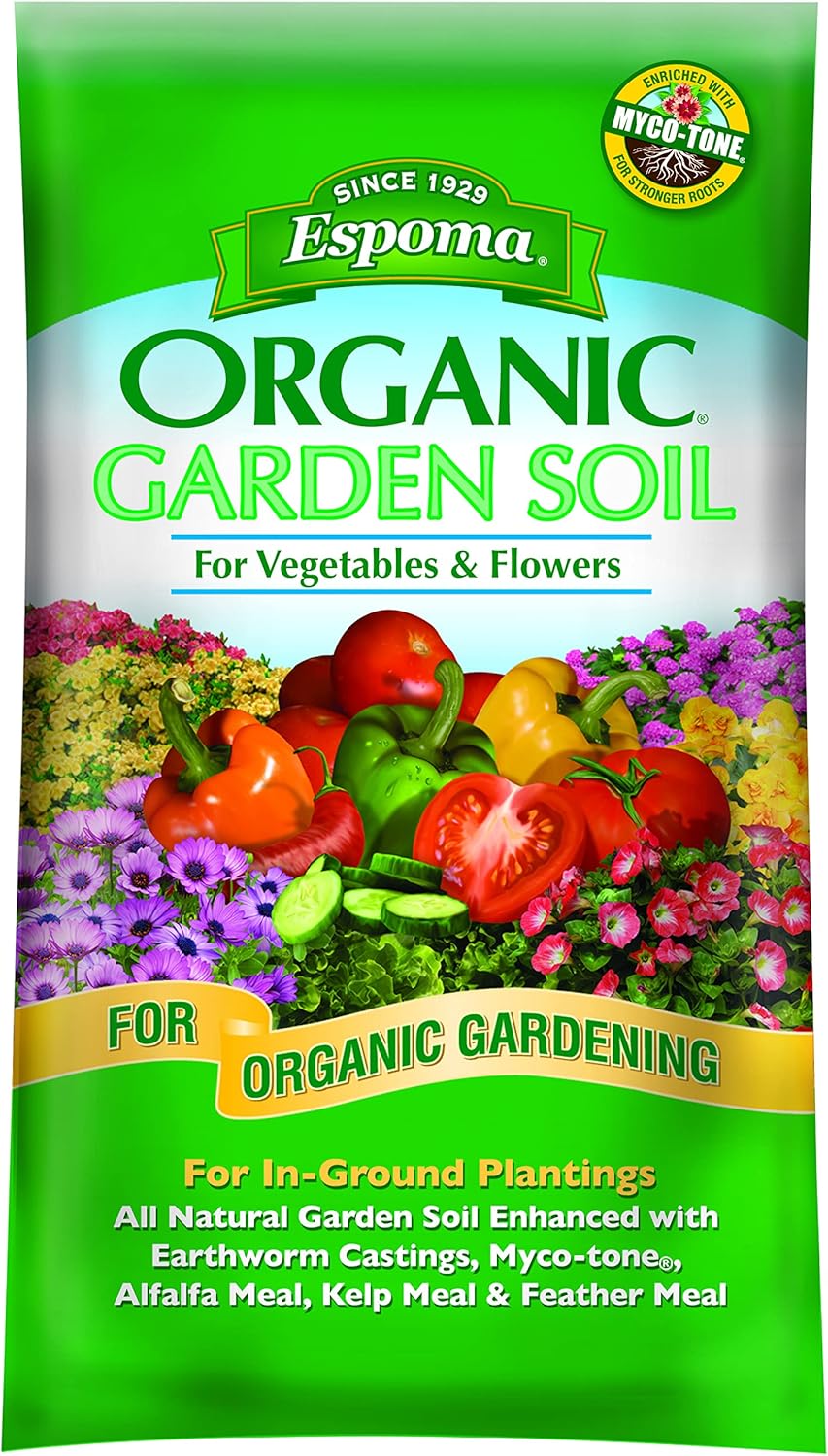
Espoma Organic Vegetable & Flower Garden Soil Mix, 1 cu ft
| Volume | 1 cubic feet |
|---|---|
| Style Name | Peat Moss |
| Unit Count | 1536 Ounce |
Espoma Organic Vegetable & Flower Garden Soil is a 1 cubic foot, peat-based planting mix designed to be blended into native garden soil at planting or transplanting. It contains Canadian sphagnum peat moss, earthworm castings, alfalfa meal, kelp meal, feather meal, limestone for pH adjustment, and a mycorrhizal blend to help root establishment. In practice you work a few inches of this mix into planting holes or rows to loosen dense soil, add organic matter, and give young squash transplants a nutrient-rich root zone. The organic amendments supply slow-release nutrients and biological activity that support early growth, while the mycorrhizae improve water and nutrient uptake. Limitations to note are the peat-heavy base, which dries faster than compost-rich mixes and may require more frequent watering, and the small 1 cu ft bag size that means multiple bags are needed for larger beds. For gardeners who prefer organic inputs and want an easy-to-use planting mix to boost transplant success, this product is straightforward and effective.
Best for: Gardeners who prioritize organic inputs and want a convenient planting mix to boost transplant success for vegetables like squash in established beds.
Less Ideal for: Large-scale landscapers or gardeners needing bulk soil amendments for entire raised beds who prefer compost-rich mixes or peat-free alternatives.
- Formulated with organic amendments like earthworm castings, alfalfa meal, kelp meal, and feather meal for slow-release nutrients
- Contains a mycorrhizal blend to support root establishment and improved nutrient uptake
- pH adjusted with limestone to better suit common garden plants
- Ready-to-use planting mix that blends easily with native soil when transplanting
- Peat-heavy base can dry out faster than compost-rich mixes, increasing watering frequency
- Small 1 cubic foot bag requires many bags for larger squash beds
Verdict: A compact, organic planting mix that makes transplanting squash easier by giving young roots nutrient-rich, biologically active soil.
FoxFarm Original Planting Mix, 1 cu ft

| Brand Name | FoxFarm |
|---|---|
| Item Type Name | Potting Soil |
| Style Name | Planting Mix |
| Volume | 1 cubic feet |
FoxFarm Original Planting Mix is a pre-blended soil amendment designed to improve planting performance for trees, shrubs, vegetables and flowers. The mix combines aged forest products, sphagnum peat moss, sandy loam and earthworm castings along with dolomite lime and fertilizer so it can be used straight from the bag without extra inputs. Typical use is to loosen native soil and mix at roughly a 1:1 ratio when planting trees or to fill raised beds for smaller plantings. Notable features are its moisture-retentive peat and organic matter for root contact and a light fertilizer charge to support early growth. Practically, that means easier root establishment, improved soil tilth, and less need for immediate fertilization after planting. Limitations are its modest volume per bag, which means multiple bags are needed for larger tree holes, and the peat content may concern buyers seeking peat-free or fully organic options.
Best for: Buyers who prioritize strong establishment and measurable performance when planting trees or shrubs and want a convenient, work-ready soil mix to improve root contact and early growth.
Less Ideal for: Those planting large shade or specimen trees that require bulk soil for deep root zones or gardeners seeking peat-free or strictly certified organic mixes.
- Ready-to-use formula with built-in fertilizer for immediate planting
- Contains aged organic matter and earthworm castings to improve soil structure
- Peat moss and sandy loam help retain moisture around roots
- Directions include clear 1:1 mixing guidance for in-ground planting
- One cubic foot bag provides limited coverage for tree planting projects
Verdict: Choose this mix when you want a performance-focused, ready-to-use soil amendment that speeds root establishment for trees and shrubs.
Miracle-Gro Expand 'N Gro Concentrated Planting Mix (.67 cu. ft.)

| Volume | 0.67 cubic feet |
|---|---|
| Feeds plants | Up to 6 months |
| Composition | Compressed coir and fertilizer |
| Expansion | Expands up to 3X when mixed with water |
Miracle-Gro Expand 'N Gro is a compressed coir planting mix designed to expand up to three times when mixed with water so a small bag can cover multiple containers or a portion of a garden bed. Typical use is to hydrate the compressed mix in a container or wheelbarrow, stir until fully expanded, then fill pots or blend into the top 4–6 inches of existing in-ground soil. Notable features include built-in fertilizer that claims up to six months of feeding, enhanced water-holding fibers that release moisture as plants need it, and a very lightweight texture that increases aeration in heavy soils. In practice this makes it easy to lighten clay or compacted garden beds and improve root space and drainage in containers without hauling large volumes of soil. Important limitations are that expansion takes time and some effort to fully hydrate and mix, the product is a concentrate not a ready-to-use replacement for large areas, and nutrient levels may not suit every crop so supplemental feeding might be needed later in the season.
Best for: Gardeners who want to improve in-ground soil structure or refresh containers efficiently and prefer minimizing trips and storage by using a concentrated planting mix.
Less Ideal for: Landscapers or gardeners needing to amend large beds or replace soil across wide areas should choose bulk soil or amendment products instead.
- Very compact shipping and storage until hydrated
- Includes fertilizer that feeds plants for up to six months
- Improves aeration and water retention when mixed into native soil
- Expands to cover multiple 12-inch containers or several square feet of bed area
- Requires thorough hydration and mixing which can be messy and time consuming
- Not a bulk replacement for large landscape projects due to small expanded volume
Verdict: A space-saving concentrated coir mix that makes it simple to lighten heavy garden soil and refresh containers while providing built-in nutrition for months.
Premium Topsoil 0.75 cu. ft. Lawn and Garden Top Soil with Peat Moss

| Unit Count | 1 Ounce |
|---|---|
| Number of Packs | 1 |
| Brand Name | Generic |
| Manufacturer | Scotts |
This topsoil bag is a straightforward lawn and garden soil conditioner blended with peat moss to improve texture and water retention. It is typically used to topdress thin areas of lawn, fill small low spots, or refresh planting beds before seeding or transplanting. The peat moss content helps the soil hold moisture and makes it easier to work with when spreading by hand or with a rake. Because the bag is a smaller 0.75 cubic foot unit, it is convenient for spot repairs and small projects where hauling bulk soil would be impractical. Important limitations are its small volume per bag, which means larger lawn restorations will require many bags and extra handling, and the product details do not include nutrient analysis or pH so buyers wanting a tailored fertilization plan will need to test soil separately. Safety notes recommend avoiding dust inhalation and keeping the product away from children and pets during use.
Best for: Homeowners doing small repairs, spot topdressing, or single-bed refreshes who want an easy-to-handle soil option without buying bulk loads.
Less Ideal for: People restoring or resodding large lawns or contractors who need bulk quantities and detailed soil specifications should choose bulk topsoil or tested mixes instead.
- Contains peat moss to improve moisture retention and soil texture
- Smaller 0.75 cu ft bag is easy to carry and suitable for spot repairs
- Works as a general soil conditioner for topdressing and bed refreshes
- Small bag size makes it inefficient for large lawn projects
- No nutrient analysis or pH information provided
Verdict: A convenient small-bag topsoil with peat moss that makes quick spot repairs and bed touch-ups easy for budget-minded homeowners.
Coast of Maine Cobscook Blend In-Ground Garden Soil, 1 cu ft

| Unit Count | 1 Count |
|---|---|
| Included Components | SOIL |
| Item Type Name | Plant Food |
| Brand Name | Coast of Maine |
Coast of Maine Cobscook Blend is an OMRI-listed, organic in-ground soil mix designed to revitalize existing garden beds. It combines compost, sphagnum peat moss, and aged bark plus ocean-derived amendments so it helps improve drainage, moisture retention, and aeration when worked into sandy or compacted soils. Typical use is mixing several inches into the topsoil when planting new beds or top-dressing established areas to rebuild fertility and microbial life. Notable features are its organic ingredients and focus on supporting beneficial soil organisms rather than supplying quick-release synthetic nutrients. Practical benefits include better root development, improved texture in heavy soils, and a safer formula for families and pets. Limitations are the small bag size for large projects and the absence of guaranteed NPK numbers for feeding heavy feeders, so you may need additional amendments or repeat applications for nutrient-hungry crops. It is best used as a soil conditioner and long-term soil-building component rather than an all-in-one fertilizer for a single season’s maximum yield.
Best for: Gardeners who prioritize consistent, long-term soil health and prefer organic, sustainable amendments for in-ground beds. Good for people reconditioning compacted, sandy, or depleted garden beds who value reliability over one-off quick fixes.
Less Ideal for: Those needing a single-season high-nitrogen boost for heavy-feeding annuals or anyone wanting a large-volume, ready-to-use soil supply without frequent bag handling.
- OMRI-listed organic formulation suitable for in-ground vegetable and flower beds
- Blend of compost, peat moss, and aged bark improves structure, drainage, and moisture retention
- Includes ocean-sourced amendments that support soil microbes and biodiversity
- Safe for families and pets due to organic ingredients
- Sold in 1 cu ft bags which makes covering large beds labor intensive
- No detailed NPK or guaranteed nutrient analysis provided
Verdict: Choose this blend if you want a trusted organic soil conditioner that rebuilds garden beds and supports long-term plant health.
Miracle-Gro Expand 'n Gro Concentrated Planting Mix (.33 cu. ft.)

| Volume | 0.05 cubic feet |
|---|---|
| Feeds plants | Up to 6 months |
| Composition | Compressed coir and fertilizer |
Miracle-Gro Expand 'n Gro is a compressed coir planting mix designed to expand up to three times when mixed with equal parts water, turning a small bag into enough medium for containers or to amend in-ground beds. Typical use is filling pots (start with the pot one third full, add water and stir until fully expanded) or spreading and mixing a one-inch layer into the top 4 to 6 inches of garden soil. The product's natural fibers hold more water than basic potting soil and increase air space around roots, which helps with drainage and root development in heavy or compacted soils. Included fertilizer feeds plants for up to six months so you can get seedlings and transplants established without immediate additional feeding. Limitations: the mix requires time and effort to fully hydrate and may take multiple wettings to expand evenly, and one .33 cu. ft. bag only covers a small area, so larger beds need multiple bags. Also exercise basic dust and skin precautions when handling the compressed material.
Best for: Home gardeners who want an easy-to-store, space-saving amendment to lighten compacted in-ground soil or to prepare container mixes and who prioritize products with proven brand history and clear usage instructions.
Less Ideal for: Large-scale vegetable beds or projects where bulk plain topsoil is needed quickly, since this concentrated mix is sold in small compressed bags and must be hydrated before use.
- Expands up to 3X when wetted, converting a small compressed bag into usable planting medium
- Contains fertilizer that feeds plants for up to six months
- Creates more air space and lighter soil when mixed into in-ground beds, improving root growth
- Natural fibers retain up to 50% more water than standard potting mix, reducing watering frequency
- Requires thorough and sometimes repeated wetting and mixing to fully expand
- Small bag volume covers limited area so larger garden projects need many bags
Verdict: A compact, easy-to-store concentrated coir mix that expands to create lighter, aerated soil and supplies up to six months of plant food, making it a practical soil amendment for small in-ground beds and containers.
Back to the Roots Organic Expanding Coco Coir Potting Soil Brick (10 lb)

| Item Highlight | 10 lb compressed coco coir brick; peat-free; OMRI Listed |
|---|---|
| Item Type Name | Coconut Coir |
| Volume | 2 cubic feet |
| Ingredients | Coconut Coir |
| Style Name | Expanding Potting Soil |
This compressed coco coir brick provides a lightweight, peat-free potting medium that expands when you add water to create loose, airy substrate for containers and seed flats. It is typically used by hydrating the 10 lb block to about 2 cubic feet of coir and then using it alone for potted plants, mixing it into garden soil to improve drainage and aeration, or blending with compost for starting seeds. Notable features include OMRI listing for organic use, a balanced pH suited to a wide range of plants, and compact storage before expansion which saves space. Practical benefits are improved root aeration and water retention compared with heavy garden loam, easier handling than bulky bags, and versatility across vegetables, herbs, and ornamentals. Important limitations are that coco coir is a soilless substrate and does not supply significant nutrients on its own so you will need to add fertilizer or compost for long-term potted herbs like rosemary, and the product requires time and a water source to expand before use.
Best for: Buyers who prioritize low-risk, easy-to-handle, organic potting media and want a versatile base for container herbs and seed starting without dealing with heavy bags.
Less Ideal for: Gardeners who want a ready-to-plant, nutrient-rich potting mix out of the box or those who prefer soil with built-in slow-release fertilizer.
- Peat-free OMRI listed organic coco coir suitable for organic growing
- Expands from a compact brick to about 2 cubic feet for easy storage and transport
- pH balanced and airy texture that improves drainage and root aeration
- Versatile use: can be used alone, for seed starting, or mixed into existing soil
- Provides little inherent fertility so supplemental feeding or compost is needed for nutrient-hungry plants
Verdict: A compact, peat-free coco coir brick that expands into an airy, pH-balanced base ideal for low-risk organic container gardening and seed starting when paired with fertilizer or compost.
Choosing the Right In Ground Soil: Key Factors to Consider
Soil Texture and Drainage
Texture determines how water moves through the soil and how easily roots penetrate. Sandy soils drain quickly but hold fewer nutrients, while heavy clay holds water and can suffocate roots. A balanced loam or adjusted native soil gives reliable water retention without waterlogging, which is critical for both annual vegetables and long-lived perennials.
When evaluating in-ground soil, look for a mix that reads as crumbly and friable rather than concrete-like. Consider the site hydrology: low spots need better drainage or raised beds, while windy, fast-draining sites benefit from more silt and organic matter to hold moisture.
Organic Matter Content
Organic matter feeds soil biology, improves structure, and slowly releases nutrients. Soils with adequate decomposed organic material support steady growth and reduce the need for frequent feeding. High organic matter also helps sandy sites retain moisture and improves aggregation in clay soils.
Check whether the soil lists compost or well-stabilized humus as a component. Fresh, undecomposed additives can rob nitrogen temporarily. For long-term garden health, prioritize soils with mature organic matter that will integrate with native soil rather than short-term boosts that break down too fast.
Nutrient Retention and Cation Exchange
A soil's ability to hold and exchange nutrients influences how often you must amend and how plants access feed. Soils with good cation exchange capacity (often higher in finer particles and organic matter) buffer nutrient swings and hold onto applied fertilizers for longer. This is particularly important for heavy feeders like tomatoes and for established ornamentals.
Consider follow-up fertility needs: a soil that retains nutrients reduces leaching in rainy climates and lowers the chance of deficiency between feeds. Balanced baseline nutrient levels are more useful than high immediate concentrations that dissipate quickly.
pH Stability and Amendment Response
Soil pH affects nutrient availability and which plants will thrive. Some in-ground soils are formulated to be near neutral, while others trend acidic or alkaline depending on base materials. Choose soil that matches your garden's target plant list or that is easy to adjust with lime or sulfur.
Also consider how the soil responds to common amendments. Soils that buffer changes require larger applications to shift pH, while very light soils can swing rapidly. Knowing this helps you plan seasonal adjustments and lime or sulfur schedules for long-term plant health.
Weed Seed and Contaminant Screening
Soil introduced to an established bed can bring weed seeds, perennial roots, or unwanted contaminants. High-quality in-ground soils should be free of viable weed seed and screened for physical debris. For food gardens, low heavy-metal content and absence of biosolids or unknown industrial inputs is important.
Ask whether the product is screened and tested. In many cases, sourcing certified compost or well-documented topsoil reduces the risk of introducing persistent weeds or contaminants to your beds.
Long-Term Soil Biology and Structure
Good in-ground soil supports a living ecosystem of microbes, fungi, and invertebrates that cycle nutrients and improve structure. Soils that are sterile or overly processed may show quick plant response but fail to build resilience over time. Look for soils that support gradual colonization and do not rely solely on synthetic carriers for fertility.
Think beyond the first growing season. A soil that encourages earthworms, mycorrhizae, and microbial activity pays dividends in reduced watering, richer soil aggregates, and stronger root systems across multiple seasons.
Matching Soil Choices to Garden Situations
Different planting situations require different soil priorities. Vegetable plots need a loose, nutrient-available soil that warms up in spring and drains reliably, while perennial borders benefit from a more stable, higher-organic-matter profile that reduces irrigation frequency.
For new beds on compacted ground, prioritize texture improvement and organic matter to jump-start biology. For established beds with acceptable structure, look for top dressing soils that add nutrients without drastically altering drainage.
- Vegetable gardens: faster-draining, higher nutrient availability.
- Perennial borders: stable organic matter and moderate drainage.
- Lawn topdressing: fine texture and compatibility with existing turf.
- Compacted sites: soil that improves porosity and root penetration.
How to Blend In-Ground Soil with Native Soil
You rarely replace deep native soil entirely. Instead, blend new in-ground soil with existing material to create a transition layer. Work amendments into the top 6 to 12 inches to avoid creating a sharp barrier that roots will not cross.
Mixing ratios depend on goals: heavier clay often benefits from larger proportions of organic-rich soil or coarse amendments, while sandy sites may need smaller additions repeated over seasons. Gradual integration avoids sudden shifts in drainage and pH.
- Incorporate new soil into top layers rather than creating a layer cake.
- Adjust blending by feel: aim for crumbly, friable texture.
Testing and Adjusting Soil After Installation
After placing in-ground soil, test pH and basic nutrient levels to confirm the blend meets expectations. Early testing reveals whether lime, sulfur, or a targeted fertilizer program is necessary before planting.
Monitor moisture behavior during the first season. If water pools, add coarse material or increase grade. If it dries too quickly, amend with compost or fine textured organic matter to improve retention.
- Use a simple pH test and a basic soil nutrient kit within weeks of installation.
- Observe plant response and soil moisture cycles across a growing season before making major changes.
Seasonal Care and Top-Dressing Strategies
Top-dressing with a modest layer of well-aged compost each fall maintains organic matter and slowly boosts nutrient levels without disturbing established roots. For vegetable plots, shallow annual incorporation helps maintain fertility and structure.
Avoid heavy, frequent rototilling, which can break down aggregates. Instead, use targeted amendments and cover crops to build organic matter and reduce erosion.
- Fall top-dress with 1/4 to 1/2 inch of compost for long-term gains.
- Use cover crops to protect and feed soil during the off-season.
Common Mistakes When Choosing In-Ground Soil
A frequent error is picking soil that is perfect for containers but inappropriate for in-ground use. Container blends often drain extremely quickly and contain high doses of peat or coarse materials that do not integrate well with native ground.
Another mistake is over-amending at once. Large quantities of fresh organic material can temporarily immobilize nitrogen and create transplant stress. Staged applications and testing prevent these problems.
- Avoid using untested or compost-rich mixes designed for pots in permanent beds.
- Stagger major amendments and monitor plant performance before adding more.
How We Chose the Best In Ground Soil
We prioritized characteristics that matter in real garden soil rather than marketing claims. The list was built from products and blends that demonstrated balanced physical structure, consistent nutrient content, and ingredients that support soil biology. We evaluated soil texture and drainage, organic matter content and nutrient holding, pH stability and amendability, weed and contaminant screening, and the long-term ability to support root growth and microbial life. Fit to planting situation was also weighed, including suitability for vegetables, ornamentals, and turf. Exclusions included any mixes with undisclosed inputs, soils with persistent weed or seed contamination, and formulations designed only for containers or raised beds rather than true in-ground application. The result is a curated set of in-ground soil options that score well on structure, fertility, safety, and site fit.
FAQ
How deep should I replace or amend soil for in-ground planting?
Amend the top 6 to 12 inches for most vegetable and ornamental plantings. Deep-rooted shrubs may benefit from deeper improvement, but avoid creating a sharp layer boundary that blocks root growth.
Can I use bagged soil mixes in permanent garden beds?
Some bagged mixes are formulated for in-ground use, but many are designed for containers. Look for labels or descriptions indicating suitability for in-ground application and for stable, mature organic matter content.
When is the best time to install new in-ground soil?
Early fall or spring are ideal. Fall placement allows biological activity to begin before winter and gives time for settling, while spring placement is fine if you test and adjust pH and nutrients before planting.
How do I avoid introducing weed seeds with new soil?
Choose screened and tested soil that specifies low weed-seed content. If unsure, spread a thin test area and observe for volunteer weeds before large-scale installation, or pasteurize small volumes if necessary.
Will adding organic matter change my soil pH dramatically?
Well-aged organic matter typically has a mild effect on pH, while fresh materials can cause short-term nutrient immobilization. Major pH shifts usually come from lime or sulfur applications rather than compost alone.
Final Verdict
Choosing the right in-ground soil comes down to matching texture, organic matter, and nutrient-holding characteristics to your planting situation. Prioritize a balanced texture for proper drainage, mature organic matter for sustained fertility, and clean screened material to avoid weeds or contaminants. Consider how the soil will integrate with your native ground and plan for testing and gentle seasonal amendments. With those priorities in mind, you can select an in-ground soil that supports healthier roots and steadier yields over several seasons.
