

Note: This article contains affiliate links. If you click on these links and make a purchase, I may earn a small commission at no extra cost to you. This helps support my research and content. Read my full affiliate disclosure here.
Picking the right indoor plant pot with drainage matters more than aesthetics. Proper drainage prevents waterlogged soil, reduces root rot risk, and helps you manage watering schedules for a range of houseplants from ferns to succulents. This guide covers seven shortlisted pots that balance drainage features, material performance, and real-world ease of use. We evaluated how each option handles excess water, how durable the construction is for indoor conditions, and how simple maintenance and repotting are. Read on to find a pot that fits your plants, space, and watering habits.
Top Picks at a Glance
| Best Overall The best all-around choice for most situations | Gepege 6-Inch Ceramic Plant Pots with Drainage and Saucers (Set of 2) |  |
| Best Quality Built to a higher standard if you want something more solid | LE TAUCI 12-Inch Ceramic Planter (Neutral Gray) |  |
| Best Value The sweet spot between price and what you get | Utopia Home Indoor Plant Pots with Drainage, 5‑Pack |  |
| Best Budget The cheapest option that still gets the job done reliably | Amazon Basics 6-inch Plant Pot with Saucer, Matte White |  |
| Highest Rated A top-rated pick with lots of positive feedback | Xoogifae 5.5" Ceramic Plant Pot with Drainage Hole and Saucer |  |
| Most Popular A crowd favorite that many people choose with confidence | Root & Vessel Majestic Full Depth Cylinder Pot, 12-Inch, Glossy White |  |
| Best Seller A high-volume bestseller chosen again and again | Fielda 2-Pack 8-inch Self-Watering Plastic Plant Pots with Tray |  |
Gepege 6-Inch Ceramic Plant Pots with Drainage and Saucers (Set of 2)

| Material Type | Ceramic |
|---|---|
| Finish Types | Glazed |
| Included Components | Mesh, Saucer, Tray |
| Indoor Outdoor Usage | Indoor, Outdoor |
These Gepege ceramic pots are a practical, attractive choice for everyday indoor plants like succulents, small orchids, and tabletop greens. The set includes two glazed ceramic pots, matching saucers that can be used in two positions, and mesh pads that help keep soil from washing out through the drain hole. In typical use you plant in the ceramic pot, place the mesh pad over the hole to hold soil, and use the saucer to catch excess water or sit beneath the pot for a tidier display. The glazed finish gives a retro, solid look that works on windowsills and tables while the drainage makes them suitable for plants that dislike sitting in water. Because they are ceramic they feel substantial and resist tipping, but they are breakable if dropped and heavier than plastic alternatives. These pots suit buyers who want a balance of style, functionality, and easy maintenance for small indoor plants but who can accept the fragility of ceramic.
Best for: Buyers who want an attractive, functional planter for small indoor plants and value drainage and tidy watering in a matching set for windowsills, shelves, or tabletops.
Less Ideal for: People needing lightweight, unbreakable pots for high-traffic areas or large pots for bigger houseplants should look elsewhere.
- Includes drainage hole plus mesh pad to prevent soil loss and support healthy root drainage
- Removable saucers offer two placement options for catching excess water or decorative display
- Glazed ceramic finish provides a substantial, attractive retro look suitable for indoor display
- Set of two gives matching planters for paired displays or multiple plants
- Ceramic construction is heavier and can chip or break if knocked or dropped
- Size is limited to small plants so not suitable for larger container-grown species
Verdict: A stylish glazed ceramic twin set that delivers practical drainage and tidy watering for small indoor plants while looking good on shelves and windowsills.
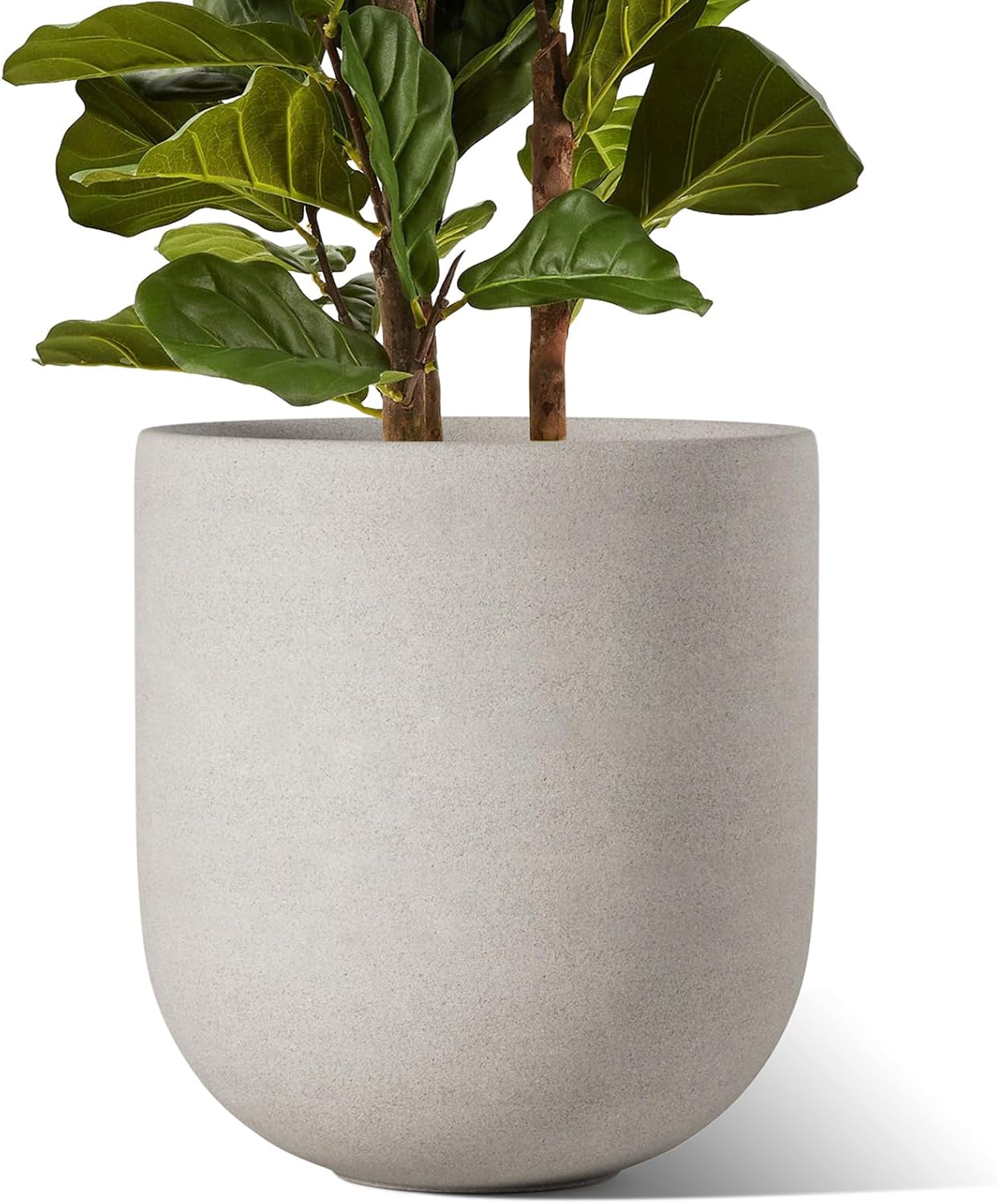
LE TAUCI 12-Inch Ceramic Planter (Neutral Gray)
| Material | Ceramic |
|---|---|
| Finish | Unglazed |
| Capacity | 8.96 liters |
| Included components | Fine-Mesh Drainage Screen, Silicone Drainage Plug |
| Indoor Outdoor Usage | Indoor |
This LE TAUCI 12-inch ceramic planter is built for steady indoor displays of statement plants like monstera or fiddle leaf fig. Its unglazed, textured neutral gray finish gives a concrete-like look while the substantial ceramic construction keeps tall pots from tipping. The planter includes a fine-mesh drainage screen to hold soil back when planting directly and a removable silicone plug so you can use the pot as a nursery-pot cover. Typical use is straightforward: plant directly with the mesh in place and a saucer underneath, or place an 11-inch nursery pot inside and remove it for watering so the outer pot stays tidy. Practical benefits include a roomy inner opening for larger root balls, good stability from the weight, and a neutral finish that fits modern interiors. Expect the usual ceramic limitations though, such as significant weight when filled and susceptibility to chipping if knocked. The product is focused on indoor styling and does not replace frostproof outdoor planters.
Best for: Buyers who prioritize stable, stylish indoor planters for larger houseplants and want a finished pot that supports both direct planting and nursery-pot use.
Less Ideal for: People who need lightweight, portable pots for frequent rearranging or who require frostproof outdoor planters.
- Unglazed ceramic with textured finish that complements modern interiors
- Includes fine-mesh drainage screen and silicone plug for flexible planting methods
- Large inner opening suitable for 11-inch nursery pots and small indoor trees
- Heavy, stable construction that resists tipping with tall plants
- Ceramic weight makes it cumbersome to move once filled
- Not rated for outdoor or freeze-prone use and can chip if dropped
Verdict: A heavy, stylish indoor ceramic planter made for stable displays of larger houseplants and flexible planting options.
Utopia Home Indoor Plant Pots with Drainage, 5‑Pack

| Material Type | Plastic |
|---|---|
| Included Components | Saucers Tray |
| Unit Count | 5 Count |
| Other Special Features of the Product | Frost Resistant, Lightweight, Portable, Rot Resistant |
| Mounting Type | Tabletop |
These Utopia Home planters are a practical starter set for indoor potted trees and other houseplants. The pack includes five nested sizes and matching saucers so you can pot seedlings, small citrus or ficus cuttings and move them around a sunny windowsill or tabletop. Made from reinforced PP plastic, the pots are frost and rot resistant and feel light enough to reposition without strain. Each pot features drainage provisions and removable plugs that help prevent overwatering while the saucers protect furniture from runoff. The minimalist polished finish is unobtrusive with most décor, and the multiple sizes make it easy to repot a sapling as it grows. Limitations are that these are basic plastic planters so they offer less insulation and long-term durability than ceramic or thick fiberstone, and the listed specs emphasize indoor use rather than outdoor longevity in harsh weather. For buyers who prioritize fuss-free, lightweight containers with simple drainage, this set covers common needs for small potted trees and starter transplants.
Best for: Buyers who want a low-risk, practical set of indoor planters for starting or styling small potted trees and other houseplants and who value ease of use and social proof from a popular, well-reviewed product.
Less Ideal for: Gardners seeking heavyweight, display-grade planters for mature large trees or outdoor year-round exposure should consider ceramic, concrete, or fiberstone alternatives.
- Multiple pot sizes in one set for potting and repotting as a tree seedling grows
- Included saucers protect surfaces from drainage and allow indoor placement
- Drainage plugs and design to reduce risk of overwatering
- Lightweight, frost and rot resistant plastic that is easy to move
- Plastic construction provides less thermal insulation and premium appearance than heavier ceramic or stone pots
Verdict: A convenient, well-reviewed five-piece indoor planter set that makes starting and repotting small potted trees simple and low effort.
Amazon Basics 6-inch Plant Pot with Saucer, Matte White

| Size | 6 inch |
|---|---|
| Other Special Features | Drainage Hole, Lightweight |
| Indoor Outdoor Usage | Indoor |
| Brand Name | Amazon Basics |
This Amazon Basics 6-inch plant pot is a straightforward, no-frills planter for indoor houseplants. Made from lightweight recyclable polypropylene, it includes a fitted saucer and drainage holes so excess water can escape and roots get some aeration from the saucer ridges. Its compact 6-inch size makes it easy to place on windowsills, shelves, tabletops, or small patios, and the matte white finish is a neutral base you can paint or leave as-is. The pot is durable enough for routine use and simple to clean, and the included saucer keeps surfaces dry when you water. Expect basic performance rather than premium styling or heavy-duty outdoor weathering; the plastic construction is not meant for prolonged sun or freezing conditions. If you repot frequently or need larger containers, you will quickly outgrow this size. For casual indoor gardeners who want an inexpensive, ready-to-use planter, this delivers reliable function without extras.
Best for: Buyers who need an inexpensive, ready-to-use indoor planter for small houseplants and want a simple, low-maintenance option that fits tight spaces.
Less Ideal for: Gardeners seeking decorative, heavy-duty outdoor pots or those who need larger containers for established plants should look elsewhere.
- Includes matching saucer with ridges to help keep plant roots aerated and protect surfaces
- Built from lightweight recyclable polypropylene for easy handling and cleaning
- Built-in drainage holes reduce risk of overwatering for indoor plants
- Compact 6-inch size fits windowsills, shelves, and small spaces
- Basic plastic construction is not suited for prolonged outdoor exposure to sun or freezing temperatures
- Limited to small plants and will require upgrading for larger specimens
Verdict: An affordable, practical 6-inch indoor planter with drainage and a saucer that suits budget-conscious buyers who need reliable everyday pots.
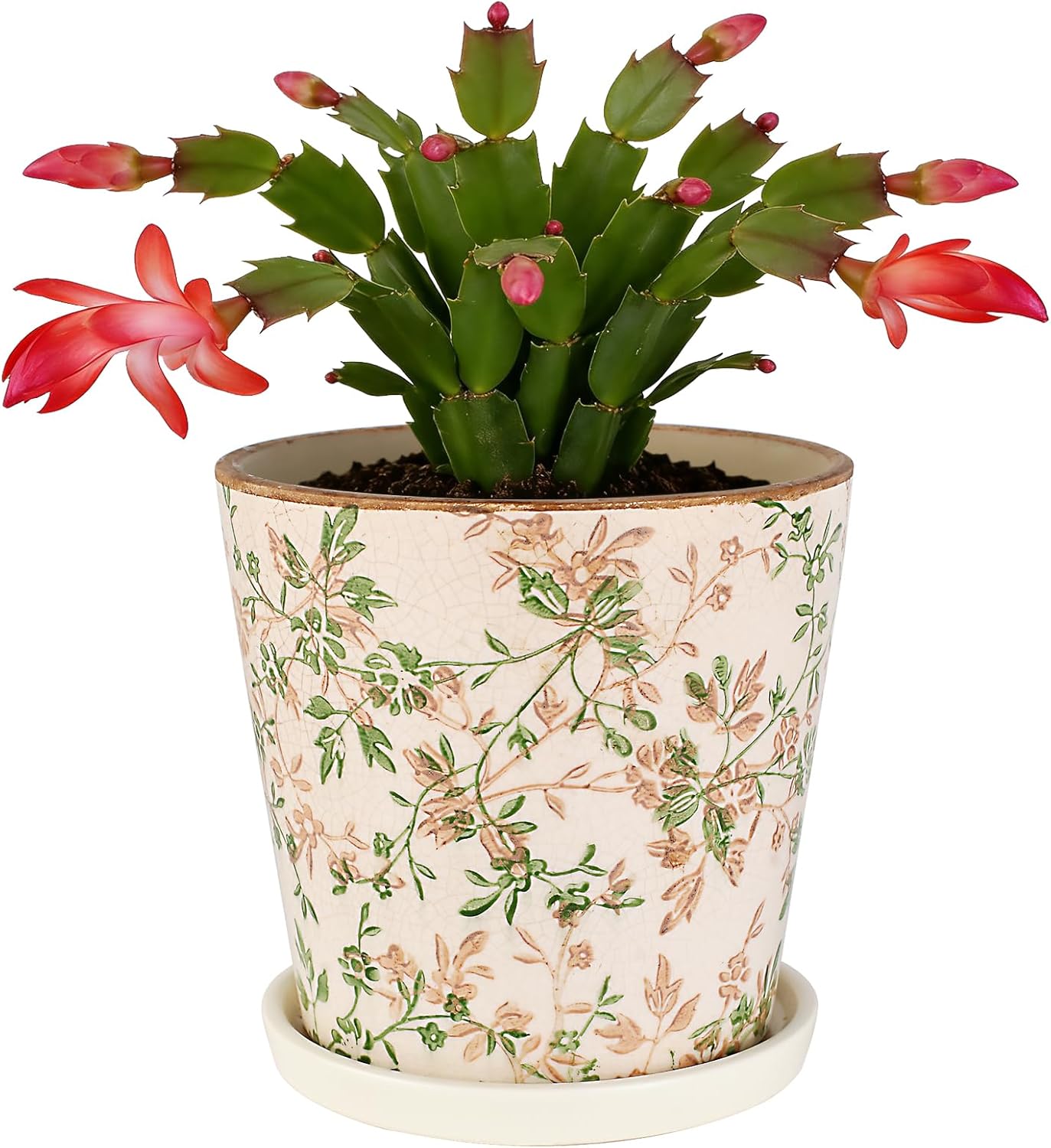
Xoogifae 5.5" Ceramic Plant Pot with Drainage Hole and Saucer
| Material Type | Ceramic |
|---|---|
| Capacity | 0.35 gallons |
| Other Special Features of the Product | Breathable, Drainage Hole, UV Resistant, Weather Resistant |
| Mounting Type | Tabletop |
| Indoor Outdoor Usage | Indoor, Outdoor |
This 5.5-inch Xoogifae ceramic pot is built for everyday plant care where reliable drainage matters. The pot has a predrilled drainage hole and a matching removable saucer so excess water clears quickly and surfaces stay protected, which helps prevent root rot for succulents and small houseplants. The glazed ice-crack finish gives a vintage look while the smooth interior makes repotting and soil changes straightforward. It is made from fired ceramic that resists fading and stands up to normal indoor and outdoor conditions, and the seller includes small mesh pads and a protective base pad to keep soil in place and lift the pot slightly off the saucer for airflow. Because it is a single small planter intended for tabletop display, you should plan watering and potting around the 5.5-inch capacity rather than expecting it to suit larger specimens. If you need a decorative, dependable small planter with practical drainage and a durable glazed finish, this pot performs well for everyday indoor use.
Best for: Buyers who prioritize a trouble-free indoor planter that prevents overwatering and protects furniture while still offering a decorative glazed finish.
Less Ideal for: Gardeners who need larger containers for mature plants or who want unglazed porous pots for frequent outdoor weathering.
- Built-in drainage hole plus removable saucer prevents standing water and protects surfaces
- High-temperature glazed ceramic construction resists fading and is durable for indoor use
- Smooth inner surface eases repotting and soil changes
- Includes mesh pads and protective base pad to reduce soil loss and improve air circulation
- Single 5.5-inch size limits use to small plants and seedlings
Verdict: A small, durable glazed ceramic planter that reliably protects plants from overwatering while keeping surfaces clean.
Root & Vessel Majestic Full Depth Cylinder Pot, 12-Inch, Glossy White

| Capacity | 18.85 liters |
|---|---|
| Material Type | Plastic |
| Finish Types | Glossy Finish |
| Other Special Features of the Product | Drainage Hole, Lightweight, Rust Resistant, UV Resistant, Weather Resistant |
| Indoor Outdoor Usage | Indoor, Outdoor |
The Root & Vessel Majestic Full Depth Cylinder Pot is a simple, modern plastic planter intended for everyday container gardening. It provides a deep planting profile that supports root development and includes a removable snap-on tray so you can protect indoor surfaces or expose drainage holes when using it outdoors. The glossy finish gives a clean, contemporary look while the polypropylene construction keeps the pot lightweight and weather resistant for season-to-season use. Practical benefits include easy repositioning on plant stands or shelves, low maintenance compared with ceramic, and recyclable BPA-free material. Limitations are that it is a basic plastic pot without insulating mass, so soil in hot or cold climates will change temperature more quickly than in heavier pots, and very large plants may need additional support or a larger container. For planting, add a drainage layer or remove the tray outdoors to avoid overwatering and follow species-specific potting advice for best results.
Best for: Buyers who prioritize a practical, low-maintenance planter that looks modern and is easy to move and care for, and who value products with many user reviews for reassurance.
Less Ideal for: Those seeking heavy, decorative ceramic planters that provide thermal mass for temperature stability or collectors wanting handcrafted finishes.
- Deep planting depth supports stronger root growth
- Built-in snap-on tray protects indoor surfaces and can be removed to expose drainage
- Lightweight and easy to move for repositioning or seasonal changes
- Durable, weather and UV resistant plastic suitable for indoor or outdoor use
- Plastic construction offers less thermal insulation than ceramic or terracotta pots
Verdict: A durable, lightweight full-depth planter that combines easy indoor protection with outdoor drainage for reliable everyday container gardening.
Fielda 2-Pack 8-inch Self-Watering Plastic Plant Pots with Tray

| Unit Count | 2 Count |
|---|---|
| Material Type | Plastic |
| Size | 8 inch |
| Other Special Features of the Product | Breathable, Drainage Hole, Portable, Self Watering |
| Indoor Outdoor Usage | Indoor, Outdoor |
These Fielda 8-inch planters are basic, dependable pots aimed at making everyday plant care easier. Each pot includes a lower water reservoir with a cotton-wick self-watering system and a clear water-level window so you can see when to refill. The molded drainage holes and elevated inner base move excess water away from roots while the detachable saucer tray keeps surfaces clean. Made from thicker plastic that the brand says resists cracking and UV fade, the pots are lightweight to move but sturdy enough for patios or shelves. In practical use they suit herbs, small houseplants, succulents, and young pothos that benefit from more consistent moisture between waterings. Limitations to note are the simple plastic finish and modest 8-inch size, which restricts root space for larger or fast-growing plants, and the self-watering wick may require occasional cleaning to prevent clogging. For buyers who prioritize low-maintenance indoor plant care, these pots deliver clear indicators and a spill-free design that reduces daily fuss.
Best for: Someone who wants a low-maintenance, reliable indoor pot that keeps small to medium houseplants evenly moist with minimal daily care and clear visual indicators.
Less Ideal for: Gardeners who need decorative ceramic planters, very large containers, or deep pots for mature, large-rooted plants should look elsewhere.
- Self-watering reservoir with cotton wick reduces watering frequency
- Transparent water-level window for quick visual checks
- Multiple drainage holes plus raised inner base to prevent waterlogging
- Includes detachable saucer tray for clean indoor use
- Durable thick plastic construction suitable for indoor or outdoor placement
- 8-inch size limits suitability for larger or rapidly spreading plants
- Basic plastic finish may not suit buyers seeking decorative ceramic or designer pots
Verdict: Choose these 8-inch Fielda self-watering pots if you want dependable, low-effort indoor planters with a clear water indicator and spill-free tray.
Choosing the Right Indoor Plant Pot with Drainage: Key Factors to Consider
Drainage Effectiveness
How well a pot sheds excess water directly affects root oxygen levels and disease risk. A pot with clear drainage holes and an unobstructed bottom channel prevents water from pooling around the root crown, which is the most common cause of root rot in indoor plants.
Look for hole placement that keeps the root ball above pooled water and consider whether the pot's interior finish allows free flow. Some pots include raised feet or a built-in neck to prevent the soil from sealing off the hole when watered heavily.
Saucer and Reservoir Design
A saucer or built-in reservoir gives you flexibility: emptying it between waterings prevents rewetting the soil, while a small reservoir can provide buffer water for dry spells. The design matters because a shallow saucer will overflow quickly, while a deep reservoir can keep the soil too moist if not managed.
Check whether the saucer detaches for draining and cleaning, and whether it fits the pot securely to avoid spills. Some designs separate the plant from standing water using a raised platform or inner pot, which is useful for plants that need quick drainage but occasional moisture access.
Material and Finish
Pot materials behave differently indoors. Terracotta breathes and helps wick moisture, which can reduce overwatering, but it also absorbs salts and may stain floors. Glazed ceramics resist staining and are easier to wipe clean, but glazed pots can hold more moisture and slow evaporation.
Plastic and resin options are lightweight and shatterproof, making them good for large containers or hanging setups. Consider whether the material suits your watering frequency and the humidity of the room where the plant will live.
Size and Root Space
Choosing the right pot size is about root health and watering control. A pot too large for the plant retains more soil moisture than the roots can use, increasing sogginess between waterings. A pot too small restricts root growth and dries out fast.
Match pot diameter and depth to your plant's root habit. Shallow-rooted species do better in wider, shallower pots, while plants with deep roots need taller containers to avoid root binding.
Repotting and Maintenance Convenience
Practical details like pot weight, interior lip shape, and whether an inner liner or removable insert exists affect how easy it is to repot and clean. Heavy clay pots are stable but hard to lift when full, while lightweight inserts let you move a planted container without disturbing roots.
Also consider how easy it is to access and clean drainage holes to prevent blockage from compacted soil or roots. Removable saucers and smooth interior finishes speed routine maintenance and reduce the chance of mineral buildup.
Matching Drainage to Plant Water Needs
Different houseplants require different moisture regimes, so match the pot's drainage behavior to the species. For plants that prefer quick drying, like many succulents and cacti, choose pots with large, unobstructed drainage and breathable materials that encourage evaporation. For tropical foliage plants that tolerate slightly more consistent moisture, a pot with a moderate reservoir or a saucer you can monitor works well.
Pay attention to how quickly the pot's soil surface dries after watering in your home's light and temperature conditions. That reading is often more informative than generic advice because indoor microclimates vary a lot between bathrooms, kitchens, and living rooms.
- Succulents: prioritize fast drainage and minimal reservoir capacity
- Tropical foliage: moderate drainage with accessible saucer
- Seedlings and cuttings: use shallow pots with good drainage to prevent damping off
Indoor Placement and Floor Protection
Drainage choices affect placement. Pots that release water into a saucer risk spills if placed on soft surfaces like rugs or untreated wood. Use a waterproof tray or plant stand with a catchment if you place pots on sensitive flooring.
Elevated pot stands can improve airflow under the pot and reduce condensation transfer to surfaces. Pick a pot and saucer combination that keeps excess water contained and easy to empty.
- Use waterproof mats under saucers on wooden floors
- Elevate heavy pots to protect surfaces and encourage airflow
Indoor Aesthetics Versus Function
Stylish pots can still perform, but decorative outer containers without drainage need either an inner liner with holes or careful watering practices. If you prefer a decorative cachepot, leave the plant in a functional inner pot with drainage and remove it for watering, or add a protective liner to keep the decorative outer pot dry.
Consider how visible the saucer is. Integrated saucers or matching trays can keep the look tidy, while utilitarian trays are easier to empty but less attractive.
- Use inner pots for decorative cachepots
- Choose matching saucers for a cleaner aesthetic that still manages water
Cleaning, Mineral Buildup, and Longevity
Indoor watering often leaves mineral deposits on plastic and terracotta over time. Smooth glazed finishes are easiest to wipe, while unglazed clay may require soaking and scrubbing to remove salts. Regular cleaning prevents blocked drainage holes and reduces the chance of fungal growth.
Pick pots with accessible holes and detachable saucers to make maintenance quick. If you use hard water, rinsing the saucer after each watering or using filtered water for sensitive plants will reduce buildup.
- Wipe saucers and rims weekly in humid rooms
- Soak unglazed pots in water and vinegar to reduce mineral stains
Sizing Strategy for Growth and Repotting Schedules
Plan pot sizes to allow one to two years of growth before repotting for many common houseplants. Choosing a neutral size that fits available light and a stable base helps avoid frequent repotting and reduces stress on plants.
When in doubt, pick a pot slightly larger than the current root ball rather than vastly oversized. That helps maintain sensible moisture dynamics and makes future repotting more manageable.
- Aim for 1-2 inches larger diameter for small to medium plants
- Avoid oversized pots for young plants to prevent prolonged wet soil
How We Chose the Best Indoor Plant Pot with Drainage
We focused on attributes that actually affect plant health and daily care. Key evaluation points included drainage performance, which measures how easily excess water exits the container and whether the design prevents standing water at roots; material durability, covering resistance to cracking, mineral staining, and suitability for indoor humidity; saucer and reservoir design, assessing whether the pot allows temporary water storage without rewetting the root ball; size and root space options to match common houseplant types; and maintenance and repotting convenience, which looks at weight, interior finish, and whether the pot is easy to clean. Filters excluded decorative-only containers lacking functional drainage or pots with unsealed materials that leach contaminants. We also excluded designs that make routine care awkward, such as pots without accessible saucers or those that require invasive disassembly to water. The result is a list that privileges practical drainage behavior, durable indoor-safe materials, and straightforward upkeep.
FAQ
Do all indoor plant pots need drainage?
Most do, because drainage prevents water from sitting at the root zone and reduces root rot risk. In decorative cachepots without drainage, keep the plant in a separate inner pot with holes or remove the plant to water and let it drain before returning it to the outer container.
How can I tell if my pot's drainage is blocked?
Water pooling on the soil surface after pouring, slow percolation, or water staying in the saucer long after watering are signs of blockage. Remove the plant if possible and check holes for compacted soil or root matting, then clear gently with a stick or rinse to restore flow.
Is terracotta better than glazed ceramic for drainage?
Terracotta wicks moisture and can help soil dry faster, which benefits plants prone to overwatering. Glazed ceramic holds moisture longer and resists staining. The best choice depends on your watering frequency and the plant's moisture preference.
Can I add holes to a pot that lacks drainage?
Sometimes you can add holes to hard plastic or unglazed ceramic, but drilling glazed porcelain or thin ceramics risks cracking. For fragile materials, using an inner pot with drainage or creating a well-draining soil mix is safer.
How often should I empty a saucer or reservoir?
Empty saucers within 24 hours after watering in most indoor conditions to avoid rewetting the root ball. For plants that tolerate more moisture, you can leave a small reservoir, but monitor soil moisture and adjust frequency based on plant response.
Final Verdict
When choosing an indoor plant pot with drainage, prioritize how the design handles excess water and how the material suits your home environment. Drainage effectiveness, saucer or reservoir behavior, and material finish will determine how often you need to monitor and maintain the pot. Balance pot size so the roots have room to grow without trapping unnecessary moisture. With those priorities in mind you can select a pot that keeps plants healthy while fitting your indoor style and care routine.
