

Note: This article contains affiliate links. If you click on these links and make a purchase, I may earn a small commission at no extra cost to you. This helps support my research and content. Read my full affiliate disclosure here.
Picking the right plants for an indoor terrarium matters more than you might expect. Small glass ecosystems concentrate humidity and restrict root space, so plant choices determine long-term health, maintenance frequency, and visual balance. This guide covers six carefully shortlisted indoor terrarium plants that work well in confined, humid displays and explains the practical factors gardeners should weigh before planting. You will find clear guidance on humidity tolerance, light needs, growth habit, and care routines alongside the top picks. Use the evaluation criteria to match a plant to your terrarium size and the conditions you can maintain.
Top Picks at a Glance
| Best Overall The best all-around choice for most situations | Optiflora Mini Terrarium Plants (6-Pack, 2" Pots) |  |
| Best Quality Built to a higher standard if you want something more solid | Altman Plants 20-Pack Live Succulent Assortment (2" Pots) |  |
| Best Value The sweet spot between price and what you get | Shop Succulents Assorted Live Air Plants 4-Pack |  |
| Best Budget The cheapest option that still gets the job done reliably | Sprout N Green Live Assorted Succulents 5-Pack in 2" Starter Pots |  |
| Highest Rated A top-rated pick with lots of positive feedback | Hirt's Terrarium Kit with 8 Live Plants |  |
| Best Seller A high-volume bestseller chosen again and again | Plants for Pets Pothos 4-Pack (4" Assorted) |  |
Optiflora Mini Terrarium Plants (6-Pack, 2" Pots)

| Indoor Outdoor Usage | Indoor |
|---|---|
| Other Special Features of the Product | High Humidity Tolerant, Low Maintenance, Pest Resistant |
| Sunlight Exposure | Partial Shade |
| Moisture Needs | Moderate Watering |
| Unit Count | 6 Count |
These Optiflora mini terrarium plants are a set of six different small varieties sold in 2-inch pots and intended for closed or open terrariums. They are greenhouse-grown and presented as easy-care, humidity-loving plants that prefer indirect or shaded light and consistently damp soil. Typical use is placing them inside a closed glass container or a fairy garden where low light and high humidity are maintained; trim back growth to keep them compact or let them establish slightly larger forms. Notable features include clear care guidance to keep the soil damp, compatibility with sandy potting mixes, and pest-resistant, low-maintenance varieties that suit beginners. Because they come as assorted varieties, ordering multiple packs increases diversity in a single terrarium. Limitations are that the plants are tiny and will need careful moisture monitoring in small closed systems to avoid rot, and exact varieties are not specified so you may get different foliage types than pictured.
Best for: Buyers who want a reliable, low-maintenance set of small plants specifically for creating or replenishing closed terrariums and value easy-care, humidity-tolerant stock.
Less Ideal for: Gardeners seeking named specimen plants, large decorative foliage, or instant mature displays should look for larger, identified plants instead.
- Six different mini plants provide immediate variety for a small terrarium
- Grown for high humidity and low light so they suit closed terrarium conditions
- Sold in 2" pots that make planting into a terrarium straightforward
- Labeled low maintenance with pest resistance and simple watering instructions
- Specific plant varieties are not listed so exact foliage types may vary
- Small size means they will need attention to moisture levels to prevent rot
Verdict: A dependable, low-light, high-humidity plant pack that makes assembling a closed terrarium quick and low-effort.
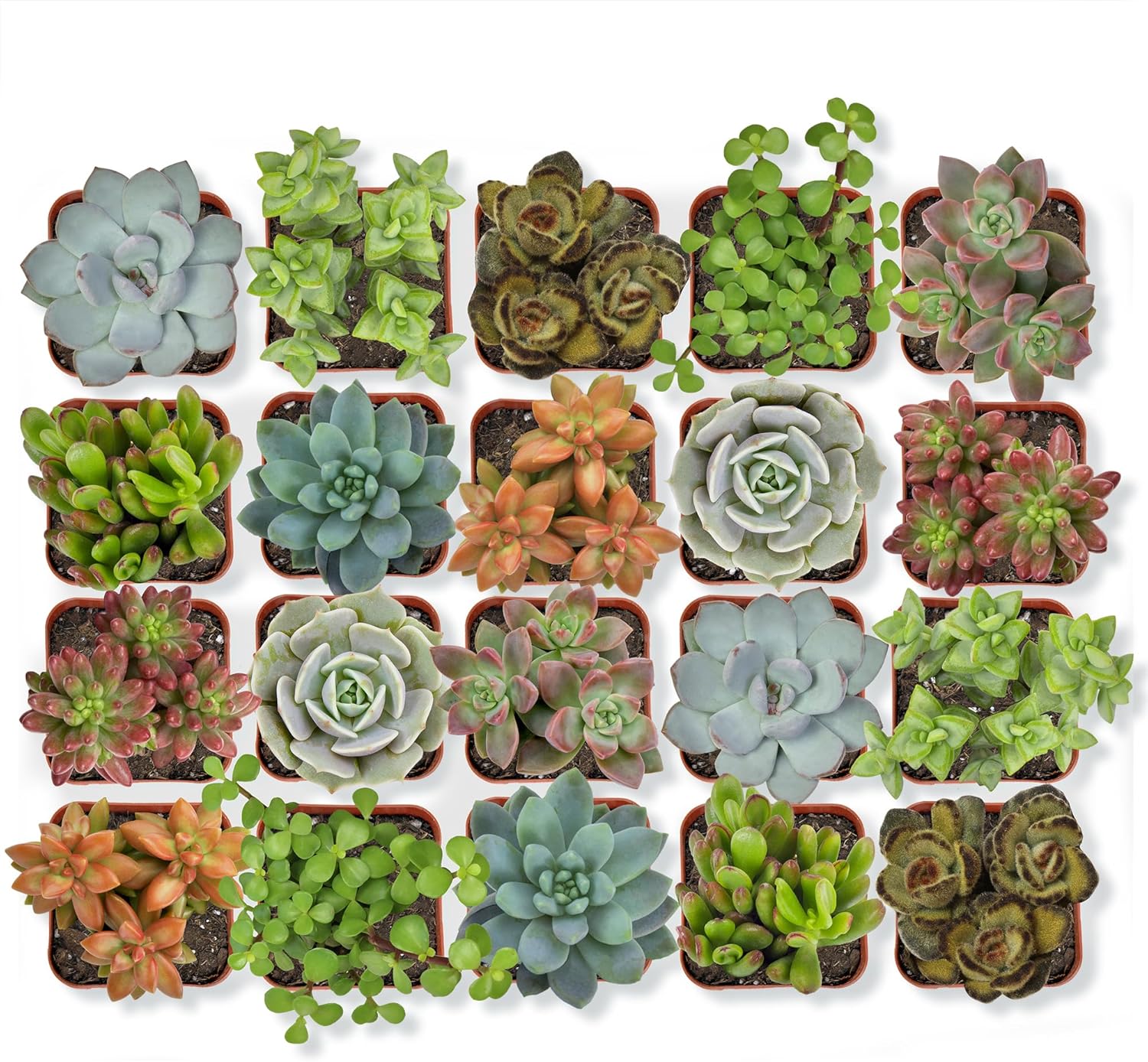
Altman Plants 20-Pack Live Succulent Assortment (2" Pots)
| Indoor Outdoor Usage | Indoor, Outdoor |
|---|---|
| Moisture Needs | Little To No Watering |
| Sunlight Exposure | Full Sun |
| USDA Hardiness Zone | 5 |
This 20-pack from Altman Plants delivers a varied selection of 2" succulents intended for starting container displays, terrariums, or gifting. Each pack contains ten paired varieties such as Echeveria, Crassula, Sedum and others, so you get color and texture variety without sourcing plants individually. The plants are grown to be drought tolerant and prefer bright light and sandy, well-draining media, which makes them easy to place in small pots or mixed container gardens. Practical benefits include low watering needs, year-round interest, and visibly healthy nursery-rooted stock suited to DIY arrangements. Limitations to note are the small nursery pot size, so plan to pot up into larger containers for long-term growth, and full sun preferences mean some indoor spots may require very bright light or supplemental light. For container projects these give a quick, coordinated start but expect to replant or group them for mature displays.
Best for: Buyers who want a reliable, low-maintenance way to start multiple container displays or DIY succulent projects and who value visible social proof that the mix performs well for other gardeners.
Less Ideal for: Gardeners seeking mature, display-size specimens or those who need plants for consistently low-light indoor spots should consider larger, sun-tolerant varieties or shade-adapted houseplants instead.
- Twenty individually potted succulents provide immediate variety for mixed container arrangements
- Pairs of ten different varieties make it easy to create balanced, symmetrical plantings
- Low watering needs and drought tolerance reduce maintenance for container growers
- Suitable for both indoor and outdoor container use when given bright light
- Plants come in 2" nursery pots and will need repotting for sustained growth
- Many varieties prefer full sun, which can limit bright indoor placement options
Verdict: A convenient, low-maintenance 20-pack that gets container succulent projects started quickly with a variety of ready-to-pot plants.
Shop Succulents Assorted Live Air Plants 4-Pack

| Indoor Outdoor Usage | Indoor |
|---|---|
| Expected Blooming Period | Summer |
| Sunlight Exposure | Partial Sun |
| Moisture Needs | Moderate Watering |
| Unit Count | 4 Count |
This 4-pack of assorted air plants delivers an easy, low-maintenance way to stock a terrarium or small indoor display. The bundle contains four different Tillandsia species chosen at shipment so sizes and shapes vary, which makes it useful for layered or mixed arrangements. Care is straightforward: mist every 1–2 days or soak for 20–60 minutes weekly and allow to drain, and give bright indirect light rather than direct sun. Because they absorb water through their leaves there is no potting soil required, so they work well attached to wood, shells, or decorative substrates inside closed or open terrariums. Practical benefits include instant visual variety, minimal ongoing cost for supplies, and compatibility with creative displays. Limitations are that individual plants vary by season and selection, so you may not get specific species pictured and small plants can be more sensitive to overwatering or prolonged low light compared with larger houseplants.
Best for: Buyers who want an inexpensive, low-effort way to populate terrariums or small indoor displays with varied, no-soil plants and who prefer ready-to-use mixes over selecting individual species.
Less Ideal for: People who need specific named Tillandsia species for collection purposes or those seeking large, long-established specimen plants for focal displays.
- No soil required so they are simple to place in terrariums or mounted displays
- Low routine care: misting or short weekly soaks keep them healthy
- Assorted species provide immediate visual variety for arrangements
- Compact 4-pack is convenient for decorating multiple small displays
- Assortment means specific species or exact appearance is not guaranteed
- Smaller air plants can be more sensitive to low light and improper watering
Verdict: An affordable, ready-to-decorate 4-pack of air plants that makes adding low-maintenance, soil-free greenery to terrariums quick and easy.
Sprout N Green Live Assorted Succulents 5-Pack in 2" Starter Pots

| Indoor Outdoor Usage | Indoor, Outdoor |
|---|---|
| Other Special Features of the Product | Drought Tolerant, Low Maintenance |
| Sunlight Exposure | Partial Shade |
| Soil Type | Succulent & Cacti Soil Mix |
| USDA Hardiness Zone | 9a-11b |
These Sprout N Green succulents are a practical starter set for anyone wanting low-effort houseplants or small outdoor accents. The pack contains five assorted small succulents in 2-inch nursery pots with a soil mix suited for succulents and cacti. They are intended for partial shade and moderate watering, and the product guidance emphasizes watering only when the soil is dry and using fast-draining gritty mix for longer-term growth. Typical uses include windowsill displays, terrariums, tabletop arrangements, favors for events, and DIY potting projects. Strengths are their drought tolerance and minimal care needs, which make them easy to keep healthy with occasional watering and indirect light. Limitations are the small nursery-pot size on arrival, so you should plan to repot into larger containers or group them for lasting growth, and the assortment means you may not receive specific named varieties. For a buyer focused on efficient, functional plants these succulents offer quick decorative impact with straightforward care, but real long-term development requires repotting and brighter light or seasonal outdoor exposure.
Best for: Someone who wants easy-care, space-efficient plants for home decor, small container gardens, or event favors and prefers quick, low-maintenance greenery over named collector varieties.
Less Ideal for: Gardeners seeking mature specimen plants, large displays, or exact cultivar selection should look for larger, named plants or nursery stock instead.
- Comes with five assorted live succulents ready in nursery pots for immediate display or gifting
- Low maintenance and drought tolerant so they require only infrequent watering
- Supplied with a succulent and cacti soil mix recommendation for better drainage and root health
- Versatile for indoor or sheltered outdoor use and suitable for terrariums, windowsills, or small planters
- Plants arrive in small 2-inch nursery pots and will need repotting for long-term growth
- Assortment means buyers cannot choose specific varieties and may receive duplicates
Verdict: A convenient five-pack of hardy, low-maintenance succulents that gives immediate decorative greenery with minimal care required.
Hirt's Terrarium Kit with 8 Live Plants

| Included Components | Charcoal, natural potting soil, sheet moss, decorative mulch, reindeer moss, Spanish moss, instruction sheet, 8 plants in 2" pots |
|---|---|
| Number of Items | 8 |
| Vivarium Type | Terrarium |
| Additional Features | Lightweight |
This Hirt's terrarium kit supplies everything needed to assemble a small decorative terrarium or fairy garden. The kit includes activated charcoal, natural potting soil, sheet moss and decorative mulches plus eight live plants each grown in 2" pots and an instruction sheet, so setup is straightforward for first-timers. The inclusion of charcoal and potting mix supports healthier root conditions and helps control odors and excess moisture in a closed container, while the variety of mosses and decorative mulch makes the finished display look polished without extra trips to the garden center. Because plant varieties vary by season and the plants arrive small, you should expect a short establishment period and occasional replacement if a particular variety is less robust. This is best for indoor hobbyists who want a ready-made starter set rather than sourcing individual components or mature specimens.
Best for: Buyers who want a reliable, all-in-one starter kit that simplifies building an attractive small terrarium with minimal sourcing and prep.
Less Ideal for: Experienced terrarium makers seeking mature specimen plants or exact species selection should look for individual plants and higher-grade components instead.
- Complete kit includes charcoal, potting soil, sheet moss and decorative materials so you can build a terrarium from start to finish
- Eight live plants supplied in 2" pots provide immediate green material and variety for a small display
- Instruction sheet makes setup approachable for beginners
- Supplies suitable for both open and closed terrarium styles
- Plant varieties are seasonal and may vary so you may not receive specific species listed
- Plants arrive small in 2" pots and will need time and basic care to establish
Verdict: A convenient, all-in-one starter kit that reliably gets beginners building an attractive small terrarium with minimal fuss.
Plants for Pets Pothos 4-Pack (4" Assorted)

| Indoor Outdoor Usage | Indoor |
|---|---|
| Other Special Features of the Product | Air Purification |
| Sunlight Exposure | Full Sun |
| Moisture Needs | Regular Watering |
| USDA Hardiness Zone | 3 |
This four-pack delivers beginner-friendly pothos varieties that suit low-light rooms and simple indoor care routines. Each plant comes rooted in a 4" nursery pot and the assortment rotates between familiar types such as Marble Queen, Golden, Neon, and Satin, so you get visual variety without extra effort. Pothos are typically grown in hanging planters, on shelves, or trained up a support; they prefer bright, indirect light but tolerate lower light levels that many apartments and offices have. The listing emphasizes air-purifying benefits and gives clear care guidance: allow the soil to dry between waterings and keep temperatures above about 60 F. Practical strengths are resilience, fast trailing growth for a lush look, and compatibility with common indoor spots like living rooms, kitchens, or bathrooms. Limitations are that you may receive different varieties than pictured and plants arrive in small 4" pots, so plan to repot sooner if you want bigger specimens or longer-term display without frequent watering.
Best for: Buyers who want low-maintenance greenery for indoor spaces and prefer reliable, easy-to-care-for plants that tolerate lower light and occasional neglect.
Less Ideal for: Growers seeking large, mature plants ready for instant statement displays or those who want guaranteed, specific rare varieties.
- Easy to grow and tolerant of low to bright indirect light
- Four different varieties provide visual variety in one purchase
- Ships in small nursery pots that establish quickly and are ready for hanging or shelving displays
- Listed care guidance is straightforward for first-time plant owners
- Arrives in 4" pots so plants may need repotting soon for faster growth or long-term display
- Specific varieties are not guaranteed and assortment can vary
Verdict: A simple, low-maintenance way to add trailing, low-light-friendly pothos to your home with minimal fuss.
Choosing the Right Indoor Terrarium Plants: Key Factors to Consider
Humidity Tolerance
A terrarium concentrates moisture, especially if it is closed or nearly closed. Choose plants that comfortably handle constant high humidity without developing rot or leaf spot. Species adapted to understory or tropical microhabitats are often reliable because they evolved with steady moisture and lower evaporation.
Poor humidity tolerance leads to yellowing leaves, limp growth, and fungal issues. Consider whether you plan to keep the terrarium sealed most of the time or open it frequently, because that affects acceptable tolerances.
Light Requirements
Glass diffuses and limits light, and many terrariums sit indoors away from strong direct sun. Plants that do well in low to medium indirect light are the most versatile. Understand the light level where you will place the terrarium and match species to that range to avoid stretched, leggy growth or scorched foliage.
If you expect to place the terrarium on a shelf or in a north-facing room, favor shade-tolerant plants. For brighter locations, pick species that tolerate stronger indirect light but avoid varieties that need long hours of direct sun.
Size and Growth Habit
Terrariums are limited in horizontal and vertical space. Select plants with naturally compact growth or slow habits to prevent overcrowding. Consider mature size and whether a plant spreads via runners, rosettes, or upright stems, so you can plan layout and grouping.
Plants that become oversized in months will demand frequent pruning or repotting. Choose a mix of heights and forms to create a balanced miniature landscape while leaving room for air circulation.
Root Volume and Container Compatibility
Terrarium soil depth is shallow compared with typical pots, so plants with shallow, fibrous roots are preferable. Bulbous or taprooted plants may struggle in tight, shallow substrates. Think about how much root space the container provides and whether the chosen species will be stable and comfortable in that depth.
Shallow-rooted species also make it easier to refresh substrate or to move plants for propagation without disturbing the whole arrangement.
Maintenance Needs
Some terrarium plants require only occasional trimming and misting, while others need regular pruning, pest checks, or substrate refreshes. Evaluate how often you can tend the terrarium and choose plants whose maintenance rhythm fits your schedule.
Low-maintenance choices reduce the chance of problems in a sealed microclimate. Conversely, if you enjoy regular care and styling, you can include species that reward more active upkeep.
Propagation and Replacement
Terrarium compositions evolve, and being able to propagate from cuttings or offsets keeps a display looking fresh without sourcing new specimens. Plants that root readily from stem cuttings or produce pups let you manage crowding and replace individuals as needed.
Easy propagation also helps recover a terrarium after disease or pest outbreaks by allowing selective replacement rather than complete replanting.
Setting Up a Terrarium Substrate
A layered substrate keeps moisture balanced and prevents root rot. Start with a drainage layer such as small pebbles or expanded clay to give excess water somewhere to collect away from roots. Add a thin barrier, for example horticultural charcoal or a breathable fabric, to reduce soil migration into the drainage layer and to help control odors.
Use a light, well-draining potting mix suited to the selected plants. Too dense a mix holds water and invites rot. For many terrarium plants, blending standard potting soil with coarse sand, orchid bark, or perlite creates the right texture and air space.
Top the soil with decorative moss or leaf litter if you want a finished look. That layer also slows evaporation slightly and helps the miniature landscape feel cohesive.
- Drainage layer depth should match container size, typically 1 to 2 inches for small terrariums
- Charcoal reduces odors and is especially useful in closed containers
- Avoid heavy garden loam or clay-based mixes in enclosed environments
Managing Light and Placement
Choose a spot with bright, indirect light for most terrarium plants. East- or west-facing windows filtered by a sheer curtain are often ideal. Avoid placing glass containers in direct midday sun; the greenhouse effect can overheat and scorch leaves quickly.
If natural light is limited, supplement with a full-spectrum LED placed a short distance away and run on a timer to mimic day length. Position plants with different light preferences accordingly within the terrarium, rotating the container occasionally for even growth.
- Watch for condensation patterns: constant heavy condensation may signal light or ventilation imbalance
- Rotate the terrarium a quarter turn every few weeks to prevent leaning growth
Watering and Ventilation Strategies
Closed terrariums typically need far less watering than open containers because water recirculates. Water sparingly, using a spray bottle or a small funnel to avoid over-saturating the soil. Allow surfaces to dry slightly between light mistings in most setups.
Regularly check for signs of mold, algae, or persistent dripping. If these appear, increase ventilation by leaving the lid partially ajar for a day or two or scheduled airing sessions. Good airflow reduces fungal risks while still letting plants benefit from higher humidity.
- Use distilled or rainwater if your tap water is very hard
- For open terrariums, water more frequently but in smaller amounts to avoid soggy soil
Design Principles for Small Plant Groupings
Think in layers and focal points. Place a taller specimen toward the back or center and surround it with lower-growing textures for contrast. Use color, leaf shape, and scale to create depth in a tiny space.
Limit the number of species to avoid competing growth habits and to simplify maintenance. Group plants with similar light and humidity preferences to minimize microclimate conflicts.
- Include at least one groundcover or moss to anchor the composition
- Leave breathing space between plants to maintain airflow and reduce decay
Troubleshooting Common Issues
Yellowing leaves often indicate overwatering or poor drainage. Trim affected foliage and adjust the watering schedule or substrate if necessary. Removing a small portion of soil and letting the substrate dry can help recover a plant before rot sets in.
Leggy growth signals insufficient light. Move the terrarium to a brighter spot or supplement with a grow light and prune to encourage compact form. For fungal patches or persistent mold, increase airflow and remove contaminated material promptly.
- Isolate plants showing obvious disease to prevent spread
- Small pest outbreaks can be peeled off or treated with targeted, low-toxicity methods
How We Chose the Best Indoor Terrarium Plants
We prioritized traits that actually affect success inside closed or open terrariums rather than broad popularity. Each plant was evaluated for humidity tolerance, compact growth habit, light flexibility, and care demands because terrarium microclimates concentrate moisture, limit root volume, and constrain airflow. We also considered propagation ease so gardeners can refresh displays without replacing the entire planting. Practical exclusions included plants that grow aggressively, require deep pots, or demand bright direct sun typical of outdoor conditions. Plants needing frequent repotting, heavy fertilization, or that are toxic to common household pets were de-prioritized for most home terrarium setups. The final short list reflects species that stay compact, tolerate the higher ambient humidity of closed containers, show predictable growth patterns in low to medium light, and can be maintained by typical home gardeners. We focused on objective, repeatable dimensions rather than brand-led claims or anecdotal one-off success stories.
FAQ
Can any indoor plant be used in a terrarium?
Not every indoor plant is suitable. Ideal terrarium species tolerate high humidity, have compact growth, and do not require deep root space. Plants that need full sun, large root volumes, or frequent repotting usually perform poorly in enclosed glass containers.
How often should a closed terrarium be watered?
Closed terrariums often need watering only every few months, depending on size and plant load. Monitor condensation and soil moisture; if you see constant heavy dripping or standing water, hold off on watering and increase ventilation until conditions stabilize.
Is it better to use a sealed or open terrarium?
It depends on the plants and the environment. Sealed terrariums are excellent for humidity-loving, shade-tolerant plants and require less frequent watering. Open terrariums suit plants that like drier air or need more airflow. Match container style to plant needs and your ability to manage humidity.
How do I prevent mold and algae in a terrarium?
Preventive steps include using a clean container, a thin drainage layer with charcoal, a well-draining soil mix, and avoiding overwatering. Improve ventilation if mold appears and remove visibly affected material. Choosing plants that do not shed excessive foliage into the soil also helps.
Can I use household tap water in a terrarium?
Tap water is often fine but can cause mineral buildup in small, enclosed systems if it is very hard. When possible, use rainwater, distilled water, or let tap water sit to allow chlorine to dissipate. Monitor for crusty deposits on soil or glass as a sign to switch sources.
Final Verdict
Focus on matching plant humidity and light needs to your container and placement. Prioritize compact species with shallow roots and predictable growth habits to minimize maintenance and avoid frequent replanting. Balance the visual composition with practical choices so the terrarium stays healthy with the care rhythm you can maintain. By weighing humidity tolerance, light flexibility, growth habit, and maintenance frequency you will choose indoor terrarium plants that create a lasting miniature landscape rather than a short-lived display.
