

Note: This article contains affiliate links. If you click on these links and make a purchase, I may earn a small commission at no extra cost to you. This helps support my research and content. Read my full affiliate disclosure here.
When pests chew foliage or bore into buds, flowers lose color and vigor fast. Choosing the right insecticide for flowers matters because you need effective pest control without harming blooms, beneficial insects, or fragrance. This guide covers six shortlisted insecticides suited to flower beds, containers, and mixed borders, with practical notes on application timing, bloom safety, and pollinator considerations. We evaluated each option for how well it controls common flower pests, how gentle it is on blossoms and beneficials, and the typical user effort required. Read on for concise, gardener-focused guidance that helps you pick an approach that fits your planting style and pest situation.
Top Picks at a Glance
| Best Overall The best all-around choice for most situations | BioAdvanced All-in-One Rose & Flower Plant Care Spray, 24 fl oz | 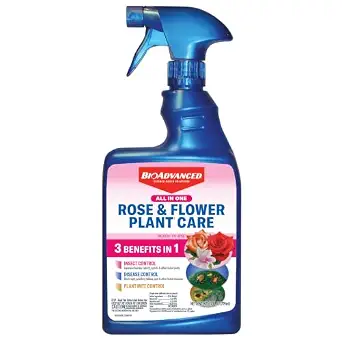 |
| Best Quality Built to a higher standard if you want something more solid | BioAdvanced All‑In‑One Rose & Flower Care Concentrate (64 oz) |  |
| Best Value The sweet spot between price and what you get | BioAdvanced 3-in-1 Insect, Disease & Mite Control Spray, 24 fl oz |  |
| Best Budget The cheapest option that still gets the job done reliably | BioAdvanced Rose & Flower Insect Killer Spray, 24 oz |  |
| Highest Rated A top-rated pick with lots of positive feedback | BioAdvanced All-in-One Rose & Flower Care Granules, 64 oz |  |
| Most Popular A crowd favorite that many people choose with confidence | Bonide Captain Jack's Ready-to-Use Neem Oil Spray, 32 oz |  |
BioAdvanced All-in-One Rose & Flower Plant Care Spray, 24 fl oz

| Unit Count | 24 Fluid Ounces |
|---|---|
| Item Form | Liquid |
| Target Species | Fungus |
| Included Components | CARE ROSE&FLOWER RTU 3IN1 24OZ |
This ready-to-use BioAdvanced spray delivers three actions in one bottle: it kills listed insects on contact, controls common fungal diseases, and tackles spider mites while leaving a protective residue that lasts up to 14 days. You use it like a normal garden spray—apply to rose bushes, ornamentals, vines, shrubs, and similar plants when pollinators are not present. The product lists active ingredients (bifenthrin and myclobutanil) and is formulated to be rainproof within about four hours, so it holds up in typical garden conditions. Practical benefits include saving time by combining insect, disease, and mite control in a single application and being convenient as a ready-to-spray bottle. Important limitations are that it targets only the listed pests and diseases, must be used with pollinator safety in mind, and contains synthetic active ingredients that some gardeners prefer to avoid. Follow label directions and safety guidance for effective and responsible use.
Best for: Gardeners who want a simple, time-saving solution to keep roses and ornamental flowers healthy without mixing concentrates and who prioritize broad, short-term protection.
Less Ideal for: Growers seeking strictly organic or pollinator-safe products or those who need treatment for pests or diseases not listed on the label should look elsewhere.
- Three-in-one formula combines insecticide, fungicide, and miticide for fewer separate treatments
- Ready-to-use spray is convenient for spot and whole-plant applications
- Rainproof within about four hours and provides protection up to 14 days
- Kills listed pests on contact for fast visible results
- Active ingredients are synthetic and may be undesirable for organic gardeners
- Protection only covers pests and diseases specifically listed on the label
Verdict: Choose this ready-to-use spray if you want a convenient, single-product solution to kill common rose pests, control fungal diseases, and suppress mites with up to two weeks of protection.
BioAdvanced All‑In‑One Rose & Flower Care Concentrate (64 oz)

| Unit Count | 64 Fluid Ounces |
|---|---|
| Included Components | Concentrate |
| Item Type Name | Insect Killer, and Fungicide |
| Active Ingredients | Imidacloprid,Tebuconazole |
| Specification Met | EPA |
This BioAdvanced concentrate combines fertilizer, insect control, and fungicide into one product intended for roses and many ornamental flowers. You mix the concentrate into water and pour it around the root zone so the plant takes up nutrients and systemic actives instead of spraying foliage. Key features are a feed that promotes stronger roots and bigger blooms and systemic disease control that protects against black spot, powdery mildew, rust and other listed diseases for up to six weeks. The formula also contains an insecticide effective on aphids, Japanese beetles and similar pests. In practice it simplifies maintenance for gardeners who prefer root applications over repeated foliar sprays and offers rainproof, longer‑lasting protection. Important limitations are that it contains imidacloprid and tebuconazole, so it is not appropriate where that chemistry is restricted and it is not labeled for sale in several states; follow label directions carefully for timing and plant types. This product is best used as a preventive program item for established roses and ornamentals rather than a quick fix for severe existing infestations or when organic-only inputs are required.
Best for: Gardeners who want a low‑effort preventive solution to feed roses and ornamentals while reducing common fungal diseases and insect pests with fewer applications.
Less Ideal for: Growers who require strictly organic-approved products, those needing instant foliar knockdown, or gardeners in states where these actives are restricted.
- Three functions in one bottle: fertilizer, insect control, and disease protection for simpler maintenance.
- Systemic formula that is rainproof and provides protection for up to six weeks.
- Targets common rose and flower problems including black spot, powdery mildew, aphids, and Japanese beetles.
- Contains synthetic active ingredients (imidacloprid and tebuconazole) that are restricted in some jurisdictions.
- Not intended as an immediate knockdown spray for severe, established infestations.
Verdict: Buy this if you want one convenient, systemic product that feeds roses and provides multi‑week protection against common fungal diseases and pests.
BioAdvanced 3-in-1 Insect, Disease & Mite Control Spray, 24 fl oz

| Unit Count | 24 Fluid Ounces |
|---|---|
| Item Form | Spray |
| Liquid Volume | 24 fluid ounces |
| Active Ingredients | 0.012% Imidacloprid, 0.014% Tau-fluvalinate, 0.015% Tebuconazole |
| Specification Met | EPA |
This ready-to-use BioAdvanced 3-in-1 spray combines an insecticide, miticide, and fungicide for broad protection on ornamental plants, including orchids listed among similar use sites. It is applied with a trigger sprayer to foliage and blooms, killing aphids, caterpillars, Japanese beetles and controlling spider mites on contact while the systemic components provide rainproof protection for up to 30 days. The inclusion of a fungicide helps manage common diseases such as powdery mildew and black spot, which can benefit orchids prone to fungal problems in humid conditions. Practical benefits are ease of use, multi-target control in one bottle, and coverage for dozens of plants per container. Important limitations are that the formula contains systemic insecticides so it must be used according to label directions and is not allowed for sale in several states, and specific orchid suitability is not detailed on the label so spot-testing on a few plants is prudent before wide application. Expect good short-term control but follow safety and timing guidance for flowering plants.
Best for: Home gardeners who want a single, easy-to-use product to manage common insect pests, mites, and fungal issues on ornamental plants and potted specimens while minimizing application time.
Less Ideal for: Specialist growers who require orchid-specific products or organic/chemical-free controls should consider targeted or softer alternatives tailored to sensitive species.
- Combines insect, mite, and fungal control in one ready-to-use spray for simplified treatment.
- Trigger-spray applicator makes spot and foliar application easy for container and potted plants.
- Systemic, rainproof protection that can last up to 30 days reduces reapplication frequency.
- Covers many common pests on ornamentals including aphids, caterpillars, Japanese beetles, and spider mites.
- Label does not list detailed directions specific to orchids so compatibility with sensitive species is not guaranteed.
- Not available for sale in several states which limits access depending on location.
- Contains multiple active ingredients so users must follow safety precautions and withholding periods for bloom treatments.
Verdict: A convenient all-in-one ready-to-use spray for casual orchid and ornamental growers who want combined insect, mite, and disease control with minimal fuss.
BioAdvanced Rose & Flower Insect Killer Spray, 24 oz

| Unit Count | 24 Fluid Ounces |
|---|---|
| Item Form | Spray |
| Target Species | Insects |
| Active Ingredients | Cyfluthrin |
| Specification Met | EPA |
This ready-to-use BioAdvanced spray is designed for quick spot treatment of roses, flowers, shrubs and vegetable gardens. The bottle delivers a fast-acting cyfluthrin formula that kills common pests such as aphids, whiteflies, Japanese beetles and caterpillars on contact, and the label claims protection for up to 14 days after application. Typical use is a direct spray to foliage until leaves are coated but not dripping, making it convenient for spot treatments or treating individual plants without mixing. The product is easy to apply and covers many common garden pests, which is helpful when you want an immediate reduction in visible damage. Important limitations are that it is a chemical insecticide with a synthetic active ingredient and is formulated for above-ground pests only, so it does not target soil-dwelling stages and should be used according to label precautions around beneficial insects and flowering pollinators. For gardeners needing occasional, effective knockdown of common pests, this is a practical ready-to-use option.
Best for: Gardeners who want an affordable, no-mix spray to quickly knock down visible pests on roses and ornamental plants and who prioritize convenience and immediate results.
Less Ideal for: People looking for organic or pollinator-safe options or those needing systemic or soil-targeted pest control should consider alternatives.
- Ready-to-use sprayer for easy spot application
- Kills a wide range of listed pests on contact
- Provides up to 14 days of residual protection as stated on the label
- Contains a synthetic pyrethroid active ingredient which can harm beneficial insects if applied to blooms
- Not intended for control of soil-dwelling pests or grubs
Verdict: A convenient, budget-friendly ready-to-use spray for rapidly reducing common above-ground garden pests on roses and flowers.
BioAdvanced All-in-One Rose & Flower Care Granules, 64 oz

| Unit Count | 64 Ounce |
|---|---|
| Item Form | Granules |
| Target Species | Insects |
| Specification Met | EPA |
BioAdvanced All-in-One Rose & Flower Care is a granular, three-in-one product that combines fertilizer, insect control, and fungicide into a single application for roses and other flowering shrubs. You apply the granules around the base of the plant, pulling back mulch first, and the systemic formula is taken up by roots so no spraying is required and protection remains effective through rain for up to six weeks. Notable features include a balanced N-P-K analysis and active ingredients (acephate and tebuconazole) that target common pests like aphids and leafhoppers while reducing fungal issues such as black spot and powdery mildew. For a gardener seeking convenience, this simplifies routine rose care by reducing separate feeding and spray steps and helps maintain stronger roots and better blooms. The main limitations are that it contains conventional active ingredients that some gardeners may wish to avoid and it is formulated for listed pests and diseases rather than every possible problem, so you should follow label directions and local regulations when using it.
Best for: Gardeners who want a straightforward, low-effort way to feed roses and reduce common insect and fungal problems with a single seasonal application.
Less Ideal for: People who prioritize organic or all-natural products or who need treatments for pests or diseases not listed on the label.
- Combines fertilizer, insect control, and disease control in one granular application
- Systemic, rainproof formula provides protection for up to six weeks
- Easy to apply around the plant base with no spraying required
- Targets common rose pests and diseases, helping improve blooms and plant health
- Contains conventional pesticides and fungicides that may not suit organic gardeners
- Protection covers only listed pests and diseases and requires correct placement and timing
Verdict: Choose this product when you want a convenient single-product solution to feed roses and provide multiweek, rainproof insect and disease protection.
Bonide Captain Jack's Ready-to-Use Neem Oil Spray, 32 oz

| Item Form | Liquid |
|---|---|
| Target Species | Insects |
| Liquid Volume | 32 fluid ounces |
| Active Ingredients | Clarified Hydrophobic Extract of Neem Oil |
This ready-to-use neem oil spray is a multipurpose garden treatment that kills insects at all life stages while also serving as a miticide and preventative fungicide. Packaged in a 32-ounce trigger bottle, it is applied by shaking and thoroughly spraying plant surfaces, including leaf undersides, at the first sign of pests or disease and reapplying every 7 to 14 days as needed. The active ingredient is a clarified hydrophobic extract of neem oil, which is approved for organic gardening and labeled safe to use on vegetables up to the day of harvest. Practical benefits include broad pest coverage (aphids, whiteflies, spider mites and others), disease suppression such as powdery mildew, and convenience from a ready-to-use sprayer. Important limitations are that results are slower than synthetic contact insecticides and application timing matters to avoid leaf burn in full sun; repeated applications may be needed for heavy infestations. Follow label safety directions and keep the product away from children and pets.
Best for: Gardeners who want a single, organic-approved product to manage common vegetable garden pests and fungal problems and who prefer products with strong user feedback.
Less Ideal for: Growers needing rapid knockdown of severe infestations or commercial producers who require fast-acting, high-throughput treatments.
- Kills multiple pest stages including eggs, larvae and adults for more complete control.
- Also acts as a fungicide and miticide so one product covers pests and common fungal issues.
- Ready-to-use trigger bottle requires no mixing and is easy to apply to leaves and undersides.
- Approved for organic gardening and can be used on vegetables up to day of harvest.
- Slower-acting than many synthetic contact insecticides, so it may take several applications to see control.
- Must avoid spraying in peak sunlight to reduce risk of leaf burn.
Verdict: A convenient, organic-approved all-in-one neem spray that controls common vegetable garden pests and fungal issues with minimal fuss.
Choosing the Right Insecticide for Flowers: Key Factors to Consider
Pest Spectrum and Targeting
Knowing which pests are causing damage determines which insecticide approach will work. Some products target soft-bodied insects like aphids, whiteflies, and thrips, while others are labeled for chewing caterpillars or beetles. Choosing a product with the correct spectrum reduces unnecessary broad-spectrum spraying that can harm beneficials.
Also consider whether you need contact action that kills on contact or systemic activity that protects new growth. Systemic options can be useful for pests that feed inside stems or buds, but they may have longer persistence in plant tissue and different pollinator implications.
Bloom Safety and Phytotoxicity
Flowers often have delicate petals and variable tolerance to sprays. Some formulations can cause petal burn, discoloration, or loss of fragrance if applied in direct sun or at high temperatures. Check for label guidance about use on blooms and sensitive species, and avoid spraying during heat waves or direct midday sun.
Spot testing on a small number of flowers before large-scale application is a practical way to assess phytotoxicity risk. For cut-flower beds, consider how treatments might affect vase life and scent if that matters for your garden use.
Pollinator Safety and Application Timing
Flowers attract bees, butterflies, and other pollinators, so timing and method of application are crucial. Choose products with lower toxicity to beneficial insects or use methods that limit exposure, such as soil drenches for systemic uptake or spot sprays applied late evening when pollinators are inactive.
Be mindful of re-entry intervals and flowering label restrictions. Even relatively low-toxicity options can pose a short-term hazard during bloom if applied when pollinators are active, so plan treatments for early morning or after sunset when flowers are less visited.
Application Method and Garden Setting
The way you apply a treatment affects its practicality and safety. Gardeners working with containers, raised beds, or tight mixed borders may need different nozzle types, dilution options, or ready-to-use sprays. Hose-end sprayers and trigger bottles offer convenience but can overapply if not used carefully.
Consider whether the product is suitable for delicate overhead spraying or better applied as a soil drench or trunk/plant band. Mobility, coverage needs, and the presence of nearby edible plants influence your choice and setup.
Persistence and Residual Activity
Residual activity determines how long a treatment protects plants and how often you need to reapply. Short-residual contact sprays often require more frequent use but reduce long-term exposure to beneficial insects. Longer-residual or systemic products reduce reapplication but may remain active in nectar or pollen for longer.
Balance the need for convenience against pollinator exposure and label restrictions on flowering plants. For short window infestations, choose quick-knockdown options with minimal persistence; for chronic problems, consider longer-lasting solutions applied with pollinator-sparing timing.
Toxicity and Safety Handling
User safety and household considerations matter when selecting an insecticide. Some formulations require protective gear, careful mixing, or specialized disposal. Choose options that fit your comfort level with handling and that have clear, simple label instructions for personal protective equipment and clean-up.
Also factor in where pets and children access the garden. Products with lower off-target persistence and clear re-entry guidance are easier to integrate into family gardens.
Common Flower Pests and How They Behave
Different pests create distinct signs you can use to select an appropriate treatment. Aphids cluster on new growth and excrete sticky honeydew, while thrips scar petals and distort blooms. Caterpillars chew obvious holes and can strip foliage overnight. Mites cause fine stippling and webbing that is easiest to spot on the undersides of leaves.
Observing pest behavior helps determine whether contact sprays, systemic treatments, or mechanical controls will be most effective. For example, pests that hide on the undersides of leaves or inside buds often need thorough coverage or systemic uptake to reach feeding sites.
- Aphids: congregate on tender shoots and buds; often controlled with targeted sprays or insecticidal soaps.
- Thrips: feed inside flowers and leave silvery streaks; require thorough coverage or systemic options.
- Caterpillars: chewing damage visible; handpicking and targeted baits can work alongside sprays.
- Mites: tiny and often thrive in dry conditions; miticidal sprays or horticultural oils help suppress populations.
Timing Treatments Around Bloom and Pollinator Activity
Plan spray timing to avoid peak pollinator visits. Apply treatments in the early morning or after sunset when bees are less active, and choose products with short residuals if you must treat during bloom. Avoid routine broadcast spraying across an entire bed when only a few plants are affected.
- Spot-treat affected plants to limit exposure to beneficial insects.
- Wait until flowers are closed or pollinator activity is low before spraying.
- Rinse sprayers and equipment away from nectar sources to avoid contamination.
Non-Chemical and Cultural Controls That Reduce Need for Sprays
Cultural practices can cut pest pressure and reduce how often you need insecticides. Regular deadheading, removing heavily infested growth, and maintaining plant vigor through proper watering and feeding make flowers less attractive to pests.
Physical controls such as row covers, sticky traps, and hand removal are especially useful in small beds and containers. Combining these tactics with targeted, minimal chemical use fits an integrated pest management approach and preserves beneficial insect populations.
- Deadhead and prune to remove pest habitat and infected tissue.
- Introduce habitat for predators such as lady beetles and lacewings by planting diverse companion species.
- Use physical barriers for young seedlings or highly susceptible plants.
Application Tips to Avoid Petal Damage
To protect petals, test sprays on a small area first and avoid applying treatments in direct midday sun or extreme heat. Use a fine mist setting for light coverage and avoid heavy soaking unless the label directs it. When possible, shield open blooms by gently turning them out of spray or covering them during application.
Rinse equipment between treatments and follow label dilution rates precisely. Overdilution or too-frequent applications raise the chance of petal burn and reduce effectiveness over time.
- Spot-test on a few blooms and wait 24 hours to check for damage.
- Apply during cooler parts of the day and avoid windy conditions.
- Use labeled dilution rates and do not exceed recommended frequencies.
Integrating Treatments in Mixed Planting Schemes
In mixed borders, consider how a treatment for flowers will affect nearby edibles or ornamentals. Select products and application methods compatible with the most sensitive plants in the bed. When treating a single problem species, isolate the spray to that plant and protect adjacent plants when possible.
If using soil-applied or systemic options, account for root competition and placement so uptake is effective for the target plants without unnecessary exposure to neighbors or pollinator-attractive species.
- Keep edible plants downhill or apart from areas where pesticides are applied.
- Label systemic treatments clearly and avoid planting new pollinator-attractive species in treated zones until label restrictions have passed.
- Consider spot soil drenches for root-feeding pests to limit aboveground exposure.
How We Chose the Best Insecticide for Flowers
We prioritized products and approaches that deliver reliable pest knockdown while minimizing harm to flowering plants and nearby pollinators. Primary evaluation criteria included pest spectrum and efficacy against common flower pests, bloom safety and phytotoxicity risk, application flexibility for beds and containers, residual activity balanced against pollinator risk, and ease of use for typical home gardeners. We also considered how quickly treatments reduce visible damage and whether the method fits integrated approaches such as spot treatments or preventive sprays. Exclusions: highly specialized agricultural formulations and products intended exclusively for turf or non-flowering ornamental trees were excluded, as were approaches requiring commercial equipment. We focused on options accessible to home gardeners and suitable for use directly on flowering plants. The result is a set of editorial filters that favors treatments offering clear label directions for flowers, measurable efficacy against aphids, thrips, mites, caterpillars, and whiteflies, and guidance for timing applications to avoid peak pollinator activity. Safety notes and handling complexity affected placement, so products that require complex mixing or protective gear scored lower on ease of use despite strong efficacy.
FAQ
Can I spray insecticide directly on open flowers?
Spraying open flowers is generally discouraged unless the product label explicitly allows it. If treatment is necessary, apply in the early morning or evening when pollinator activity is low and use the gentlest labeled option. Spot testing and minimal coverage help reduce petal damage and pollinator exposure.
How soon after spraying can pollinators visit treated flowers?
The safe re-entry interval depends on the product and its residual activity. Some contact sprays dry quickly and pose minimal risk once dry, while systemic or longer-residual options may persist in nectar and pollen. Follow label re-entry guidance and wait the recommended interval before allowing pollinator access.
Are horticultural oils safe on delicate blossoms?
Horticultural oils can be safe when used correctly, but they may cause petal burn if applied in hot weather or at too-high concentrations. Always check label instructions for use on blooms and perform a small patch test before broad application.
How do I decide between contact sprays and systemic treatments?
Choose contact sprays for quick knockdown of visible pests and when short persistence is preferred. Systemic treatments can protect new growth and reach hidden feeders but often last longer in plant tissue. Consider the pest type, whether the plant is heavily visited by pollinators, and the frequency you are willing to reapply.
What non-chemical steps reduce the need for insecticides?
Regular grooming, removing infested tissue, encouraging predator insects, and using physical barriers can substantially lower pest pressure. Maintaining plant vigor through proper watering and fertilizing also reduces susceptibility and can make chemical interventions less frequent.
Will treating nearby weeds or groundcover help control flower pests?
Weeds and groundcovers can harbor pests and act as reservoirs for reinfestation. Managing these plants reduces nearby pest sources, but be careful when applying treatments so you do not unintentionally expose pollinator-attractive weeds during bloom.
Final Verdict
Prioritize treatments that match the pest and the sensitivity of your blooms. For short-lived outbreaks, choose quick-knockdown, low-residual options applied during low pollinator activity. For recurring or hidden-feeding pests, consider systemic approaches used with care and clear timing to protect pollinators. Balance efficacy, bloom safety, and ease of application when selecting an insecticide for flowers. Use spot treatments and integrate cultural controls to reduce overall chemical use so you maintain healthy, flowering plants while managing pest damage effectively.
