

Note: This article contains affiliate links. If you click on these links and make a purchase, I may earn a small commission at no extra cost to you. This helps support my research and content. Read my full affiliate disclosure here.
If your turf struggles on alkaline ground, choosing the right lawn fertilizer for alkaline soil matters more than simply picking a high-nitrogen product. Alkaline soils can lock up iron, manganese, and other micronutrients, producing pale, uneven growth even with regular feeding. The fertilizers shortlisted here focus on correcting those specific deficiencies, supplying usable nutrients, and helping you restore uniform color and vigor. This guide covers the top picks for alkaline conditions and explains the practical pros and cons you should weigh. We evaluate products across nutrient profile, pH adjustment ability, application ease, and residual effects so you can match a solution to how you manage your lawn.
Top Picks at a Glance
| Best Overall The best all-around choice for most situations | The Grow Co Ammonium Sulfate 21-0-0 High Nitrogen Fertilizer, 5 lb |  |
| Best Quality Built to a higher standard if you want something more solid | Jonathan Green Mag-I-Cal Plus Soil Food for Lawns in Alkaline & Hard Soil (15,000 sq ft) |  |
| Best Value The sweet spot between price and what you get | True Organic Prilled Sulfur — Prilled Elemental Sulfur Granules, 5 lb |  |
| Best Budget The cheapest option that still gets the job done reliably | Cz Garden Supply Ammonium Sulfate Fertilizer 21-0-0 (64 oz) |  |
| Highest Rated A top-rated pick with lots of positive feedback | The Andersons Elemental Sulfur pH Down, 40 lb |  |
| Most Popular A crowd favorite that many people choose with confidence | Earth Science Fast Acting Sulfur Granules, 5 lb |  |
| Best Seller A high-volume bestseller chosen again and again | Greenway Biotech Ammonium Sulfate 21-0-0 Fertilizer (25 lb) | 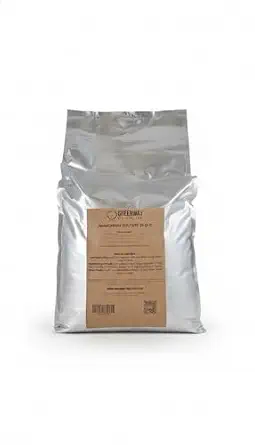 |
The Grow Co Ammonium Sulfate 21-0-0 High Nitrogen Fertilizer, 5 lb

| Item Form | Granules |
|---|---|
| Coverage | 100 square feet |
| Target Species | plants |
| Mixing Ratio | 21:0:0 |
This ammonium sulfate 21-0-0 fertilizer supplies a concentrated dose of nitrogen plus sulfur to correct nitrogen deficiency and lower soil pH where needed. It is applied as a granular fertilizer across turf, garden beds, shrubs and acid-loving ornamentals to encourage greener foliage, stronger vegetative growth and larger blooms or yields. Notable features include a 21% nitrogen content for fast greening and significant sulfur to act as a soil acidifier for alkaline conditions. In practice it is useful for spot treating lawns or beds that test alkaline or for feeding plants that prefer acidic soil such as azaleas and hydrangeas. Because it is high in nitrogen and acidifying, you should follow application rates and avoid overuse on neutral or already acidic soils; it is not a balanced NPK so it will not supply phosphorus or potassium. For routine, all-purpose feeding you may need to rotate with a complete fertilizer to cover other nutrient needs.
Best for: Gardeners with alkaline soil or who grow acid-loving plants who want a targeted nitrogen boost and pH adjustment for greener lawns and fuller foliage.
Less Ideal for: People seeking an all-in-one, balanced fertilizer for general fertility maintenance or those with neutral to acidic soils should consider a multi-nutrient product instead.
- High nitrogen content (21%) delivers fast, visible greening and vigorous vegetative growth
- Contains sulfur that actively lowers pH, helpful for treating alkaline soils and feeding acid-loving plants
- Granular form is easy to apply to lawns, beds, trees and shrubs following label directions
- Versatile use across turf, vegetables, ornamentals and fruiting plants for improved leaf color and bloom size
- Contains no phosphorus or potassium so it is not a balanced NPK fertilizer
- Can overly acidify soil or burn plants if overapplied or used on already acidic soils
Verdict: Use this concentrated ammonium sulfate when you need a fast nitrogen boost and to lower pH in alkaline soil for greener lawns and acid-loving plants.
Jonathan Green Mag-I-Cal Plus Soil Food for Lawns in Alkaline & Hard Soil (15,000 sq ft)

| Item Form | Granules |
|---|---|
| Specific Uses For Product | Lawns |
| Application Method | Spread |
| Unit Count | 864 Ounce |
| Coverage | Full |
Mag-I-Cal Plus is a granular soil food formulated specifically for lawns with high pH and compacted clay soils. You spread it with a rotary or drop spreader, water it in, and repeat twice a year on persistently alkaline sites; the directions recommend raking before application and irrigating for 15 to 30 minutes afterward. The product supplies sulfur and calcium sulfate dihydrate, which help lower soil pH and break up tight soils so roots can penetrate and access nutrients. In practice this means fertilizer applied to a previously alkaline lawn is more effective because the soil chemistry is closer to the ideal 6.2 to 7.0 range. The 54 lb bag covers up to 15,000 square feet, so it suits whole-yard applications without multiple purchases. Limitations to expect are the need for follow-up applications to maintain pH in resistant soils and the requirement to water and rake properly for best results; it is not a quick green-up fertilizer but a corrective soil amendment.
Best for: Gardeners who need a performance-focused soil corrective for alkaline, compacted lawns and want a product that improves long-term nutrient uptake across a whole yard.
Less Ideal for: Homeowners seeking a fast-acting lawn fertilizer for immediate greening or those with already acid or neutral soils should choose a different product.
- Formulated to lower soil pH and improve nutrient availability in alkaline lawns
- Contains sulfur and calcium sulfate dihydrate to help loosen compacted clay soils
- Large 54 lb bag covers up to 15,000 sq ft for whole-lawn treatment
- Designed for broadcast application with rotary or drop spreaders and simple post-application irrigation
- Requires repeat applications and proper watering to see sustained pH change
- Works as a soil corrective rather than an immediate fertilizer-driven green-up
Verdict: Choose Mag-I-Cal Plus when you need a targeted soil amendment to lower pH and break up hard alkaline soil for better long-term lawn performance.
True Organic Prilled Sulfur — Prilled Elemental Sulfur Granules, 5 lb

| Item Form | Granules |
|---|---|
| Specific Uses For Product | Agriculture, Gardening |
| Coverage | Medium |
| Unit Count | 80 Ounce |
| Target Species | Plants |
True Organic Prilled Sulfur is a granular elemental sulfur product intended to acidify soil and improve nutrient availability for in-ground gardens. It is typically broadcast or worked into soil one to two weeks before planting to gradually lower pH and support better flowering and fruiting. The prilled form makes it easy to spread evenly over beds, and a 5 lb bag advertises coverage up to about 1,333 sq. ft., which suits larger blueberry patches or multiple planting areas. Because it is pure elemental sulfur, results are gradual and best for long-term pH adjustment rather than an immediate fix. The product is made with organic inputs and is presented for gardening and agricultural use, which may appeal to buyers avoiding synthetic acidifiers. Important practical limits are that you must test soil pH first and calculate application rates carefully to avoid over-acidifying, and it does not provide nutrients beyond its pH effect, so plan a complementary fertilizer program for blueberry-specific needs.
Best for: Gardeners who test soil and want a conservative, organic-compatible way to lower pH for acid-loving plants like blueberries and are comfortable planning applications ahead of planting.
Less Ideal for: People needing rapid pH change immediately before harvest or those who want an all-in-one fertilizer that also supplies macronutrients.
- Prilled granular form spreads evenly for straightforward application to beds
- Formulation is elemental sulfur, which reliably lowers soil pH over time
- 5 lb bag claims wide coverage suitable for multiple blueberry planting areas
- Made with organic inputs and presented for garden use
- Acts slowly so it is not a quick pH correction
- Contains only sulfur and does not supply other nutrients blueberries need
Verdict: A practical organic-compatible sulfur granule for gardeners who plan ahead to safely acidify soil for blueberries and other acid-loving plants.
Cz Garden Supply Ammonium Sulfate Fertilizer 21-0-0 (64 oz)

| Item Form | Granules |
|---|---|
| Application Method | Water Soluble |
| Specific Uses For Product | Lawns,Plant Food |
| Mixing Ratio | 1 cup : 5 gallons |
| Unit Count | 64 Ounce |
This Cz Garden ammonium sulfate is a straightforward, fast-acting nitrogen fertilizer that also supplies significant sulfur to help lower pH in alkaline soils and deepen green color in lawns and leafy crops. It is sold as granules in a resealable 64 ounce pouch and is intended to be mixed with water using the manufacturer mixing ratio (1 cup per 5 gallons) for foliar or soil applications. Practical benefits include a high nitrogen concentration for quick greening, soluble granules that dissolve easily, and sulfur content that helps acid-loving plants and counteracts mildly alkaline conditions. The resealable packaging keeps unused product dry between uses. Limitations include its narrow nutrient profile (no phosphorus or potassium), so it is best used as a targeted nitrogen/sulfur supplement rather than an all-in-one lawn program. Users should follow label directions carefully to avoid overapplication and note it is not formulated as a slow-release product, so effects are relatively short term compared with controlled-release fertilizers.
Best for: Homeowners looking to quickly green lawns or boost leafy vegetables while correcting slightly alkaline soil on a budget and who plan to integrate this as a targeted supplement in their feeding routine.
Less Ideal for: Gardeners seeking an all-in-one balanced or slow-release fertilizer for complete seasonal feeding or for soils that need significant pH correction beyond mild acidity adjustment.
- High nitrogen content (21-0-0) for quick leafy green-up
- Contains 24% sulfur to help acidify mildly alkaline soils
- Water-soluble granules mix easily for foliar or soil applications
- Resealable pouch for convenient storage and reuse
- Provides no phosphorus or potassium so additional fertilizers are needed for balanced nutrition
- Not a slow-release formula so repeat applications may be required
Verdict: A budget-friendly, high-nitrogen water-soluble supplement that quickly greens lawns and adds sulfur to help correct mildly alkaline soils.
The Andersons Elemental Sulfur pH Down, 40 lb

| Item Form | Granules |
|---|---|
| Coverage | 13,333 sqft. |
| Target Species | Lawn Grass |
| Ingredients | Elemental Sulfur (S) |
This 40 lb bag of The Andersons elemental sulfur is designed to lower alkaline soil pH for lawn grass and is sold as prilled granules for straightforward spreading. Homeowners typically broadcast it across turf where soil tests show high pH; sulfur reacts slowly in the soil so effects are cumulative and appear over weeks to months. The product’s stated coverage lets you treat wide areas without frequent repurchasing and the prilled form keeps application tidy compared with powdery materials. It is labeled safe for all turf types and non-burning when used as directed, so it can be incorporated into an existing fertilization routine. Limitations to plan for are the slow action and the likely need for repeat applications to reach and maintain target pH, plus results depend on soil texture and microbial activity. For those wanting a reliable, large-coverage pH amendment to use seasonally on alkaline lawns, this provides a practical, no-frills option.
Best for: Homeowners who prioritize a dependable, proven pH amendment to correct alkaline lawns and prefer buying a single large bag for seasonal treatment.
Less Ideal for: Gardeners who need immediate pH adjustment or single-application precision for small containers or potted plants should choose a faster-acting or smaller-format product.
- Large 40 lb bag covers substantial lawn area for fewer purchases
- Prilled granules allow cleaner, more even spreading than powders
- Formulated specifically to lower soil pH for turf and safe for all lawn types
- Non-burning when applied according to directions
- Works slowly and may require multiple applications to achieve desired pH
- Effectiveness depends on soil biology and texture rather than acting immediately
Verdict: A reliable, large-coverage elemental sulfur product for homeowners needing to lower alkaline soil pH across turf.
Earth Science Fast Acting Sulfur Granules, 5 lb

| Item Form | Granules |
|---|---|
| Specific Uses For Product | Lawn |
| Target Species | acid-loving plants |
| Unit Count | 80 Ounce |
Earth Science Fast Acting Sulfur is a granular soil amendment formulated to lower soil pH quickly for acid-loving plants like hydrangeas, azaleas, and blueberries. You apply it with a standard spreader or by hand at the recommended rate (1 lb per 100 sq ft for beds, 5 lb per 1,000 sq ft for lawns), and optional watering 15 minutes after application speeds activation. The product uses a Nutri-Bond technology to help the granules stay where they are applied, which reduces runoff and helps the treated area get full benefit. In practice it will help improve color and bloom quality when soil pH is too high, and it is marketed as safe for people and pets immediately after application. Important limitations are that you must test soil pH first to avoid over-acidifying, and results depend on existing soil chemistry so changes may vary by site; this is a targeted soil pH adjustment rather than a complete fertilizer program.
Best for: Home gardeners who want a reliable, low-risk way to lower soil pH for hydrangeas and other acid-loving plants and who prefer products that limit runoff and are safe around people and pets.
Less Ideal for: Gardeners seeking an all-in-one fertilizer or those who have already acidic soils and do not need pH adjustment.
- Designed specifically to lower soil pH for acid-loving plants
- Nutri-Bond technology helps reduce runoff and keeps product in place
- Can be applied with any standard spreader or by hand for flexibility
- Safe for people and pets to re-enter the area immediately after application
- Requires a prior soil pH test and careful application rates to avoid over-acidifying
- Does not replace routine fertilization; it adjusts pH rather than supplying a full nutrient program
Verdict: A practical, pet-friendly way to lower soil pH and improve hydrangea color and bloom quality when used after a soil pH test.
Greenway Biotech Ammonium Sulfate 21-0-0 Fertilizer (25 lb)

| Item Form | Granules |
|---|---|
| Specific Uses For Product | Lawn Fertilizer |
| Coverage | 25 |
| Mixing Ratio | 21-0-0 |
This granular ammonium sulfate supplies quick-acting nitrogen while adding substantial sulfur to acidify alkaline soils, making it a practical choice for lawns and acid-loving plants. Typical use is broadcasting 3–5 pounds per 1,000 sq ft for lawns or dissolving smaller amounts for foliar feeding, container plants, and greenhouse applications. The 21-0-0 NPK ensures strong green-up, and the 24% sulfur helps correct high pH where iron and other micronutrients are deficient. It is water soluble for flexible application methods and is sold in a 25 pound bag suitable for multiple treatments. Notable positives are its CDFA registration and third-party heavy metal testing, which support safer use on edibles. Important limitations are that repeated use acidifies soil so pH should be monitored and adjusted only as needed, and ammonium sulfate can burn roots if overapplied or not watered in properly. Protective handling is advised per the safety directions.
Best for: Buyers who prioritize predictable, tested products for correcting alkaline soils and want a straightforward, professional-strength fertilizer that delivers quick nitrogen boost while lowering pH.
Less Ideal for: Gardeners who prefer slow-release organic fertilizers or who do not want to monitor soil pH changes over time should consider other options.
- High soluble nitrogen content (21%) for rapid green-up
- High sulfur content (24%) effective at lowering alkaline soil pH
- Water-soluble granules allow broadcast, soil incorporation, or foliar applications
- Sold in a 25 lb bag suitable for multiple lawn or garden treatments
- Third-party testing and CDFA registration indicate low heavy metals and commercial-grade quality
- Continued use will lower soil pH so periodic soil testing is necessary
- Can cause root or foliar burn if overapplied or not watered in after application
Verdict: Choose this ammonium sulfate if you need a reliable, lab-tested product to quickly green lawns and actively lower alkaline soil pH.
Choosing the Right Lawn Fertilizer for Alkaline Soil: Key Factors to Consider
Micronutrient Availability and Form
Alkaline soils often render iron and manganese chemically unavailable to grass even when those elements are present in the soil. Fertilizers that include micronutrients in chelated or water-soluble forms are more likely to supply what turf can actually absorb. When micronutrients are poorly soluble or bound in the wrong chemical form, visible symptoms like chlorosis will persist despite repeated nitrogen feeding.
For buyers this means checking labels for chelated iron, soluble manganese, and other trace elements. A fertilizer that supplies these in plant-available forms reduces the need for separate spot treatments and supports even green-up across the lawn.
pH Compatibility and Adjustment Capability
Not every lawn fertilizer changes soil pH, and many will not overcome high-pH chemistry on their own. Some products include acidifying components or work well alongside sulfur-based soil pH amendments. Others simply supply nutrients that remain available at higher pH without actively lowering the soil.
Decide whether you need a fertilizer that helps lower pH slightly over time or one that focuses on delivering usable nutrients under alkaline conditions. If your plan includes sulfur or elemental amendments, choose a fertilizer compatible with that schedule. If you need quick color correction, a formulation with readily available iron can show results faster without immediate pH change.
Nutrient Ratio and Timing for Turf Growth
Grass responds differently to nitrogen, phosphorus, and potassium depending on season, soil fertility, and lawn goals. A fertilizer suited for alkaline soil should still offer the right N-P-K balance for the time of year and for lawn recovery or maintenance. Excessive nitrogen without adequate micronutrients can produce pale, fast growth that lacks chlorophyll and resilience.
Match the fertilizer's N-P-K and release pattern to your lawn calendar. Slow-release nitrogen is useful for steady growth and fewer mowings, while quick-release can help rapid green-up when combined with micronutrient support. Consider how often you want to apply and whether the fertilizer fits that rhythm.
Application Method and Practicality
Different formulations have different application requirements. Granular spreaders, hose-end sprayers for soluble mixes, and liquid injectors for concentrated products all impose different skill and equipment needs. For many home gardeners, ease of accurate application without special gear is a top priority.
Choose a fertilizer whose application method fits your typical maintenance routine. Look for clear spreader settings on granules, straightforward mixing instructions for liquids, and visible coverage cues for sprays. Products that are forgiving of small over- or under-application errors reduce the risk of patchy results.
Residual Effects and Turf Safety
Some fertilizers provide long-lasting nutrient release while others give a quick flush followed by return to baseline. In alkaline soils, persistence can be a double-edged sword: longer residual action can sustain green color but may also allow salts to accumulate or mask underlying pH problems.
Evaluate how long a product's effects last and whether repeated use could create salt buildup or require periodic leaching. Also consider turf safety – formulations designed for residential lawns should minimize burn risk when used as directed and be safe for common grass species in your area.
Environmental Impact and Runoff Risk
Runoff and nutrient loss are real concerns with lawn feeding. Products with slow-release nitrogen or soluble micronutrients designed to bind to soil particles tend to lower the risk of nutrients washing into storm drains. Conversely, quick-release formulations applied before heavy rain can contribute to runoff and environmental harm.
When selecting a fertilizer for alkaline soil, factor in how often your lawn gets rain or irrigation and whether the product's chemistry reduces or increases runoff risk. Follow label timing recommendations and consider buffer strips or reduced application rates near hard surfaces to limit environmental impact.
How Alkaline Soil Affects Turf Color and Nutrient Uptake
High soil pH changes the chemical forms of certain micronutrients so they become unavailable to grass roots. Iron deficiency is the most common result, seen as yellowing between leaf veins while the veins remain greener. Other elements such as manganese and zinc can be affected as well, producing weak, thin turf that looks unhealthy even when base fertility seems adequate.
- Chlorosis is a visual symptom of unavailable micronutrients.
- Visible green-up after a micronutrient application indicates the nutrient was previously locked up.
- Correcting soil chemistry is often slower than treating visible symptoms.
When to Test Soil and What to Look For
A soil test is the only reliable way to confirm alkalinity and detect micronutrient deficiencies. Home test kits give a quick pH estimate but lab tests provide a complete nutrient profile and a buffer pH recommendation for amendments. Test in spring and again in fall to capture seasonal shifts and to track progress after treatment.
- Aim to test multiple locations across the lawn for an accurate average.
- Ask the lab for specific comments on iron and manganese availability in alkaline conditions.
- Use results to time fertilizer and sulfur applications for best effect.
Combining pH Amendments with Fertilizer Safely
If your soil pH is consistently high, pairing a pH-lowering amendment with a fertilizer plan can produce longer-term improvement. Elemental sulfur and acidifying soil conditioners change pH slowly and should be applied with attention to timing, because rapid pH swings stress grass and soil biology. Start with modest rates and retest pH after one growing season to assess change.
- Apply sulfur in late summer or fall for gradual pH reduction.
- Avoid applying strong acidifying products at the same time as a heavy nitrogen feed.
- Stagger treatments to let each product work without compounding stress.
Practical Tips for Even Coverage and Green-up
Even application is essential to avoid patchy color. Calibrate your spreader or follow mixing labels for liquids, and overlap passes deliberately when using granular products. For spotty chlorosis, a targeted foliar iron spray can quickly improve appearance while a broader fertilization plan addresses underlying needs.
- Walk at a steady pace and use consistent overlap with spreaders.
- Water lightly after granular applications unless the product instructions advise otherwise.
- Keep a log of application dates and rates to track what works over seasons.
Seasonal Strategies for Alkaline Lawns
Timing fertilizer and pH amendments to seasonal growth patterns improves uptake and reduces stress. In cool-season lawns, focus restorative feeding in early fall when roots are actively storing carbohydrates; in warm-season lawns, late spring and mid-summer feeding support peak growth. Plan pH-lowering treatments in lower-stress windows so the grass can recover gradually.
- Avoid heavy acidifying treatments during heat stress or drought.
- Use slow-release nitrogen before periods when mowing frequency will be reduced.
- Coordinate micronutrient applications with peak leaf growth for best visual effect.
How We Chose the Best Lawn Fertilizer for Alkaline Soil
Our selection process prioritized products that address the physiological problems alkaline soils cause rather than generic high-nitrogen mixes. We looked for fertilizers with nutrient ratios and supplemental micronutrients formulated to remain available at higher pH levels, and for formulations that include practical pH management options such as iron chelates or sulfur additions. Key evaluation dimensions included nutrient composition and bioavailable micronutrients, soil pH modification or compatibility, application method and timing flexibility, and persistence versus risk of buildup. We excluded blends that only advertise high nitrogen without addressing micronutrient availability or that depend on unrealistic application schedules. We also filtered out products with unclear ingredient lists or those that require specialized equipment most home gardeners do not have. What mattered most was whether a product would consistently deliver usable iron and micronutrients in alkaline conditions, how easy it is to apply correctly, and how the product fits into a realistic lawn care routine. That framework guided the final shortlist and ensures recommendations are practical for ordinary yards and schedules.
FAQ
How quickly will a fertilizer correct iron chlorosis on alkaline lawns?
Often you can see visible improvement within a week after applying a soluble iron product or foliar spray. Long-term correction of iron availability through pH change takes months or seasons, so combine quick-acting micronutrient treatments with a longer-term soil plan.
Can I lower soil pH quickly if my lawn is very alkaline?
Usually lowering pH is a gradual process. Elemental sulfur and other acidifying amendments act slowly and require several months to a year to change pH significantly. Rapid pH change is difficult and may stress turf if not managed carefully.
Should I use a granular or liquid fertilizer on alkaline soil?
It depends on your goals. Liquids and foliar sprays deliver micronutrients fast and are useful for correcting visible deficiencies. Granular, slow-release products provide steady nutrition and are easier for large lawns. Many gardeners use a combination: foliar micronutrients for quick correction and granular feeds for ongoing maintenance.
Will repeated fertilizer applications mask underlying pH problems?
Yes, frequent fertilization that ignores pH can hide nutrient lockup by providing repeated quick fixes. That approach can lead to dependency on corrective sprays rather than addressing soil chemistry. Use soil testing and a pH management plan to correct root causes over time.
How often should I test my lawn soil pH?
Testing every one to three years is a reasonable cadence for most lawns. Test more often if you are actively treating pH, after major amendments, or if visual symptoms persist despite feeding so you can monitor progress and adjust your plan.
Final Verdict
Choose a fertilizer for alkaline soil by prioritizing usable micronutrients, appropriate nutrient ratios for your season, and an application method you will use consistently. Quick-acting iron or foliar micronutrients can relieve chlorosis fast, while compatible pH amendments and slow-release fertility create longer-term stability. Balance short-term visible correction with a plan to improve soil chemistry over time. Focus on products and schedules that fit your lawn size, watering pattern, and maintenance habits so you get greener, more resilient turf without unnecessary risk or complexity.
