

Note: This article contains affiliate links. If you click on these links and make a purchase, I may earn a small commission at no extra cost to you. This helps support my research and content. Read my full affiliate disclosure here.
If you maintain gravel paths, driveways, or decorative beds you know loose stone makes leaf cleanup harder than sweeping a lawn. The right leaf vacuum for gravel will pull leaves while letting stones fall back, reduce the time you spend picking out grit, and cut down on repeated passes. This guide covers our five best picks for gravel use and explains the practical features gardeners should prioritize. We evaluated suction and debris separation, collection and burst-resistance, and how each option behaves around stones and edging. Read on for the features that matter and how to choose the right tool for your gravel areas.
Top Picks at a Glance
| Best Overall The best all-around choice for most situations | EGO Power+ LV5000 Cordless Leaf Vacuum, Mulcher and Blower (Tool Only) |  |
| Best Quality Built to a higher standard if you want something more solid | Greenworks 48V Brushless 3-in-1 Leaf Blower, Vacuum & Mulcher with Two 4.0Ah Batteries |  |
| Best Value The sweet spot between price and what you get | MZK 40V Cordless 3-in-1 Leaf Blower, Vacuum and Mulcher (Dual Batteries) |  |
| Best Budget The cheapest option that still gets the job done reliably | PULITUO 3-in-1 Corded Leaf Blower, Vacuum and Mulcher (ACBV900) |  |
| Highest Rated A top-rated pick with lots of positive feedback | Uniqwamo 3-in-1 Cordless Leaf Blower, Vacuum and Mulcher (Milwaukee 18V Compatible) |  |
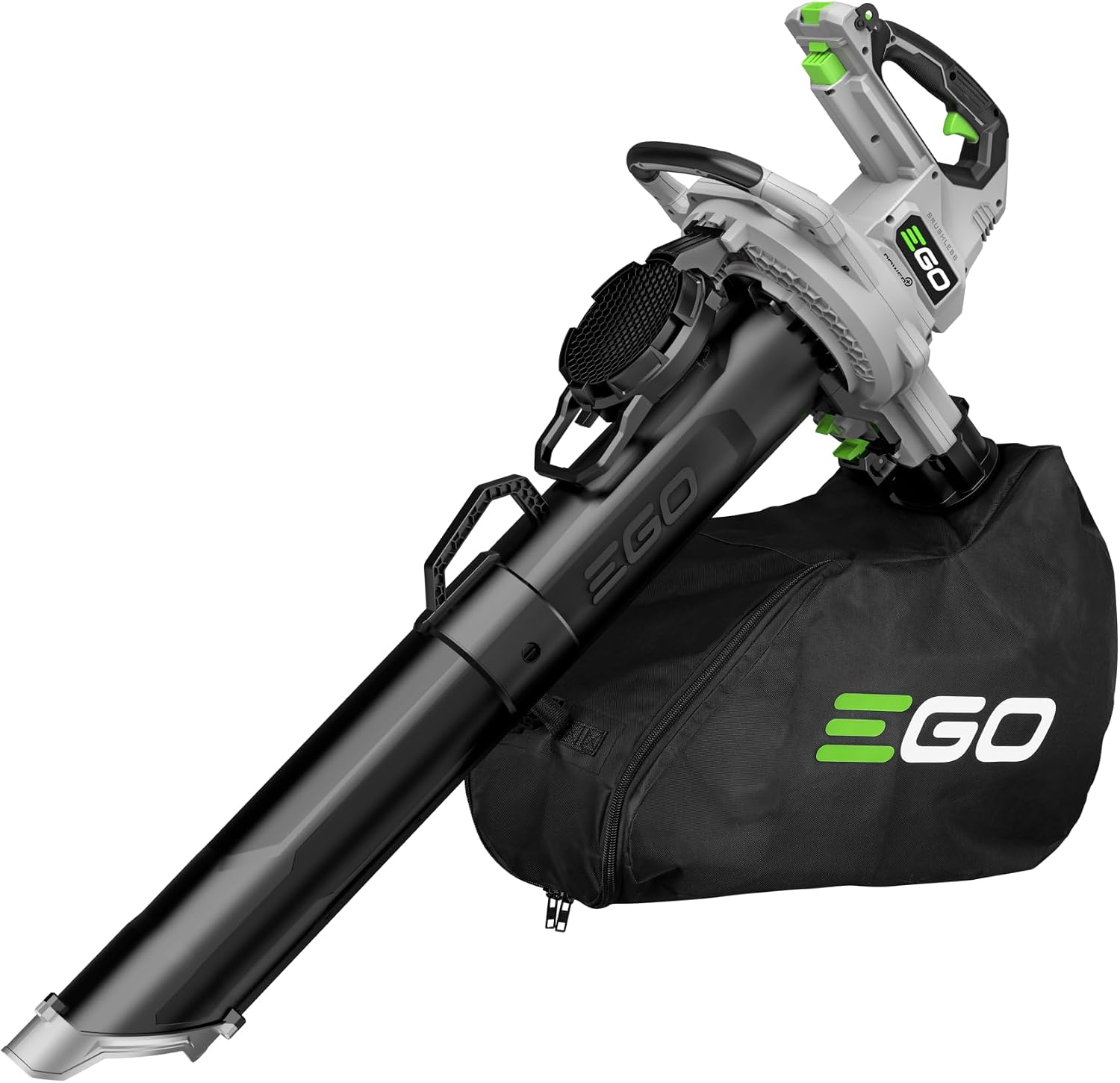
EGO Power+ LV5000 Cordless Leaf Vacuum, Mulcher and Blower (Tool Only)
| Power Source | Battery Powered |
|---|---|
| Form Factor | Handheld |
| Blower Performance | Up to 500 CFM, up to 210 MPH |
| Mulching Ratio | 16:1 |
| Included | Vacuum tube, blower tube, leaf bag, tapered nozzle, shoulder strap |
The EGO Power+ LV5000 is a performance-focused cordless yard tool that combines vacuuming, mulching, and blowing into a single handheld unit. In vacuum mode the large metal six-blade impeller shreds leaves to a 16:1 ratio so you dramatically reduce yard waste volume and empty the included 40L bag far less often. Switching between blower and vacuum is fast and tool-free, and the blower delivers up to 500 CFM and 210 MPH for effective clearing around hard surfaces and tight spots when the tapered nozzle is attached. The variable speed dial and auxiliary soft-grip handle let you tune power and comfort for different tasks, and IPX5 weather resistance makes it usable in light wet conditions. Battery and charger are sold separately; EGO recommends a 6.0Ah ARC Lithium battery for long runtimes that can reach about 90 minutes on low. The unit is handheld and ergonomic, but runtime depends entirely on battery choice and high-speed runtime is much shorter, so plan for a spare battery for large properties or continuous heavy work.
Best for: Buyers who prioritize strong, gas-like performance from a cordless tool and want a single machine to vacuum, mulch, and blow large leaf loads efficiently.
Less Ideal for: Casual users with very small yards or those who prefer an all-in-one kit that includes battery and charger should consider simpler or bundled options.
- True 3-in-1 design combines vacuum, mulcher, and blower for versatile yard cleanup
- Six-blade metal impeller achieves a 16:1 mulching ratio to greatly reduce yard waste volume
- Powerful blower output up to 500 CFM and 210 MPH for efficient clearing
- Variable speed control and auxiliary soft-grip handle improve control and comfort
- IPX5 weather-resistant construction for use in a range of outdoor conditions
- Battery and charger are not included so runtime depends on separately purchased batteries
- High-power runtime drops to about 15 minutes, requiring larger or extra batteries for extended heavy use
Verdict: Choose the LV5000 when you want cordless, gas-equivalent leaf-clearing power with heavy-duty mulching to cut yard waste volume.
Greenworks 48V Brushless 3-in-1 Leaf Blower, Vacuum & Mulcher with Two 4.0Ah Batteries

| Power Source | Battery Powered |
|---|---|
| Voltage | 48 volts |
| Air Flow Capacity | 520 cfm |
| Maximum Speed | 240 miles_per_hour |
| Additional Features | Adjustable Speed, Leaf Vacuum, Turbo |
This Greenworks kit is a versatile cordless solution for homeowners who want blower, vacuum, and mulching functions in one tool. It runs on a dual-battery 48V system (two 4.0Ah batteries) and the brushless motor produces the advertised 520 CFM and 240 MPH, which handles dry and wet leaves, matted grass, and small debris quickly. Switching between blower and vacuum/mulch modes is tool-free and fast, and the 12:1 mulching ratio noticeably reduces bag volume for easier disposal. Dual batteries and a dual-port charger let you swap cells and keep working while the other battery charges, with a typical runtime around 25 minutes per 4.0Ah battery at medium speed. Variable speed, cruise control, and an ergonomic handheld form make it comfortable for routine yard work, but the unit is best for homeowners with medium to large yards rather than commercial use. Noise is around 71 dB which is typical for this class. Expect moderate runtime limits at top speed and the usual need to recharge spare batteries for extended sessions, but for balanced performance and convenient cordless operation this package covers most seasonal cleanup needs.
Best for: Homeowners who want a single, cordless tool to handle regular seasonal leaf cleanup across medium to large yards and value convenience, versatility, and easier storage over commercial power.
Less Ideal for: Contractors or users who need all-day continuous operation without battery swaps should consider gas or professional electric options instead.
- High airflow and speed (520 CFM / 240 MPH) effective on wet and packed debris
- Includes two 4.0Ah batteries and dual-port charger for extended runtime and quick recharges
- Tool-free conversion between blower, vacuum, and mulcher with a 12:1 mulch reduction
- Brushless motor for better efficiency, lower vibration, and longer motor life
- Variable speed and cruise control improve control and reduce hand fatigue
- Single-battery runtime is limited at high power so continuous heavy use requires spare batteries
- At about 71 dB it is not significantly quieter than many gas or cordless competitors
Verdict: A well-rounded cordless 3-in-1 blower/vacuum/mulcher kit that balances strong airflow, dual-battery runtime, and tool-free versatility for homeowners handling seasonal yard cleanup.
MZK 40V Cordless 3-in-1 Leaf Blower, Vacuum and Mulcher (Dual Batteries)

| Power Source | Battery Powered |
|---|---|
| Air Flow Capacity | 700 cubic_centimeters_per_minute |
| Maximum Speed | 180 miles_per_hour |
| Noise Level | 65 db |
The MZK 40V Leaf Vacuum Mulcher is a handheld cordless blower that combines blowing, vacuuming and mulching in one unit for general yard cleanup. It runs on a brushless motor with four speed settings and a Turbo boost, producing up to 700 CFM and 180 MPH to move leaves and light debris. Typical use is clearing driveways, patios and lawns where you want to collect rather than just move leaves; the vacuum mode feeds debris into a 40L collection bag and a 15:1 mulching ratio greatly reduces the volume of waste. The unit ships with two 4.0Ah batteries for up to roughly 30 minutes of continuous runtime and includes height-adjustable wheels and an anti-static grip to ease handling during longer jobs. Practical touches such as an anti-jam suction tube, quick-access cleaning gate, and snap-buckle bag attachment speed maintenance and emptying. The main compromises are battery runtime for very large properties and the handheld form factor, which can feel tiring if you need to work over extended periods without breaks or spare batteries.
Best for: Buyers who want a compact, multifunction yard tool to clean small to medium yards efficiently and prefer collecting and reducing yard waste volume rather than just blowing it into piles.
Less Ideal for: Not the best choice for owners of large properties or commercial crews who need multi-hour runtime or a backpack-style blower for extended continuous work.
- 3-in-1 function: blows, vacuums and mulches to reduce disposal volume
- Brushless motor with up to 700 CFM and 180 MPH for effective debris movement
- Includes two 4.0Ah batteries for immediate cordless use
- Anti-jam design and quick-access cleaning gate simplify maintenance and reduce downtime
- 40L collection bag with 15:1 mulching ratio cuts emptying frequency
- About 30 minutes runtime per charge may be limiting for large yards without spare batteries
- Handheld design can become tiring during long continuous use
Verdict: A compact, practical 3-in-1 cordless blower that vacuums and mulches effectively, ideal for homeowners who want to minimize waste volume and speed routine yard cleanup.
PULITUO 3-in-1 Corded Leaf Blower, Vacuum and Mulcher (ACBV900)

| Power Source | ac |
|---|---|
| Air Flow Capacity | 530 cfm |
| Maximum Speed | 14000 rpm |
| Wattage | 900 watts |
| Included Components | Collection Bag, Vacuum Tube, User Manual |
The PULITUO ACBV900 combines a blower, vacuum, and mulcher into one corded handheld unit aimed at basic yard cleanup. It delivers up to 530 CFM and roughly 170 MPH airspeed with two-speed control, so you can sweep light debris on low or tackle heavier leaf piles on high. The vacuum mode shreds leaves at an advertised 15:1 mulch ratio into a 45 L reusable bag, reducing trips to the compost or curb. The unit is powered by a 900 W motor rated to 14,000 rpm and includes a shoulder strap, goggles, and earplugs to make longer sessions easier. Practical benefits are simple operation, fewer bags to manage after mulching, and consistent corded power without battery cost or downtime. Expect the usual corded limitations though: mobility is restricted by cord length and there is no battery portability. The blower is compact and lightweight for short jobs, but users with very large properties or who need cordless convenience may prefer a backpack or battery model instead.
Best for: A practical buyer who wants an affordable, all-in-one electric tool for routine leaf and light debris cleanup on small to medium yards and prefers low operating cost over cordless convenience.
Less Ideal for: Not the best choice for large properties where long extension cords are impractical or for users who need cordless portability and longer run times.
- Three functions in one unit: blower, vacuum, and mulcher for versatile yard use
- High airflow (530 CFM) and two-speed control for light and heavier debris
- Large 45 L reusable collection bag reduces emptying frequency
- Includes shoulder strap and basic protective accessories for more comfortable use
- Corded 900 W motor provides continuous power without batteries
- Corded design limits mobility compared with battery models
- Mulching ratio and performance can vary with wet or large, woody debris
Verdict: A budget-friendly corded 3‑in‑1 blower that trims cleanup time by combining blowing, vacuuming, and mulching into one continuous‑power tool.
Uniqwamo 3-in-1 Cordless Leaf Blower, Vacuum and Mulcher (Milwaukee 18V Compatible)

| Power source compatibility | Milwaukee 18V batteries (requires two, not included) |
|---|---|
| Functions | Blower, vacuum, mulcher |
| Collection capacity | 40L bag |
| Mulching ratio | 15:1 |
| Speed control | Five speeds plus TURBO boost |
This Uniqwamo 3‑in‑1 unit combines a blower, vacuum, and mulcher into one cordless tool intended for quick yard cleanup. You attach two Milwaukee 18V batteries (sold separately) to power the motor, then switch modes to blow debris, vacuum it into the 40L bag, or engage the mulcher that reduces volume about 15:1. Five speed settings plus a short TURBO boost let you dial back power for patios or ramp up to move heavier piles. The lightweight, ergonomic layout with front wheels and a non‑slip grip makes it easier to push and maneuver without constant bending. For gravel areas you can use the lower speeds and the blower mode to nudge gravel-safe debris away, and the vacuum mode can collect leaves when used carefully to avoid sucking up stones. Important limits are that batteries and charger are not included and the vacuum can still pick up small gravel if run on higher settings, so attentive control is needed. The 40L bag and mulching ratio cut down trips to disposal and produce usable mulch for garden beds.
Best for: A homeowner who prioritizes a dependable, multiuse tool for regular seasonal cleanup and prefers the convenience of cordless battery compatibility with existing Milwaukee 18V packs.
Less Ideal for: People who need a tool for heavy commercial use or those who cannot supply compatible batteries should consider a purpose‑built petrol blower or an electric corded model instead.
- Three functions in one tool let you blow, vacuum, and mulch without switching devices
- Compatible with common Milwaukee 18V batteries for flexible power options
- 40L collection bag with quick zipper simplifies debris removal
- Five speed levels and a 15‑second TURBO boost provide usable power range for varied tasks
- Ergonomic design with front wheels and adjustable strap reduces user fatigue during longer jobs
- Batteries and charger are not included so you need compatible batteries to operate
- Vacuum mode can pick up small gravel or stones if used on high speed
- No manufacturer warranty information provided in the listing
Verdict: A reliable, space‑saving cordless 3‑in‑1 that lets homeowners blow, vacuum, and mulch leaves with Milwaukee 18V battery compatibility.
Choosing the Right Leaf Vacuum for Gravel: Key Factors to Consider
Suction Power and Airflow
Suction strength and the pattern of airflow determine whether leaves lift cleanly or the unit starts pulling in gravel. Strong, well-directed airflow will remove wet and dry leaves with fewer passes but too much unprotected suction can pull stones into the impeller. Look for units that allow you to adjust suction or have intake designs that moderate power near the nozzle.
Airflow measured in cubic feet per minute and sealed suction are useful specs, but real-world performance depends on nozzle shape and how the machine deals with mixed debris. For gravel work, prioritize machines that combine firm suction with protective intake features so you avoid impeller damage and clogged collection bags.
Debris Separation and Collection Design
A vacuum that separates leaves from grit reduces cleaning time and wear. Effective separation can be a simple screen, a baffle inside the collection chamber, or a multi-stage system that lets heavier stones drop out while lighter organic matter moves into the bag or mulching chamber. Bags that trap fine grit will become heavy and abrasive quickly, so designs that dump stones into a lower tray or allow periodic shaking are advantageous.
Also evaluate how easy it is to empty and clean the collection system. Removable bags, hard-walled collectors, and washable filters extend life when you are routinely picking through gravel. For gardeners who want to mulch leaves on-site, check whether the unit shreds debris before collection and whether shredded material contains grit.
Intake Protection and Housing Durability
Working over gravel means occasional impacts with small rocks. Intake guards, reinforced housings, and impeller shields reduce the chance of sudden damage. Thicker plastic or metal skid plates around the nozzle prevent chips and cracks from stones thrown up by wheels or manual contact. Look for replaceable intake screens and impellers that are rated for abrasive conditions.
Durability also matters for long-term ownership. Corrosion-resistant fasteners, accessible replacement parts, and warranty coverage for mechanical components will save time and money if gravel causes accelerated wear. Choose equipment whose exposed components are easy to inspect and service after heavy gravel use.
Nozzle and Attachment Design for Gravel Areas
Nozzle shape affects control over what gets picked up. Narrow, tapered nozzles concentrate suction and work well in tight crevices between pavers; wide, flat nozzles can clean larger areas faster but may pull more gravel if not combined with intake protection. Brush or skirt attachments help lift leaves while keeping stones anchored.
Consider whether the vacuum offers interchangeable nozzles or adjustable skirts so you can switch between clearing loose leaves on open gravel and working along borders. A good attachment system reduces the need to repeatedly bend or hand-pick debris.
Maneuverability and Weight Distribution
Cleaning gravel often means moving over uneven surfaces and around obstacles. Lightweight units are easier to carry but may bounce on stone and lose consistent suction. Balanced weight distribution, comfortable grips, and wheeled options designed for rough ground improve control and reduce operator fatigue.
Test how a machine feels while walking with it and whether the hose or tube tends to drag in gravel. Features like swivel connectors, longer reach, and telescoping tubes make it simpler to navigate rock beds and avoid displacing decorative stone.
Maintenance Access and Filter Care
Gravel and grit make filter maintenance more frequent, so machines that provide quick access for cleaning filters and emptying collection chambers will stay functional longer. Look for washable pre-filters, tool-free access panels, and visible indicators that show when bags or filters need attention.
Also check whether spare parts like replacement impellers, intake screens, and bags are easy to install. Simple maintenance routines minimize downtime after accidental stone ingestion and keep performance steady across seasons.
Preparing Gravel Areas Before Vacuuming
Take a few preparatory steps to reduce stone pickup and improve vacuum performance. First, sweep or rake to loosen leaf piles and expose any larger stones you can easily remove by hand. Work in short passes so you can monitor whether the vacuum is picking up grit and stop if you spot increased intake noise or vibration.
Near garden borders or pavers, use a narrow nozzle or a brush attachment to lift leaves without disturbing gravel. If the area is very loose, consider slightly dampening leaves so they stick together and lift more cleanly, but avoid wetting the gravel because water makes grit stick to collection bags.
- Sweep or rake first to concentrate leaves.
- Use narrow nozzles at edges and around pavers.
- Avoid overly wetting gravel areas to reduce grit adhesion.
Best Practices for Edge and Crevice Cleanup
Edges and crevices between stones are where most leaf debris accumulates and where gravel is most likely to be disturbed. Use a focused nozzle and work slowly along the line of pavers or edging. Keep the intake just above the stones rather than pressing into the gravel bed. If the vacuum has variable suction, reduce power near edges until you confirm it is not pulling grit.
For tight crevices, a stiff-bristle brush or a hand tool paired with a light vacuum pass often yields better results than a single strong suction pass. This approach minimizes stone movement while still collecting trapped leaves.
- Hold the nozzle slightly above the gravel surface.
- Lower suction near borders if possible.
- Combine a brush with light suction for tight gaps.
Managing Wet Leaves and Muddy Gravel
Wet leaves and muddy gravel increase clogging risk and make filters load faster. If possible, wait for a dry period; vacuuming wet debris tends to cake into bags and reduce separation efficiency. When working with damp material, use a unit with a metal or hard-walled collector that can be rinsed afterward and washable filters to extend service life.
After vacuuming wet areas, clean filters and empty the collection container promptly. Let any removable components dry fully before storing to prevent odor and corrosion.
- Prefer washable filters and hard-walled collectors for damp conditions.
- Clean and dry components immediately after use.
- Avoid vacuuming heavily caked mud when possible.
Protecting Your Equipment From Abrasion
Expect some abrasive wear when using a leaf vacuum for gravel. Inspect intake screens and impellers regularly, and replace parts that show scoring or cracking. Use protective skid plates or sleeves around hoses and nozzle tips to reduce direct stone impact.
Keep a maintenance kit on hand with spare screens, a basic tool set, and replacement fasteners. Regular lubrication of moving parts and tightening of exposed hardware will prolong the life of the machine in gritty environments.
- Inspect intake components after each heavy session.
- Use skid plates or reinforced nozzle tips.
- Carry spare screens and basic tools for quick repairs.
How We Chose the Best Leaf Vacuum for Gravel
Our shortlist focuses on machines that handle mixed debris around loose stone without frequent clogging or damage. We prioritized concrete, measurable features that affect gravel cleanup in everyday garden use. Key evaluation criteria included suction power and airflow because those determine whether leaves lift without drawing stones; debris separation and collection design to keep grit out of the bag or impeller; intake protection and housing durability to resist strikes from small rocks; and maneuverability and nozzle control for working along edges, between pavers, and over uneven gravel surfaces. We also considered operator comfort for extended cleanup sessions, straightforward maintenance that minimizes downtime if gravel or sand does get in, and compatibility with common yard accessories such as mulching or vacuum tubes. Exclusions: lightweight yard blowers designed only for dry leaves or indoor vacuums that lack robust intake guards were not considered, nor were products intended solely for lawn turf. The selected machines demonstrate the best balance of gravel-friendly airflow, separation, and durability for practical garden use.
FAQ
Can a standard leaf vacuum handle gravel without damage?
Often a standard leaf vacuum can manage small amounts of gravel if it has intake protection and a separation system. It depends on the machine's intake design and durability features. If the unit lacks a guard or has a fragile impeller, frequent stone ingestion will cause damage.
How do I stop a leaf vacuum from sucking up stones?
Reduce suction near gravel, use narrower nozzles, and employ attachments like skirts or brushes that lift leaves away from the stone surface. Preparing the area by raking or sweeping helps minimize loose stones before vacuuming.
Is it better to use a blower or vacuum on gravel?
A blower can move loose leaves from broad spots without disturbing stones but may scatter debris into planting beds. A vacuum with proper grit-handling features collects material and reduces cleanup. The choice depends on whether containment or quick clearing is the priority.
Will a mulching feature work when cleaning gravel areas?
Mulching can work but carries the risk of mixing grit into shredded material. If you plan to use mulched leaves as compost or soil amendment, ensure separation is effective and inspect the output for sand or stones before reuse.
How often should I service a vacuum used on gravel?
Service frequency is usually higher than for lawn-only use. Inspect intake components and filters after every few heavy sessions, clean washable parts after damp jobs, and replace worn screens or impellers as soon as you notice damage.
Final Verdict
Gravel-friendly leaf vacuums trade off raw suction for smarter intake protection and separation so stones are left behind while organic debris is collected. Prioritize machines with solid intake guards, effective debris separation, and easy maintenance access. Consider nozzle options and maneuverability for working along edges and in tight spaces. Decide which tradeoffs matter most: a heavier, more durable machine will resist abrasion but may be harder to carry, while lighter units are easier to handle but may need more careful technique. With the right features and routine maintenance, you can keep gravel beds clean without damaging equipment or your decorative stone.
