

Note: This article contains affiliate links. If you click on these links and make a purchase, I may earn a small commission at no extra cost to you. This helps support my research and content. Read my full affiliate disclosure here.
Picking the right leather gardening gloves changes how you work in the garden. The right pair protects against thorns and abrasion while still letting you feel small stems, tie knots, and thread twine. This guide covers a short list of the top six leather gardening gloves suited to everyday backyard tasks, pruning, and planting. We shortlisted gloves based on fit, leather type and thickness, cuff design, and construction details that affect durability and dexterity. Below you will find practical notes about what each glove does well and the tradeoffs to expect. Read on to match a glove to the way you garden.
Top Picks at a Glance
| Best Overall The best all-around choice for most situations | DULFINE Cowhide Leather Gardening Work Gloves |  |
| Best Quality Built to a higher standard if you want something more solid | Ironclad Ranchworx RWG2 Premier Leather Work Gloves (Pair) |  |
| Best Value The sweet spot between price and what you get | G & F Products Leather Work Gloves (Double Leather Palm, Extra Long Cuff) |  |
| Best Budget The cheapest option that still gets the job done reliably | YRTSH Microfiber Leather Gardening Gloves for Women (Small) |  |
| Highest Rated A top-rated pick with lots of positive feedback | KEMINO Cowhide Work Gloves with Reinforced Palm |  |
| Most Popular A crowd favorite that many people choose with confidence | WZQH Leather Work Gloves — Reinforced Palm, Cotton Lining (Large) |  |
DULFINE Cowhide Leather Gardening Work Gloves
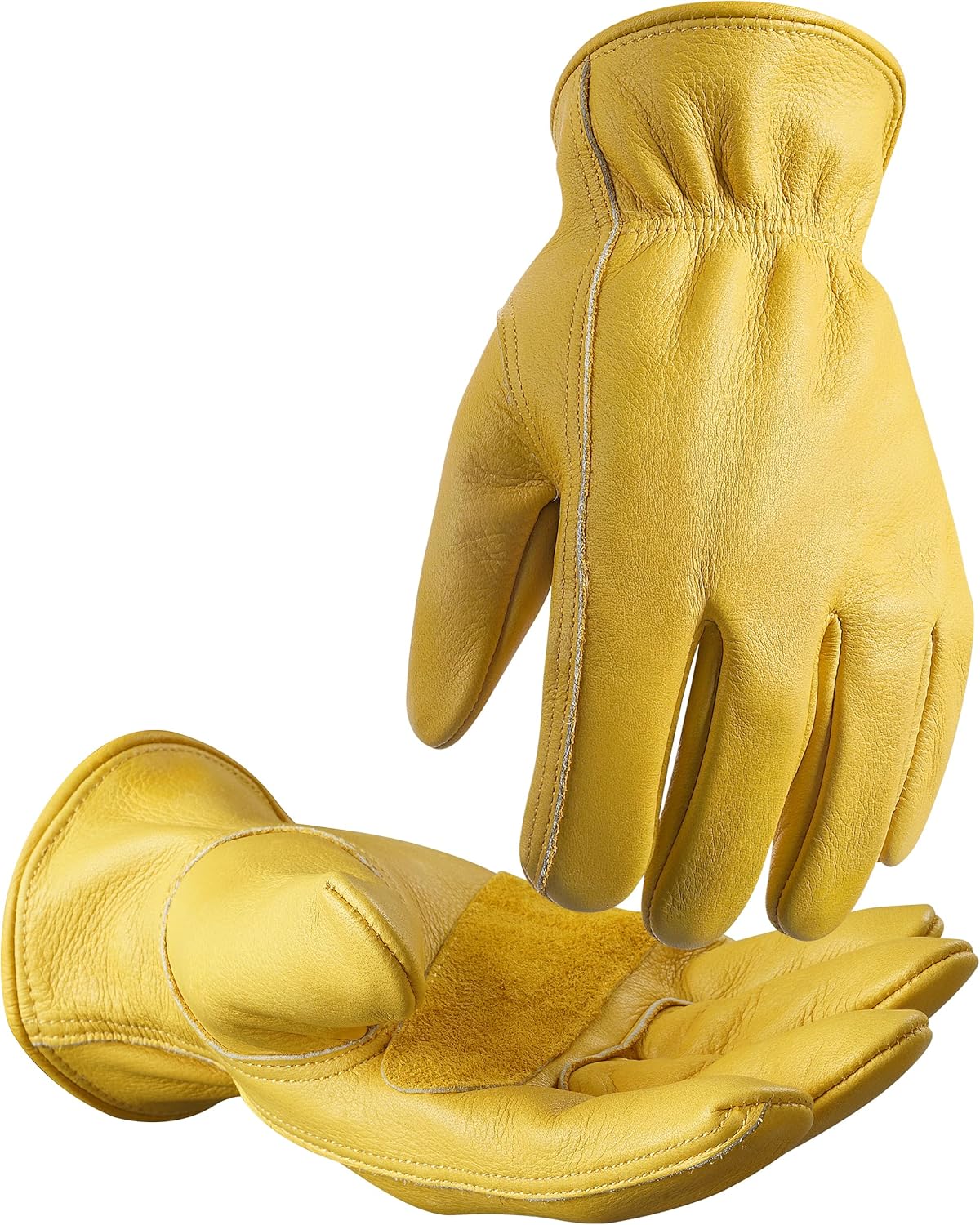
| Material | Cowhide leather |
|---|---|
| Pack quantity | 1 pair (also available in multi-packs) |
| Seasonal use | All seasons / Fall-Winter options mentioned |
These cowhide leather gardening gloves are built for tough, hands-on yard work where puncture resistance and grip matter. Made from genuine cowhide with a reinforced palm, they protect against thorns, splinters, and rough materials while the keystone thumb shape preserves dexterity for pruning, digging, and handling tools. Elastic wrists help keep out dirt and debris during repeated use. The gloves are presented as insulated and waterproof variants in the line, so you can choose a warmer or weather-resistant option if you need seasonal protection. Expect a stiff, break-in period typical of thick leather as the material softens with wear. They are not as breathable as thin fabric gloves, so hands can feel warm during long summer tasks. For routine heavy-duty garden chores these gloves deliver durable protection and a confident grip, but they trade some fingertip sensitivity and airflow for toughness.
Best for: Buyers who prioritize durable hand protection for heavy gardening, pruning, and outdoor chores and want gloves that hold up to thorns, splinters, and frequent tool use.
Less Ideal for: Gardners who need maximum tactile sensitivity for delicate tasks or who work long hours in hot weather should consider thinner, more breathable glove options.
- Genuine cowhide leather provides strong puncture and abrasion resistance
- Reinforced palm improves grip and durability for handling tools and rough materials
- Keystone ergonomic thumb preserves dexterity for pruning and fine tasks
- Elastic wrist helps keep out dirt and debris during yard work
- Thick leather requires a break-in period and reduces fingertip sensitivity
- Less breathable than fabric gloves, which can feel warm during extended summer use
Verdict: A tough, no-nonsense leather glove that gives reliable puncture and abrasion protection for heavy gardening jobs.
Ironclad Ranchworx RWG2 Premier Leather Work Gloves (Pair)

| Material Features | Palm 100% Goatskin; Shell includes Kevlar |
|---|---|
| Glove Construction | Cut and Sewn with Reinforced Stitching |
| Fit Type | Performance Fit |
| Reusability | Machine Washable |
| Other Special Features | Impact Resistant, Rolltop Fingertips, Terry Cloth Thumb Sweat Wipe |
These Ironclad Ranchworx RWG2 gloves are a heavy-duty leather option intended for demanding outdoor work like ranching, forestry, and construction. The palm is 100% goatskin leather with reinforced stitching and Kevlar-reinforced shell panels in high wear zones, which gives strong abrasion resistance and long service life when handling rough materials. Rolltop seamless fingertips and a reinforced thumb improve dexterity and reduce seam wear while a terry cloth thumb wipe helps keep sweat off your face. They are ambidextrous, pull-on style gloves with a performance fit that stays secure during repetitive tasks. The gloves are machine washable and use Bullwhip leather that resists shrinking or drying with washing, but they are unlined so they provide less insulation in cold weather and may feel stiff at first until broken in. Also, despite a listed waterproof flag, the water resistance level is described as not water resistant, so they are best for dry or light-duty wet conditions rather than full immersion work.
Best for: Buyers who prioritize a durable, performance-fit leather glove for heavy outdoor gardening and property work and want features that protect against abrasion and hold up to repeated use.
Less Ideal for: Gardeners who need insulated gloves for cold-weather planting or fully waterproof gloves for prolonged wet tasks should consider insulated or waterproof-specific alternatives.
- 100% goatskin leather palm for high abrasion resistance and durability
- Kevlar and reinforced stitching in critical areas extend glove life under heavy use
- Rolltop seamless fingertips and reinforced thumb improve dexterity and reduce seam failure
- Terry cloth thumb sweat wipe for quick sweat management
- Machine washable Bullwhip leather formulated to resist shrinking or drying when cleaned
- Unlined construction offers limited insulation for cold conditions
- Conflicting water labeling suggests they are not suitable for sustained wet work
Verdict: Choose these gloves when you need a tough, abrasion-resistant goatskin leather glove with reinforced protection and a secure performance fit for heavy gardening and outdoor work.
G & F Products Leather Work Gloves (Double Leather Palm, Extra Long Cuff)

| Material | 100% leather palm and 100% cotton back |
|---|---|
| Feature | Double leather palm; extra long rubberized safety cuff |
| Cuff | Extra long safety cuff |
These G & F leather work gloves are built for hands-on outdoor work where abrasion resistance and hand protection matter. The gloves combine a full leather palm—reinforced with a double layer—with a long, rubberized safety cuff to shield wrists and lower forearms from thorns, rough branches, and debris. They are typically used for heavy pruning, handling rough lumber, pulling weeds, and other demanding garden chores. The leather palm gives solid durability and a secure grip while the cotton-backed shell and elastic shirred back improve breathability and fit. The extended cuff is useful when working in brambles or near sparks from grilling and fire tasks. Limitations are that leather gloves reduce fingertip sensitivity compared with thin nitrile or knit options and require occasional cleaning and conditioning to stay supple; they are not waterproof and will stiffen if soaked. For gardeners who want protective, long-wearing gloves for tough jobs, these deliver reliable coverage and protection.
Best for: Gardeners who tackle heavy-duty tasks and want durable hand protection for pruning, handling rough materials, and working in thorny or abrasive conditions.
Less Ideal for: People who need fine touch or frequent wet-weather use should consider thinner coated or waterproof gloves instead.
- Double leather palm for stronger abrasion resistance and longer wear
- Extra long safety cuff protects wrists and lower forearms from thorns and sparks
- Elastic shirred back offers a snug, flexible fit for active tasks
- Cotton-backed construction improves breathability during extended use
- Not waterproof so performance and flexibility suffer when wet
- Leather reduces fingertip sensitivity compared with thin coated gloves
Verdict: Choose these gloves if you need thick, long-wearing leather protection for tough gardening jobs where abrasion resistance and cuff coverage matter.
YRTSH Microfiber Leather Gardening Gloves for Women (Small)

| Material | Microfiber Leather |
|---|---|
| Other Special Features | Touchscreen, Anti-scratch |
| Reusability | Reusable |
| Closure Type | Elastic, Pull On |
| Palm Style | Leather Palm |
These YRTSH gloves use a microfiber leather palm with reinforced stitching to give lightweight, thorn-resistant protection for weeding, planting, pruning, and general yard work. The back is elastic and breathable spandex for flexibility and comfort during extended wear, and the reinforced thumb and leather palm help resist scratches and light abrasions. Touchscreen-capable patches on the thumb and fingers let you handle a phone without removing the gloves, and the pull-on elastic cuff makes them quick to put on and take off. They are machine washable, which keeps maintenance simple, but they are not waterproof and will not substitute for heavy-duty cut-resistant gloves when tackling very thorny roses or handling sharp tools all day. Sizing matters since this listing is a small size, so expect a closer fit aimed at smaller hands. For basic garden chores where dexterity and light protection matter, these gloves are an economical, comfortable choice.
Best for: Buyers who want an inexpensive, flexible garden glove that protects against light scratches while preserving finger dexterity for planting, weeding, pruning, and phone use in the garden.
Less Ideal for: People who need heavy cut or puncture resistance for long sessions with very thorny plants or for harsh landscaping work should choose a heavier-duty glove instead.
- Microfiber leather palm and reinforced stitching offer lightweight abrasion and thorn protection
- Breathable spandex back and medium stretch for good dexterity during delicate tasks
- Touchscreen-capable thumb and finger tips let you use a phone without removing gloves
- Machine washable for easy cleaning after regular garden use
- Not waterproof so hands can get wet during watering or muddy tasks
- Small size option may not fit larger hands and size range is limited
Verdict: A budget-friendly, dexterous gardening glove that protects against light scratches while letting you use your phone without removing them.
KEMINO Cowhide Work Gloves with Reinforced Palm

| Brand | KEMINO |
|---|---|
| Material | Cowhide leather |
| Feature | Reinforced palm |
These KEMINO cowhide work gloves are a straightforward, no-frills option for gardeners and outdoor workers who need dependable hand protection. Constructed from cowhide leather with reinforced palms, they protect against abrasions, light punctures, and general wear when handling tools, moving brush, or pruning. The gloves are ambidextrous in purpose and suitable for repeated use; leather breathes better than synthetic heavy-duty gloves so they remain comfortable during longer yard sessions. Reinforced palms increase durability in high-wear areas, extending service life compared with plain leather gloves. Limitations are typical for this class: they will stiffen if not broken in, are not cut-proof for heavy metal work, and offer less fine dexterity than thin nitrile or knit gloves for delicate seed work. For routine gardening, hedge trimming, and general outdoor labor they provide a reliable balance of protection and longevity.
Best for: Buyers who prioritize dependable, durable hand protection for routine gardening and outdoor chores and want a glove that lasts through regular use.
Less Ideal for: People needing ultra-fine finger dexterity for delicate planting or specialized protection like cut-resistant or chemical-resistant gloves should look elsewhere.
- Cowhide leather construction offers durable abrasion resistance for outdoor tasks
- Reinforced palm increases longevity in high-wear areas
- Breathable natural leather is more comfortable for extended use than heavy synthetics
- Simple design suitable for both men and women and a variety of gardening jobs
- Leather may be stiff until broken in and can limit fine finger dexterity
- Not designed for high-cut or chemical protection
Verdict: Choose these gloves if you want sturdy, leather hand protection that holds up to regular gardening and outdoor work.
WZQH Leather Work Gloves — Reinforced Palm, Cotton Lining (Large)

| Material | Leather |
|---|---|
| Glove Liner Material | Cotton |
| Protective Glove Temperature Rating | 350°F |
| Closure Type | Adjustable |
| Reusability | Reusable |
These WZQH leather work gloves are built for tough outdoor tasks where hand protection matters. Made from split cowhide with a reinforced palm and keystone thumb, they deliver abrasion, puncture, thorn, cut, oil, flame, and heat resistance up to 350°F while a soft cotton lining improves comfort and reduces sweat. The adjustable wrist drawstring keeps debris out during digging, pruning, and brush clearing, and the ergonomic cuff helps with dexterity for tasks like planting, using a weed wacker, or handling thorny shrubs. They are reusable and machine washable, so maintenance is straightforward after muddy jobs. Limits to note are the lack of water resistance and no stretch in the fabric, so wet gardening or tasks requiring a snug, glove-like fit for fine handwork may feel bulky. Also sizing advice in the listing suggests sizing up for broad hands, so pick accordingly if you have narrow hands. For gardeners who prioritize durable protection over a thin tactile fit, these gloves offer dependable coverage in heavy-duty outdoor use.
Best for: Gardeners who do heavy-duty outdoor work and want robust hand protection from thorns, abrasion, heat, and punctures while still retaining reasonable comfort for prolonged use.
Less Ideal for: People who need thin, highly tactile gloves for delicate seed starting, transplanting, or frequent wet-weather gardening should consider thinner waterproof or touchscreen-capable alternatives.
- Durable split cowhide construction with reinforced palm for strong abrasion and puncture resistance
- Cotton inner lining that improves comfort and reduces sweat during extended wear
- Adjustable wrist drawstring and ergonomic cuff that keep debris out and allow reasonable wrist movement
- Rated for high temperatures (350°F) and flame resistant for grilling, fireplace or light welding tasks
- Not water resistant, so hands can get wet during watering or wet weather
- No fabric stretch which can reduce fine dexterity for delicate planting or seed work
Verdict: Choose these gloves if you need tough, heat- and puncture-resistant hand protection for heavy gardening and outdoor chores.
Choosing the Right Leather Gardening Gloves: Key Factors to Consider
Fit and Sizing
A glove that fits well lets you handle small tools, tie knots, and grasp stems without bunching or sliding. Leather stretches slightly with break-in, but an initially loose glove leads to rubbing at the fingertips and loss of control.
Measure across the widest part of your palm and compare to a maker's sizing chart when available. Consider whether you prefer a snug fit for fine tasks or a roomier glove that accommodates liners in cool weather. Finger length and thumb placement are important for gardeners with long fingers or broader palms.
Leather Type and Thickness
Different leathers have distinct characteristics: goatskin is soft and flexible, cowhide is tougher and more abrasion resistant, and split leather can be thicker but less supple. Thickness affects both protection and dexterity-the thicker the leather, the more it resists punctures but the less it transmits touch.
Think about the typical tasks you do. For heavy pruning, moving rough wood, or handling thorny shrubs, choose thicker, full-grain leather. For seed work, transplanting, or tasks that need fingertip sensitivity, a thinner, more flexible leather will be more comfortable.
Construction and Reinforcement
How a glove is stitched and where it is reinforced determines how long it lasts. Look for double-stitched seams at the fingertips and palm, riveted stress points near the thumb, and layered palms if you expect heavy use.
Absence of reinforcement can mean faster wear where the glove contacts trowel handles or pruning shears. Also consider whether the glove uses a single-piece palm or a patched construction, since patches can add durability but may create slight ridges.
Cuff Design and Closure
Cuffs protect the wrist and lower forearm from scratches and debris and can help keep dirt out of the glove. Short cuffs are easier for quick tasks and finer hand movement, while longer gauntlet-style cuffs offer more protection from thorny branches.
Closure type matters for fit at the wrist. An adjustable strap or elastic will keep the glove snug and reduce soil ingress. If you plan to work in wet conditions, cuffs that seal more effectively will keep moisture and grit from running into the glove.
Breathability and Weather Suitability
Leather breathes differently depending on its finish and lining. Unlined or soft-lined gloves breathe better and reduce sweaty hands in warm weather, while lined gloves add warmth for cool seasons and protect hands during extended cold tasks.
For wet work, water-resistant treatments and tighter cuffs help, though genuine leather can stiffen when soaked. Consider whether you will occasionally use liners or if you need gloves designed specifically for rainy conditions.
Choosing Leather for Specific Garden Tasks
Match leather weight to task. Thicker hides handle heavy pruning, splitting compost bags, and handling rough timbers without tearing. Lighter goatskin-style leather is better for transplanting, seed sowing, and tasks that need fingertip control.
Think about how often you change tasks during a session. If you move between delicate and heavy work, keep two pairs on hand so you do not trade protection for dexterity mid-task.
- Heavy leather: best for abrasion and puncture resistance
- Light leather: best for dexterity and prolonged wear
- Keep a backup pair for mixed-task sessions
Care and Maintenance to Extend Glove Life
Clean leather gloves by brushing off soil and letting them dry at room temperature. Avoid direct heat which can make leather brittle. For light conditioning, use a small amount of leather conditioner or oil to restore suppleness, paying attention to product instructions.
Repair small tears quickly by reinforcing seams or adding a patch to the palm. Regular maintenance prevents small problems from becoming failures during heavy work.
- Dry naturally, do not tumble dry
- Use conditioner sparingly to avoid softening protective areas
- Patch or reinforce high-wear spots early
Using Liners and Layering Strategies
Linings add warmth and wick moisture, making leather gloves usable across seasons. Thin liners retain tactile feel while adding comfort on cool mornings. Thicker liners boost insulation but reduce sensitivity.
Consider removable liners if you switch between wet and dry tasks, or if you need additional padding for prolonged gripping. Layering lets you adapt one glove to a wider range of conditions without buying entirely different pairs.
- Thin knit liners preserve dexterity
- Insulating liners help in cold weather
- Removable liners make gloves versatile
Fit Tips and Break-In Expectations
Expect new leather gloves to feel stiff at first. A short break-in period of repeated use, gentle bending, and occasional conditioning will soften the leather and improve comfort. Avoid forcing excessive stretching which can weaken seams.
Try gloves on with the type of liner you plan to use. Pay attention to fingertip length and seam placement across the palm to avoid blisters and loss of control during repetitive tasks.
- Break in gradually with light tasks
- Test fit with liners if you will use them
- Avoid over-stretching during the break-in
Safety Practices When Working with Leather Gloves
Leather offers good protection but does not eliminate the need for safe handling. Inspect gloves before each session for tears, worn spots, or loose seams that reduce protection. Replace or repair compromised gloves promptly.
Use gloves that match the hazard. For chemical handling, leather may not be appropriate. For thorny shrubs, opt for models with extended cuffs and reinforced palms to reduce puncture and abrasion risk.
- Inspect gloves before use
- Match glove type to the specific hazard
- Repair or replace worn gloves
How We Chose the Best Leather Gardening Gloves
We evaluated candidates using criteria that matter in real garden use and that align with the practical demands of handling tools, plants, and soil. Fit and sizing were assessed for hand shapes and finger mobility because a poor fit limits dexterity and increases fatigue. Leather type and thickness were reviewed to balance abrasion resistance against tactile feel; heavier leather lasts longer but reduces sensitivity for delicate tasks. Construction and stitch quality were considered, including whether seams are reinforced in high-wear areas and whether linings or double layers are used at the palm and fingertips. Cuff design and closure were judged for wrist protection and ease of removal, since gloves that leave gaps invite burrs and debris. Weather suitability and breathability were included to highlight pairs better for wet, muddy conditions versus dry, warm work. We excluded gloves made primarily from coated fabric or synthetic leather that do not provide the tear and puncture resistance of real leather. Products that failed basic fit ranges or had inconsistent construction were not considered. The result is a compact set of gloves that represent a range of thicknesses, cuff options, and construction choices gardeners commonly need.
FAQ
Are leather gardening gloves waterproof?
Leather itself is not fully waterproof. Some gloves are treated to resist moisture, and certain finishes shed light rain, but prolonged wet exposure can stiffen leather. For heavy wet work choose gloves specifically labeled for water resistance or use liners and dry them thoroughly after use.
How do I size leather gloves correctly?
Measure the circumference of your dominant hand at the widest part of the palm and compare to the sizing guide. Try gloves on with any liners you plan to use. A slightly snug fit that allows finger movement without bunching usually works best.
Can I wash leather gardening gloves in a washing machine?
Machine washing is not recommended because agitation and water can shrink and stiffen leather. Instead, brush off dirt, wipe with a damp cloth when needed, and air dry away from direct heat. Use leather conditioner occasionally to maintain suppleness.
When should I replace my leather gloves?
Replace gloves when you notice deep tears, thin or worn-through palms, or failing seams that expose the hand. Small repairs can extend life, but compromised gloves reduce protection and should be retired for risky tasks.
Are lined gloves better than unlined gloves?
Lined gloves offer more warmth and can cushion against vibration and impact, which is helpful for cold-weather work or repetitive gripping. Unlined gloves provide better breathability and tactile feel for fine tasks. Choose based on season and task needs.
Final Verdict
When choosing leather gardening gloves, prioritize the balance between protection and dexterity that matches your typical tasks. Heavy, well-reinforced leather with a longer cuff is best for thorny pruning and rough handling, while softer, thinner leather suits transplanting and seed work. Consider fit, construction, and whether you need liners for seasonal flexibility. Regular care and timely repairs will extend glove life. Focus on the tradeoffs described here to pick a pair that keeps your hands safe and lets you garden comfortably.
