

Note: This article contains affiliate links. If you click on these links and make a purchase, I may earn a small commission at no extra cost to you. This helps support my research and content. Read my full affiliate disclosure here.
If you work with roses, the right pair of gloves changes routine tasks into safer, more comfortable chores. Rose gardening gloves need to block thorns, allow precise hand movement for pruning and tying, and stand up to repeated washing and wear. This guide covers seven carefully shortlisted options that suit different hand sizes, pruning styles, and weather conditions. We evaluate each pick on fit, puncture resistance, material durability, cuff length, and grip so you can match glove performance to the way you garden. Read on to see which features matter most and which gloves align with your pruning routine.
Top Picks at a Glance
| Best Overall The best all-around choice for most situations | SLARMOR Long Cowhide Thorn-Proof Gardening Gloves |  |
| Best Quality Built to a higher standard if you want something more solid | Hestra Pro Garden Rose Long Protective Leather Gauntlet Gloves | 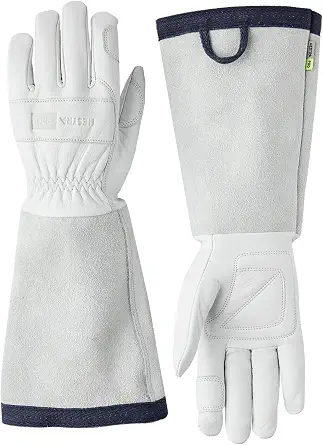 |
| Best Value The sweet spot between price and what you get | Acdyion Long Thorn-Proof Leather Gardening Gloves with Elbow-Length Cuffs |  |
| Best Budget The cheapest option that still gets the job done reliably | YRTSH Medium Women's Microfiber Leather Gardening Gloves |  |
| Highest Rated A top-rated pick with lots of positive feedback | LELETEIL Thorn Proof Gardening Gloves, Long Leather Garden Gloves |  |
| Most Popular A crowd favorite that many people choose with confidence | HANDLANDY Thorn-Proof Long Leather Rose Pruning Gloves |  |
| Best Seller A high-volume bestseller chosen again and again | WOHEER Women's Leather Gardening Gloves — Thorn-Resistant, Long Cuff |  |
SLARMOR Long Cowhide Thorn-Proof Gardening Gloves

| Material | 100% Cowhide |
|---|---|
| Sleeve Length Description | Long Sleeve |
| Fit Type | snug |
| Is Waterproof | False |
| Palm Style | Reinforced Palm |
These SLARMOR gloves are built for heavy garden work that involves thorns, rough branches, and abrasive tasks. Constructed from 100% cowhide with reinforced palm stitching and a gunn-cut plus keystone thumb, they offer a durable, flexible fit that preserves dexterity for pruning, planting, and handling tools. The long gauntlet cuff protects the forearms up to the elbow, making thorny rose pruning, blackberry harvesting, and bramble clearing much safer. They are reusable leather gloves intended for outdoor use and require hand washing and occasional leather conditioning to remain supple. Limitations include no water resistance so muddy or wet tasks will soak the leather, and the heavyweight cowhide can feel stiff initially until broken in. Sizing runs snug by design, so those between sizes should consider sizing up for a better fit during extended use.
Best for: Gardeners who prioritize protection and durability when tackling thorny shrubs and heavy yard work and who want gloves that retain tool control for pruning and planting.
Less Ideal for: People who primarily do light, wet, or indoor gardening tasks that require a thin, washable glove or those who need immediate soft, form-fitting comfort without a break-in period.
- 100% cowhide leather palm and reinforced stitching for high abrasion and puncture resistance
- Extended gauntlet cuff protects forearms and elbows from thorns
- Gunn-cut construction with keystone thumb preserves grip and dexterity for tool work
- Reusable heavy-duty build suitable for repeated pruning, weeding, and yard tasks
- Not water resistant so leather can absorb moisture and require care
- Heavyweight leather needs a break-in period and may feel stiff at first
Verdict: Choose these gloves if you need maximum thorn and abrasion protection with good grip control for serious pruning and yard work.
Hestra Pro Garden Rose Long Protective Leather Gauntlet Gloves
| Item model number | 73410 |
|---|---|
| Department | womens |
| Manufacturer | Hestra Gloves |
| Date First Available | May 19, 2022 |
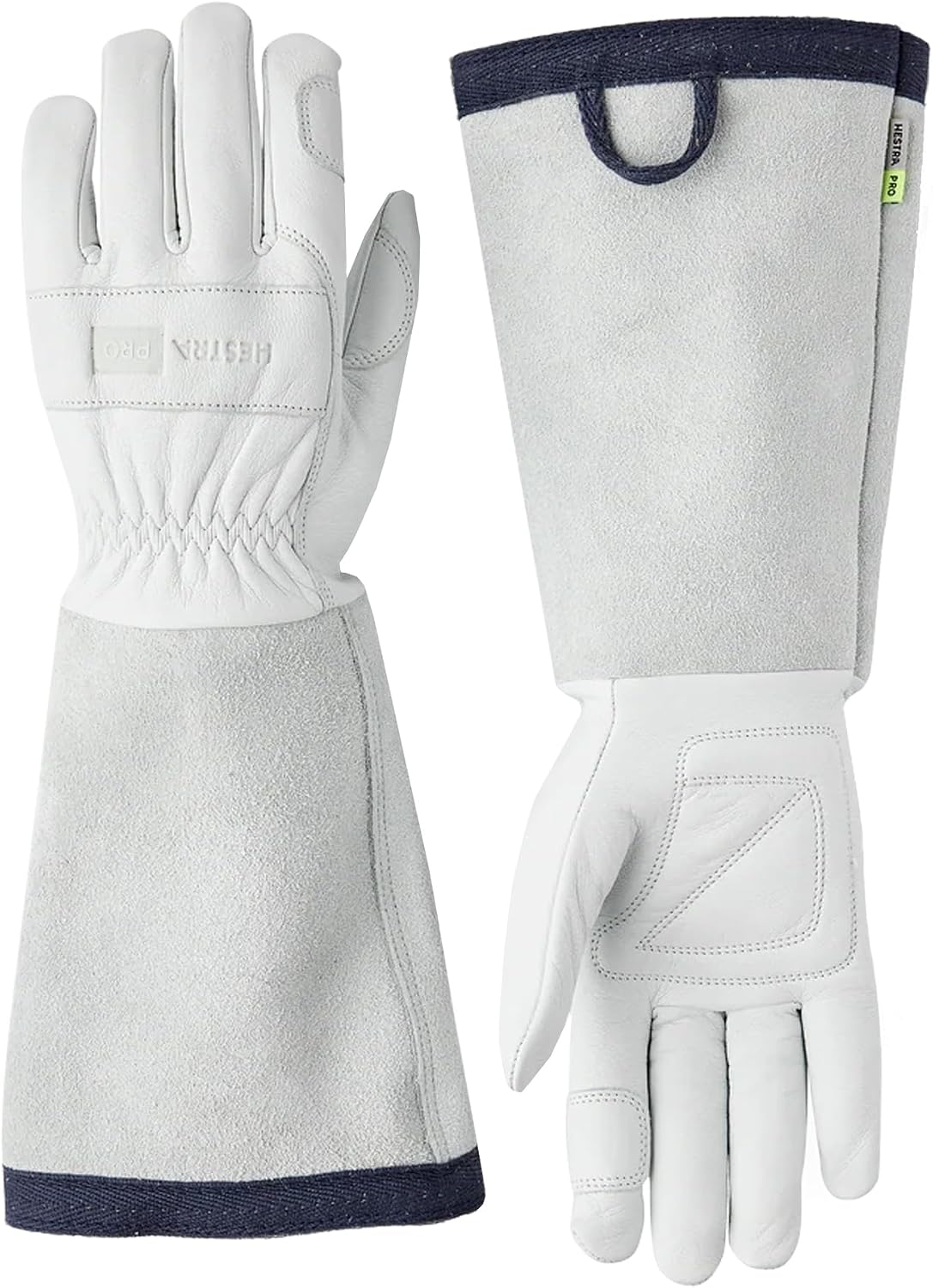
These Hestra Pro Garden Rose gloves are long leather gauntlets built for serious gardening tasks where thorn and scratch protection matters. Made from goat leather with an extended cuff and flexible backhand, they are typically used for pruning roses, handling briars, and other work that risks cuts and punctures along the wrist and lower forearm. The notable features are the long protective cuff, breathable leather that conforms with use, and reinforced palm areas common to this collection. In practice they provide secure hand protection while still allowing enough dexterity for snipping, tying, and handling small tools. Because they are leather, they break in and become more comfortable over time but require occasional cleaning and care to stay supple. They do not provide specialized heat or chemical resistance and sizing is important for dexterity, so buyers should expect a short break-in period and follow leather care to keep them performing well.
Best for: Gardeners who prioritize robust protection and lasting durability for thorny tasks like rose pruning and bramble clearing and who value a glove that breaks in for better fit and control.
Less Ideal for: People needing disposable, low-maintenance gloves or specialized safety gloves for welding, chemical handling, or high-heat work should look elsewhere.
- Long gauntlet cuff protects wrist and lower forearm from thorns and scratches
- Goat leather construction offers a durable yet flexible fit that improves with use
- Breathable backhand design helps reduce sweat during extended pruning sessions
- Reinforced palm areas give better grip and wear resistance for tool work
- Leather requires regular care and is not machine washable
- Not rated for heat, chemical, or cut-resistant industrial tasks
Verdict: A durable goat-leather gauntlet that gives reliable wrist and forearm protection for gardeners who need high-performance thorn defense while pruning roses.
Acdyion Long Thorn-Proof Leather Gardening Gloves with Elbow-Length Cuffs

| Material | Leather |
|---|---|
| Reusability | Reusable |
| Is Waterproof | True |
| Glove Or Mitt | Glove |
| Sleeve Length Description | Long Sleeve |
These Acdyion gloves are built for thorny work around roses, blackberries, and cacti. Made from thick cowhide with reinforced palms and fingertips, they provide puncture and abrasion resistance while the extended elbow-length cuff shields forearms during pruning and bramble clearing. The leather is cut-and-sewn with reinforced stitching so the gloves stand up to regular heavy use, yet the ergonomic thumb and supple leather let you handle pruning shears, tie up canes, and pick blooms with surprisingly good dexterity. They are described as breathable and waterproof which helps in damp conditions, and the interior is soft to reduce blistering during long sessions. Expect a natural leather smell at first that fades with airing, and a looser fit compared with knit or synthetic gloves that might limit fine fingertip feel for very delicate tasks. Overall these are a practical, durable choice when protection and longevity are the priority for rose gardening tasks.
Best for: Gardeners who prioritize reliable protection and durable gear for regular thorn-pruning and bramble clearing, and who value longevity over ultra-fine fingertip feel.
Less Ideal for: Gardeners who need ultra-precise fingertip sensitivity for delicate seedling work or those who prefer lightweight synthetic gloves for hot-climate comfort.
- Thick cowhide leather and reinforced stitching for strong puncture and abrasion resistance
- Extended elbow-length gauntlet protects wrists and forearms from thorns
- Ergonomic thumb and supple leather preserve good grip and practical dexterity
- Breathable and described as waterproof, usable in damp conditions
- Reusable construction built for repeated heavy garden use
- Looser fit reduces fingertip sensitivity for very fine tasks
- New leather may have a noticeable odor until aired
Verdict: Choose these gloves when maximum thorn and forearm protection is your main priority for rose pruning and bramble work.
YRTSH Medium Women's Microfiber Leather Gardening Gloves

| Material | Microfiber Leather |
|---|---|
| Closure Type | Elastic, Pull On |
| Reusability | Reusable |
| Water Resistance Level | Water Resistant |
| Fit Type | Regular |
These YRTSH gardening gloves combine a microfiber leather palm with a breathable stretch back to offer a balance of protection and feel for everyday garden work. They are typically used for weeding, planting, digging and light pruning where abrasion and thorn protection matter. Reinforced stitching and a reinforced thumb add durability in high-wear areas while the elastic pull-on closure keeps dirt out and makes them quick to put on. The lightly textured leather palm helps with grip on hand tools and the back-of-hand nylon provides breathability so hands stay cooler during longer sessions. They are machine washable for easy care and marketed as water resistant rather than fully waterproof, so they handle damp soil but will not keep hands dry in heavy wet conditions. Touchscreen-capable finger tips are a convenience for quick phone use without removing the gloves. If you need heavy-duty puncture resistance for thick thorny shrubs or waterproof protection for long wet tasks, these gloves are less suited to those extremes.
Best for: A frugal gardener who wants a reliable, reusable everyday glove for planting, weeding and light pruning without paying for heavy-duty specialty gloves.
Less Ideal for: People who routinely work with very thorny plants, heavy briars, or who need fully waterproof gloves for extended wet tasks should choose a more specialized heavy-duty glove.
- Microfiber leather palm for good grip and abrasion resistance
- Reinforced thumb and stitching increase durability in high-wear areas
- Breathable stretch back improves comfort during extended use
- Elastic pull-on closure is easy to use and helps keep out dirt
- Machine washable for simple cleaning and reuse
- Not fully waterproof so hands can get wet in heavy rain or when submerged
- May not provide enough puncture resistance for handling very thorny plants
Verdict: A budget-friendly, durable everyday gardening glove that balances protection, grip and breathability for most routine garden tasks.
LELETEIL Thorn Proof Gardening Gloves, Long Leather Garden Gloves

| Manufacturer | LELETEIL |
|---|---|
| Item model number | Thorn Proof Garden Gloves for Men Women |
| Date First Available | September 7, 2026 |
These LELETEIL thorn proof gloves are leather gauntlet-style gloves intended for heavy-duty garden work where roses, brambles, or other thorny plants are present. They extend up the forearm to shield skin from scratches and use a thicker leather palm and back for puncture resistance while still allowing enough dexterity for pruning, tying, and handling tools. In use they feel sturdy and protective for tasks like deadheading roses, pulling up briars, and transplanting thorny shrubs. The gloves are straightforward to put on and off and the longer cuff helps keep sleeves clean and prevents thorns from reaching the wrist. Limitations are typical for leather gauntlets: they are not waterproof and will stiffen if left wet, and they do not provide the fine fingertip sensitivity of thin fabric gloves for delicate seedling work. For gardeners who prioritize dependable puncture protection when working with thorny plants these gloves deliver clear practical benefits, but they are less suited to jobs that require high tactile feedback or frequent wet handling.
Best for: Gardeners who regularly work with roses, brambles, or thorny shrubs and need reliable, durable protection for hands and lower arms while pruning and clearing.
Less Ideal for: Those who need maximum fingertip dexterity for seed starting, delicate transplanting, or frequent wet tasks should consider thinner or waterproof glove options.
- Forearm-length gauntlet design shields wrists and lower arms from thorns
- Thicker leather construction offers strong puncture and abrasion resistance
- Sturdy palm provides good grip for pruning tools and handling branches
- Easy to put on and remove for quick transitions between tasks
- Not waterproof and can stiffen or absorb moisture when wet
- Less fingertip sensitivity compared with thin fabric or nitrile gloves
Verdict: Buy these gloves if you want dependable leather protection for hands and forearms when working with roses and other thorny plants.
HANDLANDY Thorn-Proof Long Leather Rose Pruning Gloves

| Material | Leather, Synthetic Leather |
|---|---|
| Sleeve Length | Long Sleeve |
| Protective Features | Abrasion Resistant, Cut-Resistant, Thorn Proof |
| Closure Type | Pull On |
| Temperature Rating | -10°C to +40°C |
These HANDLANDY thorn-proof gardening gloves use pigskin leather on the palm and back plus reinforced padding at the fingertips and palm to resist cuts, punctures, and abrasion while retaining good flexibility. The elbow-length gauntlet shields forearms from thorns and brambles, and the elastic slip-on cuff keeps dirt out during repetitive weeding, pruning, and brush clearance. Breathable pigskin helps keep hands cooler than heavier full-grain leather, and reinforced stitching and a padded palm improve durability for regular yard work. They are not waterproof and have no interior liner listed, so hands can get damp in wet conditions and dexterity with very fine tasks may feel slightly reduced compared with thin fabric gloves. For persistent thorny jobs these gloves trade a bit of fingertip finesse for confident protection and long wear. Care is simple: air out leather to remove initial smell and keep them dry between uses to prolong life.
Best for: Serious gardeners who prioritize protection and durability for thorny weeding and pruning tasks and want durable gloves that stand up to regular heavy use.
Less Ideal for: Gardners who need maximum fingertip sensitivity for delicate seeding, transplanting, or wet-weather work should consider lighter or waterproof alternatives.
- Thick pigskin leather palm and back for breathability with strong puncture resistance
- Extended elbow-length gauntlet protects forearms from thorns and brambles
- Reinforced palm and fingertip padding for better abrasion and cut resistance during heavy pruning
- Elastic slip-on cuff keeps debris out and provides a snug fit
- Reinforced stitching improves durability for frequent use
- Not water resistant so hands may get wet during damp weeding or rainy conditions
- No listed glove liner which can reduce warmth in cold weather and allow perspiration against skin
Verdict: Choose these gloves when thorny, heavy-duty weeding and pruning demand confident forearm and hand protection.
WOHEER Women's Leather Gardening Gloves — Thorn-Resistant, Long Cuff

| Material | Microfiber leather (palm) and stretchy breathable back |
|---|---|
| Care instructions | Hand wash gently and hang to dry |
| Waterproof | No |
These WOHEER gardening gloves are designed for everyday yard and garden work: weeding, planting, pruning, and light digging. The palm uses microfiber leather for abrasion resistance and improved grip while the stretchy, breathable fabric on the back keeps hands cooler during long sessions. Elastic cuffs help keep dirt out and hold the glove in place. In practice they protect against scrapes and most thorn scratches and make handling hand tools easier thanks to a flexible ergonomic fit. Care is simple since the manufacturer recommends gentle hand washing and air drying. Limitations are that they are not fully puncture proof or waterproof and will not replace heavy-duty gauntlets for handling large thorns or very prickly cactus. Sizing can matter for fit and dexterity so measure before choosing a size if you need precise fingertip control.
Best for: Gardeners who want a comfortable, all-purpose women's glove for routine tasks like planting, weeding, pruning, and light digging and who value breathability and dexterity.
Less Ideal for: People who need heavy puncture-proof gauntlets for handling very spiny plants or who work frequently in saturated wet conditions should choose a more specialized protective glove.
- Microfiber leather palm provides abrasion resistance and good grip for hand tools
- Breathable, stretchy back keeps hands cooler during extended wear
- Elastic cuffs help keep dirt and debris out and maintain fit
- Flexible ergonomic design that supports a range of garden tasks
- Not fully puncture or waterproof so limited against large thorns or wet work
- Requires hand washing and air drying rather than machine wash
Verdict: A breathable, flexible leather glove that protects hands during most everyday gardening jobs while keeping comfort and grip front of mind.
Choosing the Right Rose Gardening Gloves: Key Factors to Consider
Puncture and Cut Resistance
Rose thorns are sharp and can puncture ordinary fabric. Gloves with reinforced palms, layered synthetic leather, or cut-resistant fibers reduce the chance of skin punctures when gripping canes or gathering clippings. Assess the construction at high-contact zones such as fingertips and the base of the thumb.
Higher puncture resistance often adds stiffness, so balance protection with the dexterity needed for pruning. For heavy pruning sessions or working with old, woody canes, prioritize thicker reinforcement. For light deadheading and training young shoots, moderate protection that preserves finger movement may be preferable.
Fit, Size Range, and Dexterity
A glove that fits well lets you operate pruning shears, tie supports, and remove spent blooms precisely. Look for gloves offered in multiple sizes with measurements for palm width and finger length rather than one-size-fits-all designs. Elasticized wrists or adjustable closures help keep the glove in place during repetitive motions.
Dexterity is affected by material thickness, seam placement, and whether the glove includes touchscreen-capable tips. If you rely on narrow bypass pruners or perform detailed tying and grafting, choose thinner palms or anatomically shaped fingers that preserve fine motor control.
Cuff Length and Closure
Cuff length determines how much of the wrist and lower forearm are protected from thorns and sap. Short cuffs are comfortable for quick deadheading and warm weather, while gauntlet-style cuffs shield the lower arm when reaching into dense or climbing rose bushes. Consider how you prune: reaching up into a climbing rose or working through thorny hedges benefits from extended cuff coverage.
Closure types such as hook-and-loop straps or elastic gussets affect how well debris and thorns are kept out. A secure closure that also allows easy on-off saves time during repeated trips between beds and tools.
Grip and Control
Handling pruning tools and tying materials requires a confident grip. Look for textured palms, silicone prints, or leather patches that improve friction when hands are wet or when holding small plant ties. Good grip reduces slippage and the force you need to apply, which lessens hand fatigue during longer sessions.
Grip design should not overly reduce breathability. If your garden work involves long periods in warm weather, choose materials that balance tackiness with ventilation.
Material Breathability and Comfort
Gloves that trap heat and moisture become uncomfortable and can lead to sweaty hands that slip inside the glove. Breathable fabrics and perforated panels help in warm-weather pruning while still offering adequate protection. Cotton blends and mesh-backed gloves are cooler, but may sacrifice abrasion resistance compared with synthetic leather or densely woven textiles.
Comfort also includes seam placement and internal lining. Soft internal seams prevent rubbing during repetitive tasks and reduce the chance of blisters when pruning for extended periods.
Washability and Long-Term Care
Garden gloves pick up sap, dirt, and occasional mildew if left wet. Materials that tolerate machine washing or easy hand washing extend usable life. Check whether reinforcements are glued or stitched; stitched reinforcements tolerate laundering better.
Consider how often you will need to clean gloves based on your gardening cadence. Gloves that maintain shape and protection after repeated washes limit the need to rotate pairs frequently.
Choosing Gloves for Different Rose Tasks
Different rose chores call for different glove attributes. Light tasks such as deadheading, pinching out shoots, and tying benefit from gloves with high dexterity and thinner palms so you can feel stems and small buds. For pruning older, woodier canes or removing large suckers, opt for gloves with stronger reinforcement in the palm and fingers to prevent thorn penetration.
For training and working with climbing roses, longer cuffs protect forearms while reaching into dense canes. If you alternate frequently between tool work and hand tasks, keep a pair of thin, precise gloves for detail work and a heavier pair for more aggressive pruning.
- Deadheading and light maintenance: thin, flexible gloves
- Pruning woody canes: reinforced palms and fingertips
- Training climbers: gauntlet cuffs for forearm protection
- Wet or muddy conditions: textured grip and quick-dry materials
Sizing Tips for a Better Fit
Measure your dominant hand across the widest part of the palm and from the base of the palm to the tip of the middle finger. Compare those numbers to manufacturer sizing charts when available. A snug fit at the fingers improves control, but avoid a too-tight glove that restricts circulation or causes hand fatigue.
- Try gloves on with pruning shears to test grip and reach
- Allow a small amount of extra length if you wear wrist supports
Materials and Their Trade-offs
Leather offers good abrasion resistance and a natural grip, but can be warm and may require break-in. Synthetic leather and reinforced textiles are often more puncture-resistant out of the box and easier to maintain. Knit or mesh panels improve breathability but reduce thorn protection in those areas.
For frequent contact with saps and chemicals used for pest control, choose materials that resist staining and tolerate cleaning without breaking down.
- Leather: durable, good grip, may need breaking in
- Synthetic leather: consistent protection, easier care
- Mesh panels: ventilation but less protection
Maintaining Glove Performance
Rinse or brush dirt and sap from gloves after each use to prevent buildup that weakens fibers. Allow gloves to dry naturally away from direct heat to preserve shape and prevent leather cracking. Inspect seams and reinforcement areas regularly and repair minor rips promptly to extend service life.
Rotate between pairs when gloves are wet to allow full drying. Store gloves flat or laid over a clean surface to avoid misshaping gauntlet cuffs or compressing padding.
- Clean after each heavy use
- Air-dry away from heat
- Repair small tears or reinforce weak spots early
Gloves for Seasonal Conditions
In cooler months, insulated gloves or pairs with a thermal lining keep hands warm while pruning. Make sure insulation does not prevent fine control for small pruning cuts. In hot weather, pick breathable options that wick moisture and prevent blistering.
Consider water-resistant coatings if you frequently prune after rain or water your roses before working them. Water-resistant fabrics maintain grip and help reduce the chill after dawn or evening work.
- Winter pruning: insulated but dexterous gloves
- Summer maintenance: breathable, quick-dry gloves
- Damp conditions: water-resistant finishes
How We Chose the Best Rose Gardening Gloves
We focused on practical criteria that influence how gloves perform during real rose care. Fit and sizing was a top filter because gloves that bunch or are too loose reduce dexterity when using secateurs or tying plants. Puncture and cut resistance was required so thorns do not penetrate during pruning or handling canes. Material and durability assessment emphasized abrasion resistance, stitching quality, and whether fabric withstands repeated contact with woody stems and soil. Cuff length and closure type were included because wrist protection and prevention of debris entry are important for thicker or climbing roses. Grip and tactile control were evaluated for handling slim pruning shears and fine tasks like deadheading. We also considered breathability and washability for comfort across seasons. Items were excluded if their construction prioritized fashion over function, lacked reinforced palm or fingertip zones, or offered only one universal size that cannot reliably fit different hand shapes. The final shortlist favors gloves that balance protection with the ability to perform precision tasks around thorny roses.
FAQ
Do I need gauntlet-style gloves for all roses?
Not always. Gauntlet cuffs are useful when reaching into dense or tall climbing roses, but for routine deadheading and light pruning, shorter cuffs provide better mobility and comfort. Match cuff length to the tasks you do most often.
How tight should rose gardening gloves fit?
They should fit snugly at the fingers without restricting circulation. A close fit improves dexterity for pruning and tying. If the glove is too tight, your hands will tire quickly; too loose and you lose control over small tools.
Can I wash reinforced gardening gloves in the machine?
It depends on materials. Many synthetic and fabric gloves tolerate gentle machine cycles, but leather or glued reinforcements may degrade with machine washing. Hand washing and air drying is the safest option for mixed-material gloves.
Are leather gloves better than synthetic for thorn protection?
Leather provides strong abrasion resistance and a secure grip, but modern synthetic fabrics and reinforced palm patches can offer comparable thorn resistance with easier care. The best choice depends on the balance you need between protection, maintenance, and dexterity.
How often should I replace my rose gardening gloves?
Replace gloves when reinforcement wears thin, seams come apart, or punctures appear. Frequency depends on use intensity. Light home gardeners may get seasons of use, while heavy pruning or professional tasks shorten usable life.
Final Verdict
Prioritize the specific rose tasks you perform most when choosing gloves. If you do heavy pruning or work climbing varieties, favor reinforced palms and longer cuffs. For frequent deadheading, tying, and detail work, prioritize fit and dexterity. Balance protection, breathability, and care needs to find gloves that stay comfortable through long sessions and retain thorn resistance after repeated use. Focus on the tradeoffs described above and pick the attributes that match how you manage your roses.
