

Note: This article contains affiliate links. If you click on these links and make a purchase, I may earn a small commission at no extra cost to you. This helps support my research and content. Read my full affiliate disclosure here.
Kale likes consistent moisture, loose soil, and minimal competition from weeds. Choosing the right mulch for kale helps maintain steady soil moisture, moderates temperature swings, and reduces time spent weeding so you can focus on growing strong, tender leaves. This guide covers five top mulches suited for kale plantings and explains the practical reasons each type made the shortlist. We evaluate options based on how well they conserve water, contribute or retain nutrients, and how they behave in beds and containers. Below you will find the key attributes gardeners should weigh and clear explanations of how different mulches perform in real garden situations.
Top Picks at a Glance
| Best Overall The best all-around choice for most situations | EZ-Straw Just Straw Small Bale (1 Cubic Foot) |  |
| Best Value The sweet spot between price and what you get | Plantonix Coco Chips Mulch Brick (10 lb) – Compressed Coconut Husk Chips |  |
| Best Budget The cheapest option that still gets the job done reliably | Halatool Coco Coir Chips Brick Pack (2-Pack) – Compressed Organic Coconut Husk Growing Medium |  |
| Highest Rated A top-rated pick with lots of positive feedback | Home And Country USA Triple Shredded Hardwood Mulch, 2 cu ft |  |
| Best Seller A high-volume bestseller chosen again and again | Legigo Coco Coir Chips Organic Coconut Husk Potting Mix (1.1 lb) |  |
EZ-Straw Just Straw Small Bale (1 Cubic Foot)

| Item Weight | 10 pounds |
|---|---|
| Manufacturer | Rhino Seed & Landscape, LLC |
| Date First Available | September 27, 2013 |
| Ingredients | All-Natural |
EZ-Straw Just Straw is a small, clean-processed bale of all-natural straw designed for multipurpose use around the garden and home. For an organic vegetable garden it serves primarily as mulch and seed-covering mulch to retain moisture, suppress light weeds, and reduce soil splash on low plants. The bale is conveniently bagged in UV-protected plastic for easier handling and short-term outdoor storage, and because it is clean-processed it contains fewer large debris pieces that can interfere with planting. Practical benefits include lightweight application by hand, reuse for potting or small-animal bedding, and suitability for composting when mixed into beds later in the season. Limitations to expect are the small bale size, which makes it suitable only for patching or small beds rather than large-scale mulching, and the need to monitor for decomposition and occasional seeds that could introduce volunteer grasses. If you want an easy-to-handle, organic straw option for mulching small vegetable plots or protecting seedlings, this product performs well; for large acreage or long-term permanent mulch consider larger bales or different materials.
Best for: Gardeners who want an easy-to-handle, organic straw option for mulching small vegetable plots, protecting seedlings, or topping compost piles and prefer a low-maintenance, ready-to-use product.
Less Ideal for: Growers needing to cover large vegetable beds or whole-yard areas who should choose larger bales or bulk mulch alternatives.
- Clean processed straw reduces large debris and makes application neater
- All-natural material suitable for organic gardens and composting
- UV-protected bag simplifies storage and handling
- Versatile uses: seed mulch, moisture retention, animal bedding, and crafts
- Small 1 cubic foot bale is only practical for small beds or spot treatments
Verdict: A tidy, small bale of clean-processed, all-natural straw that is ideal for organic gardeners needing a convenient mulch or seed-covering solution for small beds.
Plantonix Coco Chips Mulch Brick (10 lb) – Compressed Coconut Husk Chips

| Unit Count | 160 Ounce |
|---|---|
| Item Type Name | Soil and Soil Amendments |
| Brand Name | plantonix |
| Volume | 15 gallons |
Plantonix Coco Chips arrive as a compact 10 pound brick that hydrates and expands into lightweight coconut husk chips for use as mulch, soil amendment, or terrarium bedding. You soak or wet the block to break it apart, then spread the chips over garden beds, containers, orchid pots, or raised beds to reduce evaporation and moderate soil temperature. The product is pre-screened, washed, and aged to remove dirt and rocks, and the low electrical conductivity and near-neutral pH make it safe to mix with potting mixes. Practical benefits include improved drainage and aeration compared with heavy wood mulches, long-lasting moisture retention that can reduce watering frequency, and an attractive tropical look. Important limitations are that you must rehydrate and break up the compressed brick before use which adds prep time, and coco chips do not supply nutrients so you will still need to fertilize regularly. Also note the safety warning about dust and keeping it away from children and pets during handling.
Best for: Buyers who prioritize reliable, consistent mulch performance and want a sustainable, low-maintenance material that retains moisture and improves soil structure for beds and containers.
Less Ideal for: Gardeners who need a nutrient-rich soil amendment or who prefer a no-prep, ready-to-spread loose mulch should consider alternatives.
- Made from 100% recycled coconut husks, a renewable alternative to peat and wood mulches
- Pre-screened and washed to remove dirt, rocks, and excess fiber
- Excellent at retaining moisture while maintaining airflow and drainage
- Lightweight and long-lasting so it does not compact like some organic mulches
- Requires soaking and manual breakup of the compressed brick before use
- Does not provide plant nutrients and should be used with a fertilizer plan
Verdict: A dependable, renewable mulch solution that holds moisture and improves aeration without compacting, ideal for gardeners who want consistent performance.
Halatool Coco Coir Chips Brick Pack (2-Pack) – Compressed Organic Coconut Husk Growing Medium

| Number of Packs | 2 |
|---|---|
| Unit Count | 35.2 Ounce |
| Material | coconut husk |
| Volume (expanded) | 7 quarts per brick |
These Halatool coco coir chip bricks are compressed coconut husk pieces sold as a 2-pack that expand to about 7 quarts per brick when rehydrated. You soak the bricks in water to break them apart, then mix the resulting chips into potting mixes, use them as a mulch layer, or add them to containers to improve aeration and drainage. The material is low in salts and has balanced pH, so it is suitable for sensitive vegetable roots and for improving heavy soils without altering soil chemistry. The chips hold moisture while still allowing oxygen to reach roots, which helps prevent waterlogging in containers and raised beds. Because they are lightweight and compressed, storage and transport are easy, but you will need a container and time for full expansion before planting. Also they are sold in small unit counts, so larger vegetable beds will require multiple packs or mixing with other bulk amendments. For gardeners looking to improve root health and drainage in vegetable containers or to top-dress small beds, these coir chips are a convenient organic option.
Best for: Gardeners who prioritize practical solutions to improve root health in containers and small vegetable beds and who prefer an easy-to-store organic medium to mix with potting soil or use as mulch.
Less Ideal for: Those needing bulk mulch for large in-ground vegetable rows or landscapers who require ready-to-use loose material without rehydration work.
- Low electrical conductivity and balanced pH suitable for sensitive plants
- Improves aeration and drainage while retaining some moisture for roots
- Compressed bricks are compact for storage and expand quickly with water
- 100% natural organic coconut husk, usable as mulch or mixed into potting soil
- Sold in small packs that may not be economical for large vegetable beds
- Requires soaking and manual breakup before use which adds prep time
Verdict: A compact, low-salt organic coir chip option that improves drainage and root oxygenation for containers and small vegetable beds.
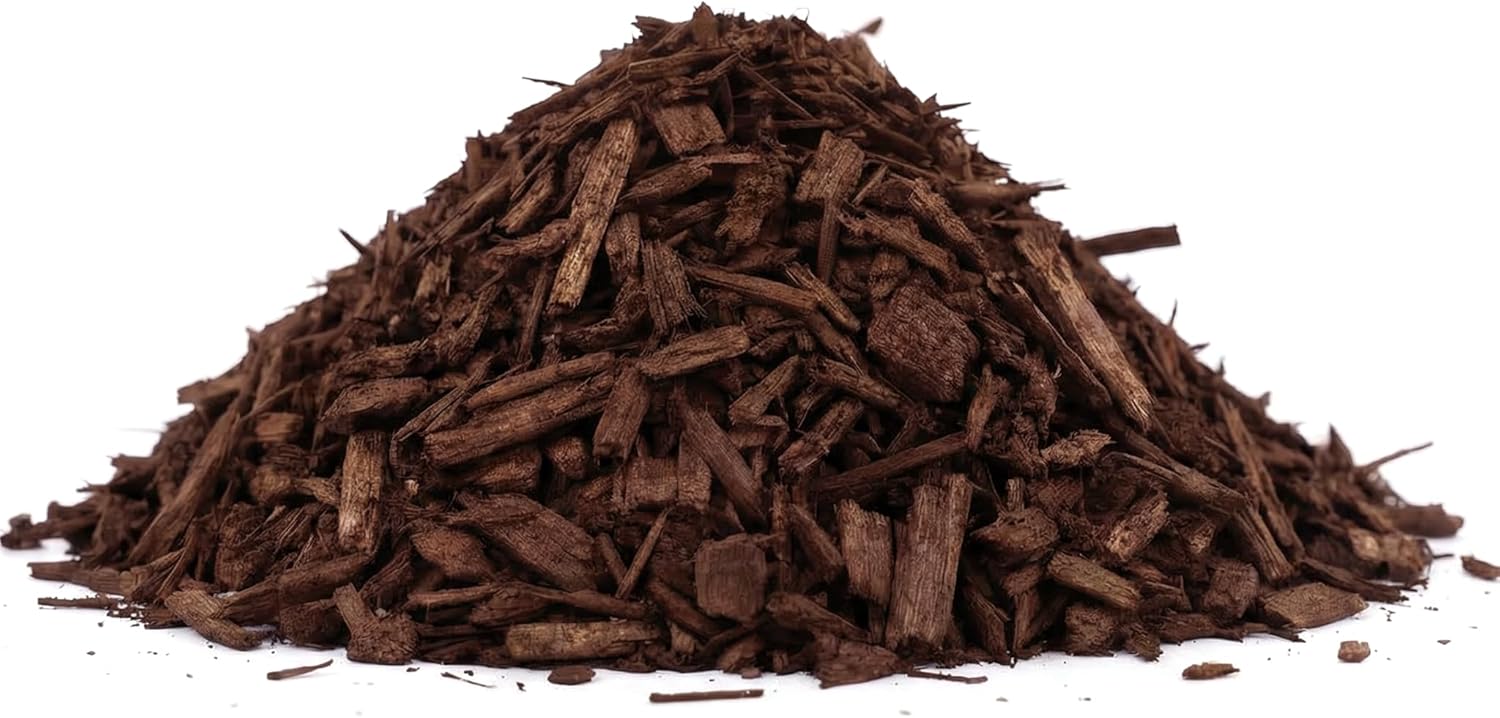
Home And Country USA Triple Shredded Hardwood Mulch, 2 cu ft
| Manufacturer | Home and Country USA |
|---|---|
| Item model number | HCM |
| ASIN | B0CVM9VW66 |
This triple-shredded hardwood mulch is a straightforward organic ground cover intended for garden beds, borders, and around shrubs and fruit plants. It is typically spread in a 2 to 3 inch layer to suppress weeds, reduce evaporation, and help regulate soil temperature. The product emphasizes long-lasting color and gradual decomposition that returns organic matter to the soil, which supports root health over time. Practical benefits for blueberry growers include better moisture retention and reduced weed pressure, both important for shallow-rooted berry bushes. Because it is hardwood and triple shredded, it provides good coverage without compacting heavily, yet still allows water and air to reach roots. Limits to expect are the usual ones with organic mulch: it will slowly break down and require annual top-ups, and hardwood mulches can temporarily immobilize nitrogen if incorporated into soil before fully decomposed, so monitor plant vigor and supplement with nitrogen if needed. For gardeners prioritizing a natural, reliable soil cover, this mulch performs the core tasks well.
Best for: Gardeners who want a dependable, natural mulch to maintain consistent soil moisture and reduce weed upkeep for berry beds and ornamental plantings.
Less Ideal for: Those who need a permanent inorganic groundcover or want a mulch that never needs replenishing should look at nonorganic alternatives.
- 100% natural organic hardwood that adds organic matter as it decomposes
- Triple-shredded texture gives even coverage without compacting
- Designed to retain soil moisture and reduce evaporation
- Helps suppress weeds by creating a physical barrier
- Requires periodic replenishing as it breaks down over a season or year
- May temporarily tie up soil nitrogen during decomposition if mixed into planting beds
Verdict: A reliable, natural hardwood mulch that helps blueberry beds retain moisture and suppress weeds while gradually improving soil health.
Legigo Coco Coir Chips Organic Coconut Husk Potting Mix (1.1 lb)

| Material | Coconut Coir |
|---|---|
| Unit Count | 17.64 Ounce |
| Item Highlight | Drainage, Aeration & Moisture Retention |
| Volume | 7 quarts |
Legigo coco coir chips are compressed coconut husk pieces designed to expand when soaked and serve as a lightweight, well‑aerated growing medium or mulch. Typical uses include mixing into potting soil for houseplants and orchids, creating a chunky orchid substrate, amending garden beds to improve drainage, or applying as a surface mulch to retain moisture. Notable features are a stable pH in the 5.5–6.5 range, high cation exchange capacity for nutrient availability, and the material’s ability to absorb several times its weight in water while still draining excess. Practically, that means plants get steady moisture without waterlogging and roots benefit from good oxygen flow. Limitations are its coarse texture compared with fine mulches and the small pack size, so multiple bags are needed for large beds. Also coco coir itself has minimal nutrients so you should plan to supplement with fertilizer when used as a primary medium.
Best for: Gardeners who want a clean, low‑EC, moisture‑retentive mulch or soil amendment that improves drainage and root oxygenation, and who prefer products with positive user feedback. It suits people planning targeted amendments for containers, blueberry plants in raised beds, or mixing bespoke potting mixes.
Less Ideal for: Anyone wanting an all‑in‑one fertilizing mulch or a very fine textured soil conditioner for bulk landscape work should look at alternative mulches or larger volume soil amendments.
- Stable, slightly acidic pH suitable for many acid‑loving plants
- Good water retention while still providing drainage and aeration
- Clean, compressed brick format that expands after soaking for easy storage and handling
- Versatile: usable as potting amendment, orchid substrate, or surface mulch
- Small single‑pack volume means you may need several bags for an entire blueberry patch
- Provides little inherent fertility so additional fertilization is required
Verdict: A reliable, low‑EC coco coir chip mulch that improves moisture retention and drainage for blueberry beds and container plantings when paired with regular fertilization.
Choosing the Right Mulch for Kale: Key Factors to Consider
Moisture Retention and Evaporation Control
Kale prefers steady soil moisture; wide swings stress leaf production and can make leaves tough. Mulch reduces surface evaporation by shading the soil and insulating the top layer, which is especially useful during hot, dry spells. A mulch that holds moisture well will reduce how often you need to water, but it should not stay saturated enough to cause root rot. In containers, choose mulches that slow evaporation without compacting or blocking drainage.
Think about how often you can realistically water and how long the mulch will provide benefits between irrigations. Long-lasting mulches are useful if you water infrequently; lighter, quick-decomposing mulches are better when you want to enrich the soil as you go.
Nutrient Contribution and Soil Chemistry
Some mulches contribute nutrients as they break down, which can feed kale during the growing season. Organic mulches such as composted material release nitrogen and other elements slowly. However, very fresh high-carbon materials can temporarily tie up nitrogen as microbes decompose them near the soil surface. That can slow leafy growth unless you compensate with fertilizer.
Consider whether you need a mulch that builds fertility or one that stays neutral. If your soil is already fertile, choose a mulch that will not cause nitrogen drawdown; if you are building soil, a compost-rich mulch that decomposes steadily can be beneficial.
Weed Suppression and Maintenance Time
Weed pressure competes directly with kale for water and nutrients and increases the risk of pest and disease habitat. A mulch that blocks light and forms a barrier reduces time spent hand-weeding and lowers the need for weed control products. Thick, well-applied mulches are more effective, but they can also hide early pest activity under the mulch layer.
Balance the labor of applying and refreshing mulch with the amount of time you save weeding. Some mulches need annual topping; others persist longer and require less frequent upkeep.
Decomposition Rate and Soil Building
How quickly a mulch breaks down affects both maintenance and soil health. Fast-decomposing materials improve soil organic matter and structure but require more frequent reapplication. Slow-decomposing mulches provide longer-lasting coverage but add little to soil fertility in the short term.
Match decomposition rate to your management goals. If you want to build organic matter, choose faster-breaking materials and plan to replenish. If you prefer low-maintenance beds, choose mulches that remain stable through the season.
Pest and Disease Considerations
Mulch can change the microclimate at the soil surface and influence pest and disease pressure. Some mulches hold moisture against stems and can encourage slugs or fungal issues if placed too close to plant crowns. Others discourage pests by creating a drier surface or by supporting beneficial soil organisms.
When mulching kale, leave a small clear space around stems to reduce collar wetness and monitor for slug activity under any mulch that stays cool and moist. Choose materials that are clean and free of weed seeds or known disease vectors.
Mulch Use Around Seedlings and Transplants
Young kale seedlings need protection without smothering. Use a light layer of fine-textured mulch to conserve moisture while allowing light to reach tiny leaves. Coarse or heavy mulches can interfere with emergence if applied too thickly.
- Apply only a thin layer until plants are established.
- Keep mulch a finger-width away from stems to prevent crown moisture issues.
- Consider using row covers or temporary shade with very young transplants rather than deep mulch.
Mulching in Raised Beds and Containers
Raised beds and containers dry out more quickly than in-ground beds, so mulch choices matter. In containers choose materials that slow evaporation but do not block drainage or compact into a crust. In raised beds prioritize mulches that add organic matter or retain moisture for longer stretches between waterings.
- Use lighter, airy mulches in pots to avoid waterlogging.
- Top up container mulch midseason as it decomposes faster than in-ground.
Timing and Application Best Practices
Apply mulch after the soil has warmed in spring and after transplants are established so it does not interfere with early soil warming. Spread mulch to an even depth appropriate to the material type and avoid piling mulch against stems. Refresh mulch as it decomposes or moves from the row center toward the edges.
- Aim for a mulch depth of about 1 to 3 inches depending on material.
- Avoid more than 3 inches of fine mulch near crowns to reduce rot risk.
- Replenish in midseason if the layer has thinned significantly.
Balancing Mulch with Fertilizer and Soil Tests
Mulch interacts with soil fertility; a soil test helps decide whether you need a nutrient-contributing mulch or one that is largely inert. Adjust your fertilizer plan if using a high-carbon mulch that may temporarily immobilize nitrogen. Monitor leaf color and growth rate and amend as needed.
- Test soil before major changes and every few years afterward.
- Plan fertilizer timing to offset any short-term nutrient tie-up from fresh organic mulches.
Seasonal Considerations for Kale Plantings
Kale is often grown in cool seasons and may be overwintered in mild climates. Choose mulches that insulate roots in colder weather without creating an overly warm crown in summer plantings. In fall plantings, a slightly thicker mulch can help moderate freeze-thaw cycles and protect roots.
- Use insulating mulches for winter protection in colder regions.
- Switch to lighter mulches in warm weather to avoid excess heat around crowns.
How We Chose the Best Mulch for Kale
We focused on practical gardening outcomes that matter specifically to kale production: moisture retention, nutrient contribution or neutrality, weed suppression, and ease of application around shallow-rooted brassicas. Sources reviewed included extension-style growing advice, common horticultural practice, and real-world gardener notes about longevity and handling. We prioritized mulches that maintain an even soil environment, do not introduce diseases or weed seeds, and are safe to use near young transplants. Evaluation criteria used to decide which mulches to include were moisture-holding capacity, nutrient effects on leafy brassicas, decomposition rate and resulting soil impact, weed-blocking performance, and suitability for both in-ground beds and containers. Exclusions included materials known to release harmful chemicals, persistent plastics that hinder soil gas exchange, or mulches that require heavy, repeated labor without commensurate benefit.
FAQ
What mulch depth is best for kale beds?
Generally 1 to 3 inches is effective. Lighter-textured materials work well at 1 to 2 inches, while coarser mulches can be applied up to 3 inches. Avoid contact with crowns.
Can I use fresh wood chips around kale?
Fresh wood chips are high in carbon and can temporarily reduce available nitrogen as they decompose. If you use them, apply them thinly and supplement with nitrogen-rich fertilizer or use aged chips that have stabilized.
Is straw safe to use around brassicas like kale?
Straw is commonly used and suppresses weeds while insulating soil. Use clean straw free of weed seeds and apply at a moderate depth to avoid creating damp conditions that attract slugs.
How often should I replenish mulch in containers?
Containers often need topping midseason as organic mulch decomposes faster in pots. Check every 4 to 8 weeks and add a light refresh when the layer has thinned noticeably.
Will mulch affect kale flavor or leaf quality?
Mulch primarily affects water availability and soil nutrients, which in turn influence leaf texture and growth rate. Proper mulching that steadies moisture and supports nutrition typically improves tenderness and consistency.
Final Verdict
Choose a mulch strategy that matches your watering routine, soil fertility goals, and seasonal needs. Prioritize materials that conserve moisture without creating persistent wet conditions at plant crowns and pick decomposition rates that fit your desire to build organic matter versus lowering maintenance. The right mulch for kale is a tradeoff between moisture retention, nutrient effects, and upkeep. Focus on consistent moisture control and clean, seed-free materials, and you will reduce weeding and support steady, tender leaf production.
