

Note: This article contains affiliate links. If you click on these links and make a purchase, I may earn a small commission at no extra cost to you. This helps support my research and content. Read my full affiliate disclosure here.
Choosing the right natural insect repellent for plants matters because gardeners need effective pest control that will not harm beneficial insects, seedlings, or ornamental foliage. In garden beds, containers, and greenhouses, the wrong product can cause leaf burn, repel pollinators, or fail to stop persistent sap-sucking or chewing pests. This guide covers six shortlisted natural insect repellents that are well suited for use on plants. We evaluate each option on practical gardener-focused criteria like pest control effectiveness and plant safety so you can pick a product that fits your growing situation. Read on for a concise overview of why each criterion matters and what to expect in real garden use.
Top Picks at a Glance
| Best Overall The best all-around choice for most situations | Big Leaf Energy Organic Neem Oil Spray for Plants, 16 oz |  |
| Best Quality Built to a higher standard if you want something more solid | WE THE WILD Organic Leaf Shine Spray with Neem Oil, 16.9 fl oz |  |
| Best Value The sweet spot between price and what you get | Bonide Captain Jack's Insecticidal Super Soap Ready-to-Use, 32 oz | 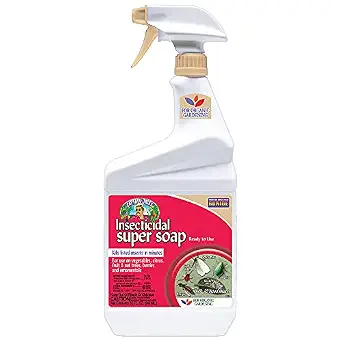 |
| Best Budget The cheapest option that still gets the job done reliably | BioAdvanced Organics Neem Oil Spray, Ready-to-Use, 24 fl oz |  |
| Highest Rated A top-rated pick with lots of positive feedback | The Green Alcove Neem Oil Concentrate with Spray Bottle and Essential Oil Blend |  |
| Most Popular A crowd favorite that many people choose with confidence | Bonide Captain Jack's Ready-to-Use Neem Oil Spray, 32 oz |  |
Big Leaf Energy Organic Neem Oil Spray for Plants, 16 oz

| Unit Count | 16 Fluid Ounces |
|---|---|
| Item Form | Spray |
| Target Species | Plants |
| Special Features | Biodegradable, Fast-Acting |
| Active Ingredients | Azadirachtin, Coconut Oil, Rosemary, Clove, Cinnamon, Eucalyptus, Lemon, Cedarwood |
Big Leaf Energy Neem Oil Spray is a ready-to-use, plant-safe botanical spray designed to control pests and support leaf and soil health. It delivers a higher concentration of azadirachtin than many premixed sprays and combines cold-pressed neem oil with seven essential oils to provide insect deterrence, a natural leaf shine, and modest systemic support when used as a soil drench. Typical use is as a foliar spray on tops and undersides of leaves or as a diluted soil drench; the label recommends shaking before use, patch testing sensitive plants, and avoiding spraying in direct sun. Notable features include a premium fine-mist sprayer for even coverage, a biodegradable alcohol-free formula, and the option to dilute for gentler, more frequent applications. Practical benefits are effective, multi-purpose pest suppression across vegetables, ornamentals, and houseplants and a pleasant citrus-wood aroma compared with straight neem. Important limitations are the need to warm and shake if natural separation or solidifying occurs in cold conditions and caution around pets or people with sensitivities to essential oils.
Best for: Gardeners focused on effective, performance-driven pest control who want an organic, concentrated neem spray that can be adjusted for different plant types and application rates.
Less Ideal for: People who need fragrance-free products or who keep pets and household members highly sensitive to essential oils should consider an alternative with milder ingredients.
- Higher concentration of azadirachtin for stronger pest control compared with many ready-to-use neem sprays
- Fine-mist sprayer provides even coverage on tops and undersides of leaves to reduce runoff and waste
- Alcohol-free, biodegradable formula made with cold-pressed neem and a blend of seven essential oils
- Can be used straight or diluted up to 4x to adjust strength for sensitive plants or frequent applications
- Natural formula can separate or thicken in cold temperatures requiring warming and shaking
- Contains essential oils that require caution around pets and people with sensitivities
Verdict: Choose this concentrated, organic neem spray when you want a performance-minded, adjustable botanical insect control that works on both houseplants and garden beds.
WE THE WILD Organic Leaf Shine Spray with Neem Oil, 16.9 fl oz

| Item Form | Liquid |
|---|---|
| Unit Count | 16.9 Fluid Ounces |
| Included Components | Leaf Shine Spray |
| Ingredients | Neem Oil, Lemon Myrtle, Eucalyptus, Tea Tree |
This spray is designed to clean and refresh indoor plant leaves while providing a light botanical treatment. You mist the foliage, then either wipe gently or let the formula air dry; the non-greasy mix of neem oil, lemon myrtle, eucalyptus, and tea tree lifts dust and water spots without forming a heavy film. For someone focused on plant performance, the neem oil ingredient offers mild pest-repellent and antifungal properties alongside cosmetic cleaning, so it can be used as a preventive step in weekly or biweekly maintenance. The bottle size is convenient for treating multiple houseplants in one session and the citrus finish dissipates quickly. Limitations to note are that this is primarily a leaf-care product rather than a concentrated insecticide, so it will help deter or reduce minor issues but is not a stand-alone treatment for active severe infestations. Also, users should test on a small area first, especially on delicate or hairy leaves.
Best for: Plant owners who prioritize healthier, better-performing indoor foliage and want a natural, easy-to-use product to reduce dust buildup and help deter minor pests as part of regular maintenance.
Less Ideal for: People facing active, heavy infestations who need a strong targeted insecticide or systemic treatment should choose specialized pest control products instead.
- Contains neem oil and plant extracts that provide mild pest-repellent and antifungal benefits
- Lightweight, non-greasy formula that lifts dust and water spots without clogging leaf pores
- Easy to use spray-and-wipe application fits into a regular maintenance routine
- Pleasant citrus scent that fades quickly after application
- Not intended as a concentrated insecticide for severe infestations
- May require spot testing on sensitive or hairy-leaf species before full use
Verdict: Use this botanical leaf spray when you want a natural, performance-focused leaf cleaner that also offers mild pest-repellent benefits as part of routine plant care.
Bonide Captain Jack's Insecticidal Super Soap Ready-to-Use, 32 oz

| Unit Count | 32 Ounce |
|---|---|
| Liquid Volume | 32 fluid ounces |
| Item Form | Spray |
| Active Ingredients | Potassium Salts of Fatty Acids, Spinosad |
| Specification Met | USDA |
Bonide Captain Jack's Insecticidal Super Soap is a ready-to-use spray that controls more than 30 common garden pests including aphids, caterpillars, mites, and whiteflies while also addressing powdery mildew. It is typically applied directly to infested foliage with the built-in spray nozzle, giving fast contact and ingestion-based kill for soft-bodied insects and leaf-feeding pests. Notable features are its USDA specification and active ingredients of potassium salts of fatty acids plus spinosad, which combine a soap-based knockdown with a biologically derived insecticide for broader effectiveness. Practical benefits include easy deployment without mixing, suitability for organic gardening, and use across vegetables, herbs, fruit, ornamentals, containers, and greenhouses. Important limitations are that it requires direct contact or ingestion so thorough coverage is necessary and results may be reduced against heavy or hard-shelled pests; repeated applications may be needed for full control and care should be taken around beneficial insects. For gardeners who prioritize reliable, ready-to-use performance on a wide range of outdoor plants this product offers a practical, effective option.
Best for: Gardeners who want a performance-focused, ready-to-use insect control for edible and ornamental outdoor plants and who value organic-approved options that work quickly on common soft-bodied pests.
Less Ideal for: People who require systemic long-term control of soil-borne pests or need a single-application solution for armored insects should consider alternative chemistries or integrated approaches.
- Ready-to-use spray with built-in nozzle for immediate application
- Active ingredients include potassium salts of fatty acids and spinosad for both contact and ingestion kill
- Approved for organic gardening and labeled for vegetables, fruits, herbs, ornamentals, and greenhouses
- Fast acting formula that also addresses powdery mildew
- Requires complete coverage and direct contact or ingestion, so thorough spraying is necessary
- Less effective against hard-shelled or heavily protected pests and may need repeat applications
Verdict: Choose this ready-to-use, organic-approved spray when you need fast, broad-spectrum control of soft-bodied garden pests across edible and ornamental plants.
BioAdvanced Organics Neem Oil Spray, Ready-to-Use, 24 fl oz

| Unit Count | 24 Fluid Ounces |
|---|---|
| Item Form | Oil |
| Target Species | Spider |
| Specification Met | OMRI |
| Active Ingredients | Clarified Hydrophobic Extract of Neem Oil 0.9% |
This BioAdvanced Organics Neem Oil spray is a ready-to-use 3-in-1 treatment for home gardeners who need broad protection from both pests and common fungal diseases. The trigger bottle applies neem oil in a clarified hydrophobic extract formulation that kills eggs, larvae, and adults of listed insects such as aphids, whiteflies, and spider mites on contact while also helping prevent and control fungal problems like black spot, powdery mildew, and rust when used on a 7 to 14 day schedule. It is labeled for roses, flowers, vegetables, fruits and shrubs and can be used up to the day of harvest, making it suitable for edible gardens. Practical benefits include convenience of a pre-mixed spray, multi-target control in one treatment, and OMRI recognition for organic gardening. Limits to expect are that it is a contact-based product so full coverage is required for effectiveness and repeated applications are needed for prevention, and results can be slower than synthetic pesticides for heavy infestations. The bottle is best for small to medium gardens and spot treatments rather than large-scale applications.
Best for: Gardeners who want a single, organic-friendly spray to manage common insects and fungal issues on roses, ornamentals, and edible plants without mixing concentrates.
Less Ideal for: Those managing very large beds or commercial plantings who need high-volume coverage or fast knockdown from systemic synthetic products should consider concentrate or professional options.
- Ready-to-use trigger spray for easy application
- Combines insecticide, miticide, and fungicide action in one product
- Labeled for use on edible plants and permitted up to day of harvest
- OMRI listed formulation suitable for organic gardening
- Effectiveness depends on thorough coverage because it works primarily on contact
- Requires repeated applications on a regular schedule for disease prevention
Verdict: A convenient ready-to-use organic neem spray that gives home gardeners broad, multi-purpose protection against common insects and fungal diseases.
The Green Alcove Neem Oil Concentrate with Spray Bottle and Essential Oil Blend

| Manufacturer | The Green Alcove |
|---|---|
| Date First Available | April 13, 2025 |
| Makes Up To | 30 bottles / 480 fl oz |
This neem oil concentrate is formulated for routine plant care and pest control and comes with an amber spray bottle for easy mixing and application. The concentrate is intended to be measured and diluted to create up to 30 ready-to-use sprays, so you get long-term coverage without hauling water. Infused essential oils mask the typical neem odor while still providing the insect-repellent and antifungal properties associated with neem. Typical use is simple: measure the concentrate, add water to the included spray bottle, shake and apply to affected foliage on houseplants or garden beds. Practical benefits include concentrated economy, a clear measuring system to avoid oily messes, and an amber bottle that helps protect the mixture from light. Limitations are that it requires correct dilution and regular reapplication for ongoing pest pressure and it is not an instant knockdown for heavy infestations. For gardeners seeking a plant-safe, natural option this product reduces reliance on synthetic chemical sprays but demands consistent, correct use to be effective.
Best for: Gardeners who prioritize a reliable, plant-safe natural repellent and want a concentrated product they can mix accurately for ongoing preventative and maintenance treatments.
Less Ideal for: People who need a fast-acting, one-time knockdown for severe outbreaks or who prefer ready-to-use sprays without any measuring or dilution steps.
- Concentrated formula makes up to 30 spray bottles, offering long-term value
- Includes an amber spray bottle for measured mixing and light protection
- Infused essential oils reduce the strong neem odor while preserving efficacy
- Designed to minimize oily messes with an easy measuring system
- Requires correct dilution and routine reapplication to control pests effectively
- Not formulated as a rapid-acting solution for severe infestations
Verdict: A reliable concentrated neem formula for gardeners who want a plant-safe, long-lasting natural repellent they can mix and apply precisely.
Bonide Captain Jack's Ready-to-Use Neem Oil Spray, 32 oz

| Item Form | Liquid |
|---|---|
| Target Species | Insects |
| Liquid Volume | 32 fluid ounces |
| Active Ingredients | Clarified Hydrophobic Extract of Neem Oil |
This ready-to-use neem oil spray is a multipurpose garden treatment that kills insects at all life stages while also serving as a miticide and preventative fungicide. Packaged in a 32-ounce trigger bottle, it is applied by shaking and thoroughly spraying plant surfaces, including leaf undersides, at the first sign of pests or disease and reapplying every 7 to 14 days as needed. The active ingredient is a clarified hydrophobic extract of neem oil, which is approved for organic gardening and labeled safe to use on vegetables up to the day of harvest. Practical benefits include broad pest coverage (aphids, whiteflies, spider mites and others), disease suppression such as powdery mildew, and convenience from a ready-to-use sprayer. Important limitations are that results are slower than synthetic contact insecticides and application timing matters to avoid leaf burn in full sun; repeated applications may be needed for heavy infestations. Follow label safety directions and keep the product away from children and pets.
Best for: Gardeners who want a single, organic-approved product to manage common vegetable garden pests and fungal problems and who prefer products with strong user feedback.
Less Ideal for: Growers needing rapid knockdown of severe infestations or commercial producers who require fast-acting, high-throughput treatments.
- Kills multiple pest stages including eggs, larvae and adults for more complete control.
- Also acts as a fungicide and miticide so one product covers pests and common fungal issues.
- Ready-to-use trigger bottle requires no mixing and is easy to apply to leaves and undersides.
- Approved for organic gardening and can be used on vegetables up to day of harvest.
- Slower-acting than many synthetic contact insecticides, so it may take several applications to see control.
- Must avoid spraying in peak sunlight to reduce risk of leaf burn.
Verdict: A convenient, organic-approved all-in-one neem spray that controls common vegetable garden pests and fungal issues with minimal fuss.
Choosing the Right Natural Insect Repellent for Plants: Key Factors to Consider
Pest Spectrum and Targeting
Different natural repellents work better on different pest types. Some botanical oils deter soft-bodied insects like aphids and whiteflies, while microbial sprays and insecticidal soaps are stronger against caterpillars and mites when contact is made. Understanding which pests you need to control informs selection and prevents wasted treatments.
Choose a repellent that specifically lists the pests you see in your garden. If you have mixed problems, look for options with broader activity or combine a contact-control product with a deterrent spray used on new growth.
Plant Safety and Phytotoxicity Risk
Natural does not always equal safe for every plant. Concentrated essential oils, citrus-based extracts, and certain soaps can burn tender leaves or sunlit foliage, especially on newly transplanted or drought-stressed plants. Always check label guidance for sensitive species such as tender annuals, succulents, or newly budded fruit trees.
Test a small, inconspicuous area before broad application and avoid spraying in the heat of the day. Consider lower concentration formulas or products specifically labeled for ornamental or edible plants to reduce risk.
Persistence and Weather Resistance
How long a repellent stays active on leaves affects how often you must reapply. Many botanical repellents wash off with rain or irrigation and require frequent repeat applications. Microbial agents and mineral-based options may persist longer but often depend on proper adhesion or UV protection.
Plan application timing around weather forecasts and irrigation. For high-rainfall areas, prioritize options with better rainfastness or expect to reapply after heavy showers.
Ease of Application and Mixing
Gardeners vary in experience and equipment. Some natural repellents come ready-to-use in spray bottles, which are convenient but sometimes less economical. Concentrates require measuring and mixing, which can deliver better coverage and value but demand careful dilution to avoid plant harm.
Also consider whether the product can be applied with common garden sprayers, hand pumps, or mister bottles, and whether it leaves residues that stain clothing or hardscapes.
Impact on Pollinators and Beneficial Insects
Protecting pollinators and natural enemies is a central goal in sustainable gardening. Even low-toxicity repellents can harm bees or predatory insects if applied wrong. Timing sprays to evening or targeting only affected foliage reduces exposure.
Prefer products with minimal residual toxicity to pollinators, and avoid broad-area bloom sprays during peak pollinator activity. Integrating cultural controls with repellents often preserves beneficial populations better than repeated blanket treatments.
Compatibility With Edible Crops and Harvest Intervals
If you grow vegetables, herbs, or fruit, check whether a repellent is labeled for edible use and observe any required pre-harvest interval. Some botanical extracts are approved for edible foliage and fruit with no wait, while others have short withholding periods.
Using products labeled safe for food crops reduces worry about residues and allows treatment of young transplants without waiting. When in doubt, follow the more conservative guidance to protect consumers and pollinators.
When to Use Natural Repellents Vs. Cultural Controls
Natural repellents are best used as part of a broader strategy rather than a first-and-only response. For light or early infestations, physical controls such as handpicking, row covers, or sticky traps can reduce pest pressure enough that light sprays are unnecessary. Repellents become more valuable when pests are persistent, widespread, or feeding on new growth where damage will be severe.
- Reserve sprays for active infestations or when monitoring shows pest thresholds are exceeded.
- Combine repellents with sanitation practices like removing infested leaves and rotating crops.
- Use repellents proactively on high-value or vulnerable plants during peak pest seasons.
Application Timing and Technique for Best Results
Timing and technique strongly influence performance. Apply repellents in the early morning or late evening to reduce impact on bees and to avoid leaf burn on hot afternoons. Thorough, even coverage on the undersides of leaves matters for contact-control products like soaps or microbial sprays.
Dilute and spray according to label directions and avoid oversaturating soil unless the product is root-safe. Reapply at recommended intervals and after heavy rain. Rotate among different modes of action where possible to reduce pest habituation.
- Spray when plants are dry and temperatures are moderate.
- Target new growth and underside of leaves where many insects hide.
- Use protective clothing and avoid drift onto flowering plants during pollinator activity.
Integrating Natural Repellents Into an IPM Routine
In integrated pest management, repellents are one tool among scouting, biological controls, and habitat manipulation. Use sticky traps and regular inspections to detect problems early so treatments are targeted. Encourage beneficials by planting diverse flowering species and leaving some insect habitats intact.
When natural repellents are needed, choose one with minimal non-target effects and pair it with cultural strategies to keep pest levels manageable over the season.
- Scout weekly during active seasons to catch outbreaks early.
- Keep beneficial insect habitat and avoid broad-spectrum sprays.
- Use repellents as spot treatments when thresholds are exceeded.
Storage, Safety, and Mixing Best Practices
Store concentrates and ready-to-use sprays according to label instructions, typically out of direct sunlight and away from children and pets. Many botanical extracts are flammable in concentrated form, so follow storage warnings and keep them cool. Use gloves and eye protection when mixing concentrates to avoid skin or eye irritation.
Label and date mixed solutions and do not keep diluted mix for extended periods unless specified. Rinse sprayers that held oil-based formulas thoroughly before using for other products to avoid cross-contamination.
- Keep original labels and follow disposal guidance for unused concentrate.
- Wear appropriate PPE when handling concentrates.
- Clean sprayers between different product types to prevent residue interactions.
How We Chose the Best Natural Insect Repellent for Plants
We prioritized options that deliver measurable pest suppression while minimizing risk to plants, pollinators, and people. Our selection process emphasized four to six concrete, garden-relevant evaluation criteria: effectiveness against common garden pests, crop and foliage safety, persistence and reapplication needs, application ease and flexibility, and compatibility with integrated pest management practices. We looked for products formulated from botanical extracts, microbial agents, or low-toxicity minerals and excluded broad-spectrum synthetic insecticides and home remedies lacking clear usage guidance. Filters applied included suitability for edible and ornamental plants, clear dilution and spray directions, and evidence of activity against chewing and sucking pests typical in backyard gardens. We excluded formulations obviously labeled for indoor-only use or that require specialized equipment beyond standard garden sprayers. The chosen dimensions reflect what matters most to gardeners: whether a product actually reduces pest pressure without causing phytotoxicity, how long protection lasts between treatments, and how easily the solution fits into routine garden care.
FAQ
Are natural insect repellents safe for vegetable gardens?
Often they are, but it depends on the formulation. Many products are labeled for edible crops with short or no harvest intervals. Always follow label directions and test a small area first to watch for leaf sensitivity.
How often do I need to reapply a natural repellent after rain?
It depends on the product. Botanical oils and soaps usually wash off and need reapplication after heavy rain, while some mineral-based or microbial options may persist longer. Check the product instructions for rainfastness.
Will natural repellents harm bees and beneficial insects?
Some can if applied while pollinators are active or sprayed directly on flowers. To reduce risk, spray in the evening, target only affected foliage, and avoid treating flowering plants during peak pollinator activity.
Can I mix natural repellents with fertilizer or other sprays?
Compatibility varies. Some concentrates are safe to tank-mix with certain fertilizers or fungicides, but many will separate or reduce effectiveness when mixed. Follow label guidance and do a small jar test before tank-mixing.
Are homemade plant repellents as effective as commercial natural products?
Homemade remedies can deter pests in some cases but often lack consistent concentrations, labeled application rates, and proven persistence. Commercial natural products usually provide clearer directions and tested formulations for predictable results.
Final Verdict
Natural insect repellents are a practical way to reduce pest damage while protecting beneficial insects and edible crops, but they must be chosen and used with care. Prioritize products that match the pests you face, minimize phytotoxic risk to your plants, and fit your local weather patterns and application routine. When in doubt, start with spot treatments, observe results, and favor options with clear labeling for edible and ornamental use. That approach keeps plants healthy and helps maintain a balanced garden ecosystem over the season.
