

Note: This article contains affiliate links. If you click on these links and make a purchase, I may earn a small commission at no extra cost to you. This helps support my research and content. Read my full affiliate disclosure here.
If you want to deal with mice without handling carcasses or touching messy bait, a no touch mouse trap can make the job cleaner and faster. The right trap reduces contact with rodent fluids, simplifies disposal, and often lets you reset or check the device with minimal exposure. This guide shortlists seven top-rated options suited for typical homes, garages, and sheds and explains how we judged them. We evaluated traps for capture reliability, how they contain or isolate the rodent, and how straightforward cleanup and resetting are. Read on to compare features and pick the safest, most practical no touch trap for your space.
Top Picks at a Glance
| Best Overall The best all-around choice for most situations | OWLTRA Indoor Electric Mouse Trap (Small) |  |
| Best Quality Built to a higher standard if you want something more solid | Victor M250B Electronic Indoor Mouse Trap |  |
| Best Value The sweet spot between price and what you get | JT Eaton Jawz Plastic Snap Mouse Trap, 24-Pack |  |
| Best Budget The cheapest option that still gets the job done reliably | Tomcat Spin Trap for Mice (2 count) |  |
| Highest Rated A top-rated pick with lots of positive feedback | PEXPEL 2-Pack Electric Mouse Traps with Touch-Free Disposal |  |
| Most Popular A crowd favorite that many people choose with confidence | Tomcat Kill & Contain Mouse Trap, 2-Pack |  |
| Best Seller A high-volume bestseller chosen again and again | Tomcat Press 'N Set Mouse Trap (8-count) |  |
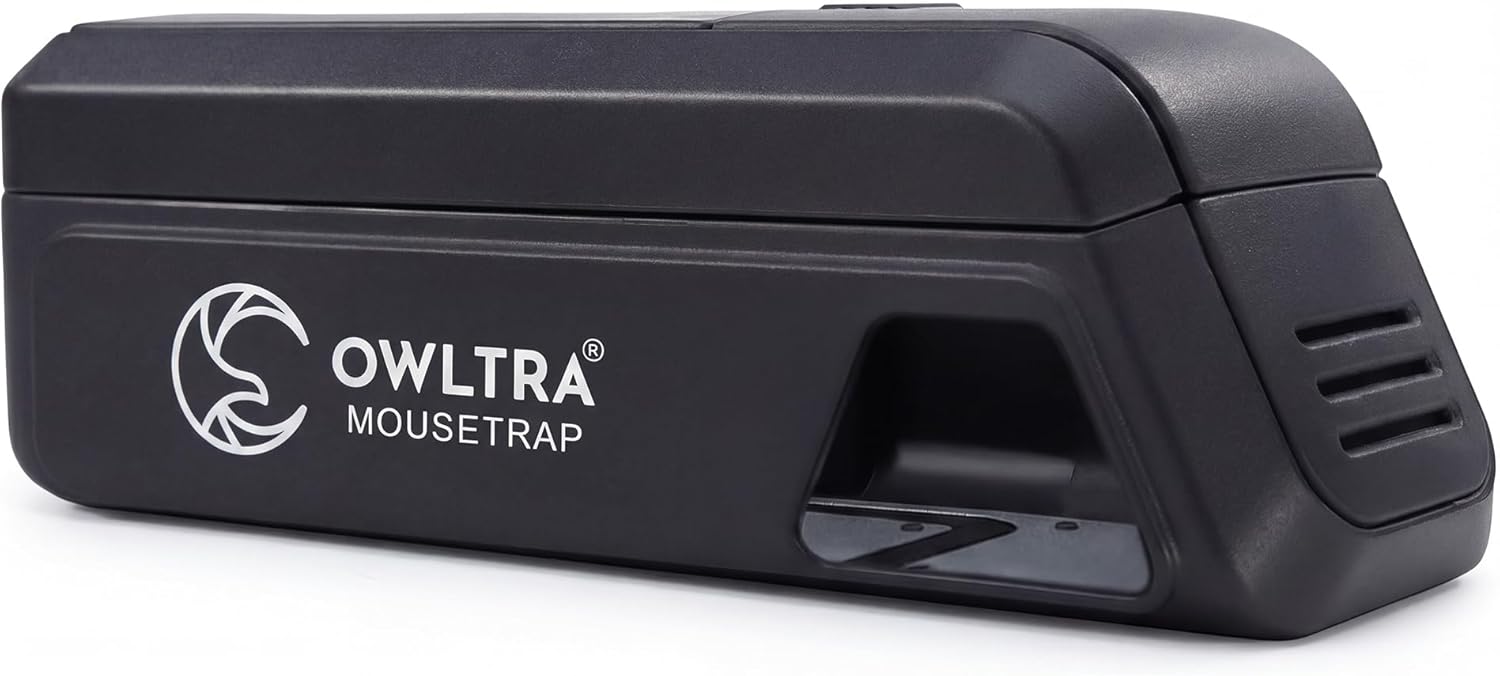
OWLTRA Indoor Electric Mouse Trap (Small)
| Target Species | Mouse, Rat |
|---|---|
| Power Source | Battery Powered |
| Material Type | Plastic |
The OWLTRA Indoor Electric Mouse Trap is a compact, battery-powered device designed for no-touch rodent control inside the home. Rodents enter through the side entrance and are detected by dual infrared sensors, which trigger a high-voltage shock to quickly eliminate the animal and prevent false activations from kids or pets. Its no-escape internal chamber and magnetic lid let you remove and empty the carcass without touching it, and a small bait area makes luring mice straightforward. Practical benefits include simple setup, portable battery operation so you can place it anywhere indoors, and a closed chamber that keeps cleanup discreet. Limitations to note are that it is intended for mice and smaller rodents rather than large rats, and it requires periodic battery changes and proper baiting to maintain consistent catches. The plastic housing is lightweight and easy to move but less heavy-duty than metal alternatives.
Best for: Homeowners who want a hygienic, easy-to-use indoor solution for mice that minimizes handling and can be placed where corded traps are inconvenient.
Less Ideal for: People dealing primarily with large rats or heavy infestations should choose a larger-capacity or commercial-grade solution instead.
- Dual infrared sensors reduce false triggers and increase child and pet safety
- No-touch magnetic lid allows hygienic disposal without handling the rodent
- Battery powered for flexible placement anywhere indoors
- Dedicated bait area makes attracting mice simple and discreet
- Designed for mice and small rodents only, not ideal for larger rats
- Uses plastic construction that may be less durable than metal traps
- Requires regular battery replacement to maintain effectiveness
Verdict: A convenient no-touch indoor zapper that keeps cleanup hygienic and works well for household mice when you need a simple, portable solution.
Victor M250B Electronic Indoor Mouse Trap

| Target Species | Mouse |
|---|---|
| Power Source | Battery Powered |
| Recommended Uses For Product | Indoor |
| Material Type | Plastic |
The Victor M250B is an indoor electronic mouse trap designed for quick, no-touch rodent removal. It uses a battery-powered high-voltage circuit and beveled holding columns to keep a mouse positioned over the trigger plate, delivering a fast kill and minimizing escape. The trap sits along walls where mice travel and features a tunnel design plus a safety switch to reduce accidental activation around people and pets. A green LED lights when a catch is made so you do not need to check the unit constantly, and a red LED warns when batteries are low. Disposal is sanitary: the captured rodent can be removed from the chamber without direct contact. In practice this makes it a low-fuss option for homeowners who want a reliable, hygienic solution. Expect to replace batteries periodically and follow safety guidance to keep baits and traps out of reach of children and pets; it is intended for indoor use only and does not replace broader rodent-proofing measures for heavy infestations.
Best for: Buyers who prioritize fast, sanitary rodent removal and want a low-maintenance indoor trap that signals catches so they do minimal hands-on handling.
Less Ideal for: Not the best choice for outdoor use, for households that prefer reusable mechanical traps to avoid batteries, or for properties with widespread heavy infestations that need large-scale control.
- High-voltage circuit with engineered holding columns for fast, effective kills
- LED indicators for catch and low battery reduce needless checks
- No-see, no-touch chamber enables hygienic disposal
- Safety switch and tunnel design lower accidental activation risk
- Requires periodic alkaline battery replacement
- Intended for single-mouse capture per cycle and indoor locations only
Verdict: If you want a fast, hygienic no-touch indoor solution that signals catches, the Victor M250B delivers reliable, low‑fuss performance.
JT Eaton Jawz Plastic Snap Mouse Trap, 24-Pack

| Unit Count | 24 Count |
|---|---|
| Target Species | Mouse |
| Power Source | Manual |
| Material Type | Plastic |
The JT Eaton Jawz plastic snap trap is a straightforward, high-tension snap trap sold in a 24-pack for treating multiple indoor hotspots. It is designed for solid or liquid bait and features a red set indicator that faces up when the trap is armed, which makes setting several traps quicker and reduces false sets. The plastic construction and compact footprint let you tuck traps into tight spaces like behind cabinets and under furniture, and the snap mechanism is sensitive enough to register small mouse activity while killing instantly. Traps can be set by hand or foot and are fully reusable, so a single purchase covers repeat incursions without swapping disposables. Important limitations are that these are manual snap traps, so they require careful placement and occasional resetting, and they are not a hands-off solution for large or heavily infested properties. They also do not include enclosed bait stations, so use caution around children and pets when deploying in living spaces.
Best for: Buyers who prioritize a safe, reliable indoor snap trap they can place discreetly and check frequently to keep a small infestation under control without complicated equipment.
Less Ideal for: People looking for a fully contained, tamperproof system for homes with children or pets or those who need a low-maintenance solution for very large infestations should consider other options.
- High-tension spring and sensitive trigger for quick, effective kills
- Visible red set indicator makes it easy to confirm traps are armed
- Compact plastic design fits discreetly under furniture and in tight spaces
- Reusable construction reduces waste and replaces multiple single-use traps
- Requires manual setting and resetting which is not fully hands-off
- No enclosed bait station or child/pet-proof housing included
Verdict: A practical, reusable snap trap with a clear set indicator that gives risk-averse buyers a simple, effective way to control indoor mice.
Tomcat Spin Trap for Mice (2 count)

| Unit Count | 2 Count |
|---|---|
| Target Species | Mouse |
| Power Source | manual |
| Material Type | Plastic |
| Number of Pieces | 2 |
The Tomcat Spin Trap is a simple, disposable mouse trap designed to kill and contain mice without direct contact. It sets by pulling the entryway into a locked "SET" position and uses a removable bait cup for attractant gel or peanut butter. The trap's dual-entry design and flat entry panel make it easy to place against walls and in corners where mice travel. When triggered the capture area hides the rodent and an easy-view indicator reads "CAUGHT" so you do not have to look inside. Because the traps are single-use plastic units you simply toss the whole trap after use, avoiding messy handling and clean up. Limitations are that bait is sold separately and the disposable design means recurring replacement cost and more plastic waste compared with reusable snap traps; also very large rodents may not be suited to the mouse-sized design. For someone prioritizing a low-effort, no-touch solution in indoor spots like kitchens, pantries, basements or garages these traps work as advertised.
Best for: Buyers who want a low-effort, hygienic mouse control option for indoor trouble spots and prefer a no-touch, disposable solution over reusable traps.
Less Ideal for: Users who want a reusable, low-waste option or who need a solution for larger rodents or heavy infestations should consider sturdier or multi-catch alternatives.
- Fully enclosed capture keeps dead mice out of sight and avoids direct contact
- Clear "CAUGHT" indicator makes it obvious when a trap has been triggered
- Dual-entry and flat entry panel for easy placement against walls and in corners
- Disposable single-use design creates ongoing replacement cost and more plastic waste
- Bait is not included so an attractant must be purchased separately
Verdict: Choose these traps when you want an easy, no-touch disposable mouse solution that hides and clearly marks caught rodents for simple indoor cleanup.
PEXPEL 2-Pack Electric Mouse Traps with Touch-Free Disposal

| Unit Count | 2 Count |
|---|---|
| Power Source | ac / USB / 4 AA batteries |
| Material Type | Acrylonitrile Butadiene Styrene (ABS) |
| Model Number | MK03 |
These PEXPEL electric mouse traps use a powerful electric shock to kill small mice quickly and package two reusable units for wider coverage. They are typically placed along walls or near suspected rodent paths in garages, kitchens, or storage areas and run on either 4 AA batteries or the included USB cable for continuous power. Notable features include two conductive plates that only activate when a mouse fully enters, an internal replaceable shock plate to avoid messy clean-up, and LED indicators that show standby, capture, or low battery. In practice the traps offer hygienic, no-touch disposal and the compact footprint makes them easy to position in tight spots. Important limitations are that they are intended for indoor use only and rely on the mouse entering the trap fully to trigger the shock, so placement matters for effectiveness; they also require periodic battery changes if not used on USB power. For someone who prioritizes a clean, reliable dead-catch solution for a garage, these balance safety features and ease of use well.
Best for: Buyers who want a dependable, sanitary dead-catch solution for indoor spaces like a garage and value safety features and clear status indicators over trap simplicity.
Less Ideal for: People needing an outdoor-rated or weatherproof trap or those who prefer nonlethal live-capture methods.
- High-voltage electric shock provides quick, lethal catches without adhesives
- Touch-free disposal and replaceable shock plate reduce contact and mess
- Dual power options: 4 AA batteries or USB cable for flexible placement
- Safety activation only when a mouse fully enters helps prevent accidental shocks
- Designed for indoor use only so not suitable for exposed outdoor locations
- Effectiveness depends on accurate placement since the mouse must fully enter
Verdict: If you need a hygienic, safety-minded electric trap for an indoor garage, this two-pack delivers reliable, no-touch kills and flexible power options.
Tomcat Kill & Contain Mouse Trap, 2-Pack

| Unit Count | 2 Count |
|---|---|
| Target Species | Mouse |
| Power Source | manual |
| Material Type | Plastic |
The Tomcat Kill & Contain Mouse Trap is a disposable, enclosed snap trap designed for indoor use where you want to avoid handling rodents. You bait the trap through a rear bait door, set it with a single press of the side arm, and the covered design both kills and locks the mouse inside so you do not see or touch the carcass. An easy-view indicator shows when a mouse has been caught and a grab tab lets you discard the whole unit. Its compact shape makes it practical for tight spaces like behind appliances, along baseboards, and near pantry areas. Because the trap is plastic and disposable, it removes the need to clean or reset reusable devices, but it does create regular waste and requires replacing after each catch. The trap is manual so it works without power or electronics, but it only targets mice and comes as a 2-pack which may not be enough for larger infestations. For households with pets, the enclosed design reduces accidental access but you should still place traps out of reach of curious animals.
Best for: A buyer who prioritizes hygienic, low-contact rodent control in a pet household and wants a simple, no-fuss solution for indoor mice.
Less Ideal for: Homeowners facing large or ongoing infestations who prefer reusable traps or a multi-trap long-term strategy should consider higher-capacity or reusable options.
- Enclosed design kills and contains rodent for no-touch disposal
- Single-touch set and easy-view catch indicator for straightforward monitoring
- Compact shape suitable for tight indoor spaces like behind appliances
- Disposable unit removes need to clean or handle reusable parts
- Disposable plastic construction generates waste and requires replacement after each catch
- Sold as a 2-pack which may be insufficient for heavy infestations
Verdict: Buy this if you want a simple, hygienic, no-touch disposable mouse trap that is easy to set and safe to keep away from pets.
Tomcat Press 'N Set Mouse Trap (8-count)

| Unit Count | 8 Count |
|---|---|
| Material Type | Plastic |
| Target Species | Mouse |
| Power Source | manual |
The Tomcat Press 'N Set Mouse Trap is a simple, disposable spring-loaded snap trap designed to catch and contain mice without direct contact. You set it by pressing the set bar until it clicks, add a pea-sized bait (peanut butter or attractant gel), and place the trap with the bait well facing baseboards or likely runways. Notable features include the one-touch set mechanism that reduces the chance of pinched fingers and a built-in grab tab so you can pick up and toss the used trap into the trash without handling the rodent. The plastic construction keeps the design lightweight and single-use, which makes cleanup straightforward. Limitations are that these are disposable rather than reusable traps and require replacing after each catch, and they are focused on mice so they are not intended for larger rodents. For a buyer who prioritizes easy, sanitary handling and quick setup, these traps perform the intended job reliably, but ongoing costs and waste from single-use units are worth considering if you prefer reusable solutions.
Best for: Buyers who want a low-hassle, sanitary way to deal with mouse sightings and who prioritize safety and easy disposal over reusable products.
Less Ideal for: People looking for reusable traps, those trying to limit plastic waste, or anyone needing a solution for rats or larger rodents should consider alternatives.
- One-touch press-to-set design reduces finger risk and is quick to prepare
- Built-in grab tab enables no-touch disposal of trap and rodent
- Suitable for indoor or outdoor placement near walls and in cupboards
- Includes eight individual traps for multiple placements
- Disposable single-use design creates recurring replacement cost and more waste
- Not suitable for larger rodents beyond mice
Verdict: If you want a safe, no-touch mouse solution that is fast to set and easy to dispose of, these Press 'N Set traps deliver dependable, sanitary results.
Choosing the Right No Touch Mouse Trap: Key Factors to Consider
Trap Mechanism and Capture Method
How the trap catches a mouse determines how likely you are to avoid touching the animal. Enclosed chamber designs or one-way entrances funnel rodents into a contained space so they cannot escape and you do not have to handle them directly. Trigger-based capture mechanisms should work reliably with small steps and light contact.
Consider whether the mechanism kills or holds the mouse alive. For traps that contain but do not kill, plan for humane disposal and the possibility of needing to check the device more frequently. For lethal designs, focus on how the carcass is contained and whether fluids are sealed away from the operator.
Containment, Sealing, and Hygiene Features
A true no touch trap minimizes exposure to fur, urine, feces, and blood after capture. Look for solid-sealing covers, internal chambers, or disposable liners that isolate the rodent. Smooth internal surfaces that can be wiped down reduce places for contamination to hide.
Ventilation and odor control matter if the trap holds a carcass for a period before disposal. Some designs include odor-absorbing compartments or removable liners. Consider how easy it is to remove and dispose of contaminated parts without touching them, and whether the trap design allows you to clean it with household disinfectants safely.
Ease of Emptying and One-Handed Operation
The point of a no touch trap is minimal contact, so emptying and resetting should be doable with a single hand or using a simple release. Traps that require complicated disassembly defeat the purpose and increase exposure risk. Check for mechanisms that allow you to slide a door open, release a disposable cartridge, or drop the contents into a bag without reaching into the capture area.
Also consider whether the emptying action can be performed while the trap is still in the placement location, or whether you must carry it to another spot. Fewer handling steps reduce accidental contact and make routine checks less unpleasant.
Baiting Flexibility and Placement Options
Mice have varied food preferences and cautious habits. Traps that accept common bait types like peanut butter, chocolate, or commercial blocks give you more options if one bait fails. Some no touch traps use integrated bait cups or adhesive pads; these should be easy to refill or replace.
Placement matters for effectiveness. The ideal trap fits along baseboards, inside cabinets, and in narrow crawl spaces. Low-profile designs and those with mounting or anchoring points let you secure the trap where mice naturally travel, increasing capture chances without compromising the no touch process.
Cleaning, Reusability, and Materials
Reusable traps save money but must be constructed from materials that tolerate cleaning and disinfecting. Hard plastics and metal parts that resist staining are easier to sanitize; porous materials or fabrics can retain odors and pathogens. Consider whether components are dishwasher safe or can be soaked with disinfectant.
If you prefer disposable solutions, evaluate how many uses you realistically get before replacement and how easy it is to obtain replacements. Also think about environmental tradeoffs between single-use liners and longer-lived units.
When a No Touch Trap Makes Sense
No touch traps are most useful for homeowners who want to limit direct contact with rodents and the contaminants they carry. They are especially practical in kitchens, pantries, and utility rooms where hygiene is a top concern, or in rental or shared housing situations where handling a carcass is unappealing.
These devices also suit people with limited mobility or those who prefer a faster, cleaner workflow when monitoring multiple traps. If you need a solution for frequent checking and rapid disposal with minimal exposure, a well-designed no touch trap is worth considering.
- Areas with food storage or food preparation
- Homes with children or pets where minimizing contamination is important
- Situations where you prefer to avoid handling dead rodents
Practical Setup Tips
Place traps along walls and near likely runways; mice stick close to vertical surfaces. Avoid placing traps in open middle-of-room locations where mice are less likely to travel. Secure the trap so it cannot be knocked over by pets or curious children.
Bait sparingly. A small smear of bait on the specified bait point often outperforms large piles. Fresh bait and periodic rotation of bait types can improve results. Check traps daily during an active infestation and spread checks out once captures become rare.
- Use thin, sticky bait like peanut butter for maximum adherence
- Rotate bait types if captures are not happening
- Keep traps out of reach of pets and non-target wildlife
Disposal and Sanitation Best Practices
Even with no touch traps, follow a few basic hygiene steps. Prepare a disposable bag or container before emptying the trap so you can transfer contents without delay. Wear disposable gloves if you will handle trap parts directly, and wash hands thoroughly after disposal.
Sanitize reusable traps according to manufacturer guidance using bleach solutions or household disinfectants. Allow the trap to dry completely before re-baiting and redeploying to avoid degrading triggers or bait adhesion.
- Have disinfectant wipes or spray on hand when emptying traps
- Double-bag disposable liners or carcasses before trashing
- Ventilate the area if odor is present after emptying
Common Pitfalls to Avoid
Do not assume every no touch design is equally effective. Some enclosures are too large or poorly shaped to reliably funnel mice into the capture zone. Avoid placing traps where they can be jostled, as movement may prevent the trigger from engaging properly.
Another common mistake is overbating. Too much loose bait can allow the mouse to feed from outside the capture area or leave residue that attracts pests without causing entry. Finally, ignore the temptation to check traps less often; a trapped live mouse needs prompt disposal for humane and sanitary reasons.
- Avoid excessive baiting
- Do not place traps in high-traffic, knockover-prone spots
- Check live-capture traps frequently for humane reasons
Using No Touch Traps Around Pets and Children
If you have curious pets or small children, choose traps that are tamper-resistant or can be secured in cabinets or behind barriers. Low-profile traps that tuck against baseboards are less accessible to paws and hands. Consider mounting or anchoring options to prevent accidental displacement.
Keep bait and spent liners stored out of reach and dispose of captures promptly. Incorporate traps into an integrated pest-management approach that includes sanitation, sealing entry points, and reducing attractants to limit the number of devices needed.
- Secure traps in locations pets cannot reach
- Avoid using aromatic baits that attract pets
- Combine trapping with exclusion and cleanup for best results
How We Chose the Best No Touch Mouse Trap
We focused on practical, safety-centered criteria that matter for no touch traps in everyday home settings. First, capture reliability was assessed as whether the trap design guides mice into an enclosed chamber or one-way entrance with consistent triggering, because failed captures increase handling and time spent monitoring. Second, containment and hygiene were evaluated by looking at how well the device isolates the mouse from the operator during and after capture, including features that minimize fluid exposure or airborne contact. Third, ease of use covered setup, one-handed operation, and how simple it is to empty and reset the trap without touching the rodent. Fourth, durability and materials mattered for repeated use and for traps that must hold up to cleaning. Fifth, versatility considered where the trap can be placed – narrow spaces, along walls, or in corners – and whether baiting options work for different food preferences. We excluded single-use or primitive designs that force direct handling for disposal. We also filtered out devices lacking clear instructions for hygienic emptying or that depend on uncommon consumables. The chosen dimensions reflect both everyday homeowner needs and reliable design features that reduce contact and simplify cleanup.
FAQ
Are no touch mouse traps humane?
It depends on the design. Some no touch traps capture the mouse alive in an enclosed chamber, in which case prompt release or humane disposal is necessary. Other designs are lethal but contain the carcass to reduce exposure. Consider local regulations and personal ethics when choosing a method.
How often should I check a no touch trap?
Check traps at least once a day during active infestations and every couple of days once activity drops. Live-capture designs should be checked more frequently to reduce stress on trapped animals and for humane reasons.
Can I reuse a no touch trap after cleaning it?
Many reusable traps are designed to be cleaned and disinfected, but you should follow care instructions. Use appropriate disinfectants, allow components to dry, and inspect triggers and seals before re-baiting to ensure continued effectiveness.
Will these traps catch other animals or insects?
Most no touch mouse traps are sized for mice and will not reliably catch larger rodents. Smaller non-target animals or curious pets might interact with traps if left accessible. Use placement and tamper-resistant options to minimize non-target interactions.
What bait works best for a cautious mouse?
High-fat, sticky baits such as peanut butter, softened chocolate, or small pieces of nut work well for cautious mice because they require the rodent to put its nose and paws into the bait point. Fresh bait that is attractive but applied sparingly is usually more effective than large amounts.
Final Verdict
Choosing the right no touch mouse trap is about balancing capture reliability with safe, hygienic disposal. Prioritize designs that guide mice into a contained chamber, allow one-handed emptying, and use durable materials that tolerate cleaning. Think about where you will place traps and pick a model that fits those spaces and baiting preferences. Tradeoffs include disposability versus reusability and live-capture versus lethal containment. Focus on the capture method, containment features, and ease of emptying to match your tolerance for handling and sanitation needs. With those priorities clear, you can select a trap that reduces contact and simplifies rodent control in your home.
