

Note: This article contains affiliate links. If you click on these links and make a purchase, I may earn a small commission at no extra cost to you. This helps support my research and content. Read my full affiliate disclosure here.
If you grow vegetables you know soil is the foundation of every harvest. Choosing the right organic compost for vegetable gardens affects seedling vigor, root development, moisture retention, and how often you need to feed beds during the season. This guide looks at six well-suited organic compost options that gardeners commonly turn to for in-ground beds, raised planters, and container vegetables. We shortlisted options that perform across real-garden concerns: nutrient profile, texture and moisture behavior, weed seed and contaminant control, and ease of working into beds. Below we explain how each product was evaluated and what to consider when selecting compost for your specific vegetable garden needs.
Top Picks at a Glance
| Best Quality Built to a higher standard if you want something more solid | Espoma Organic Land and Sea Gourmet Compost (1 cu ft) |  |
| Best Value The sweet spot between price and what you get | Plantonix Compost Bliss — 100% Natural Compost (8 qt) |  |
| Best Budget The cheapest option that still gets the job done reliably | Gantessa Stone Premium Organic Compost, 2 lb |  |
| Highest Rated A top-rated pick with lots of positive feedback | Brut Organic Worm Castings for Plants, 5 lb |  |
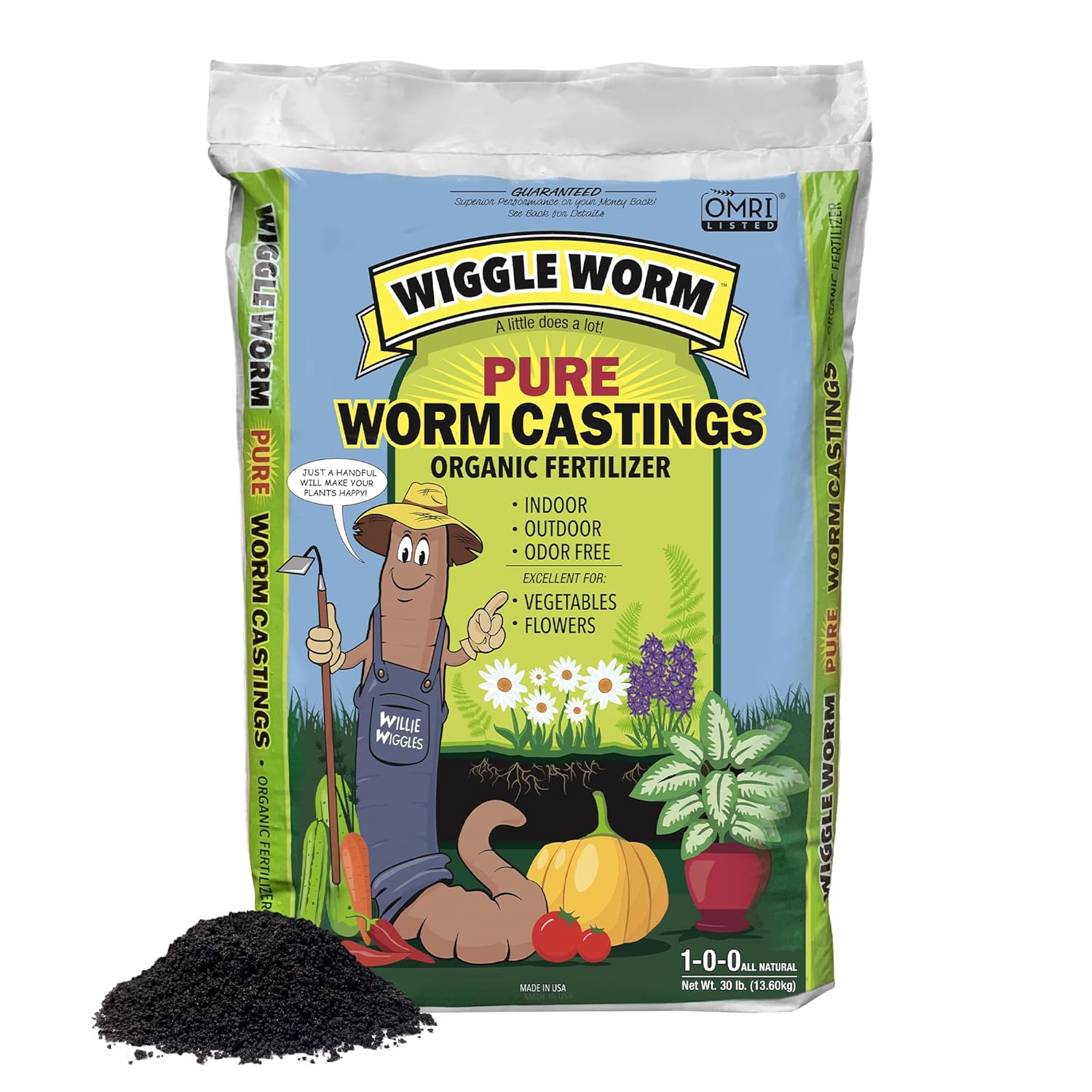
| Most Popular A crowd favorite that many people choose with confidence | Wiggle Worm Pure Worm Castings Organic Fertilizer, 30 lb |  |
| Best Seller A high-volume bestseller chosen again and again | Back to the Roots Organic Compost Mix, 25.7 Quart |  |
Espoma Organic Land and Sea Gourmet Compost (1 cu ft)

| Item Form | Granules |
|---|---|
| Specific Uses For Product | Soil Conditioning, Plant Growth, Seed Development, Root Development |
| Included Components | Lobster & crab meal, mycorrhizae blend |
| Target Species | Plants |
Espoma Organic Land and Sea is a fine-textured compost designed to boost soil structure and nutrition for vegetables, flowers, shrubs and trees. It mixes easily into native soil or potting mixes when planting or transplanting, and the added lobster and crab meal provide a source of slow-release organic nitrogen and trace nutrients. The formula includes a proprietary mycorrhizae blend to help root establishment and nutrient uptake, which can speed transplant recovery and improve vigor in vegetable beds. Practical benefits include improved moisture retention, better crumb structure and an organic nutrient boost without synthetic fertilizers. Because it is a prepared compost product rather than a complete fertilizer program, heavy-feeding crops may still need supplemental fertilization during the season. Also the bagged format is limited to one cubic foot per bag, so plan quantities for larger beds accordingly. For gardeners focused on organic soil health and transplant performance, this is a convenient, plant-focused amendment.
Best for: Vegetable gardeners who prioritize building organic soil health and want a ready-to-use amendment to improve transplant success and root development.
Less Ideal for: Large-scale or commercial growers who need bulk amendments or a full seasonal fertilizer plan should consider larger-volume products or concentrated fertilizers.
- Organic blend with natural ingredients and no synthetic chemicals
- Contains lobster and crab meal for slow-release organic nutrients
- Includes endo and ecto mycorrhizae to support root establishment
- Fine granule form that mixes easily into native soil or containers
- Sold in one-cubic-foot bags which requires multiple bags for larger gardens
- Not a complete season-long fertilizer for heavy-feeding vegetable crops
Verdict: A convenient organic compost amendment that boosts transplant vigor and root growth thanks to lobster and crab meal plus added mycorrhizae.
Plantonix Compost Bliss — 100% Natural Compost (8 qt)

| Brand | plantonix |
|---|---|
| Unit Count | 160 Ounce |
| Volume | 8 quarts |
| Style Name | 100% Natural Compost |
Compost Bliss is a fully composted, ready-to-use organic compost intended for mixing into garden beds, containers, and seed-starting mixes. You open the bag and blend it with existing soil or potting mix to improve aeration, water retention, and nutrient content without waiting for curing. The product is made from yard trim and plant residues with no synthetic additives, so it functions as both a soil conditioner and a gentle, long-term nutrient source for vegetables. Because it is pre-cured, it is safe for direct use with seedlings and established plants and works well when combined with components like perlite or coco coir for faster drainage or lighter mixes. Limitations are its fixed 8 quart volume per bag, which means larger beds require multiple bags and handling, and it does not replace targeted mineral fertilizers for specific nutrient deficiencies. For gardeners focused on practicality, it simplifies soil improvement and reduces the need for special preparation.
Best for: Gardeners who want a low-effort, natural way to boost soil quality for vegetable beds and containers and prefer a pre-cured compost they can add immediately.
Less Ideal for: Large-scale growers or those needing specific, measured nutrient inputs will find bulk commercial compost or tailored fertilizers more efficient.
- Ready-to-use fully cured compost that can be mixed into soil without additional preparation
- Made from 100% organic yard and plant materials with no synthetic ingredients
- Improves soil structure, moisture retention, and aeration when blended into beds or pots
- OMRI-listed formulation suitable for organic vegetable gardening
- Small 8 quart volume means you need many bags for larger vegetable beds
Verdict: A convenient, fully cured organic compost that quickly improves vegetable garden soil without any prep work.
Gantessa Stone Premium Organic Compost, 2 lb

| Item Form | Solid |
|---|---|
| Application Method | Soil Amendment, Top Dressing, Compost Tea |
| Coverage | Medium |
| Target Species | flowers, vegetables, herbs, and more |
| Unit Count | 32 Ounce |
This 2 lb bag of Gantessa Stone Premium Organic Compost is a compact, screened manure-based compost designed for use as a soil amendment, top dressing, or to brew compost tea. Typical use is mixing into potting mixes or garden beds at the suggested 1:2 ratio or sprinkling a thin layer around established vegetables and herbs to boost organic matter and moisture retention. The product emphasizes improved soil structure and beneficial microorganisms, so it can help lighten compacted soil and increase water-holding capacity in sandy sites. Because it is sold in a small unit it is convenient for container gardeners, raised beds, or trialing compost before committing to larger volumes. The main limitation is the modest 32 ounce unit size, which means frequent repurchasing for larger vegetable plots and higher per-volume cost compared with bulk compost. It does not list detailed nutrient analysis, so gardeners wanting precise N-P-K values or tailored amendments may need to supplement or test soil after application.
Best for: Gardeners on a tight budget who need a small, ready-to-use organic compost for containers, raised beds, or to test compost effects before buying larger quantities.
Less Ideal for: Vegetable gardeners tending large in-ground plots or community gardens that require bulk compost and precise nutrient information.
- Screened organic manure that improves soil structure and water retention
- Versatile application methods: soil amendment, top dressing, or compost tea
- Small 32 oz package is convenient for containers, small raised beds, or trial use
- Contains organic matter and microorganisms that support nutrient cycling
- Sold in a small 2 lb unit which is not cost-effective for larger vegetable gardens
- No detailed nutrient (N‑P‑K) breakdown provided
Verdict: A convenient small-bag organic compost best for container and small raised-bed vegetable gardeners who want to add organic matter without committing to bulk purchases.
Brut Organic Worm Castings for Plants, 5 lb

| Item Form | Granules |
|---|---|
| Specific Uses For Product | Gardening,Organic |
| Coverage | Full |
| Target Species | All plants |
| Mixing Ratio | 1:5 |
Brut Organic Worm Castings are a ready-to-use granular vermicompost designed to improve soil structure, nutrient availability, and beneficial microbial activity in vegetable beds and containers. Typical use is mixing into potting soil at the recommended 1:5 ratio for new indoor plants or top-dressing existing plants and garden beds a few times per year. Notable features include certified organic ingredients, a high microbial content that helps with nutrient cycling, and clear application guidance for lawns, trees, and vegetables. In practice the castings supply slow-release nutrients without the risk of burning young roots, help retain moisture, and improve aeration when blended into heavy soils. Important limitations are the modest quantity in a 5 lb bag for larger vegetable plots and the need to reapply several times per season for long-term fertility gains. Also, while safe and odor-free, users should follow handling advice such as wearing gloves and keeping it away from children and pets.
Best for: Gardeners who prioritize consistent, organic soil health and want a low-risk amendment to improve seedling success and steady vegetable growth.
Less Ideal for: Those managing large-scale vegetable plots or seeking a single high-N synthetic fertilizer solution should consider bulk composts or concentrated fertilizers instead.
- Certified organic formulation suitable for chemical-free vegetable gardening
- High microbial and nutrient density that supports soil health and steady nutrient release
- Versatile application methods: mix into potting soil, top-dress, or work into garden beds
- Odor-free granules safe for indoor use when applied as directed
- Small 5 lb bag may be insufficient for medium to large vegetable gardens without frequent reapplication
- No NPK breakdown provided on the listing so exact nutrient content is not specified
Verdict: Use Brut worm castings to steadily improve soil biology and nutrient availability in organic vegetable gardens where reliability and plant safety matter most.
Wiggle Worm Pure Worm Castings Organic Fertilizer, 30 lb
| Unit Count | 480 Ounce |
|---|---|
| Item Form | Granules |
| Specific Uses For Product | Soil Conditioning |
| Application Method | Apply to soil |
| OMRI Listed | Yes |
Wiggle Worm Pure Worm Castings is a straightforward organic soil amendment made entirely from worm castings and intended for vegetable beds, containers, and transplants. You sprinkle or mix the granular castings into planting holes, topdress established plants, or blend with potting mix and they add water-soluble nutrients plus beneficial microbes that support root growth and soil biology. Notable features include OMRI listing for organic use, a fine screened product free of bedding or eggs, and guidance for a range of uses from side-dressing vegetables to making “worm tea.” Practical benefits are improved soil aeration, enhanced water retention, and a slow-release nutrient supply that reduces risk of burning plants compared with synthetic fertilizers. The main limitation is that this is a nutrient amendment, not a balanced N-P-K replacement, so heavier feeders may still need additional fertilization for peak yields; also a 30 lb bag is bulky to handle for small-space gardeners. For growers focused on organic soil health this is a low-risk, easy-to-use option.
Best for: Gardeners who prioritize building long-term soil health and want an organic, low-risk amendment for vegetable beds, transplants, and containers.
Less Ideal for: Growers who need an all-in-one high-N or fast corrective fertilizer for immediate heavy feeding or those who prefer lightweight single-use packaging for small container gardens.
- OMRI listed organic product suitable for certified organic vegetable gardens
- 100% screened worm castings that increase microbial activity and improve soil structure
- Versatile application: side-dress, mix into potting soil, use in planting holes or make casting tea
- Non-burning, water-soluble nutrients that feed plants quickly while also providing longer-term support
- Not a complete N-P-K fertilizer so heavy feeders may require supplemental feeding
- Large 30 lb bag can be awkward for gardeners with limited storage or who only need small amounts
Verdict: Choose this OMRI-listed pure worm casting if you want a proven organic amendment that improves soil biology and supports healthier vegetable roots.
Back to the Roots Organic Compost Mix, 25.7 Quart

| Item Highlight | Organic compost soil amendment for raised beds, gardens and plants; peat-free blend with yucca and gypsum; 25.7 quart bag |
|---|---|
| Unit Count | 822.4 Ounce |
| Brand Name | Back to the Roots |
| Style Name | Compost |
This Back to the Roots organic compost mix is a ready-to-use soil amendment for raised beds, containers and in-ground vegetable gardens. Packaged as a loose compost blend, it combines upcycled plant matter and wood fines with dolomitic limestone for pH adjustment, gypsum for improved water absorption and yucca extract to help with moisture retention. In practice it adds organic matter and nutrients to planting beds and is easy to incorporate before planting or mix into containers for herbs and veggies. The peat-free formula will appeal to gardeners trying to avoid peat-based products, and the included amendments reduce the need for immediate additional pH tweaks or wetting agents. Limitations include modest bag volume for larger beds and that it is sold as a finished compost mix rather than a concentrated fertilizer, so heavy-feeding crops may still need targeted fertilization during the season.
Best for: Gardeners who prefer low-risk, organic inputs and want a peat-free, ready-to-use compost to improve soil and simplify planting in raised beds or containers.
Less Ideal for: Gardeners managing large-scale vegetable plots who need bulk amendments or those seeking a high-nitrogen concentrated fertilizer as a primary input.
- Peat-free organic base made from upcycled plant matter and wood fines
- Includes gypsum and dolomitic limestone to improve water absorption and help balance pH
- Yucca extract helps with moisture control for easier wetting and retention
- Formulated for vegetables, herbs and raised beds so it is versatile across garden uses
- Bag volume is relatively small for large raised beds or multiple in-ground rows
- Not a concentrated fertilizer so additional feeding may be needed for heavy feeders
Verdict: Choose this peat-free organic compost if you want a ready-made, garden-friendly soil amendment that improves moisture control and pH while avoiding peat.
Choosing the Right Organic Compost for Vegetable Gardens: Key Factors to Consider
Nutrient Balance and C:N Ratio
Vegetable crops need a steady supply of nitrogen, phosphorus, and potassium plus micronutrients. Compost is not a complete fertilizer but supplies slow-release nutrients and improves soil biology. Look for compost that lists basic nutrient analyses or describes balanced feedstocks like a mix of green yard trimmings and food scraps rather than mostly woody material.
The carbon-to-nitrogen ratio affects how the compost interacts with soil microbes. A well-aged, lower C:N compost releases nitrogen more readily and supports vigorous vegetable growth without temporarily tying up soil nitrogen. For young transplants and leafy crops, choose composts with a modest nutrient profile; for heavy feeders you can use compost as part of a broader fertility plan.
Texture, Tilth, and Workability
Texture determines how easily compost mixes into beds and how it affects soil structure. Fine, crumbly compost works well for seedbeds and container mixes because it creates uniform contact between roots and soil. Coarser compost with larger particles is better for improving drainage in heavy soils and for building raised beds where long-term humus creation is the goal.
Workability also matters for timing. If you need to incorporate compost into cool-weather beds before planting, choose a material that blends quickly with garden soil. Avoid overly woody or stringy compost when preparing seed flats, because those textures can create uneven settling and air pockets.
Maturity, Pathogen Safety, and Weed Seeds
Immature compost can harm seedlings by producing phytotoxins or continuing decomposition that consumes soil nitrogen. Properly matured compost shows an earthy smell, uniform dark color, and stable temperature history during composting. Ask for information about curing time or temperature monitoring when available.
Pathogen and weed-seed control depend on composting conditions. High-heat, well-managed systems reduce viable weed seeds and human pathogens. For vegetable gardens, especially where crops are eaten raw, prioritize compost with documented maturity and safe processing to minimize contamination risk.
Moisture Behavior and Water Management
Compost influences how often you need to water. Well-processed compost increases soil water-holding capacity in sandy soils and improves drainage in clay soils. However, some composts can hold so much moisture they encourage poor aeration in containers or compacted beds.
Match compost moisture traits to your garden. In dry regions, choose compost that retains more water to buffer irrigation; in wet climates or container gardening, favor composts that drain well to prevent root rot. Consider how compost will be used seasonally because moisture needs change through the growing cycle.
Screening, Particle Size, and Use Case
Particle size influences where compost performs best. Screened, fine compost is ideal for seed starting and potting mixes because it produces a consistent medium. Coarser, unscreened compost is useful for mulching, building soil structure, and working into heavy soils where larger pieces break down over time to create air spaces.
Check whether compost is labeled as screened or sifted and select the grade that matches your application. If you need a versatile material for beds and containers, consider layering fine compost in planting mixes and using coarser compost as a top dressing.
How Much Compost to Use and When
Rate and timing depend on bed type and the existing soil. For established in-ground vegetable beds, a 1 to 2 inch layer of compost worked into the top 6 inches of soil in early spring or fall is a common approach. Raised beds and container mixes can take a higher percentage of compost in the mix, but pure compost in containers is usually too rich and may hold too much moisture.
Top-dressing with compost midseason provides a gentle nutrient boost and helps maintain soil biology without disturbing roots. Avoid heavy late-season applications that could stimulate unwanted late growth before frost in colder climates.
- In-ground beds: incorporate 1-2 inches into topsoil.
- Raised beds: mix 20-40% compost with mineral soil for year-round beds.
- Containers: use 10-30% compost blended with other potting ingredients to maintain drainage.
Adapting Compost Choice to Soil Types
Sandy soils benefit from compost that holds moisture and adds organic matter to reduce leaching. Choose compost with stable humus that will persist through the season and increase nutrient retention. In contrast, clay soils need compost that improves aggregation and drainage; coarser particles help create pore space and prevent compaction.
Test small sections of the garden if you are unsure. Apply different compost grades to separate plots and observe moisture retention, ease of cultivation, and root penetration over one season. That hands-on test often reveals what works best for your microclimate and soil texture.
- Sandy soil strategy: favor higher water-holding compost.
- Clay soil strategy: include coarser compost to improve structure.
- Neutral soils: balanced, screened compost maintains productivity.
Compost in Containers and Raised Beds
Containers and raised beds have different drainage and aeration needs than in-ground beds. Fine, screened compost blends well into potting mixes and raised-bed soil blends because it creates even moisture distribution and contact for root systems. However, never use pure compost alone for containers; always mix with a mineral component or commercial potting base to ensure drainage.
For shallow containers or long-duration crops, monitor moisture more closely because compost-rich mixes can dry faster on the surface while holding moisture beneath. Adjust watering frequency and consider a top dressing of mulch to reduce surface evaporation.
- Use screened compost in mixes with mineral components for containers.
- For deep raised beds, a higher compost proportion can improve fertility long-term.
- Mulch container surfaces to stabilize moisture.
Common Compost Misconceptions
Not all compost is the same quality. Color and smell are clues but not definitive. Dark color signals humus but does not guarantee nutrient balance or maturity. Ask about processing time and feedstocks when possible.
Another misconception is that more compost is always better. Excessive application can create imbalances or drainage problems, especially in containers. Use compost to build structure and biology, then supplement with targeted fertilizers if crops show specific nutrient deficiencies.
- Dark color does not equal balanced nutrition.
- Excessive compost can impede drainage in some situations.
- Maturity matters more than age alone.
Storing and Handling Bulk Compost
Store bulk compost off bare soil when possible to avoid nutrient runoff into storm drains and to limit contamination. Keep covers on deliveries to prevent nutrient loss and weed seed colonization from airborne sources. Turn or aerate piles that will be stored for long periods to keep biology active and reduce anaerobic odors.
When handling large volumes, use gloves and dust protection since dry compost can be dusty. If you are transporting compost in a trailer or cart, cover loads to prevent spillage and nutrient redistribution across walkways.
- Store on a lined surface and cover to protect quality.
- Turn stored compost occasionally to maintain aeration.
- Use protective gear to limit dust exposure.
How We Chose the Best Organic Compost for Vegetable Gardens
We shortlisted composts that meet practical, garden-focused performance benchmarks rather than marketing claims. Selection prioritized composts with balanced nutrient profiles appropriate for vegetables, stable and crumbly texture that improves tilth without compacting, and moisture retention traits that reduce watering frequency. We also looked for evidence of proper temperature and time in the composting process so materials are mature and low in phytotoxic compounds or viable weed seeds. Particle size and screening matter for seedbed work and container mixes, so we favored composts with consistent grading or clear particle descriptions. Sourcing transparency and input materials were considered to flag potential contamination risks such as wood preservatives or biosolids. Products were excluded if there was no clear indication of maturity, if feedstocks suggested long-term contamination risk, or if the material was primarily unprocessed yard waste. The final criteria reflect what gardeners actually need: nutrient balance, finished texture, maturity and safety, moisture management, and suitability for beds versus containers.
FAQ
Can I use compost straight from the pile in my vegetable beds?
It depends on maturity. Fully cured compost can be incorporated, but immature material can harm seedlings and tie up nitrogen. Look for stable, earthy-smelling compost and avoid recent, hot-smelling piles.
How often should I add compost to a vegetable garden?
Add a layer each season or work a 1 to 2 inch application into beds once or twice a year. For raised beds, you can add smaller amounts more frequently. Frequency depends on soil type and crop demands.
Will compost introduce weed seeds to my garden?
Properly hot-composted materials typically kill most weed seeds. Composts from unknown sources or low-heat systems may contain viable seeds. If weed pressure is a concern, choose compost with documented high-heat processing or use screened material and apply a light solarization period before planting.
Is compost safe for vegetable gardens if it contains manure?
Manure can be a valuable feedstock if it has been composted to maturity and the process reached sufficient temperatures. Uncomposted fresh manure can contain pathogens and high nitrogen levels that damage plants. Always prefer well-cured manure-based compost for edible gardens.
How can I tell if compost is over-processed or too fine?
Extremely fine compost can compact and reduce aeration. If the material forms dense clumps when wet or drains poorly in containers, it may be too fine. Mix fine compost with coarser material or mineral components to improve structure.
Final Verdict
Choose compost based on how you will use it and your soil's needs. Prioritize maturity and a balanced nutrient profile for vegetable gardens, then match texture and screening to applications like seed starting, raised beds, or mulching. Remember the tradeoffs: high water-holding compost helps dry soils but can reduce aeration in containers, while coarser compost improves drainage but breaks down slower. Focus on the criteria that matter most for your plot-nutrient balance, texture, maturity, moisture behavior, and particle size-and you will narrow choices effectively. With those priorities clarified, you can pick a compost that builds soil health and supports reliable vegetable yields.
