

Note: This article contains affiliate links. If you click on these links and make a purchase, I may earn a small commission at no extra cost to you. This helps support my research and content. Read my full affiliate disclosure here.
If you spend time fighting small weeds in beds, borders, or between vegetables, the right oscillating garden hoe can cut that task in half while doing less damage to soil structure. You want a tool that slices surface roots cleanly, resists dulling, and feels comfortable in long sessions. This guide covers seven top shortlisted tools for common garden tasks and growing spaces, evaluated on the specifics gardeners care about. We assess blade durability, ease of use, and how well each hoe manages soil disturbance and root damage so you can pick the best fit for your plot. Read on for practical notes that help you match a tool to your routine and garden conditions.
Top Picks at a Glance
| Best Overall The best all-around choice for most situations | Flexrake 500W Hula-Ho Hand Weeder with Wood Handle and Rubber Grip |  |
| Best Quality Built to a higher standard if you want something more solid | Hoss Stirrup Hoe with 60" Ash Handle |  |
| Best Value The sweet spot between price and what you get | cogardenshower 2-in-1 Stirrup Hoe with Cultivator Rake and Adjustable Handle | 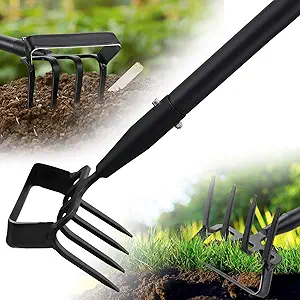 |
| Best Budget The cheapest option that still gets the job done reliably | HIPULX 5-in-1 Garden Hoe with Adjustable Handle (37"–50") |  |
| Highest Rated A top-rated pick with lots of positive feedback | Nohovu 58-inch Heavy Duty Garden Hoe with Fiberglass Handle |  |
| Most Popular A crowd favorite that many people choose with confidence | DonSail Adjustable Long-Handle Stirrup (Scuffle) Hoe |  |
| Best Seller A high-volume bestseller chosen again and again | DonSail Adjustable Scuffle (Stirrup) Garden Hoe, Extendable Handle |  |
Flexrake 500W Hula-Ho Hand Weeder with Wood Handle and Rubber Grip

| Power Source | manual |
|---|---|
| Operation Mode | Manual |
| Material Type | Wood |
| Included Components | Wood handle |
The Flexrake 500W Hula-Ho is a 16-inch handheld oscillating stirrup hoe that uses a push-and-pull motion to cut weeds just below the soil surface and loosen the topsoil. It is typically used in flower beds, vegetable gardens, raised beds, and landscape edges where precision matters more than long-reach leverage. The hardwood shaft and rubber grip give the tool a solid, comfortable feel for repeated use, and the heat-treated, self-sharpening stirrup blade slices roots without disturbing nearby plants. In practice it speeds up routine weeding and light cultivation because you can clear rows and small patches quickly without kneeling or heavy digging. The compact size makes it excellent for detail work but limits reach compared with long-handle hoes, so it is less efficient for large, open beds where bending less is a priority. Maintenance is minimal since the tool is manual and the blade is designed to stay sharp, though very hard soil or persistent deep-rooted weeds may require complementary tools.
Best for: Gardeners who want a reliable, no-fuss hand tool for precise weeding and light cultivation in beds, borders, and raised planters and who value control and comfort during frequent maintenance.
Less Ideal for: People managing large open plots or who need a long-handle tool to avoid bending for extended stretches should consider a full-size hoe or long-handled weeder instead.
- Oscillating stirrup blade cuts weeds at the root with a push-pull motion for quick removal
- Compact 16-inch design gives precise control in tight beds, borders, and raised planters
- Hardwood handle and rubber grip provide durability and improved comfort during extended use
- Heat-treated, self-sharpening blade reduces maintenance needs
- Short handheld length limits reach and forces bending for larger areas
- Not suited for very hard, compacted soil or removing deep taproot weeds alone
Verdict: A durable, compact stirrup hoe that delivers precise, low-maintenance weed cutting and light soil cultivation for beds and borders.
Hoss Stirrup Hoe with 60" Ash Handle

| Blade material | Spring steel |
|---|---|
| Blade width | 6 inches |
| Handle material | Ash |
| Handle length | 60 inches |
| Frame finish | Powder-coated steel |
The Hoss Stirrup Hoe is a performance-focused oscillating hoe built for frequent garden work. Its 6" spring steel blade is sharpened on both edges and mounted in a slotted frame so it rocks about 20 degrees each way, letting you cut weeds on both the push and pull stroke for fast coverage. The powder-coated steel frame and square-peg construction give it a sturdy, no-nonsense feel when tackling dense patches, while the long waxed ash handle keeps you upright and comfortable across long rows. It works well as both a precision tool for cultivating between plants and as a heavier-duty cutter for clearing larger weedy areas, and it can be used to edge beds to keep grass runners at bay. Expect a durable, low-maintenance tool that arrives sharp and ready to use, though the fixed 60" handle and metal blade mean occasional rust prevention and proper storage are important to preserve performance over years of use.
Best for: Gardeners who prioritize fast, reliable weeding and durable tools for frequent bed maintenance and edging, and who value a tool that handles both precision and heavier clearing tasks.
Less Ideal for: People who need a compact or telescoping tool for transport or very tight storage spaces or those seeking a tool primarily for light container gardening in small patios.
- Oscillating blade design cuts on both push and pull strokes for faster weeding
- 6" spring steel blade sharpened on both sides arrives ready to use
- Powder-coated steel frame and square-peg construction offer strong durability
- 60" waxed ash handle keeps posture comfortable during extended use
- Fixed long handle cannot be compacted for tight storage or travel
- Requires basic rust prevention and proper storage to keep the blade in top condition
Verdict: Choose this stirrup hoe if you want a rugged, oscillating weeder that quickly clears rows and edges using push-and-pull strokes.
cogardenshower 2-in-1 Stirrup Hoe with Cultivator Rake and Adjustable Handle

| Item Weight | 2.86 pounds |
|---|---|
| Manufacturer | cogardenshower |
| ASIN | B0DQY2384V |
| Item model number | 1dab5f5d-5852-4715-b95d-8ef9cae6f6f5 |
This garden hoe combines a stirrup (oscillating) blade and a four-tine cultivator in one head so you can switch between slicing surface weeds with a push-pull motion and loosening or aerating soil by flipping to the rake. It is designed for standing use with an adjustable long handle and a 1.2" segmented shaft that twists together without tools for quick assembly and compact storage. The sharpened, rust-resistant blade cuts just under the soil surface for fast weeding while the pointed rake teeth break small clods, mix compost and clear debris from rows and edges. At about 2.8 pounds it is light enough for longer sessions and the anti-loose sleeve reduces wobble during use. Important limits are that it is intended for loose to medium soils and raised beds and is not suited for cutting sod or working very hard-packed ground. Safety guidance recommends gloves and care around the sharp blade and tines.
Best for: Buyers who want a single, efficient tool to speed routine weeding and light bed preparation while minimizing bending and tool changes.
Less Ideal for: Landscapers or gardeners who regularly need to cut sod or break extremely compacted ground should choose heavier-duty, specialized equipment instead.
- Two tools in one lets you switch quickly between surface weeding and light cultivation without changing implements
- Sharpened, rust-resistant blade and pointed tines handle routine weed removal and soil breaking efficiently
- Adjustable long handle and lightweight design reduce bending and make standing work more comfortable
- Twist-to-connect assembly and segmented handle store compactly and require no tools
- Not designed for very hard-packed soil or sod cutting
- Handle and head are aimed at general garden tasks and may not replace specialized heavy-duty tools for large landscaping jobs
Verdict: A versatile 2-in-1 oscillating hoe and cultivator that speeds routine weeding and light soil prep while letting you work upright with minimal tool changes.
HIPULX 5-in-1 Garden Hoe with Adjustable Handle (37"–50")

| Material Type | High-quality steel with anti-rust treatments |
|---|---|
| Number of Items | 6 |
| Power Source | hand_powered |
| Operation Mode | Manual |
The HIPULX 5-in-1 Garden Hoe is a compact multi-tool that combines five interchangeable heads with a modular handle so you can switch between hoeing, raking and light tilling without multiple full-size tools. It is designed for quick, tool-free assembly by snapping head pieces onto the lightweight steel handle that adjusts from 37 to 50 inches so you can work standing more comfortably. The heads are plastic-steel and the metal parts have an anti-rust coating, which keeps the set easy to store and low maintenance for seasonal use. Because the unit is significantly lighter than traditional single-head tools, it is easier to maneuver for long weeding sessions and for gardeners who prefer less strain. Limitations to note are that the heads and lightweight construction favor light-to-moderate garden tasks rather than heavy-duty digging in compacted soil, and the snap-fit assembly may feel less sturdy under heavy leverage compared with one-piece forged tools.
Best for: Practical gardeners on a budget who want one versatile, easy-to-store tool for everyday weeding, light tilling and small bed maintenance without buying several full-size implements.
Less Ideal for: People who need a heavy-duty, professional-grade hoe for frequent deep digging, rocky soil, or commercial use should choose a solid forged tool instead.
- Five interchangeable heads let you perform multiple tasks with one compact set
- Adjustable handle (37"–50") reduces bending and adapts to different user heights
- Lightweight construction makes it easy to use for extended weeding sessions
- Anti-rust treatment on metal parts improves durability and storage resilience
- Plastic-steel heads and snap-fit connections are less robust for heavy digging or prying
- Not intended for breaking up very compacted or rocky soil
Verdict: A budget-friendly, space-saving multihead hoe that covers everyday weeding and light bed work without the bulk of multiple tools.
Nohovu 58-inch Heavy Duty Garden Hoe with Fiberglass Handle

| Blade material | High-carbon steel |
|---|---|
| Handle material | Fiberglass |
| Blade width | 6.3 inches |
The Nohovu 58-inch garden hoe is a straightforward heavy-duty tool for weeding and light cultivation across beds and small plots. Its heat-treated high-carbon steel blade is honed and coated to resist rust while the 6.3-inch blade width gives decent coverage for cutting through weed roots and breaking surface crust. A double-riveted head-to-handle connection and a single-piece thickened fiberglass shaft provide rigidity and reduce the chance of loosening or bending during regular use. Two non-slip grips improve control when pushing or pulling the blade and the long length helps reduce stooping during extended sessions. Practical benefits include reliable construction that stands up to seasonal backyard use and a blade profile that works for both scraping and shallow digging. Limitations are that the tool is intended for hand weeding and surface cultivation rather than heavy digging or prying large roots, and its long handle can be awkward to store in tight sheds.
Best for: Gardeners who prioritize a dependable, long-lasting hand tool for routine weeding and light cultivation and who value construction that resists loosening or breakage over multiple seasons.
Less Ideal for: People needing a multi-purpose digging tool or those who store tools in very small sheds where a 58-inch handle is impractical.
- Heat-treated high-carbon steel blade with rust-resistant coating for long life
- Double-riveted connection and single-piece fiberglass handle for solid, reliable construction
- 6.3-inch blade width covers more area for faster weeding
- Long 58-inch handle reduces back strain during extended use
- Non-slip grips improve control in wet or sweaty conditions
- Not designed for heavy digging, prying, or removing large roots
- Long handle increases storage footprint and can be awkward in small spaces
Verdict: Choose this hoe if you want a robust, rust-resistant long-handled tool built to stay secure and true through regular weeding and surface cultivation.
DonSail Adjustable Long-Handle Stirrup (Scuffle) Hoe

| Extendable Length | 30", 43", 60" |
|---|---|
| Material – Pole | Premium steel |
| Material – Blade | Premium steel |
| Handle Top Material | Plastic |
The DonSail adjustable stirrup hoe is a simple long-handle weeding tool built around a hollow, commercial-grade steel shaft and a looped cutting blade for push-pull scuffle weeding. It assembles by screwing three pole sections together and extends to several lengths so you can work from a more upright position and avoid bending. In use the stirrup blade slices weed roots with a short back-and-forth motion, making it efficient for row gardens, flower beds, and vegetable patches without disturbing nearby plants. The tool is lightweight yet made from thicker steel for durability, and the plastic top provides a comfortable grip for longer sessions. Limitations are that it is a single-purpose hand tool best for surface weeds and light cultivation rather than heavy digging or chopping roots, and the adjustable pole depends on threaded joints that should be checked periodically for tightness.
Best for: A cautious gardener who prefers dependable, low-effort tools for regular bed maintenance and wants to minimize bending and back strain while removing surface weeds.
Less Ideal for: Gardeners who need a multipurpose digging tool or who frequently tackle deep-rooted or woody weeds should choose a different heavy-duty hoe or digging implement.
- Adjustable handle length reduces bending and improves comfort for different heights
- Stirrup (scuffle) blade efficiently severs weeds with a push-pull motion
- Commercial-grade hollow steel construction balances strength with light weight
- Quick tool-free assembly by screwing three pole sections together
- Not suitable for heavy-duty digging or cutting large, established roots
- Threaded pole joints may loosen over time and require periodic tightening
Verdict: A practical, easy-to-use stirrup hoe that reduces bending and speeds routine weeding in garden beds.
DonSail Adjustable Scuffle (Stirrup) Garden Hoe, Extendable Handle

| Manufacturer | DonSail |
|---|---|
| Material of Bottom | Premium Steel |
| Material of Poles | Premium Steel |
| Adjustable Lengths | 30", 43" |
This DonSail scuffle hoe is built for routine bed weeding and light soil cultivation using a push-pull oscillating motion that severs weed roots without disturbing nearby plants. It assembles quickly by screwing three hollow steel sections together to create an adjustable handle that shortens or extends for working at 30 or 43 inches. The stirrup blade is commercial-grade steel and the long handle keeps you more upright during use, which reduces back strain for longer sessions. Because it is mostly steel but hollow, the tool remains relatively lightweight and easy to maneuver across rows and between plants. Expect straightforward performance for annual garden beds, vegetable rows, and pathways rather than heavy-duty digging or breaking compacted ground. The simple construction means minimal maintenance but also limits features to the basic hoe head and telescoping pole, so buyers who want padded grips or replaceable blades may need to look elsewhere.
Best for: Gardeners who want a simple, low-maintenance hoe for regular bed weeding and light cultivation and who prioritize ease of use and reduced bending.
Less Ideal for: People who need a multipurpose digging tool or heavy-duty implement for rocky or compacted ground should choose a sturdier digging hoe or mattock instead.
- Adjustable handle length for working while standing upright
- Stirrup (scuffle) blade designed for efficient push-pull weeding
- Commercial-grade steel construction for durability
- Lightweight hollow-pole design that's easy to maneuver
- Quick assembly without tools
- Not intended for breaking hard compacted soil or heavy digging
- Handle lacks ergonomic padding or a non-slip grip
Verdict: A simple, durable oscillating scuffle hoe that makes routine bed weeding quicker and easier while reducing back strain.
Choosing the Right Oscillating Garden Hoe: Key Factors to Consider
Blade Material and Edge Retention
Blade material determines how long the hoe will stay sharp and how it performs against persistent grasses and small-rooted weeds. High-carbon steels and heat-treated alloys hold an edge longer and resist bending when you encounter gravel or compacted patches. Stainless options resist rust better in damp conditions but may require more frequent sharpening.
A blade that keeps its edge reduces the time you spend resharpening and produces cleaner cuts that stop regrowth more effectively. Consider whether the blade is replaceable; a replaceable blade extends the tool's usable life and can be swapped for different cutting profiles as your garden needs change.
Cutting Profile and Efficiency
Different oscillating heads slice and scrape in slightly different ways. A thin, sharp blade severs young roots with minimal soil turnover, which is ideal for close cultivation between seedlings. Wider or serrated profiles can be better at cutting through tougher grasses or digging into compacted soil, but they may disturb more of the bed surface.
Think about the kinds of weeds you battle most often and the spacing of your crops. A design that excels at quick surface cutting will save time in well-tended vegetable beds, while a more aggressive profile can be useful along paths or in neglected areas where deeper root removal is needed.
Ergonomics and Handle Design
Handle length and shape affect posture, leverage, and control. A longer handle lets you work standing with less bending, which reduces back strain during longer sessions, while a shorter handle gives better control in tight beds and containers. Grip texture and diameter influence comfort and can reduce hand fatigue or blistering.
Also consider whether the handle permits angle adjustment or a rotating head. Adjustable tools can be set to a comfortable working angle for different tasks, for example shallow scraping versus more forceful cutting. Balance between head weight and handle length determines how easily you can sweep the blade without overexertion.
Soil Disturbance and Plant Safety
One of the main advantages of oscillating hoes is the ability to remove weeds without extensive soil disruption. Less soil turnover preserves moisture, protects soil structure, and minimizes bringing dormant weed seeds to the surface. Tools that slice cleanly at the surface are preferable around shallow-rooted vegetables and transplants.
If you frequently work in beds with young plants, prioritize a design that limits uprooting and throws less debris. In contrast, if preparing neglected ground, a more aggressive action that mixes soil may be acceptable or even desirable.
Weight, Balance, and Maneuverability
The tool's weight affects how long you can use it comfortably. Lighter hoes are easier to swing for extended weeding sessions, but extremely light heads may require more effort from you to cut through stubborn roots. Good balance between the head and handle reduces wrist strain and improves control when working in narrow rows.
Maneuverability matters in crowded beds, around supports, and under branches. Consider the overall length and whether the tool's geometry allows you to reach between plants without brushing or damaging foliage.
Attachment System and Maintenance
How the head attaches to the handle determines longevity and serviceability. A secure bolt-on or locking mechanism prevents wobble and keeps the blade aligned over time. Systems that allow blade replacement or swapping to different profiles increase versatility and extend the tool's useful life.
Maintenance needs such as sharpening frequency, rust prevention, and replacing fasteners should factor into your decision. A tool that is easy to disassemble for cleaning and resharpening will stay reliable season after season.
Best Uses by Garden Type
Different garden settings change which oscillating hoe features are most helpful. In raised beds and vegetable rows you usually prioritize low soil disturbance and precise cutting to avoid harming seedlings. For paths, edges, and neglected corners a more aggressive blade that clears tough clumps and roots is acceptable.
Container gardeners and balcony growers should look for compact heads and shorter handles that offer control in confined spaces. For small urban plots where weeds frequently reemerge from compacted soil, a durable blade with good edge retention will reduce maintenance time.
- Vegetable beds: thin, sharp blade for clean surface cuts
- Raised beds: prioritize reach and minimal soil turnover
- Paths and edges: wider or serrated profiles for thicker roots
- Containers and small plots: compact heads and shorter handles
Sharpening and Routine Care
Keeping an oscillating hoe sharp lengthens its effectiveness and makes weeding faster. Use a file or a fine-grit sharpening stone to maintain a clean bevel and restore the cutting edge. Light honing after each season keeps the blade ready for regular use.
Prevent rust by drying the head after wet work and applying a light oil coating before storing. Check attachment fasteners periodically and tighten any that have loosened to prevent wobble or misalignment.
- Sharpen on the bevel only, following the original angle
- Dry and oil the head after wet use to prevent corrosion
- Inspect bolts and locking systems each season
Working Technique for Least Soil Disturbance
Use short, controlled strokes just below the soil surface to sever young weeds without lifting the bed. Oscillating motion paired with a shallow angle cuts roots and leaves the planting soil largely intact. Keep the blade low and let the edge do the work rather than forceful digging.
When approaching near seedlings, slow down and use smaller sweeps or trim weeds by hand close to desirable plants. For tougher patches, take several shallow passes rather than digging deeply in a single stroke to avoid uprooting adjacent plants.
- Aim for surface-level cutting to preserve soil structure
- Take multiple shallow passes for stubborn weeds
- Use smaller motions near transplants to avoid damage
Storage and Seasonality
Store oscillating hoes in a dry, ventilated spot to prevent rust and handle degradation. Hang tools off the ground so blades and edges are not damaged by contact with concrete or gravel. For long-term storage, coat the metal parts lightly with oil and keep wooden handles conditioned to reduce splitting.
Consider keeping a basic sharpening kit and spare fasteners near your tool storage area to address small repairs quickly and keep the hoe ready during the growing season.
- Hang tools to protect edges and prevent moisture buildup
- Oil metal parts before winter storage
- Condition wooden handles annually to prevent drying
Adapting the Hoe to Different Weeds
Match blade profile to the weeds you face. Fine seedlings and annual broadleaves respond best to a thin, sharp slicing edge that severs just below the surface. Tough perennial grasses and runner roots require a sturdier edge or a serrated profile to cut effectively.
If your garden has a mix of weed types, look for a tool with replaceable heads or an exchangeable blade system so you can swap profiles without buying an entirely new tool.
- Thin blades for seedlings and annuals
- Sturdier or serrated blades for grasses and perennials
- Replaceable heads increase versatility
How We Chose the Best Oscillating Garden Hoe
We prioritized traits that matter in everyday gardening tasks. Durability of the blade and edge retention were primary considerations because a sharp, well-made cutting edge determines how cleanly the hoe severs weed roots and how long the tool stays effective. Ergonomics and handle length were assessed to reduce fatigue and back strain during prolonged weeding sessions. Soil interaction was evaluated to judge how much surface disturbance each design produces and whether it uproots or severs weeds without unnecessarily turning the bed. We also examined attachment and build quality for tools that accept replaceable blades or have adjustable heads, since that affects long-term versatility. Weight and balance were considered to ensure the hoe is easy to maneuver in tight rows and raised beds. Exclusions included hand tools intended only for tiny pots, novelty items not built for regular garden use, and implements designed exclusively for heavy-duty tilling rather than selective weeding. The result is a shortlist focused on practical, durable oscillating hoes suited to real garden tasks.
FAQ
Will an oscillating hoe damage shallow-rooted vegetables?
It depends on technique and blade choice. Used with shallow, controlled strokes and a thin blade, oscillating hoes can cut weeds while leaving most shallow roots intact. Work more carefully around young transplants to avoid uprooting.
How often should I sharpen the hoe blade?
Frequency depends on use and soil conditions. For regular seasonal use, a light sharpening once or twice per season keeps the edge effective. If you encounter gravel or compacted soil often, you may need to sharpen more frequently.
Is a heavier hoe better for tough weeds?
A slightly heavier head can provide momentum to cut through tougher roots, but weight alone is not enough. Balance and a durable cutting edge are equally important. Very heavy tools increase fatigue during long sessions.
Can I use an oscillating hoe in raised beds without harming soil structure?
Yes. When used shallowly, oscillating hoes are designed to minimize soil disturbance and preserve bed structure. The key is to slice at or just below the surface rather than digging or flipping soil.
What handle length should I choose for comfort?
Choose a length that lets you work mostly upright without excessive bending. Taller gardeners often prefer longer handles for reduced back strain, while those working in tight beds may favor shorter handles for better control.
Are replaceable blades worth having?
Replaceable blades add flexibility and extend a tool's life because you can swap to different profiles or replace a worn edge without replacing the whole tool. They are worthwhile if you expect varied tasks or long-term use.
Final Verdict
Focus on the features that match how and where you garden. Prioritize a blade material and cutting profile that suit the weeds you face, and choose a handle length and balance that let you work without strain. Consider replaceable heads if you need versatility across garden beds and paths. Tradeoffs exist between durability and lightness, and between aggressive cutting and minimal soil disturbance. Pick the oscillating garden hoe that aligns with the most common tasks in your beds, and maintain the edge to get the best, longest service from the tool.
