

Note: This article contains affiliate links. If you click on these links and make a purchase, I may earn a small commission at no extra cost to you. This helps support my research and content. Read my full affiliate disclosure here.
If you want lush, flavorful basil, the right plant food makes a noticeable difference in leaf size, aroma, and plant vigor. Basil responds quickly to available nutrients but can suffer from too much nitrogen, inconsistent feeding, or products that are hard to use on small pots and containers. This guide shortlists the top plant food options for basil and explains how each type performs in everyday garden and patio conditions. We evaluated options that suit potted herbs, raised beds, and in-ground plantings and focused on nutrient balance, feeding simplicity, and safety for edible crops. Below are our top picks followed by practical buying guidance so you can pick a product that fits your growing situation and schedule.
Top Picks at a Glance
| Best Overall The best all-around choice for most situations | TPS NUTRIENTS Herb Plant Food Liquid Fertilizer, 8 fl oz |  |
| Best Quality Built to a higher standard if you want something more solid | True Organic All Purpose Liquid Plant Food (16 fl oz) |  |
| Best Value The sweet spot between price and what you get | Miracle-Gro Liquid All Purpose Plant Food, Concentrate, 32 oz. |  |
| Best Budget The cheapest option that still gets the job done reliably | Jobe's Organic Houseplant Fertilizer Spikes, 50 Count |  |
| Highest Rated A top-rated pick with lots of positive feedback | Miracle-Gro Water Soluble All Purpose Plant Food, 1.5 lb |  |
| Most Popular A crowd favorite that many people choose with confidence | Miracle-Gro Watering Can Singles All Purpose Plant Food, 24 Packets | 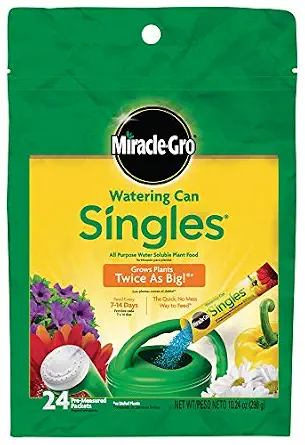 |
| Best Seller A high-volume bestseller chosen again and again | TPS NUTRIENTS Indoor Plant Food Liquid Fertilizer, 8 oz |  |
TPS NUTRIENTS Herb Plant Food Liquid Fertilizer, 8 fl oz

| Item Form | Liquid |
|---|---|
| Application Method | Dilute in water |
| Target Species | Herb |
| Unit Count | 8 Fluid Ounces |
TPS NUTRIENTS Herb Plant Food is a liquid, water-dilutable fertilizer made for culinary herbs like basil, mint, and parsley. You mix the measured dose into irrigation water and apply it to potted herbs or garden containers to encourage greener leaves and stronger root systems. The formula is described as organic and balanced for herb growth, with benefits claimed for enhanced aroma and flavor and reduced risk of nutrient buildup in small pots. An 8 ounce bottle is handy for trialing on a few plants or keeping in a windowsill gardening kit. Limitations are the small unit size if you maintain a larger herb patch and the need to follow the label dilution instructions precisely since concentrated liquids can burn plants if overapplied. There is no detailed NPK listed in the visible product fields, so buyers who require exact nutrient ratios or large-quantity supply may prefer a different option.
Best for: A practical home cook or indoor gardener who wants a gentle, herb-specific liquid feed for a few potted basil plants and container-grown culinary herbs.
Less Ideal for: Not the best choice for gardeners with large outdoor herb beds or those who need precise NPK breakdowns for fertilization planning.
- Formulated specifically for herb species such as basil, mint and parsley
- Liquid concentrate that dilutes in water for even, controlled feeding
- Described as gentle for potted herbs to reduce nutrient buildup
- Compact 8 fl oz bottle convenient for small indoor herb collections
- Small 8 fl oz volume may require frequent repurchase for larger herb gardens
- Product description does not list an explicit NPK ratio in the visible specs
Verdict: A convenient, herb-focused liquid feed that makes it easy to keep small basil and other culinary herbs healthy and flavorful.
True Organic All Purpose Liquid Plant Food (16 fl oz)

| Unit Count | 16 Ounce |
|---|---|
| Item Form | Liquid |
| Specific Uses For Product | Agriculture, Gardening |
| Mixing Ratio | 2 fl oz per gallon; apply every 2 weeks |
True Organic All Purpose Liquid Plant Food is a concentrated, OMRI-listed liquid fertilizer intended for routine feeding of vegetables, herbs and ornamentals. It is mixed at 2 fl oz per gallon and applied to soil every two weeks during the growing season, making it easy to include in a regular feeding schedule for basil and other herbs. The formula lists fish solubles, kelp extract, molasses and soy protein, ingredients that supply nitrogen, potassium and organic matter to stimulate growth and soil microbial activity. Because it is liquid and concentrated, you can feed potted basil or garden beds without measuring dry mixes, and it soaks into the root zone rather than sitting on leaves. Important limits are that it relies on organic, biologically active inputs so results appear gradually rather than instantly, and the fish-based ingredients have an odor some users notice during application. Follow the stated dilution and frequency to avoid overfeeding sensitive herbs.
Best for: Buyers who prioritize steady, soil-friendly nutrient delivery for culinary herbs and want an organic, repeat-feeding program rather than quick synthetic boosts.
Less Ideal for: Gardeners who need immediate, high-impact results or who prefer completely odorless synthetic fertilizers should consider alternatives.
- OMRI listed and made from organic farm-grade inputs suitable for edible gardens
- Concentrated liquid formula mixes easily at 2 fl oz per gallon for straightforward fortnightly feeding
- Contains kelp extract and molasses to support soil microbes and overall plant vigor
- Can be used on both potted herbs and in-ground beds for flexible application
- Has a noticeable fish-based odor on application
- Effects build gradually due to organic nutrient sources rather than delivering instant synthetic nutrient spikes
Verdict: A concentrated, OMRI-listed liquid fertilizer designed to deliver steady organic nourishment for basil and other edible herbs with simple fortnightly applications.
Miracle-Gro Liquid All Purpose Plant Food, Concentrate, 32 oz.

| Item Form | Liquid |
|---|---|
| Specific Uses For Product | Plant Growth, Root Development |
| Application Method | Mix with water in a watering can |
| Target Species | flowers, and trees, and houseplants |
| Mixing Ratio | 1:10 (concentrate to water, estimate) |
Miracle-Gro Liquid All Purpose Plant Food is a concentrated, water-soluble fertilizer intended for routine feeding of container and in‑ground plants. You mix the concentrate with water in a watering can and apply every 1 to 2 weeks; directions include a garden dosing cap (fill to the first line and mix with 2 gallons to cover about 20 sq ft) and a houseplant guideline (1 teaspoon per gallon). Its liquid form makes fast nutrient delivery and even coverage easy, which is helpful for keeping quick-growing herbs like basil vigorous between regular pruning. The product targets overall plant growth and root development rather than a bloom-focused formula, so it encourages leafy growth and strong stems. Limitations: it is an all-purpose NPK approach rather than a basil-specific or organic formula, and frequent application requires keeping to the recommended dilution to avoid overfeeding. The concentrate format is space-efficient and simple to store, but users who prefer granular, slow-release, or certified organic options will need a different product.
Best for: Buyers who want a simple, reliable, fast-acting feed to keep basil and other common herbs healthy with regular liquid feedings and minimal fuss.
Less Ideal for: Growers seeking an organic-certified fertilizer, a slow-release granular product, or a formula specifically tuned to enhance herb flavor should consider alternatives.
- Concentrated liquid mixes easily for fast, uniform feeding.
- Clear dosing instructions for both garden and houseplants.
- Suitable for a wide range of plants including herbs, flowers, vegetables, and houseplants.
- Feeds plants quickly to promote visible leafy growth and root development.
- Not a specialist formula for herbs so it is not optimized specifically for basil flavor or flowering.
- Not labeled as organic which may matter for edible container growers.
Verdict: A straightforward, fast-acting liquid concentrate that makes regular feeding of basil and other common herbs quick and easy.
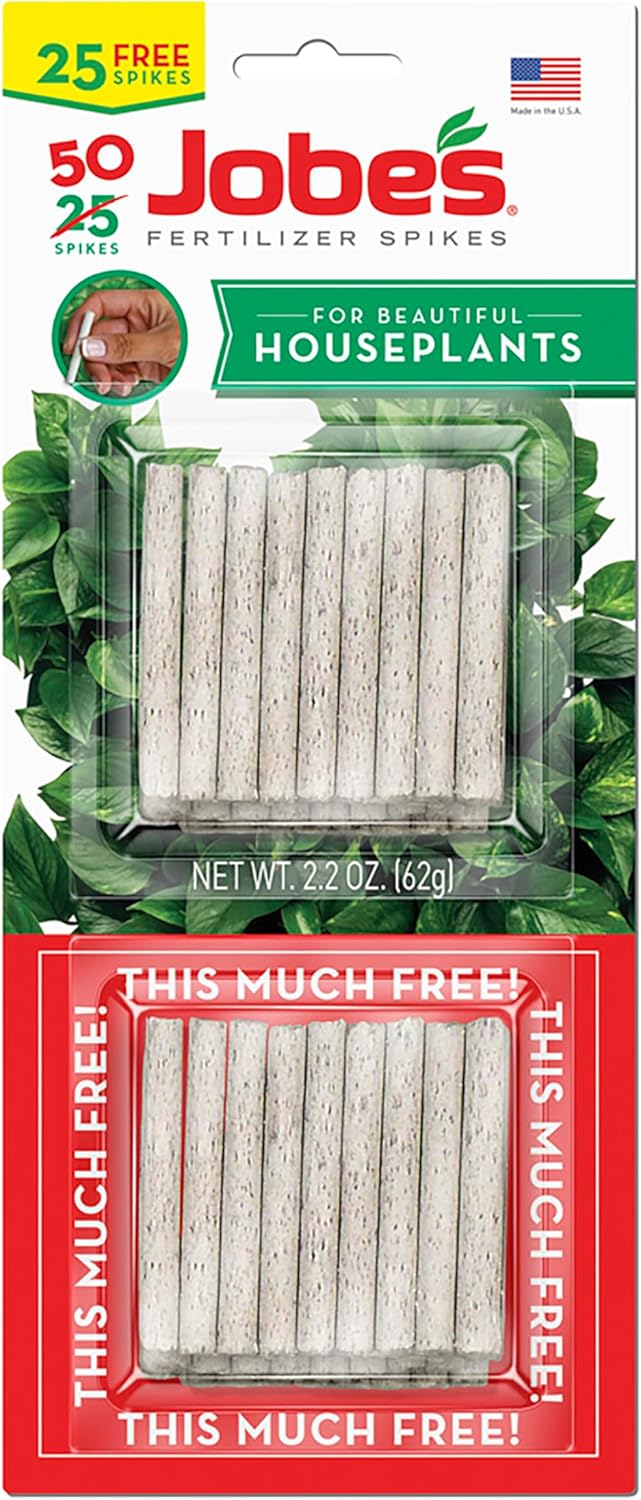
Jobe's Organic Houseplant Fertilizer Spikes, 50 Count
| Unit Count | 50 Count |
|---|---|
| Application Method | Insert spikes into soil |
| Item Form | Granules, Liquid, Sticks |
| Mixing Ratio | 13-4-5 |
Jobe's Organic fertilizer spikes are simple, no-mess nutrient sticks you push into potting soil to deliver a steady supply of nitrogen, phosphorus, and potassium. Each pack contains 50 pre-measured spikes formulated 13-4-5, intended to be replaced roughly every 60 days. For basil grown in pots the spikes supply regular nitrogen to promote leafy growth and reduce the need for weekly liquid feeding. The biggest conveniences are the clean application and reduced dosing errors since the spikes are metered for typical houseplant pots. Because they are slow-release, you will not see an immediate salt burn risk when used as directed, but they are less flexible than liquid feeds if plants need rapid correction or if you want to fine-tune feeding frequency. Spikes work best in established potted herbs rather than newly rooted cuttings and they may not suit growers who prefer complete control over nutrient timing or soluble blends for intensive harvest cycles.
Best for: A budget-minded indoor herb grower who wants an easy, low-effort way to keep potted basil and other houseplants consistently fed without frequent liquid fertilizing.
Less Ideal for: Growers who run intensive, high-yield herb production or who need precise, adjustable nutrient dosing should consider liquid or granular soluble fertilizers instead.
- Pre-measured slow-release spikes eliminate measuring and reduce mess
- 13-4-5 NPK provides steady nitrogen-focused feeding for leafy growth
- Easy insert application that delivers nutrients directly to root zone
- Long coverage per application with recommended re-application every 60 days
- Fixed NPK ratio and dosing make rapid corrections or fine tuning difficult
- Not suitable for newly planted seedlings or cuttings that need light feeding
Verdict: If you want an inexpensive, low-effort way to keep potted basil fed between waterings, these pre-measured slow-release spikes make regular feeding painless.
Miracle-Gro Water Soluble All Purpose Plant Food, 1.5 lb

| Item Form | Powder |
|---|---|
| Application Method | Watering Can |
| Target Species | All flowers, vegetables, trees, shrubs and houseplants |
| Mixing Ratio | 24-8-16 |
This water-soluble Miracle-Gro is a straightforward, fast-acting plant food designed for regular feedings of indoor and outdoor plants. You mix the powder into water and apply with a watering can or compatible garden feeder, which delivers nutrients quickly to the root zone rather than slowly like granular fertilizers. The 24-8-16 formula is high in nitrogen, so it encourages leafy growth and is suitable for herbs and leafy vegetables when used at the lower recommended indoor dilution. Directions cover indoor and outdoor mixing rates and feeding frequency, making it easy to follow a reliable schedule. Practical benefits include quick uptake, broad compatibility with many plant types, and clear usage guidance that reduces guesswork. Important limitations are the high nitrogen ratio, which can favor foliage over flower or fruit production if overused, and the need to stick to dilution and timing to avoid nutrient imbalance. For someone wanting dependable, repeatable feedings for vigorous basil plants, this product is a simple, proven option when used as directed.
Best for: Gardeners who prioritize consistent, predictable feedings and want a dependable, easy-to-mix fertilizer to keep basil vigorous and leafy through regular watering routines.
Less Ideal for: Growers seeking a low-maintenance, slow-release option or those focused primarily on boosting blooms or heavy fruit set should consider specialty or lower-nitrogen formulas instead.
- Water-soluble powder feeds plants quickly by delivering nutrients directly to roots.
- Clear, simple mixing directions for indoor and outdoor use reduce dosing errors.
- All-purpose formula safe for a wide range of plants when used as directed.
- High nitrogen ratio can promote leafy growth over flowering or fruiting if used excessively.
- Requires frequent reapplication (weekly to biweekly) compared with slow-release fertilizers.
Verdict: Use this water-soluble, high-nitrogen formula for dependable, repeatable feedings that keep basil producing lush, healthy foliage.
Miracle-Gro Watering Can Singles All Purpose Plant Food, 24 Packets

| Number of Packs | 24 |
|---|---|
| Application Method | watering can |
| Item Form | SOLID |
| Specific Uses For Product | Plant Food |
| Mixing Ratio | 1 teaspoon per 1 gallon of water |
Miracle-Gro Watering Can Singles are single-use, pre-measured packets of water-soluble all-purpose fertilizer intended to make routine feeding quick and mess-free. You tear open a packet, add it to a watering can, dilute according to the directions and feed plants while watering every 7 to 14 days. The packets are formulated for flowers, vegetables, houseplants and shrubs, so they work for container-grown basil and small herb beds without additional measuring. Notable features include the convenience of pre-measured doses and a coverage guideline of about 1 gallon per 10 sq. ft., which helps avoid overfeeding when used as instructed. Practical benefits are consistent dosing for busy gardeners and reduced chance of spills compared with loose powder or concentrated liquids. Limitations are that the product is an all-purpose formula rather than a herb-specific feed and the 24-packet pack may require repurchasing during a long growing season for heavy-feeding herbs. For basil, it is a simple, low-effort option to maintain steady growth if you follow the mixing and application frequency on the label.
Best for: Gardeners who prioritize simple, low-effort feeding and want consistent, pre-measured doses to maintain steady growth in container or small in-ground herb plantings.
Less Ideal for: Growers seeking a specialist herb or high-nitrogen formula tuned for maximum basil flavor or yield should consider targeted fertilizers instead.
- Pre-measured packets eliminate measuring and reduce mess when feeding plants
- Water-soluble formula feeds immediately when mixed into a watering can
- Suitable for a wide range of plants including vegetables and herbs
- Clear directions for dilution and application frequency simplify routine feeding
- All-purpose formula is not tailored specifically for basil or other herbs
Verdict: If you want a fuss-free, pre-measured way to feed basil and other potted herbs during the season, these packets make regular feeding fast and reliable.
TPS NUTRIENTS Indoor Plant Food Liquid Fertilizer, 8 oz

| Item Form | Liquid |
|---|---|
| Application Method | Watering can |
| Unit Count | 8 Fluid Ounces |
| Mixing Ratio | 1 tbsp per 32 oz water |
This TPS NUTRIENTS indoor plant food is a liquid concentrate designed to be mixed with water and applied with a watering can as part of regular indoor plant care. It supplies balanced nutrition aimed at promoting greener foliage, steady new leaf growth, and stronger roots, and the kelp-enriched formula can help encourage vigor in herbaceous plants like basil. Typical use is one tablespoon per 32 oz of water, applied during normal watering so feeding fits easily into a weekly routine. The small 8 ounce size makes it simple to store and limits waste for someone growing a few pots of herbs. Practical benefits include easy measuring, compatibility with common indoor watering, and a gentle formulation intended for frequent use. Limitations are the small bottle volume if you maintain a larger herb garden and the need to follow dilution instructions carefully to avoid overfeeding. This is not an all-in-one solution for pests or soil amendments, so plan to combine it with good potting mix and basic care.
Best for: A cautious indoor gardener who wants a simple, reliable liquid fertilizer to feed small pots of basil and other house herbs on a weekly schedule.
Less Ideal for: Gardeners who maintain many basil plants, larger indoor herb beds, or who prefer slow-release granular fertilizers for minimal handling.
- Liquid concentrate mixes easily with water for straightforward weekly feeding
- Kelp-enriched formula supports leaf color and root strength
- Gentle formulation suitable for frequent use on indoor plants
- Small 8 fl oz bottle is easy to store and reduces waste for small collections
- 8 oz volume may be insufficient for larger herb collections
- Requires careful dilution to avoid overfertilizing
Verdict: An easy-to-use, kelp-enriched liquid fertilizer that fits a weekly care routine and is well suited to small indoor basil collections.
Choosing the Right Plant Food for Basil: Key Factors to Consider
Nutrient Ratio and Timing
Basil prefers a feeding regime that supports leafy growth without encouraging excessive steminess. Look for plant foods with a moderate nitrogen number paired with balanced phosphorus and potassium so leaves develop fully and flavor concentrates. Timing matters: frequent light feedings often work better for potted basil than heavy, infrequent dressings because small root masses can be overwhelmed by sudden nutrient surges.
Also consider whether the product is formulated for weekly liquid feeds or longer-term granular release. Liquid feeds give rapid effects and let you correct deficiencies quickly. Slow-release granules reduce maintenance but require attention to initial dosing and bed or pot size to avoid nutrient buildup over time.
Formulation Type and Solubility
The physical form of plant food determines how you apply it and how quickly basil responds. Water-soluble powders and concentrated liquids dissolve readily and are ideal for foliar sprays or drench applications, delivering nutrients fast. Granules and pellets are lower-maintenance and release nutrients over weeks to months, which is convenient for outdoor beds but less flexible for containers.
Solubility matters in practical use. If a product leaves residue or does not dissolve fully it can clog sprayers, leave white crust on pot rims, or cause uneven dosing. For container gardeners, choose formulas that mix cleanly at low concentrations so you can feed without stress to small root systems.
Micro and Trace Nutrients
Beyond the primary N-P-K numbers, basil benefits from trace elements like iron, magnesium, and manganese that support chlorophyll production and essential oil development. A feed that includes these micronutrients helps prevent common deficiencies such as yellowing between veins or slow, weak growth. Organic sources often provide a broader spectrum of trace elements, while synthetic blends may supply concentrated, immediately plant-available micronutrients.
Consider whether the product lists chelated forms of micronutrients for better uptake, especially in higher pH soils or when growing in inert potting mixes. Even small amounts of missing micronutrients can reduce leaf aroma and vigor over a season.
Suitability for Containers and Small Pots
Many basil plants grow in small containers where root volume limits how much fertilizer you can apply at once. Container-compatible feeds should allow precise, low-volume dosing and avoid high-salt formulations that can burn roots. Water-soluble concentrates and mild liquid fertilisers are often easiest to meter down to the small quantities potted basil needs.
Also think about salt buildup. Slow-release products can be safe when used correctly, but repeated granular top-ups without periodic flushing can raise soluble salts. Gardeners should choose products and feeding schedules that match their container sizes and plan for occasional leaching with clean water.
Edible-Safe Ingredients and Residue
Because basil is harvested for taste and aroma, choose plant foods formulated for edible crops and with ingredient transparency. Products that avoid heavy salts, harsh chemical additives, or strong synthetic carriers reduce the chance of off-flavors or residue on leaves. Organic-certified or soluble feeds designed for vegetables typically list all active nutrient sources so you can assess suitability.
Also pay attention to pre-harvest intervals. Some concentrated foliar feeds advise waiting before harvest; select products with instructions that fit how often you plan to pick leaves so you do not disrupt harvesting schedules.
Ease of Application and Storage
Practical handling affects how consistently you will feed your basil. Look for concentrates with clear measuring marks, granular packages that reseal, or premeasured sachets for single-plant use. Products that require complex dilution ratios or specialized equipment increase the chance of dosing mistakes. Storage stability is also important: some liquid concentrates degrade or precipitate over time, while well-formulated powders and granules keep longer when kept dry.
Consider whether you need sprayer-friendly mixes for foliar feeding or drought-tolerant formulas that reduce application frequency. The easier a product is to use, the more likely you are to maintain a consistent feeding routine that benefits basil throughout the season.
Liquid Feeds Versus Slow-Release Granules
Decide whether you need quick results or low-maintenance feeding. Liquid feeds act fast and let you tune nutrient levels on a weekly basis, which is useful for container basil or when you want rapid recovery from deficiency. Slow-release granules are convenient for outdoor beds and larger planters where frequent dosing is impractical.
If you harvest leaves frequently, liquids let you correct deficiencies rapidly and avoid overfeeding. For gardeners who prefer "set and forget," select slow-release formulations that specify release duration to match your growing season.
- Liquid feeds: quick uptake, flexible dosing, good for containers
- Slow-release: lower maintenance, steady supply, watch cumulative salts
Foliar Feeding and When to Use It
Foliar sprays can correct nutrient shortages quickly and improve leaf color, especially when root uptake is restricted by compacted soil or cold conditions. Use fine sprays in the cooler parts of the day to avoid leaf scorch and follow label dilution rates closely.
Foliar feeding is best as a supplement, not a replacement for root-zone nutrition. It delivers trace nutrients and a rapid boost but does not replace regular substrate feeding for sustained growth.
- Use foliar sprays for quick greening and minor deficiencies
- Avoid spraying mid-day in hot sun to prevent burn
Adjusting Feed for Different Growing Stages
Young transplants and seedlings need gentler, lower-concentration feeds to avoid root burn. As plants mature and you want larger leaf mass, moderate increases in nitrogen and consistent micronutrient supply support development. Reduce nitrogen slightly if plants become overly leggy and increase potassium late in the cycle if you want stronger stems and better stress resilience.
For winter or slow-growth periods, cut back feeding frequency and concentration since basil's nutrient uptake declines with lower light and temperatures.
- Seedlings: light, frequent feeding at low concentration
- Mature plants: regular moderate feeding to sustain foliage
- Dormant periods: reduce frequency and concentration
Application Tools and Measurement Tips
Simple tools improve consistency. Use measuring spoons or graduated caps for concentrates and a small hand sprayer for foliar work. For tiny pots, dilute in a watering can to ensure even distribution without drowning the root ball.
Label and store diluted solutions for short periods only and always rinse sprayers after use. If a product provides feeding tables by pot size, follow those recommendations rather than guessing by eye.
- Graduated caps and spoons help avoid overdose
- Rinse equipment after each use to prevent clogging
- Follow feeding tables for pot sizes when provided
Common Mistakes to Avoid
Overfeeding is a frequent cause of leaf burn and reduced flavor in basil. Start at half the recommended concentration for new products and watch plants for signs of stress. Another common error is inconsistent feeding schedules; irregular spikes and drought periods stress plants and reduce oil production in leaves.
Failing to flush containers occasionally leads to salt buildup. If you see white crust on pot rims or slow growth despite feeding, leach the pot with ample water to reset soluble salt levels before resuming a normal feeding regimen.
- Do not exceed recommended concentrations for containers
- Maintain a consistent feeding rhythm
- Flush containers periodically to prevent salt buildup
How We Chose the Best Plant Food for Basil
We narrowed the field to products that gardeners commonly use on edible herbs and that state clear nutrient analyses suitable for basil. Priority filters included appropriate N-P-K ratios and the presence or absence of trace micronutrients known to support leaf development. We favored formulations that allow precise dosing for small containers and those with clear application intervals to avoid overfeeding. Practical performance criteria included solubility and ease of mixing for liquid feeds, longevity and predictability for slow-release granules, and suitability for foliar spray when rapid greening is needed. We also considered ingredient transparency and whether products avoid substances that can leave residues or alter flavor. Exclusions included feeds formulated only for flowering ornamentals or heavy-feeding vegetables, and any products with unclear labeling or dosing instructions. The result is a list of plant foods that balance nutrient needs, application convenience, and edible-crop safety for basil growers.
FAQ
How often should I feed potted basil?
Often weekly to biweekly with a dilute liquid feed works well for potted basil. Frequency depends on product type: slow-release granules need less frequent attention, while soluble feeds benefit from regular, lighter applications.
Can I use general-purpose plant food for basil?
Often yes, but check the N-P-K ratio and micronutrient content. Choose general-purpose feeds with a balanced formulation or slightly higher nitrogen for leafy growth and avoid formulas intended for flowering or fruiting that heavily favor phosphorus.
Is foliar feeding safe for edible basil leaves?
Usually, provided you use products labeled safe for edible crops and follow dilution and pre-harvest instructions. Apply foliar sprays in the cooler part of the day and avoid using strong concentrations that could leave residues on tender leaves.
What signs indicate a nutrient deficiency in basil?
Common signs include pale or yellowing leaves, reduced new growth, and interveinal chlorosis for certain micronutrient shortages. Sudden stunted growth often points to a lack of nitrogen or root-bound conditions limiting uptake.
Should I change feeding in summer heat?
Usually reduce frequency or concentration during heat waves because high temperatures stress roots and increase the risk of salt burn. Monitor plant vigor and resume regular feeding once conditions cool and growth resumes.
Final Verdict
Pick a plant food that matches how you grow basil: water-soluble feeds for container growers who harvest often, or slow-release options for low-maintenance beds. Prioritize a nutrient ratio that supports leaf growth, includes key micronutrients, and lets you dose precisely for small pots. Balance convenience and control. If you harvest frequently, choose a mild, easy-to-dilute feed and maintain a steady schedule. For less hands-on gardeners, select a slow-release product labeled for edible herbs and plan occasional checks and leaching to prevent salt buildup.
