

Note: This article contains affiliate links. If you click on these links and make a purchase, I may earn a small commission at no extra cost to you. This helps support my research and content. Read my full affiliate disclosure here.
Choosing the right plant pot for cacti matters because these desert-adapted plants need fast-draining soil, good airflow around roots, and containers that avoid moisture traps. The wrong pot can hold water, invite rot, and stunt growth even with careful watering. This guide presents six shortlisted plant pots for cacti, each selected for attributes that suit succulents and drought-tolerant species. We evaluated candidates on drainage design, material thermal behavior, and how they perform in common home and patio settings. Read on to understand which features matter most so you can match a pot to your cactus species and growing conditions.
Top Picks at a Glance
| Best Overall The best all-around choice for most situations | Gepege 4-Inch Ceramic Succulent Pots with Drainage (Set of 4) |  |
| Best Quality Built to a higher standard if you want something more solid | Xiaan Jiaju Ceramic Cottage Planter with Drainage Hole |  |
| Best Value The sweet spot between price and what you get | Orceler 6" Terracotta Plant Pots with Saucer (Pack of 4) |  |
| Best Budget The cheapest option that still gets the job done reliably | Mini Elephant Succulent Planter |  |
| Highest Rated A top-rated pick with lots of positive feedback | Xoogifae 5.5" Ceramic Plant Pot with Drainage Hole and Saucer |  |
| Most Popular A crowd favorite that many people choose with confidence | ZOUTOG 6-Pack 3.1" Ceramic Succulent Pots with Bamboo Tray |  |
Gepege 4-Inch Ceramic Succulent Pots with Drainage (Set of 4)

| Material Type | Ceramic |
|---|---|
| Other Special Features of the Product | Drainage Hole, Lightweight, Rust Resistant, Weather Resistant |
| Unit Count | 4 Count |
| Indoor Outdoor Usage | Indoor |
| Plant or Animal Product Type | Flower, Succulent |
These Gepege 4-inch ceramic succulent pots are built for small cacti and other drought-tolerant plants that need good drainage. Each pot includes a drainage hole plus a mesh pad to keep soil from washing out, and a removable saucer so you can choose to water-trap or let excess drain away. The ceramic construction gives a stable, weighty base that resists weathering for indoor placement and brings a clean, bohemian look to shelves, windowsills, or small container groupings. Practical touches like the included saucers and mesh make repotting and routine watering neater, and the 4-pack is convenient for outfitting multiple plants at once. Expect the pots to be heavier than plastic alternatives and not ideal for very large specimens, and because they are ceramic they can crack if dropped or exposed to freezing temperatures. For everyday indoor cactus care they offer a tidy, attractive home that simplifies drainage and display.
Best for: Buyers who want attractive, reliable indoor pots for small cacti and succulents and prefer neat drainage management and a coordinated set for multiple plants.
Less Ideal for: Gardeners who need large, lightweight, or frostproof outdoor containers or who grow large or fast-rooting cacti should look elsewhere.
- Drainage hole plus mesh pad prevents soil loss while allowing excess water to escape
- Included removable saucers let you choose between catchment or free drainage
- Ceramic material provides a stable, attractive planter for display
- Sold as a 4-pack so you can plant multiple cacti or create uniform groupings
- Ceramic construction is heavier and can crack if dropped or left in freezing conditions
- Designed for small plants only and not suitable for larger cacti or deep-rooted species
Verdict: A stylish, practical 4-pack of 4-inch ceramic pots that makes healthy drainage and neat display easy for small cacti and succulents.
Xiaan Jiaju Ceramic Cottage Planter with Drainage Hole
| Material Type | Ceramic |
|---|---|
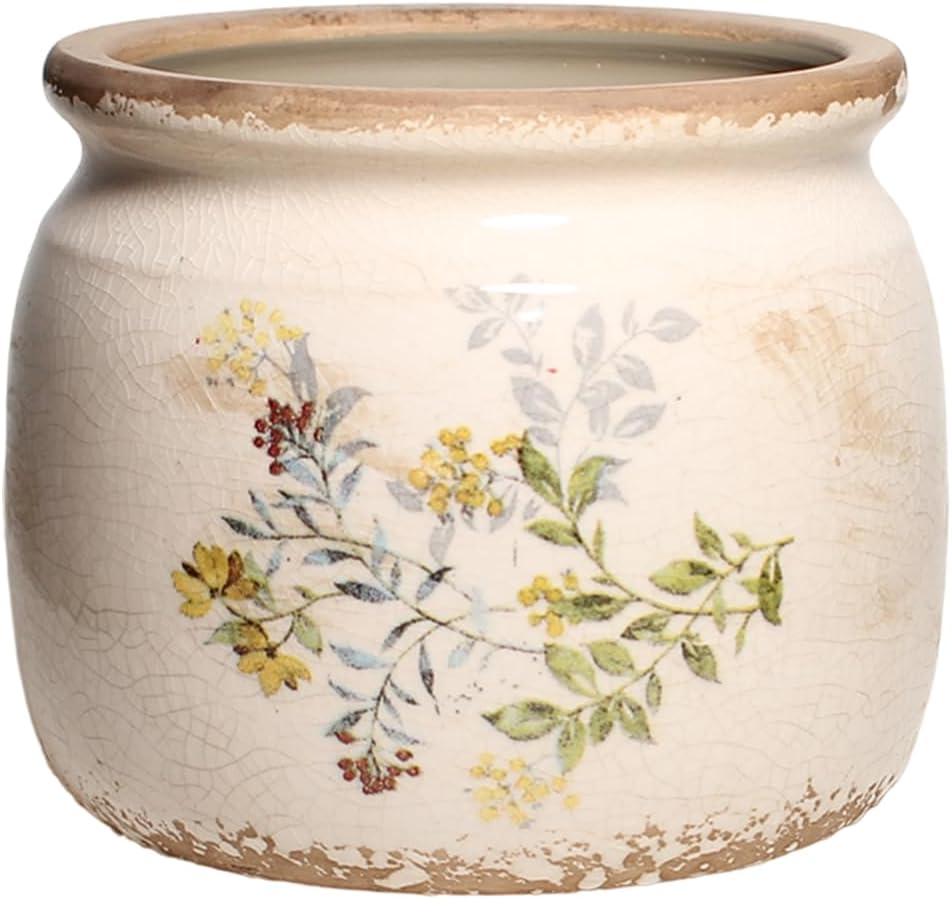
| Finish Types | Distressed, Crackle Glaze |
| Other Special Features of the Product | Drainage Hole, Hand-Finished |
| Indoor Outdoor Usage | Indoor |
This compact ceramic planter is a decorative, functional pot for small houseplants such as a Christmas cactus. The hand-finished crackle glaze and vintage floral detailing give it a cottage look while the built-in drainage hole helps prevent overwatering, which is important for succulents and cacti that prefer well-drained conditions. At roughly 6.3 inches across it fits on windowsills and small side tables and works well with standard nursery pots or as a direct planting container for a single plant. Being ceramic, it is sturdy and retains moisture longer than terracotta so you will water less often, but that also means you need to ensure the drainage path is clear to avoid root sitting. The tabletop mounting and distressed finish make it a ready decorative piece with minimal styling effort. Limitations are its indoor-only designation and modest size, so it is not suitable for larger specimens or outdoor planted displays. For someone prioritizing a reliable, attractive pot for a small Christmas cactus, it balances looks and plant care needs effectively.
Best for: Buyers who want a decorative, low-maintenance indoor planter for small houseplants where plant health and a vintage aesthetic matter more than large capacity.
Less Ideal for: People needing large containers, outdoor planters, or long-term homes for rapidly growing cacti and succulents should choose a bigger, outdoor-rated pot instead.
- Built-in drainage hole promotes healthy root conditions and reduces overwatering risk
- Hand-finished ceramic with crackle glaze offers a durable, attractive vintage appearance
- Compact tabletop size fits windowsills and small indoor spots
- Sturdy material holds its shape and supports potted plants without warping
- Indoor-only design limits use in outdoor or exposed environments
- Smaller capacity unsuitable for larger or fast-growing plants
Verdict: A stylish, small indoor ceramic pot with drainage that keeps a Christmas cactus healthy while adding vintage cottage charm.
Orceler 6" Terracotta Plant Pots with Saucer (Pack of 4)

| Material Type | Terracotta |
|---|---|
| Capacity | 2.53 liters |
| Included Components | Saucer |
| Other Special Features of the Product | Drainage Hole |
| Indoor Outdoor Usage | Indoor, Outdoor |
These terracotta pots are designed for growing cacti, succulents and small herbs where good airflow and fast soil drying are important. The clay construction breathes and helps evaporate excess moisture from potting mix, while the built-in drainage hole and included saucer let you water freely without worrying about waterlogged roots. Each set includes four identical 6-inch pots that are unglazed, easy to customize with paint, and sturdy from high-temperature firing. Practical buyers will appreciate the simple tabletop design and the mesh pad option to keep soil from washing out the hole. Expect the pots to work best with gritty, fast-draining mixes and for plants that prefer drier conditions; they will draw moisture out faster than nonporous containers so watering frequency will increase. They are not insulated, so potted plants may experience faster temperature changes in very hot or cold climates. For routine cactus care these clay pots provide the breathability and drainage that help reduce overwatering problems while remaining affordable and easy to use.
Best for: Buyers who prioritize practical, low-cost containers that improve drainage and airflow for cacti and succulent care and who prefer simple, customizable pots for indoor or patio displays.
Less Ideal for: People who want decorative glazed planters, very low-maintenance containers, or who need insulated pots for extreme temperature environments.
- Unglazed terracotta promotes airflow and faster soil drying, reducing risk of root rot for cacti and succulents
- Includes drainage hole and saucer so excess water is collected and plants can be watered safely
- Pack of four gives good value for grouping multiple small plants or creating a display
- High-temperature fired clay offers durability and resistance to cracking during normal use
- Porous terracotta increases watering frequency since soil dries out faster
- Unfinished surface can stain and will age or salt up over time if left outdoors
Verdict: Choose these terracotta pots when you want affordable, breathable planters that cut down overwatering risk for cacti and succulents.
Mini Elephant Succulent Planter

| Material | Ceramic |
|---|
This mini elephant planter is a simple, budget-friendly ceramic pot designed for small succulents, cacti and air plants. It functions as a decorative desktop or windowsill container that adds character to tight spaces while holding a single small plant or a bit of soil and a tiny cactus. The compact size and molded animal shape make it easy to place on shelves, office desks or bathroom counters and the glazed finish resists light staining. Because it is small, it is best used with tiny succulents or without large soil volumes; frequent, careful watering is needed for plants that prefer drier conditions. There is no visible saucer for excess water, so users should either add drainage material, drill a hole if possible, or water sparingly to avoid root rot. For someone looking for an inexpensive decorative pot to showcase a single small cactus or air plant, this is an attractive, no-frills option with clear limits on plant size and moisture management.
Best for: Buyers who want an inexpensive, decorative pot to display a tiny cactus, succulent or air plant on a desk or windowsill and who prioritize style and low cost over long-term plant growth.
Less Ideal for: People wanting to grow larger cacti, plants with deep root systems, or those who prefer pots with built-in drainage and more soil volume.
- Cute elephant design adds decorative interest to desks and windowsills
- Ceramic glaze resists light staining and is easy to wipe clean
- Very low cost option for gifting or adding multiple accents around the home
- Compact footprint fits in small spaces where larger pots will not
- Very small internal volume limits plant size and root growth
- No visible drainage hole or saucer, increasing risk of overwatering if not managed
Verdict: An affordable, decorative ceramic mini planter ideal for showcasing a single small cactus or succulent in tight spaces.
Xoogifae 5.5" Ceramic Plant Pot with Drainage Hole and Saucer
| Material Type | Ceramic |
|---|---|
| Capacity | 0.35 gallons |
| Other Special Features of the Product | Breathable, Drainage Hole, UV Resistant, Weather Resistant |
| Mounting Type | Tabletop |
| Indoor Outdoor Usage | Indoor, Outdoor |
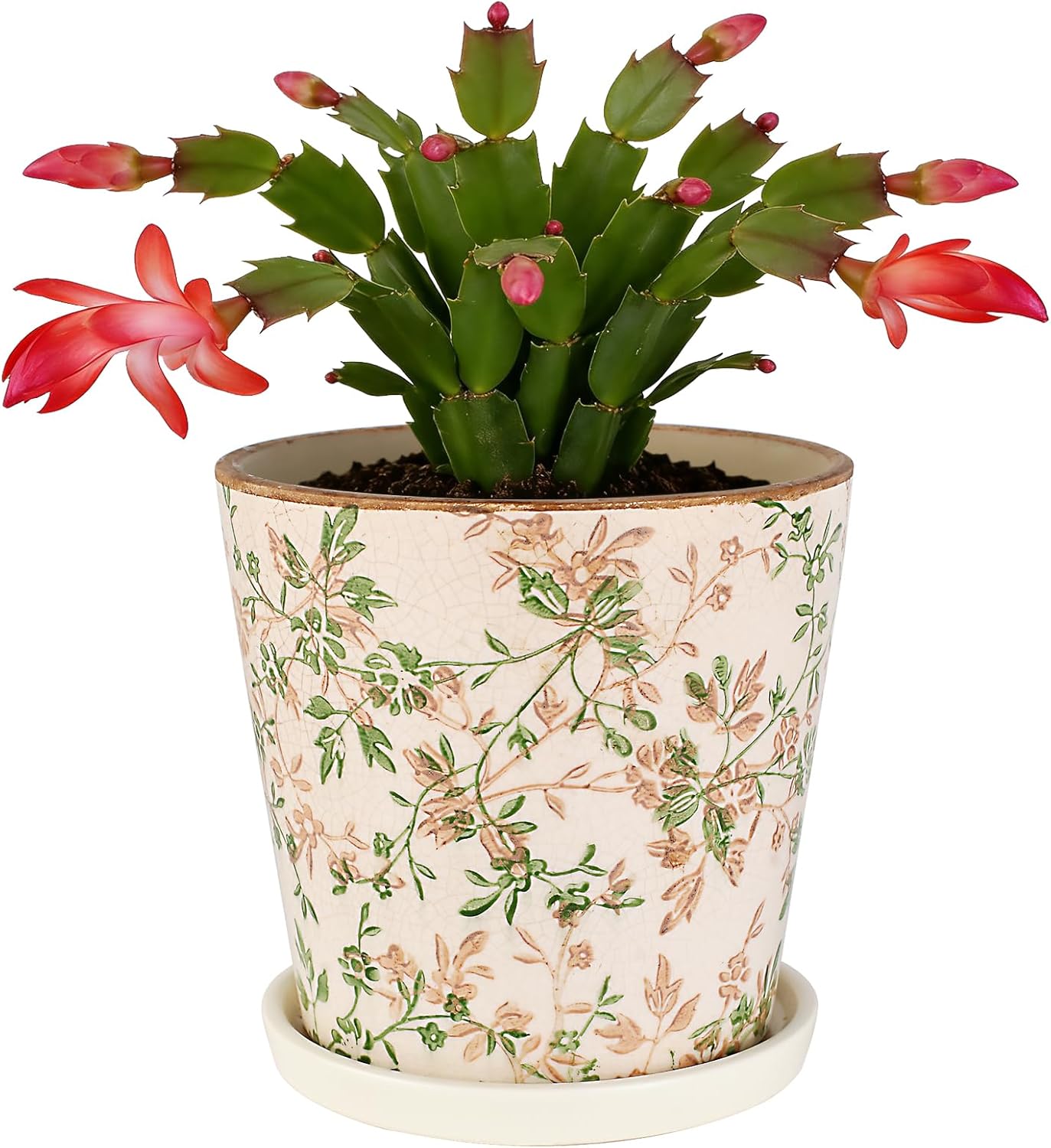
This 5.5-inch Xoogifae ceramic pot is built for everyday plant care where reliable drainage matters. The pot has a predrilled drainage hole and a matching removable saucer so excess water clears quickly and surfaces stay protected, which helps prevent root rot for succulents and small houseplants. The glazed ice-crack finish gives a vintage look while the smooth interior makes repotting and soil changes straightforward. It is made from fired ceramic that resists fading and stands up to normal indoor and outdoor conditions, and the seller includes small mesh pads and a protective base pad to keep soil in place and lift the pot slightly off the saucer for airflow. Because it is a single small planter intended for tabletop display, you should plan watering and potting around the 5.5-inch capacity rather than expecting it to suit larger specimens. If you need a decorative, dependable small planter with practical drainage and a durable glazed finish, this pot performs well for everyday indoor use.
Best for: Buyers who prioritize a trouble-free indoor planter that prevents overwatering and protects furniture while still offering a decorative glazed finish.
Less Ideal for: Gardeners who need larger containers for mature plants or who want unglazed porous pots for frequent outdoor weathering.
- Built-in drainage hole plus removable saucer prevents standing water and protects surfaces
- High-temperature glazed ceramic construction resists fading and is durable for indoor use
- Smooth inner surface eases repotting and soil changes
- Includes mesh pads and protective base pad to reduce soil loss and improve air circulation
- Single 5.5-inch size limits use to small plants and seedlings
Verdict: A small, durable glazed ceramic planter that reliably protects plants from overwatering while keeping surfaces clean.
ZOUTOG 6-Pack 3.1" Ceramic Succulent Pots with Bamboo Tray

| Unit Count | 6 Count |
|---|---|
| Material Type | Bamboo, Ceramic |
| Other Special Features of the Product | Drainage Hole, Lightweight, Portable |
| Indoor Outdoor Usage | Indoor, Outdoor |
These ZOUTOG succulent pots are a practical set for staging small succulents, cacti, or desktop herbs. Each glazed ceramic pot is about 3.1 inches across and includes a drainage hole plus a removable bamboo tray to catch runoff, so you can water without risking soggy roots or tabletop mess. The set of six makes it easy to create a coordinated grouping on a windowsill, desk, or shelf; the ceramic finish looks clean and neutral in most interiors. Because the pots are fired ceramic they feel sturdy and show a consistent finish, and the lightweight design keeps them easy to move when reorganizing arrangements. Limitations to note are the small internal volume, which restricts them to young plants or very shallow-rooted succulents, and the bamboo saucer will eventually weather if left wet frequently. These are best for someone who wants a neat, uniform display of many small plants rather than larger specimens or long-term outdoor planting.
Best for: Buyers who want a low-risk way to display multiple small succulents or starter plants indoors and value consistent, tidy presentation across a grouping.
Less Ideal for: Gardeners who need larger pots for established succulents, deeper-rooted varieties, or permanent outdoor planting should choose bigger containers.
- Includes drainage holes and removable bamboo trays to prevent overwatering and surface stains
- Set of six provides a coordinated display for multiple small succulents
- Glazed ceramic construction gives a clean, durable finish that suits indoor tabletop use
- Small capacity limits use to seedlings, offsets, or very small succulents rather than mature plants
- Bamboo trays can degrade over time with repeated exposure to standing moisture
Verdict: A reliable six-pack of small glazed ceramic pots with drainage and bamboo trays, ideal for neatly displaying multiple young succulents indoors.
Choosing the Right Plant Pot for Cacti: Key Factors to Consider
Drainage and Hole Placement
Effective drainage is the single most important feature for a plant pot for cacti. Pots should have a sufficiently large central drain hole or multiple angled outlets to allow excess water to leave quickly. Hole placement affects how evenly the soil dries; a hole at the lowest point encourages full runoff, while poorly positioned holes can leave pockets of wet soil.
Consider whether you will use a saucer. A saucer that traps water defeats drainage unless you remove standing water promptly. Some gardeners add a coarse layer at the bottom, but with cacti it is usually better to rely on a fast-draining mix and a true drainage outlet rather than internal water traps.
Material Porosity and Thermal Behavior
Pot materials influence soil moisture and root temperature. Unglazed terracotta breathes and wicks moisture from the soil, helping the root zone dry between waterings. That porosity is beneficial in warm, dry settings but can cause faster drying in very hot, exposed locations. Glazed ceramics and plastics retain moisture longer and can be better for cooler indoor spots where you want to avoid too-rapid drying.
Thermal mass matters too. Heavy materials like thick ceramic buffer temperature swings and protect roots from brief cold snaps or midday heat, while thin plastic or lightweight composites heat and cool quickly. Match material choice to your microclimate and how often you can monitor watering.
Size, Shape, and Root Space
Cacti come in many root habits. Some species have shallow, wide roots while others send a tap or deeper central root. Choose pot volume and shape to match the plant's root architecture. A pot that is too deep for a shallow-rooted cactus forces the substrate to retain more water than the roots need. Conversely, a pot that is too shallow can limit growth for columnar cacti.
Also think about growth allowance. Most cacti prefer being slightly root-bound, but you still need enough soil to support seasonal growth and to avoid frequent repotting. Consider rim diameter and internal tapering since heavily tapered pots can reduce usable soil volume.
Weight, Portability, and Placement
Where you plan to place pots-indoors on a shelf, outdoors on a sunny patio, or on a balcony-affects how heavy or portable the container should be. Heavy ceramic and stone pots resist tipping in wind and stabilize tall specimens, but they are difficult to move for watering or winter protection. Lightweight plastic or composite pots are easy to reposition and ideal for renters or balconies where weight limits apply.
If you move plants seasonally, choose pots with manageable weight and consider whether the pot will maintain its shape and color under repeated handling and sun exposure.
Maintenance and Long-Term Care
Some pots require more maintenance than others. Unglazed materials can accumulate mineral deposits from hard water and may need occasional scrubbing. Glazed pots are easier to wipe clean but can hide hairline cracks that trap moisture. Drain holes can clog with grit or roots, so accessibility for clearing is important.
Think about how easy it will be to repot the cactus when it outgrows the container. Wide rims, removable saucers, and comfortable lip shapes make repotting less risky for spiny plants. Also consider whether the finish will fade or stain in outdoor conditions.
Aesthetics and Complementary Function
While function comes first for cacti, the pot's look matters for many gardeners. Choose colors and finishes that complement the plant and the display area. Light-colored pots reflect heat and can keep roots cooler on bright patios, while dark pots absorb heat and may speed drying.
Think about how the pot interacts with topdressing materials like gravel or sand. A pot that accommodates a decorative top layer without interfering with drainage can improve both appearance and water management.
Matching Pot Material to Growing Conditions
Think about whether your plants live indoors under indirect light, on a sunny balcony, or in a hot greenhouse. Unglazed terracotta excels in warm, dry spots because it helps wick moisture away from the soil. Glazed ceramic and plastic stay wetter longer and suit cooler interiors or if you prefer to water less frequently.
For outdoor use in full sun, choose materials that do not overheat quickly. Light-toned ceramics or thicker-walled pots moderate soil temperature better than thin plastics. In frost-prone areas, avoid ceramic pots that may crack if left outside when saturated.
- Terracotta: high breathability, faster drying
- Glazed ceramic: retains moisture, easy to clean
- Plastic/composite: lightweight, portable
Pot Shapes That Help Drying
Shapes that widen toward the rim promote surface evaporation while tapering shapes can force water toward the center. Shallow, wide pots are generally better for globose and offsetting cacti, while slightly deeper, narrower pots suit columnar forms with deeper roots.
Avoid overly tapered cone pots for species that need broad soil contact. Look for pots with gently sloped sides to balance root support and quick drying.
- Shallow wide pots for spreading roots
- Moderate depth for columnar cacti
- Gently sloped sides encourage even drying
Using Saucer and Liner Strategies
A saucer catches runoff and protects surfaces, but it must be monitored. If you leave water standing in the saucer, it creates a humidity pocket that undermines drainage. Use a shallow saucer and empty it after watering, or elevate the pot with feet so the drainage outlet remains clear.
Some gardeners use removable plastic liners inside decorative pots. If you use a liner, ensure it has drain holes and that the outer pot does not trap water between liner and shell. Liners can make repotting easier but should not replace a well-draining primary pot.
- Empty saucers promptly
- Elevate pots to keep drain holes clear
- Use liners only if fully pierced and breathable
Topdressing and Soil Interaction
A gravel or grit topdressing helps reduce surface evaporation and can discourage pests, but it also affects how you perceive soil dryness. Do not rely solely on surface appearance to decide when to water. Push a finger or use a moisture meter deeper into the root zone to check conditions.
Topdressing should not block drain holes or compact the soil. Choose coarse, inorganic materials that allow water to pass through quickly and do not alter drainage characteristics.
- Gravel topdressing reduces surface evaporation
- Avoid fine dust that clogs soil pores
- Check moisture below the top layer before watering
Winter Care and Pot Selection
In cooler months cacti slow growth and need less water. Pots that retain heat and moisture can be helpful in heated indoor spaces, but outdoors you want containers that drain completely before freezing conditions. Consider moving sensitive species into more insulating pots or protected locations for winter.
If you overwinter plants outdoors, choose frost-resistant materials and raise pots off frozen ground to prevent freeze-thaw cracking.
- Reduce watering in winter regardless of pot type
- Insulate or move vulnerable pots during freezes
- Raise pots above cold surfaces to avoid freeze damage
How We Chose the Best Plant Pot for Cacti
We focused on features that directly affect cactus health in real growing situations rather than decorative extras. Key evaluation criteria included drainage effectiveness, material thermal performance, pot volume and root space, and maintenance needs. Drainage effectiveness covered presence and design of drain holes, saucer compatibility, and whether the pot shape promotes quick runoff. Material thermal performance looked at how terracotta, glazed ceramic, plastic, or composite materials buffer soil temperature swings and humidity. Pot volume and root space measured how well common pot sizes accommodate shallow versus deep-rooted cacti and how shape influences soil drying. Maintenance needs covered ease of cleaning, repotting, and managing mineral buildup from hard water. We also checked construction quality and durability to ensure pots resist cracking or warping outdoors. We excluded pots without drainage or those that consistently trap moisture even with modified substrates. Floral-only decorative liners, pots made from untested composite blends with unclear porosity, and containers with fixed liners that block aeration were not considered. The final shortlist balances practical drainage and thermal behavior with durable construction that gardeners can rely on year after year.
FAQ
Do cacti need pots with drainage holes?
Yes. Drainage holes are important because they allow excess water to leave quickly and reduce the risk of root rot. If a decorative container lacks a hole, use a well-draining liner with holes or add drainage but ensure you can remove standing water from any saucer.
Is terracotta always the best choice for cacti?
Terracotta is often a good choice because it breathes and speeds drying, but it is not always best. In very hot, exposed locations it can dry the soil too fast. For cool interiors or for gardeners who prefer to water less frequently, glazed ceramic or plastic may be more appropriate.
How big should a pot be for a young cactus?
Pick a pot that is only slightly larger than the root ball. Young cacti prefer being somewhat root-bound, so choose a pot that gives a little room for growth without excessive soil volume that holds moisture. Plan to repot when roots reach the pot edges.
Can I use a saucer under my cactus pot?
You can, but empty the saucer after watering. A saucer that holds water will create a humid microenvironment that undermines drainage and can promote rot. Elevate pots slightly so the drain hole stays clear.
What pot shape works best for offsetting or clumping cacti?
Shallow, wide pots work well for clumping and offsetting cacti because they provide broad surface area for multiple crowns and encourage rapid surface drying. They also make dividing and replanting offsets easier.
How should I protect ceramic pots from frost damage?
Move vulnerable ceramic pots indoors or into a sheltered area before hard freezes. If that is not possible, raise pots off cold ground and avoid watering right before a freeze, since saturated soils expand and can crack containers.
Final Verdict
Choose a plant pot for cacti by prioritizing drainage design and material behavior for your specific growing conditions. Match pot depth and volume to the cactus root habit, and weigh portability against durability based on where you display plants. Expect tradeoffs: terracotta breathes but dries faster, glazed and plastic pots retain moisture longer but are easier to clean. Focus on pots with clear drain holes, stable construction, and a size that does not overfill the root zone. By matching material, shape, and maintenance needs to your climate and routine, you can confidently select a container that helps cacti thrive.
