

Note: This article contains affiliate links. If you click on these links and make a purchase, I may earn a small commission at no extra cost to you. This helps support my research and content. Read my full affiliate disclosure here.
If you have a sunny balcony, patio, or small sunny corner, choosing the right plants for planters in full sun determines how long your containers will look good and how much care they demand. Plants exposed to full sun face higher heat, faster soil drying, and stronger light that affects flowering and foliage. The right selections tolerate bright conditions, resist wilting between waterings, and provide steady color or texture all season. This guide covers seven shortlisted options suited for planters in full sun and explains the practical criteria used to evaluate them, including sun tolerance and watering needs. Use these picks to build low-fuss containers or to mix a showy, heat-hardy composition. Read on for clear decision factors and planting tips before the product list.
Top Picks at a Glance
| Best Overall The best all-around choice for most situations | Southern Living Obsession Nandina Shrub (2 Gal) |  |
| Best Quality Built to a higher standard if you want something more solid | Heirloom Floribunda Rose Sunbelt® Soul Sister (Live Own-Root Plant) |  |
| Best Value The sweet spot between price and what you get | PERFECT PLANTS Red Drift Rose, 1 Gallon Live Groundcover Rose |  |
| Best Budget The cheapest option that still gets the job done reliably | Carpet Creeping Mixed Gazania (300 Seeds) |  |
| Highest Rated A top-rated pick with lots of positive feedback | CitronellaKing Hesperaloe Red Yucca Plants (2 pack) |  |
| Most Popular A crowd favorite that many people choose with confidence | Perfect Plants Confederate Jasmine Live Plant, 1 Gallon |  |
| Best Seller A high-volume bestseller chosen again and again | The Three Company Lavender (2-Pack) Live Fragrant Purple Perennials in 1-Qt Pots |  |
Southern Living Obsession Nandina Shrub (2 Gal)

| Sunlight Exposure | Full Sun to Part Shade |
|---|---|
| USDA Hardiness Zone | 6, 7, 8, 9, 10 |
| Moisture Needs | Moderate Watering |
| Expected Planting Period | Year Round |
The Southern Living Obsession Nandina is a 2-gallon evergreen shrub prized for intense red foliage that holds color through much of the year. It is marketed for outdoor beds and containers, and performs in full sun to part shade across USDA zones 6 to 10. Typical use is as an accent in mixed borders, a colorful container specimen on a patio, or a low hedge where a 3- to 4-foot mature height is acceptable. Practical benefits include low maintenance, deer resistance, and moderate water needs once established; the plant is described as organic and suited to loam soils with well-drained conditions. Limitations to consider are that it does not produce notable blossoms and requires routine watering while establishing; it will also reach about 48 inches, so plan placement or pruning accordingly. For container use, choose a generous pot and monitor soil moisture to keep foliage vibrant in hot, sunny sites.
Best for: Gardeners who want a low-maintenance, colorful evergreen for patio containers or small landscape accents and value year-round foliage interest.
Less Ideal for: People seeking a showy flowering shrub or those who need a very small dwarf variety for tight spaces should consider other options.
- Bright red evergreen foliage provides season-long color
- Suitable for containers or landscape beds thanks to compact mature size
- Tolerates full sun to part shade across USDA zones 6–10
- Low maintenance and described as deer resistant
- Does not produce significant blossoms for floral interest
- Requires consistent watering until established
Verdict: Choose this nandina when you want an easy-care, brightly colored evergreen that performs well in pots and small garden settings.
Heirloom Floribunda Rose Sunbelt® Soul Sister (Live Own-Root Plant)

| Indoor Outdoor Usage | Outdoor |
|---|---|
| Other Special Features of the Product | Fragrant |
| Expected Blooming Period | Spring to Fall |
| Sunlight Exposure | Full Sun |
| USDA Hardiness Zone | 8 |
The Heirloom Sunbelt Soul Sister is a live own-root floribunda rose intended for outdoor planting in full sun where it will produce continual clusters of lightly fragrant blooms from spring through fall. Supplied as a 12–16 month‑old plant in a 1‑gallon container, it arrives ready to plant and establishes with the same root and shoot variety, which helps long‑term vigor and bloom reliability. It prefers sandy soil and moderate watering, so it suits well‑draining large pots placed in sunlit patios or terraces. Notable features are the heirloom material, continuous bloom habit, and hardiness across a wide zone range listed by the brand. Practical benefits include dependable season‑long color, compact mature size that fits large pots, and straightforward care for gardeners who want consistent flowering performance. Limitations are that it is shipped young and may arrive partially defoliated for transport and it requires appropriate winter protection in cooler microclimates despite the listed hardiness guidance. Buyers should plan to pot it in a generous container with good drainage and follow routine feeding and watering for best results.
Best for: Gardeners who prioritize reliable, season‑long flowering and want a compact, performance-focused rose that performs well in large sunlit containers.
Less Ideal for: Those looking for a low‑maintenance, shade-tolerant shrub or growers who cannot provide regular watering and well‑drained potting mix should consider other plants.
- Own‑root planting preserves variety vigor and reduces grafted‑rose issues
- Continual bloom habit provides long season color from spring to fall
- Compact mature height makes it suitable for large pot culture
- Light fragrance adds sensory appeal without overpowering outdoor sitting areas
- Best performance depends on well‑draining sandy soil and regular moderate watering
- May arrive partially defoliated when shipped as a young plant
Verdict: Choose this own-root floribunda when you want a compact, high-performing rose that delivers reliable, season-long blooms in large sun-exposed pots.
PERFECT PLANTS Red Drift Rose, 1 Gallon Live Groundcover Rose

| Indoor Outdoor Usage | Outdoor |
|---|---|
| Sunlight Exposure | Full Sun |
| Moisture Needs | Moderate Watering |
| Expected Blooming Period | Winter |
The Red Drift Rose is a low-growing groundcover rose sold in a 1-gallon pot and designed for sunny landscapes and planters. It blooms repeatedly from spring into summer with clusters of red flowers and has dark green foliage that fills space without growing tall. Typical use is planting in groups or single large containers where it will get full sun and regular watering; light pruning after winter helps keep a neat, natural flow. Notable features are its disease resistance, drought tolerance once established, and being described as easy to use with included plant food. Practically, that means less intensive care than many roses and reliable color for borders, beds, and sun-facing planters. Important limitations are that it is sold as a single 1-gallon plant so achieving a dense groundcover effect requires multiple plants, and it is recommended for USDA zones 5 to 10 so colder sites outside that range need different choices. It also does not ship to certain states noted by the seller, so check local availability before planning.
Best for: Gardeners who want a low-maintenance, sun-loving rose for bright containers, borders, or massing in planters and prefer plants that rebloom and resist common rose diseases.
Less Ideal for: Those who need immediate dense groundcover from a single purchase or who garden outside USDA zones 5 to 10 should consider other varieties or site-appropriate alternatives.
- Low, spreading growth habit ideal for edging or shallow planters
- Repeat blooming from spring through summer provides prolonged color
- Marketed as disease resistant and drought tolerant for lower maintenance
- Includes plant food and is easy to establish in full sun sites
- Sold as a single 1-gallon plant so multiple purchases are needed for full groundcover effect
- Not available to ship to some states as noted by the seller
Verdict: Choose this Red Drift rose when you need a hardy, low-growing, repeat-blooming plant that performs reliably in full-sun planters and sunny borders.
Carpet Creeping Mixed Gazania (300 Seeds)

| Sunlight Exposure | Full Sun |
|---|---|
| Expected Blooming Period | Spring to Fall |
| USDA Hardiness Zone | 9 |
| Unit Count | 300 Count |
| Material Features | GMO Free, Heirloom |
These mixed Gazania seeds grow low, mat-forming plants that produce daisy-like blooms in bright oranges, yellows, pinks, reds, and whites from late spring through fall. Sow on the soil surface indoors 6–8 weeks before the last frost or direct sow after frost risk has passed; seeds need light to germinate and typically sprout in 10–21 days at 65–70°F. Once established, Gazania is used as a sunny container or pot perennial in warm climates or as an annual elsewhere, providing long-lasting color with minimal watering and little maintenance. The plants tolerate poor, sandy soils, coastal conditions, and heat, and their compact 6–12 inch habit makes them suitable for pots and small planters. Limitations are that they require full sun to open flowers and will not perform in shade, and germination and early care need consistent moisture without waterlogging. Also, performance as a true perennial is zone-dependent, so growers in colder zones should expect annual behavior or overwinter indoors.
Best for: Buyers who want an inexpensive way to fill sunny pots with long-blooming, low-maintenance annuals or perennials in warm climates and who are comfortable starting seeds or direct sowing.
Less Ideal for: Gardeners who only have shaded balconies or who prefer instant potted color from plants rather than starting seeds should consider bedding plants or nursery pots instead.
- Large variety pack of 300 heirloom, non-GMO seeds for multiple pots or repeated plantings
- Heat, drought, and salt tolerant once established, suited to hot full-sun locations
- Low-growing, mat-forming habit that works well as a colorful ground cover in containers and suppresses weeds
- Long bloom period from late spring through fall for extended color
- Easy-growing instructions included for starting indoors or direct sowing
- Requires full sun to open flowers and will perform poorly in shaded pots
- Perennial behavior is limited to warmer zones so may act as an annual in colder climates
- Seeds need light for germination, so they cannot be buried deeply and require some attention during starting
Verdict: A very budget-friendly seed pack to produce heat-tolerant, long-blooming Gazania for sunny pots and containers.
CitronellaKing Hesperaloe Red Yucca Plants (2 pack)

| USDA Hardiness Zone | 5-11 |
|---|---|
| Sunlight Exposure | Full Sun to Partial Shade |
| Expected Blooming Period | Spring, Summer, Fall |
| Soil Type | Well-Draining Soil |
| Moisture Needs | Moderate Watering |
These two Hesperaloe red yucca starter plants arrive ready to plant in nursery cubes and are meant to provide low-maintenance vertical interest in drought-tolerant landscapes. They form neat, arching rosettes of narrow foliage and send up tall coral-red flower spikes that attract pollinators through spring to fall. Use them in full sun to partial shade beds, rock gardens, or large containers on well-draining soil; water sparingly after establishment and keep the top inch of soil dry between waterings. Notable features include broad USDA hardiness (zones 5–11), evergreen foliage, and strong drought and cold tolerance, which reduce seasonal chores and replacement risk. As starter plants they require transplanting and some early-season attention to settle in, and they will take a season or two to reach the reported mature height and bloom potential. If you need instant, full-size impact you will need to supplement with larger specimens, but for reliable, low-effort long-term structure in low-water designs these are a practical choice.
Best for: Buyers who prioritize reliable, low-maintenance perennial plants for drought-tolerant landscapes and want long-term structural interest with minimal ongoing care.
Less Ideal for: Gardeners seeking immediate large specimens, instant screening, or plants for heavily shaded locations should consider alternatives.
- Drought-tolerant and cold-hardy across USDA zones 5–11 for dependable outdoor performance
- Evergreen, architectural foliage with tall coral-red flower spikes that attract hummingbirds
- Low maintenance once established and suited to xeriscapes, rock gardens, borders, and containers
- Arrives as ready-to-plant nursery cubes that simplify initial planting and establishment
- Starter size means several seasons of growth are needed to reach full height and spread
- Not a quick fix for instant privacy or immediate large-scale impact
Verdict: A dependable, low-care choice for adding architectural form and long-lasting coral-red blooms to drought-tolerant gardens and containers.
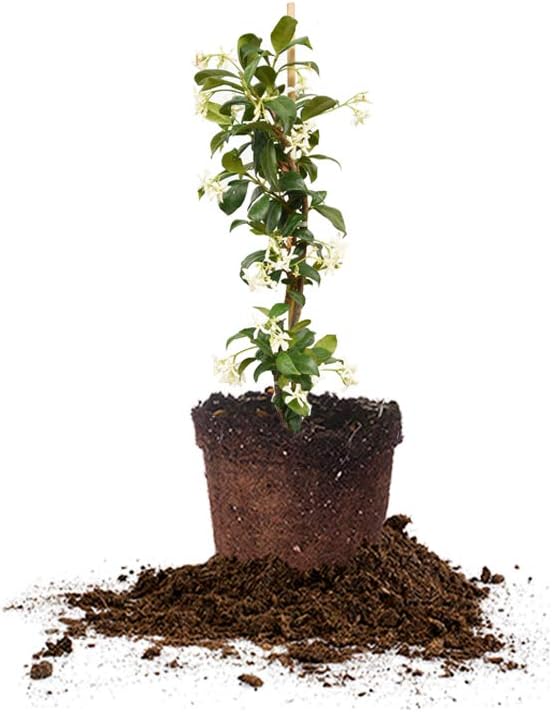
Perfect Plants Confederate Jasmine Live Plant, 1 Gallon
| Indoor Outdoor Usage | Outdoor |
|---|---|
| Other Special Features of the Product | Fragrant |
| Expected Blooming Period | Summer, Spring |
| Sunlight Exposure | Full Sun, Partial Shade |
| USDA Hardiness Zone | 4 |
This 1-gallon Confederate jasmine arrives as a young vine that quickly establishes in sunny spots and rewards with heavily scented, pale pinwheel flowers in spring and summer. Growers typically train it on a trellis, fence, hanging basket with support, or along railings; the vine is noted for cascading lime-green foliage and responds well to light shaping with clips or garden wire. Notable features from the listing include suitability for full sun to partial shade, moderate watering needs, and USDA hardiness to zone 4, which means it can persist in a wide range of climates when planted in appropriate sites. As a live plant it is straightforward to plant in loam-based soils and is described as easy to grow and maintain. Limitations to consider are that this is a young, single-plant offering so it will take time to reach its mature height and spread, and it requires support and periodic pruning to control vigor if used in baskets or confined containers. Also it does not ship to certain states according to the product notes.
Best for: Buyers who want an easy-care, fragrant climbing vine to add scent and cascading foliage to sunny baskets or supported containers and who value proven plant performance backed by customer feedback.
Less Ideal for: Gardeners seeking an instant full basket display or a no-maintenance groundcover should look elsewhere, as this vine needs time, training, and occasional pruning to fill space.
- Fragrant spring and summer blooms that add strong scent to outdoor spaces
- Tolerates full sun to partial shade making placement flexible
- Described as easy to grow which suits novice gardeners
- Hardy to USDA zone 4 so adaptable across many climates
- Sold as a single 1-gallon plant so it needs time and space to reach full coverage
- Requires a trellis or support and pruning to train and control growth
Verdict: A fragrant, easy-to-grow jasmine vine ideal for gardeners who want a proven, sun-tolerant climber to add scent and cascading foliage to hanging baskets and supported containers.
The Three Company Lavender (2-Pack) Live Fragrant Purple Perennials in 1-Qt Pots

| Sunlight Exposure | Full Sun |
|---|---|
| USDA Hardiness Zone | 5-9 |
| Moisture Needs | Low |
| Expected Blooming Period | Late Spring to Summer |
These lavender plants arrive as two 1‑quart pots of Lavandula Purple intended for outdoor planting in full sun. They are compact, mounded perennials that reach roughly 12–18 inches tall and are typically used in containers, balcony planters, or low hedge borders where their purple blooms and strong scent add visual and aromatic interest. The plants prefer well‑draining soil and low moisture once established, which makes them low‑maintenance for sunny balconies. Notable features include pollinator‑attracting flowers, deer‑deterring scent, and suitability for USDA zones 5–9, which covers many temperate climates. Because these are live plants shipped from a greenhouse, success depends on initial care during the first weeks after planting and ensuring pots have drainage. Plant size on arrival and bloom timing will vary by season, and buyers in very hot or very cold microclimates should adjust care accordingly. For small‑space gardeners wanting fragrant, drought‑tolerant color in full sun, these lavenders are a practical choice when tended promptly after delivery.
Best for: Gardeners with sunny balconies who want low‑maintenance, fragrant flowering plants that perform well in containers and attract pollinators.
Less Ideal for: People with shaded or mostly north‑facing balconies or those unwilling to water and pot the plants promptly after delivery.
- Compact habit suited to containers and balcony planters
- Fragrant purple blooms that attract pollinators
- Low water needs once established for easy care
- Shipped as live plants directly from greenhouse so you receive established starts
- Success depends on prompt transplanting and initial watering care after arrival
- Not suitable for shady balconies since it requires full sun
Verdict: A compact, fragrant lavender pair that gives sunny balconies long‑lasting color and low‑maintenance scent when planted in well‑draining containers.
Choosing the Right Plants for Planter in Full Sun: Key Factors to Consider
Sun and Heat Tolerance
Plants in full sun experience long hours of direct light and higher daytime temperatures, especially on patios or near reflective surfaces. Choose species that are adapted to intense light rather than those that only tolerate occasional sun. Heat-tolerant plants keep leaf tissue intact, maintain flower production, and avoid leaf scorch during hot spells.
For planters, look for varieties specifically noted for hot-summer performance. Heat tolerance reduces the need for emergency shade and frequent watering, and it helps containers retain their visual appeal during the hottest weeks.
Watering Frequency and Drought Resilience
Containers dry out faster than garden beds because they hold less soil and are more exposed to wind and sun. Watering frequency becomes a central consideration when picking plants for full-sun planters. Some plants can withstand intermittent drying and bounce back after deeper soakings, while others require steady moisture to avoid wilting and dropping flowers.
Choose plants whose typical watering needs match how often you can realistically attend to containers. Drought-resilient species cut down on daily attention and help prevent root rot from overwatering when you try to keep them consistently wet.
Container Root Architecture
Planter success depends on how a plant's roots adapt to confined spaces. Some species form compact, fibrous root systems that fill a pot well without becoming rootbound quickly. Others develop long taproots or aggressive root masses that outgrow small containers and stress the plant.
Consider the mature root behavior when picking plants so you can choose appropriate container sizes and potting mixes. Plants with predictable, non-invasive root systems make routine repotting and seasonal refreshes simpler.
Seasonal Flowering and Foliage Interest
For many container plantings, you want continuous visual payoff. Evaluate how long a plant flowers in summer, whether it reblooms after trimming, and what foliage it carries when not in bloom. Some plants offer compact, long-lasting blooms, while others offer striking foliage color or texture that carries the display between blooms.
Balancing flowering and foliage interest gives planters curb appeal even during brief lull periods. Plants with staggered bloom times or attractive leaves lengthen the display season in full sun.
Maintenance Needs and Suitability for Containers
Maintenance covers pruning, deadheading, feeding, and wintering. Plants that demand frequent pinching or constant deadheading may not be good for gardeners who prefer low-maintenance containers. Conversely, a plant that benefits from occasional grooming can look better for longer if you can commit the time.
Also consider fertilizer needs and sensitivity to saline tap water or hard water buildup. Lower-maintenance plants often tolerate a single monthly feeding and standard potting mixes, making them better fits for most planters.
Matching Plant Size to Planter Dimensions
Think about mature plant height and spread relative to the planter. A small saucer planter suits compact, trailing, or low-growing selections, while taller, architectural plants need deeper, heavier containers to avoid tipping. When mixing varieties, place taller plants in the center or back and trailing types at the edges to create balance and improve airflow around foliage.
Account for root depth as well as top growth. Deep-rooted species need more soil volume to store moisture and nutrients. If you want a long-lasting composition with several plants, choose species with compatible growth rates so faster growers do not overrun slower ones.
- Use heavier pots for tall, top-heavy plants to prevent tipping.
- Leave adequate spacing for airflow to reduce fungal issues in hot, humid weather.
- Reserve small pots for single specimens or short-season companions that will be replaced.
Soil Mix and Drainage Tips for Full Sun Planters
A well-draining potting mix that retains some moisture is ideal for sunny containers. Add coarse perlite or pumice to improve aeration and reduce compaction under repeated watering. For drought-tolerant plants, increase the proportion of gritty material to speed drying between waterings and avoid waterlogged roots.
Ensure each planter has drainage holes and consider a saucer only if you monitor standing water. Layering materials at the bottom is less effective than using a proper mix and consistent watering technique.
- Choose mixes labeled for containers or create a blend of compost, coarse grit, and peat-free alternatives for moisture retention.
- Top-dress with mulch or decorative gravel to reduce surface evaporation in extreme heat.
- Avoid heavy garden soil that compacts and restricts root growth.
Watering Strategies in Hot Sunny Conditions
Water deeply and less frequently to encourage a healthy root system that can access moisture. Shallow, frequent sprinklings keep roots near the surface and increase stress during heat. Morning waterings reduce evaporative loss and give plants a supply of moisture to endure midday sun.
Use soaker-style watering or root-zone application where possible. For vacation stretches, group planters together in a slightly shaded spot or use self-watering inserts or water-retaining crystals to stretch intervals between visits.
- Check moisture by inserting a finger an inch or two into the soil rather than relying only on surface dryness.
- Adjust watering after heavy rain or during heat waves when evaporation and plant transpiration accelerate.
- Consider saucers only when you can empty excess water to avoid sitting roots.
Combining Plants for Continuous Color and Texture
Design containers with a thriller, filler, and spiller approach: a taller central specimen for drama, compact plants to fill mid-level space, and trailing varieties to soften edges. In full sun, use combinations that share similar water and heat needs so one plant's care does not conflict with another's.
Include one or two heat-hardy foliage plants to carry the arrangement when flowering cycles end. Contrast leaf shapes and colors for impact and choose plants that rebloom or have extended flowering windows for sustained interest.
- Group plants with the same watering requirements together.
- Rotate colors and textures across seasons by swapping annuals or refreshing with different short-season companions.
- Avoid pairing moisture-loving plants with drought-tolerant species in the same pot.
Seasonal Care and Overwintering Options
Some full-sun planter plants are annuals that provide intense summer color but need replacing in cooler seasons. Others are tender perennials that can be overwintered indoors or given extra protection. Plan for how you will handle cold months before choosing long-term specimens for containers.
Reduce feeding and prune back leggy growth before winter storage. For winter-hardy perennials left outdoors in containers, insulate pots or move them to a protected area to reduce freeze-thaw stress on the root ball.
- Drain and store porous terracotta pots to avoid cracking from frozen waterlogged soil.
- Label pots with plant names and care notes to simplify next-season planning.
- Cut back spent growth and reduce watering for overwintering tender species indoors.
How We Chose the Best Plants for Planter in Full Sun
We selected plants that reliably perform in containers placed in full sun by applying practical, garden-focused filters. Key evaluation criteria included sun and heat tolerance, container root architecture, watering frequency and drought resilience, seasonal flowering and foliage interest, ease of maintenance in a pot environment, and disease or pest resistance common to outdoor planters. We prioritized species and varieties known to handle intense midday light and reflected heat from hard surfaces without needing specialized shade or constant misting. We excluded plants that require cool, moist, or shaded conditions, specimens that grow too large for typical planters, and options that demand frequent pruning or complicated grafting. Selections also favored plants with clear guidance for potting mix, feeding, and winter care so gardeners can judge fit for their space. The chosen criteria align with practical container gardening needs and informed the scoring labels used across each shortlist entry.
FAQ
How often should I water planters in full sun?
Watering depends on plant type, pot size, and weather. In hot, dry weather small pots may need daily checks and watering, while larger containers often need water every two to four days. Aim for deep soaking rather than light surface wetting and adjust frequency after rainfall or heat waves.
Can I mix drought-tolerant and moisture-loving plants in the same pot?
Mixing plants with different water needs is usually risky. Moisture-loving species will suffer if the container is kept drier for drought-tolerant neighbors, and vice versa. If you want variety, group plants with similar watering requirements or use separate pots for contrasting needs.
What soil mix works best for sunny planters?
A loose, well-draining potting mix that still holds some moisture is ideal. For drier-tolerant plants, increase coarse grit or perlite. Avoid heavy garden soil that compacts and restricts roots; choose mixes formulated for containers and amend for drainage and nutrition as needed.
How do I prevent root overheating in black or thin-walled pots?
Use light-colored or thicker-walled containers to reflect heat and reduce soil temperature. Provide summer shade during the hottest part of the day if possible, or move pots to a location with morning sun and afternoon protection. Adding insulating wrap or planting taller companions on the south side can also help.
When should I fertilize plants in full-sun planters?
Feed regularly during the active growing and flowering season according to the plant type and fertilizer label. Many container plants benefit from a balanced, slow-release fertilizer at potting and supplemental liquid feed every few weeks during peak bloom. Reduce feeding in late season as growth slows.
Can I use self-watering planters for full-sun plants?
Self-watering planters can work well if the plants are compatible with the moisture level the reservoir provides. They reduce watering frequency but require monitoring to avoid over-wet conditions for drought-tolerant species. Choose a system that allows you to control reservoir exposure or select plants that prefer consistent moisture.
Final Verdict
Selecting plants for planters in full sun is about matching heat tolerance, root behavior, and watering expectations to your available containers and schedule. Prioritize species that handle intense light, have an appropriate root architecture for pots, and fit your desired maintenance level. Balance flowering and foliage interest to keep containers attractive throughout the season. Make choices based on how much time you can spend watering and grooming, and be prepared to adjust pot size, soil mix, or placement if a plant shows stress. With the right match of plants and care, full-sun planters can deliver resilient, long-lasting displays with minimal fuss.
