

Note: This article contains affiliate links. If you click on these links and make a purchase, I may earn a small commission at no extra cost to you. This helps support my research and content. Read my full affiliate disclosure here.
Choosing the right plants for pots in your garden changes how much color, texture, and structure you get from containers. Pots create different growing conditions than beds: soil dries faster, roots are confined, and temperature swings are bigger. That makes selecting species and varieties that tolerate those limits essential. This guide shortlists seven container-friendly plants that perform reliably in typical garden pots. We focus on choices that balance bloom, foliage interest, and ease of care while explaining how sun exposure, watering, and pot size affect success. Below you will find practical buying and planting guidance, plus the criteria we used to select these top picks.
Top Picks at a Glance
| Best Overall The best all-around choice for most situations | LoLite 3‑Pack Haworthia, Gasteria & Cacti with Two‑Tone Ceramic Pots |  |
| Best Quality Built to a higher standard if you want something more solid | PERFECT PLANTS Frostproof Gardenia Live Plant, 1 Gallon |  |
| Best Value The sweet spot between price and what you get | Mountain Crest Gardens Sempervivum Succulents Variety Pack — 6 Live Rosette Plants (rooted in 2" pots) |  |
| Best Budget The cheapest option that still gets the job done reliably | BuggyBeds Petunia Seeds Mix — 1000 Count |  |
| Highest Rated A top-rated pick with lots of positive feedback | Mountain Crest Gardens 50-Pack Live Succulent Assortment (2" Pots) |  |
| Most Popular A crowd favorite that many people choose with confidence | Altman Plants 20-Pack Live Succulent Assortment (2" Pots) |  |
| Best Seller A high-volume bestseller chosen again and again | HOME GROWN Rainbow Mix Coleus Seeds (approx. 400) |  |
LoLite 3‑Pack Haworthia, Gasteria & Cacti with Two‑Tone Ceramic Pots

| Indoor Outdoor Usage | Indoor |
|---|---|
| Other Special Features of the Product | Drought Tolerant |
| Sunlight Exposure | Full Sun |
| Moisture Needs | Moderate Watering |
| Unit Count | 3 Count |
This LoLite set brings three small, live succulents—typically one cactus plus Haworthia and Gasteria varieties—prepotted in matching two‑tone ceramic planters for immediate indoor display. They are presented as a grower’s choice assortment about 4 to 6 inches tall that do well in bright, indirect light and tolerate lower light than many succulents. Use them as a grouped tabletop arrangement, a windowsill accent kept out of direct sun, or as easy gifts for new plant owners. Notable features include the decorative ceramic pots that remove the need to repot for presentation, drought tolerance that lets you water roughly every other week, and wide temperature tolerance for typical home conditions. Limitations are that the plants arrive as a mixed assortment so you cannot pick exact varieties, and the small prefilled pots mean you will need to repot if you want larger plants or different soil for long‑term growth. These are best for low‑maintenance indoor décor rather than collectors seeking specific rare varieties.
Best for: Buyers who want an easy, attractive indoor succulent trio for low‑maintenance decor or gift giving and prefer ready‑to‑display plants over source‑selecting specific varieties.
Less Ideal for: Collectors who need specific species or larger specimens, or gardeners who prefer to control potting mix and container size from the start.
- Three live, low‑light tolerant succulents included for an instant indoor display
- Comes in decorative two‑tone ceramic pots ready to gift or display
- Drought tolerant care means infrequent watering works well
- Sized for small spaces and easy to arrange as a trio
- Grower’s choice assortment means you cannot select exact species or appearance
- Small decorative pots limit long‑term growth without repotting
Verdict: A convenient, low‑maintenance three‑plant set that delivers attractive, ready‑to‑display succulents ideal for indoor decor and gifting.
PERFECT PLANTS Frostproof Gardenia Live Plant, 1 Gallon

| Indoor Outdoor Usage | Outdoor |
|---|---|
| Other Special Features of the Product | Deer Resistant, Fragrant |
| Expected Blooming Period | Summer |
| Sunlight Exposure | Full Sun, Partial Shade |
| Expected Planting Period | Spring |
This 1-gallon Frostproof gardenia is a compact, fragrant shrub intended for outdoor landscape use. It arrives as a live plant with a recommended mature height around 5 feet and is typically planted in mulch beds, as a low hedge, or as an accent near entries where its scent can be enjoyed. Notable features include deer resistance, a history of reliable spring and summer blooms, and included easy-to-use plant food for a simpler start. The plant prefers full sun to partial shade, so it will tolerate some shaded locations but performs best where it receives several hours of direct light. Practical benefits for a cautious buyer are straightforward care, minimal pruning to maintain shape, and an aromatic presence that enhances small gardens or patios. Limitations are that it is sold as a 1-gallon specimen so it will need time to reach mature size, and the product text notes shipping exclusions to a few states which affects availability for some buyers.
Best for: Buyers who want an easy-care, scented shrub for a small garden or patio and prefer reliable, low-maintenance plants that establish steadily rather than instant large specimens.
Less Ideal for: Gardeners seeking an immediate tall screening hedge or a plant for deep, full shade should consider alternative species better suited to dense shade or instant privacy needs.
- Fragrant white blooms that enhance outdoor seating areas during spring and summer
- Deer resistant variety reduces need for protective measures in deer-prone yards
- Includes plant food to simplify initial establishment
- Tolerates partial shade, allowing placement in spots without full sun all day
- Sold as a small 1-gallon plant so it requires time to reach mature size
- Per product notes it does not ship to certain states which limits access for some buyers
Verdict: Choose this gardenia if you want a low-maintenance, fragrant shrub that tolerates some shade and adds seasonal white blooms to small outdoor spaces.
Mountain Crest Gardens Sempervivum Succulents Variety Pack — 6 Live Rosette Plants (rooted in 2" pots)

| Indoor Outdoor Usage | Indoor, Outdoor |
|---|---|
| Other Special Features of the Product | Drought Tolerant, Hardy outdoors in zones 5–10, Live Sempervivum rosettes, Low Maintenance, Multiple varieties per pack, Rooted in 2-inch pots |
| Sunlight Exposure | Full Sun, Partial Sun |
| USDA Hardiness Zone | 5 |
| Moisture Needs | Moderate Watering |
These Sempervivum from Mountain Crest Gardens are a practical choice for outdoor pots and rock gardens where reliability matters. The pack delivers six different sempervivum species or cultivars, each rooted in a 2-inch nursery pot so you can plant them into containers or keep them temporarily in the pots. They are drought tolerant, designed for full to partial sun, and hardy to USDA zone 5 which means they tolerate frost and seasonal cold once established. The plants arrive in coconut coir potting medium and plastic nursery pots that can be reused, and care instructions stress sharp drainage and watering only when the soil is dry — straightforward rules that suit busy gardeners. Expect seasonal color shifts and durable rosette forms that require little attention other than occasional deep watering and protection from prolonged wet soil. Limitations are the small pot size at arrival which means repotting for long-term container displays, and moderate watering needs that still require you to avoid overwatering in cool, wet seasons.
Best for: Gardeners who prioritize dependable, low-care plants for outdoor pots and rock gardens and want hardy succulents that survive seasonal cold with minimal fuss.
Less Ideal for: People seeking instant large container specimens or those who prefer moisture-loving container plants that tolerate constant damp conditions.
- Six distinct sempervivum varieties with no duplicates for visual variety in pots or rock gardens
- Hardy to USDA zone 5 so reliable through cold winters once established
- Low-maintenance and drought tolerant when planted into well-draining soil
- Arrives rooted in 2-inch nursery pots ready for easy transplanting
- Coconut coir medium and reusable plastic pots simplify initial setup
- Ships in small 2-inch pots so you will likely need to repot for long-term container displays
- Not suited to locations with prolonged wet soil without excellent drainage
Verdict: Choose this six-pack when you want hardy, low-maintenance sempervivum that reliably perform in outdoor pots and rock gardens through cold seasons.
BuggyBeds Petunia Seeds Mix — 1000 Count
| Unit Count | 1000 Count |
|---|---|
| Item Type Name | seeds |
| Indoor Outdoor Usage | Outdoor |
| Other Special Features of the Product | Attracts Butterflies |
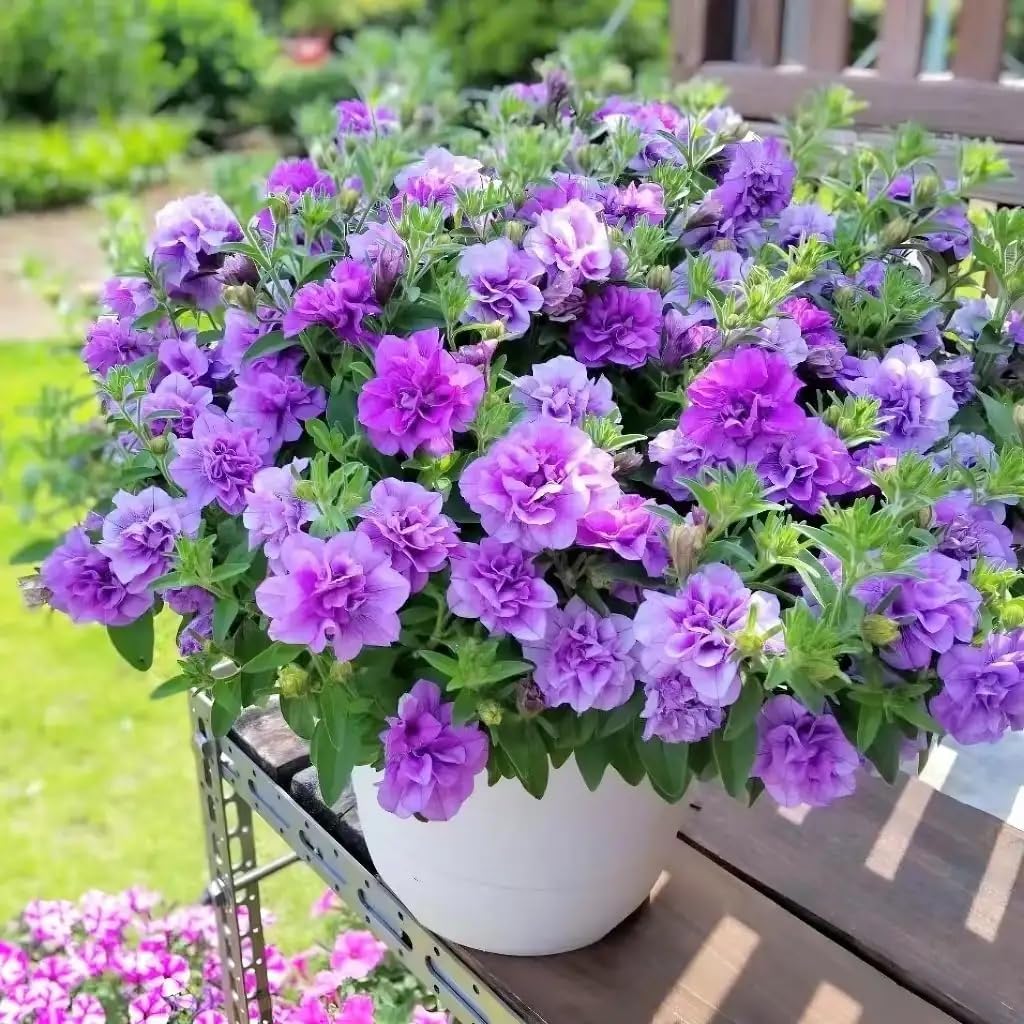
This BuggyBeds petunia seed mix supplies 1000 seeds of assorted varieties designed for outdoor use in pots, hanging baskets, window boxes, and garden borders. In practice these seeds are a budget-friendly way to fill several containers with continuous, multi-colored blooms through the growing season and to invite pollinators like butterflies. The packet’s large unit count makes it easy to sow multiple pots or spread seed over a small bed, and petunias’ fast growth and low-maintenance habit suit first-time growers. Because this is a mixed seed offering, expect variation in flower color and form rather than uniform plants, and germination rates can vary with seed quality and local conditions. The product focuses on volume and visual impact rather than premium single-variety traits, so gardeners who want identical cultivars or guaranteed hybrid performance may need a different choice. For straightforward, inexpensive container color and pollinator attraction, this mix delivers strong value.
Best for: Gardeners on a tight budget who want to fill several pots or hanging baskets with colorful, easy-care annuals and who prioritize value and pollinator-friendly displays over uniformity.
Less Ideal for: Growers seeking exact cultivar matches, guaranteed hybrid performance, or detailed seed provenance should consider labeled single-variety seed packs instead.
- Large 1000-count packet covers multiple pots and hanging baskets
- Mixed varieties produce a wide range of bright, eye-catching colors
- Fast-growing and low-maintenance, suitable for beginners
- Attracts butterflies and other pollinators to container plantings
- Mixed seed packs result in variable plant appearance rather than uniform blooms
- No germination rate or specific variety information provided
Verdict: Buy this pack when you want an inexpensive way to fill multiple pots or hanging baskets with fast-growing, butterfly-attracting color.
Mountain Crest Gardens 50-Pack Live Succulent Assortment (2" Pots)

| Indoor Outdoor Usage | Indoor, Outdoor |
|---|---|
| Sunlight Exposure | Filtered / Partial Sun |
| Soil Type | Well-draining Soil |
| Moisture Needs | Low to moderate |
| Unit Count | 50 Count |
This 50-pack from Mountain Crest Gardens delivers fifty rooted succulents in individual 2-inch plastic nursery pots, ready for potting, arranging into centerpieces, or using as event favors. The mix includes rosette, trailing, and upright forms from common succulent genera such as Echeveria, Sedum, Sempervivum, and Crassula, which gives a varied palette of shapes and textures for container displays. Plants are suited to bright indoor light or partial outdoor sun and are billed as low-maintenance when potted into well-draining cactus mix and watered only after the soil fully dries. Practical benefits include immediate usability out of the pots, enough quantity for coordinated displays or multiple pots, and plants that tolerate sporadic watering. Limitations to note are the Zone 10 hardiness recommendation and advice to protect from frost, so these are best for pots moved indoors in cold weather, and individual plant sizes are small so larger containers will need grouping or repotting to avoid sparse-looking arrangements.
Best for: Buyers who want a reliable, ready-to-use supply of healthy small succulents for creating consistent potted displays, event centerpieces, or multiple indoor/outdoor pots.
Less Ideal for: Gardeners seeking mature, large specimens or outdoor-only plantings in cooler climates where plants cannot be protected from frost.
- Arrives rooted in individual 2-inch pots so plants are ready to arrange or transplant
- Wide assortment of rosette, trailing, and upright forms for varied container compositions
- Low-maintenance care suitable for busy owners when planted in well-draining soil
- Sufficient quantity for multiple pots, wedding centerpieces, or small landscaping projects
- Not cold-hardy beyond Zone 10 so requires winter protection or indoor relocation
- Plants are small and may need repotting or grouping for larger containers
Verdict: If you need a dependable batch of ready-rooted succulents to fill pots and create consistent container displays, this 50-pack provides healthy, low-care plants in one purchase.
Altman Plants 20-Pack Live Succulent Assortment (2" Pots)

| Indoor Outdoor Usage | Indoor, Outdoor |
|---|---|
| Moisture Needs | Little To No Watering |
| Sunlight Exposure | Full Sun |
| USDA Hardiness Zone | 5 |
This 20-pack from Altman Plants delivers a varied selection of 2" succulents intended for starting container displays, terrariums, or gifting. Each pack contains ten paired varieties such as Echeveria, Crassula, Sedum and others, so you get color and texture variety without sourcing plants individually. The plants are grown to be drought tolerant and prefer bright light and sandy, well-draining media, which makes them easy to place in small pots or mixed container gardens. Practical benefits include low watering needs, year-round interest, and visibly healthy nursery-rooted stock suited to DIY arrangements. Limitations to note are the small nursery pot size, so plan to pot up into larger containers for long-term growth, and full sun preferences mean some indoor spots may require very bright light or supplemental light. For container projects these give a quick, coordinated start but expect to replant or group them for mature displays.
Best for: Buyers who want a reliable, low-maintenance way to start multiple container displays or DIY succulent projects and who value visible social proof that the mix performs well for other gardeners.
Less Ideal for: Gardeners seeking mature, display-size specimens or those who need plants for consistently low-light indoor spots should consider larger, sun-tolerant varieties or shade-adapted houseplants instead.
- Twenty individually potted succulents provide immediate variety for mixed container arrangements
- Pairs of ten different varieties make it easy to create balanced, symmetrical plantings
- Low watering needs and drought tolerance reduce maintenance for container growers
- Suitable for both indoor and outdoor container use when given bright light
- Plants come in 2" nursery pots and will need repotting for sustained growth
- Many varieties prefer full sun, which can limit bright indoor placement options
Verdict: A convenient, low-maintenance 20-pack that gets container succulent projects started quickly with a variety of ready-to-pot plants.
HOME GROWN Rainbow Mix Coleus Seeds (approx. 400)
| Sunlight Exposure | Part Shade to Shade |
|---|---|
| USDA Hardiness Zone | 2-11 |
| Expected Blooming Period | Spring through Frost |
| Material Features | GMO Free, Heirloom |
| Unit Count | 1 Count |
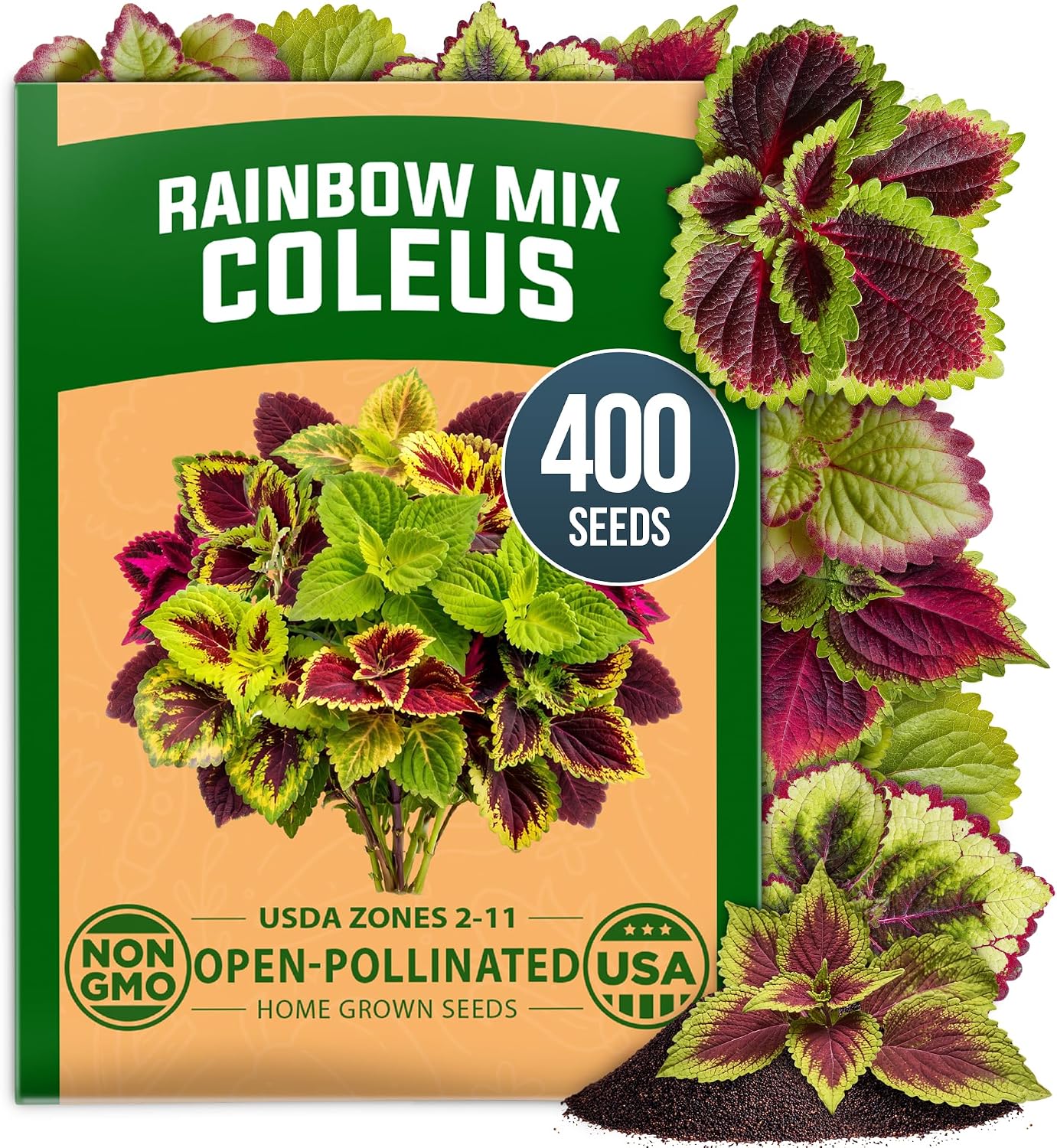
These Rainbow Mix coleus seeds produce compact, colorful foliage plants that are well suited to containers and shaded patio spots. Surface-sow the tiny seeds (do not cover), keep the medium warm and consistently moist, and seedlings typically appear in 10–14 days; pinch growing tips to encourage bushy, mounded plants. The mix is valued for season-long leaf color in shades of rose, green, bronze, cream, and scarlet, so you get visual impact without relying on flowers. Coleus grows indoors near bright north or east windows and outdoors in part shade to shade, making it a flexible choice for window boxes, mixed planters, and small pots. Important limitations are that coleus is a tender annual in most regions and needs protection from frost and prolonged drought, and it prefers warm temperatures for best germination and growth. For container gardeners who want low-maintenance, high-impact foliage, this seed mix is an easy way to produce many plants from one packet.
Best for: Gardeners who want easy-to-grow, high-impact foliage for containers and shaded patios and prefer predictable, low-fuss plants they can start from seed.
Less Ideal for: People seeking long-lived perennial landscaping or plants that tolerate full sun and drought without extra care.
- High seed count (about 400) gives many starts for containers or massing
- Open-pollinated non-GMO seeds from a mix that yields varied, colorful foliage
- Specifically suited to part shade and shade where many flowering plants struggle
- Compact, mounded habit that performs well in pots, window boxes, and mixed planters
- Tender annual in most zones and requires frost protection or indoor overwintering
- Requires consistent moisture and will suffer if soil dries out or remains waterlogged
Verdict: A high-count, non-GMO coleus seed mix that reliably produces compact, colorful foliage perfect for containers and shaded patios.
Choosing the Right Plants for Pots in Garden: Key Factors to Consider
Sun Exposure and Placement
Sun exposure is the single most important factor when choosing plants for pots in garden settings. Pots on patios, along walls, or under trees experience very different light levels. Match plant light needs to the actual spot rather than a general label. A sunny-south-facing pot will require species that tolerate full sun and heat, while shaded corners need plants that perform in filtered light.
Placement also affects heat buildup. Pots against warm walls or on stone will run hotter and dry faster. Consider moving delicate containers during heat waves or using heavier pots that buffer temperature variation. Thinking carefully about exposure prevents repeated transplanting and reduces stress-related problems like leaf scorch or dropped blooms.
Pot Size and Root Space
Container volume limits root growth, nutrient reserves, and how often you must water. Small pots suit annuals and small perennials but need more frequent watering and feeding. Larger containers provide stability for taller plants and extend time between waterings, giving roots more room to forage and anchor the plant.
Consider the plant's mature root habit. Tight-rooting species can thrive in modest pots, while vigorous or woody plants need larger volumes or will become rootbound quickly. Always choose a pot that accommodates the expected mature size plus several inches of extra soil to reduce the need for frequent repotting.
Soil Mix and Drainage
A loose, well-draining container mix helps roots access oxygen and prevents waterlogging that leads to root rot. Garden soil is usually too dense for pots; a blend with compost, coarse components, and a drainage medium is better. Pots should have drainage holes and be placed so excess water can escape freely.
Consider adding a moisture-retentive component if you cannot water frequently, or mix in grit to improve drainage for heat-prone, sun-exposed containers. The right soil mix reduces stress on the plant and evens out watering demands between seasons.
Watering Frequency and Drought Tolerance
Containers dry out faster than in-ground plantings, so watering frequency is a practical constraint for many gardeners. Choose plants with watering needs you can meet reliably. Succulent or drought-tolerant plants are excellent for hot, sunny pots or for gardeners who travel frequently. Other species may require daily checks during heat or after repotting.
Mulching the soil surface, grouping pots with similar needs, and choosing heavier pots to slow evaporation are all strategies that influence how often you will need to water. Factor your routine and climate into plant selection to avoid stressed, under-watered containers.
Maintenance and Seasonal Care
Maintenance needs vary widely across container plants. Some provide long displays of blooms with occasional deadheading and light feeding. Others need regular pruning to keep form and vigor. Think about winter care: whether a plant is hardy, needs insulating potting, or must be moved indoors.
Plan for periodic repotting, top-dressing with fresh compost, and routine fertilization. Choosing plants that match your desired maintenance level keeps containers looking good with realistic effort.
Matching Plants to Pot Types and Materials
Pot material and color change thermal dynamics and watering needs. Terracotta breathes and cools roots but loses moisture quickly. Glazed ceramic or plastic holds moisture longer and suits thirsty species. Lightweight pots are easier to move but can tip with tall plants; heavy stone or concrete gives stability for larger container specimens.
Pair plant water needs with pot material. For example, moisture-loving foliage does better in less-porous containers, while succulents and Mediterranean species prefer fast-draining terracotta. If you choose a decorative pot without drainage, fit a nursery pot inside or add a drainage layer to protect roots.
- Match pot size to mature root spread and plant height.
- Consider using pot feet or risers to improve bottom drainage.
- Group pots with similar water requirements to simplify care.
Designing Container Combinations
A well-composed container combines a structural focal plant, contrasting foliage, and a trailing element for spillover. Use scale to keep the focal plant dominant and balance textures and colors for interest through the season. Repeat colors across multiple pots to create visual cohesion in the garden.
Mixing evergreen or architectural foliage with seasonal bloomers extends interest beyond flowering periods. Choose compact cultivars for tighter pots and allow more vigorous plants room in larger arrangements.
- Use one bold plant, one mid-layer, and one trailing filler for classic balance.
- Consider foliage contrast, not just flower color, for long-lasting appeal.
Season Extension and Overwintering Tips
You can extend the display period of container plants by selecting a mix of early bloomers, summer sustainers, and late-season performers. Move sensitive pots to sheltered positions when frosts threaten, or wrap pots with insulating material to protect the root ball.
For regions with severe winters, switch to hardy evergreens or tender plants that can be brought indoors. Reduce watering during dormancy but do not allow complete desiccation. Proper winter care preserves container structure and reduces replanting work in spring.
- Shift pots to protect from prevailing cold winds and low-angle winter sun.
- Use pot insulation or move containers onto soil rather than hard surfaces for winter.
Feeding and Fertilizer Strategy for Containers
Plants in pots have limited nutrient reserves and often need regular feeding. Use a balanced, slow-release fertilizer at potting time and supplement with liquid feeds during active growth or blooming periods. Follow label rates because overfeeding can cause salt buildup and root damage.
Top-dress with compost or replace a portion of the potting mix yearly to refresh organic matter. For heavy feeders or long-season bloomers, more frequent, lighter liquid feedings are often better than large single applications.
- Choose slow-release at potting and supplement with monthly liquid feeds during peak growth.
- Flush pots occasionally to prevent salt buildup if you use synthetic feeds.
Pest Management in Container Plants
Containers can concentrate pest issues but also make them easier to isolate. Inspect new plants before bringing them into the garden and quarantine any with obvious problems. Keep pots clean of fallen debris, which can harbor pests and pathogens.
Use cultural controls first: proper airflow, appropriate watering, and healthy soil reduce susceptibility. For persistent pests, use targeted, low-toxicity treatments and apply them carefully to avoid harming beneficial insects.
- Regularly check undersides of leaves and soil surfaces for early signs of pests.
- Avoid overcrowding containers to maintain airflow and reduce fungal problems.
How We Chose the Best Plants for Pots in Garden
We prioritized plants that reliably thrive in confined soil, exhibit strong container performance across seasons, and offer visual impact with moderate care. Selection criteria included: sun and shade tolerance to match common garden exposures; drought response and watering frequency since pots dry faster than ground beds; root habit and mature size to fit common pot sizes; disease and pest resistance for low-maintenance containers; and winter hardiness or annual behavior depending on regional needs. We excluded species that require permanent in-ground space, aggressive root systems that quickly outgrow containers, or delicate plants needing specialized greenhouse environments. Our shortlist favors plants that are easy to source, establish quickly in pots, and demonstrate repeat flowering or long-lasting foliage interest through a typical garden season. The evaluation emphasized real-garden handling: how plants respond to typical container soil mixes, routine watering, and common patio exposures.
FAQ
How often should I water plants in pots in a garden during summer?
Watering frequency depends on pot size, plant type, and exposure. Small pots in full sun often need daily checks and may require daily watering during heat. Larger pots or shaded placements usually allow watering every few days. Use soil moisture checks and watch plant wilting rather than only following a schedule.
Can I grow perennial shrubs in pots in a garden long-term?
Some small shrubs and dwarf shrubs adapt to long-term container life if given a suitably large pot and regular feeding. Expect occasional root pruning or repotting and increased winter protection for root zones. Very large or fast-rooting shrubs generally do better in the ground.
What is the best potting mix for most container plants in a garden?
A mix that balances drainage and moisture retention works best. Combine compost or well-rotted organic matter with coarse components like grit or perlite and a lightweight base to avoid compaction. Avoid straight garden soil, which can hold too much water and compact in pots.
How do I prevent pots from tipping in high winds?
Use heavier pots or add weight at the pot base, such as coarse gravel or a larger inner pot filled with soil. Place taller containers against a protected wall or cluster them with other pots for mutual support. Staking top-heavy plants can also reduce tipping risk.
When should I repot plants grown in garden pots?
Repot when roots start circling the container, when the plant becomes top-heavy, or if growth slows despite proper care. For many fast-growing species this means every one to three years. Spring is the best time to repot so plants recover quickly during the active growing season.
Final Verdict
Choosing plants for pots in garden settings requires balancing light, water, and root space against the visual goals for your outdoor area. Prioritize species that match your exposure and maintenance routine, and select pots that give roots enough volume to thrive. Keep expectations realistic about watering and feeding needs, and use the factors above to weigh tradeoffs between showy blooms and low-maintenance foliage. With thoughtful placement, correct potting mix, and seasonal care, containers will reward you with strong color and structure throughout the gardening year.
