

Note: This article contains affiliate links. If you click on these links and make a purchase, I may earn a small commission at no extra cost to you. This helps support my research and content. Read my full affiliate disclosure here.
Shallow pots are practical for balconies, windowsills, and patios but demand plants that cope with limited soil, fast drying, and intense sun. Choosing species adapted to shallow containers and full sun keeps foliage healthy, reduces watering frequency, and delivers steady blooms or attractive foliage all season. This guide shortlists five top plants suited for shallow pots in full-sun sites and explains the traits that make them reliable in those conditions. The selections were evaluated for heat tolerance, shallow-root habit, drought resilience, and container performance to help you pick the best fit for your sunny small-space planters.
Top Picks at a Glance
| Best Overall The best all-around choice for most situations | Sprout N Green Sedum adolphi 'Firestorm' Live Succulent in 4" Nursery Pot |  |
| Best Quality Built to a higher standard if you want something more solid | The Succulent Cult Crassula ovata 'Hummel's Sunset' (4" Jade Plant) |  |
| Best Budget The cheapest option that still gets the job done reliably | Mixrug Gazania Perennial Mix Flower Seeds (300 Count) | 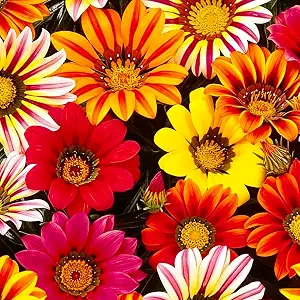 |
| Highest Rated A top-rated pick with lots of positive feedback | ELLA'S HOMES Lantana Live Plants (2-Pack) |  |
| Most Popular A crowd favorite that many people choose with confidence | Dose of Succulents Ruda (Rue) Herb Live Plant — 4-inch Pot |  |
Sprout N Green Sedum adolphi 'Firestorm' Live Succulent in 4" Nursery Pot

| Indoor Outdoor Usage | Indoor, Outdoor |
|---|---|
| USDA Hardiness Zone | 9a-11b |
| Soil Type | Well Draining Soil |
| Moisture Needs | Moderate Watering |
Sedum adolphi 'Firestorm' is a compact, color-changing succulent grown in a 4-inch nursery pot and intended as a low-maintenance decorative plant. It delivers dense rosettes of greenish-yellow leaves that blush red under bright light and produces small white star-shaped flowers in season, so placing it in bright direct light or under strong grow lights yields the best color performance. The plant ships in a cactus and succulent soil mix and is described as drought tolerant with moderate watering needs, so typical use is occasional deep watering followed by drying out to avoid rot. Practical benefits include strong color response to light, a well-established root system for quicker acclimation, and suitability for windowsills, mixed succulent arrangements, or small outdoor rock gardens in compatible climates. Limitations are that the delicate leaves can drop during transport and the plant needs fast-draining gritty soil plus protection from extreme summer midday sun to avoid scorch. For someone focused on color and reliable growth, this variety is an effective, easy-to-care-for choice.
Best for: Buyers who prioritize color and reliable performance in a small decorative succulent and want a plant that responds quickly to bright light for dramatic foliage tones.
Less Ideal for: People seeking large specimen plants or those who want a completely hands-off houseplant that tolerates consistently wet soil.
- Strong color response under bright light, producing red-edged foliage for visual impact
- Shipped fully rooted in a 4-inch nursery pot for faster establishment
- Drought tolerant and low maintenance, suited to infrequent deep watering
- Supplied in a cactus and succulent soil mix that supports fast drainage
- Leaves are fragile and may drop during shipping or handling
- Requires gritty, very well-draining soil and protection from intense midday sun
Verdict: Choose this Sedum adolphi 'Firestorm' if you want a compact, fully rooted succulent that shows strong red blush color under bright light and establishes quickly.
The Succulent Cult Crassula ovata 'Hummel's Sunset' (4" Jade Plant)

| Indoor Outdoor Usage | Outdoor |
|---|---|
| Expected Blooming Period | Fall |
| Sunlight Exposure | Partial Sun |
| Unit Count | 1 Count |
The Hummel's Sunset jade is a performance-focused succulent that delivers strong color and low-maintenance growth in a small footprint. Typically grown in shallow pots or rockery, its compact stems and fleshy leaves store water so you can water infrequently while keeping the plant healthy. Under bright light the leaves develop yellow to orange tones with red margins, providing strong seasonal interest for full-sun locations. It is greenhouse-grown and arrives as a single plant ready for potting or placement on a sunny patio. Practical benefits include easy care for busy owners, good tolerance of occasional neglect, and suitability for shallow containers where deep roots are not possible. Important limits are that leaves are fragile during shipping and color intensity depends on strong light and some stress from sun exposure. Also this cultivar prefers partial to full sun rather than deep shade, so it needs placement that delivers several hours of direct or very bright light to reach its best appearance.
Best for: Gardeners who prioritize resilient, visually striking plants for sunny, shallow pots and want a low-effort specimen that performs reliably under bright light.
Less Ideal for: People seeking large flowering specimens or those who keep plants in low-light interiors should consider different species better suited to shade or heavy bloom production.
- Compact, shallow-rooted habit suited to small or shallow pots
- Vibrant foliage colors that intensify in strong light
- Drought tolerant and low watering needs due to water-storing leaves
- Greenhouse-grown nursery stock provides predictable quality on arrival
- Leaves are delicate and can drop during transit or handling
- Color relies on bright sun exposure so it may look bland in low light
Verdict: Choose Hummel's Sunset if you want a low-maintenance, color-changing jade that thrives and shows best in sunny shallow pots.
Mixrug Gazania Perennial Mix Flower Seeds (300 Count)
| Indoor Outdoor Usage | Outdoor |
|---|---|
| Expected Blooming Period | Spring to Fall |
| Sunlight Exposure | Full Sun |
| USDA Hardiness Zone | 5 |
| Moisture Needs | Regular Watering |
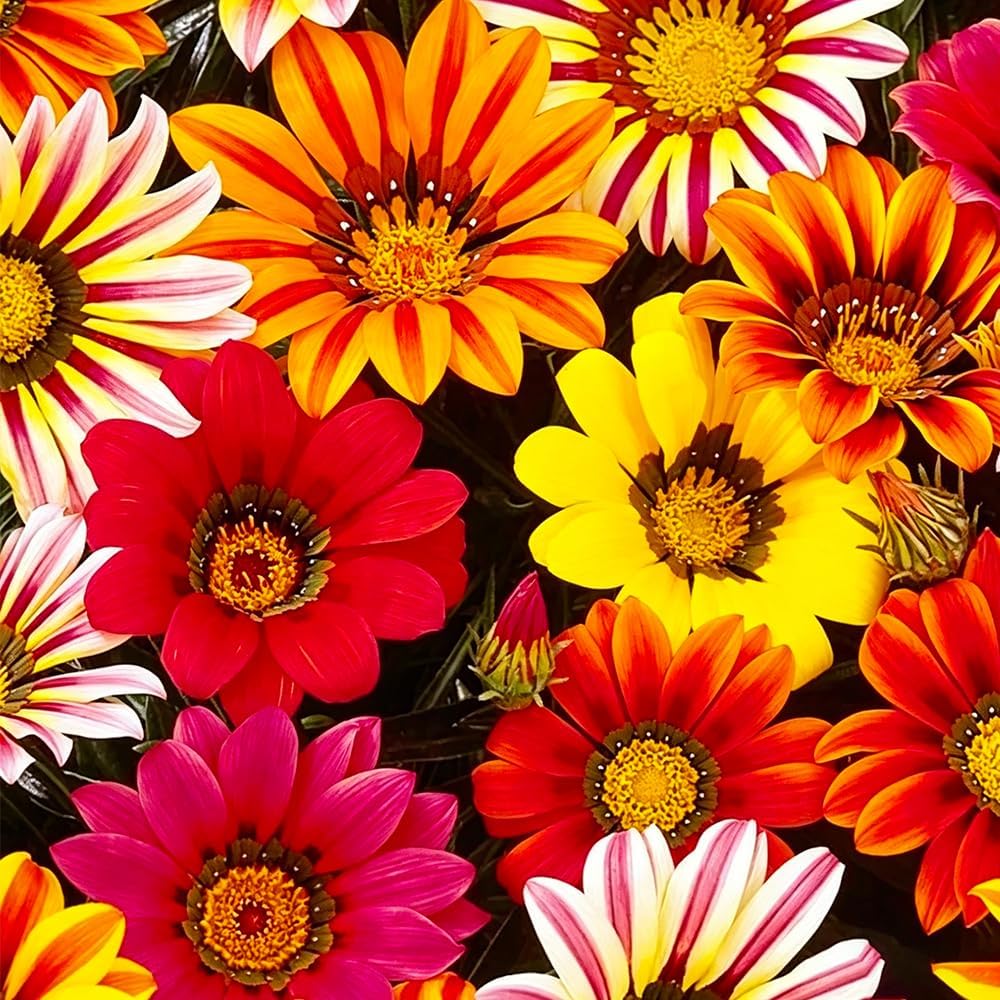
These Mixrug Gazania seeds are designed to establish a low, spreading carpet of bright daisy-like blooms in full-sun locations and work well in patio pots, hanging baskets, or sunny flower beds. You sow 2 to 3 seeds per plant and can expect large multicolored flowers from early summer until frost in favorable climates, with the plants reseeding themselves if allowed. Key practical benefits are the showy long bloom period, tolerance for a range of soils, and drought tolerance once established, which reduces watering needs for container gardeners. The mix is labeled GMO free and attracts pollinators, adding value for pollinator-friendly patios. Limitations to plan for: in northern zones Gazania behaves as an annual or short-lived perennial, so you may need to reseed yearly, and germination and performance can vary with seed mixes, so not every plant will match catalog colors. Also the packet is a general mix rather than named cultivars, so you get variety rather than a uniform palette. For sunny patios where low maintenance and continuous color matter, these seeds are a sensible, budget-friendly choice.
Best for: Gardeners who want an inexpensive way to add reliable, long-blooming color to sunny patio pots and prefer low-maintenance, pollinator-friendly planting.
Less Ideal for: Growers seeking uniform, named cultivars or permanent perennial beds in cold climates where winter survival is required.
- Large 300-count pack useful for filling multiple pots or repeat plantings
- Formulated for full sun with long bloom period from early summer to frost
- Low-spreading habit suits patio pots, ground cover, and hanging baskets
- GMO free and attractive to pollinators
- Short-lived perennial in cool climates so may require annual reseeding
- Seed mix offers varied colors but not specific named cultivars so results are unpredictable
Verdict: A high-count, budget-friendly seed mix that delivers bright, low-growing color for sunny patio pots with minimal upkeep.
ELLA'S HOMES Lantana Live Plants (2-Pack)

| Unit Count | 2 Count |
|---|---|
| Plant Type | Perennial Flower Plant |
| Sun Exposure | Full sun |
| Size at Shipment | 5-12 Inches Tall |
This 2-pack of Lantana live plants arrives ready to transplant into pots or garden beds and is aimed at straightforward, low-maintenance summer color. Each plant is described as well-rooted and 5 to 12 inches tall, with random blooming colors that provide mixed orange, yellow, red, and purple clusters. In practice these lantanas perform best in full sun and are valued for long bloom periods and drought tolerance once established, making them a reliable option for sunny patios and containers. The plants are perennial where climate allows but go dormant in winter, so they are best used as outdoor seasonal or multi-year accents depending on your zone. Limitations are the random color selection and modest initial size, so buyers who need specific color schemes or instant large specimens may want larger or labeled starts. For gardeners seeking fuss-free, sun-loving container plants, these lantanas are an easy way to add sustained bloom without heavy care requirements.
Best for: Buyers who want dependable, low-effort full-sun container plants that provide long-lasting color on patios and in sunny beds.
Less Ideal for: Gardeners who need specific flower colors on demand or immediate large displays should consider larger nursery specimens or labeled varieties.
- Ready-to-transplant, well-rooted plants for quick establishment
- Long-blooming, colorful flower clusters that thrive in full sun
- Low maintenance and drought-tolerant once established
- Sold as a two-pack for easy pairing in pots or beds
- Color is random so exact flower shades are not guaranteed
- Plants are small on arrival and may take a season to reach full size
Verdict: A simple, dependable two-pack of sun-loving lantanas that delivers long-lasting color with minimal care.
Dose of Succulents Ruda (Rue) Herb Live Plant — 4-inch Pot

| Indoor Outdoor Usage | Outdoor |
|---|---|
| Sunlight Exposure | Full Sun |
| Moisture Needs | Moderate Watering |
| Expected Blooming Period | Spring |
This Ruda (Rue) herb arrives in a 4-inch pot and is geared toward outdoor, full-sun locations where it can bloom in spring and draw pollinators. Typical use is placing the small pot on a sunny patio, balcony edge, or transplanting into a shallow container; the plant prefers moderate watering and should be allowed to dry between waterings. The listing notes heirloom material features and straightforward care instructions, which makes it suitable for gardeners who want a low-maintenance, pollinator-friendly herb. Because it ships in a small nursery pot, buyers should expect to pot up into a slightly larger shallow container or incorporate it into a mixed shallow planter for visual impact. Limitations include the small initial root volume from the 4-inch pot and the need for consistent full sun to perform well, so it may require relocation if your site is partially shaded. For those who value simple care and seasonal blooms, this is an easy-to-manage choice.
Best for: Gardeners who want a low-maintenance, pollinator-attracting herb for sunny spots and who prefer a ready-to-plant nursery specimen they can place in shallow pots or small patios.
Less Ideal for: People looking for a large, established specimen or a shade-tolerant herb should choose a different plant or a larger nursery size.
- Ships as a live herb in a ready-to-grow 4-inch nursery pot
- Suitable for full sun and produces spring blooms that attract pollinators
- Requires only moderate watering and tolerates periods of drying
- Heirloom plant material, appropriate for traditional herb gardens
- Arrives in a small 4-inch pot so may need repotting for long-term growth
- Needs consistent full sun exposure to thrive
Verdict: A compact, pollinator-friendly herb that works well in shallow, sunny containers for gardeners who want an easy-care spring bloomer.
Choosing the Right Plants for Shallow Pots Full Sun: Key Factors to Consider
Root System Depth and Form
Shallow pots limit how deep roots can go, so choose plants with naturally compact root systems or fibrous, shallow roots. Deep taproots will quickly hit the bottom and stress the plant when the soil dries out. A shallow, spreading root habit allows the plant to explore the entire pot volume and access moisture more evenly.
When evaluating nursery tags or plant descriptions, look for notes about being good in containers, rock gardens, or alpine beds. Such notes often indicate a plant evolved to grow in thin soils and is therefore better suited to shallow pots.
Heat and Sun Tolerance
Full sun increases leaf temperature and soil evaporation, so plants must tolerate high light and heat without leaf burn or continuous wilting. Look for species labeled sun-loving, heat-tolerant, or used in Mediterranean and xeric plantings.
Plants that handle reflected heat from walls or paving are particularly useful in urban sunny spots. Consider whether the plant blooms in high heat or if it will mostly provide foliage interest when temperatures peak.
Drought Response and Water Needs
Shallow pots dry out faster than deep containers, so drought-tolerant plants that survive short dry spells are ideal. That does not mean plants need no water, but they should recover quickly after light wilting and not suffer root loss from intermittent drying.
Match watering frequency to the plant's tolerance: succulents and some herbs might go longer between waterings, while others will need a steady but light schedule. Also consider how pot material and color affect evaporation when estimating watering needs.
Size and Growth Habit
Plants should stay proportionate to shallow pots both above and below ground. Low-growing, mound-forming, trailing, or clumping habits are easier to manage in a shallow container than tall, top-heavy growers. Compact habits reduce the need for frequent repotting or root pruning.
Consider whether you want a single specimen to make a statement or a combination of low spiller and an accent. Growth habit also affects wind resistance on balconies and the need for staking.
Flowering and Seasonal Interest
Decide if you want continuous blooms, seasonal flowers, or primarily foliage interest. Some shallow-pot plants bloom profusely in sun but may look bare in winter, while evergreen or semi-evergreen foliage types offer year-round structure.
Also think about bloom timing. Staggered bloomers extend visual interest across the season, and plants that tolerate heat will keep producing flowers even during hot spells.
Soil, Feeding, and Maintenance Needs
Shallow pots hold less soil and nutrients, so choose plants that do not demand heavy feeding or constant soil moisture. Fast-draining, gritty mixes help prevent root rot while matching the expectations of drought-tolerant species.
Plan for regular light feeding during the growing season and occasional top-ups of potting mix for longer-term containers. Consider pruning or deadheading needs and whether the plant tolerates root pruning if you repot into the same shallow container.
Shaping a Shallow Potting Mix
A potting mix for shallow containers should balance moisture retention and drainage. Use a blend with coarse components such as expanded clay, pumice, or coarse sand mixed into a loam-based or peat-reduced potting medium so water drains quickly but some moisture remains near the roots.
Avoid heavy garden soil that compacts in shallow volumes. Adding a small amount of slow-release organic matter helps provide nutrients without holding excess water. For very shallow trays or saucers, increase the proportion of coarse mineral components to reduce sogginess.
- Aim for a mix that holds some moisture but dries out in the top inch between waterings for drought-tolerant plants.
- Use a shallow saucer layer or break up the pot bottom with a coarse aggregate only in very shallow containers to improve drainage.
Choosing Pots and Location for Best Results
Material and color affect soil temperature and water loss. Terracotta breathes but dries faster, while plastic retains moisture longer. Light-colored pots reflect heat and reduce root temperatures in extreme sun. The pot depth should match the plant's root habit; do not cram a deep-rooted species into a shallow tray.
Group shallow pots to create microclimates. Clustered containers shade each other slightly and reduce watering frequency. On balconies, place pots where they get morning sun and some afternoon protection if heat spikes are severe.
- Choose wide rather than deep containers to support spreading root systems.
- Elevate pots off hot surfaces to reduce reflected heat from decking or concrete.
Irrigation Strategies for Shallow Containers
Because shallow pots dry quickly, adopt consistent but measured watering routines. Water early in the morning to reduce evaporation and to give plants moisture for the heat of the day. Water thoroughly so the entire potting mix is wetted, but allow the top to dry slightly between waterings for drought-tolerant species.
Self-watering inserts can extend the time between waterings, but match them to plant needs since some sun-loving species prefer a wet-dry cycle. Mulching shallow pots with small gravel or inorganic mulch can reduce surface evaporation without trapping too much moisture.
- Use a moisture meter or finger test to avoid overwatering.
- Increase monitoring during heat waves and windy conditions that speed drying.
Design Ideas Using Shallow Pots in Sunny Places
Use a combination of low-growing forms, spillers, and a single upright accent for balanced composition. Trailing varieties soften edges while compact bloomers add color. Repeating one or two plant types across multiple shallow pots creates cohesion on a terrace or railing.
Think seasonally: pair summer-blooming sun lovers with evergreen or semi-evergreen foliage plants to maintain interest between flower flushes. For a low-maintenance look, choose a limited palette of drought-tolerant plants that age well without frequent fussing.
- Create a low, cascading display by placing spillers at the edge and compact bloomers toward the center.
- Mix textures-fine foliage, broad leaves, and small flowers-to make shallow containers look fuller.
Overwintering and Seasonal Care for Container Plants
Many shallow-pot plants are less hardy because limited soil offers poor insulation. Move vulnerable containers to a sheltered spot or add insulating materials around pots if freezing temperatures are expected. Some species are best treated as annuals in colder climates and replaced each year.
Reduce watering and feeding as growth slows in autumn, and prune back dead material to reduce pest and disease pressure. For plants you want to keep, consider shallow pots on the ground or in a protected garage to prevent root-freeze and allow a period of dormancy.
- Use pot feet or risers to avoid frost damage from cold surfaces.
- Bring the most tender shallow pots indoors during extended cold snaps.
How We Chose the Best Plants for Shallow Pots Full Sun
We focused on traits that determine success in shallow, full-sun containers rather than overall garden performance. Key evaluation criteria included heat and sun tolerance, root system depth and habit, drought resilience in fast-draining shallow soils, flowering or foliage display in containers, and ease of maintenance for container culture. We prioritized species that establish quickly in restricted volumes, resist sunscorch and wilting, and maintain visual interest with limited soil. Plants requiring deep, moisture-retentive soils or extensive root space were excluded, as were species that need heavy shade or consistently moist conditions. We also considered how well plants tolerate regular container stresses such as wind exposure and fertilizer cycles, and whether they respond well to typical container watering and feeding routines. The result is a practical shortlist of container-suitable plants for gardeners who need reliable performers in shallow pots placed in full sun.
FAQ
Can any plant survive in a very shallow pot in full sun?
Not all plants are suitable. Species with shallow, fibrous roots and good heat tolerance do best. Deep-rooted or moisture-loving plants usually struggle in very shallow containers.
How often should shallow pots in full sun be watered?
Watering frequency depends on pot size, material, and weather, but expect to water more often than deep containers, often daily in hot, windy conditions. Check the top inch of soil and water thoroughly when it feels dry.
Do shallow pots need a special soil mix?
Yes. Use a free-draining mix with coarse mineral components so moisture does not linger and cause root problems. A bit of organic matter helps feed plants without retaining excessive water.
Are shallow pots suitable for edible herbs in full sun?
Many culinary herbs with compact roots and drought tolerance do well in shallow sunny pots. Choose herbs known for container culture and match watering to their needs; some herbs prefer a drier cycle than others.
Will plants in shallow pots need more fertilizer?
Shallow pots hold limited nutrients, so light, regular feeding during the growing season helps maintain vigor and blooms. Use a balanced fertilizer at a reduced rate to avoid salt buildup.
How do I prevent shallow pots from overheating in full sun?
Use light-colored or insulating materials, provide afternoon shade during heat waves, and raise pots off hot surfaces. Mulching the soil surface with small stones can reduce direct sun on the mix and slow evaporation.
Final Verdict
For shallow pots in full sun, prioritize plants with shallow, compact root systems, strong heat tolerance, and good drought response. Match the pot material and soil mix to the plants' water habits and organize containers so growth habit and bloom timing complement each other. Expect tradeoffs between showy blooms and low maintenance; choose species that fit how much watering and feeding you want to do. With the right choices, shallow containers can deliver sustained color and texture in the sunniest spots.
