

Note: This article contains affiliate links. If you click on these links and make a purchase, I may earn a small commission at no extra cost to you. This helps support my research and content. Read my full affiliate disclosure here.
A well-chosen set of plants turns a glass terrarium into a thriving miniature landscape. For indoor gardeners, picking species that tolerate enclosed humidity, limited root space, and filtered light is the difference between a long-lived display and constant maintenance. This guide covers five shortlisted plants that do well in terrariums and explains the practical care traits that matter for small, sealed, or open glass containers. We evaluated humidity tolerance, light requirements, size control, and growth habit to help you choose plants suited to your container and skill level. Read on to see the features we used to pick these terrarium-friendly plants.
Top Picks at a Glance
| Best Overall The best all-around choice for most situations | Optiflora Mini Terrarium Plants (6-Pack, 2" Pots) |  |
| Best Quality Built to a higher standard if you want something more solid | Bloomify Persian Violet Self-Sustaining Terrarium (Terra Gel, Heat Pack) |  |
| Highest Rated A top-rated pick with lots of positive feedback | Hirt's Gardens Mini Ferns for Terrariums – 3 live plants in 2" pots |  |
| Most Popular A crowd favorite that many people choose with confidence | Plants for Pets Pothos 4-Pack (4" Assorted) |  |
| Best Seller A high-volume bestseller chosen again and again | Bloomify Venus Flytrap Self-Sustaining Glass Terrarium |  |
Optiflora Mini Terrarium Plants (6-Pack, 2" Pots)

| Indoor Outdoor Usage | Indoor |
|---|---|
| Other Special Features of the Product | High Humidity Tolerant, Low Maintenance, Pest Resistant |
| Sunlight Exposure | Partial Shade |
| Moisture Needs | Moderate Watering |
| Unit Count | 6 Count |
These Optiflora mini terrarium plants are a set of six different small varieties sold in 2-inch pots and intended for closed or open terrariums. They are greenhouse-grown and presented as easy-care, humidity-loving plants that prefer indirect or shaded light and consistently damp soil. Typical use is placing them inside a closed glass container or a fairy garden where low light and high humidity are maintained; trim back growth to keep them compact or let them establish slightly larger forms. Notable features include clear care guidance to keep the soil damp, compatibility with sandy potting mixes, and pest-resistant, low-maintenance varieties that suit beginners. Because they come as assorted varieties, ordering multiple packs increases diversity in a single terrarium. Limitations are that the plants are tiny and will need careful moisture monitoring in small closed systems to avoid rot, and exact varieties are not specified so you may get different foliage types than pictured.
Best for: Buyers who want a reliable, low-maintenance set of small plants specifically for creating or replenishing closed terrariums and value easy-care, humidity-tolerant stock.
Less Ideal for: Gardeners seeking named specimen plants, large decorative foliage, or instant mature displays should look for larger, identified plants instead.
- Six different mini plants provide immediate variety for a small terrarium
- Grown for high humidity and low light so they suit closed terrarium conditions
- Sold in 2" pots that make planting into a terrarium straightforward
- Labeled low maintenance with pest resistance and simple watering instructions
- Specific plant varieties are not listed so exact foliage types may vary
- Small size means they will need attention to moisture levels to prevent rot
Verdict: A dependable, low-light, high-humidity plant pack that makes assembling a closed terrarium quick and low-effort.
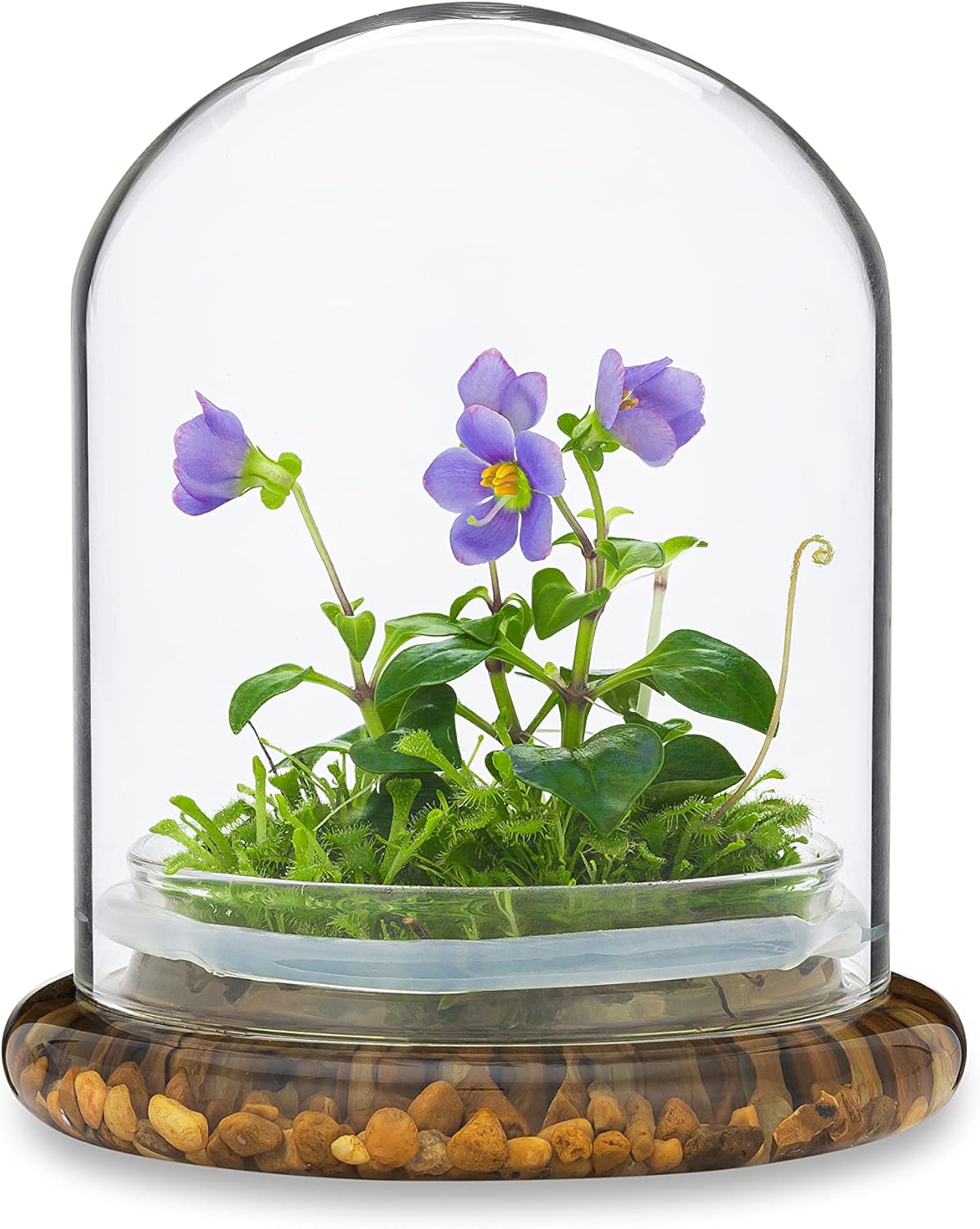
Bloomify Persian Violet Self-Sustaining Terrarium (Terra Gel, Heat Pack)
| Indoor Outdoor Usage | Indoor |
|---|---|
| Other Special Features of the Product | Lightweight |
| Expected Blooming Period | Winter, Year Round |
| Included Components | Terra Gel Formula, Heat Pack |
This Bloomify Persian Violet terrarium is a ready-made, maintenance-free living display built to sit on a windowsill, desk, or shelf and produce regular purple blooms without watering. The plant arrives planted in a clear jar with Bloomify’s Terra Gel, a soil-free medium that supplies moisture and nutrients while keeping the interior clean, plus a heat pack for winter shipping. It is intended to run as a sealed micro-ecosystem for several months so you simply place it in bright indirect light and enjoy blooms that can last up to a couple of weeks each cycle. Notable benefits are its award-winning design and the tidy, soil-free presentation that makes it allergy-friendly and easy to gift. Limitations are that the terrarium is a seasonal-longevity decorative piece rather than a permanent houseplant solution and it offers limited opportunity for repotting or long-term propagation once the growth cycle ends.
Best for: Buyers who want a no-fuss, ready-to-display living decoration that provides regular indoor blooms with minimal care and gifting convenience.
Less Ideal for: Gardeners seeking a long-term, hands-on houseplant to repot, propagate, or heavily maintain should look for potted specimens instead.
- Comes pre-planted in a sealed, soil-free Terra Gel system for no-watering upkeep
- Includes a heat pack to protect the plant during cold transit
- Compact glass jar design works as ready-to-display decor or gift
- Designed to bloom repeatedly indoors throughout the year
- Intended as a limited-duration decorative terrarium rather than a long-term, replantable houseplant
- Sealed jar limits access for pruning, repotting, or propagation
Verdict: Choose this terrarium when you want a polished, zero-maintenance living centerpiece that delivers seasonal Persian Violet blooms without any watering or soil.
Hirt's Gardens Mini Ferns for Terrariums – 3 live plants in 2" pots

| Sunlight Exposure | Partial Sun |
|---|---|
| Unit Count | 1 Count |
| Item Weight | 2.1 pounds |
These mini ferns come as an assortment of three live plants in 2" pots and are aimed at adding real greenery to terrariums, fairy gardens, or small containers. They are shipped as a mixed variety so you get visual variety without selecting individual species, and the small pots make them easy to plant directly into glass jars, bottles, or shallow planters. The listed partial sun preference means they do well in bright, indirect light common in indoor terrarium setups. Practical benefits include low space requirements, ready-to-plant packaging, and the ability to be trimmed to maintain scale inside a miniature scene. Limitations are that the exact varieties are not specified and seasonal variation means plant size and look can differ between orders, so you should expect some variability and be prepared to repot or acclimate plants to your terrarium microclimate. For someone who wants instant living detail in a fairy garden, these are a convenient, space-efficient option.
Best for: Buyers who want an easy, space-efficient way to add real plants to a terrarium or fairy garden and prefer ready-to-plant stock that requires minimal setup.
Less Ideal for: Gardeners seeking specific fern species, precise aesthetic matches, or mature plants for outdoor beds should look for individually labeled or larger specimens.
- Sold as a ready-to-plant set of three 2" potted ferns for immediate use in terrariums or fairy gardens
- Small pots and compact growth habit are well suited to confined containers and miniature scenes
- Plants prefer partial sun which matches typical bright, indirect indoor light for terrariums
- Includes mixed varieties for visual interest without needing to source multiple species
- Varieties and exact appearance vary seasonally and are not specified before purchase
- Small pots mean plants may need repotting or acclimation for long-term growth
Verdict: A convenient, small-scale option for adding live ferns to terrariums and fairy gardens when you want ready-to-plant variety and compact size.
Plants for Pets Pothos 4-Pack (4" Assorted)

| Indoor Outdoor Usage | Indoor |
|---|---|
| Other Special Features of the Product | Air Purification |
| Sunlight Exposure | Full Sun |
| Moisture Needs | Regular Watering |
| USDA Hardiness Zone | 3 |
This four-pack delivers beginner-friendly pothos varieties that suit low-light rooms and simple indoor care routines. Each plant comes rooted in a 4" nursery pot and the assortment rotates between familiar types such as Marble Queen, Golden, Neon, and Satin, so you get visual variety without extra effort. Pothos are typically grown in hanging planters, on shelves, or trained up a support; they prefer bright, indirect light but tolerate lower light levels that many apartments and offices have. The listing emphasizes air-purifying benefits and gives clear care guidance: allow the soil to dry between waterings and keep temperatures above about 60 F. Practical strengths are resilience, fast trailing growth for a lush look, and compatibility with common indoor spots like living rooms, kitchens, or bathrooms. Limitations are that you may receive different varieties than pictured and plants arrive in small 4" pots, so plan to repot sooner if you want bigger specimens or longer-term display without frequent watering.
Best for: Buyers who want low-maintenance greenery for indoor spaces and prefer reliable, easy-to-care-for plants that tolerate lower light and occasional neglect.
Less Ideal for: Growers seeking large, mature plants ready for instant statement displays or those who want guaranteed, specific rare varieties.
- Easy to grow and tolerant of low to bright indirect light
- Four different varieties provide visual variety in one purchase
- Ships in small nursery pots that establish quickly and are ready for hanging or shelving displays
- Listed care guidance is straightforward for first-time plant owners
- Arrives in 4" pots so plants may need repotting soon for faster growth or long-term display
- Specific varieties are not guaranteed and assortment can vary
Verdict: A simple, low-maintenance way to add trailing, low-light-friendly pothos to your home with minimal fuss.
Bloomify Venus Flytrap Self-Sustaining Glass Terrarium

| Indoor Outdoor Usage | Indoor |
|---|---|
| Other Special Features of the Product | Self Cleaning |
| Expected Blooming Period | Winter |
| USDA Hardiness Zone | 1 |
| Moisture Needs | Moderate Watering |
This Bloomify kit arrives as a compact glass terrarium with a living Venus flytrap already planted in a soil-free Terra Gel medium. It is designed for indoor display on desks, shelves, or windowsills and aims to be largely maintenance free: the gel supplies water and nutrients so you do not need to water or add fertilizer. The package includes the terrarium, the plant, a care guide, and a heat pack for shipping or cooler months. The B52 mericlone variety offers larger-than-average traps which make the plant an attractive, eye-catching addition to small closed terrariums. Practical benefits include low daily effort, tidy presentation without loose soil, and a clear transplant path once the plant outgrows the jar—Bloomify provides a transplant kit with peat and sand. Important limitations are that the plant is intended for indoor, decorative terrarium use only and will eventually need replanting into a proper carnivore mix to thrive long term; the sealed gel environment also limits how large the plant can grow. Buyers should be prepared for eventual transplanting and for giving the plant appropriate light while it is in the jar.
Best for: Buyers who want a low-maintenance, decorative closed-terrarium plant to brighten a desk or small indoor space with minimal ongoing care and setup.
Less Ideal for: Experienced carnivorous-plant growers who want full control over soil conditions or gardeners seeking a long-term outdoor specimen should choose a traditional potted Venus flytrap instead.
- Comes ready-to-display in a sealed glass terrarium for minimal setup
- Terra Gel provides moisture and basic nutrients so no routine watering is required
- B52 mericlone variety has larger traps that make the plant visually striking
- Includes care guide, heat pack, and a transplant kit for moving the plant to soil later
- Sealed gel environment restricts long-term growth and eventual transplanting is required
- Designed for indoor decorative use only, not for outdoor or full horticultural cultivation
Verdict: For a risk-averse buyer who wants an effortless, display-ready closed terrarium, this Venus flytrap offers immediate visual impact with almost no daily maintenance.
Choosing the Right Plants That Can Grow in a Terrarium: Key Factors to Consider
Humidity Tolerance
Terrariums create higher and more stable humidity than open-air pots. Choose plants rated for consistent moisture in the air and in the upper soil layer. Species that wilt or drop leaves in humid conditions will decline quickly in sealed or frequently-misted containers.
Also consider how plants handle condensation on leaves. Some tolerate intermittent wet foliage while others develop rot or fungal spots. Matching plant humidity preference to the terrarium type, sealed versus open, reduces maintenance and the need for corrective treatments.
Light Requirements
Glass alters the quality and intensity of light; inside a terrarium indirect, bright light is usually best. Select plants that thrive in low to medium indirect light if your display will sit away from a window, and choose higher-light tolerant species only when you can provide strong filtered daylight.
Assess whether you will use supplemental grow lighting. Some compact tropical species do well under LED strips or full-spectrum bulbs. Avoid plants that demand prolonged direct sun unless the terrarium will be positioned to receive sun without overheating the glass.
Growth Habit and Eventual Size
Because terrariums are limited in space, favor plants with slow to moderate vertical and lateral growth. Rosette, creeping, or compact clumping habits are generally easier to maintain. Rapidly spreading or tall-stemmed plants can overshadow neighbors and require frequent trimming.
Think about mature dimensions in relation to pot size. Small-leaved species retain the miniature scale of a terrarium better than large-leaved counterparts. Understanding how a plant will look in six to twelve months helps prevent overcrowding and keeps the composition balanced.
Root Volume and Soil Depth Needs
Terrarium soil depth is often shallow, so pick plants with modest root systems. Deep-rooted species will become pot-bound or decline from inadequate anchorage and nutrient access. Shallow, fibrous roots that spread rather than dive are a better fit.
Also consider how tolerant a plant is of being root-pruned or repotted. Because access inside many terrariums is limited, you should expect occasional root maintenance and choose plants that tolerate disturbance without long recovery times.
Disease Resistance in Humid Microclimates
High humidity favors fungal pathogens and some pests. Select species with a track record of resisting common terrarium issues such as mold, botrytis, and scale or mealybug buildup. Plants with dense leaf clusters or poor air circulation can be more prone to problems.
Plan for sanitation and occasional trimming to improve airflow, but starting with resilient plants reduces the need for interventions. Consider leaf texture and spacing when predicting susceptibility to rot under constant moisture.
Maintenance and Pruning Needs
Some terrarium plants require regular pinching or trimming to maintain scale and prevent overgrowth. Understand the pruning tolerance of candidates and whether you are willing to perform frequent small trims or prefer near-maintenance-free species.
Maintenance also includes monitoring soil moisture and occasional topdressing. Plants that respond well to light pruning and that do not produce excessive debris will keep a closed terrarium cleaner and reduce the risk of decay-related issues.
Sealed Versus Open Terrariums: Match Plants to Microclimate
Sealed terrariums maintain higher and more consistent humidity and reduced air exchange. Choose plants that prefer constantly moist air and can tolerate occasional condensation on leaves. Open terrariums dry more quickly and suit plants that like bright, humid air but also need some airflow.
When planning your arrangement, think about long-term humidity trends rather than initial planting conditions. A species that thrives in a sealed setup may perform poorly if you open the container frequently, and vice versa.
- Sealed: favors moisture-loving mosses and tropical understory plants.
- Open: allows drier-tolerant succulents or low-humidity tropicals with airflow needs.
Soil Mixes and Drainage for Small Containers
Terrarium soil should balance moisture retention with enough drainage to avoid waterlogged roots. A layered approach with a drainage substrate, charcoal for odor control, and a loose, airy top mix works well for many terrarium plants. Adjust organic matter and grit depending on the species' moisture preference.
Avoid heavy garden soils that compact in shallow depths. Use fine-grade components so roots can spread horizontally without struggling through oversized particles.
- Layering improves water control in shallow containers.
- Charcoal helps suppress odors and reduces fungal growth.
Lighting Setups for Consistent Indoor Conditions
Most terrarium plants benefit from bright, indirect light. If natural light is limited, a low-profile LED full-spectrum light positioned above the terrarium can prevent legginess and maintain color. Keep grow lights on a timer to mimic natural day lengths and avoid overheating the enclosure.
Rotate the terrarium occasionally so plants receive even light and do not lean to one side. Monitor for leaf bleaching near too-intense illumination and shift the light source if necessary.
- Use diffuse light to avoid hot spots on glass.
- Timers help replicate consistent photoperiods for stable growth.
Designing Scale and Composition
Think in layers when composing a terrarium: low groundcover, small mid-height plants, and a focal specimen if space allows. Small-leaved species help maintain a miniature look and prevent a single plant from dominating the scene. Group plants with similar care needs together to simplify maintenance.
Use rocks, bark, and miniature hardscape to create visual interest and anchor plantings. These elements also help separate root zones and can improve airflow inside the container.
- Arrange plants by mature size to avoid shading.
- Hardscape stabilizes soil and enhances the miniature landscape aesthetic.
Common Problems and Simple Fixes
Watch for condensation, mold, and yellowing leaves as early signs of imbalance. If heavy condensation appears, briefly open the terrarium to improve air exchange and reduce moisture levels. Remove any dead leaves promptly to prevent rot and fungal spread.
If a plant outgrows the container, prune roots and foliage or replace the specimen with a smaller species. Adjust watering frequency based on soil moisture rather than a fixed schedule to avoid overwatering.
- Open the lid for a few hours to reduce humidity spikes.
- Trim overcrowded plants to restore airflow and scale.
How We Chose the Best Plants That Can Grow in a Terrarium
We focused on traits that directly affect success inside glass terrariums rather than general houseplant appeal. Core filters included humidity tolerance, compact growth habit, light adaptability for low to medium indoor light, and slow to moderate growth rate so plants do not quickly overrun a small container. Root system size and sensitivity to root disturbance were considered because terrarium soil depth and repotting access are limited. We also prioritized species with disease and pest resilience in high-humidity microclimates and those that respond well to pruning to maintain scale. Products and species were excluded if they require direct outdoor conditions, extensive root depth, or aggressive, fast-spreading growth that cannot be controlled in a confined container. We also excluded plants that need regular frost cycles or prolonged dry periods. Final selections reflect plants that balance aesthetics with practical care needs for sealed and open terrariums. The scoring emphasized humidity tolerance, light adaptability, size management, and ease of care to match gardeners with the right terrarium plants for their setup.
FAQ
Can any plant survive inside a sealed terrarium?
No. Only species adapted to steady high humidity and low airflow typically thrive in sealed terrariums. Choose plants known for moisture tolerance and low transpiration rates to avoid rot and fungus issues.
How often should I water terrarium plants?
It depends on container type and species. Sealed terrariums may need watering only a few times a year, while open setups require more frequent top-ups. Check soil moisture and condensation before adding water rather than following a strict timetable.
Will terrarium plants need fertilizer?
Usually these plants need very light feeding because soil volumes are small. Use a diluted, balanced fertilizer sparingly during the active growing season and avoid overfertilizing, which encourages rapid growth that can overcrowd the container.
How do I control pests in a terrarium?
Inspect plants before planting and quarantine new additions. For minor infestations, remove affected leaves and isolate the plant. In persistent cases use targeted, low-toxicity controls and increase airflow to reduce conditions that favor pests.
Can I mix succulents and tropical plants in the same terrarium?
Mixing is generally not recommended because succulents prefer drier conditions while tropical plants favor higher humidity. If you want both, use separate containers or create distinct microzones with careful drainage and watering practices.
Final Verdict
Choosing terrarium plants is about matching species traits to the confined environment you can provide. Prioritize humidity tolerance, manageable size, and modest root needs to minimize maintenance and keep the display healthy. Accept tradeoffs between visual impact and upkeep: more dramatic foliage often requires closer attention, while compact, resilient species give longer-term low-effort enjoyment. Focus on compatibility with your terrarium type and the light levels you can supply. With the right choices and occasional pruning, a small collection of terrarium-suitable plants will reward you with a stable, living miniature landscape.
