

Note: This article contains affiliate links. If you click on these links and make a purchase, I may earn a small commission at no extra cost to you. This helps support my research and content. Read my full affiliate disclosure here.
Choosing the right pond liner shapes how long your water feature holds water, how it interacts with plants and fish, and how much maintenance you will do over the years. Whether you are installing a small patio bowl, a preformed pond, or a larger garden pond, the liner material and thickness determine puncture resistance, ease of shaping, and compatibility with edging and underlay. This guide covers seven shortlisted pond liners that suit a range of garden sizes and installation methods. We evaluate each option on real gardener concerns like puncture resistance, flexibility for complex shapes, and ease of installation so you can pick the best fit for your site. Read on for practical buying guidance and buyer-focused evaluation criteria before the product list.
Top Picks at a Glance
| Best Overall The best all-around choice for most situations | Firestone PondGard 45 mil EPDM Pond Liner, 15 x 15 ft |  |
| Best Quality Built to a higher standard if you want something more solid | Firestone 45mil EPDM Rubber Pond Liner, 15 ft x 20 ft |  |
| Best Value The sweet spot between price and what you get | Firestone PondGard 45 mil EPDM Pond Liner, 5 x 10 ft |  |
| Best Budget The cheapest option that still gets the job done reliably | ToLanbbt HDPE Pond Liner, 7 x 10 ft, 20 mil UV-Resistant |  |
| Highest Rated A top-rated pick with lots of positive feedback | Firestone PondGard EPDM Pond Liner 45 mil, 10 x 10 ft |  |
| Most Popular A crowd favorite that many people choose with confidence | UWIOFF 20 mil HDPE Pond Liner, 10 x 13 ft |  |
| Best Seller A high-volume bestseller chosen again and again | ToLanbbt HDPE Pond Liner, 13 x 20 ft, 20 mil UV-Resistant |  |
Firestone PondGard 45 mil EPDM Pond Liner, 15 x 15 ft

| Material | EPDM rubber |
|---|---|
| Thickness | 45 mil (0.045") |
| Manufacturer | Firestone |
| Warranty | 20 Year Limited Manufacturers Warranty |
The Firestone PondGard 45 mil EPDM liner is a heavy-duty rubber membrane meant for building backyard ponds, water gardens, and waterfalls. Installers typically lay it over shaped excavations and trim it to fit shelves for plants or cascade steps; the material conforms well so creating natural-looking contours is straightforward. Notable features include a 45 mil thickness, fish- and plant-safe EPDM formulation, and a long expected service life supported by a 20 year limited warranty and a stated 75 year life expectancy. In practice that thickness gives good puncture and UV resistance compared with thinner flexible liners, while remaining flexible enough for shaping and easy to handle for one or two people on moderate-sized projects. Limitations are that large installations require careful seaming or overlap techniques and professional-grade adhesives if you need joined panels, and the product weight makes transport and precise placement more strenuous. For a balanced all-round pond build this liner offers a durable, low-maintenance base that performs well for long-term water containment.
Best for: Gardeners and DIYers building backyard ponds or water features who want a durable, fish-safe liner that balances ease of shaping with long-term performance.
Less Ideal for: People needing a very lightweight, temporary liner for small seasonal ponds or users unwilling to handle heavier material and the seam work required for large installations.
- 45 mil EPDM thickness for strong puncture and UV resistance
- Formulated to be safe for fish and aquatic plants
- Flexible material conforms to shelves and waterfalls for natural shaping
- Long expected lifespan supported by a 20 year limited warranty
- Heavy weight can make handling and placement difficult for solo installers
- Joining multiple panels requires proper seams and adhesives for a watertight result
Verdict: A heavy-duty, fish-safe EPDM liner that gives reliable long-term protection and natural shaping for backyard ponds.
Firestone 45mil EPDM Rubber Pond Liner, 15 ft x 20 ft

| Material | EPDM rubber |
|---|---|
| Thickness | 45 mil (0.045 inch) |
| Shape | Pre-cut sheet |
| Intended use | Pond liner for water gardens |
This Firestone 45 mil EPDM pond liner is a performance-focused, pre-cut rubber liner intended for medium to large backyard ponds and water features. Its 0.045-inch (45 mil) thickness gives noticeable puncture and weather resistance compared with thinner liners, and the flexible EPDM material makes it easy to form around irregular shapes and rockwork during installation. The liner arrives boxed and ready to unroll, which speeds setup for DIY installers or professionals. Because EPDM is fish-safe and chemically stable, it suits planted ponds and ornamental fish. The main practical limitations are that a pre-cut sheet requires careful measuring and overlap planning for very large or unusually shaped excavations, and heavier liners need two people to position without stretching. If you plan to anchor edges with rocks or a preformed underlayment, the liner performs well, but expect to add protective underlayment where the substrate is sharp. Overall it is a durable, low-maintenance choice when longevity and resilience are priorities.
Best for: Buyers who prioritize a long-lasting, resilient liner for planted or fish ponds and want a performance-oriented material that handles rockwork and irregular designs.
Less Ideal for: People planning very large commercial ponds or those who need a fully custom-shaped preformed liner should consider alternatives tailored to larger scales or exact shapes.
- 45 mil EPDM thickness for strong puncture and weather resistance
- Flexible material conforms to irregular pond shapes for easier installation
- Fish- and plant-safe EPDM chemistry suitable for biological ponds
- Pre-cut, boxed sheet simplifies purchasing and speeds setup
- Pre-cut dimensions limit use for ponds larger than the sheet without seams
- Heavier roll can require two people to position and smooth during install
Verdict: Choose this 45 mil EPDM liner when you want a durable, fish-safe pond liner that resists punctures and conforms to irregular backyard pond designs.
Firestone PondGard 45 mil EPDM Pond Liner, 5 x 10 ft

| Material | Rubber (EPDM) |
|---|---|
| Thickness | 45 Mil |
| Recommended Uses | Ponds, streams, waterfalls, water gardens |
| Warranty Description | 20 Year Warranty |
This Firestone PondGard liner is a pre-cut EPDM rubber membrane made for small ponds, water gardens, basins and fountains. At 45 mil (0.045 in) thickness it stays flexible in cold weather, resists UV and ozone, and is shaped to fit irregular contours without heavy maintenance. Typical use is to excavate the hole, add protective underlayment, drape and trim the liner to fit, and secure edges with rock or coping; its flexibility makes forming around waterfalls and bog shelves straightforward. Notable features are the long expected life span, a 20 year limited warranty, and formulation that is safe for fish and aquatic plants. Practical benefits include strong puncture and tensile resistance compared with thinner liners and low upkeep once installed. Limitations are that this is a pre-cut 5 x 10 ft piece so it suits small ponds only and larger or custom-shaped projects will need seams or larger material; installers should plan for proper underlayment and careful seam work if joining pieces. The liner is black, which helps UV protection and gives the pond a natural-looking depth but does not include accessories or mounting hardware.
Best for: Buyers who want a durable, low-maintenance liner for a small backyard pond or water feature and who prioritize material longevity and fish safety when optimizing cost and effort.
Less Ideal for: Those building medium to large ponds without the ability or desire to seam liners or who need a custom-cut full-roll liner for very large installations.
- 45 mil EPDM offers good flexibility and puncture resistance for small ponds
- Formulated to be safe for fish and aquatic plants
- Resistant to UV and ozone for long outdoor life
- Pre-cut 5 x 10 ft size limits use to small ponds or requires seams for larger installations
Verdict: A durable, fish-safe 45 mil EPDM liner that is a practical, low-maintenance choice for small backyard ponds.
ToLanbbt HDPE Pond Liner, 7 x 10 ft, 20 mil UV-Resistant

| Size | 7 x 10 Feet |
|---|---|
| Material | HDPE |
| Thickness | 20 Mil |
| Manufacturer | ToLanbbt |
This ToLanbbt pond liner is a straightforward HDPE sheet sized for small ponds and water features. It is 20 mil thick, flexible enough to shape around corners and shelves, and the material is described as UV resistant and puncture tolerant so it can be used outdoors without added plasticizers. Typical use is to clean and flatten the excavation, lay the liner, trim to fit, and cover exposed edges with pebble or edging material; the manufacturer also recommends removing sharp stones or debris before installation. The liner’s thin, lightweight construction makes it easy to handle and cut to irregular shapes, and its waterproof, impermeable surface helps keep soil and contaminants out of the pond. Limitations are that 20 mil HDPE is not as durable as heavier EPDM or reinforced PVC liners for areas with heavy foot traffic or large koi and it offers less protection against sharp objects unless an underlayment is used. For a budget build or a small decorative pond, this liner provides a simple, usable solution but expect to add protections if you need longer-term durability.
Best for: Buyers who need an economical, easy-to-handle liner for a small decorative pond, fountain, or water garden and prioritize low cost and simple installation.
Less Ideal for: Gardeners planning large koi ponds, heavy foot traffic around the pond, or long-term, high-durability installations should consider thicker or reinforced liners instead.
- 20 mil HDPE material offers good flexibility for shaping around corners and shelves
- UV resistant and advertised as puncture tolerant for outdoor use
- Lightweight and easy to cut to fit irregular pond shapes
- Waterproof surface prevents soil and contaminants from seeping into the pond
- 20 mil thickness is thinner than heavy-duty EPDM liners and may wear faster in high-abrasion situations
- Requires careful site preparation or an underlayment to avoid punctures from sharp stones
Verdict: A budget-friendly, easy-to-cut 20 mil HDPE liner that works well for small decorative ponds and simple DIY water features.
Firestone PondGard EPDM Pond Liner 45 mil, 10 x 10 ft
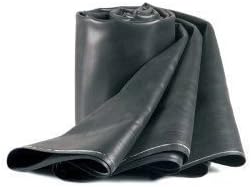
| Material | EPDM |
|---|---|
| Thickness | 45 mil |
| Fish safe | Yes |
| Sheet size | 10' x 10' |
The Firestone PondGard 45 mil EPDM liner is a heavy-duty, fish-safe liner intended as the waterproof foundation for small backyard ponds. It is typically used to line excavated ponds or preformed shells up to roughly 6 x 6 ft, providing a flexible, puncture-resistant barrier that tolerates normal pond installation and landscaping. Notable features include the 45 mil thickness favored by contractors for durability and the EPDM rubber formulation that stays pliable in a range of temperatures. Practical benefits are straightforward: long-lasting performance that resists tearing, a smooth material that is easy to shape around edges and features, and suitability for fish and plants without harmful additives. Limitations are its fixed flat sheet size and the need for careful underlayment and seam overlap when installing larger or irregular ponds, so professional installation or careful DIY preparation is advisable. For reliability-focused buyers this liner delivers a proven, contractor-grade membrane that reduces the risk of leaks over cheaper thin liners.
Best for: Buyers who prioritize long-term reliability and want a contractor-grade EPDM liner for a small to medium backyard pond or water garden and are prepared to install or hire proper installation.
Less Ideal for: Casual gardeners who want a plug-and-play preformed pond or those who need an exact custom-cut liner for large or unusually shaped ponds without seams.
- 45 mil EPDM offers high puncture and tear resistance compared with thin liners
- Formulation is fish safe, suitable for ponds with fish and aquatic plants
- Flexible and pliable for shaping around features and edges during installation
- Well-regarded contractor-grade material trusted for long-term waterproofing
- Supplied as a flat 10 x 10 ft sheet so larger or complex ponds require seams or multiple pieces
- Requires proper underlayment and careful installation to avoid damage during placement
Verdict: Choose this EPDM PondGard liner when you want a dependable, contractor-grade membrane that minimizes leak risk for a small backyard pond.
UWIOFF 20 mil HDPE Pond Liner, 10 x 13 ft
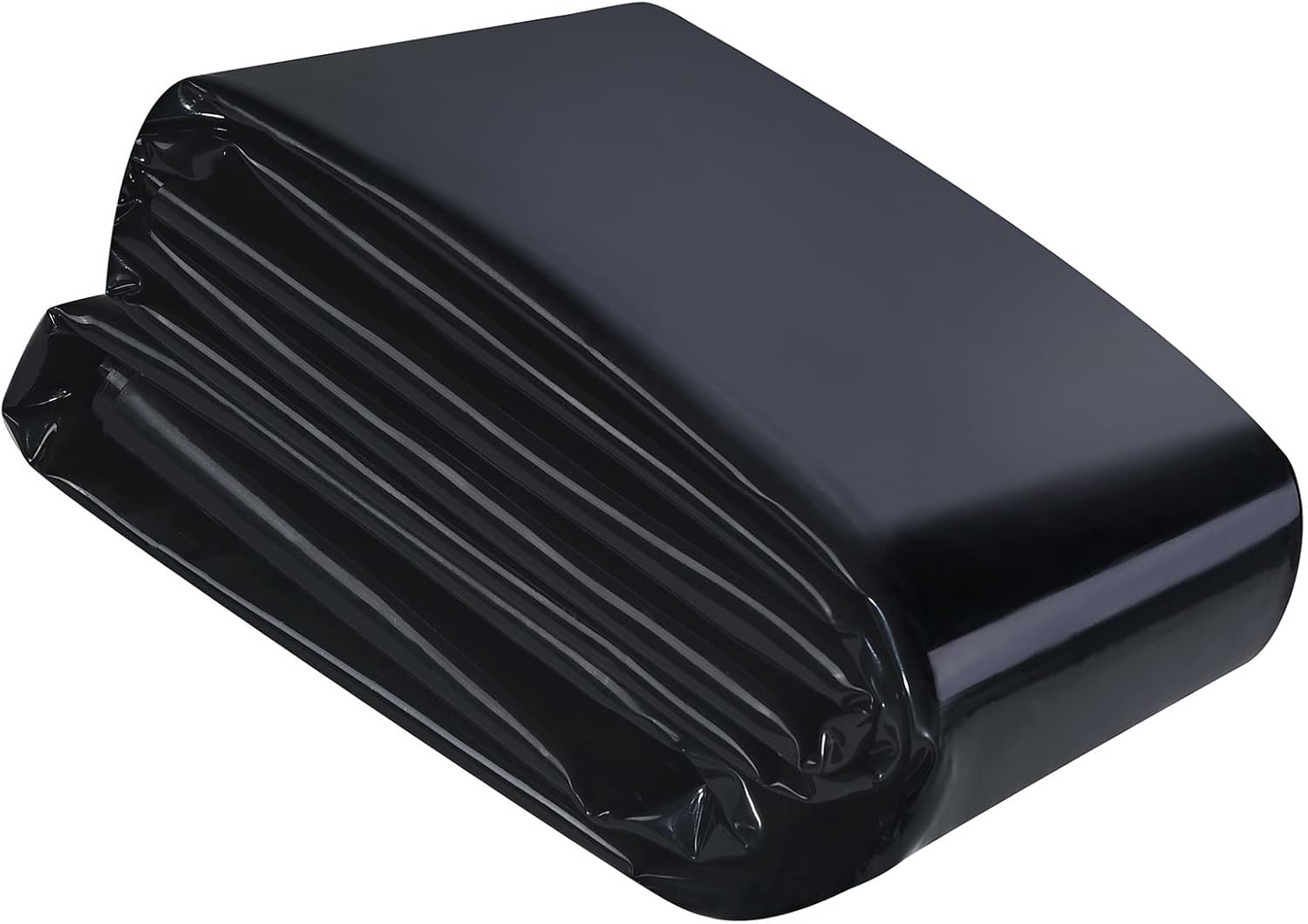
| Thickness | 20 Mil |
|---|---|
| Material | HDPE |
| Intended use | Outdoor ponds, waterfalls, water features |
| Safe for | Fish and plants |
This UWIOFF 20 mil HDPE pond liner is a heavy-duty, flexible sheet intended to form the watertight base of backyard ponds, waterfalls, or raised water features. Typical use is to cut the oversize sheet to shape, lay it over a prepared bed with underlayment, and secure the edges with stones or edging. The 20 mil thickness and HDPE material mean it resists UV exposure, punctures, and aging better than thinner LDPE sheets, so it suits installations with fish and aquatic plants. It provides a smooth, low-soil-accumulation surface that is easy to clean and helps keep groundwater and soil from contaminating the pond. The liner is available in multiple sizes so you can pick a panel close to your pond footprint or seam pieces together for larger ponds. Important limitations are that large installations require careful underlayment and seam work to avoid tears and leaks and that HDPE is less forgiving around sharp rocks or roots, so site prep matters for longevity.
Best for: Buyers who want a robust, longer-lasting pond liner and who will prepare the site properly or hire installation help for a reliable water feature.
Less Ideal for: If you need a ready-made rigid pond shell or plan quick installs over rough ground without prep, choose a molded pond or thicker professional installation instead.
- 20 mil HDPE construction offers stronger UV and puncture resistance than typical thin liners
- Smooth surface reduces soil accumulation and simplifies cleaning
- Available in multiple pre-cut sizes so you can choose a close fit or seam for larger ponds
- Suitable for fish and aquatic plants when installed with proper underlayment
- Requires careful ground preparation and underlayment to prevent punctures from rocks or roots
- Seaming multiple sheets for very large ponds adds complexity and needs proper technique
Verdict: Choose this 20 mil HDPE liner when you want a durable, UV- and puncture-resistant base for a backyard pond that will last with proper site preparation.
ToLanbbt HDPE Pond Liner, 13 x 20 ft, 20 mil UV-Resistant
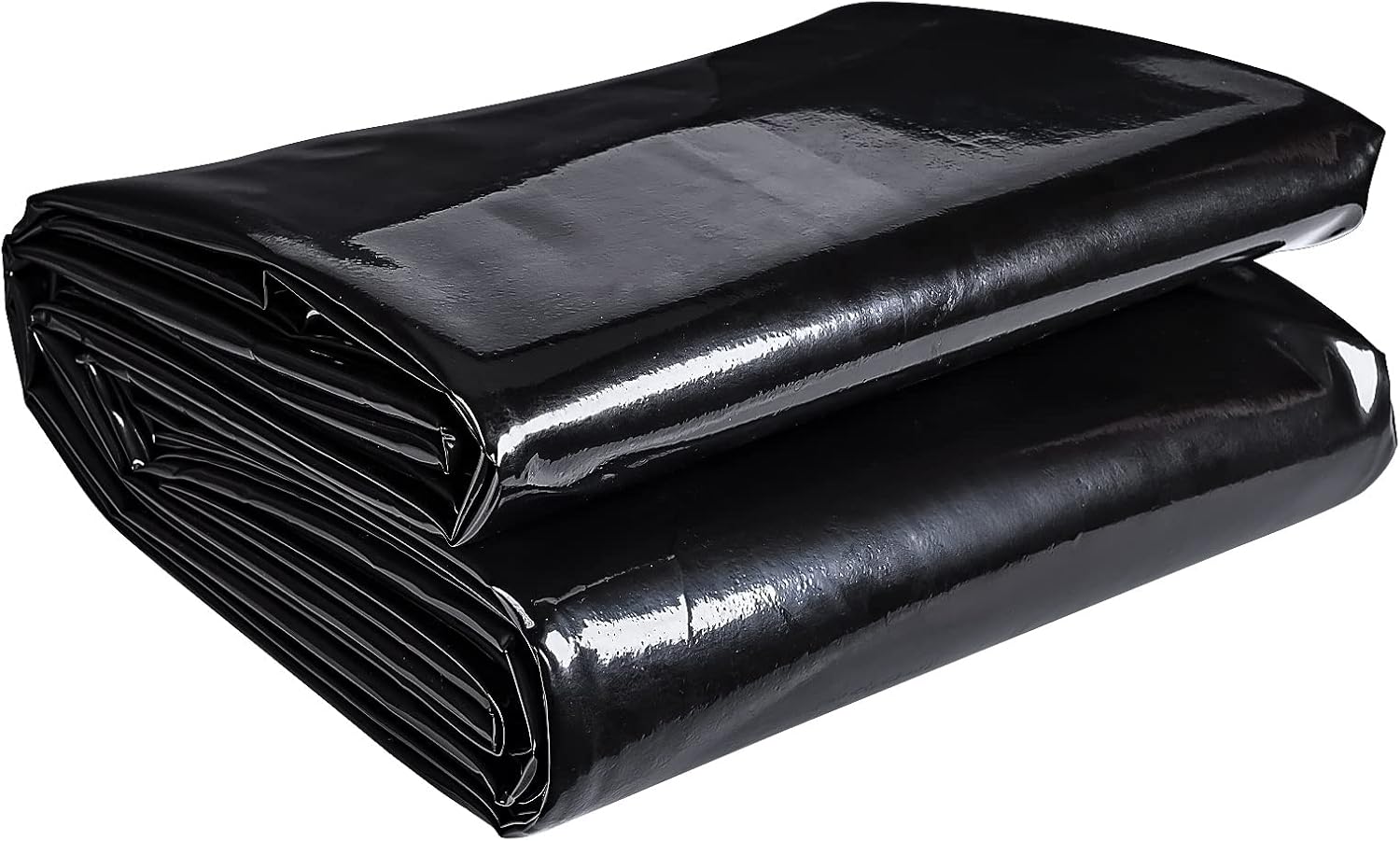
| Material | HDPE |
|---|---|
| Thickness | 20 Mil |
| Suitable for | Ponds, waterfalls, water gardens |
This ToLanbbt HDPE pond liner is a straightforward, no-frills option for lining small to medium gardens, ponds and water features. Made from 20 mil HDPE, it is flexible enough to be cut and shaped on site and thicker than thin polyethylene sheets, which helps resist punctures and sun damage. Typical use is to lay the liner over a cleared, levelled bed, trim to fit, add underlayment or pebbles where needed, and then fill to shape shelves and contours for plants or fish. Notable features include stated high tear resistance, waterproofing that blocks soil seepage, and material safety claimed to be suitable for pond life. Practical benefits are its ease of handling during installation and the ability to adapt to irregular pond shapes without welding. Important limitations are that a 20 mil liner is not as robust as heavy EPDM or thicker PVC options for high-traffic or rocky sites, and careful site preparation and underlayment are required to avoid punctures. Expect reasonable durability for typical backyard water gardens if you protect it from sharp objects.
Best for: Buyers who want an affordable, straightforward liner for a backyard water garden or small koi pond and prefer a product that is easy to cut and install while still offering basic UV and puncture resistance.
Less Ideal for: People planning ponds on rocky ground, high-traffic areas, or installations requiring welded seams should consider thicker commercial-grade liners instead.
- 20 mil HDPE material offers better puncture and UV resistance than very thin liners
- Flexible and easy to cut for fitting irregular pond shapes and shelves
- Waterproof and designed to block soil seepage for cleaner pond water
- Manufacturer notes material is safe for pond organisms
- Thinner than heavy-duty EPDM liners so less suitable for rocky or high-traffic installations
- Requires careful site prep and an underlayment to prevent punctures
Verdict: A practical, easy-to-fit 20 mil HDPE liner that gives risk-averse gardeners a simple, UV-resistant solution for backyard ponds when paired with proper underlayment.
Choosing the Right Pond Liner: Key Factors to Consider
Material Type and Durability
The liner material determines how it behaves with rocks, roots, and seasonal movement. Rubberized liners tend to offer high puncture resistance and remain flexible at lower temperatures, which reduces cracking risk. Thick polyethylene or reinforced materials can resist stretching and tearing under heavier edging or when stepping on the liner during installation.
Durability also affects long-term maintenance. A more robust material may be harder to work with initially but will usually require fewer repairs and reduce the likelihood of leaks from buried roots or sharp stones shifting after frost heave. Consider the expected lifespan when choosing between lighter and heavier materials.
Thickness and Measured Strength
Liner thickness is a practical proxy for strength but not the only factor. Two materials of the same thickness can have different tear resistance depending on formulation and reinforcement. Thicker liners resist accidental punctures better and tolerate aggressive edging methods, but they are heavier to handle and harder to conform to complex shapes.
When planning a pond near rockery or tree roots, prioritize rated puncture resistance and look for liners with reinforced weaves or integrated backing. Check if thickness is given in millimeters or ounces per square yard and how that relates to tested tear-strength numbers when available.
Flexibility and Cold-Weather Performance
A liner that stays pliable in cooler temperatures makes installation easier and reduces stress where the liner folds against edges. Flexibility matters for small, intricate ponds with many contours and for northern climates where materials can stiffen in winter.
Stiffer liners can split or fold sharply at low temperatures, so if your pond will be installed or exposed to freezing conditions, select a material and formulation known for low-temperature flexibility. This reduces the chance of brittle failure and makes seasonal maintenance simpler.
Compatibility with Underlay and Edging
Underlay protects the liner from punctures caused by subsoil stones or roots and evens out irregularities in the excavation. Not all liners require the same type of underlay; heavier liners can sometimes work with a simpler protection layer, while thin films need thicker geotextile underlay.
Edging methods also interact with liner choice. If you plan to tuck the liner beneath stonework or use sharp gravel near the edge, select a liner and underlay pairing that maintains the seal and prevents abrasion over time. Consider how the liner will be anchored and whether additional materials such as adhesive or mechanical fasteners are appropriate for your edge treatment.
Chemical Inertness and Pond Life Safety
Liners that leach chemicals can harm pond plants and fish or inhibit beneficial microorganisms. Materials formulated for pond use typically state suitability for aquatic life and avoid plasticizers or additives that might wash into the water.
When selecting a liner, look for specifications about food-grade or fish-safe formulations and any third-party testing for leaching. Chemical stability also influences algae growth and water chemistry over time, so prioritize liners that advertise inertness and compatibility with pond ecosystems.
Ease of Repair and Long-Term Serviceability
Even well-installed liners can suffer small punctures from garden activity or animal digging. Choose a liner material that can be patched reliably with available repair kits and adhesives. Some materials form better, longer-lasting bonds with common patch adhesives than others.
Consider how accessible the pond will be for future patching and whether the liner can be isolated for repair without draining the entire feature. Durable seams and overlap methods also affect how straightforward it will be to extend or alter the pond later.
Sizing and Planning for Your Pond
Accurate measurements and a mock-up help avoid stretching or wasting liner material. Trace your planned pond outline on the excavated surface, then add overlap for the edge and extra slack to account for depth and contours. A useful rule of thumb is to allow an extra 20 to 30 percent beyond the finished surface area to accommodate folds and anchoring.
Plan for underlay first. Mark places where stones, roots, or sharp transitions may contact the liner and allocate extra protective layers in those zones. If you expect to use rocks as visible edging, allow enough liner to tuck beneath and backfill for a secure finish.
- Sketch the pond shape and measure the greatest width, length, and depth.
- Add overlap for edging and for seasonal ground movement.
- Identify potential puncture points and plan underlay coverage.
Installation Tips That Reduce Future Repairs
Work on a clean, debris-free excavation and remove sharp stones and roots before placing underlay and liner. Smooth, well-compacted side slopes reduce liner movement and friction points that cause wear.
When positioning the liner, do not stretch it tight. Instead, let it sit loosely and form natural folds that will settle into the contours when water is added. Gradually fill the pond while smoothing folds and trimming excess, which helps avoid stress concentrations and seam failure.
- Lay underlay completely before placing the liner.
- Use sand or geotextile pads in high-stress areas under rocks.
- Fill slowly and adjust folds as water rises to prevent trapped air pockets.
Edge Finishing and Aesthetics
How you finish the edge affects liner longevity. Burying the liner under a layer of soil or rock provides protection from UV exposure and mechanical damage. If you plan to show the liner under decorative stone or timber, ensure the edging material cannot abrade the liner over time.
Consider combining a low-profile coping with planted margins to mask the liner while allowing easy access for maintenance. Secure edges with anchoring methods that avoid sharp staples or fasteners that penetrate the liner unless designed for that purpose.
- Bury edges or cover with a protective cap to limit UV exposure.
- Use smooth stones or timber that do not shift and abrade the liner.
- Create planted margins to soften the transition and hide seams.
Seasonal Care and Winter Considerations
Seasonal temperature swings and freeze-thaw cycles put stress on liners. In areas with harsh winters, plan for a way to relieve pressure from ice formation. Leaving a removable aerator or providing an opening for surface movement can protect both liner and pond life.
Inspect visible edges and the underlay annually. Look for signs of rubbing, frost heave, or root encroachment. Early minor repairs are easier and less disruptive than full relining.
- Provide movement allowance for ice to avoid strain on seams.
- Remove debris and check for abrasions each spring.
- Repair small punctures promptly with appropriate patch materials.
Underlay Options and Ground Preparation
Underlay choice matches the liner and ground conditions. Geotextile fabrics are versatile for many soils and provide reliable puncture protection without compressing. In rocky ground consider a heavier underlay or a combination of sand and geotextile to cushion sharp points.
Prepare the ground by compacting loose pockets and creating gradual slopes. A stable base reduces movement and the number of folds the liner must accommodate, which in turn lessens wear.
- Use geotextile underlay for most garden soils.
- Add sand or a cushioning layer over sharp or irregular subsoil.
- Compact and smooth slopes to minimize liner abrasion.
How We Chose the Best Pond Liner
We focused on the attributes that most affect long-term performance and installation ease in typical garden pond projects. Selection prioritized pond liners that offer strong puncture and tear resistance, materials that remain flexible across seasonal temperature swings, and liners that are compatible with common pond underlays and edging methods. Ease of installation and shaping for irregular pond contours was an editorial filter so the list includes options that a homeowner or landscaper can handle without specialized tools. Chemical safety and suitability for pond plants and fish were also considered. We excluded lightweight or decorative films intended for short-term use, products not rated for outdoor pond use, and liners lacking manufacturer test data on thickness or puncture resistance. Final picks were chosen by balancing material resilience, installation practicality, and documented suitability for aquatic planting and wildlife. The scoring emphasized measurable attributes gardeners can verify at purchase and on the job site.
FAQ
How long does a typical pond liner last?
Liner lifespan depends on material, thickness, UV exposure, and installation. Heavy-duty liners properly protected from UV and abrasion often last many years, while thinner films used without underlay may need replacement sooner.
Can I use a pond liner with fish and live plants?
Yes, many pond liners are formulated to be chemically inert and safe for aquatic life. Look for liners specified as pond-safe or that state compatibility with fish and plants to reduce the risk of leaching harmful substances.
Is it better to use a preformed pond or a flexible liner?
Preformed ponds are easier to install for simple shapes but limit size and layout. Flexible liners offer the most versatility for custom shapes and larger features but require more planning, underlay, and careful edging to prevent damage.
How do I repair a small hole in a pond liner?
Small holes can usually be patched with a compatible repair kit and adhesive designed for the liner material. Clean and dry the area if possible, apply the patch with sufficient overlap, and allow recommended cure time before refilling or exposing to water.
Do I need underlay under my pond liner?
Underlay is recommended in almost all installations because it protects the liner from punctures by stones and roots and evens minor irregularities. The only exceptions are very controlled sites with clean, compacted soils and no sharp elements.
Final Verdict
Pick a liner that balances durability with the practicalities of installation at your site. Prioritize puncture resistance and low-temperature flexibility if you have rocks, roots, or cold winters. Match the liner thickness and underlay to expected stresses and the type of edging you plan to use. A well-chosen liner and careful installation reduce future repairs and protect pond plants and fish. Focus on material suitability, protective underlay, and edge treatment to create a durable and attractive water feature that fits your garden needs.
