

Note: This article contains affiliate links. If you click on these links and make a purchase, I may earn a small commission at no extra cost to you. This helps support my research and content. Read my full affiliate disclosure here.
If you plan to keep turtles in an outdoor pond, the liner you choose affects safety, durability, and maintenance more than any single accessory. A pond liner designed for turtle use must resist claws and be free of toxic additives while still allowing easy shaping and secure edging. This guide looks at five shortlisted pond liner options chosen for turtle habitats and explains the tradeoffs you will face when building or renovating a turtle pond. Expect practical notes on puncture protection, material composition, installation tolerance, and edge management to help you pick the right liner for your site.
Top Picks at a Glance
| Best Overall The best all-around choice for most situations | LifeGuard 15 ft x 15 ft EPDM Pond Liner, 45‑Mil |  |
| Best Quality Built to a higher standard if you want something more solid | Firestone 45mil EPDM Rubber Pond Liner, 15 ft x 20 ft |  |
| Best Value The sweet spot between price and what you get | THOOUM Reinforced 5-Layer PE Pond Liner, 20 x 20 ft |  |
| Highest Rated A top-rated pick with lots of positive feedback | Firestone PondGard EPDM Pond Liner 45 mil, 10 x 10 ft |  |
| Most Popular A crowd favorite that many people choose with confidence | UWIOFF 20 mil HDPE Pond Liner, 10 x 13 ft |  |
LifeGuard 15 ft x 15 ft EPDM Pond Liner, 45‑Mil

| Material | EPDM rubber |
|---|---|
| Thickness | 45 Mil (0.045 in) |
| Life Expectancy | 25 Years |
This 15 x 15 foot, 45‑mil EPDM LifeGuard pond liner is built as a durable, flexible foundation for backyard ponds, koi pools, turtle habitats, and waterfalls. Made from an EPDM elastomer, it resists UV, ozone, freeze‑thaw cycles and common pond chemicals, and the material remains flexible in cold weather so edges and shelves hold their shape. Installers will appreciate that the sheet lays flat, conforms to curves and planting shelves, and accepts pipe and hose penetrations for skimmers or drains without leaking when properly sealed. The liner is certified fish and wildlife safe so it is suitable for turtles and other aquatic life, and the manufacturer rates its life expectancy in decades. The trade offs are typical for high‑performance rubber: it is heavy to handle by one person at this size and requires careful placement, underlayment and seam work for long runs or sharp rocks. For DIYers, preparation and using underlayment make the installation much easier and protect the liner from punctures.
Best for: Homeowners building or upgrading a small to medium outdoor pond who want a long‑lasting, wildlife‑safe liner and are willing to prepare the site properly or hire professional help for installation.
Less Ideal for: Someone who needs a quick temporary liner or who cannot manage a heavy sheet during installation should consider simpler preformed ponds or hire an installer.
- 45‑mil EPDM formulation resists UV, ozone, and freeze‑thaw so it stays flexible long term
- Certified fish and wildlife safe, suitable for turtles, koi, and other pond animals
- Conforms to curves and shelves and accepts pipe and hose penetrations for skimmers and drains
- High puncture and tear resistance compared with thin vinyl liners
- Large sheet is heavy and awkward to position without help
- Requires underlayment and careful seam work to protect against sharp rocks and ensure leak‑free joins
Verdict: Choose this 45‑mil EPDM liner when you want a durable, wildlife‑safe foundation for a turtle or fish pond that will last for decades with proper installation.
Firestone 45mil EPDM Rubber Pond Liner, 15 ft x 20 ft

| Material | EPDM rubber |
|---|---|
| Thickness | 45 mil (0.045 inch) |
| Shape | Pre-cut sheet |
| Intended use | Pond liner for water gardens |
This Firestone 45 mil EPDM pond liner is a performance-focused, pre-cut rubber liner intended for medium to large backyard ponds and water features. Its 0.045-inch (45 mil) thickness gives noticeable puncture and weather resistance compared with thinner liners, and the flexible EPDM material makes it easy to form around irregular shapes and rockwork during installation. The liner arrives boxed and ready to unroll, which speeds setup for DIY installers or professionals. Because EPDM is fish-safe and chemically stable, it suits planted ponds and ornamental fish. The main practical limitations are that a pre-cut sheet requires careful measuring and overlap planning for very large or unusually shaped excavations, and heavier liners need two people to position without stretching. If you plan to anchor edges with rocks or a preformed underlayment, the liner performs well, but expect to add protective underlayment where the substrate is sharp. Overall it is a durable, low-maintenance choice when longevity and resilience are priorities.
Best for: Buyers who prioritize a long-lasting, resilient liner for planted or fish ponds and want a performance-oriented material that handles rockwork and irregular designs.
Less Ideal for: People planning very large commercial ponds or those who need a fully custom-shaped preformed liner should consider alternatives tailored to larger scales or exact shapes.
- 45 mil EPDM thickness for strong puncture and weather resistance
- Flexible material conforms to irregular pond shapes for easier installation
- Fish- and plant-safe EPDM chemistry suitable for biological ponds
- Pre-cut, boxed sheet simplifies purchasing and speeds setup
- Pre-cut dimensions limit use for ponds larger than the sheet without seams
- Heavier roll can require two people to position and smooth during install
Verdict: Choose this 45 mil EPDM liner when you want a durable, fish-safe pond liner that resists punctures and conforms to irregular backyard pond designs.
THOOUM Reinforced 5-Layer PE Pond Liner, 20 x 20 ft

| Material | Reinforced 5-layer PE |
|---|---|
| Surface weight | 230 g/m² |
| UV resistance | Coated outer layers for UV protection |
| Intended use | Outdoor ponds, water features, aquaculture |
This THOOUM pond liner is a reinforced PE membrane intended to hold water for outdoor ponds and water features. Its five-layer construction places a leakproof PE film between woven high-density PE and coated outer layers, which gives it improved puncture and tear resistance while remaining flexible enough to fold and trim to fit irregular shapes. Typical use is cutting the sheet to size, laying an underlayment, positioning the liner, and tucking or anchoring edges before filling. Practical benefits include easier installation due to flexibility, better protection against ground movement and small punctures, and UV-resistant coatings for longer outdoor life. Important limitations are that the material still needs careful protection from sharp rocks and tools during installation and the product listing does not provide welded seams or installation accessories, so joining large panels or repairing damage requires separate supplies and skills.
Best for: A pragmatic backyard owner who wants a durable, easy-to-handle liner for a DIY turtle pond or water feature and prefers a product focused on longevity and straightforward installation.
Less Ideal for: People who need pre-shaped, welded liners or a fully kit-based solution with seaming and installation tools included.
- Five-layer construction improves puncture and tear resistance compared with simple PE sheets
- Flexible and relatively soft so it is easier to fold, cut, and fit irregular pond shapes
- Outer coatings add UV resistance for better longevity in sunlight
- Suitable for a range of outdoor water projects including ponds, waterfalls, and planter liners
- No included underlayment, seam welding tape, or installation hardware
- Still vulnerable to sharp objects beneath or dragged across the surface despite reinforcement
Verdict: Choose this reinforced PE liner if you want a flexible, UV-resistant sheet that balances puncture strength and easy DIY installation for a turtle or backyard pond.
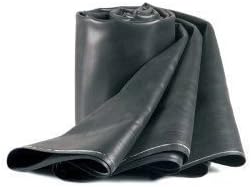
Firestone PondGard EPDM Pond Liner 45 mil, 10 x 10 ft
| Material | EPDM |
|---|---|
| Thickness | 45 mil |
| Fish safe | Yes |
| Sheet size | 10' x 10' |
The Firestone PondGard 45 mil EPDM liner is a heavy-duty, fish-safe liner intended as the waterproof foundation for small backyard ponds. It is typically used to line excavated ponds or preformed shells up to roughly 6 x 6 ft, providing a flexible, puncture-resistant barrier that tolerates normal pond installation and landscaping. Notable features include the 45 mil thickness favored by contractors for durability and the EPDM rubber formulation that stays pliable in a range of temperatures. Practical benefits are straightforward: long-lasting performance that resists tearing, a smooth material that is easy to shape around edges and features, and suitability for fish and plants without harmful additives. Limitations are its fixed flat sheet size and the need for careful underlayment and seam overlap when installing larger or irregular ponds, so professional installation or careful DIY preparation is advisable. For reliability-focused buyers this liner delivers a proven, contractor-grade membrane that reduces the risk of leaks over cheaper thin liners.
Best for: Buyers who prioritize long-term reliability and want a contractor-grade EPDM liner for a small to medium backyard pond or water garden and are prepared to install or hire proper installation.
Less Ideal for: Casual gardeners who want a plug-and-play preformed pond or those who need an exact custom-cut liner for large or unusually shaped ponds without seams.
- 45 mil EPDM offers high puncture and tear resistance compared with thin liners
- Formulation is fish safe, suitable for ponds with fish and aquatic plants
- Flexible and pliable for shaping around features and edges during installation
- Well-regarded contractor-grade material trusted for long-term waterproofing
- Supplied as a flat 10 x 10 ft sheet so larger or complex ponds require seams or multiple pieces
- Requires proper underlayment and careful installation to avoid damage during placement
Verdict: Choose this EPDM PondGard liner when you want a dependable, contractor-grade membrane that minimizes leak risk for a small backyard pond.
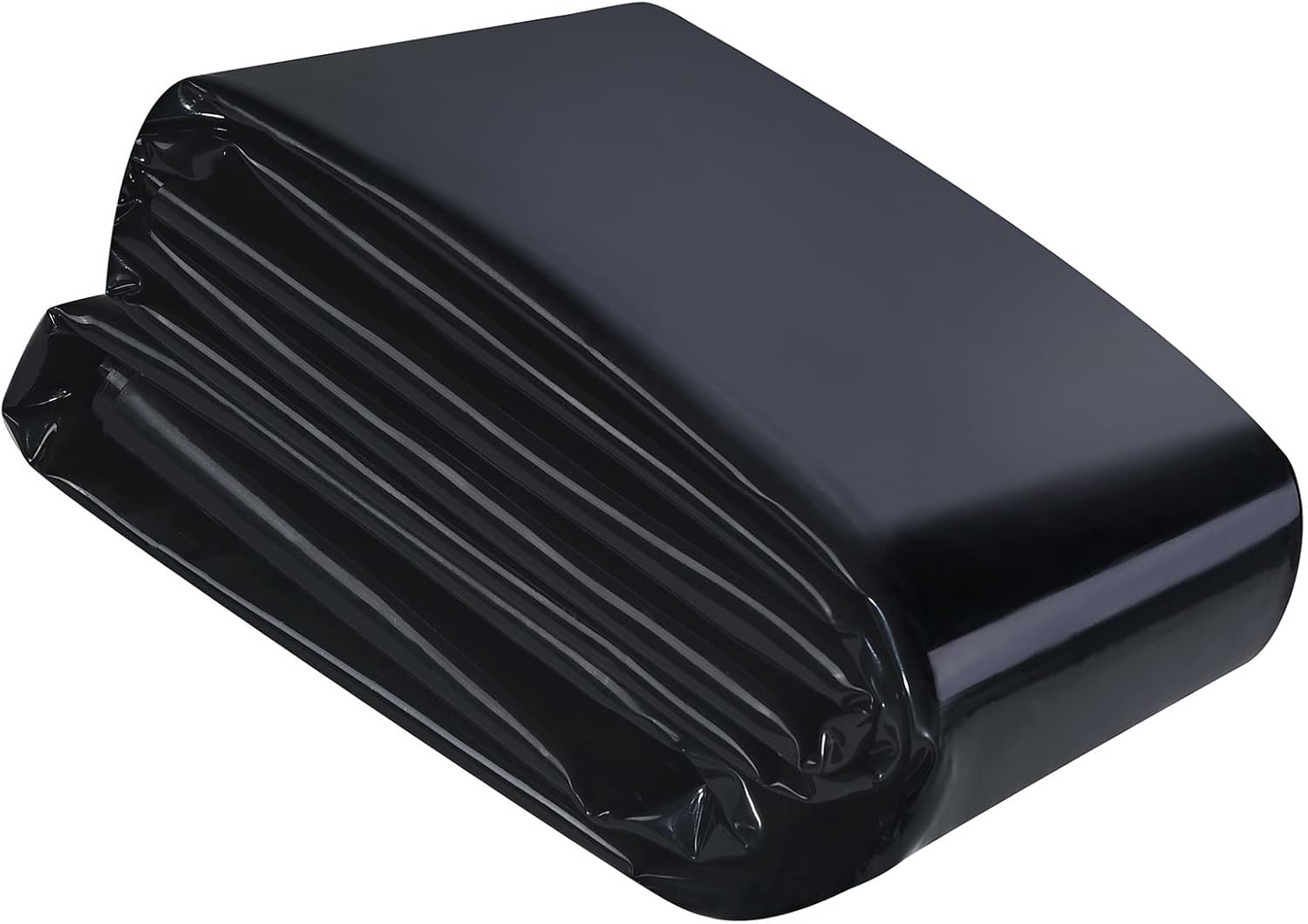
UWIOFF 20 mil HDPE Pond Liner, 10 x 13 ft
| Thickness | 20 Mil |
|---|---|
| Material | HDPE |
| Intended use | Outdoor ponds, waterfalls, water features |
| Safe for | Fish and plants |
This UWIOFF 20 mil HDPE pond liner is a heavy-duty, flexible sheet intended to form the watertight base of backyard ponds, waterfalls, or raised water features. Typical use is to cut the oversize sheet to shape, lay it over a prepared bed with underlayment, and secure the edges with stones or edging. The 20 mil thickness and HDPE material mean it resists UV exposure, punctures, and aging better than thinner LDPE sheets, so it suits installations with fish and aquatic plants. It provides a smooth, low-soil-accumulation surface that is easy to clean and helps keep groundwater and soil from contaminating the pond. The liner is available in multiple sizes so you can pick a panel close to your pond footprint or seam pieces together for larger ponds. Important limitations are that large installations require careful underlayment and seam work to avoid tears and leaks and that HDPE is less forgiving around sharp rocks or roots, so site prep matters for longevity.
Best for: Buyers who want a robust, longer-lasting pond liner and who will prepare the site properly or hire installation help for a reliable water feature.
Less Ideal for: If you need a ready-made rigid pond shell or plan quick installs over rough ground without prep, choose a molded pond or thicker professional installation instead.
- 20 mil HDPE construction offers stronger UV and puncture resistance than typical thin liners
- Smooth surface reduces soil accumulation and simplifies cleaning
- Available in multiple pre-cut sizes so you can choose a close fit or seam for larger ponds
- Suitable for fish and aquatic plants when installed with proper underlayment
- Requires careful ground preparation and underlayment to prevent punctures from rocks or roots
- Seaming multiple sheets for very large ponds adds complexity and needs proper technique
Verdict: Choose this 20 mil HDPE liner when you want a durable, UV- and puncture-resistant base for a backyard pond that will last with proper site preparation.
Choosing the Right Pond Liner for Turtles: Key Factors to Consider
Puncture and Tear Resistance
Turtles have claws and rough shells that can press, scratch, and tear at liner surfaces repeatedly. A liner with higher puncture and tear resistance reduces the chance of leaks and the need for frequent patching. Look for thicker gauges or reinforced constructions that distribute point loads and resist cutting from sharp edges. In practice, a few millimeters of extra thickness can make a major difference when turtles hop in and out or when you have rock shelves and logs inside the pond.
Also consider how the liner behaves under tension. Some flexible liners can stretch and blunt the force of a puncture, while rigid sheets might split when stressed. The surrounding installation technique, such as using protective underlayment in contact zones and smoothing sharp rocks, also directly affects how well a liner resists damage over time.
Material Safety and Chemical Stability
Because turtles are in constant contact with the water and sometimes will chew or nibble at edges, the liner material should be chemically stable and low in leachable additives. Avoid materials known to contain softening plasticizers that can migrate into the water. Prefer inert polymers or vulcanized rubbers with documented resistance to breakdown in sunlight and freshwater.
Material safety also affects amphibians, plants, and water quality in the pond. Even trace chemical leaching can harm sensitive plants or biofilms that contribute to a healthy pond ecology. Confirming that a liner material is marketed for potable or food-contact applications is a practical proxy for lower risk, but always follow local guidance on suitable materials for wildlife habitats.
UV Resistance and Long-Term Weathering
Outdoor turtle ponds are exposed to UV light, temperature swings, and seasonal wet-dry cycles. Over time UV exposure can embrittle some liners, making them brittle and more likely to crack when turtles move. Choose liners formulated with UV stabilizers or those with proven weather-resistant polymers to extend service life.
Consider climate when evaluating UV needs. In hot, high-sun locations a UV-stable liner is essential; in shaded or temperate sites longevity demands are lower but freeze-thaw resilience becomes more important. Maintenance habits such as keeping edges shaded and preventing pond isolation in full sun also help prolong liner life.
Ease of Installation and Repair
A liner that is easy to shape, weld, or patch saves time and reduces installation errors. For turtles you will often form shallow basking shelves, gentle slopes, and hiding spots which require flexible materials that conform without creasing. Materials that accept common repair methods-adhesive patches, heat welding, or mechanical clamps-are preferable so you can fix small tears quickly.
Accessibility of repair supplies and straightforward patching procedures are practical considerations. If you plan DIY installation, choose a liner with a forgiving installation window and clear instructions. Professional installers may accept more rigid options if they guarantee clean seams and welding.
Edge Detailing and Anchor Options
How the liner is anchored and finished at the pond perimeter affects both durability and turtle safety. Sharp folded edges or exposed cut edges can abrade turtle feet, while poorly anchored liners can slip and expose weak spots. Look at how the liner performs with rocks, soil covers, or timber edging and whether it can be secured with pegs, trenching, or concrete curbs.
Also plan for transitions where liner meets hardscape features like waterfalls or stone shelves. Edge-friendly installations use protective underlayers, folded seams, and gentle beading to prevent turtles from catching claws on edges and to minimize direct wear on the liner itself.
Thickness and Flexibility Balance
Thickness is often equated with durability, but overly stiff liners can be hard to shape and may not absorb point loads well. Thicker liners resist punctures but can be less forgiving around contours and may require heavier anchoring. Conversely, thinner liners conform easily but need protective underlay and careful edge management.
Assess how thickness affects installation in your pond design. For complex shapes with shelves and waterfalls, a more flexible mid-gauge liner can be easier to install and still provide solid protection when combined with an underlayment in high-wear areas.
Designing Turtle-Friendly Pond Shelves and Banks
Turtles need gradual entry points and solid basking shelves. When shaping shelves, pad the contact area with a protective underlayment before laying the liner. This prevents sharp rocks and compacted soil from transferring pressure directly to the liner.
Create gentle slopes rather than vertical drop-offs. A slope reduces the chance of an animal catching a claw and ripping the liner. Integrate flat, stable basking spots that are well anchored so turtles can climb without shifting the liner.
- Use soft-edged rocks or timber to create gradual transitions.
- Reserve deeper sections for swimming and shallow shelves for basking.
- Secure shelves with buried edges rather than loose rocks that can move.
Preparing the Site Before Liner Installation
Site prep makes the difference between an unreliable liner and a long-lived pond. Remove sharp debris, roots, and stumps. Level or bench terraces where necessary so the liner will sit smoothly without high spots beneath it.
Lay a non-woven underlayment to protect the liner from punctures caused by stones or root regrowth. In high-traffic contact zones consider additional cushion layers or geotextile fabric to prolong liner life.
- Clear a slightly larger area than the liner to allow anchoring and trimming.
- Keep a shallow perimeter trench for burying and securing edges.
- Mark and build any fixed features before the liner goes in.
Edge Finishing, Burying, and Hiding Seams
How you finish the perimeter alters both safety and appearance. Burying the liner in a trench and covering with soil or rocks creates a tidy edge while protecting it from UV and animal interference. Avoid leaving rough cut edges exposed where turtles can snag their claws.
When hiding seams or overlaps, use underlay and mechanical anchors or backfill with fine soil to prevent movement. Naturalistic edging such as planted banks or flat stones gives turtles a secure landing area and keeps the liner out of direct sunlight.
- Fold and overlap seam areas away from high-wear zones.
- Anchor edges with landscape staples or buried trenching rather than temporary weights.
- Keep cover materials free of sharp fragments that could abrade the liner.
Maintaining Water Quality with a Linered Turtle Pond
Linings influence filtration and water exchange decisions. Because turtles generate high organic loads, plan for adequate skimming, biological filtration, and partial water changes to avoid overloading the pond. Ensure the liner area allows installation of filters and pumps without compromising the sealed surface.
Regular inspection of the liner at the waterline and around details such as skimmer flanges, pipe penetrations, and waterfalls is essential. Catching small abrasions early lets you patch before leaks develop and keeps the habitat safe.
- Install pipe penetrations with proper collars and adhesive-rated seals.
- Monitor water clarity and test basic parameters regularly.
- Keep vegetation trimmed so roots do not undermine anchored edges.
Repairing Tears and Punctures in the Field
Minor tears are inevitable. Carry an appropriate patch kit and learn the recommended repair method for your liner material. Surface cleaning, proper adhesive, and adequately sized patches make field repairs durable.
For larger damage or seam failures, consider professional welding or replacement of a pond section. Temporary patches can buy time but plan a full repair during low-season or when the pond can be drained safely.
- Match patch material to liner composition for best adhesion.
- Keep a small roll of underlayment and extra fasteners on hand.
- Document repairs and check them periodically for integrity.
How We Chose the Best Pond Liner for Turtles
We focused on attributes that matter most when a pond will house turtles. First, puncture and abrasion resistance were weighted heavily because turtles have sharp claws and can repeatedly rub against edges. Second, material safety was required: we prioritized liners made from inert polymers or physically stable synthetic rubbers with no known toxic plasticizers. Third, ease of installation and repair matter to gardeners who may shape liners around shallow shelves, banks, and rocks. Fourth, UV and weather resistance was considered to ensure the liner endures seasonal sun exposure without rapid embrittlement. Fifth, edge-securing options and compatibility with underlayment or protective layers were checked since proper edging reduces direct wear on the liner. We excluded thin ornamental pond films and products intended only for temporary water features because those materials do not survive turtle activity. We also excluded liners that rely on coatings or surface treatments that can wear off and potentially contaminate the water. The final selections emphasize durable construction, safe material chemistry, installation practicality, and long-term resistance to mechanical damage, aligning with the scoring metrics used below.
FAQ
Can turtles damage any pond liner, and how can I prevent it?
Turtles can damage thin or poorly protected liners by clawing or rubbing against sharp edges. Prevent damage by using a puncture-resistant liner, adding underlayment in contact zones, smoothing or padding rock edges, and burying or covering the perimeter to reduce exposed wear points.
Is one liner material safer for turtles than another?
Some materials are more chemically stable and less likely to leach additives, which is preferable for turtles. In general, choose liners formulated for aquatic use with low migratory plasticizers or those specified as safe for potable or wildlife applications. Material safety often depends on manufacturer formulation and local regulations.
How thick should a liner be for a turtle pond?
Thickness needs balance. Thicker liners typically resist punctures better but may be harder to shape around shelves. Mid-gauge liners combined with protective underlayment often provide the best compromise for ponds with complex contours and active turtles. The ideal thickness depends on pond design and expected wear.
Can I install a liner myself, or should I hire a pro?
DIY installation is possible for straightforward ponds if you have basic landscaping skills and the right tools. More complex designs, large sizes, or those requiring welded seams may benefit from a professional to ensure proper seams and secure edge anchoring. Consider your comfort level with shaping, patching, and plumbing before deciding.
How do I handle plumbing and skimmers with a liner?
Use proper collars, grommets, or flange fittings rated for the liner material, and seal penetrations with compatible adhesives or welded collars. Plan these penetrations during installation so they are supported by underlying material and accessible for future maintenance.
What maintenance helps prolong liner life in a turtle pond?
Regularly inspect edges, seam areas, and zones around rock features for abrasion. Keep a stable water level to reduce repeated wetting and drying at the same spots, protect exposed liner from prolonged sun, and address repairs promptly. Managing vegetation and avoiding sharp decor also extends the liner lifespan.
Final Verdict
Choosing a pond liner for turtles means prioritizing durability, material safety, and practical installation details. Balance puncture resistance with the flexibility needed to form shelves and transitions, and always protect high-wear zones with underlayment or padding. Pay attention to edge finishing and planned penetrations so turtles cannot snag or damage the liner. In the end, pick a solution that matches your pond complexity and maintenance willingness. Prioritize liners that are chemically stable, UV resistant, and compatible with straightforward repair methods so you can maintain a safe, long-lasting habitat for your turtles.
