

Note: This article contains affiliate links. If you click on these links and make a purchase, I may earn a small commission at no extra cost to you. This helps support my research and content. Read my full affiliate disclosure here.
Choosing the right pond liner for koi matters more than you might expect. Koi are large, long-lived fish with strong swimming habits and heavy bioloads, so a liner that resists punctures, holds up to UV exposure, and does not leach harmful chemicals is essential. This guide covers six shortlisted pond liners for koi, selected for durability, fish safety, and ease of installation. We'll explain the practical differences in materials and thickness, what installation looks like in real yards or patios, and the maintenance tradeoffs you should expect.
Top Picks at a Glance
| Best Overall The best all-around choice for most situations | Lifeguard 10 ft x 15 ft EPDM Pond Liner, 60-mil |  |
| Best Quality Built to a higher standard if you want something more solid | LifeGuard 20 ft x 20 ft 45-mil EPDM Pond Liner | |
| Best Value The sweet spot between price and what you get | Adroiteet 20 x 20 ft 20 mil HDPE Pond Liner |  |
| Highest Rated A top-rated pick with lots of positive feedback | Firestone PondGard EPDM Pond Liner 45 mil, 10 x 10 ft |  |
| Most Popular A crowd favorite that many people choose with confidence | UWIOFF 20 mil HDPE Pond Liner, 10 x 13 ft |  |
| Best Seller A high-volume bestseller chosen again and again | ToLanbbt HDPE Pond Liner 10 x 13 ft, 20 mil UV-Resistant |  |
Lifeguard 10 ft x 15 ft EPDM Pond Liner, 60-mil

| Material | EPDM rubber |
|---|---|
| Thickness | 60-mil |
| Intended use | Ponds, waterfalls, aquaponic systems |
| Fish safe | Certified safe for fish and wildlife |
| Manufacturer | Anjon Manufacturing |
This Lifeguard 10 x 15 ft EPDM liner is a thick, professional-grade rubber sheet intended for building small to mid-size koi ponds and demanding water features. The 60-mil EPDM provides strong puncture, UV, and weather resistance while remaining flexible enough to form shelves, contours, and streambeds during installation. It is marketed as safe for fish and wildlife and is suited to heavy-use applications like koi ponds or retention basins where durability matters. Typical use involves shaping the liner into an excavated pond, securing edges, and covering with protective underlay and stone; its flexibility makes fitting around irregular shapes straightforward but the weight and thickness mean it is less forgiving when handling and may require two people to position. The liner avoids plasticizers so it stays flexible in cold weather, though thicker EPDM can be harder to manipulate than thinner options. For buyers who want a long-lived, fish-safe liner for a sturdy koi setup, this delivers the robustness needed, while installers should plan for handling and proper underlayment to protect the material from sharp substrate.
Best for: Buyers who want a durable, fish-safe liner for building or upgrading a koi pond and who prioritize longevity and resistance over easy solo handling.
Less Ideal for: People installing very small decorative bowls or those who need a lightweight, easy-to-handle temporary liner should consider thinner or preformed alternatives.
- 60-mil EPDM offers high puncture and UV resistance for long service life
- Designed and certified safe for fish and wildlife, suitable for koi ponds
- Flexible enough to conform to shelves, contours, and complex shapes
- No plasticizers so the material remains flexible in cold weather
- Thick, heavy sheet can be difficult to position alone and may require two people
- Requires protective underlayment and careful substrate preparation to avoid punctures
Verdict: Buy this liner if you need a tough, fish-safe EPDM sheet built to last in a serious koi pond.
LifeGuard 20 ft x 20 ft 45-mil EPDM Pond Liner
| Thickness | 45 Mil (0.045 in) |
|---|---|
| Material | EPDM rubber |
| Life Expectancy | 25 Years |
| Fish Safe Certification | Certified by Guardian Systems, Inc. |
This LifeGuard 45-mil EPDM pond liner is built for long-term, performance-minded pond projects such as koi ponds, water gardens, and waterfalls. The thick EPDM rubber is highly flexible and conforms to shelves and curves, making layout and seam work straightforward for both DIYers and professional installers. Its formulation resists UV, ozone, freeze-thaw cycles, and common solvents, so it stays flexible rather than becoming brittle like many vinyl alternatives. The liner is certified fish and wildlife safe and accepts pipe and hose penetrations without leaking when properly installed, which is important for skimmers, drains, and filter attachments. Practical benefits include strong puncture and tear resistance and an expected service life measured in decades when exposed or covered. Limitations are that large boxed liners are heavy to handle and require careful underlayment and anchoring to protect against damage during installation, and professional seaming tools or help may be needed for larger ponds to ensure watertight joins.
Best for: Buyers building or upgrading koi ponds or serious water features who prioritize longevity, material performance, and fish safety and who are prepared to plan installation carefully or hire installer help.
Less Ideal for: Small, temporary water features or users seeking a very low-effort, ready-made pond solution; not the best choice for someone unwilling to use underlayment or learn basic seaming and anchoring.
- 45-mil EPDM formulation offers high UV, ozone, and weather resistance
- Certified fish and wildlife safe for koi and other aquatic life
- Flexible material conforms to shelves, curves and waterfalls for easier shaping
- High puncture and tear resistance suitable for rocky or planted ponds
- Large liner is heavy and can be difficult to maneuver alone during installation
- Professional seaming or careful technique required for reliable large-area joins
Verdict: A heavy-duty, fish-safe EPDM liner that delivers durable, long-lived performance for serious koi ponds and professionally built water features.
Adroiteet 20 x 20 ft 20 mil HDPE Pond Liner

| Material | HDPE |
|---|---|
| Thickness | 20 mil |
| Intended use | Ponds, koi ponds, fountains, waterfalls |
| UV protection | Yes |
This Adroiteet pond liner is a heavy-duty HDPE sheet sized for medium to large backyard ponds and water features. The 20 mil thickness and HDPE construction aim to resist punctures and tears while providing a relatively stiff, low-stretch surface that is more leak-resistant than thin LDPE liners. It is UV protected, which helps slow degradation from sun exposure, and the material is straightforward to fit into irregular-shaped excavations because the sheet is soft enough to conform when eased in. Typical use is lining a dug pond, koi basin, or waterfall reservoir where long-term durability and minimal seepage are priorities. Practical benefits include easier cleaning because it creates a smooth, impermeable surface and reduced soil contamination of pond water. Important limitations are that HDPE is less flexible than some alternatives for very complex liner shapes and edging, and a 20 mil thickness, while robust, still requires careful ground preparation and protective underlay in rocky soils to avoid damage during installation.
Best for: Gardeners who want a durable, low-maintenance liner for a medium to large backyard pond or water feature and prioritize longevity over maximum flexibility.
Less Ideal for: If you need an ultra-flexible liner for many tight contours or prefer a very thick commercial geomembrane for heavy industrial use, this product is not the best match.
- 20 mil HDPE material offers strong puncture and tear resistance compared with thin LDPE liners
- UV protection reduces sun-related degradation for longer outdoor life
- Large 20 x 20 ft size covers medium to large pond footprints without seams
- Smooth, impermeable surface simplifies cleaning and helps prevent soil contamination
- HDPE is stiffer than some flexible EPDM liners, making tight corners and complex shapes harder to form
- Requires careful ground preparation and a protective underlay in rocky or root-prone sites to avoid punctures
Verdict: Choose this HDPE 20 mil liner when you want a robust, UV-resistant pond liner that favors long-term durability and cleaner water over extreme flexibility.
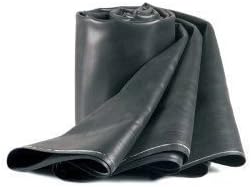
Firestone PondGard EPDM Pond Liner 45 mil, 10 x 10 ft
| Material | EPDM |
|---|---|
| Thickness | 45 mil |
| Fish safe | Yes |
| Sheet size | 10' x 10' |
The Firestone PondGard 45 mil EPDM liner is a heavy-duty, fish-safe liner intended as the waterproof foundation for small backyard ponds. It is typically used to line excavated ponds or preformed shells up to roughly 6 x 6 ft, providing a flexible, puncture-resistant barrier that tolerates normal pond installation and landscaping. Notable features include the 45 mil thickness favored by contractors for durability and the EPDM rubber formulation that stays pliable in a range of temperatures. Practical benefits are straightforward: long-lasting performance that resists tearing, a smooth material that is easy to shape around edges and features, and suitability for fish and plants without harmful additives. Limitations are its fixed flat sheet size and the need for careful underlayment and seam overlap when installing larger or irregular ponds, so professional installation or careful DIY preparation is advisable. For reliability-focused buyers this liner delivers a proven, contractor-grade membrane that reduces the risk of leaks over cheaper thin liners.
Best for: Buyers who prioritize long-term reliability and want a contractor-grade EPDM liner for a small to medium backyard pond or water garden and are prepared to install or hire proper installation.
Less Ideal for: Casual gardeners who want a plug-and-play preformed pond or those who need an exact custom-cut liner for large or unusually shaped ponds without seams.
- 45 mil EPDM offers high puncture and tear resistance compared with thin liners
- Formulation is fish safe, suitable for ponds with fish and aquatic plants
- Flexible and pliable for shaping around features and edges during installation
- Well-regarded contractor-grade material trusted for long-term waterproofing
- Supplied as a flat 10 x 10 ft sheet so larger or complex ponds require seams or multiple pieces
- Requires proper underlayment and careful installation to avoid damage during placement
Verdict: Choose this EPDM PondGard liner when you want a dependable, contractor-grade membrane that minimizes leak risk for a small backyard pond.
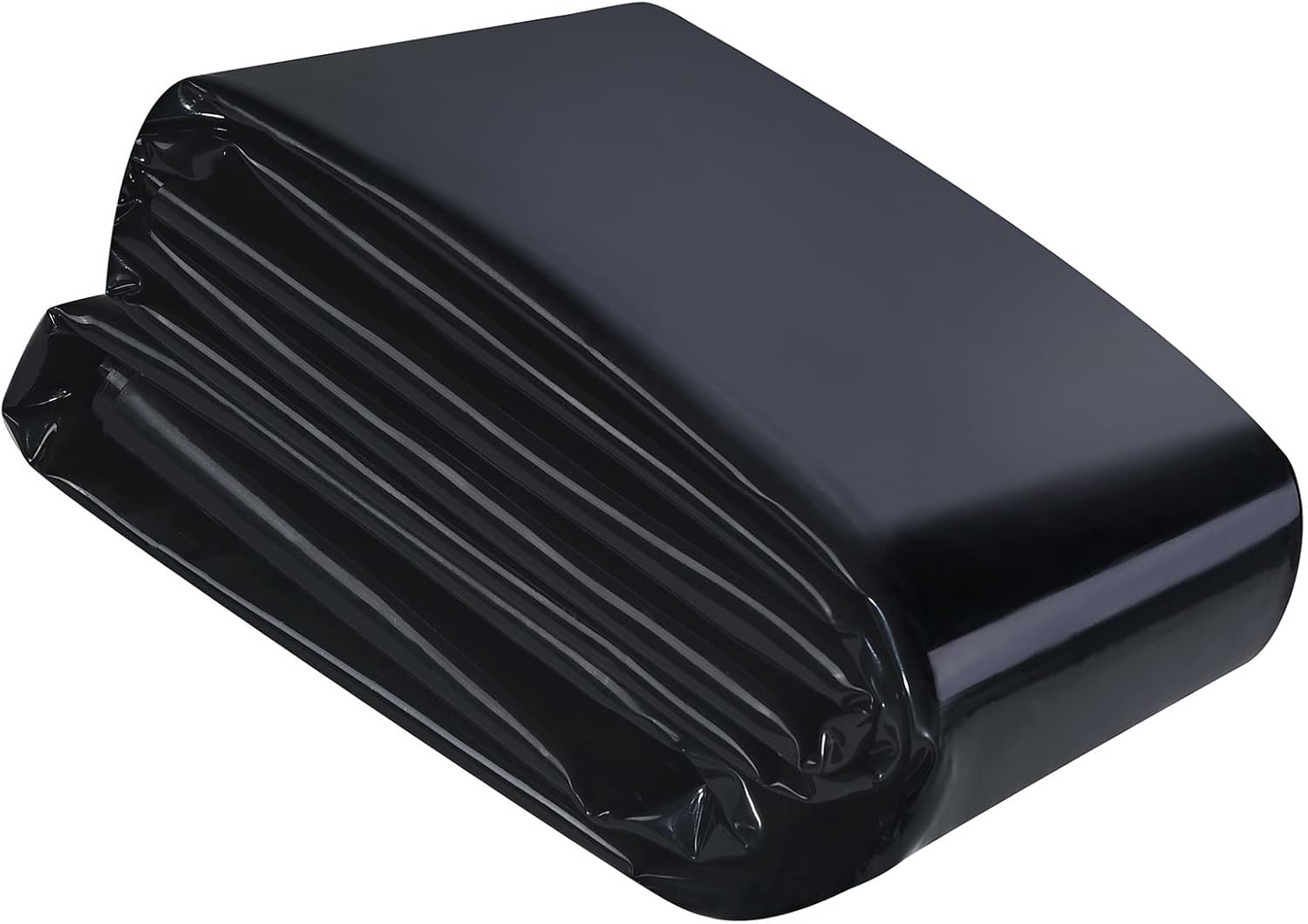
UWIOFF 20 mil HDPE Pond Liner, 10 x 13 ft
| Thickness | 20 Mil |
|---|---|
| Material | HDPE |
| Intended use | Outdoor ponds, waterfalls, water features |
| Safe for | Fish and plants |
This UWIOFF 20 mil HDPE pond liner is a heavy-duty, flexible sheet intended to form the watertight base of backyard ponds, waterfalls, or raised water features. Typical use is to cut the oversize sheet to shape, lay it over a prepared bed with underlayment, and secure the edges with stones or edging. The 20 mil thickness and HDPE material mean it resists UV exposure, punctures, and aging better than thinner LDPE sheets, so it suits installations with fish and aquatic plants. It provides a smooth, low-soil-accumulation surface that is easy to clean and helps keep groundwater and soil from contaminating the pond. The liner is available in multiple sizes so you can pick a panel close to your pond footprint or seam pieces together for larger ponds. Important limitations are that large installations require careful underlayment and seam work to avoid tears and leaks and that HDPE is less forgiving around sharp rocks or roots, so site prep matters for longevity.
Best for: Buyers who want a robust, longer-lasting pond liner and who will prepare the site properly or hire installation help for a reliable water feature.
Less Ideal for: If you need a ready-made rigid pond shell or plan quick installs over rough ground without prep, choose a molded pond or thicker professional installation instead.
- 20 mil HDPE construction offers stronger UV and puncture resistance than typical thin liners
- Smooth surface reduces soil accumulation and simplifies cleaning
- Available in multiple pre-cut sizes so you can choose a close fit or seam for larger ponds
- Suitable for fish and aquatic plants when installed with proper underlayment
- Requires careful ground preparation and underlayment to prevent punctures from rocks or roots
- Seaming multiple sheets for very large ponds adds complexity and needs proper technique
Verdict: Choose this 20 mil HDPE liner when you want a durable, UV- and puncture-resistant base for a backyard pond that will last with proper site preparation.
ToLanbbt HDPE Pond Liner 10 x 13 ft, 20 mil UV-Resistant

| Material | HDPE |
|---|---|
| Thickness | 20 Mil |
| Size | 10 x 13 Feet |
| UV resistance | Yes |
This ToLanbbt HDPE pond liner is a straightforward solution for building or relining small to medium backyard water features. Made from 20 mil HDPE, it is described as UV and puncture resistant with good tear strength and flexibility, so it stretches around corners and can be trimmed to fit irregular shapes. Typical use is laying the sheet over a cleared, smoothed basin with an underlayment or pebbles to protect it from sharp stones, then filling to create a leak-proof pond for fish, fountains or waterfalls. Practical benefits include lightweight handling for one- or two-person installs, chemical-safe material for aquatic life, and easy cutting to size. Important limitations are that a 20 mil HDPE sheet is thinner than heavy-duty EPDM options, so it needs careful preparation of the base and protective underlayment to avoid punctures; seams or repairs may require compatible adhesives or patches that are not included. The liner is best for hobbyist projects where ease of shaping and UV resistance are priorities rather than industrial-grade durability.
Best for: Buyers who prioritize a reliable, easy-to-handle liner for backyard ponds and water gardens and who will prepare a smooth, protected base before installation.
Less Ideal for: People planning high-traffic installations, large commercial ponds, or those unwilling to add underlayment and protective layers should consider heavier-duty alternatives.
- 20 mil HDPE offers a balance of flexibility and puncture resistance for garden ponds
- UV-resistant material suitable for prolonged outdoor exposure
- Easy to cut and shape to fit irregular pond layouts
- Lightweight for easier handling during installation
- Material stated as safe for aquatic life
- Thinner than heavy-duty liners so more vulnerable to sharp objects without underlayment
- No seam tape or patch kit included for repairs or joins
Verdict: A lightweight, UV-resistant 20 mil HDPE liner that makes shaping and installing a small garden pond simple while protecting aquatic life.
Choosing the Right Pond Liner for Koi: Key Factors to Consider
Material Type and Chemical Safety
The material a pond liner is made from determines both longevity and how safe it is for koi. Common materials include EPDM rubber, PVC, and reinforced butyl or HDPE blends. Each material behaves differently in sunlight, cold, and contact with pond treatments or substrates.
Fish are sensitive to leachates and to rapid changes in water chemistry. Choose liners with clear material specifications and that are marketed as non-toxic for aquatic life. If you plan to use fertilizers, plant supplements, or certain algaecides, pick a liner with proven chemical resistance and stable pH interaction to avoid unexpected water chemistry shifts.
Thickness and Resistance to Punctures
Thickness correlates with how well a liner resists punctures from rocks, roots, and curious koi during landscaping work. Thicker liners are generally more durable, but they are also heavier and can be harder to conform to complex pond shapes.
Consider the installation environment: a pond dug in rocky or root-filled soil benefits from a heavier gauge liner and a quality underlayment. For patios or raised containers, thicker liners reduce the risk of accidental tears during planting or maintenance. Balance thickness with the handling capacity you have during installation.
UV Stability and Weather Longevity
Sunlight and temperature swings are primary drivers of liner degradation. UV-resistant formulations and stabilizers slow down cracking, brittleness, and loss of elasticity. A liner exposed to full sun year-round needs stronger UV protection than one shaded by trees or structures.
Cold climates add another stress: liners should retain flexibility at low temperatures to avoid splitting. If your pond will be partially drained seasonally, pick a liner that tolerates repeated expansion and contraction without stress fractures.
Ease of Installation and Repairability
How simple a liner is to install affects labor time and the quality of the finished pond. Flexible liners that drape and conform to shelves and irregular bottoms make shaping easier for one or two people. Some materials can be seamed or patched with standard adhesives; others require heat-welding or specialized tapes.
Also consider access for future repairs. If you anticipate moving rocks or adding features later, choose a liner that can be patched reliably with common pond repair supplies so small tears do not become large problems.
Compatibility with Underlayment and Substrate
Underlayment protects the liner from punctures and helps distribute stress. Not all liners pair equally with every underlayment material. Some underlayments compress better and cushion coarse soils, while others are designed for flat, paved bases.
Evaluate the soil or base you'll place under the liner and choose an underlayment that complements the liner material. This combination extends liner life and reduces the chance of localized abrasion where rocks or edging contact the liner.
Flexibility for Pond Shape and Size
Koi ponds often have shelves for plants, varied depths, and irregular shorelines. A liner that is too stiff will resist forming these features cleanly, producing folds that can trap debris or accelerate wear. More flexible liners conform to complex shapes and allow for deeper pockets without excessive creasing.
If you are building a large pond or a pond with multiple depths, select a liner with enough tensile strength to span deep areas while remaining pliable enough for shelves and steps.
Choosing the Right Underlayment
Underlayment is the unsung hero of a koi pond build. It cushions the liner from sharp stones and roots and evens out minor irregularities in the soil. Felt-style underlayments are common for garden ponds because they compress and conform; closed-cell foam pads offer extra puncture resistance under specific pressure points.
When installing, lay underlayment continuously with overlaps where needed and trim only after the liner is in place. For heavy clay or rocky soils, use a thicker underlayment layer and check for any protruding stones before you lower the liner into the excavation.
- Use an underlayment that matches your soil conditions
- Avoid thin tarps as they offer little protection
- Check for debris after digging and before placing the liner
Preparing the Pond Excavation
Good groundwork simplifies liner placement. Remove roots and large stones, tamp down sharp edges around steps and shelves, and create smooth transitions between depths. Make deliberate, shallow slopes to discourage erosion beneath the liner.
Measure twice and allow extra material for overlap at the edges. A little excess liner at the perimeter makes anchoring and future repairs easier; a liner pulled too tight can transmit stress to seams and edges when water levels fluctuate.
- Smooth shelf edges to prevent chafing
- Leave extra liner at the top for secure anchoring
- Test-fit the liner to confirm reach across deepest points
Anchoring and Edge Finishing Techniques
Secure edging preserves aesthetic appearance and protects the liner against wind and wildlife. Common methods include burying the liner edge in a trench, using rock edging, or installing coping stones. Choose a method that keeps pressure distributed rather than pinching the liner.
When burying the liner, ensure soil used to backfill is free of sharp debris. If using stones, place a layer of underlayment or protective mat where heavier rocks sit to avoid pressure points that could compromise the liner over time.
- Distribute weight at the edge with underlayment under heavy rocks
- Burying liner edges offers the cleanest visual finish
- Allow a small overlap for freeze-thaw movement
Maintenance Practices That Extend Liner Life
Routine maintenance reduces wear. Keep aquatic plants trimmed so roots do not work under the liner edges, and avoid dragging heavy rocks or equipment across the liner surface. Periodically inspect the perimeter and visible sections for signs of abrasion or thinning.
If a small tear appears, patch it promptly with a compatible repair kit. For larger repairs, consider partial lifts to access and stabilize the area properly. Regular water quality management also reduces chemical stressors that could affect certain liner formulations.
- Inspect seams and edges seasonally
- Use compatible patch kits for small repairs
- Avoid mechanical abrasion from equipment and decor
Design Considerations for Koi Welfare
Koi need stable water quality, adequate depth, and enough surface area to support oxygen exchange and filtration. Liner selection affects these design choices because some materials allow simpler installation of in-pond filtration features or integrated overflow channels.
Plan for adequate depth to buffer temperature swings and to give koi room to grow. Include gently sloped banks for easier maintenance and locate filtration intakes where liner access is straightforward for cleaning and repairs.
- Size pond for adult koi, not juvenile size
- Reserve access zones for skimming and skirting
- Place filtration where liner patches are accessible
How We Chose the Best Pond Liner for Koi
We focused on attributes that matter to koi keepers and pond builders rather than marketing claims. Primary evaluation criteria included material type and chemical safety, thickness and puncture resistance, UV and weather durability, installation practicality for small to large ponds, and long-term maintainability in garden conditions. We checked compatibility with common pond underlayment and anchoring methods and considered flexibility for irregular shapes and step shelves used by koi ponds. Products were excluded if they lacked clear material composition information, did not specify thickness, or were designed only for decorative shallow ponds rather than fish-holding applications. We also excluded liners that required specialized adhesives or welding tools beyond standard pond-building practices. The final shortlist balances real-world installation needs, fish health considerations, and longevity in exposed outdoor settings.
FAQ
What liner thickness is suitable for a backyard koi pond?
Thickness depends on site conditions. For most backyard koi ponds, a heavier gauge liner reduces puncture risk, especially over uneven soil. If the site is well-protected and underlayment is high quality, slightly thinner liners can work, but thicker liners provide greater long-term durability.
Can I install a koi pond liner by myself?
You can install some liners solo, particularly for smaller ponds, but larger liners are heavy and more manageable with two people. The complexity of the pond shape and the need to avoid folds on shelves often make a helper useful for a cleaner installation.
How do I patch a tear in a koi pond liner?
Small tears can usually be repaired with a manufacturer-compatible patch kit or adhesive designed for the liner material. Clean and dry the area before applying the patch and use underlayment support where possible. Larger or complicated tears may require lifting a section of the liner to access and repair safely.
Is UV exposure a major concern for pond liners?
Yes, UV exposure shortens liner life by breaking down polymers. Choose a liner with UV stabilization if the pond will be in full sun. Partial shade helps, but long-term exposure without UV protection increases the risk of cracking and embrittlement.
Do pond liners affect water chemistry for koi?
Some liners can leach chemicals when new, so picking a liner specified as fish-safe reduces risk. Rinsing or cycling a new liner before introducing fish and monitoring water chemistry in the first weeks helps detect any unexpected changes.
Should I use welded seams or adhesive patches for repairs?
Welded seams are more durable long-term but require specialized tools and skill. Adhesive patches are practical for on-site repairs and smaller jobs. Choose repair methods compatible with the liner material and consider professional seam welding for large or load-bearing joins.
Final Verdict
For koi ponds, prioritize material safety, adequate thickness, and UV-stable construction. The right liner and underlayment combination reduces the chance of punctures and chemical interactions, while flexible materials simplify shaping shelves and depths. Balance ease of installation against long-term durability based on your site conditions and maintenance ability. Ultimately, choose a liner that matches your pond size, soil conditions, and long-term maintenance plan. Focus on fish-safe materials and reliable repairability so you can keep the pond healthy and secure for koi over many seasons.
