

Note: This article contains affiliate links. If you click on these links and make a purchase, I may earn a small commission at no extra cost to you. This helps support my research and content. Read my full affiliate disclosure here.
A sunny porch is an opportunity to grow bold color and durable foliage in containers and hanging baskets. Choosing the right porch plants for full sun matters because intense light and raised heat change how often you water, which soils perform best, and what pruning or shade you might need. This guide shortlists the top seven porch plants for full sun that suit containers, hanging baskets, and front-step displays. We evaluated options for sun tolerance, container performance, and maintenance needs so you can pick plants that thrive in bright, hot conditions. Below are the top-rated selections and the criteria used to evaluate them, followed by practical advice on care and placement.
Top Picks at a Glance
| Best Overall The best all-around choice for most situations | Plants by Mail Star Jasmine 'Large Leaf' (2.5 Quart) – Evergreen Climbing Vine |  |
| Best Quality Built to a higher standard if you want something more solid | PERFECT PLANTS Frostproof Gardenia Live Plant, 1 Gallon |  |
| Best Value The sweet spot between price and what you get | Perfect Plants Peach Drift Rose, 1 Gallon Live Flower Plant |  |
| Best Budget The cheapest option that still gets the job done reliably | BuggyBeds Double Dwarf Petunia Seeds (300+), Mixed Colors |  |
| Highest Rated A top-rated pick with lots of positive feedback | Ttranewsoo 28-Inch Artificial Agave Plants, Set of 2 |  |
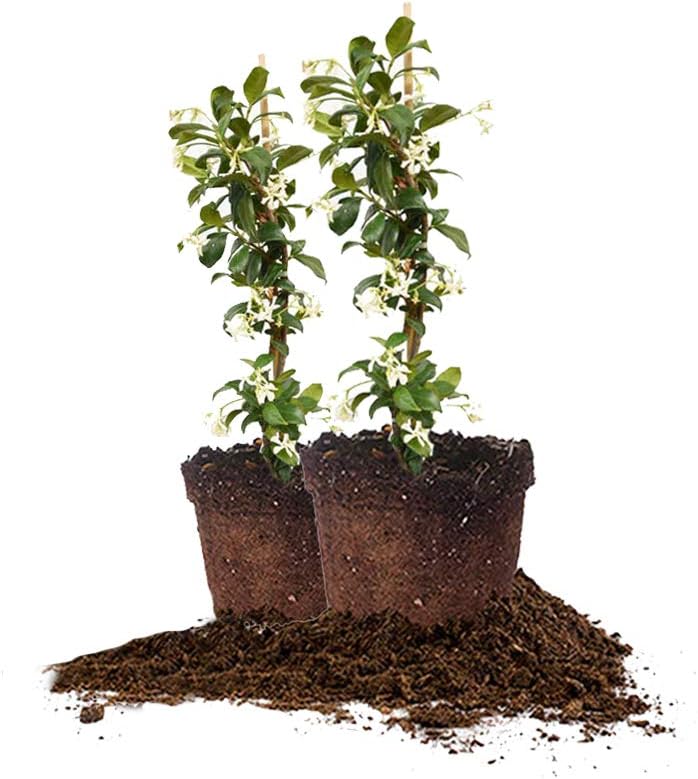
| Most Popular A crowd favorite that many people choose with confidence | Perfect Plants Confederate Jasmine (2-Pack), Star Vine, 1 Gal |  |
| Best Seller A high-volume bestseller chosen again and again | KVITER Mix Moss Rose (Portulaca grandiflora) Heirloom Flower Seeds — Double Moss Rose Mix |  |
Plants by Mail Star Jasmine 'Large Leaf' (2.5 Quart) – Evergreen Climbing Vine

| Expected Blooming Period | Spring to Summer |
|---|---|
| Sunlight Exposure | sun to partial shade |
| USDA Hardiness Zone | 9 |
| Moisture Needs | Moderate Watering |
| Soil Type | Loam Soil |
This large-leaf Star Jasmine is a versatile, fast-growing evergreen vine that is typically used on trellises, arbors, fences, or as a groundcover. It produces clusters of fragrant white, star-shaped flowers in late spring through summer and can be trained to reach tall supports where it will twine and fill in quickly. The plant prefers full sun but tolerates partial shade and benefits from regular watering during its first seasons to establish strong roots. Practical features include vigorous twining habit that makes it easy to train on a trellis and glossy leathery leaves that provide year-round greenery. Expect steady vertical coverage and strong fragrance that attracts pollinators. Limitations to consider are its USDA zone preference (best in warmer climates) and the need for routine watering and occasional pruning after flowering to keep it neat and encourage denser growth. For gardeners wanting a reliable, fragrant climber for sunny trellis sites, this jasmine is a straightforward choice.
Best for: Gardeners who want a reliable, fragrant climber to quickly cover a sunny trellis or fence and value year-round evergreen screening with seasonal blooms.
Less Ideal for: Those in consistently cold climates or gardeners seeking a low-water, drought-tolerant climber should consider alternative species better adapted to cooler or xeric conditions.
- Fast-growing twining habit that quickly covers trellises and fences
- Fragrant clusters of white star-shaped flowers in spring and summer
- Evergreen glossy foliage provides year-round screening
- Tolerates full sun to partial shade and attracts pollinators
- Best suited to warmer USDA zones so may not survive cold winters without protection
- Requires regular watering and occasional pruning to maintain shape and vigor
Verdict: Choose this Star Jasmine when you need a fast, fragrant evergreen climber to quickly fill a full-sun trellis and provide seasonal white blooms.
PERFECT PLANTS Frostproof Gardenia Live Plant, 1 Gallon

| Indoor Outdoor Usage | Outdoor |
|---|---|
| Other Special Features of the Product | Deer Resistant, Fragrant |
| Expected Blooming Period | Summer |
| Sunlight Exposure | Full Sun, Partial Shade |
| Expected Planting Period | Spring |
This 1-gallon Frostproof gardenia is a compact, fragrant shrub intended for outdoor landscape use. It arrives as a live plant with a recommended mature height around 5 feet and is typically planted in mulch beds, as a low hedge, or as an accent near entries where its scent can be enjoyed. Notable features include deer resistance, a history of reliable spring and summer blooms, and included easy-to-use plant food for a simpler start. The plant prefers full sun to partial shade, so it will tolerate some shaded locations but performs best where it receives several hours of direct light. Practical benefits for a cautious buyer are straightforward care, minimal pruning to maintain shape, and an aromatic presence that enhances small gardens or patios. Limitations are that it is sold as a 1-gallon specimen so it will need time to reach mature size, and the product text notes shipping exclusions to a few states which affects availability for some buyers.
Best for: Buyers who want an easy-care, scented shrub for a small garden or patio and prefer reliable, low-maintenance plants that establish steadily rather than instant large specimens.
Less Ideal for: Gardeners seeking an immediate tall screening hedge or a plant for deep, full shade should consider alternative species better suited to dense shade or instant privacy needs.
- Fragrant white blooms that enhance outdoor seating areas during spring and summer
- Deer resistant variety reduces need for protective measures in deer-prone yards
- Includes plant food to simplify initial establishment
- Tolerates partial shade, allowing placement in spots without full sun all day
- Sold as a small 1-gallon plant so it requires time to reach mature size
- Per product notes it does not ship to certain states which limits access for some buyers
Verdict: Choose this gardenia if you want a low-maintenance, fragrant shrub that tolerates some shade and adds seasonal white blooms to small outdoor spaces.
Perfect Plants Peach Drift Rose, 1 Gallon Live Flower Plant

| Indoor Outdoor Usage | Outdoor |
|---|---|
| Sunlight Exposure | Full Sun |
| Other Special Features of the Product | Drought Tolerant |
| Expected Blooming Period | Winter |
| Moisture Needs | Moderate Watering |
The Peach Drift rose is a compact, groundcover-style rose sold as a 1-gallon live plant intended for outdoor planting in full sun. It produces peach-colored blooms for much of the year and is offered with plant food to help establishment. Typical uses are massing along walkways, in pots on sunny patios, or as a low hedging/groundcover where a 1 to 2 foot plant height and spreading habit are desired. Notable features listed are drought tolerance, winter hardiness across multiple USDA zones, and moderate water needs, which together make it forgiving for busy gardeners and suitable for containers that drain well. Practical benefits include long bloom periods, attractive low-maintenance form, and easy placement in full-sun spots. Limitations are that it ships as a small 1-gallon specimen so it will take a season or two to fill a space, and it is not suitable for shady locations or climates outside the listed hardiness zones.
Best for: Buyers who want a low-maintenance, sun-loving container plant or groundcover that provides long-lasting color with minimal fuss and proven customer satisfaction.
Less Ideal for: Gardeners seeking an instant, mature specimen or plants for shady locations should look elsewhere.
- Long bloom period with peach-colored flowers for seasonal interest
- Drought tolerant and winter hardy across several USDA zones for low-maintenance care
- Compact, groundcover growth habit works well in pots or mass plantings
- Includes easy-to-use plant food to support establishment
- Arrives as a 1-gallon plant so it needs time to reach mature spread and height
Verdict: An easy-care, sun-loving rose that delivers long-lasting peach blooms in containers or mass plantings for gardeners who prioritize reliable performance.
BuggyBeds Double Dwarf Petunia Seeds (300+), Mixed Colors

| Indoor Outdoor Usage | Indoor, Outdoor |
|---|---|
| Expected Blooming Period | Summer |
| Sunlight Exposure | Full Sun |
| Moisture Needs | Moderate Watering |
These BuggyBeds double dwarf petunia seeds produce a profusion of compact, colorful blooms well suited to hanging baskets, window boxes, and small container gardens in full sun. They are typically sown indoors or directly in containers, then transplanted or thinned so each plant has room to spill and fill a basket. The mix includes reds, pinks, purples, and whites and is described as heat and sun tolerant, which helps maintain steady flowering through spring and summer with moderate watering and routine feeding. The plants have a compact habit that keeps baskets full without overwhelming small spaces, and their flowers attract pollinators so they add both color and garden life. Limitations are that germination and color distribution can vary seed to seed and that these are a seasonal annual choice that needs replanting each year; performance also depends on good drainage and regular deadheading or trimming for the longest bloom period.
Best for: Gardeners who want an easy, colorful hanging-basket solution for full-sun locations and prefer starting many plants from seed to fill multiple containers affordably.
Less Ideal for: People seeking instant, uniform mature plants or a no-maintenance perennial solution should consider nursery-grown transplants or perennial alternatives instead.
- Large seed count (300+), enough to populate multiple hangers or containers
- Compact double-dwarf habit ideal for filling hanging baskets and small planters
- Heat and full-sun tolerance supports reliable summer flowering in sunny spots
- Attracts pollinators such as bees and butterflies
- Seed-grown variability means colors and bloom timing are not uniform
- As annuals, plants must be replanted each year to maintain displays
Verdict: A high-count packet of compact, sun- and heat-tolerant petunia seeds that fills hanging baskets with continuous summer color when started and cared for properly.
Ttranewsoo 28-Inch Artificial Agave Plants, Set of 2

| Number of Items | 2 |
|---|---|
| Material Type | Faux Silk, Plastic |
| Additional Features | Realistic Touch, UV Resistant, Water Resistant, Weather Resistant, Wrinkle Resistant |
| Indoor Outdoor Usage | Indoor, Outdoor |
These 28-inch artificial agave plants are made to give porch and patio areas the look of desert succulents without the upkeep. Each set includes two lifelike agave stems with textured, thick leaves constructed from faux silk and plastic and finished for UV, water, and weather resistance so they can sit in full sun on a covered or open porch. They arrive without pots, and the leaves are often compressed in shipping so you will need to separate and shape them for the best silhouette. The wide 28-inch diameter produces a strong visual statement for empty corners, large planters, or paired flanking arrangements. Practical benefits include no watering, no seasonal dying back, and easy repositioning; the materials also make them resilient to sun fading and rain exposure compared with typical indoor-only silk plants. Limitations are that they are not potted, so you must provide stable containers and weight for windy locations, and the synthetic leaves will not perfectly match live agave on close inspection.
Best for: Buyers who want dependable, low-maintenance porch greenery that withstands sun and weather and prefer a long-lasting look without plant care.
Less Ideal for: Those seeking living plants for pollinators, seasonal change, or gardeners who prefer natural succulents and soil-based cultivation.
- UV resistant finish designed to reduce fading when placed in full sun
- Weather and water resistant construction suitable for outdoor porch use
- Realistic textured leaves for a convincing desert plant look
- Comes as a matching pair for balanced porch or entryway arrangements
- Ships without pots so buyers must provide containers and anchoring for wind
- Leaves can arrive compressed and require manual shaping after unpacking
Verdict: A reliable, low-maintenance pair of UV- and weather-resistant faux agaves that hold up well on sunny porches and make an instant decorative statement.
Perfect Plants Confederate Jasmine (2-Pack), Star Vine, 1 Gal
| Indoor Outdoor Usage | Outdoor |
|---|---|
| Expected Blooming Period | Spring |
| Sunlight Exposure | Full Sun, Partial Shade |
| Moisture Needs | Moderate Watering |
| Unit Count | 1 Count |
These two Confederate jasmine vines arrive in individual 1‑gallon nursery pots and are meant to be trained on fences, trellises, railings or other supports to form a fragrant, evergreen screen. They perform best in full sun to part shade and are rated for USDA zones 7–11, so on a shaded porch they will tolerate lower light but bloom most reliably where they get some sun. The plants are described as easy to establish; new arrivals need deep watering every day or two for the first two weeks and can drop some leaves while roots settle. Notable features are the glossy evergreen foliage, sweet white pinwheel flowers in spring and early summer, and organic plant material. Limitations include that each order contains small 1‑gallon pots so expect a period of growth before reaching the listed mature height, and some variability between the two plants. Buyers should plan to provide a structure and basic training to get a neat coverage and to monitor moisture while the plants establish.
Best for: Gardners who want a fragrant, evergreen climbing vine to train on a porch trellis or railing and who prefer a low‑maintenance plant that establishes quickly with basic watering.
Less Ideal for: Those seeking instant privacy or mature coverage right away or gardeners unwilling to train or support vines as they grow.
- Two evergreen vines per order for quicker coverage when planted together
- Fragrant white spring blooms that add scent to a porch area
- Tolerates full sun to partial shade, making it adaptable to sheltered porches
- Ships in 1‑gallon nursery pots so plants are ready to plant immediately
- Described as easy to establish with straightforward watering guidance
- Plants are small 1‑gallon specimens so visual impact takes time as they grow to mature height
- Some leaf drop and minor shipping damage to stems is possible during establishment
Verdict: A practical choice for porch gardeners who want a fragrant, adaptable evergreen vine they can train for seasonal blooms and long‑term screening.
KVITER Mix Moss Rose (Portulaca grandiflora) Heirloom Flower Seeds — Double Moss Rose Mix

| Indoor Outdoor Usage | Outdoor |
|---|---|
| Other Special Features of the Product | Drought Tolerant, Growing Guide Included, High Germination Rate, Made in the USA |
| Expected Blooming Period | Late Spring to Fall |
| Sunlight Exposure | Full Sun |
| USDA Hardiness Zone | 2-12 |
KVITER Mix Moss Rose seeds provide a straightforward way to establish a low, flowering ground cover that blooms from late spring through fall. The packet contains heirloom, non-GMO seeds of Portulaca grandiflora selected for double, ruffled blooms in pinks, reds, yellows and oranges; the included growing guide and high germination rate make direct sowing into warm, well-drained soil simple. These plants thrive in full sun and minimal water, so they are ideal for hot, dry spots, rocky borders, edging and shallow containers where you want continuous pink and mixed-color flowers without much care. Expect compact succulent foliage that spreads to form a colorful mat and attracts pollinators. Limitations are that moss rose prefers sandy or loamy, very well-drained soils and will not do well in shade or waterlogged conditions, and the low height means it is decorative rather than structural. Seed mix variability means color distribution is not uniform, so the result is a blended, natural look rather than a single solid block of pink.
Best for: Gardeners who want an easy, low-maintenance flowering ground cover for sunny, dry areas and who prioritize continuous seasonal color with minimal watering.
Less Ideal for: People seeking tall or structural plants, dense single-color lawns of pink flowers, or gardeners with shady, poorly drained sites should look elsewhere.
- Heirloom non-GMO seeds with high stated germination for reliable sprouting
- Drought tolerant and thrives in full sun, suited to hot, dry sites
- Large unit count suitable for covering substantial ground or many containers
- Includes step-by-step growing guide to simplify direct sowing for beginners
- Performs poorly in shade or wet soils so site selection is important
- Seed mix produces a varied color blend rather than uniform pink-only coverage
Verdict: A simple, low-water choice to create a long-blooming, low pink-and-mix ground cover in hot sunny spots.
Choosing the Right Porch Plants for Full Sun: Key Factors to Consider
Sun Exposure and Heat
How much direct light and reflected heat your porch receives will determine which plants can survive and look good. Some sun-loving species handle full morning sun but bleach in hot afternoon light, while true full-sun performers stand up to both long hours of direct rays and higher surface temperatures.
On a porch, reflected heat from concrete, brick, or metal railings can raise container temperatures and dry soils faster. That affects root health and may make plants appear wilted even when the foliage is intact. Choose plants rated for sustained full sun and allow a little extra water and shade planning for heat spikes.
Container Size and Root Space
Containers limit root volume, which influences how often you must water, how large a plant can grow, and how quickly it will need replenishing of nutrients. Deep-rooted or fast-growing species often require larger pots or more frequent repotting to avoid becoming root-bound.
Matching plant habit to pot size is practical. Select compact or trailing cultivars for small pots and more vigorous types for larger planters. Remember that larger containers buffer moisture fluctuations better, reducing stress on plants during hot, sunny periods.
Soil Mix and Drainage
A well-draining potting mix is essential on a sunny porch because standing water and high heat together can cause root rot. Look for mixes that combine moisture retention with good aeration, such as blends containing coarse bark, perlite, or pumice.
Proper drainage holes, a layer of coarse material if needed, and avoiding overly dense composts will keep roots healthy. In full sun, soils dry faster so the mix should allow even wetting and then gentle drying between waterings rather than staying soggy.
Watering Needs and Delivery
Watering frequency varies by container size, plant type, and ambient heat. Full-sun porches often require daily checks in hot weather for small pots, while larger planters may go longer between waterings. Consider whether you will hand-water, use a drip system, or employ self-watering containers.
Even drought-tolerant porch plants benefit from regular, deep watering rather than shallow surface wetting. Consistent watering prevents stress that reduces flowering and invites pests. Mulch on the soil surface can slow moisture loss but should not block drainage.
Maintenance and Pruning
Plants in containers on sunny porches often need more hands-on maintenance than in-ground specimens because of faster growth cycles and nutrient depletion. Deadheading spent flowers keeps many bloomers producing. Some full-sun species need occasional pruning to maintain shape and airflow around the foliage.
Plan for seasonal fertilization on a container schedule, regular monitoring for pests, and replacing soil after one or two seasons if the plant shows signs of nutrient decline. Choose plants whose routine care fits the time you are willing to spend.
Seasonal Hardiness and Overwintering
Consider your climate and whether a plant will remain on the porch through cooler months. Some sun-loving porch plants are annuals in colder zones and will need replacement each year, while others are tender perennials that can be brought indoors or protected.
Decide if you are prepared to move containers, provide insulation, or accept seasonal turnover. The right choice reduces winter stress and keeps your porch looking intentional year to year.
Choosing Containers for Bright Porches
Container material and color influence how hot the pot gets and how long soil retains moisture. Terra cotta breathes but can dry quickly in full sun, while plastic and glazed ceramic retain moisture longer. Consider light-colored pots to reflect some heat and reduce soil temperature in extreme sun.
Size matters: larger volumes of soil act as thermal mass and stabilize moisture. If space allows, use bigger containers for plants you want to keep long-term. Ensure all containers have competent drainage and a saucer or drip tray that is checked regularly to avoid waterlogging.
- Use saucers or trays that are checked and emptied to prevent standing water under pots.
- Consider double-potting or insulating wraps if you need to move containers frequently.
Watering Strategies for Hot Conditions
In intense sun, midday watering is less effective because water can evaporate quickly. Water thoroughly in the morning so roots have moisture through the warmest part of the day. For small pots, test the top inch of soil daily; for larger planters, check deeper before irrigating.
Self-watering pots and capillary mats can reduce daily chores and provide steady moisture. If using drip irrigation, keep emitters buried slightly below the soil surface to limit evaporation and direct moisture to the root zone.
- Apply water until it runs from drainage holes to ensure the whole root ball is hydrated.
- Mulch container surfaces with coarse materials to slow evaporation without blocking drainage.
Designing a Sunny Porch Display
Think in layers: use taller architectural plants to frame the doorway, mid-height bloomers for color, and trailing plants to soften edges. Grouping containers of similar water needs makes maintenance easier and reduces plant stress.
Balance foliage textures and bloom times to keep a consistent look all season. Repeating a limited palette of colors or plant forms creates cohesion and makes the display feel intentional rather than cluttered.
- Place heat-sensitive plants where they get morning sun and afternoon relief.
- Use plant stakes or supports for taller container specimens subjected to wind and reflected heat.
Common Pests and Quick Treatments
Sunny porches can attract aphids, whiteflies, spider mites, and snails. Monitor plants regularly and treat early with targeted measures such as insecticidal soaps, neem oil, or manual removal depending on the pest. Clean up spent blooms and fallen foliage to reduce hiding places.
Encouraging beneficial insects by adding a few nectar-rich flowers nearby helps natural control. For infestations that persist, consider replacing the affected plant to protect the rest of your display.
- Rinse undersides of leaves to dislodge mites and small insects.
- Isolate new additions for a week to watch for pest issues before placing them with established containers.
Seasonal Refresh and Fertilization
Container plants on sun-exposed porches use up nutrients faster than in ground beds. Apply a balanced, water-soluble fertilizer on a regular schedule suited to the plant type, typically every two to four weeks during the main growing season. Slow-release granules in the potting mix can supplement regular feedings.
Refresh potting soil every one to two seasons for long-term specimens. Replace or topdress the mix if you see stunted growth, poor flowering, or crusting on the soil surface.
- Use a fertilizer formulated for flowering containers if blooms are a priority.
- Flush salts from the soil with an occasional deep watering if you use regular fertilization.
How We Chose the Best Porch Plants for Full Sun
We evaluated candidates using criteria that reflect the realities of sun-exposed porches and container culture. Primary evaluation points included sun tolerance, container performance, drought management, and bloom consistency. Sun tolerance focused on plants that maintain foliage and flower production under at least six hours of direct sun and occasional heat waves. Container performance assessed root confinement, growth habit, and whether the plant adapts to potting mixes without frequent repotting. Drought management measured how well a plant resists short dry spells and how forgiving it is of irregular watering. Bloom consistency looked at how reliably a plant produces flowers through the main growing season when fertilized on a container schedule. We also considered pest and disease resistance typical for warm, bright porches. Plants were excluded if they require regular shading, extensive in-ground space, or complex winter protection not suitable for a typical porch container. We favored species and varieties known to perform well in containers, with straightforward care and predictable seasonal behavior.
FAQ
How many hours of sunlight counts as full sun for porch plants?
Full sun generally means at least six hours of direct sunlight daily. On porches, reflected light and heat can intensify exposure, so observe how plants fare during the hottest part of the day and adjust placement accordingly.
Can I use the same potting mix for all sun-loving porch plants?
A high-quality, well-draining potting mix is a good baseline, but some Mediterranean or succulent-type sun lovers prefer grittier, faster-draining blends. Adjust mixes for species that need extra drainage versus those that tolerate consistent moisture.
How often should I water small containers on a sunny porch?
Small pots often need daily checks in hot weather and may require watering every one to three days. Water deeply when the top inch of soil feels dry rather than giving light surface spritzes to keep roots healthy.
Do hanging baskets need different care than floor containers in full sun?
Hanging baskets dry out faster because they have less soil volume and more air circulation. Choose drought-tolerant varieties or use mixes with better water retention, and water more frequently or use self-watering inserts to maintain consistent moisture.
How can I protect porch plants from extreme heat spikes?
Provide temporary afternoon shade with a shade cloth, move vulnerable containers to slightly sheltered spots, and increase watering during heat waves. Mulching and grouping pots together can also reduce stress during short-term temperature extremes.
Final Verdict
When selecting porch plants for full sun, prioritize species that tolerate sustained light, fit the container size you can provide, and match your watering routine. Expect tradeoffs between long-blooming but thirstier plants and drought-tolerant types that may flower less frequently. Focus on sun tolerance, container adaptability, and maintenance needs to build a reliable, low-stress sunny porch display. With the right combinations and routine care, you can create a resilient and colorful entrance that stands up to heat and bright light.
