

Note: This article contains affiliate links. If you click on these links and make a purchase, I may earn a small commission at no extra cost to you. This helps support my research and content. Read my full affiliate disclosure here.
If your patio, balcony, or windowsill gets bright but gentle morning light, choosing plants suited to that rhythm makes the difference between thriving greenery and a struggling pot. Morning sun tends to be less intense than afternoon sun but still delivers valuable light and warmth that many species prefer. This guide collects seven top potted plants for morning sun chosen for their tolerance of bright morning exposure, predictable water needs, and strong container performance. We shortlisted options that perform well in pots, tolerate daily temperature swings, and need realistic maintenance schedules for home gardeners. Read on to see how we evaluated light tolerance, watering habits, size in container culture, and other practical factors before the plant list.
Top Picks at a Glance
| Best Overall The best all-around choice for most situations | PERFECT PLANTS Frostproof Gardenia Live Plant, 1 Gallon |  |
| Best Quality Built to a higher standard if you want something more solid | DAS Farms Alice Oakleaf Hydrangea (live plant) |  |
| Best Value The sweet spot between price and what you get | Tropical Plants of Florida Dipladenia Bush with Yellow Flowers (6" Grower Planter) |  |
| Best Budget The cheapest option that still gets the job done reliably | Plants for Pets Euphorbia 'Crown of Thorns' Live Plant (4" Pot) |  |
| Highest Rated A top-rated pick with lots of positive feedback | Aloha Hawaii Orchids Dendrobium Morning Sun (4" Pot) |  |
| Most Popular A crowd favorite that many people choose with confidence | Costa Farms Assorted Live Indoor Plants Starter Collection, 3-Pack (4-inch Pots) |  |
| Best Seller A high-volume bestseller chosen again and again | THE NEXT GARDENER Ruby Necklace (Othonna capensis) Live Succulent, 4-inch |  |
PERFECT PLANTS Frostproof Gardenia Live Plant, 1 Gallon

| Indoor Outdoor Usage | Outdoor |
|---|---|
| Other Special Features of the Product | Deer Resistant, Fragrant |
| Expected Blooming Period | Summer |
| Sunlight Exposure | Full Sun, Partial Shade |
| Expected Planting Period | Spring |
This 1-gallon Frostproof gardenia is a compact, fragrant shrub intended for outdoor landscape use. It arrives as a live plant with a recommended mature height around 5 feet and is typically planted in mulch beds, as a low hedge, or as an accent near entries where its scent can be enjoyed. Notable features include deer resistance, a history of reliable spring and summer blooms, and included easy-to-use plant food for a simpler start. The plant prefers full sun to partial shade, so it will tolerate some shaded locations but performs best where it receives several hours of direct light. Practical benefits for a cautious buyer are straightforward care, minimal pruning to maintain shape, and an aromatic presence that enhances small gardens or patios. Limitations are that it is sold as a 1-gallon specimen so it will need time to reach mature size, and the product text notes shipping exclusions to a few states which affects availability for some buyers.
Best for: Buyers who want an easy-care, scented shrub for a small garden or patio and prefer reliable, low-maintenance plants that establish steadily rather than instant large specimens.
Less Ideal for: Gardeners seeking an immediate tall screening hedge or a plant for deep, full shade should consider alternative species better suited to dense shade or instant privacy needs.
- Fragrant white blooms that enhance outdoor seating areas during spring and summer
- Deer resistant variety reduces need for protective measures in deer-prone yards
- Includes plant food to simplify initial establishment
- Tolerates partial shade, allowing placement in spots without full sun all day
- Sold as a small 1-gallon plant so it requires time to reach mature size
- Per product notes it does not ship to certain states which limits access for some buyers
Verdict: Choose this gardenia if you want a low-maintenance, fragrant shrub that tolerates some shade and adds seasonal white blooms to small outdoor spaces.
DAS Farms Alice Oakleaf Hydrangea (live plant)

| USDA Hardiness Zone | 5, 6, 7, 8, 9 |
|---|---|
| Sunlight Exposure | Partial Sun |
| Soil Type | Sandy Soil |
| Moisture Needs | Moderate Watering |
| Other Special Features | Extended Bloom Time |
The Alice Oakleaf Hydrangea is a garden shrub shipped ready to plant that offers large white flower clusters in early to midsummer and rich fall foliage color. It is typically planted in the ground in locations with morning sun and afternoon shade where it will receive regular watering and organically rich, well-drained soil. Notable features include extended bloom time, showy oak-shaped leaves, and peeling bark that add texture to a border or woodland planting. Because it blooms on old wood, pruning should be done right after flowering to avoid cutting off next season's blooms. The shrub matures to a substantial specimen size so it provides quick seasonal impact but does require space to reach its mature spread. The plant is hardy in USDA zones 5 to 9 and arrives in a container with planting instructions and a 30-day transplant guarantee when planted and watered as directed.
Best for: Gardeners who want a low-maintenance ornamental shrub that delivers big summer blooms and strong seasonal interest in a morning-sun location and who are comfortable planting directly in the ground.
Less Ideal for: People looking for a compact container plant for small patios or those who prefer shrubs that can be heavily pruned in late winter without risking bloom loss.
- Large, showy white flower clusters that age to pink for extended visual interest
- Distinctive oak-shaped leaves and fall color that provide multi-season appeal
- Suitable for morning-sun sites with afternoon shade common in warmer climates
- Hardy across USDA zones 5–9 so it adapts to a wide range of temperate gardens
- Blooms on old wood so mistimed pruning can reduce flowering the following season
Verdict: Choose this Alice Oakleaf Hydrangea if you want a hardy, morning-sun-friendly shrub that delivers large summer blooms and striking multi-season foliage for garden borders and woodland plantings.
Tropical Plants of Florida Dipladenia Bush with Yellow Flowers (6" Grower Planter)

| Indoor Outdoor Usage | Indoor, Outdoor |
|---|---|
| Expected Blooming Period | Spring to Fall |
| Sunlight Exposure | Full Sun |
| Soil Type | Sandy Soil |
This live Dipladenia arrives in a 6-inch grower planter and is intended for bright, sunny locations where it will bloom from spring through fall. It is typically used as a container or patio plant that tolerates direct sun and sandy soils, producing recurring yellow flowers that add long-season color. The product’s straightforward presentation in a grower pot makes it easy to place in a sunny spot or transplant into a larger container or garden bed in spring. Practical benefits include consistent flowering in full sun exposure and low soil-type fussiness when planted in well-draining, sandy mixtures. Limitations are that size and mature habit are not specified in detail on the listing and the plant may need regular watering and fertilizing in hot, direct-sun sites to maintain blooms. For performance-driven buyers looking for reliable sun-loving color, this Dipladenia offers a simple, ready-to-use option that performs best when given consistent light and routine care.
Best for: Gardeners seeking a performance-oriented, sun-loving flowering shrub for containers or sunny patios who prioritize consistent seasonal blooms and easy placement.
Less Ideal for: People wanting a large, established specimen or those who need detailed mature dimensions for precise landscape placement.
- Designed for full sun exposure and long bloom period from spring to fall
- Arrives in a 6" grower planter ready for placement or easy transplanting
- Tolerates sandy, well-draining soils common in warm, sunny sites
- Listing lacks detailed size and mature habit information for landscape planning
- May require frequent watering and feeding in hot, direct-sun locations
Verdict: A compact, sun-loving flowering shrub that delivers reliable yellow blooms for containers and sunny patios throughout the growing season.
Plants for Pets Euphorbia 'Crown of Thorns' Live Plant (4" Pot)

| Indoor Outdoor Usage | Indoor, Outdoor |
|---|---|
| Other Special Features of the Product | Drought Tolerant |
| Sunlight Exposure | Full Sun |
| Soil Type | Loam Soil |
| Moisture Needs | Moderate Watering |
This Crown of Thorns (Euphorbia milii) arrives in a 4-inch nursery pot and is meant as a low-maintenance flowering succulent for sunny spots on a patio or a bright indoor window. It produces persistent pink bracts held on woody, thorned stems and tolerates a range of light levels, although it performs best in full sun. The plant stores water in its stems so it only needs moderate watering and well-draining loam, which makes it suitable for busy owners or those who prefer fuss-free potted displays. Practical benefits include pest resistance and a compact habit that fits in small containers or mixed sunny containers. Important limitations are the plant sap, which is caustic and toxic if ingested and can irritate skin and eyes, and the sharp spines that require careful handling and placement out of reach of children and pets. Expect a long-blooming, drought-tolerant accent plant that adds color where larger shrubs would not fit.
Best for: Buyers who want a low-maintenance, sun-loving flowering succulent for small pots or sunny patios and prioritize easy care and seasonal color without frequent watering.
Less Ideal for: Those seeking child- and pet-safe houseplants or grab-and-go plants for high-traffic areas should choose a non-toxic, spineless alternative.
- Drought tolerant and stores water in thick stems for low-frequency watering
- Suitable for full sun and bright indoor locations, making it versatile for patios or sunny windows
- Compact form fits small pots and crowded container arrangements
- Naturally resistant to common garden pests, reducing maintenance
- Caustic white sap is toxic and can irritate skin and eyes, so it requires careful handling
- Woody stems bear sharp spines that limit placement in homes with close contact
Verdict: A compact, sun-loving, low-maintenance flowering succulent ideal for practical gardeners who need a drought-tolerant potted accent for full-sun spots.
Aloha Hawaii Orchids Dendrobium Morning Sun (4" Pot)
| Indoor Outdoor Usage | Indoor |
|---|---|
| Other Special Features of the Product | Low Maintenance |
| Sunlight Exposure | Partial Shade |
| Unit Count | 1 Count |
| Color | purple/yellow |
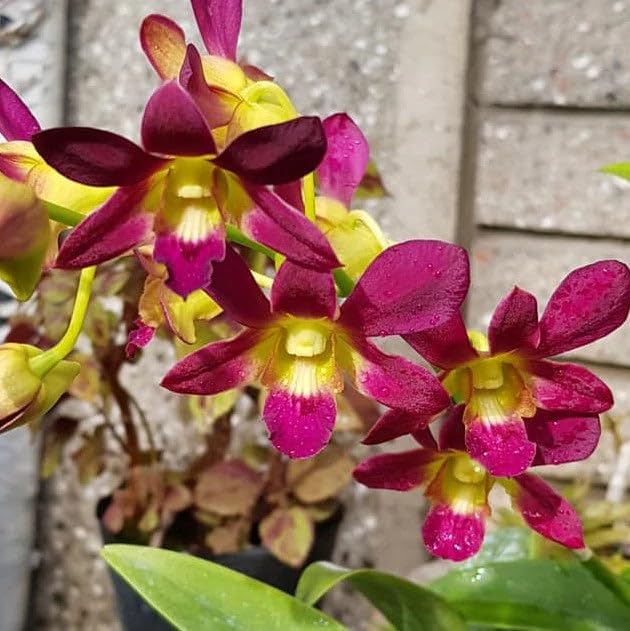
This Dendrobium Morning Sun is a tropical hybrid bred from Dendrobium Aridang and Burana Sundae and is presented ready to display in a 4" pot. It is intended as an easy-care orchid for indoor settings with bright, indirect morning light rather than harsh afternoon sun. In typical use you keep it in partial shade, water sparingly, and provide moderate humidity; the plant tolerates a range of climates better than many delicate orchid species. Notable features include its low maintenance needs and showy purple and yellow flowers that appear on stems and can brighten small spaces or a windowsill. Practical benefits are straightforward care for someone who wants an attractive flowering plant without specialized equipment or intensive attention. Important limitations are that the listing does not include potting soil details or mature size, and because it is a potted live plant some variability in bloom timing and exact appearance should be expected.
Best for: Reliable indoor gardeners who want a low-maintenance flowering orchid that performs well with morning sun and modest care.
Less Ideal for: Growers seeking a large-show specimen or those who need detailed horticultural specifications and exact bloom schedules.
- Hybrid variety bred for easier care compared with many orchids
- Suitable for indoor placement with bright, indirect morning sun
- Comes potted and ready to display in a 4" pot
- Attractive purple and yellow blooms that add color to small spaces
- Listing lacks details on potting medium and mature plant size
- Live plants vary in bloom timing and exact coloration between specimens
Verdict: A dependable, low-care potted Dendrobium that delivers colorful blooms for a morning-sun windowsill without demanding specialist care.
Costa Farms Assorted Live Indoor Plants Starter Collection, 3-Pack (4-inch Pots)

| Indoor Outdoor Usage | Indoor, Outdoor |
|---|---|
| Other Special Features of the Product | Air Purification |
| Sunlight Exposure | Partial Sun |
| Moisture Needs | Regular Watering |
| Unit Count | 3 Count |
This Costa Farms 3-pack is a practical way to add low-maintenance greenery to small, low-light areas like shelves, desks, and windowsills. The set ships as three assorted foliage plants commonly including varieties such as pothos, snake plant, and small ferns that tolerate bright, indirect light and modest indoor conditions. Plants come in 4-inch decorative plastic pots without drainage holes and are intended to be watered sparingly—about 1/2 cup once a week—so they suit busy owners or beginners who prefer simple routines. Notable features are the starter-ready size, air-purifying foliage, and nursery-grown quality that arrives packaged for safe delivery. Limitations to consider are the small pot size and lack of drainage, which mean you will likely need to repot sooner than with larger plants and watch watering closely to avoid soggy soil. Also, exact varieties vary by shipment so you should expect some variation in appearance. For anyone wanting an easy, low-effort way to introduce several houseplants at once, this pack does the job well.
Best for: Buyers who want an easy, low-effort way to add multiple small houseplants to desks, shelves, or low-light rooms and prefer ready-to-display plants that require minimal weekly care.
Less Ideal for: Collectors seeking specific varieties or large, mature specimens who prefer full control over potting and immediate long-term plant size.
- Three live plants provide an instant grouped display for small spaces
- Low-maintenance care instructions suitable for beginners (bright indirect light and weekly light watering)
- Plants selected for air-purifying foliage
- Arrives nursery-grown and packaged to reduce transit stress
- Pots do not have drainage holes, requiring careful watering or early repotting
- Small 4-inch pots mean plants will need repotting as they grow
Verdict: An affordable, beginner-friendly 3-pack that instantly outfits small, low-light spaces with easy-care houseplants.
THE NEXT GARDENER Ruby Necklace (Othonna capensis) Live Succulent, 4-inch

| Indoor Outdoor Usage | Indoor |
|---|---|
| Other Special Features of the Product | Drought Tolerant |
| Sunlight Exposure | Partial Sun |
| USDA Hardiness Zone | 3 |
| Soil Type | Sandy Soil |
The Ruby Necklace (Othonna capensis) is a trailing succulent sold in a 4-inch grower pot that brings cascading foliage to small balconies, shelves, or sunny windows. It arrives fully rooted in well-draining soil so it adapts quickly into a new pot or hanging planter. The plant is drought tolerant and follows a simple soak-and-dry watering routine, making it easy to care for if you prefer low-maintenance greenery. In bright light the leaves take on a reddish tint that adds seasonal color to a compact balcony display. Practical limits to expect are its modest size and preference for partial sun and sandy, well-draining media, so it will need protection from prolonged cold or heavy rain if your balcony is exposed. Also, because it is sold as a live plant, appearance and fullness can vary slightly by season. For someone looking for a reliable, easy trailing succulent to fill a small planter or hanger, this is a straightforward choice.
Best for: Buyers who want a low-effort, attractive trailing succulent for a small balcony planter or hanging display and prefer plants that establish quickly with minimal care.
Less Ideal for: Not the best pick for gardeners who need large statement plants for wide outdoor terraces or for locations that stay cold and wet for extended periods.
- Arrives fully rooted in a 4-inch grower pot ready for transplant or display
- Drought tolerant and low maintenance with simple soak-and-dry watering
- Trailing habit works well in hanging planters, shelves, or small balcony containers
- Leaves develop red tones in bright light for seasonal visual interest
- Modest mature size limits impact in large planters or expansive balcony arrangements
- Prefers partial sun and well-draining sandy soil so exposed, wet balconies may require extra protection
Verdict: A fuss-free, fully rooted trailing succulent that adds color and easy-care greenery to small balcony planters or hanging displays.
Choosing the Right Potted Plants for Morning Sun: Key Factors to Consider
Morning Light Intensity and Duration
Not all morning sun is the same. A west-facing balcony that gets bright light until noon will deliver stronger irradiance than an east-facing window set back indoors. Assess how many hours of direct sun your location receives and whether that sun is filtered by nearby buildings or trees.
This matters because some plants need several hours of unbroken morning sun to flower or produce compact habit, while others will scorch if light becomes harsher later in the season. Choose species that list morning sun or bright indirect light in their cultural needs when your exposure provides less than four hours of direct sun, and shift to tougher sun-tolerant choices if you routinely get five hours or more.
Watering Frequency and Moisture Sensitivity
Containers dry faster than garden beds because they have less volume to hold water and more surface area exposed to air. Plants adapted to morning sun often prefer evenly moist soil early in the day and can tolerate drying by afternoon, but some are drought-sensitive and need consistent moisture.
Consider how often you can realistically water and whether you will be away for stretches of days. Succulent or drought-tolerant potted plants will handle intermittent watering better, while moisture-loving species require more frequent checks and possibly self-watering containers or wicking systems to stay healthy.
Container Size, Root Space, and Growth Habit
Each plant has an ideal root volume to support healthy foliage and flowering. A pot that is too small restricts growth and increases the need for frequent watering. Conversely, oversized pots hold more water and can raise the risk of root rot for moisture-sensitive species.
Match the plant's mature size to container depth and width. Look for plants with compact or clumping habits for small balconies, and reserve deeper, larger pots for species that form thicker root balls. Consider whether the plant will be easy to lift for winter storage or require a wheeled base when grown in a heavier container.
Heat and Temperature Swings
Morning sun often comes with cool nights and warmer afternoons. Some plants tolerate those daily swings and use morning light to kick-start photosynthesis, while others are stressed by rapid temperature changes near hard surfaces like concrete or metal railings.
If your pots sit on heat-absorbing floors or near reflective siding, choose plants with broader temperature tolerance. Keep in mind that roots can overheat in shallow black pots placed in direct sun, so selecting airy pot materials or light-colored containers can moderate root temperature.
Pest and Disease Risk in Containers
Containers can concentrate pests and diseases because airflow is often restricted and soil is reused across seasons. Plants in morning sun may dry faster on the surface, which can reduce fungus in some species but invite spider mites or other pests that prefer dry foliage.
Inspect plants regularly, use well-draining potting mixes, and consider topdressing or replacing soil between seasons to reduce pathogen buildup. Choosing species with natural resistance to common pests reduces the need for interventions and keeps potted collections healthier with less maintenance.
Best Potting Mix and Drainage for Morning Sun
A well-draining potting mix tailored to the plant type is essential when pots face morning sun. Fast-draining mixes help prevent root rot during cooler nights when moisture lingers, but still retain enough water to support growth during brighter mornings.
For moisture-loving potted plants use mixes with higher organic content to hold moisture, while succulents and drought-tolerant species need gritty, mineral-rich mixes. Always ensure pots have adequate drainage holes and consider adding a layer of coarse material or a drainage screen to keep soil from clogging holes.
- Use mixes labeled for containers rather than garden soil.
- Add perlite or pumice to improve aeration for sun-exposed pots.
- Choose lighter-colored pots or insulating materials to prevent root overheating.
Watering Strategy for Morning Sun Exposures
Water in the morning whenever possible so soil surface is moist during the warmest part of the day and plants can transpire efficiently. Morning watering reduces the risk of evening fungal issues and matches the natural activity cycles of most sun-loving potted plants.
Adjust frequency by pot size and plant type. Small pots and shallow-rooted species need more frequent checks. Use the finger test or a moisture meter to avoid overwatering. If you travel, set up passive irrigation like capillary mats or self-watering insert systems.
- Water until excess runs from drainage holes to flush salts.
- Avoid wetting foliage of moisture-sensitive plants to reduce disease risk.
- Group containers with similar moisture needs to simplify care.
Placement and Microclimate Considerations
Morning sun locations vary. East-facing balconies receive bright, cooler light that favors many flowering and foliage plants. South- or west-facing spots with morning exposure may warm up faster, so test the actual microclimate over several days before committing to a long-term planting.
Consider wind, reflective heat sources, and nearby structures that alter humidity. Move pots seasonally if necessary to protect tender growth from late-season intense sunlight or to give seedlings gentler light while they establish.
- Monitor light with a simple smartphone light meter app or by observing how long direct sun hits the spot.
- Rotate pots periodically to keep growth even.
- Elevate pots to improve air circulation around soil surface.
Fertilizing and Seasonal Care in Containers
Containers have limited nutrient reserves, so a regular feeding schedule keeps plants vigorous in morning sun exposures. Use balanced, water-soluble fertilizer during the active growing season, and reduce applications when growth slows in cooler months.
Repot when roots begin to outgrow the container or every couple of years to refresh potting mix. Prune spent blooms and trim leggy growth to maintain a compact shape suited to the light available in morning sun situations.
- Top-dress with compost or slow-release granules in spring for sustained nutrients.
- Flush pots periodically to prevent salt accumulation if using regular liquid feeds.
- Tie or stake taller plants to prevent wind damage on exposed balconies.
How We Chose the Best Potted Plants for Morning Sun
We focused on traits that matter when growing plants specifically in containers placed where they receive direct morning sun. Selection prioritized documented light tolerance for direct morning exposure, container-compatible growth habits, predictable watering frequency, and resistance to common potted-plant pests or moisture problems. Plants were favored if they maintain compact or manageable root systems in pots, respond well to routine fertilizing, and show steady seasonal growth without extensive pruning. Editorial filters excluded plants that require full-day intense sun, deep ground planting, or specialized greenhouse conditions. We also excluded varieties known to become root-bound or overly large in typical container sizes. Final picks reflect species and cultivars that balance sun tolerance with realistic maintenance for casual and experienced gardeners alike. Key evaluation dimensions we used were light tolerance in morning exposures, watering and moisture sensitivity, container size and root behavior, and general disease and pest resilience. These criteria guided which potted plants made the shortlist and how they are described in the guide.
FAQ
Can potted plants get too much morning sun?
Often it depends on intensity and duration. Short bursts of morning sun are usually beneficial, but prolonged bright exposure in early summer can stress some shade-preferring species. Watch leaves for scorched edges or bleaching and move pots to a slightly shadier spot if symptoms appear.
How often should I water potted plants in morning sun?
It usually depends on pot size, mix, and plant type. Small pots may need daily checks during warm spells, while larger containers can go several days between waterings. Use the finger test or a moisture meter and prioritize morning watering to align with plant transpiration.
Are certain pot materials better for morning sun?
Yes. Terracotta breathes and cools roots but dries faster. Plastic retains moisture longer and warms more slowly. Light-colored containers reflect heat and help prevent root overheating. Match material to the plant's moisture and temperature tolerance.
Can I move potted plants to follow morning sun through the season?
Usually yes. Moving pots to track changing light is a practical strategy. Make gradual adjustments so plants can acclimate and avoid sudden shifts that might cause leaf drop or sunscald.
How do I prevent pests in pots placed in morning sun?
Regular inspection, maintaining proper moisture, and avoiding overcrowding help reduce pest pressure. Clean up fallen debris, replace old potting mix periodically, and isolate new plants until you confirm they are pest-free.
Final Verdict
Select potted plants that match the actual morning light and microclimate of your space, then choose containers and mixes that support proper drainage and root health. Prioritize species with the watering rhythm you can maintain and those known to tolerate daily temperature swings common with morning sun. By balancing light needs, pot size, and maintenance commitment you can assemble a durable, attractive collection of potted plants that benefit from bright mornings without excessive care.
