

Note: This article contains affiliate links. If you click on these links and make a purchase, I may earn a small commission at no extra cost to you. This helps support my research and content. Read my full affiliate disclosure here.
Growing a healthy lemon tree in a pot starts with the right potting mix. The wrong soil keeps roots too wet or starves the tree of the steady nutrients citrus needs to set fruit. This guide focuses on mixes formulated for lemon trees and similar container citrus, explaining how texture, nutrients, and moisture behavior affect growth and fruit production. We shortlisted six top-performing potting mixes that suit patio containers and indoor citrus care, then evaluated them using practical gardener-focused criteria like drainage, nutrient retention, and root environment. Read on to understand the tradeoffs so you can pick the mix that matches your pot size, watering habits, and climate.
Top Picks at a Glance
| Best Overall The best all-around choice for most situations | Duspro Pre-Mixed 4in1 Citrus Tree Potting Soil Mix, 10 Quarts |  |
| Best Quality Built to a higher standard if you want something more solid | Soil Sunrise Citrus Tree Potting Soil Mix (30 Quarts) |  |
| Best Value The sweet spot between price and what you get | Duspro Pre-Mixed 4‑in‑1 Citrus Tree Potting Soil Mix (6 Quart) |  |
| Best Budget The cheapest option that still gets the job done reliably | Doter Citrus Tree Potting Soil Mix (1 qt) |  |
| Highest Rated A top-rated pick with lots of positive feedback | Lechuza CITRUSPON Citrus Potting Soil, 2.7 US dry gal |  |
| Most Popular A crowd favorite that many people choose with confidence | Soil Sunrise Citrus Tree Potting Soil Mix (12 Quarts) |  |
Duspro Pre-Mixed 4in1 Citrus Tree Potting Soil Mix, 10 Quarts

| Blend | Coco coir, coco fiber, perlite, vermiculite |
|---|---|
| Intended use | Potted citrus trees |
| Style Name | 10 Quarts |
| Item Weight | 1.24 kg |
This Duspro 4-in-1 citrus potting mix is a convenient, pre-mixed blend of coco coir, coco fiber, perlite and vermiculite designed for repotting lemon and other potted citrus trees. It is typically used when transplanting or refreshing container-grown citrus: you fill the bottom of a drainage pot, center the tree, backfill around the roots and water. The mix aims to hold balanced moisture with improved aeration so roots do not sit in water while still retaining enough moisture between waterings. Notable features include double-screened ingredients for a consistent texture and a dust-dry finish for easier pouring. Practical benefits are time saved by avoiding separate ingredient purchases and a formula that suits many container citrus varieties, including Meyer lemons and limes. Important limitations are the relatively small volume per bag for larger trees and the dusty nature on opening that may require a mask or outdoor handling. For growers who want custom soil performance, this pre-mix may still need amendment depending on specific pot size or feeding plans.
Best for: Gardeners who want an easy, reliable potting medium for repotting or refreshing potted lemon trees and other container citrus without mixing their own components.
Less Ideal for: Growers who prefer fully custom soil recipes or who need large volumes for mature trees should consider bulk mixes or blends they can tailor themselves.
- Pre-mixed blend of coco coir, coco fiber, perlite and vermiculite for balanced moisture and drainage
- Double-screened ingredients for a consistent, pourable texture
- Ready to use for repotting so no measuring or combining of components is required
- Formulated specifically for potted citrus and similar container plants
- Bag is relatively small for larger trees or multiple repots
- Can be dry and dusty on opening requiring care to avoid inhaling particles
Verdict: Choose this pre-mixed citrus soil when you want a convenient, ready-to-use potting medium that balances drainage and moisture for healthy potted lemon trees.
Soil Sunrise Citrus Tree Potting Soil Mix (30 Quarts)

| Volume | 30 quarts |
|---|---|
| Ingredients | Peat moss, perlite, sand, worm castings, lime |
| Unit Count | 1 Count |
| Style Name | Sandy |
This Soil Sunrise Citrus Tree Potting Mix is a purpose-built blend for potted lemon, lime, and other container citrus varieties. It combines peat moss, perlite, coarse sand, worm castings, and lime to create an airy medium that drains quickly while holding enough organic matter and nutrients to feed young roots. In practice it is used for planting, repotting, and top-filling indoor or patio lemon trees where good drainage and a slightly alkaline adjustment are desirable. Notable features are the added worm castings for slow-release nutrition, lime to stabilize pH for citrus, and perlite plus sand to reduce soggy roots. For a performance-focused grower this mix reduces root rot risk and supports steady growth without having to amend multiple components yourself. The main limitations are that it is a single-use potting mix so heavy feeders will still need periodic fertilization and the peat-based formula will compress over time compared with chunky bark blends, so occasional reworking or repotting is advisable.
Best for: Growers who prioritize reliable, ready-to-use performance for potted lemon trees and want a mix that promotes fast drainage and steady growth without custom blending.
Less Ideal for: Gardeners who need a long-term, soilless bark-style medium or those who prefer to tailor every amendment from scratch should consider other options.
- Formulated specifically for citrus with lime to help maintain appropriate pH
- Good drainage and aeration from perlite and coarse sand to reduce root rot
- Contains worm castings for natural, slow-release nutrients
- All-natural ingredients with no synthetic additives
- Peat-based mix can compress over time and may need refreshing or repotting
- Does not replace routine fertilization for heavy-producing lemon trees
Verdict: A performance-oriented, ready-made potting mix that gives potted lemon trees improved drainage, balanced pH, and organic nutrition right out of the bag.
Duspro Pre-Mixed 4‑in‑1 Citrus Tree Potting Soil Mix (6 Quart)

| Blend type | Coco coir, coco fiber, perlite, vermiculite |
|---|---|
| Intended use | Potted citrus trees and similar container plants |
| Package size | 6 Quarts |
| Screening | Double‑screened ingredients |
This pre-mixed citrus potting soil is designed to simplify repotting and maintenance of potted lemon trees. The blend pairs coco coir and coco fiber with vermiculite to hold balanced moisture while perlite improves drainage and root aeration, so it suits indoor citrus that need a lighter, well‑draining medium. Use it straight from the bag to fill a drainage pot, nest the root ball and water to settle the mix, or blend it with more perlite for extra drainage if your tree is prone to overwatering. The product is double‑screened for a consistent texture, which makes pouring and repotting less messy. Be aware the mix is dry and dusty on opening so handle outdoors or wear a mask and avoid inhaling dust. The 6 quart size fits roughly one to two standard 8‑inch pots, so plan quantities accordingly if you have larger trees or multiple plants. Overall, it reduces the guesswork of mixing components and speeds repotting while offering the moisture balance citrus prefer.
Best for: Buyers who want a no‑fuss, pre‑formulated potting mix to repot or refresh potted lemon trees quickly and reliably without blending components themselves.
Less Ideal for: Gardners repotting large citrus specimens or multiple trees who need bulk quantities or who prefer to custom‑tailor mixes for extreme wet or dry conditions.
- Ready‑to‑use 4‑in‑1 blend saves time versus measuring individual components
- Combination of coco coir, vermiculite and perlite balances moisture retention with improved drainage
- Double‑screened ingredients give a consistent, pourable texture for clean repotting
- Formulated specifically for potted citrus, suitable for lemons, limes and similar fruit trees
- Small 6 quart bag only covers one to two 8‑inch pots so multiple bags needed for larger trees
- Product can be dusty when opened so requires cautious handling
Verdict: If you want a quick, consistent potting mix for repotting lemon trees without mixing ingredients yourself, this ready‑to‑use 4‑in‑1 blend is a practical, time‑saving choice.
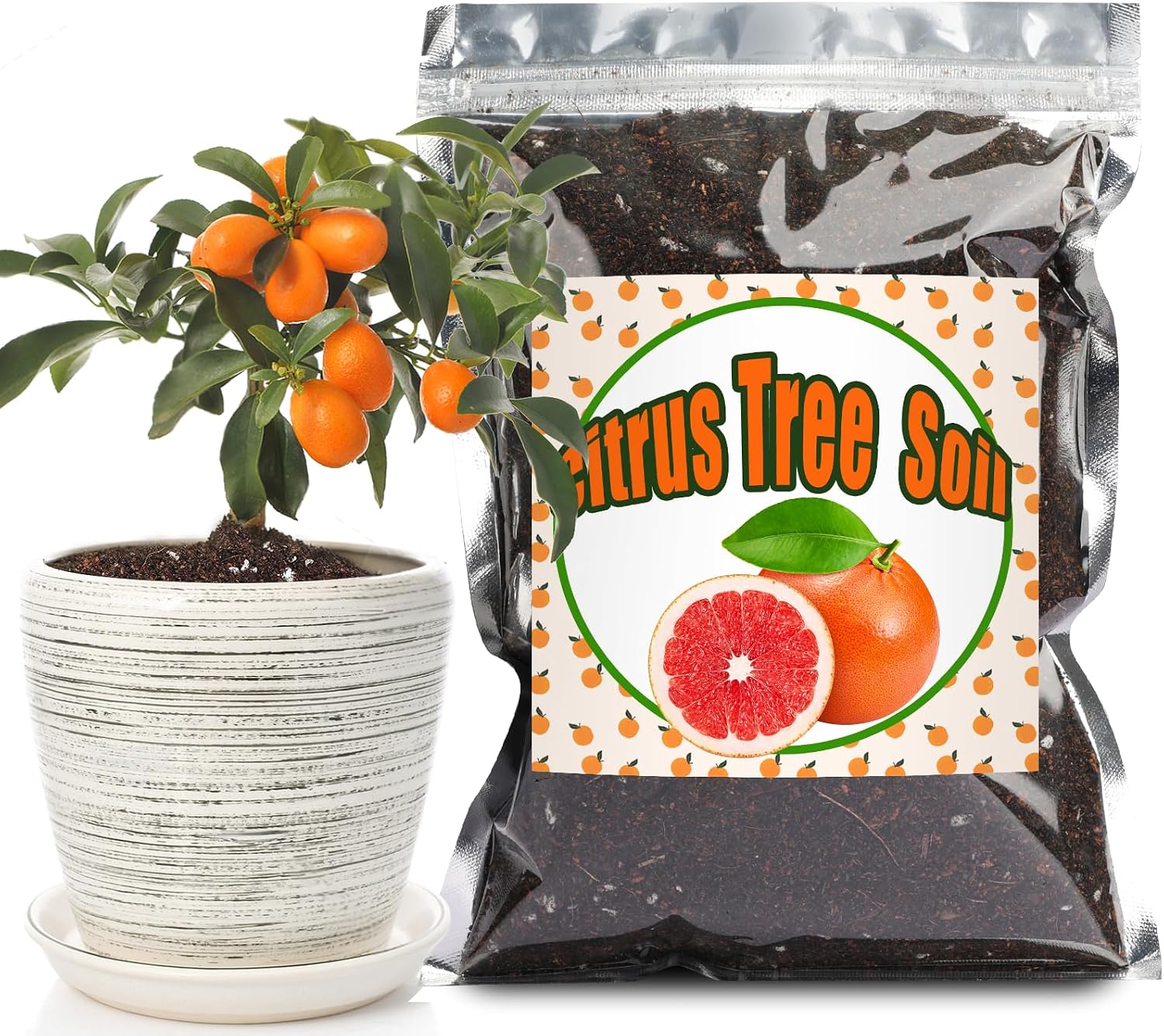
Doter Citrus Tree Potting Soil Mix (1 qt)
| Brand Name | Doter |
|---|---|
| Item Type Name | Garden soil |
| Volume | 1 quarts |
| Item Weight | 224 g |
This 1-quart Doter citrus potting mix is designed specifically for potted lemon, lime, and other citrus trees. The blend is described as loamy and nutrient-rich with an advertised pH tuned to about 6.0–7.1, which helps citrus take up nutrients efficiently. It also contains components to improve drainage and aeration so roots are less likely to sit in water, making it suitable for container-grown trees and repotting young specimens. In practice the small package is convenient for refreshing soil in a single pot or mixing into a larger batch rather than filling large containers on its own. The main benefit is a plant-focused formula that saves time versus blending your own amendments. Limitations are the tiny 1-quart volume, so you will need multiple bags for standard citrus containers, and detailed ingredient ratios are not listed so experienced growers may prefer custom mixes. For budget-oriented gardeners this is a useful top-up or starter mix for a single potted lemon tree but not a bulk solution for several large pots.
Best for: Buyers who want a convenient, plant-specific potting mix to refresh or start a single potted lemon or lime tree without blending their own amendments.
Less Ideal for: Growers who need soil for multiple large containers or who prefer to custom-blend exact ingredient ratios for mature citrus plantings.
- Formulated pH suitable for citrus (about 6.0–7.1) to aid nutrient uptake
- Designed for improved drainage and aeration to reduce root rot risk in containers
- Nutrient-enriched mix intended to support growth and fruiting
- Ready-to-use small package convenient for repotting or topping up a single pot
- Very small 1-quart volume makes it impractical as the sole medium for standard citrus containers
- Product listing lacks detailed ingredient proportions for advanced mixing or amendment planning
Verdict: A handy, citrus-specific 1-quart mix that makes topping up or starting a single potted lemon tree quick and simple.
Lechuza CITRUSPON Citrus Potting Soil, 2.7 US dry gal

| Volume | 12 liters |
|---|---|
| Item Weight | 23.8 pounds |
| Unit Count | 1 Ounce |
| Item Highlight | peat-free mineral substrate; improves drainage and aeration; for lemon, orange and citrus |
Lechuza CITRUSPON is a ready-to-use potting substrate made specifically for lemon, orange and other potted citrus. It is a mineral, peat-free mix designed to drain quickly and let air reach the roots, which helps prevent the waterlogging that commonly stresses citrus in containers. The bagged formula arrives pre-fertilized to supply nutrients for roughly six to eight months, so newly potted trees get an initial feeding without immediate additional fertilizer. In practice it works well for repotting indoor citrus or refreshing the top layer on patio specimens, improving root health and supporting flowering and fruit set. Because it is mineral-based, it stays light and does not compact like some organic mixes, but it will need feeding after the pre-charged nutrients are depleted and may not retain moisture as long as heavy organic blends in very hot, dry conditions. Overall it is a dependable substrate for growers who prioritize root oxygenation and predictable drainage.
Best for: For growers who want a reliable, low-maintenance substrate that prevents soggy roots and promotes healthy fruiting in potted lemon trees, whether indoors or on the patio.
Less Ideal for: Not the best choice for gardeners who need a very moisture-retentive mix for long dry spells or who prefer an all-organic peat-based medium.
- Formulated specifically for citrus to support flowering and fruiting
- High drainage and aeration reduce risk of root rot in containers
- Pre-fertilized feed lasts about six to eight months
- Peat-free mineral composition resists compaction and stays light
- Lower water retention than heavier organic mixes, requiring more frequent watering in hot conditions
- Provides limited nutrition beyond the initial 6–8 month period
Verdict: Choose this peat-free, pre-fertilized mineral substrate when you want a dependable, fast-draining potting mix that protects potted lemon trees from waterlogged roots.
Soil Sunrise Citrus Tree Potting Soil Mix (12 Quarts)

| Volume | 12 quarts |
|---|---|
| Ingredients | Peat moss, perlite, sand, worm castings, lime |
| Unit Count | 1 Count |
| Style Name | Peat Moss,Potting Soil Mix |
Soil Sunrise Citrus Tree Potting Soil is a 100% natural blend designed for potted lemons, limes, mandarins and other container citrus. The mix combines peat moss for moisture retention, perlite and sand for quick drainage and aeration, worm castings to supply slow-release nutrients, and lime to help stabilize pH for citrus preferences. It is typically used when repotting or establishing young dwarf or Meyer lemon trees in indoor or outdoor containers where good drainage and root health matter. Practical benefits include reduced risk of soggy roots, easier watering control, and a nutrient base that supports steady growth without immediate fertilizer. The resealable packaging and small 12-quart volume make it convenient for one or two small trees but means you may need larger quantities for mature specimens or multiple pots. Also, because it contains peat moss, gardeners preferring peat-free mixes will need an alternative. For risk-conscious buyers, the ingredient list is transparent and focused on well-established components favored by home citrus growers.
Best for: Home gardeners who want a ready-made, citrus-focused potting mix that reduces watering mistakes and supports steady growth of potted lemon or lime trees, and who prefer clear ingredient lists and proven blends.
Less Ideal for: Growers with several large container citrus or those seeking a peat-free or bulk soil solution should consider larger or different-format mixes.
- Formulated specifically for citrus with lime to help pH balance
- Good drainage and aeration from perlite and sand to reduce root rot
- Worm castings provide natural, slow-release nutrients
- 100% natural ingredients with no fillers listed
- Convenient 12-quart bag suitable for repotting small trees
- 12-quart volume may be insufficient for larger or multiple citrus trees
- Contains peat moss which some gardeners avoid for sustainability reasons
Verdict: Choose this mix if you want a transparent, citrus-tailored potting soil that promotes drainage and balanced pH for healthy potted lemon trees.
Choosing the Right Potting Mix for Lemon Tree: Key Factors to Consider
Drainage and Aeration
Lemon trees in containers need a mix that drains quickly while still holding enough moisture between waterings. Good drainage prevents root rot by keeping excess water away from the root zone, while adequate aeration supplies oxygen to fine roots.
Look for coarse components such as pine bark fines, perlite, or horticultural grit that create pore space. The balance of coarse and fine materials determines how fast water moves through the pot and how long the root zone stays moist. In practical terms, a mix that feels light and crumbly when dry will usually support healthier roots and more reliable watering schedules for citrus grown in pots.
Nutrient Retention and Release
Citrus are moderately heavy feeders that benefit from a steady supply of macro and micronutrients. A potting mix should contain organic matter or controlled-release nutrients that buffer feedings so the tree has consistent access between applications.
Too little nutrient-holding capacity forces very frequent fertilizing, while overly rich mixes can lead to salt buildup in the root zone. Look for mixes with balanced organic content and the ability to hold cations so that applied fertilizer is available rather than leached away. This affects leaf color, flowering, and fruit set over the growing season.
pH and Mineral Availability
Lemon trees prefer a slightly acidic to neutral root environment for optimal uptake of iron, magnesium, and other essential minerals. The mix should either be near the preferred pH range or be amendable so you can adjust pH easily with routine fertilization and water choice.
A stable pH supports predictable nutrient availability. If the mix contains significant lime or alkaline components, iron chlorosis and other deficiencies can appear even when fertilizers are applied. Knowing the expected pH behavior of a mix helps you plan feeding and water treatments for consistent leaf health and fruit production.
Texture and Resistance to Compaction
Over time, some potting mixes break down and compact, reducing pore space and blocking air flow to roots. For container citrus, choose a mix that retains structure season after season or combines materials that resist decomposition.
Components such as aged bark, perlite, and coarse sand help maintain texture. Regular inspection of the root ball when repotting will reveal whether the mix has compacted. A stable texture extends intervals between repotting and keeps the tree healthier with less maintenance.
Water-Holding Capacity and Ease of Rewetting
A practical potting mix must strike a balance between holding enough water for a few days and drying sufficiently to prevent root disease. Equally important is how easily a dry mix reabsorbs water; some mixes repel water when fully dry and are hard to rewet without soaking.
Look for mixes or amendments that maintain capillary connectivity so water wets evenly when you irrigate. This reduces dry pockets in the pot and prevents uneven root growth. Ease of rewetting is especially important for indoor growers or those who occasionally miss watering windows.
Root-Ball Stability for Transplanting
When moving a lemon tree between pots or bringing it indoors for the winter, you want a mix that holds together enough to protect the root ball, yet allows roots to expand into fresh soil. A mix that crumbles completely can disturb roots, while one that stays too rigid can impede new root growth.
A balance of stable particles and some fine organic matter gives mechanical support during handling and encourages healthy root exploration after transplanting. This factor affects success when repotting and the tree's ability to recover from disturbance.
Container Size and Pot Selection
The volume of the container directly affects how the potting mix performs. Larger pots hold more moisture and buffer temperature swings, so mixes with higher drainage can be used. Small pots dry quickly and benefit from mixes with slightly greater water retention.
Match the mix to your pot size and material. Unglazed terra cotta wicks moisture faster than glazed ceramic, so plan a mix with more water-holding components when using terracotta. Consider drainage holes and use a saucer or tray to manage runoff indoors.
- Use coarser mixes in deep, large containers to promote aeration.
- Choose a slightly moister mix for small or shallow pots to prevent rapid drying.
Adjusting Mixes with Amendments
You can tailor a commercial potting mix by adding amendments to better suit lemon trees. Perlite and horticultural grit increase drainage, while coco coir or compost increases water retention and fertility. Use amendments sparingly and test small batches before changing the entire pot.
When adding organic amendments, account for their decomposition over time. Materials that break down quickly will change the mix texture and may require more frequent repotting or top-dressing.
- Add 10 to 30 percent perlite or grit to boost drainage.
- Incorporate a small amount of slow-release organic matter for sustained fertility.
Watering Strategies with Different Mixes
The potting mix determines how often you water. Fast-draining mixes need more frequent, thorough irrigations, while mixes with higher water retention extend the interval between waterings. For lemon trees, water deeply until excess drains and then allow the top inch or two to dry depending on pot size and climate.
Monitor the tree rather than following a strict schedule. Check soil moisture at root level by probing with a finger or moisture meter. Adjust frequency seasonally: less water in cooler months and more during active growth and fruiting.
- Deep, infrequent watering encourages a deeper, healthier root system.
- Avoid keeping the root ball constantly wet to prevent root rot.
Feeding and Fertilizer Timing
Because container-grown lemon trees have limited soil volume, timely feeding is essential. Choose fertilizers and schedules that complement the nutrient-holding capacity of your chosen mix. A mix that releases nutrients slowly reduces the need for frequent applications.
Split applications during the growing season help maintain steady nitrogen and micronutrient availability without causing salt buildup. Flush the pot with clear water occasionally to reduce excess salts if you feed regularly.
- Match fertilizer form and schedule to the mix's retention characteristics.
- Monitor leaf color and new growth to fine-tune feeding frequency.
Repotting and Long-Term Care
Inspect root health annually and repot when the root ball begins to crowd the pot. When repotting, refresh the mix and replace a portion of the old medium to restore structure and nutrient balance.
Avoid over-potting into a much larger container unless you plan on adding a controlled root barrier. Gradual increases in pot size and fresh mix keep the tree vigorous and reduce stress during transitions.
- Refresh top 2 to 3 inches of mix yearly or replace when compacted.
- Repot in early spring before new growth accelerates.
How We Chose the Best Potting Mix for Lemon Tree
We selected candidate potting mixes by focusing on practical, measurable attributes that matter for container lemon trees. The primary filters were drainage profile and nutrient retention, because citrus roots need oxygen and sustained feeding without waterlogging. We also checked particle composition to favor mixes with a blend of mineral and organic components that resist compaction. Root environment and root-ball stability were weighted heavily to ensure mixes support transplanting and steady root growth in pots. Longevity of structure and ease of rewetting after drying were included so mixes do not collapse into dense mud over one season. Excluded items included bulk garden soils not formulated for containers, mixes designed exclusively for orchids or succulents, and any media lacking clear composition information. Our evaluation emphasized measurable specs and gardener-facing behavior rather than brand reputation. The result is a shortlist of potting mixes that balance air, water, and nutrients for lemon trees in containers and planters.
FAQ
How often should I repot a potted lemon tree?
Usually every two to three years for young trees or when the root ball becomes pot-bound. Mature trees in stable containers can often go longer, but inspect for roots circling the pot or slowed growth as signs to repot.
Can I use garden soil in a container for a lemon tree?
Garden soil is generally too dense and prone to compaction for containers. It reduces aeration and drainage, which increases the risk of root rot. Use a formulated potting mix or amend garden soil heavily to improve structure if you must.
What potting mix pH is best for lemon trees?
Lemon trees prefer a slightly acidic to neutral pH, roughly between 5.5 and 7.0. A mix in that range helps ensure availability of iron and other nutrients. If pH drifts, iron chlorosis and other deficiencies may appear despite normal fertilization.
How can I tell if my potting mix is too compacted?
Signs include slow drainage, water pooling on the surface, a hard crust on top, or roots growing only along the pot edges. When you remove the root ball, compacted mixes feel dense and muddy rather than crumbly and aerated.
Should I add fertilizer directly into the potting mix at repotting?
Incorporating a modest amount of slow-release organic material or a starter fertilizer can help settle the tree after repotting. Be cautious with high-salt synthetic fertilizers near roots and follow recommended rates to avoid burning new roots.
Final Verdict
Choose a potting mix that balances drainage, aeration, and steady nutrient availability to match your pot size and watering routine. Fast-draining, structure-stable mixes reduce root disease risk, while mixes with moderate organic content simplify feeding and support fruiting. Prioritize the factors most relevant to your climate and container type, and be prepared to amend and refresh the mix over time. With the right media and consistent care, container lemon trees will develop healthy roots and produce reliable growth and fruit.
