

Note: This article contains affiliate links. If you click on these links and make a purchase, I may earn a small commission at no extra cost to you. This helps support my research and content. Read my full affiliate disclosure here.
Growing tomatoes in containers or small greenhouse spaces changes what you need from a potting mix. The right mix keeps roots moist without waterlogging, supplies steady nutrients during peak fruiting, and resists compaction over a full season. In this guide we shortlisted seven top potting mixes for tomatoes that suit patio pots, large planters, and greenhouse tubs. Below you will find practical notes on texture, fertility, and water behavior plus the criteria we used to evaluate each mix so you can pick one that matches your container size and watering habits.
Top Picks at a Glance
| Best Overall The best all-around choice for most situations | Coast of Maine Tomatoes & Veggies Organic Planting Soil, 20 qt |  |
| Best Quality Built to a higher standard if you want something more solid | FoxFarm Ocean Forest Potting Soil, 12 qt (with 2 Plant Tags) |  |
| Best Value The sweet spot between price and what you get | Miracle-Gro Moisture Control Potting Mix, 16 qt. (2-Pack) |  |
| Best Budget The cheapest option that still gets the job done reliably | Doter Organic Vegetable Potting Soil Mix, 1 qt |  |
| Highest Rated A top-rated pick with lots of positive feedback | Gardenera Organic Tomato Potting Mix, 5 Quart |  |
| Most Popular A crowd favorite that many people choose with confidence | Miracle-Gro Potting Mix, 16 qt. (2-Pack) |  |
| Best Seller A high-volume bestseller chosen again and again | Back to the Roots Premium Organic Potting Mix, 6 Quart |  |
Coast of Maine Tomatoes & Veggies Organic Planting Soil, 20 qt

| Brand Name | Coast of Maine |
|---|---|
| Unit Count | 1 Count |
| Included Components | Tomatoes and Veggies (20qt) Organic and Natural Planting Soil |
| Volume | 20 quarts |
This 20‑quart Coast of Maine Tomatoes & Veggies planting soil is an organic blend intended to improve garden and container soils for vegetables such as tomatoes, peppers, cucumbers and similar crops like watermelon. It combines composted manure, sphagnum peat moss and aged bark with seaweed and marine-derived meals to add nutrients and feed soil biology. In practice you can use it to seed, transplant, top-dress or mix into raised beds and containers to improve drainage, moisture retention and aeration while encouraging beneficial microbes and worms. The bag is lightweight and convenient for small beds or container-grown melons; because it is OMRI listed it fits organic gardening plans. Limitations are its 20 qt volume, which means multiple bags are needed for large melon plots, and like many planting mixes it is a starting medium rather than a complete season-long fertilizer so occasional feeding or side-dressing will still be necessary for heavy‑feeding crops like watermelon.
Best for: Gardeners who want an organic, biology-first planting mix for vegetables and container-grown melons and who prioritize soil health and sustainable ingredients.
Less Ideal for: Growers planting large in-ground watermelon plots who need bulk soil or a complete season-long fertility program should consider bulk amendments or garden soil blends sold by the cubic yard.
- OMRI listed organic formula suitable for certified organic gardens
- Blend of composted manure, peat moss and aged bark improves drainage and moisture retention
- Includes seaweed and marine meals to supply natural nutrients and support soil biology
- Lightweight 20 qt bag is easy to handle for containers and raised beds
- Small 20 quart volume is not economical for filling large in-ground melon beds
Verdict: Choose this OMRI-listed, marine-amended planting soil when you want a lightweight, biology‑focused organic mix to improve beds and containers for melons and other vegetables.
FoxFarm Ocean Forest Potting Soil, 12 qt (with 2 Plant Tags)

| Brand Name | FoxFarm |
|---|---|
| Unit Count | 144 Ounce |
| Item Highlight | Light, Aerated Texture with Fish Meal, Crab Meal, Earthworm Castings |
| Volume | 12 quarts |
FoxFarm Ocean Forest is a pre-mixed potting soil built from aged forest products, sandy loam and sphagnum peat moss, amended with organic inputs like fish meal, crab meal and earthworm castings. It is designed to be used straight from the bag for container-grown plants and seedlings, providing a light, well-aerated texture that helps drainage and root development. Typical use is filling pots or raised beds for starts, houseplants and container vegetables or berries; the included plant tags make labeling varieties and planting dates easier. The nutrient-rich formula supplies an initial fertility boost so you can delay heavy nitrogen feeding while young plants establish. On the downside the 12 quart bag is relatively small for larger blackberry plantings in-ground or for filling many large containers and you may need to supplement specific soil pH or long-term fertility requirements for mature brambles. For container blackberries this mix gives an easy, reliable start but plan on larger volumes or soil amendments for permanent beds.
Best for: Gardeners who want a reliable, plug-and-play potting mix to start container blackberries or seedlings and value a nutrient-rich, well-aerated medium that reduces early feeding needs.
Less Ideal for: Growers preparing large in-ground blackberry beds or those needing specific soil pH control should choose bulk soil or amend based on a lab test rather than rely on this bag alone.
- Ready-to-use blend with organic amendments for immediate planting
- Light, aerated texture that promotes drainage and root growth
- Contains fish meal, crab meal and earthworm castings for early nutrient support
- Includes plant tags for easy labeling of varieties and planting dates
- 12 quart bag size is limited for larger plantings or multiple containers
Verdict: Use this nutrient-rich, aerated potting mix to give container or young blackberry plants a strong, low-effort start.
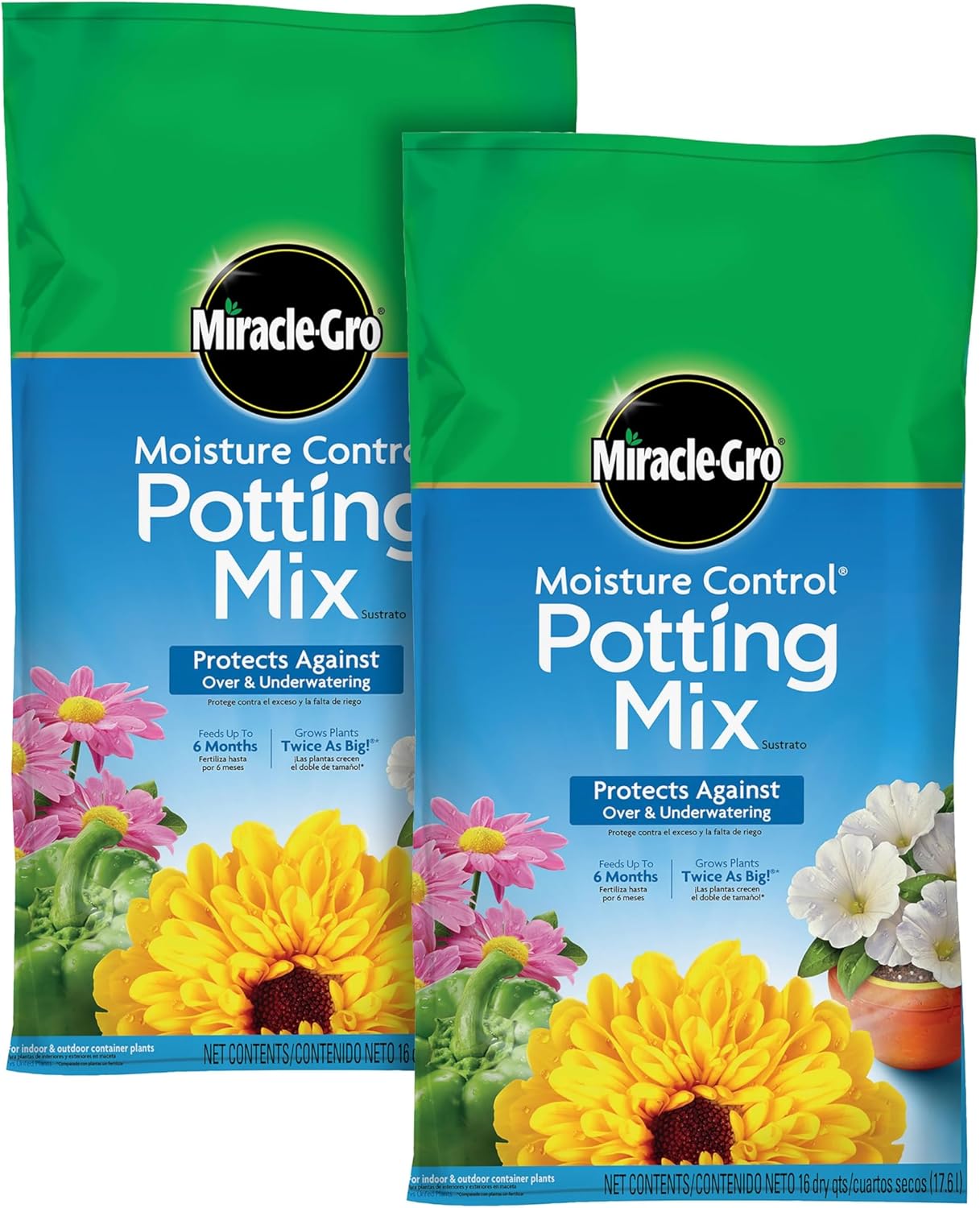
Miracle-Gro Moisture Control Potting Mix, 16 qt. (2-Pack)
| Number of Packs | 2 |
|---|---|
| Item Type Name | Miracle-Gro Moisture Control Potting Mix |
| Feeds Plants | Up to 6 months |
| Best For | Containers & planters |
This two-pack of Miracle-Gro Moisture Control Potting Mix is built for container gardening and is easy to use when potting mint or other herbs. The mix contains an AquaCoir formula with sphagnum peat moss, coir, and a wetting agent that helps it absorb more water than basic potting soils, which reduces the risk of both over- and under-watering in pots. It is light and airy so roots can breathe and it includes nutrients that feed plants for up to six months, cutting back on how often you need to fertilize young mint plants. Typical use is straightforward: pick a pot with drainage, fill about one third, plant, top off, and water through. For someone growing mint in patio pots or herb containers this mix simplifies watering and supports vigorous root development. It is not a replacement for annual repotting or supplemental feeding beyond six months, and container gardeners who prefer fully organic mixes should look elsewhere.
Best for: Practical container gardeners who want an easy, low-maintenance potting mix that stabilizes watering and supports steady root growth for mint and other potted herbs.
Less Ideal for: Growers who prioritize fully organic inputs or who want a long-term in-pot soil that never needs replenishing should consider other specialty or homemade mixes.
- Moisture-control formula absorbs up to 33% more water than basic potting soil, helping prevent over- and under-watering
- Feeds plants for up to six months, reducing immediate need for additional fertilizer
- Airy texture supports healthy root growth in containers and hanging baskets
- Pack includes two 16 qt. bags, covering multiple 12-inch pots
- Not marketed as a fully organic potting mix, which may matter to some herb growers
- Nutrient feeding lasts up to six months so plants will need repotting or additional fertilizer afterward
Verdict: A convenient moisture-control potting mix that makes watering mint in pots more forgiving while providing up to six months of nutrition.
Doter Organic Vegetable Potting Soil Mix, 1 qt

| Brand | Doter |
|---|---|
| Item Type Name | Garden soil |
| Volume | 1 quarts |
This 1 quart Doter vegetable potting mix is a ready-to-use, nutrient-rich media aimed at container vegetable growing. It is formulated to improve drainage and aeration while maintaining balanced pH and added organic matter so seedlings and small pepper plants can establish healthy roots. Typical use is for starting transplants, top-dressing small pots, or refreshing the soil in 1 to 3 quart containers for peppers, lettuce, herbs and similar crops. The mix’s emphasis on aeration and nutrient content helps reduce transplant shock and supports steady early growth, but the small 1 qt volume means you will need multiple bags for larger pots or entire pepper beds. Because it is a blended product rather than a single amendment, performance will depend on pot size and watering habits; heavy feeders or mature pepper plants will need additional fertilizer and larger volumes of soil. For budget-minded gardeners this pack is useful for trialing the brand or for small-scale container pepper production where convenience and a balanced starter mix matter more than bulk quantity.
Best for: Gardeners growing peppers or other vegetables in small containers who want a ready-made, plant-focused starter mix and prefer buying small quantities to control budget and waste.
Less Ideal for: Growers planning to fill large containers, raised beds, or to support mature, high-yield pepper plants who need bulk soil or a long-term nutrient plan.
- Formulated for vegetables with balanced nutrients and pH for better early growth
- Improves drainage and aeration to promote healthy root development
- Convenient ready-to-use 1 qt size ideal for starting transplants or small pots
- Organic components and added organic matter suitable for edible container crops
- Small 1 quart volume requires many bags for larger pots or multiple pepper plants
- Not a complete long-term growing medium for mature heavy-feeding peppers without extra fertilizer
Verdict: A convenient, nutrient-balanced 1 qt organic potting mix that is a practical choice for starting peppers and small container vegetable projects.
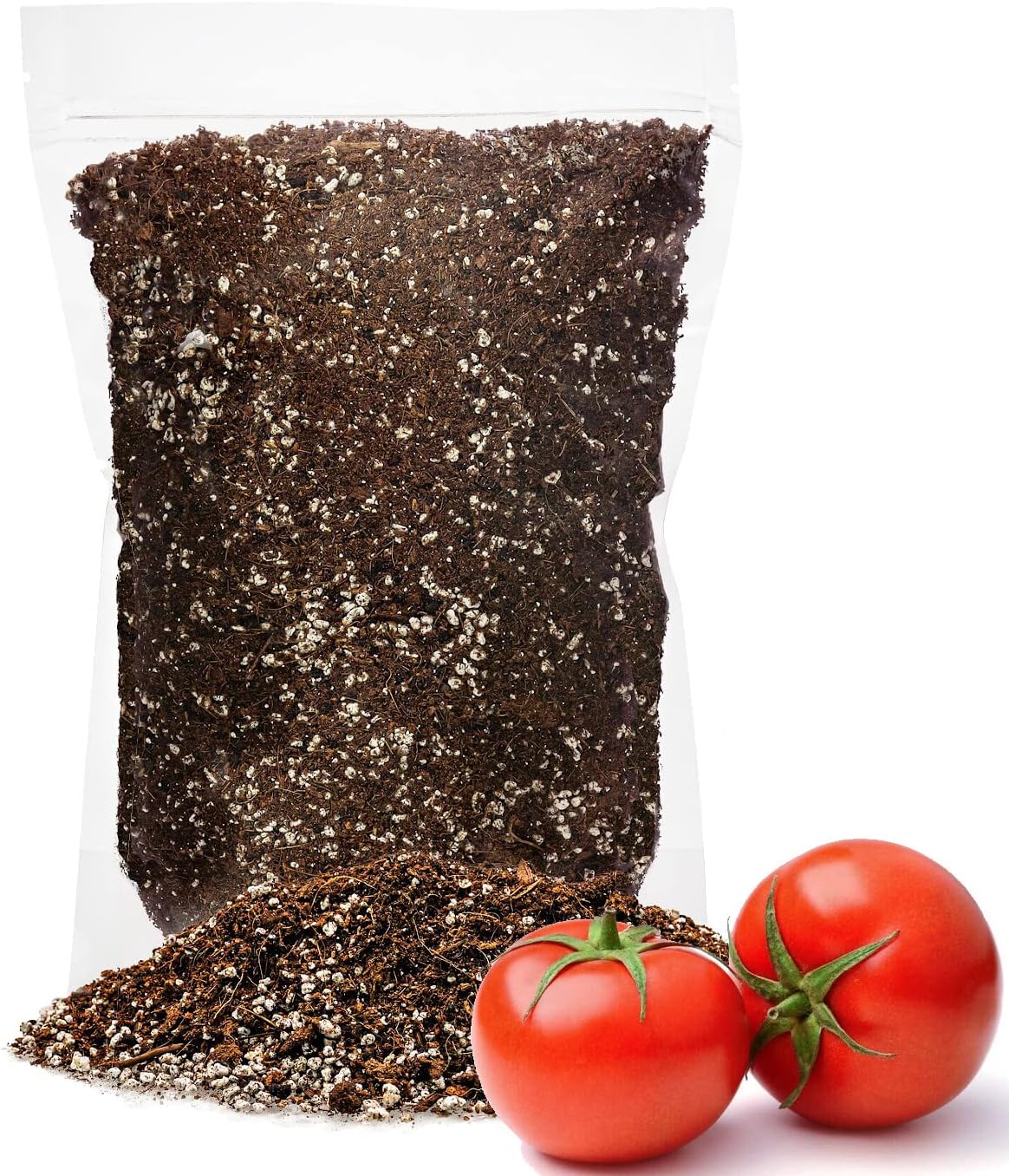
Gardenera Organic Tomato Potting Mix, 5 Quart
| Brand Name | Gardenera |
|---|---|
| Style Name | TOMATO Potting Mix |
| Volume | 5 quarts |
This Gardenera Organic Tomato Potting Mix is a ready-to-use 5‑quart bag blended for growing tomatoes in containers and small raised beds. The mix combines coco coir, Canadian peat moss, perlite, and worm castings to create a light, airy medium that encourages rapid root development while improving drainage so pots do not stay waterlogged. It is practical for starting seedlings, potting on young plants, or refreshing container soil before transplanting. Because it is formulated for tomatoes it emphasizes moisture retention balanced with perlite to prevent root rot and aid oxygenation. The product is labeled 100% organic and suitable for indoor and outdoor use, which fits organic growing priorities. Limitations are the small bag size for larger projects and the lack of built-in nutrients beyond worm castings, so regular fertilization will be needed through the season for heavy-feeding tomato varieties.
Best for: Buyers who prioritize a reliable, organic potting mix specifically formulated for container tomatoes and want a ready-to-use medium that promotes healthy root development.
Less Ideal for: Gardeners planning to fill many large containers or beds who need bulk soil or a mix with a specified fertilizer analysis should look for larger-volume or amended products.
- Formulated blend of coco coir, peat moss and perlite for good aeration and drainage
- Contains worm castings to provide natural nutrient support for young plants
- Made and hand blended in the USA with organic ingredients suitable for organic growing
- Works for both indoor seed starting and outdoor container tomato production
- Small 5‑quart volume requires multiple bags for several plants or larger containers
- No detailed N-P-K or guaranteed analysis provided, so additional fertilization planning is necessary
Verdict: A dependable, organic 5‑quart potting mix tailored for container tomatoes that promotes fast root growth and reliable drainage.
Miracle-Gro Potting Mix, 16 qt. (2-Pack)

| Feeds Plants | Up to 6 months |
|---|---|
| Volume | 16 quarts |
| Number of Packs | 2 |
| Intended Use | Outdoor containers |
| Ingredients | Sphagnum Peat Moss, Peat, Perlite, Compost, Fertilizer |
Miracle-Gro Potting Mix is a general-purpose container soil designed for outdoor pots, planters, and hanging baskets. It combines peat-based media, perlite, compost, and built-in fertilizer so you can pot vegetables, herbs, annuals, perennials, and shrubs without blending amendments. Typical use is straightforward: fill a pot about one third, set the plant at nursery depth, top off, and water until excess drains. Notable features are fast drainage to prevent root rot, an all-purpose nutrient charge that feeds plants for up to six months, and a texture that helps roots establish quickly. In practice this means less upfront prep and fewer immediate feedings compared with plain soil, and it is handy for seasonal repotting and new container plantings. Important limitations are that it is formulated for containers only (not in-ground beds) and the nutrient boost will diminish after the stated feeding period so you will need to supplement or repot for long-term specimens. Also peat-based mixes can compress over time and require refreshing each season.
Best for: Gardeners who want a low-effort, dependable potting soil for seasonal container planting and quick repots, especially those optimizing time and results across many pots.
Less Ideal for: Those wanting a soil to amend in raised beds or long-term in-ground planting should choose a garden soil formulated for in-ground use instead.
- Ready-to-use mix with built-in fertilizer that feeds up to six months
- Formulated for fast drainage to reduce risk of overwatering and root rot in containers
- Versatile for a wide range of outdoor container plants including vegetables, herbs, and flowers
- Not intended for in-ground garden beds
- Fertilizer effect is temporary and requires refeeding or repotting after about six months
Verdict: A convenient, fast-draining potting mix that simplifies container planting while providing up to six months of built-in nutrition.
Back to the Roots Premium Organic Potting Mix, 6 Quart

| Unit Count | 192 Fluid Ounces |
|---|---|
| Volume | 6 quarts |
| Item Highlight | Peat-free potting soil for outdoor plants, indoor plants, vegetables, herbs and flowers |
| Made in | USA |
Back to the Roots Premium Organic Potting Mix is a small-batch, all-purpose soil designed for indoor and outdoor container plants, including flowers, herbs, and vegetables. The 6 quart bag contains a peat-free blend made from upcycled plant matter and wood fines, with added organic plant food, yucca extract to help retain and regulate moisture, and dolomitic limestone to stabilize pH. In practice this mix is easy to use straight from the bag for potting annuals and bedding plants or for refreshing topsoil in containers. Its light, well-draining texture helps roots establish without becoming waterlogged while still holding enough moisture for frequent flowering plants. Because it is organic and made in the USA, it suits growers who want a lower-carbon-footprint option. Limitations are the small bag size for larger projects and that very heavy feeders or long-term container plantings may need periodic fertilization or larger volumes of soil to maintain vigor.
Best for: Buyers who want a safe, organic, ready-to-use potting mix for potted flowers and small container gardens and prefer products with predictable performance and lower environmental impact.
Less Ideal for: Gardeners planning large-scale repotting, heavy-feeding perennials, or long-term container plantings that require bulk soil or extended nutrient release.
- Peat-free organic formula made from upcycled plant matter and wood fines
- Includes yucca extract for improved moisture retention and control
- Dolomitic limestone added to help balance soil pH for flowering plants
- Light, well-draining texture suitable for container-grown flowers and annuals
- Small 6 quart bag is not economical for large pots or multiple containers
- Does not include slow-release fertilizer strong enough for long-term heavy feeders
Verdict: A reliable, peat-free organic potting mix that delivers predictable moisture control and pH balance for potted flowers and small container gardens.
Choosing the Right Potting Mix for Tomatoes: Key Factors to Consider
Water Retention Vs Drainage
Tomatoes need steady moisture but cannot tolerate waterlogged roots. A potting mix must hold enough water between irrigations while allowing excess to drain quickly. In practice this means mixes with a balance of porous components such as coir or peat for retention and coarse mineral or organic particles like perlite, pumice, or shredded bark for drainage.
If you water daily, choose a mix that holds more moisture. If you rely on less frequent watering or have hotter, windier exposure, prioritize faster-draining mixes to prevent root rot and stress during blossom set.
Nutrient Availability and Feeding Schedule
Container tomatoes are isolated from garden soil, so the potting mix must either start with adequate nutrients or allow predictable fertilization. Some mixes include a slow-release fertilizer that feeds plants for weeks, while others are low-fertility so you can control feeding with soluble fertilizers.
Consider how often you want to fertilize and whether you prefer a mix that reduces early-season feeding. High initial fertility helps seedlings and transplants, but long-season determinate or indeterminate tomatoes will still need supplemental feeding during fruiting.
Structure and Resistance to Compaction
Over a growing season, repeated watering and root growth can compact lighter mixes, reducing aeration and increasing moisture-holding in harmful ways. Durable structure relies on a mix of stable ingredients such as aged bark, perlite, pumice, or well-processed coir.
Choose mixes that list structural amendments and avoid those that are primarily fine particles. For large containers and tall planters, structural stability matters more because deeper profiles can compact unevenly and create wet pockets.
pH and Soluble Salt Levels
Tomatoes prefer a slightly acidic to neutral root zone. Potting mixes that are too alkaline or contain high soluble salts can reduce nutrient uptake and impair fruit development. Manufacturers sometimes list pH and electrical conductivity; these are useful indicators for container production.
If you plan to use regular fertilizer, start with a neutral pH and moderate salt levels. For salt-sensitive seedlings or young transplants, pick mixes with low initial salt readings and rinse or leach if salts accumulate.
Cleanliness and Disease Risk
Mixes sold for container-grown vegetables should be free of weed seed and pathogens that can stunt tomatoes or transmit diseases. Sterile or pasteurized mixes reduce the chance of damping-off in seedlings and lower pressure from soil-borne fungal pathogens.
For greenhouse or indoor starts, a clean mix is particularly important. Even outdoors, using a clean potting mix minimizes early season problems and reduces the need for chemical controls.
Bulk Weight and Handling
Potting mixes for tomatoes can be heavy in large volumes. Consider the weight when filling big containers or moving planters. Lightweight components like perlite and coir reduce weight but can change water behavior compared with heavier compost-rich blends.
Think about how you will fill and top up containers, whether you need a lighter mix for hanging or balcony planters, and whether you will amend the mix midseason with compost or fertilizer.
Choosing a Mix for Containers Versus Raised Beds
Containers and raised beds challenge mixes differently. Containers need mixes that drain freely and do not compact against pot walls, while raised beds can tolerate mixes with more organic matter because they rely less on rapid drainage.
For balcony or patio pots, prioritize mixes with good aeration and consistent water retention so you do not have to water multiple times per day. For deep raised beds used for tomato rows, mixes with more compost content will supply additional nutrients and microbial activity but may require more frequent watering.
- Small pots: use higher drainage, lighter mixes.
- Large planters: choose stable structure and moderate nutrient content.
- Raised beds: richer mixes with organic matter can support longer feeding intervals.
Starter Mixes for Seedlings and Transplants
Seedlings need a light, sterile medium that promotes root development without holding too much water. Seed-starting mixes often contain fine components that wick moisture and allow delicate roots to grow without drowning.
When transplanting seedlings into containers for fruiting, blend the starter medium with a more robust potting mix so young roots move into a looser, nutrient-ready environment. This reduces transplant shock and improves early growth.
- Use sterile, fine-textured mixes for seed starting.
- Mix seedling medium with potting mix at transplant time to ease root transition.
Amending Potting Mixes Midseason
Tomato plants often benefit from top-dressing and side-dressing during fruiting. You can add slow-release fertilizer pellets, a layer of compost, or periodic liquid feeds depending on the original mix's fertility. Amending helps replace nutrients used by heavy-feeding varieties.
Avoid major structural amendments midseason that change drainage dramatically. Instead, focus on feeding and light volume additions such as compost tea, well-composted material, or targeted fertilizer applications.
- Top-dress with compost or slow-release fertilizer as fruiting begins.
- Use liquid feeds for quick nutrient boosts during heavy set periods.
Managing Watering and Irrigation
How a mix handles water affects how often you irrigate and the best irrigation method. Drip irrigation and soaker hoses work well with mixes that hold moisture evenly, while hand-watering may be needed for fast-draining mixes in hot weather.
Set a watering routine based on container size and mix behavior. Check root zone moisture with a finger or moisture meter rather than relying on scheduled watering alone.
- Drip systems give steady moisture to larger containers.
- Check root-zone moisture before adding water to avoid overwatering.
Storage and Preparation of Potting Mix
Store unopened bags in a cool, dry place to maintain structure and prevent mold. Once opened, keep the mix covered to avoid drying out and contamination.
Before filling containers, fluff the mix and remove any large clumps. If reusing aged mix, sterilize or refresh with compost and fertilizer to restore structure and fertility.
- Keep opened bags sealed and off the ground.
- Fluff and screen mixes before use to remove clumps.
How We Chose the Best Potting Mix for Tomatoes
We evaluated mixes based on attributes that matter to tomato growers in containers and protected environments. First, water management: we looked for mixes that balance moisture retention with fast drainage so roots get oxygen even between waterings. Second, nutrient profile and slow-release feeding: mixes were judged on initial fertility and whether they include stable, plant-available nutrients that support flowering and fruit set. Third, structure and stability: we preferred mixes that resist compaction and hold a loose texture through a growing season. Fourth, pH and mineral content: acceptable pH ranges and absence of excessive soluble salts were considered because both affect blossom set and seedling health. Fifth, disease and weed cleanliness: mixes with minimal weed seed and low pathogen risk scored higher. We excluded garden soil blends intended for in-ground beds, raw commercial soils that require heavy amendment, and mixes lacking clear ingredient or analysis information. Our selections favor ready-to-use mixes formulated for fruiting container plants or greenhouse tomato culture.
FAQ
Can I use a seed-starting mix for my tomato containers?
Seed-starting mixes are usually too fine and low in nutrients for long-term tomato containers. They work well for early seedlings but should be blended with or replaced by a higher-fertility potting mix at transplant to provide adequate structure and nutrients.
How often should I fertilize tomatoes in potting mix?
Fertilization frequency depends on the mix. Mixes with slow-release fertilizer may need supplemental feeding every 4 to 8 weeks, while low-fertility mixes often require liquid feeding every 1 to 2 weeks during peak growth and fruiting.
Is coir better than peat for tomato potting mixes?
Coir and peat both retain moisture, but coir is more sustainable and often has better long-term structure. Peat can compact over time. Either can work for tomatoes if balanced with drainage amendments like perlite or pumice.
How can I tell if my potting mix has too much salt?
Symptoms include leaf burn, poor growth, and blossom drop. You can test soluble salts with a meter or leach the container by heavy watering and ensuring good drainage. If symptoms persist, repot with a lower-salt mix and flush the root zone.
Should I pasteurize potting mix before use?
Commercial potting mixes are typically processed to reduce pathogens, so pasteurization is unnecessary for new bags. If you suspect contamination or are reusing garden soil, pasteurizing or replacing the mix reduces disease risk.
Final Verdict
Choose a potting mix for tomatoes by matching water behavior to your container size and watering routine, and by picking a fertility profile that fits how often you want to feed. Prioritize mixes that remain loose over a season, have moderate salt levels, and either include a reliable nutrient program or accept regular liquid feeding. By weighing drainage, nutrient longevity, and structure you can select a mix that supports strong root systems and steady fruiting.
