

Note: This article contains affiliate links. If you click on these links and make a purchase, I may earn a small commission at no extra cost to you. This helps support my research and content. Read my full affiliate disclosure here.
If fungus gnats are frustrating your indoor plants, the right potting soil can make a measurable difference. Soil that sheds excess moisture, resists fungal growth, and minimizes habitat for larvae gives your pots a better chance to stay gnat-free without constant interventions. This guide covers six shortlisted potting soils chosen because they perform well in real home and greenhouse conditions for this specific problem. We assessed products against practical gardener needs like drainage, organic amendments that discourage pests, and how soils behave with typical watering routines. Read on for what mattered most and how to match soil features to your plants and watering style.
Top Picks at a Glance
| Best Overall The best all-around choice for most situations | IvyMay Redwoods Organic Potting Mix for Houseplants (8 qt) |  |
| Best Quality Built to a higher standard if you want something more solid | Back to the Roots Organic Indoor Potting Mix, 6 Quart |  |
| Best Value The sweet spot between price and what you get | Miracle-Gro Indoor Potting Mix for All Plants, 16 qt. |  |
| Best Budget The cheapest option that still gets the job done reliably | Miracle-Gro Indoor Potting Mix for Seed Starting, 8 qt. (2-Pack) |  |
| Highest Rated A top-rated pick with lots of positive feedback | Miracle-Gro Indoor Potting Mix for All Plants, 6 qt., 2-Pack |  |
| Most Popular A crowd favorite that many people choose with confidence | Miracle-Gro Houseplant Potting Mix, 4 qt. |  |
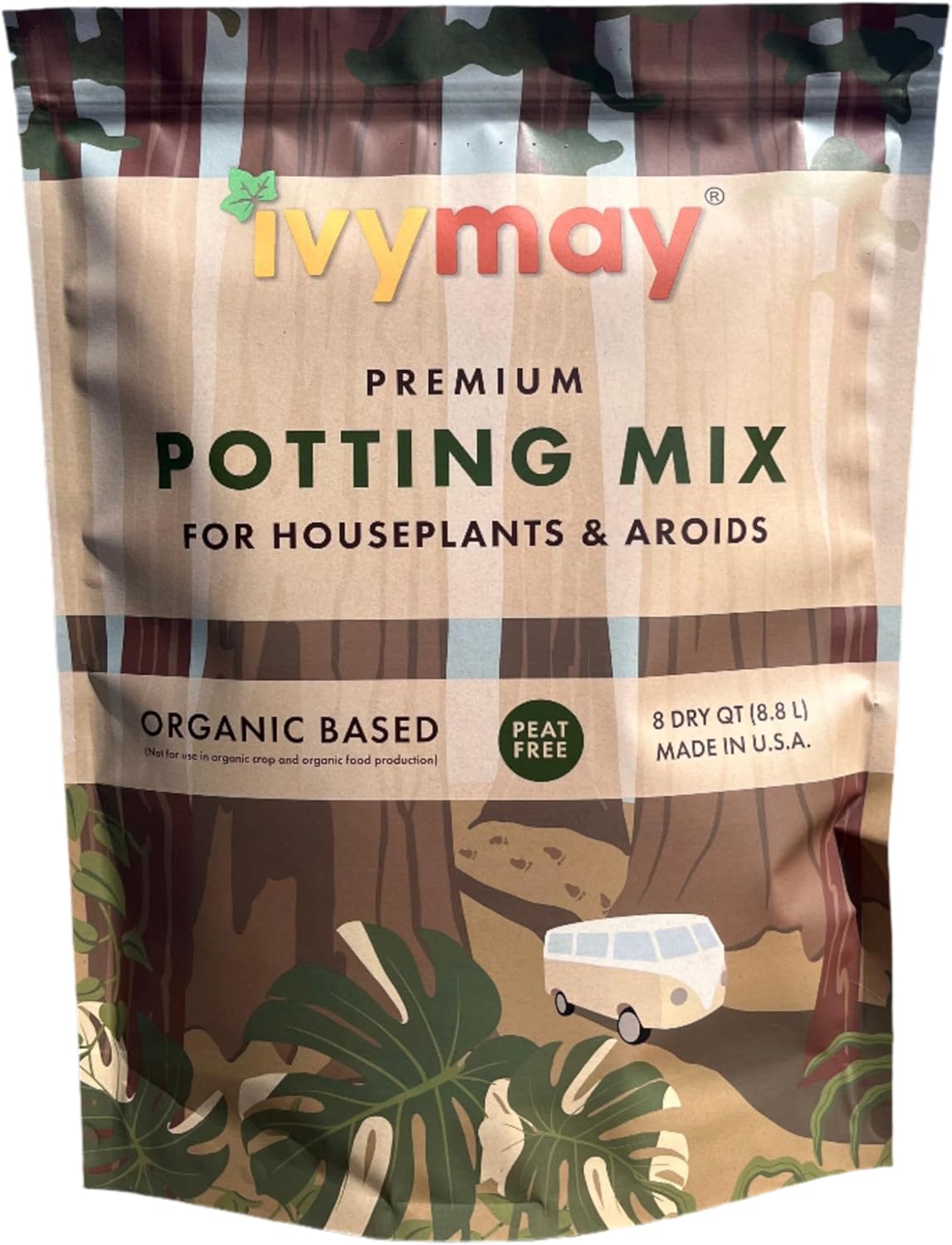
IvyMay Redwoods Organic Potting Mix for Houseplants (8 qt)
| Brand Name | ivymay |
|---|---|
| Style Name | Houseplant, Potting Mix, Bark |
| Volume | 8 quarts |
| Item Weight | 4 pounds |
IvyMay Redwoods is a ready-to-use indoor potting mix designed specifically for aroids and common houseplants. The blend uses redwood and Douglas fir bark with perlite and worm castings to create a chunky, fast-draining medium that still retains enough moisture for typical indoor containers. It arrives pre-amended so you can pot straight from the bag without adding fertilizer. The inclusion of peppermint essential oil is intended to deter fungus gnats and other small pests, and the organic worm castings add nutrients and beneficial microbes to support steady growth. Practical benefits include less risk of root rot on moisture-sensitive species and reduced need for extra amendments. Limitations are the small 8 quart bag size for frequent repotters and the scented oil may be noticeable in tight indoor spaces; also, very moisture-loving plants might need more water-retentive mixes or periodic top-dressing. Overall this mix performs well as a general-purpose, gnat-resistant medium for potted houseplants when you want a mostly bark-based, airy substrate.
Best for: Buyers who want a low-maintenance, ready-to-use organic mix for aroids and common houseplants and who prioritize a chunky, well-draining substrate with natural pest deterrence.
Less Ideal for: Growers who need large volumes for outdoor beds or who require a very moisture-retentive peat-heavy mix for plants that prefer constantly damp soil.
- Peat-free, bark-based formula provides good aeration for aroids and epiphytic houseplants
- Pre-amended with worm castings so plants get nutrients straight from the bag
- Contains perlite for improved drainage and reduced risk of root rot
- Infused with peppermint oil aimed at deterring fungus gnats and small pests
- Small 8 quart volume may require multiple bags for several plants or larger pots
- Peppermint scent may be noticeable in small rooms and could bother scent-sensitive users
Verdict: A peat-free, pre-amended potting mix that gives aroids and houseplants good drainage and built-in gnat deterrence straight from the bag.
Back to the Roots Organic Indoor Potting Mix, 6 Quart

| Unit Count | 192 Fluid Ounces |
|---|---|
| Item Type Name | Indoor Potting Mix 6qt |
| Item Highlight | Peat-free, 100% organic, made in the USA |
| Ingredients | Coconut Coir, Yucca, Mycorrhizae, Perlite, Horticultural Sand |
This Back to the Roots indoor potting mix is a ready-to-use, 6-quart blend designed for common houseplants such as pothos, monstera and ferns. It combines coconut coir, yucca extract, mycorrhizae, perlite and horticultural sand to improve moisture retention, drainage and root development without peat. In practice it feels light and friable, so it is easy to pot seedlings or repot mature plants and it reduces compaction that can suffocate roots. The added mycorrhizae helps young roots establish and take up nutrients more efficiently while yucca extract helps the mix hold water between waterings, which is convenient for forgetful or busy plant owners. Because it is peat-free and made in the USA, it is a more sustainable choice versus traditional peat-based mixes. Limitations are the small 6-quart size, which means frequent repurchasing for larger collections, and the bag does not include fertilizer so you will need to feed plants separately as they grow.
Best for: Buyers who prioritize low-risk, easy-care houseplant solutions and want an organic, ready-to-use potting mix that reduces watering hassles and supports healthy root growth.
Less Ideal for: Not ideal for gardeners who need large-volume soil for many pots or for those expecting a mix that includes built-in fertilizer for long-term feeding.
- Peat-free organic formula that reduces environmental impact
- Yucca extract improves moisture retention between waterings
- Contains mycorrhizae to support root development and nutrient uptake
- Light, well-draining texture suitable for repotting seedlings and houseplants
- Small 6-quart volume may require frequent repurchasing for larger plant collections
- Does not include fertilizer so additional feeding is necessary
Verdict: A compact, peat-free potting mix that simplifies indoor plant care by holding moisture and boosting root establishment.
Miracle-Gro Indoor Potting Mix for All Plants, 16 qt.

| Unit Count | 128 Ounce |
|---|---|
| Item Type Name | Soil |
| Item Highlight | Feeds for up to 6 Months |
| Style Name | All Purpose Indoor Potting Mix |
| Volume | 16 quarts |
Miracle-Gro Indoor Potting Mix is a lightweight, ready-to-use soil designed for common houseplants, herbs, tropicals, foliage plants, and flowering indoor containers. It blends sphagnum peat moss, coconut coir, and perlite to retain moisture while allowing excess water to drain, so roots stay aerated and less prone to rot. The formula is bark- and compost-free, which helps reduce habitat for fungus gnats. Use it straight from the bag to repot plants or to fill new containers; one 16 qt. bag is sized to refill multiple 8-inch pots. The mix includes nutrients meant to feed plants for up to six months, but you will want to start a regular feeding schedule after that period for actively growing specimens. Practical gardeners will appreciate the consistent texture and the ease of use, though heavy feeders or plants with specialized needs may still require custom amendments or more frequent fertilizing.
Best for: Houseplant owners who want a low-effort, reliable potting mix for everyday repotting and container refreshes and prefer a product that minimizes common indoor pest issues.
Less Ideal for: Growers who manage high-demand vegetables, orchids, or carnivorous plants that require specialized media or precise nutrient and pH management should choose a purpose-made substrate.
- Ready-to-use balanced blend suitable for a wide variety of indoor plants
- Contains peat moss, coir, and perlite for good water retention and drainage
- Bark- and compost-free formula that helps reduce fungus gnat habitat
- Feeds plants for up to six months, reducing immediate need for fertilizer
- Nutrient boost lasts about six months so additional feeding is required afterward
- Not formulated for specialty crops that need very high nutrient levels or specific pH
Verdict: A convenient, all-purpose indoor potting mix that makes repotting and maintaining healthy houseplants quick and low effort.
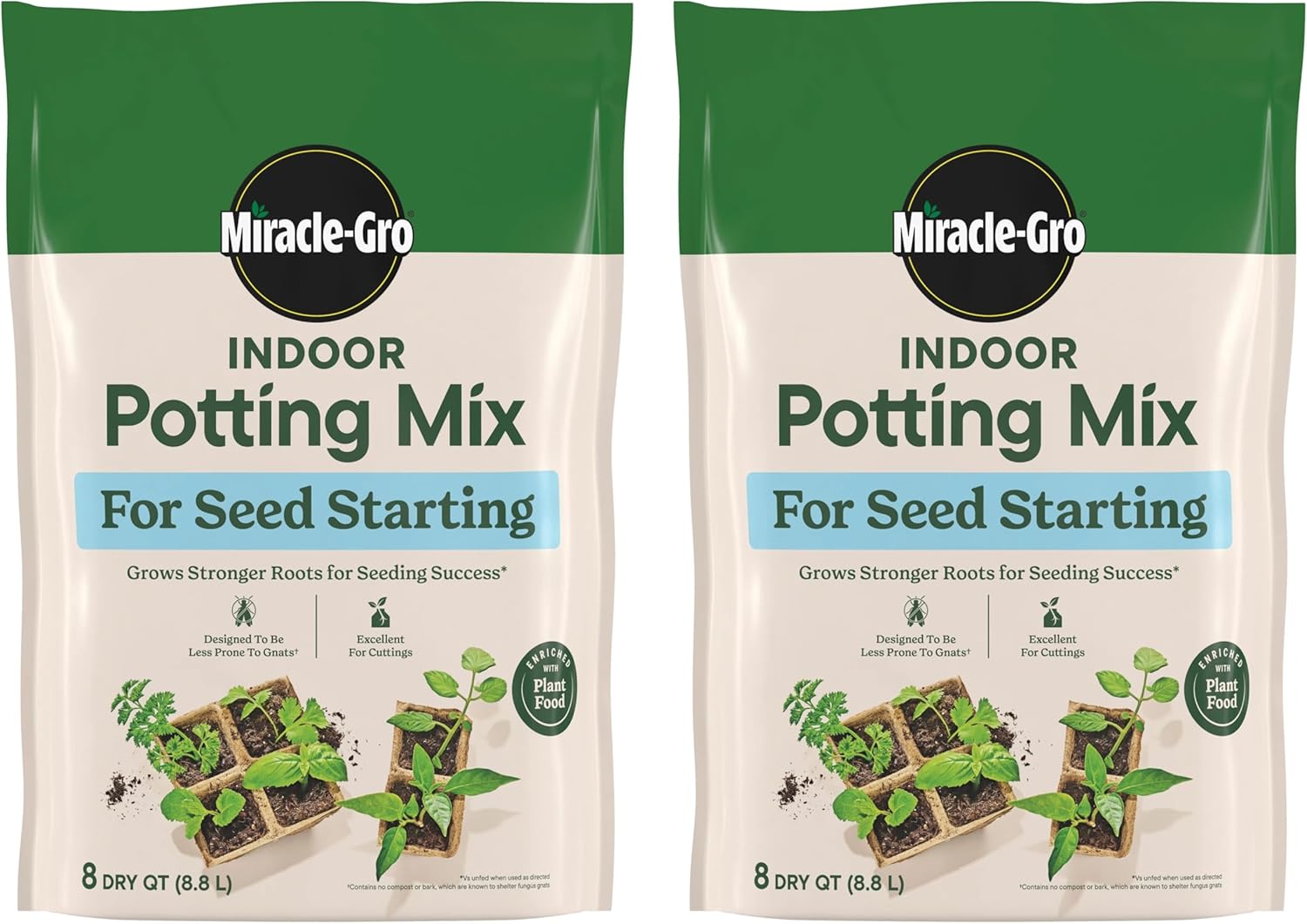
Miracle-Gro Indoor Potting Mix for Seed Starting, 8 qt. (2-Pack)
| Brand Name | Miracle-Gro |
|---|---|
| Item Type Name | Potting Mix |
| Number of Packs | 2 |
| Volume | 8 quarts |
This two-pack of Miracle-Gro Indoor Potting Mix is designed specifically for starting seeds and rooting cuttings indoors. The blend is lightweight and pre-enriched with plant food so seedlings get a nutrient boost during early root development, and the manufacturer says it yields stronger roots compared with unfed mixes when used as directed. It is intended for vegetables, flowers, and herbs and works well in cell trays and small containers; one 8 qt. bag will fill roughly three 72-cell trays. Notably, the formula omits compost and bark, which helps lower the chance of fungus gnat infestations in damp seed-starting setups. Use it by filling trays or pots, keeping the mix evenly moist, and shielding newly sown seeds from direct sun until germination. Important limitations are standard for enriched mixes: it contains fertilizer (so handle carefully) and it is a seed-starting medium rather than an all-purpose potting soil for mature plants, so you will likely transplant seedlings into a different mix or amend soil later.
Best for: Buyers who want a low-effort, indoor seed-starting medium that supports faster root development and reduces common pest risks while following proven seed-starting practices.
Less Ideal for: Gardeners who need a permanent potting soil for mature container plants or who prefer fully organic, compost-rich mixes should consider alternatives.
- Lightweight, ready-to-use formula tailored for seed germination and cuttings
- Pre-enriched with plant food to support early root and seedling growth
- Excludes compost and bark to reduce habitat for fungus gnats
- Comes as a two-pack so you have enough mix for multiple trays
- Contains fertilizer which requires careful handling and storage
- Intended for seed starting so not formulated as long-term potting soil for mature plants
Verdict: A practical, low-risk seed-starting mix that boosts early root growth and reduces fungus gnat risk, making it a reliable choice for indoor vegetable seedlings.
Miracle-Gro Indoor Potting Mix for All Plants, 6 qt., 2-Pack

| Number of Packs | 2 |
|---|---|
| Unit Count | 400.58 Ounce |
| Item Highlight | Feeds for up to 6 Months |
| Ingredients | Sphagnum Peat Moss, Coir, Perlite, Fertilizer, Wetting Agent |
This Miracle-Gro indoor potting mix is formulated as an all-purpose soil for indoor container plants and is sold in a two-pack of 6‑quart bags. It combines sphagnum peat moss, coconut coir, and perlite to create a lightweight, well-draining mix that holds moisture yet releases it to roots, which helps tropical houseplants like a Dragon Tree avoid waterlogged roots. The bagged mix includes a slow-release fertilizer meant to feed plants for up to six months so you do not need to amend immediately after potting. Notably the formula excludes bark and compost, which can reduce habitats for fungus gnats — useful when repotting indoor specimens. Use is straightforward: fill a pot with drainage, set the plant, backfill with mix, and water. Limitations are that the fertilizer schedule is fixed to the included feed and heavy feeders may need additional fertilizing after several months, and serious growers who want a custom cactus or orchid-style mix will find the texture too fine. For routine repotting of Dragon Trees and similar tropical houseplants this mix is convenient and consistent.
Best for: Buyers who want a reliable, low-effort potting mix for repotting tropical houseplants like Dragon Trees and prefer a product with built-in feeding and pest-reduction features.
Less Ideal for: Specialist growers who need custom texture blends for succulents, orchids, or aggressive feeders should choose purpose-formulated mixes or amend this product accordingly.
- Balanced blend of peat moss, coir, and perlite for good moisture retention and drainage
- Includes slow-release fertilizer that feeds up to six months for low-maintenance care
- Bark- and compost-free formula reduces places for fungus gnats to breed
- Ready-to-use bag makes repotting quick with no mixing required
- Fertilizer is fixed for about six months so additional feeding may be necessary for heavy feeders
- Texture may be too fine for plants that prefer very fast-draining or chunky mixes
Verdict: A convenient, low-maintenance indoor potting mix that keeps Dragon Trees healthy with good drainage and up to six months of built-in feeding.
Miracle-Gro Houseplant Potting Mix, 4 qt.

| Unit Count | 128 Ounce |
|---|---|
| Volume | 5 quarts |
| Item Highlight | Fertilized, Perlite Soil for Indoor Gardening, Designed to Be Less Prone to Gnats |
| Ingredients | Perlite, Sphagnum Peat Moss, Fertilizer, Wetting Agent, Coir |
Miracle-Gro Houseplant Potting Mix is a ready-to-use indoor potting soil for common houseplants such as pothos, monstera, spider plants and philodendrons. The mix combines sphagnum peat moss, coir and perlite with a built-in fertilizer and a wetting agent so it holds moisture evenly while remaining airy enough for container roots. It is designed to avoid ingredients like compost and bark that can attract fungus gnats, which makes it a sensible choice when repotting plants indoors. Use it to fill a container with a drainage hole, set the root ball, top up and water thoroughly; one 4-qt bag is intended to fill an 8-inch pot. The included fertilizer feeds plants for up to six months, but you should start a regular feeding schedule after that for sustained growth. This is a convenient, widely available option for quick repotting, though larger or specialty mixes may be a better fit for growers who need exact pH control or custom blends for orchids and succulents.
Best for: Houseplant owners who want a dependable, ready-made potting mix for routine repotting and steady results without fuss; good for people who prioritize convenience and fewer pest issues indoors.
Less Ideal for: Collectors who need custom media for orchids, cacti, or bonsai or growers who require precise control over pH and nutrient profiles.
- Formulated for indoor plants with perlite and coir to improve aeration and drainage
- Contains fertilizer that feeds houseplants for up to six months after potting
- Designed to be less prone to fungus gnats by excluding compost and bark
- Includes a wetting agent to help the mix absorb water evenly when watering
- Bag size (4 qt.) is small for multi-plant households and may require frequent repurchasing
- Not formulated for specialty plants that require very fast drainage or coarse media
Verdict: A convenient, fertilized potting mix that makes repotting houseplants quick while reducing the risk of fungus gnats.
Choosing the Right Potting Soil for Gnats: Key Factors to Consider
Drainage and Surface Drying
How quickly the top layer dries is a major control point for fungus gnats because adults lay eggs in moist surface soil. A mix that drains well and has coarse components like perlite or pumice shortens the time the surface stays damp.
Drainage matters for all container sizes. In small pots a little extra coarse material prevents the soil from staying soggy between light waterings. In larger planters, good drainage prevents pockets of persistent moisture where larvae can thrive.
Organic Amendments and Disease Suppression
Some potting soils include amendments such as composted bark, humus, or microbial inoculants that change how the soil surface supports fungi. Reducing fungal growth on the surface decreases food sources for gnat larvae and can lower overall infestation risk.
Choose mixes with stable, well-decomposed organic matter rather than fresh compost, which can temporarily increase microbial activity and attract gnats. Look for wording that indicates cured or composted content rather than raw materials.
Particle Size and Aeration
The physical structure of the mix determines how air and water move through the pot. Larger particles create pore space, improving aeration and allowing the surface to dry faster. Fine, compacting soils hold water and create the moist microhabitats gnats favor.
If you frequently water from the top, a looser texture helps prevent capillary wicking that keeps the surface wet. For plants that prefer higher moisture, balance aeration with enough organic matter to hold required water without creating a perpetually soggy surface.
Moisture Retention Vs Plant Needs
Selecting a soil for gnat-prone situations means balancing quicker drying with your plant's moisture requirements. Succulents and cacti need very fast-draining mixes, while tropical houseplants often require more consistent moisture.
Match the mix to species and your watering rhythm. A highly draining gnat-resistant mix might stress moisture-loving plants unless you water more frequently or use larger pots that hold more volume of soil.
Surface Treatments and Top Dressings
Many gardeners use top dressings to create a physical barrier that deters egg-laying. Materials such as coarse sand, horticultural grit, or dried decorative pebbles can reduce surface moisture and discourage adults from laying eggs in the soil.
Top dressings work best when the underlying mix drains well. They are an add-on strategy rather than a replacement for selecting the right base soil, and they also help reduce splash and soil compaction during watering.
Long-Term Stability and Compaction
Some potting soils compress and break down over months of watering and root growth, which decreases aeration and increases moisture retention. Soils with stable inorganic components maintain structure longer and reduce the need for frequent repotting.
Consider how often you want to repot and whether the mix will hold up with heavy root systems. Stable mixes save time and keep surface drying performance consistent over the life of the pot.
Matching Soil Choice to Plant Type
Different houseplants demand different moisture and aeration. For succulents and cacti, choose a very coarse, mineral-rich mix that sheds water quickly. For tropical foliage plants, pick a blend that retains some moisture while including coarse components to keep the surface from staying wet.
If you care for a variety of plants, consider keeping two mixes on hand or amending a base potting soil with extra perlite or pumice for drier species. Adjust pot size and watering frequency alongside soil choice to find the right balance.
- Succulents: High mineral content, fast draining
- Tropicals: Organic matter plus coarse amendments
- Mixed collections: Use amendments per pot rather than one universal mix
Simple Repotting and Top-Dressing Techniques
When repotting to address gnats, remove the old top inch or two of soil where eggs and larvae concentrate and replace it with fresh, well-draining mix. This reduces the existing population and gives young roots a cleaner medium.
A 1/4- to 1/2-inch layer of coarse sand or horticultural grit on the surface helps the top dry faster and forms a barrier against egg-laying. For a low-profile look, washed decorative gravel works equally well while providing the same functional benefit.
- Remove and replace the top soil layer during repotting
- Use coarse sand, grit, or washed pebbles as a top dressing
- Avoid fine decorative mulches that trap moisture
Watering Habits That Complement Soil Choice
Adjusting how you water is as important as the soil mix. Water deeply but less often, and allow the top inch or two of soil to dry before watering again for plants that tolerate that cycle. This reduces the moist surface habitat gnats need to complete their life cycle.
Use watering methods that avoid constant dampness at the top. Bottom watering or watering until runoff and allowing the pot to drain thoroughly helps flush salts without keeping the surface continuously wet.
- Let the top 1-2 inches dry for many houseplants
- Consider bottom watering for plants sensitive to wet foliage
- Ensure pots have drainage and do not sit in saucers full of water
Indoor Environmental Controls
Environmental factors like humidity, airflow, and temperature influence how quickly soil dries and how attractive it is to gnats. Increasing airflow with a small fan or lowering ambient humidity helps the surface dry faster and discourages gnat breeding.
Place susceptible pots in brighter, airier locations if the plant tolerates it. Cooler, damp corners are more likely to harbor gnat problems even with a drier mix.
- Improve airflow around pots
- Avoid overly humid microclimates in the home
- Move pots out of cold, poorly ventilated spaces
When to Repot Versus When to Top-Dress
If infestation is light and roots are healthy, replacing the top few inches of soil and adding a coarse top dressing often suffices. For heavier infestations or compacted soil, full repotting and root inspection are preferable to remove larvae embedded deeper in the root zone.
Repotting also gives you a chance to examine roots for rot and to select a mix better matched to the plant. Use repotting as an opportunity to reset watering expectations with a soil that drains appropriately.
- Light infestation: Top-dress and refresh topsoil
- Heavy infestation or poor soil structure: Full repot and inspect roots
- Repot during active plant growth for best recovery
How We Chose the Best Potting Soil for Gnats
We focused on attributes that directly affect fungus gnat life cycles and everyday plant care. Key evaluation criteria included drainage and water retention balance, presence and type of organic amendments that can suppress fungal growth, particle size and texture for surface drying, compatibility with common indoor plants, and ease of repotting. We also considered whether soils compact over time and how they perform in typical container sizes from small pots to medium planters. Excluded from consideration were soils formulated solely for outdoor beds, mixes that require extensive post-purchase amendment to be usable indoors, and potting media aimed only at specialized plants like bonsai or carnivores. We prioritized mixes that work well straight from the bag for houseplants prone to gnat problems and that fit common homeowner watering habits. The resulting shortlist reflects a balance of practical performance metrics rather than marketing claims.
FAQ
Will changing potting soil get rid of fungus gnats completely?
Changing to a drier, well-draining soil reduces the habitat for gnats and can dramatically lower populations, but it may not eliminate every adult or egg immediately. Combine soil changes with improved watering habits and surface dressings for the best results.
Can I just add perlite or sand to my current soil to stop gnats?
Adding coarse amendments like perlite or horticultural sand can improve drainage and surface drying, which helps. Make sure you mix them evenly and avoid using fine sand that compacts. For severe infestations, replacing the top layers or full repotting is often more effective.
How long after switching to a better-draining soil will I see fewer gnats?
You may see fewer adult gnats within a week as breeding opportunities decline, but complete control often takes a few life cycles of the insect. Continue monitoring and keep the surface dry to prevent a rebound.
Are there soil ingredients I should avoid if I want fewer gnats?
Avoid mixes with a high proportion of fresh compost or finely milled organic matter that retains moisture at the surface. Look for well-cured organic content and stable, coarser components that prevent a perpetually damp top layer.
Does pot size affect gnat problems when using gnat-resistant soil?
Yes. Smaller pots dry faster overall, which can be helpful, but they also require more frequent watering and can experience rapid swings in moisture. Larger pots hold more volume and buffer watering, so choose soil and pots with your watering routine in mind.
Final Verdict
Prioritize mixes that promote fast surface drying, include stable coarse components, and use well-cured organic matter to reduce fungus gnat breeding sites. Match the mix to your plant types and adjust watering and pot selection to keep the surface from staying damp. A practical approach combines the right soil with simple cultural changes like top-dressing, improved airflow, and adjusted watering. Focus on drainage and particle texture first, and use top-dressings and repotting as complementary steps to regain control.
