

Note: This article contains affiliate links. If you click on these links and make a purchase, I may earn a small commission at no extra cost to you. This helps support my research and content. Read my full affiliate disclosure here.
You want a tool that removes weeds quickly without tearing up soil or tiring your back. Push pull garden hoes are built for short, repeated strokes that slice weed roots at the soil surface while leaving surrounding plants and structure intact. In this guide we cover seven top choices suited to backyard beds, raised planters, and small vegetable plots. Each shortlisted option was evaluated for blade geometry, handle comfort, and ease of use so you can pick a hoe that matches your garden layout and physical needs. Read on for practical notes on how each design behaves in real gardening situations.
Top Picks at a Glance
| Best Overall The best all-around choice for most situations | Hoss Stirrup Hoe with 60" Ash Handle |  |
| Best Quality Built to a higher standard if you want something more solid | Hoss Tools Push Pull Hoe |  |
| Best Value The sweet spot between price and what you get | Walensee 14-Inch Mini Stirrup (Hula) Hoe — Hand Weeder and Soil Cultivator |  |
| Best Budget The cheapest option that still gets the job done reliably | Oliynedy Stirrup Hoe & Cultivator Rake, 2-in-1 Adjustable Long-Handle Weeder |  |
| Highest Rated A top-rated pick with lots of positive feedback | Edward Tools Double Action Stirrup Hoe with 54" Fiberglass Handle |  |
| Most Popular A crowd favorite that many people choose with confidence | DonSail Adjustable Long-Handle Stirrup (Scuffle) Hoe |  |
| Best Seller A high-volume bestseller chosen again and again | DonSail Adjustable Push-Pull Scuffle Garden Hoe (30–43 in) |  |
Hoss Stirrup Hoe with 60" Ash Handle

| Blade material | Spring steel |
|---|---|
| Blade width | 6 inches |
| Handle material | Ash |
| Handle length | 60 inches |
| Frame finish | Powder-coated steel |
The Hoss Stirrup Hoe is a classic push-pull weeding tool built for frequent garden use. Its 6 inch spring-steel blade is sharpened on both edges and mounted in a powder-coated frame that lets the blade rock about 20 degrees each way so you can cut weeds on both the push and pull stroke. The long 60 inch waxed ash handle keeps you upright while working rows and beds and the rounded blade profile lets you work close to desirable plants without gouging stems. Practical benefits include fast removal of small weeds between plants, the ability to edge beds by shuffling the blade along borders, and a sturdy square-peg connection that resists wobble. Because the blade is ready to use out of the box and cuts in both directions, you can cover ground quickly with less fatigue than repeated chopping motions. Limitations are that this is best for surface and shallow-rooted weeds rather than deep taproots, and the metal blade and frame are heavy-duty so the tool is less compact for storage or tight, delicate work near seedlings.
Best for: Gardeners who want an efficient, low-effort tool for regular weeding and edging across beds and rows and who value durability and speed over compactness.
Less Ideal for: People working mainly in small pots, tight raised-bed corners, or needing a tool specifically for digging out deep taproots should look elsewhere.
- Sharp double-edged 6" spring steel blade cuts on both push and pull strokes
- Blade oscillates 20 degrees each direction for efficient forward and backward cutting
- Long 60" waxed ash handle reduces bending and suits a range of user heights
- Powder-coated steel frame with square-peg connection offers solid, durable construction
- Not intended for removing deep taprooted weeds or heavy root extraction
- Relatively long and rigid design is less maneuverable in very tight or crowded containers
Verdict: Buy this stirrup hoe if you want a rugged, push-pull tool that quickly clears surface weeds and keeps garden beds tidy with minimal bending.
Hoss Tools Push Pull Hoe

| Manufacturer | Hoss Tools |
|---|---|
| Item Weight | 1 pounds |
| Item model number | PPH994 |
The Hoss Tools Push Pull Hoe is a hand hoe built around a sharp, V‑shaped tempered steel head that cuts on both push and pull strokes. It is used by skimming the blade just under the soil to sever weed roots or by penetrating deeper with the pointed tip for stubborn taproots. That V shape and sharpened edges let you work very close to plant stems and slide under drip irrigation lines without cutting them, making it useful in vegetable beds and closely spaced plantings. The hardened steel construction suggests long edge life and straightforward resharpening when needed. Because it relies on a hand motion rather than chopping, it reduces wasted effort and lets you cover ground quickly for spot weeding and scuffling. The main limitations are that it is a hand tool so it is best for beds and small areas rather than large acreage, and effectiveness depends on keeping the blade sharp and using proper technique to avoid wrist strain during extended sessions.
Best for: Gardeners who prioritize fast, precise weeding in vegetable beds or tight plantings and who prefer a tool that powers efficient push‑and‑pull motions over repeated chopping.
Less Ideal for: People who need to clear large beds or acres quickly or who prefer long‑handled chopping hoes for heavy sod and deep excavation.
- V‑shaped, double‑edged tempered steel blade cuts on both push and pull strokes for faster weeding
- Pointed tip penetrates compacted soil and removes deep roots
- Designed to work close to plant stems and slide under drip irrigation lines without nicking them
- Efficient scuffle action lets you skim surface weeds quickly, reducing time spent weeding
- Hand tool not suited for weeding very large areas or landscaper‑scale tasks
- Performance depends on keeping the blade sharp and using correct technique
Verdict: Choose this hoe when you want a durable, V‑shaped blade that lets you weed quickly and exactly around plants and drip lines.
Walensee 14-Inch Mini Stirrup (Hula) Hoe — Hand Weeder and Soil Cultivator

| Brand Name | Walensee |
|---|---|
| Unit Count | 1 Count |
| Item Highlight | 14-Inch Hula Hoe With Sharp Metal Edge |
| Material Type | Metal |
| Operation Mode | Manual |
The Walensee 14-inch mini stirrup hoe is a handheld push-pull weeder and cultivator built for close-up garden work. Its hollow trapezoid steel head doubles as a scuffle blade and small rake, so you can slice weeds just below the surface, scrape shallow roots, and lightly loosen soil or seed rows with a single tool. The blade is hand-forged and heat-treated for durability and the ergonomic rubber grip reduces hand fatigue during repetitive motions. Because it is compact and ready to use out of the box, this hoe is most useful in raised beds, container gardens, greenhouses, and tight planting rows where a long-handled hoe would be awkward. It is lightweight and precise, but not intended for heavy-duty digging, deep tilling, or removing large, established roots. Expect efficient surface weeding and cultivation, not replacement of larger ground tools.
Best for: Gardeners who prioritize efficient, low-effort surface weeding and precise bed maintenance in small plots, containers, or greenhouse setups and want a durable hand tool that saves time.
Less Ideal for: People who need a long-handled hoe for large acreage, deep tilling, or pulling out well-established taproots should choose a larger digging tool instead.
- Versatile hollow trapezoid head functions as scuffle blade, rake, and scraper for multiple tasks.
- Hand-forged, heat-treated steel blade offers stronger edge retention than stamped metal.
- Ergonomic rubber handle improves grip and reduces hand fatigue during prolonged use.
- Compact and ready to use without assembly, ideal for tight beds, containers, and greenhouse work.
- Small, short-handled design limits leverage for deep digging or removing large roots.
- Not suitable as a primary tool for large plots or heavy-duty soil turning.
Verdict: Buy this if you want a durable, compact push-pull hoe that makes fast, precise surface weeding and light cultivation in small beds and containers.
Oliynedy Stirrup Hoe & Cultivator Rake, 2-in-1 Adjustable Long-Handle Weeder

| Material Type | Stainless Steel |
|---|---|
| Power Source | Manual |
| Operation Mode | Manual |
| Unit Count | 1 Count |
This Oliynedy 2-in-1 stirrup hoe and cultivator rake is a straightforward push-pull weeder built for everyday garden chores. The tool pairs a loop-action hoe blade for slicing surface weeds with a four-tine cultivator head for loosening soil and pulling roots, making it useful for vegetable beds, flower borders, and compacted patches. The stainless steel construction and thickened pole aim to balance durability with light handling, while the adjustable handle lets you extend reach to work standing up or shorten it for seated tasks. Assembly is simple and tool-free using the supplied bolt and threaded poles. Practical benefits include faster weeding without constant bending and a single tool that handles both scraping and digging. Limitations are that the manual design relies on user effort in heavy clay or very dense roots, and the basic plastic handle top may wear faster under heavy use. For gardeners on a budget who want a versatile push-pull hoe with a cultivator option, this covers core needs without extras.
Best for: Practical home gardeners looking for an affordable, no-frills push-pull hoe that handles both light weeding and soil cultivation without frequent bending.
Less Ideal for: Gardeners who need a heavy-duty, professional-grade tool for continuous use in very compacted clay or for removing deep, established roots should consider sturdier, specialized equipment.
- Two tools in one: stirrup hoe blade for slicing weeds plus a 4-tine cultivator for loosening soil
- Adjustable long handle lets you work standing or seated to reduce bending
- Stainless steel head and thickened pole offer practical durability for routine garden use
- Easy, tool-free assembly with supplied bolt and threaded poles
- Manual operation requires significant effort in heavy clay or densely rooted weeds
- Plastic handle top is basic and may show wear sooner under heavy use
Verdict: A budget-friendly two-in-one push-pull hoe that combines slicing and cultivating so you can weed and loosen soil with a single adjustable tool.
Edward Tools Double Action Stirrup Hoe with 54" Fiberglass Handle
| Handle Material | Fiberglass |
|---|---|
| Blade Material | Alloy Steel |
| Grip Type | Ergonomic |
| Item Count | 1 |
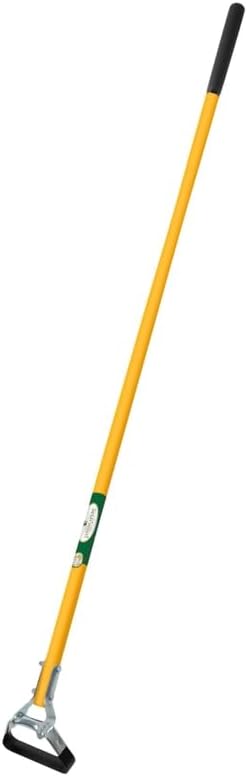
This Edward Tools double action stirrup hoe is built for gardeners who need a reliable weeding and cultivation tool. The sharpened 7-inch alloy steel blade cuts on both the push and pull stroke, which speeds through surface weeds and light cultivation without repeated repositioning. A 54-inch fiberglass shaft keeps the tool lighter than wood while resisting weathering and breakage common with cheaper handles. The blade is bolted to the head, which improves longevity under heavy use, and a double-injected ergonomic grip reduces hand slip and fatigue during extended sessions. In practical use it excels at weeding garden beds, paths, and around established plants where you need consistent, repeatable cutting action. Limitations include that the stirrup design is best for surface weeds and shallow cultivation rather than digging deep roots or turning heavy clay, and the tool is a single-purpose hoe rather than a multi-tool. For gardeners who value a tough, long-lived weeder, this is a solid option.
Best for: A buyer who prioritizes a durable, no-nonsense weeding tool for regular garden maintenance and wants equipment that stands up to frequent use.
Less Ideal for: Not the best choice for gardeners who need a tool for deep digging, moving large amounts of soil, or prying out tough taproots; those users should consider digging hoes or fork-style tools.
- Dual-sharpened alloy steel blade cuts on both push and pull strokes for faster weeding
- 54-inch fiberglass handle resists weathering and is stronger than typical wooden shafts
- Bolted blade connection improves durability under heavy use
- Ergonomic non-slip grip reduces hand fatigue during extended use
- Stirrup head is optimized for surface weeds and light cultivation, not deep root removal or heavy soil turning
Verdict: Buy this hoe if you want a durable, weather-resistant push-pull weeder built for regular backyard or professional use.
DonSail Adjustable Long-Handle Stirrup (Scuffle) Hoe

| Extendable Length | 30", 43", 60" |
|---|---|
| Material – Pole | Premium steel |
| Material – Blade | Premium steel |
| Handle Top Material | Plastic |
The DonSail adjustable stirrup hoe is a simple long-handle weeding tool built around a hollow, commercial-grade steel shaft and a looped cutting blade for push-pull scuffle weeding. It assembles by screwing three pole sections together and extends to several lengths so you can work from a more upright position and avoid bending. In use the stirrup blade slices weed roots with a short back-and-forth motion, making it efficient for row gardens, flower beds, and vegetable patches without disturbing nearby plants. The tool is lightweight yet made from thicker steel for durability, and the plastic top provides a comfortable grip for longer sessions. Limitations are that it is a single-purpose hand tool best for surface weeds and light cultivation rather than heavy digging or chopping roots, and the adjustable pole depends on threaded joints that should be checked periodically for tightness.
Best for: A cautious gardener who prefers dependable, low-effort tools for regular bed maintenance and wants to minimize bending and back strain while removing surface weeds.
Less Ideal for: Gardeners who need a multipurpose digging tool or who frequently tackle deep-rooted or woody weeds should choose a different heavy-duty hoe or digging implement.
- Adjustable handle length reduces bending and improves comfort for different heights
- Stirrup (scuffle) blade efficiently severs weeds with a push-pull motion
- Commercial-grade hollow steel construction balances strength with light weight
- Quick tool-free assembly by screwing three pole sections together
- Not suitable for heavy-duty digging or cutting large, established roots
- Threaded pole joints may loosen over time and require periodic tightening
Verdict: A practical, easy-to-use stirrup hoe that reduces bending and speeds routine weeding in garden beds.
DonSail Adjustable Push-Pull Scuffle Garden Hoe (30–43 in)

| Adjustable length | 30 to 43 inches |
|---|---|
| Material – pole | Premium steel |
| Material – blade | Premium steel |
| Assembly | Three-piece screw-together |
The DonSail adjustable push-pull scuffle hoe is a long‑handle weeding tool built for quick surface cultivation and cutting weed roots with a back-and-forth motion. It assembles by screwing three hollow steel sections together to reach either about 30 inches or 43 inches, so users can work upright and avoid frequent bending. The hardened steel blade and 1.3 inch diameter steel pole give it a sturdier feel than many cheap hoes while remaining light enough for extended use. Typical uses are scuffling between rows, light soil aeration, and removing young weeds in flowerbeds and vegetable plots without disturbing nearby plants. Installation is tool-free and fast, and the extendable handle makes it easier to share among household gardeners of different heights. Limitations are that it is meant for surface weeding and not heavy digging or breaking compacted soil, and the simple plastic handle top may wear sooner than all-metal grips under heavy use.
Best for: Gardeners who prioritize an easy-to-use, low-effort weeding tool for beds and rows and who prefer to avoid bending or strenuous work during routine maintenance.
Less Ideal for: Those needing a heavy-duty digging or soil-breaking tool for compacted ground or for tasks like trenching and deep cultivation should look elsewhere.
- Push-pull scuffle blade cuts weed roots quickly with minimal disturbance to surrounding plants
- Adjustable length lets users work upright and reduces back strain
- Hardened hollow steel construction keeps the tool light while improving durability
- Tool-free assembly in about a minute for easy setup and storage
- Designed for surface weeding and light cultivation, not for heavy digging or breaking hard soil
- Top of handle is plastic which may wear faster than all-metal alternatives
Verdict: Buy this if you want a lightweight, adjustable push-pull hoe that makes surface weeding faster and far less tiring.
Choosing the Right Push Pull Garden Hoe: Key Factors to Consider
Blade Shape and Edge Profile
Blade geometry governs how the tool slices through topsoil and severs weed roots. A narrow, sharp blade concentrates force into a thin cutting edge for quick root severing, while a broader blade can skim a wider band of soil per stroke. The cutting angle affects whether the hoe slides cleanly under small weeds or digs and uproots larger, deep-rooted plants.
Edge profile matters for maintenance and performance. A beveled, sharpened edge will need occasional filing to retain a clean slice. Blunt or rounded profiles may require more force and disturb more soil, which can bring weed seeds to the surface. Consider the types of weeds and the desired disturbance level when weighing blade shapes.
Handle Length and Grip
Handle length determines working posture and reach. Longer handles let you stand more upright and cover wider rows without bending, but they can be harder to control in tight beds. Shorter handles offer precision around transplants and in raised beds but increase bending.
Grip shape and material affect fatigue and control. Cushioned or contoured grips reduce hand strain during repeated push-pull motions. Smooth wooden handles are comfortable but may need finish care; textured synthetic grips can stay secure when wet. Think about your typical weeding sessions and whether you need a handle optimized for endurance or precision.
Weight, Balance, and Maneuverability
Overall weight influences how many strokes you can perform before tiring. A lightweight hoe is easier to swing and reposition, which suits large or frequent weeding chores. However, too-light tools may lack momentum and require extra effort to cut through compacted soil.
Balance between the head and handle affects control. A head-heavy tool slices more aggressively but can be harder to guide in narrow rows. A well-balanced tool feels neutral in the hand and tracks with each push and pull. Evaluate how the tool behaves in close planting and open bed scenarios to find the right compromise.
Durability and Corrosion Resistance
Materials determine how long the hoe will hold an edge and resist rust. Heat-treated hardened steel or high-carbon blades retain sharpness longer and tolerate occasional sharpening. Stainless finishes or protective coatings reduce surface corrosion when tools are stored outdoors or used in damp soil.
Handle materials also affect lifespan. Solid hardwood handles can last decades with proper care but may crack if left exposed to moisture. Fiberglass or composite shafts resist weathering and are less prone to breaking under stress. Consider storage conditions and expected use frequency.
Soil Type and Garden Layout Compatibility
Different soils change tool behavior. Loamy and sandy soils let a sharp blade glide and require less downward force, whereas clay and compacted ground demand a sturdier edge and sometimes more aggressive angle to sever roots. In rocky soils, a thin blade risks damage and a more robust head is preferable.
Garden layout matters too. Wide open rows favor longer handles and broader blades for speed. Raised beds, container plantings, and tight perennial borders call for compact, precise heads and shorter handles. Match the tool profile to where you spend most of your weeding time.
How the Push Pull Motion Protects Soil Structure
The push pull technique slices weed roots at the soil surface with short, lateral strokes. That preserves soil aggregates and avoids deep inversion that brings dormant seeds to the surface. Over time, this approach helps maintain crumb structure and reduces the need for frequent soil rebuilding.
Adopting this motion means you are managing weeds by cutting them off rather than uprooting them. For many garden beds this reduces disturbance to neighboring plants and helps beneficial organisms remain in place.
- Less soil inversion compared to chopping hoes
- Fewer weed seeds brought to the top layer
- Better preservation of soil life and structure
Maintaining and Sharpening a Hoe Blade
A sharp hoe works faster and requires less effort. After each season, clean soil and residue from the blade, dry it fully, and apply a light coat of oil to slow corrosion. Regular touch-up sharpening with a flat file or mill file preserves the bevel and keeps the slicing action efficient.
Avoid grinding away too much metal. Small, frequent filings to restore a defined edge are better than heavy regrinds. Check the blade for nicks caused by rocks and file them smooth so blades track cleanly during each stroke.
- Clean and dry after use
- Use a flat file on the bevel for minor sharpening
- Apply light oil before storage
Using a Push Pull Hoe in Raised Beds and Containers
Raised beds and containers require short, precise strokes to avoid damaging plant roots and to keep soil from spilling. Opt for hoes with compact heads and shorter handles in these settings so you can work close to plants without overreaching. The push pull motion is particularly effective in confined spaces because it requires minimal clearance.
When working around seedlings and transplants, control is more important than speed. Practice gentle, shallow strokes and remove severed weeds by hand to prevent them from getting tangled among desirable plants.
- Choose compact heads for tight spaces
- Short handles offer better control in containers
- Work shallow to protect roots
Adapting Technique for Different Weed Types
Annual weeds with shallow roots usually respond well to a few quick passes with a sharp blade. For tougher perennials or tap-rooted species, repeated shallow slicing can stress and weaken plants over time, but may not eliminate deep roots in a single session. Combine cutting with targeted hand removal where necessary.
Adjust the angle and depth of each stroke to match the weed. A flatter angle skims surface seedlings, while a slightly steeper angle engages more root mass for larger weeds. Monitor results and vary technique across the season.
- Shallow slicing for seedlings
- Repeat passes or hand-pull for perennials
- Change angle to increase cutting depth
Storage and Seasonal Care
Store hoes with heads off the ground to prevent moisture wicking into wooden handles. Hanging tools or storing them in a dry shed prolongs both blade life and handle integrity. In wet climates, keep protective coatings renewed and inspect for early rust formation.
During the off-season, inspect fittings where heads attach to handles and tighten or replace loose hardware. A little preventive maintenance avoids failures at busy times of year and keeps the tool reliable when you need it.
- Hang tools or store off the floor
- Check head-to-handle fittings annually
- Reapply protective coatings in damp climates
How We Chose the Best Push Pull Garden Hoe
We selected tools that proved suited to typical home garden conditions and repetitive weeding tasks. Priority went to blade design and edge shape because those determine how cleanly a tool slices roots and how much soil is displaced. Handle ergonomics and length were used to assess comfort during long sessions and for gardeners of varying heights. Build materials and corrosion resistance factored into durability scores so a hoe will keep its edge through frequent use and outdoor storage. Weight and balance were considered to determine how easy the tool is to push, pull, and control in tight beds. Finally, compatibility with different soil types and ease of sharpening or maintenance influenced inclusion. We excluded broad-mattock or long-handled digging tools that are not optimized for the push-pull slicing motion. Tools that only perform Hoeing by chopping were also filtered out. The list focuses on hoes designed for short, lateral strokes across the soil surface and those that minimize root disturbance to desirable plants.
FAQ
What is the right handle length for a push pull hoe?
It depends on your working posture and bed type. Taller gardeners and open rows benefit from longer handles to avoid bending. For raised beds, containers, and tight borders a shorter handle improves control. Try to match handle length to how you prefer to stand and reach.
How often should I sharpen a push pull hoe blade?
Sharpening frequency depends on use and soil conditions. For regular seasonal weeding, a light filing every few weeks of heavy use keeps the edge effective. Inspect the blade for burrs or dullness and touch it up before long sessions.
Can a push pull hoe work in clay or rocky soil?
Yes, but you may need a sturdier blade with a thicker cross-section for compacted or stony ground. In rockier soils, expect more nicks and occasional repairs. Use a controlled, slightly steeper angle to help the blade cut through compacted layers.
Are wooden handles better than fiberglass for these hoes?
Each has tradeoffs. Hardwood handles are comfortable and absorb shock but require protection from moisture. Fiberglass or composite shafts resist weather and breakage but can feel less natural in hand. Choose based on storage conditions and how you handle tool maintenance.
Will push pull hoes disturb seedlings nearby?
They can if strokes are too deep or uncontrolled. Use short, shallow passes near seedlings and consider a smaller head or shorter handle for precision work to avoid damaging roots of desirable plants.
Final Verdict
When choosing a push pull garden hoe, prioritize blade shape and edge profile for the types of weeds you commonly face, and match handle length to your garden layout and preferred working posture. Balance, weight, and materials determine how comfortably you can work for extended sessions, while corrosion resistance and maintenance needs affect long-term reliability. Focus on the tradeoffs between speed and precision to select the tool that fits your beds and soil, and maintain a sharp edge to keep weeding quick and low impact.
