

Note: This article contains affiliate links. If you click on these links and make a purchase, I may earn a small commission at no extra cost to you. This helps support my research and content. Read my full affiliate disclosure here.
A crawl space is a high-risk entry and nesting area for mice and rats, and choosing the right rodent poison for crawl space situations changes how effective and safe your treatment will be. You need products that attract rodents in low-light, humid conditions, stay stable on typical crawl space substrates, and let you place baits where pets and beneficial wildlife cannot reach them. This guide covers six top-rated options shortlisted for crawl-space use and explains the practical pros, cons, and placement methods every homeowner should know. Read on to understand the evaluation criteria and how each pick performs in real crawl-space conditions.
Top Picks at a Glance
| Best Overall The best all-around choice for most situations | Tomcat Bromethalin Place Pacs Rodent Bait, 4.1 lb. |  |
| Best Quality Built to a higher standard if you want something more solid | Bell Laboratories Final Blocks Rodenticide 18 lb |  |
| Best Budget The cheapest option that still gets the job done reliably | Tomcat Mouse Killer Disposable Child & Dog Resistant Bait Stations (2-Pack) |  |
| Highest Rated A top-rated pick with lots of positive feedback | Contrac All-Weather Blox Rodenticide (bromadiolone) |  |
| Most Popular A crowd favorite that many people choose with confidence | Tomcat Mouse Killer Refillable Bait Station with 16 Bait Blocks |  |
| Best Seller A high-volume bestseller chosen again and again | Victor M925 Rodent Killer, 4 lb Fish‑Flavored Bait Balls | 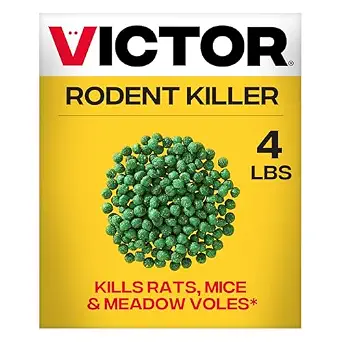 |
Tomcat Bromethalin Place Pacs Rodent Bait, 4.1 lb.

| Unit Count | 1 Count |
|---|---|
| Item Type Name | Bait Pail |
| Target Species | Mouse |
| Manufacturer | The Scotts Company LLC |
Tomcat Bromethalin Place Pacs are a pre-portioned rodenticide intended to deliver a lethal dose to Norway rats, roof rats, and house mice. The product comes as individual 3-ounce place pacs inside a 4.1 pound pail, which makes distribution quick for both indoor and outdoor use around manmade structures when placed in tamper-resistant stations. Typical use is along walls, near gnawed openings, in corners, or inside bait stations; for rats the label recommends 1 to 2 pacs every 15 to 30 feet and for mice opening the pac and applying measured portions every 8 to 12 feet. The practical benefits are ease of placement, consistent dosing and efficacy against some anticoagulant-resistant rodents. Important limitations are safety requirements and restrictions: handlers must wear gloves and other protective gear, bait must be protected from children, pets and non-target wildlife with tamper-resistant stations for above-ground use, and the product has species-use restrictions in California. Expect to monitor and replenish bait sites for several days to achieve control.
Best for: Buyers who prioritize fast, dependable kill of rats and mice and want pre-measured bait for efficient placement around structures.
Less Ideal for: Households with young children, roaming pets, or frequent wildlife access where secure baiting cannot be guaranteed should consider non-toxic control methods or professional services.
- Pre-measured place pacs simplify consistent dosing and placement
- Contains bromethalin effective against some anticoagulant-resistant rats
- Formulated for both indoor and outdoor use when used in tamper-resistant stations
- Large 4.1 lb. pail supplies multiple placements for ongoing control
- Requires careful handling and protective gear to avoid exposure
- Must be used in tamper-resistant stations for above-ground application to protect children, pets, and non-target animals
- Not permitted for use against certain rodent species in California
Verdict: If you need a professional-strength, ready-to-place rodenticide that works on anticoagulant-resistant rats, these bromethalin place pacs deliver consistent, effective control when used safely.
Bell Laboratories Final Blocks Rodenticide 18 lb

| Item Form | Spray |
|---|---|
| Target Species | Rodents |
| Item Weight | 19.9 pounds |
Final Blocks Rodenticide is a bulk block-style poison formulated for controlling rodents indoors and in outbuildings. It is presented as solid bait blocks designed to be placed in secure bait stations or locations rodents frequent; the block form helps keep bait in place and reduces scattering. Typical use is by distributing blocks around burrows, along runways, or inside tamper-resistant bait stations on a routine monitoring schedule. Practical benefits include a large 18 pound supply for sustained control programs and a concentrated formulation suited to professional or heavy residential infestations. Important limitations are that it is a toxic pesticide requiring careful placement in secured stations to keep pets and non-target wildlife away, and it assumes the user understands local regulations and safe handling. It does not include bait stations or measuring tools, so buyers should plan for storage and safe deployment accessories.
Best for: People managing moderate to heavy indoor or outbuilding rodent problems who prioritize an effective, long-lasting bait supply and will use tamper-resistant bait stations and proper safety practices.
Less Ideal for: Those with small, occasional mouse sightings, households with unsupervised pets or children, or anyone unwilling to follow pesticide safety rules should choose non-chemical or smaller packaged options.
- Large 18 lb supply suitable for multi-location or long-term control programs
- Block form resists scattering and stays in place along runways
- Designed for targeting rodents specifically, reducing wasted product
- Bulk pack is convenient for maintenance schedules without frequent repurchasing
- Contains toxic active ingredients and requires strict use in tamper-resistant bait stations
- No bait stations or placement accessories are included
- Not formulated or sold with child or pet-proof packaging integrated
Verdict: A bulk, block-style rodenticide that gives sustained, professional-strength bait supply for serious mouse control when used responsibly.
Tomcat Mouse Killer Disposable Child & Dog Resistant Bait Stations (2-Pack)

| Unit Count | 2 Count |
|---|---|
| Target Species | Mouse |
| Item Type Name | for Indoor/Outdoor Use |
| Included Components | Rodent Trap |
Tomcat Mouse Killer disposable stations come ready to use with a preloaded bait block inside a clear-lidded, tamper-resistant housing. You place the small stations where mice travel—along walls, in corners, behind appliances, or near burrows—and the bait attracts and kills mice that feed and leave the station. The clear lid makes it easy to check bait levels and the weather-resistant, child- and dog-resistant design lets you use them in garages, attics, and other semi-exposed spots without worrying about pets or kids accessing the poison. Because each unit is disposable and pre-baited there is no handling of loose bait, which simplifies setup and disposal. The package contains two stations, so this is best for spot treatment rather than an ongoing multi-station program. If you need broader or longer-term control you will want larger packs or a refillable system, but for quick targeted indoor use these stations are simple and effective.
Best for: Buyers who want a low-cost, low-effort spot treatment to quickly address a small indoor mouse problem and who prioritize safety and ease of use over long-term coverage.
Less Ideal for: Homes with heavy or widespread infestations or users who prefer reusable refillable systems for ongoing control should look at larger multi-station or refillable options.
- Ready-to-use pre-baited stations require no handling of loose poison
- Child- and dog-resistant housing reduces accidental access risk
- Clear lid lets you monitor bait without opening the station
- Weather-resistant design suitable for garage and attic placement
- Only two disposable stations in the box so coverage is limited for larger infestations
Verdict: A simple, safety-focused two-station kit that lets budget-minded buyers set and monitor pre-baited mouse poison with almost no setup.
Contrac All-Weather Blox Rodenticide (bromadiolone)

| Active Ingredient | Bromadiolone |
|---|---|
| Form | 1-ounce bait blocks |
| Intended Pests | Rats and mice |
| Manufacturer | Bell Labs |
Contrac All-Weather Blox is a maintenance and clean-out rodenticide sold as 1-ounce bait blocks designed to remain palatable in damp or variable conditions. You place the blox inside tamper-resistant bait stations in crawl spaces, basements, or other rodent travel paths; rodents consume a single-feeding dose that delivers the anticoagulant bromadiolone. The formulation emphasizes attractiveness through food-grade ingredients and low wax content so the blocks are more appealing than harder, waxier baits and hold up to moisture better than crumb baits. Because it is a second-generation anticoagulant, it reduces the chance of requiring multiple feedings and limits the need for frequent rebaiting, which is helpful in hard-to-reach crawl spaces. Important limitations are that it is a toxic chemical requiring secure placement away from children and pets and that local regulations may restrict sale in some areas. For responsible use place blocks only inside locked bait stations and follow label directions for disposal and antidote information.
Best for: Homeowners and property managers who prioritize reliable, low-maintenance rodent control in confined, damp spaces and who will follow secure placement and label instructions.
Less Ideal for: People who cannot guarantee secure, tamper-resistant placement or who need a nonchemical or pet-safe solution should consider alternative control methods.
- Formulated for single-feeding efficacy which can reduce the need for repeated baiting
- Low-wax, food-grade ingredients increase palatability to rodents
- Weatherable block form holds up better in damp crawl spaces than loose baits
- Effective against warfarin-resistant Norway rats as well as mice
- Contains a potent anticoagulant so it must be restricted to secure bait stations and handled with care
- Not legal for sale in some jurisdictions which limits availability
Verdict: Choose Contrac All-Weather Blox when you need a weatherable, single-feeding bait that reliably controls rats and mice in crawl spaces when used inside secure bait stations.
Tomcat Mouse Killer Refillable Bait Station with 16 Bait Blocks

| Unit Count | 16 Count |
|---|---|
| Target Species | Rodents |
| Power Source | manual |
| Material Type | Plastic |
This Tomcat kit combines a weather-resistant refillable bait station with 16 preformed bait blocks to control mice around buildings and yards. You place the station where activity is seen—against foundations, in garages, basements, or behind appliances—then monitor the clear lid and replace blocks as they are consumed. The station is designed to resist tampering by children and dogs and the bait blocks are intended to kill rodents after feeding so they leave the station before dying. Practical benefits include a reusable plastic station that makes ongoing monitoring simple and a supply of multiple premeasured bait blocks so you can maintain coverage without repackaging bait. Limitations to note are that poison requires caution during placement and handling and that results are not instantaneous, as rodents typically die days after feeding. This product targets mice primarily and does not replace exclusion work or sanitation as part of a complete outdoor rodent control plan.
Best for: Buyers who need an affordable, reusable station and a ready supply of bait for routine outdoor perimeter control and who prioritize ease of monitoring and tamper resistance.
Less Ideal for: People who want immediate knockdown or need a single heavy-duty solution for large rat infestations should consider other methods or products.
- Includes a reusable, weather-resistant bait station for outdoor placement
- Child- and dog-resistant design reduces accidental access
- Clear lid allows quick visual monitoring of bait level
- Comes with 16 premeasured bait blocks for extended use without extra refills
- Contains rodenticide so careful placement and handling are required
- Designed for mice primarily and may be less suitable for larger infestations of rats
Verdict: A cost-conscious option that pairs a tamper-resistant refillable station with 16 bait blocks for straightforward outdoor mouse control.
Victor M925 Rodent Killer, 4 lb Fish‑Flavored Bait Balls

| Item Form | Soft Bait |
|---|---|
| Target Species | Rodents |
| Specification Met | EPA |
| Active Ingredients | Diphacinone 0.005% |
Victor M925 is a ready-to-use rodenticide supplied as fish-flavored soft bait balls in a 4 lb bag for broad indoor and outdoor use. It is typically placed along walls, in concealed spots, or inside tamper-resistant bait stations to attract rodents and encourage repeated feeding until a lethal dose is consumed. Notable features include a palatable formulation that appeals to mice, rats, and meadow voles, an EPA specification, and weather-resistant properties that help the bait remain effective in damp exterior locations. The large bag gives enough material for multiple placements across a property or extended treatment periods. Important limitations are safety and non-target risk since the product is toxic to pets, children, and wildlife and must be secured in approved stations and handled with care. This product is a poison rather than a trapping solution, so it is best used where baiting is acceptable and strict placement and disposal rules can be followed.
Best for: Homeowners who prioritize a straightforward, low-maintenance baiting approach to reduce existing rodent activity and who will use tamper-resistant bait stations and follow label safety instructions.
Less Ideal for: People seeking a non-toxic or purely mechanical trapping method, or those unable to reliably prevent access by pets, children, or wildlife.
- Ready-to-use soft bait that requires no mixing or preparation
- Fish-flavored formula designed to attract rats, mice, and voles
- Weather-resistant so placements outdoors retain potency
- Large 4 lb bag provides enough bait for extensive or repeated treatments
- Contains an anticoagulant active ingredient and is hazardous to pets, children, and non-target wildlife
- Not a mechanical trapping solution so carcass removal and secondary poisoning concerns apply
Verdict: Choose this ready-to-use, weather-resistant bait when you want an easy-to-deploy, high-coverage rodenticide for indoor and outdoor infestations and can secure placements to protect people and pets.
Choosing the Right Rodent Poison for Crawl Space: Key Factors to Consider
Bait Acceptance and Palatability
Rodents in crawl spaces often prefer high-calorie, high-fat baits because those calories help them survive in cooler, drafty pockets. A bait that is not attractive will be ignored even if the poison is potent. Evaluate how readily local commensal rodent species take a bait by looking at bait type and formulation rather than just the active ingredient.
Palatability matters for both single-feed and multiple-feed toxins. Single-feed compounds require an immediate, confident take, while multiple-feed options need consistent consumption over days. In crawl spaces, mice and rats may be cautious, so pre-baiting or choosing highly palatable formulations increases chances of successful control.
Moisture Resistance and Stability
Crawl spaces are often humid and may have damp soil, exposed wood, or concrete where baits can absorb moisture and disintegrate. Moisture-resistant blocks, wax-based baits, or sealed delivery systems retain attractiveness and active ingredient concentration longer than crumbly formulations.
Temperature swings in a crawl space also affect bait integrity and the volatility of some attractants. Choose formulations that remain stable across the expected temperature and humidity range to avoid rapid spoilage or loss of bait acceptance.
Placement Safety and Tamper Resistance
Crawl spaces may be accessed by pets, children, or wildlife through vents or foundation gaps. Selecting a poison that can be used within lockable bait stations or internal cavity placements reduces non-target exposure risks. Evaluate how easily a bait can be secured and whether the product label allows enclosed placement.
Consider the practicality of locking or anchoring bait points in cramped crawl spaces. Products that come in pre-formed blocks or have anchors for tying down are more manageable than loose grain or powders when you must avoid accidental displacement.
Active Ingredient Type and Persistence
Different active ingredients work by different modes and have varying persistence in the environment and in carcasses. For crawl-space scenarios where carcasses may be tucked into voids, consider how long the toxicant remains active and how that affects secondary exposure risk to scavengers and pets if carcasses are later retrieved.
Persistence also affects the cadence of re-treatment. A longer-lasting active ingredient can reduce the need to revisit a crawl space frequently, but it also requires careful disposal planning and adherence to label limits on placement frequency.
Application Practicality and Access
Physical access in crawl spaces is often limited by headroom, insulation, wiring, and ductwork. Choose products that you can deploy without extensive crawling or heavy lifting, such as small, anchorable blocks or bait stations sized for narrow passages.
Consider whether the formulation allows safe handling with gloves and long-handled tools to avoid direct contact. Ease of inspection matters too; products that show visible feeding activity let you confirm effectiveness without excessive disturbance.
Safety Labeling and Legal Restrictions
Labels specify where and how a product can be used legally and safely. Some rodent poisons are restricted to outdoor use or require certified applicators for commercial settings. For crawl-space work, confirm the product label allows indoor or enclosed-area placement and follow all storage and disposal directions.
Understanding these legal and safety constraints upfront prevents improper use that could harm non-target animals or violate regulations. Always factor label restrictions into whether a given product is practical for a crawl-space treatment plan.
Preparing a Crawl Space Before Baiting
Before placing any poison, do a quick inspection to identify entry points, nesting sites, and areas with droppings or rub marks. Eliminating easy food sources such as pet food, improperly stored dry goods, or accessible compost, and sealing gaps reduces the total population and increases bait take at targeted points.
Clean loose debris only where it helps reveal runways or nests. Avoid wide-scale disturbance that could scatter rodents deeper into inaccessible voids. Note damp areas and loose insulation that might absorb bait attractants or prevent secure placement of stations.
- Map active runways and droppings before placing baits
- Seal obvious gaps and vents if possible
- Avoid moving heavy insulation that hides bait stations
Safe Placement Techniques for Enclosed Spaces
Use tamper-resistant bait stations whenever possible and anchor them to structural elements so they cannot be shifted by critters. Position stations along walls and near entry points where rodents travel, not out in open center areas.
If using loose blocks or paste, tuck them into protected recesses or inside purpose-made stations. Keep a record of locations and plan follow-up inspections so you can remove consumed bait and any carcasses promptly to reduce odor and secondary exposure.
- Place stations along baseboards or joists where rodents run
- Anchor stations to prevent shifting
- Inspect and refresh baits on a scheduled routine
Non-chemical Alternatives and Integrated Control
Trapping and exclusion should be part of an integrated plan. Traps provide immediate removal without the persistence concerns of poisons and can confirm species identity. Use live-capture or snap traps in areas where poison use is restricted or where young children or pets have intermittent access to the crawl space.
Combine physical exclusion, sanitation, and habitat modification with chemical control for longer-term success. Closing entry points and reducing harborage decreases the need for repeated chemical applications and makes remaining baiting more effective.
- Use traps to reduce population before baiting
- Repair foundation vents and seal pipe entries to keep rodents out
- Remove stored items that provide shelter in crawl spaces
Monitoring Results and When To Reassess
After placing baits, check bait stations on a regular schedule appropriate to the active ingredient and label guidance. Look for signs of feeding, fresh droppings, or reduced activity as indicators of success.
If bait uptake is minimal after a reasonable period, change bait type or placement and re-evaluate access and competing food sources. Persistent activity after several follow-ups may indicate a larger infestation or alternative harborage area where poison placement is not reaching the population.
- Inspect after a few days, then weekly until activity drops
- Switch bait formulations if there is no uptake
- Call a professional if activity persists despite correct placement
Disposal and Carcass Management
When a treated rodent dies inside a crawl space, it can produce a strong odor and attract scavengers. Plan for safe removal: wear gloves, double-bag remains, and dispose according to local regulations. If removal is impractical, monitor for odor and secondary-exposure risks and consider professional removal.
Avoid touching carcasses with bare hands and sanitize the area afterward. Where possible, secure retrieval routes so pets and children cannot access removed materials before disposal.
- Double-bag and follow local disposal rules
- Wear gloves and sanitize the area after removal
- Consider professional removal for inaccessible carcasses
How We Chose the Best Rodent Poison for Crawl Space
We prioritized products and characteristics that matter specifically for treating rodent activity under houses and inside crawl spaces. Our selection criteria focused on bait acceptance in low-light, moisture and temperature stability, formulation safety for targeted placement, persistence of active ingredient, and compatibility with enclosed-space application methods. We checked label instructions for crawl-space or inaccessible-area use and prioritized formulations that allow secured placement in tamper-resistant bait stations or internal cavities. We excluded products with explicit prohibitions on indoor or enclosed-space use, and we did not consider options that require specialized commercial licensing. Final picks were those that balanced quick bait take with realistic safety measures, clear application guidance, and proven longevity of effect in sheltered, damp environments.
FAQ
Can I use rodent poison in an unfinished crawl space with pets in the house?
Often you can if the product label allows enclosed indoor placement and you use locked bait stations anchored out of reach. Always follow label instructions and place baits where pets cannot access them. If in doubt, use traps or consult a professional.
How long should I wait to inspect bait stations in a crawl space after placement?
Inspectments usually start after two to three days to confirm bait acceptance, then shift to weekly checks. The exact cadence depends on the active ingredient and label guidance. Frequent early checks help adjust placement before bait spoils.
What should I do if bait gets wet or moldy in the crawl space?
Remove and replace any wet or moldy bait immediately. Moisture degrades attractiveness and active ingredient consistency. Consider switching to moisture-resistant baits or moving stations to drier locations.
Are there rodent poisons that are safer for use in enclosed spaces?
Some formulations are designed for secure placement in tamper-resistant stations and have label directions for indoor or enclosed use. Safety is determined by label instructions and whether the bait can be secured to prevent non-target access. Always read and follow the product label.
Will using poison in the crawl space eliminate the need to seal entry points?
No. Poison reduces numbers but does not prevent new rodents from entering. Sealing entry points and repairing foundation breaches are essential to long-term control and reduce reliance on chemical measures.
Final Verdict
For crawl-space rodent control, prioritize baits and delivery systems that combine strong bait acceptance, moisture resistance, and secure placement options. Balance active ingredient persistence with the ability to retrieve or manage carcasses and follow label guidance for enclosed-area use. When access is limited or non-target risk is high, integrate trapping and exclusion measures so you are not relying solely on chemical control. Focus on secure placement and regular monitoring to achieve effective, safer results.
