

Note: This article contains affiliate links. If you click on these links and make a purchase, I may earn a small commission at no extra cost to you. This helps support my research and content. Read my full affiliate disclosure here.
If you are dealing with a rat infestation, choosing the right rodent poison for rats matters for both effectiveness and safety. Rats are intelligent and cautious feeders, so bait choice, placement, and safety features affect how quickly you see results and how much risk you introduce to pets, children, and wildlife. This guide covers seven shortlisted rodent poison options suited to rat control across indoor and outdoor settings. We evaluated products on bait acceptance, active ingredient behavior, and packaging that reduces accidental access. Read on to understand the practical tradeoffs involved and which features matter most for your situation before you set bait stations or apply treatments.
Top Picks at a Glance
| Best Overall The best all-around choice for most situations | Farnam Just One Bite II Rat & Mouse Bait Bars, 8-Pack |  |
| Best Quality Built to a higher standard if you want something more solid | Victor Fast-Kill Bait Blocks II, 86-Count Rat and Mouse Poison |  |
| Best Value The sweet spot between price and what you get | Victor M925 Rodent Killer, 4 lb Fish‑Flavored Bait | 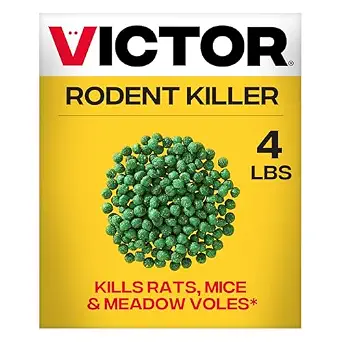 |
| Best Budget The cheapest option that still gets the job done reliably | Tomcat Rat & Mouse Killer Child & Dog Resistant Disposable Bait Station, 2-Pack |  |
| Highest Rated A top-rated pick with lots of positive feedback | JT Eaton 709-PN Anticoagulant Bait Block, Peanut Butter Flavor (2 pails, 144 each) |  |
| Most Popular A crowd favorite that many people choose with confidence | Tomcat Bromethalin Bait Chunx Pail, 4.25 lb (1 oz bait blocks) |  |
| Best Seller A high-volume bestseller chosen again and again | Tomcat Bromethalin Place Pacs Rodent Bait, 4.1 lb. |  |
Farnam Just One Bite II Rat & Mouse Bait Bars, 8-Pack

| Item Form | Bar |
|---|---|
| Target Species | Rat,Mouse |
| Active Ingredients | Bromadiolone |
| Unit Count | 128 Ounce |
Farnam Just One Bite II are dense bait bars formulated with bromadiolone and shaped with nibble ridges to encourage chewing by Norway rats, roof rats, and house mice. They are typically placed in bait stations or along runways inside and around agricultural buildings where rodent activity is suspected. The bars are designed to deliver a lethal dose in one night and use a delayed 4 to 5 day mortality period to avoid bait shyness, which helps control populations including some warfarin-resistant rats. The product comes as individually wrapped 1-pound bars, which makes handling and placement neater and reduces mess compared with loose bait. Key limitations are that this is a professional-strength anticoagulant so it must be used carefully to avoid non-target exposure and it is labeled for use in and around agricultural buildings rather than general indoor household use. Users should follow safety instructions and local regulations when deploying the bars and keep them out of reach of children and pets.
Best for: Buyers who need an effective, fast-acting rodent bait for barns, outbuildings, or agricultural settings and who are comfortable following professional-use safety practices.
Less Ideal for: People looking for pet-safe, general residential indoor rodent control or those who cannot guarantee secure placement away from non-target animals should consider alternative methods.
- Designed to deliver a lethal dose in a single feeding for fast population reduction
- Nibble ridge shape encourages chewing for effective uptake
- Effective against warfarin-resistant Norway rats
- Individually wrapped 1 lb bars simplify handling and placement
- Contains the anticoagulant bromadiolone which poses secondary poisoning risks to non-target animals and requires careful placement and handling
- Labeled for use in and around agricultural buildings which limits household or broad residential use
Verdict: Choose these bait bars if you need a professional-strength, single-feeding rodent bait for fast control in agricultural buildings.
Victor Fast-Kill Bait Blocks II, 86-Count Rat and Mouse Poison

| Item Form | Blox |
|---|---|
| Target Species | Rodents |
| Active Ingredients | Bromethalin |
| Included Components | 4lb Bag |
Victor Fast-Kill Bait Blocks II are a high-performance bromethalin rodenticide formulated to attract and kill roof rats, Norway rats, and house mice. The product comes as 86 ready-to-use bait blocks in a 4 lb bag and is designed for use inside tamper-resistant bait stations or in concealed locations around structures. Because the formula is palatable and encourages continuous feeding, rodents often consume a lethal dose quickly, which makes this a good option for active infestations and large properties where fast reduction of rodent numbers matters. Practical features include clear placement guidance for rats and mice and compatibility with Victor refillable bait stations for safer deployment outdoors or where non-target exposure is possible. Important limitations are the toxicity to pets and wildlife, so strict use in bait stations and careful handling with gloves is required, and users must follow disposal and local regulatory instructions. This product is more concentrated than anticoagulants, so it usually needs less bait but requires careful, responsible application.
Best for: Buyers who prioritize rapid, high-efficacy control of established rat and mouse infestations and who are prepared to deploy bait stations and follow safe handling procedures.
Less Ideal for: Households with uncontrolled access by pets or children, or users unwilling to follow pesticide safety and carcass disposal procedures should choose non-toxic or professional services instead.
- Fast-acting bromethalin formulation that can deliver lethal dose with less bait
- Large 4 lb supply with 86 ready-to-use blocks suitable for treating large infestations
- Palatable bait formula that encourages repeated feeding for effective control
- Designed for use indoors or outdoors and compatible with Victor refillable bait stations
- Toxic to children, pets, and non-target wildlife and requires strict use within tamper-resistant bait stations
- Contains a single active ingredient class that may not suit users who prefer anticoagulant options
Verdict: Choose these Fast-Kill bait blocks when you need a concentrated, fast-acting solution to quickly reduce moderate to large rat and mouse infestations.
Victor M925 Rodent Killer, 4 lb Fish‑Flavored Bait

| Item Form | Soft Bait |
|---|---|
| Target Species | Rodents |
| Specification Met | EPA |
| Active Ingredients | Diphacinone 0.005% |
Victor M925 is a large 4 lb bag of ready-to-use soft bait designed to control rats, mice, and meadow voles both indoors and outdoors. You place loose bait along rodent travel paths or inside tamper-resistant bait stations; the fish-flavored pellets are intended to be highly attractive so rodents consume a lethal dose over multiple feedings. The formulation is labeled weather-resistant, so it holds up better than some baits when used in damp outdoor spots or unprotected entry points. Practical benefits include the generous quantity for treating larger properties or persistent infestations and the convenience of no preparation or mixing. Important limitations are safety and placement requirements because the bait is toxic to non-target animals and people, so it must be secured in approved stations and kept away from children and pets. Also, the active ingredient concentration is low, so results can take time as rodents feed repeatedly rather than dying immediately.
Best for: Homeowners or property managers who need a cost-effective, no-prep bait to tackle moderate to heavy rat infestations and who will use tamper-resistant bait stations and follow safety directions.
Less Ideal for: People with small children, pets, or frequent non-target wildlife access who cannot reliably secure bait in appropriate tamper-resistant stations should choose non-bait control methods instead.
- Ready-to-use soft bait requires no mixing or preparation
- Weather-resistant formula suitable for indoor and outdoor placements
- Large 4 lb bag provides enough bait for treating large areas or severe infestations
- Palatable fish-flavored pellets encourage repeated feeding for effective dosing
- Contains an anticoagulant active ingredient that requires strict placement to avoid accidental exposure
- Not an immediate-kill solution; multiple feedings are typically needed for effectiveness
Verdict: A practical, ready-to-use 4 lb rodent bait that delivers extended coverage and weather-resistant performance for tackling rats when used responsibly in secure bait stations.
Tomcat Rat & Mouse Killer Child & Dog Resistant Disposable Bait Station, 2-Pack

| Unit Count | 2 Count |
|---|---|
| Target Species | Mouse |
| Power Source | manual |
| Material Type | Plastic |
This Tomcat disposable bait station arrives prefilled with a single bait block in a tamper-resistant plastic station intended for both mice and rats. You place the unit where you have seen activity—basements, garages, behind appliances, or along building exteriors—either vertically or horizontally. A clear lid makes it easy to check whether bait has been taken without opening the station, and the weather-resistant housing lets you use it outdoors as well as inside. The manufacturer states each bait block can control multiple rats in laboratory no-choice testing, which makes the product a low-effort option for ongoing monitoring and elimination. Because the stations are disposable and ready to use there is no messy baiting or assembly, but you should expect to replace used stations rather than refill them. Also, like all bait products the rodent may feed then leave and die elsewhere so monitoring and placement matter to avoid secondary issues. For budget-conscious buyers who want a simple, low-touch solution, these prefilled, tamper-resistant stations simplify set up and surveillance.
Best for: Homeowners or renters who want an inexpensive, low-effort rodent control option that is easy to deploy and monitor around the house and property.
Less Ideal for: People who prefer reusable bait stations or who need professional-grade bulk baiting solutions for heavy infestations should consider other options.
- Prefilled and ready to use so no handling of loose bait is required
- Child- and dog-resistant design reduces accidental access
- Clear lid allows quick visual monitoring of bait consumption
- Weather resistant for both indoor and outdoor placement
- Disposable stations must be replaced rather than refilled
- Manufacturer efficacy claim is based on no-choice lab testing which may differ from real-world results
Verdict: A low-cost, no‑mess prefilled bait station that makes basic indoor and outdoor rodent control quick and simple.
JT Eaton 709-PN Anticoagulant Bait Block, Peanut Butter Flavor (2 pails, 144 each)

| Unit Count | 288 Count |
|---|---|
| Item Form | Bait |
| Target Species | Rodents |
This JT Eaton 709-PN bait is a preformed anticoagulant block designed for professional-style rodent control around buildings and outdoor perimeters. The peanut butter flavor and solid block form make it easy to place in bait stations or near high-activity areas without measuring or mixing. It comes in two tamper-evident resealable pails that simplify storage and keep unused blocks protected from moisture and pests. The product is aimed at reducing rodent populations through established anticoagulant chemistry rather than instant knockdown, so it is best used as part of a monitored baiting program with follow-up checks. Important limitations are the active ingredient class and its mode of action, which require careful placement away from children, pets, and non-target wildlife and may not be suitable where immediate removal of rodents is needed. For reliability-focused control in and around structures this bait supplies a convenient, ready-to-use option that is straightforward to deploy and restock.
Best for: Buyers who prioritize dependable, ready-to-use rodent control for buildings and outdoor perimeters and who plan to monitor bait stations as part of a control program.
Less Ideal for: People who need instant knockdown, require organic or non-toxic solutions, or cannot meet regulatory or safety placement requirements around children or pets.
- Preformed bait blocks for consistent dosing and easy placement
- Peanut butter formulation increases palatability for mice and rats
- Comes in resealable tamper-evident pails for protected storage and easy restocking
- Large unit count reduces frequency of repurchase for ongoing programs
- Anticoagulant formulation works over days and is not an immediate kill method
- Requires careful placement to avoid exposure to children, pets, and non-target animals
Verdict: A convenient, high-count anticoagulant block bait packaged for secure storage that fits reliability-focused rodent control programs.
Tomcat Bromethalin Bait Chunx Pail, 4.25 lb (1 oz bait blocks)

| Item Form | Bar |
|---|---|
| Target Species | Rodents |
The Tomcat Bromethalin Bait Chunx pail contains preformed 1 oz bait blocks intended for indoor and above-ground outdoor use where tamper-resistant bait stations can be placed. It is formulated with bromethalin to kill Norway rats, roof rats, house mice, and meadow voles, and each block is reported to deliver a lethal dose in a single night for many rodents. Typical use is placing blocks inside tamper-resistant stations around garages, basements, barns, and the exterior of buildings within 100 feet of structures, then inspecting and replenishing for about a week. The product is convenient for large or repeated treatments because the pail holds many ready-to-use blocks and works on anticoagulant-resistant rodents. Important limitations are that bait stations are required for outdoor use and where people, pets, or non-target animals might access the bait, and local restrictions apply for certain species in some states. Because it contains a potent neurotoxin, careful handling, secure placement, and strict adherence to label directions are essential.
Best for: Buyers who prioritize a proven, professional-strength rodenticide to handle persistent rat or mouse infestations around buildings and who will use tamper-resistant bait stations and follow label directions.
Less Ideal for: Homeowners wanting a pet-safe or non-chemical option, or users who cannot or will not comply with bait-station requirements and regulatory restrictions.
- Preformed 1 oz blocks for easy placement and measured dosing
- Effective against anticoagulant-resistant Norway rats, roof rats, house mice, and meadow voles
- Large 4.25 lb pail supplies many applications for professional or farm use
- Designed for use in tamper-resistant bait stations for safer deployment around structures
- Contains a potent neurotoxin requiring strict handling and secure placement
- Not authorized for some rodent species in certain jurisdictions and subject to local restrictions
Verdict: A ready-to-use, professional-strength bromethalin bait in a large pail for effective control of rats and mice when deployed responsibly in tamper-resistant stations.
Tomcat Bromethalin Place Pacs Rodent Bait, 4.1 lb.

| Unit Count | 1 Count |
|---|---|
| Item Type Name | Bait Pail |
| Target Species | Mouse |
Tomcat Bromethalin Place Pacs are pre-portioned rodenticide packs intended for targeted control of Norway rats, roof rats, and house mice around homes and farm buildings. The product is supplied as 22 three-ounce place pacs in a refillable pail that you place where rodents travel, such as along walls, in corners, or near gnawed openings. Because the bait uses bromethalin it can kill rodents that are resistant to anticoagulant poisons and is effective after a single lethal dose. Instructions emphasize using tamper-resistant bait stations for above-ground outdoor placement and personal protective equipment when handling. Practical benefits include easy placement with measured doses, suitability for both indoor and sheltered outdoor sites, and clear monitoring directions to replenish where feeding is heavy. Important limitations are safety requirements and legal restrictions for certain species in California, plus the need to secure baits from children, pets, and non-target wildlife which adds setup effort.
Best for: Homeowners and small-scale farm operators who want a single-dose, pre-portioned rodenticide to control rats and mice around structures while following careful safety practices.
Less Ideal for: People who cannot or will not secure bait in tamper-resistant stations or who need a formulation approved for the excluded California species should consider other control options.
- Pre-measured place pacs for consistent dosing and easy placement
- Contains bromethalin effective against some anticoagulant-resistant rodents
- Labeled for both indoor and protected outdoor use when placed in bait stations
- Clear usage and monitoring instructions to guide placement and replenishment
- Must be used with tamper-resistant stations outdoors or where children and pets might access bait
- Not permitted for use against several listed rodent species in California
Verdict: Choose these pre-measured bromethalin place pacs when you need an effective, single-dose rodenticide for controlling rats and mice around buildings while using tamper-resistant stations.
Choosing the Right Rodent Poison for Rats: Key Factors to Consider
Bait Acceptance and Palatability
Rats will not eat unfamiliar or unpalatable baits, so bait formulation and flavor matter. High palatability increases the chance rats will consume a lethal dose quickly, reducing the time rodents spend in the area. Consider the form as well-blocks, pellets, or paste-because texture influences feeding for different rat species and in varied environments.
Placement affects acceptance too. Freshness matters: stale or contaminated bait is ignored. If you have competing food sources, remove or secure those to make the bait more attractive. Regularly inspect bait stations and replace bait that has been contaminated by moisture or debris.
Active Ingredient Mode of Action
Active ingredients differ in how they affect rats and in the timeline for signs of control. Fast-acting ingredients can reduce visible activity sooner but sometimes increase the chance of a poisoned rat dying in an inaccessible location. Multi-feed anticoagulants require several feedings but can lower the risk of immediate bait aversion.
Understanding the ingredient's persistence in carcasses and potential for secondary poisoning is important if you have predators or scavengers nearby. Also check whether the formulation leads to bait shyness after sublethal exposures and whether reapplication will be necessary.
Safety Features and Tamper Resistance
Safety features are crucial when children, pets, livestock, or wildlife might access treated areas. Tamper-resistant packaging and compatibility with lockable bait stations reduce accidental exposures. Some baits are sold in ready-to-use tamper-proof blocks or enclosed pellets, while others require placement inside a separate secured station.
Read label directions for placement distances from structures and for required station types. Even with tamper-resistant options, follow best practices: place baits out of reach, secure them to prevent tipping, and post notices if required by local rules.
Application Flexibility and Placement
Rats frequent wall voids, basements, attics, sewers, and perimeter foundations. Choose a form and formulation that suits where you will place bait. Blocks and hardened pellets are good for station use in trafficked corridors, while loose pellets or paste may be better for burrow or exterior placements if allowed by label.
Consider weather exposure for outdoor placements. Waterproof or weather-resistant baits hold up better in damp conditions. Also plan for ease of monitoring and rebaiting; easily accessible stations reduce labor and encourage consistent inspection schedules.
Non-target and Environmental Considerations
Minimizing impacts on non-target animals and the environment is a major concern. Some active ingredients carry higher secondary-poisoning risks for raptors, pets, and scavengers. Choose products with clear mitigation guidance and use them in ways that limit carcass access by wildlife.
Place baits where non-target contact is unlikely and pick formulations that bind less readily to soils if used outdoors. Follow label disposal instructions for unused bait and carcass handling to reduce environmental contamination and legal risks.
Regulatory Compliance and Label Clarity
Pesticide regulations and label requirements vary. Ensure the product label permits the intended use-indoor versus outdoor, burrow treatment, or use near water. Labels should provide concrete placement, timing, and disposal instructions for safe and legal application.
Clear labeling also helps avoid misuse, such as underdosing or placing bait in unsecured locations. If instructions are vague or contradictory, exclude that product from consideration because improper use increases risks to people and non-target animals.
Preparing the Site Before Baiting
A successful baiting program begins with inspection and sanitation. Identify entry points, runways, and nests by looking for droppings, grease marks along walls, and burrow openings. Remove accessible food and water sources to increase bait attractiveness. Seal small openings and block obvious entryways where practical to complement chemical control with exclusion work.
- Inspect common runways along baseboards, behind appliances, and in attics or crawlspaces.
- Eliminate open food sources like unsecured pet food, compost piles, and spilled birdseed.
- Document activity areas to concentrate bait placement in high-use corridors rather than random spots.
Safe Bait Station Practices
Use lockable bait stations when placing rodent poison in accessible areas. Stations protect bait from weather and reduce accidental contact by children, pets, and wildlife. Position stations perpendicular to walls with the opening facing the runway for natural access by rats.
- Secure stations to the ground or structure to prevent tipping.
- Label stations with the date of placement and active ingredient for later reference.
- Check stations at regular intervals and replace bait that is wet or heavily soiled.
Monitoring and Follow-up Actions
Monitoring determines whether the baiting strategy is working and whether adjustments are needed. Check bait consumption amounts and look for reductions in fresh droppings and gnaw marks. If bait is not being touched, try an alternative formulation or change placement closer to detected activity.
- Record consumption and replenishment dates to spot trends.
- Handle carcasses per label instructions and remove them promptly to reduce secondary exposure risks.
- If activity persists after several bait checks, consider integrating traps or exclusion work.
Integrating Nonchemical Controls
Combine baiting with exclusion, sanitation, and mechanical trapping for a comprehensive approach. Sealing gaps, installing door sweeps, and trimming vegetation away from foundations reduce harborage and access. Mechanical traps can quickly reduce visible activity and help locate high-traffic routes for targeted bait placement.
- Use traps in areas where carcass removal may be difficult to avoid hidden deaths.
- Reduce clutter and ground cover that provide shelter to rats near structures.
- Coordinate timing of sanitation and exclusion work with baiting for long-term control.
Legal and Neighborhood Considerations
Be aware of local regulations about rodenticide use and any community restrictions on active ingredients or bait placements. Some municipalities require specific handling or prohibit certain outdoor applications. Communicate with neighbors if infestations are shared across property lines to coordinate control measures and minimize reinfestation.
- Check municipal guidelines for pesticide application and disposal.
- Coordinate with adjacent property owners when activity spans yards.
- Keep records of applications, including dates, product details, and placement locations.
How We Chose the Best Rodent Poison for Rats
We selected products by focusing on traits that matter most in real-world rat control. First, bait effectiveness was assessed by reported bait acceptance and mode of action that targets rat feeding behavior. Second, safety features were prioritized, including tamper-resistant packaging, bait station compatibility, and formulations that lower secondary-poisoning risk. Third, application flexibility was considered: options that work in indoor spaces, along exterior walls, and in burrowed areas scored higher. Fourth, we looked at formulation stability and shelf life so baits remain palatable over time. Finally, clarity of labeling and instructions was important for safe, legal use. We excluded products with unclear active-ingredient information, labels lacking dosage or placement guidance, or formulations intended only for small rodents other than rats. The final list emphasizes baits and delivery forms that balance rapid control with practical safety measures and clear application instructions. These selection criteria align with the scoring metrics used in each product summary.
FAQ
How long until I see fewer rats after placing poison bait?
It depends on the active ingredient and bait acceptance. Some formulations reduce visible activity in a few days while multi-feed anticoagulants may take a week or more. Proper placement and attractive bait increase the chance of quicker results.
Can I safely use rodent poison around pets or children?
You can reduce risk by using tamper-resistant stations and placing them out of reach. Follow label restrictions, avoid loose or accessible bait forms, and supervise pets in treated areas. If accidental exposure occurs, contact a veterinarian or poison control resource immediately.
Should I use bait indoors or outdoors for a yard infestation?
Choose placements based on where rats are active. Indoor stations in attics, basements, and along walls are common. For yards, use weather-resistant formulations in secured stations near burrows or runways. Always follow label permissions for indoor versus outdoor use.
What should I do if bait is not being touched?
Reassess placement and sanitation. Move stations closer to identified runways, remove competing food sources, and try a different bait form or flavor. Also ensure old or wet bait has been replaced to maintain palatability.
How should I dispose of unused bait and carcasses?
Follow label instructions precisely. Typically this means sealing unused bait in its original container or a secured bag and disposing per local hazardous-waste guidance. Carcasses should be double-bagged and disposed as directed or handled by professionals if required by local rules.
Can baiting cause rats to die inside walls or inaccessible places?
Yes, some formulations and placement errors can lead to deaths in voids. To reduce this, combine baiting with trapping and use placements that encourage rats to feed in accessible stations. Regular monitoring helps detect when alternate tactics are needed.
Final Verdict
Choose a rodent poison option by balancing bait attractiveness, the active ingredient's behavior, and safety measures that protect people and non-target animals. Prioritize tamper-resistant placement and formulations suited to the environment where rats are active, and combine chemical controls with sanitation and exclusion for durable results. The right choice depends on your site: favor weather-stable baits for outdoor work, hardened blocks for unsecured indoor locations, and clear labeling that matches your intended use. Follow label instructions closely and monitor bait uptake to adjust tactics when needed.
