

Note: This article contains affiliate links. If you click on these links and make a purchase, I may earn a small commission at no extra cost to you. This helps support my research and content. Read my full affiliate disclosure here.
If you have a patio, balcony, or corner of the garden that rarely sees direct sun, the right pot plants can turn that dim space into a lush, textured spot. Shade loving pot plants behave differently than sun-tolerant varieties: they need less direct light, often prefer cooler soil and benefit from careful watering and ventilation. This guide shortlists seven top options suited to shady patios and indoor spots and explains how we evaluated them for light tolerance, ease of care, and container performance. Read on for practical planting, care, and placement advice that helps you choose the best plants for consistently low-light conditions.
Top Picks at a Glance
| Best Overall The best all-around choice for most situations | Thorsen's Greenhouse Live Peace Lily (4" Grower Pot) |  |
| Best Quality Built to a higher standard if you want something more solid | American Plant Exchange Cast Iron Plant (10-inch potted) |  |
| Best Value The sweet spot between price and what you get | Touch Of ECO Hosta Bare Roots 6-Pack (Mixed Heart-Shaped) |  |
| Best Budget The cheapest option that still gets the job done reliably | Live Oxalis (Shamrock) Houseplant, 3–6 in, Winter Dormant |  |
| Highest Rated A top-rated pick with lots of positive feedback | Plants for Pets Holly Fern (Cyrtomium falcatum) — 1‑Gallon Live Plant |  |
| Most Popular A crowd favorite that many people choose with confidence | HOME GROWN Rainbow Mix Coleus Seeds (400) |  |
| Best Seller A high-volume bestseller chosen again and again | Daylily Nursery Helleborus (3-pack) in 2.5-inch Pots |  |
Thorsen's Greenhouse Live Peace Lily (4" Grower Pot)

| Indoor Outdoor Usage | Indoor |
|---|---|
| Other Special Features of the Product | Air Purification, Extended Bloom Time, Fragrant, Low Maintenance, Shade Resistant |
| Expected Blooming Period | Spring |
| Sunlight Exposure | Partial Shade |
| Moisture Needs | Moderate Watering |
This live Peace Lily from Thorsen's Greenhouse is a compact, shade‑tolerant houseplant meant for indoor display in a 4" grower pot. It performs well in low to medium indirect light and is typically placed on shelves, tabletops, or in dim corners where other plants struggle. Notable features listed by the grower include air purification, extended bloom time, a sweet fragrance, and low maintenance care. In practice this means the plant is forgiving for busy households: water when the top inch of soil dries, mist for humidity to avoid browning leaf edges, and feed lightly in spring and summer. The included plastic growers pot has drainage, so repotting into a decorative container is straightforward. Expect variable appearance on arrival due to natural variation and possible shipping stress that may cause temporary wilting; allow an acclimation period. This size is best for beginning collectors or anyone wanting a small, attractive air‑cleaning plant for shaded indoor spots, but those wanting large dramatic specimens should plan to upgrade to a bigger pot as it grows.
Best for: Buyers who want an easy, attractive shade‑tolerant houseplant that cleans indoor air and fits small indoor spots without demanding daily care.
Less Ideal for: Gardeners seeking a large statement plant or an outdoor specimen should choose a larger nursery size or an outdoor‑hardy species instead.
- Performs well in low to medium indirect light suitable for shaded rooms
- Recognized air‑purifying plant that improves indoor air quality
- Compact 4" grower pot is easy to place on shelves or small tables
- Low maintenance care with clear watering and feeding guidance
- Small plant size may require repotting for long‑term display
- May show shipping stress or minor leaf damage on arrival
Verdict: A small, low‑maintenance Peace Lily that thrives in shaded indoor spots while providing air‑purifying benefits.
American Plant Exchange Cast Iron Plant (10-inch potted)

| Indoor Outdoor Usage | Indoor, Outdoor |
|---|---|
| Other Special Features of the Product | Air Purification, Drought Tolerant, Low Maintenance, Pet Friendly, Shade Resistant |
| Sunlight Exposure | Partial Shade |
| Soil Type | Peat Soil |
| Moisture Needs | Moderate Watering |
This 10-inch Cast Iron Plant is built to deliver reliable, low-effort greenery in low-light rooms and shaded patios. It’s typically used as a floor specimen, hallway accent, or patio centerpiece where other tropicals would falter. Notable features include drought tolerance, shade resistance, and broad upright leaves that form a dense, architectural clump; the plant arrives in potting soil and a nursery pot so it can go straight into display. Practical benefits are straightforward: minimal watering needs, tolerance of inconsistent care, and pet-friendly, air-purifying foliage that improves indoor ambiance without much fuss. Important limitations are that it is primarily foliage-focused so it does not flower for decorative blooms and its formal look may be large for very small tabletops. Also the listing specifies peat-based potting soil and a 10-inch pot which may require repotting or different soil if you prefer alternative mixes. For someone prioritizing dependable performance in low light, this plant delivers a durable, low-maintenance presence.
Best for: Buyers who want a dependable, low-maintenance shade plant that performs with minimal attention and improves a room’s greenery without demanding bright light or frequent care.
Less Ideal for: People seeking a showy flowering houseplant, highly compact tabletop specimens, or those who prefer hands-on, high-maintenance tropicals that need bright indirect light.
- Tolerates low light and shade, allowing placement in dim rooms or covered patios
- Drought tolerant and low-maintenance, good for busy owners or inconsistent watering
- Arrives potted in nursery soil and pot ready for immediate display
- Pet-friendly and noted for air-purifying qualities
- Primarily ornamental foliage with little to no decorative flowering
- May require repotting or soil change for long-term growth preferences
Verdict: Choose this Cast Iron Plant when you need a tough, low-care shade plant that reliably brings big, lasting foliage to dim indoor or shaded outdoor spots.
Touch Of ECO Hosta Bare Roots 6-Pack (Mixed Heart-Shaped)

| Indoor Outdoor Usage | Outdoor |
|---|---|
| Expected Blooming Period | Spring to Fall |
| Sunlight Exposure | Full or Partial Shade |
| USDA Hardiness Zone | 3-9 |
| Unit Count | 6 Count |
These are six bare‑root hosta crowns selected for shade gardens and shipped dormant for spring or fall planting. They are typically planted with the crown at soil level, watered in, and left to establish over the cool season so they produce heart‑shaped green foliage and fragrant pale flowers on tall scapes in summer and fall. Notable features include hardiness across zones 3–9, deer resistance, and pollinator attraction, which make them useful for foundation plantings, under trees, or mixed shade containers. Because they arrive dormant, they are lightweight to handle and easy to store short term in a cool spot if soil is frozen. Limitations are inherent to bare roots: you must plant them promptly and give regular moisture while they establish, and results depend on proper siting in full or partial shade and basic soil preparation. For practical gardeners this is a straightforward way to add proven shade perennials without extra nursery pots or transplanting shock.
Best for: Gardeners who want an efficient, low‑maintenance way to establish a shady border or fill shade containers with dependable perennials without buying potted plants.
Less Ideal for: People seeking instant, bloom‑ready container specimens or those who prefer named cultivars with guaranteed variegation and exact mature size.
- Includes six hand‑selected bare roots for multiple plantings or a small bed
- Hardy across USDA zones 3–9 so reliable in cold and mild climates
- Attracts pollinators and is reported deer resistant, useful for shady borders
- Arrives dormant which reduces transplant shock and allows short‑term cool storage
- Must be planted promptly and given regular watering while establishing
- No size or cultivar details beyond mixed heart‑shaped foliage, so exact mature look can vary
Verdict: A practical, budget‑friendly way to add reliable shade perennials to beds or containers using six hardy, pollinator‑friendly bare roots.
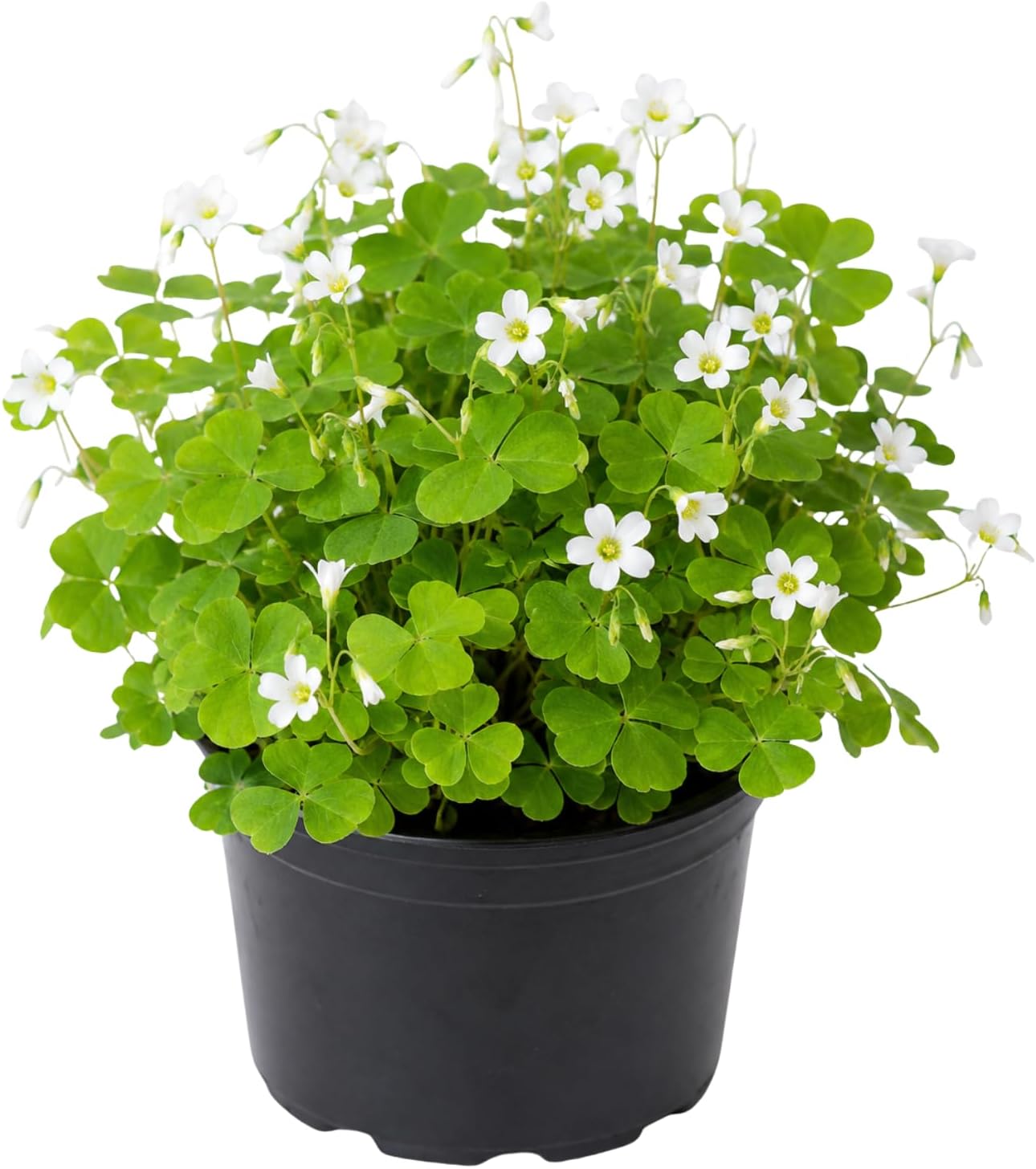
Live Oxalis (Shamrock) Houseplant, 3–6 in, Winter Dormant
| Sunlight Exposure | Partial Shade |
|---|---|
| Moisture Needs | Moderate Watering |
| Unit Count | 1 Count |
| Zones | 6–10 outdoor |
This live Oxalis shamrock is a small, easy-care houseplant intended for pots, shaded patios, or bright indirect light indoors. It arrives compact and typically stands 3–6 inches tall; the listing notes the plant is winter dormant so you may receive it with few or no leaves in cold months. Care is straightforward: moderate watering and partial shade are recommended, making it suitable for beginners or busy plant owners who want a low-maintenance accent. The plant works well in small containers, on shelves, or in grouped displays where its cloverlike foliage adds texture. Limitations include seasonal dormancy—you will need to reduce watering and accept a leafless period—and it is not a sun-loving specimen, so it will not thrive in full sun locations. For outdoor use the product is best in USDA zones 6–10 or as an indoor plant elsewhere. If you want a small, inexpensive shade-loving pot plant that adds visual interest without demanding intensive care, this Oxalis is a solid choice.
Best for: Buyers who want an affordable, low-effort shade-loving pot plant to brighten small indoor spaces or shaded patios without much hands-on care.
Less Ideal for: People seeking a year-round, sun-tolerant specimen or gardeners who want large, fast-growing foliage for full-sun beds.
- Shade tolerant and suited to partial shade or bright indirect light
- Compact size ideal for small pots, shelves, and grouped displays
- Low-maintenance care with moderate watering needs
- Suitable as an indoor plant in colder climates and outdoors in zones 6–10
- Goes dormant in winter so it may be leafless for a period
- Not suitable for full sun locations
Verdict: A budget-friendly, compact shamrock that delivers easy, shade-tolerant container interest with minimal care.
Plants for Pets Holly Fern (Cyrtomium falcatum) — 1‑Gallon Live Plant

| Indoor Outdoor Usage | Indoor, Outdoor |
|---|---|
| Sunlight Exposure | Partial Shade |
| USDA Hardiness Zone | 7 |
| Soil Type | Sandy Soil |
The Plants for Pets Holly Fern is a shade‑loving perennial fern sold fully potted in a 1‑gallon nursery container and intended for use as a houseplant or as a shady garden groundcover or border. It features leathery, arching dark green fronds that hold shape well, so it works equally well in a container on a patio or as an understory plant beneath trees. Care is straightforward: filtered light, regular watering, and rich, well‑drained soil produce the best results. Notable attributes include resistance to deer and salt and hardiness to USDA Zone 7, which makes it a reliable choice for temperate landscapes. Because it ships in a nursery pot, planting or stabilizing disturbed soil on arrival is simple. Limitations to know are that it prefers partial shade rather than full sun and needs consistent moisture and decent soil fertility to keep fronds looking their best, so it is not a set‑and‑forget option for very dry or exposed sites.
Best for: Buyers who want a dependable shade plant for patios, indoor filtered‑light displays, or as an understory groundcover and who plan to provide regular watering and decent soil.
Less Ideal for: People seeking a drought‑tolerant or sun‑loving specimen for hot exposed spots or those who prefer entirely low‑maintenance, infrequently watered plants.
- Well suited to heavy shade and filtered light for indoor or outdoor use
- Comes fully potted in a 1‑gallon nursery container for easy planting or display
- Resistant to deer and salt, increasing reliability in landscape settings
- Attractive, leathery fronds that hold shape and provide year‑round foliage interest
- Requires regular watering and rich soil to maintain healthy fronds
- Not tolerant of full sun or very dry, exposed locations
Verdict: Choose this holly fern when you need a reliable, shade‑loving plant that looks good in containers or as a garden understory and tolerates deer and salt.
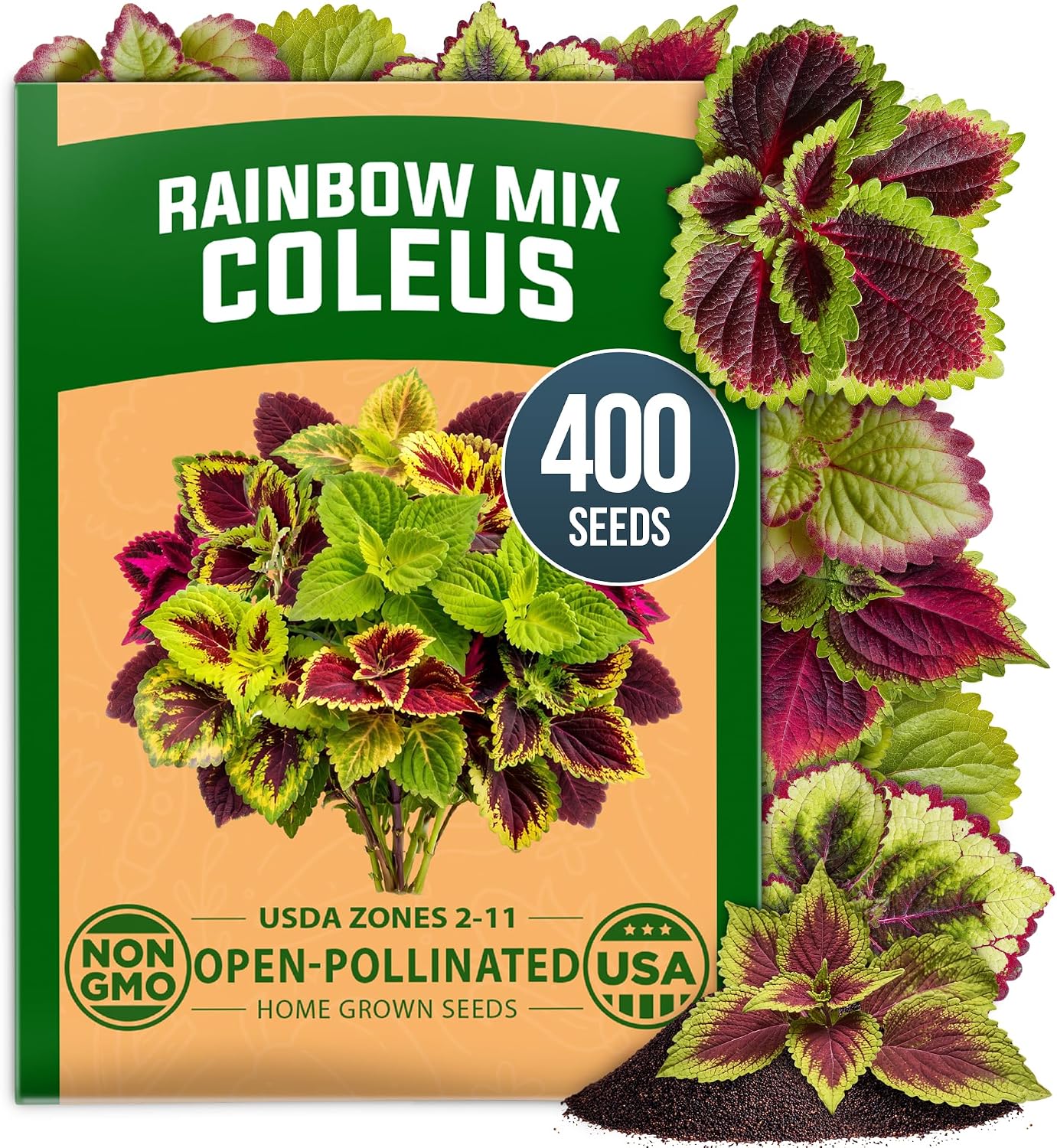
HOME GROWN Rainbow Mix Coleus Seeds (400)
| Indoor Outdoor Usage | Indoor, Outdoor |
|---|---|
| Sunlight Exposure | Part Shade to Shade |
| USDA Hardiness Zone | 2-11 |
| Material Features | GMO Free, Heirloom |
| Unit Count | 1 Count |
HOME GROWN Rainbow Mix is a coleus seed mix aimed at gardeners who want season-long foliage color in shady spots. The packet contains about 400 open-pollinated, non-GMO seeds that surface-sow and germinate best at 70–75°F; seedlings usually appear in 10–14 days. Plants thrive in part shade to shade and develop a mounded, well-branched habit suited to patio pots, window boxes, and shaded borders. Pinching tips encourages fuller, denser growth, and removing flower spikes preserves leaf color. The variety prefers rich, evenly moist, well-drained soil and warm growing temperatures, so consistent watering and frost protection are important. Practical benefits include high seed count for multiple containers or a small border, reliable shade performance, and low-maintenance foliage display that attracts pollinators. Limitations are that coleus is tender in cold weather and needs regular moisture and occasional pinching to look its best, and color intensity can fade if plants receive too much direct sun or experience drought stress.
Best for: Gardeners who need reliable, low-maintenance color in shaded patios or beds and prefer a high-count, non-GMO seed packet to establish multiple containers or displays.
Less Ideal for: People who want heat-tolerant, sun-loving bedding plants or who prefer mature plants rather than starting many seeds from scratch.
- High seed count (approx. 400) allows planting multiple pots or filling a border
- Shade-tolerant foliage that provides season-long color without relying on blooms
- Open-pollinated non-GMO seeds appeal to gardeners who prefer heirloom varieties
- Compact, mounded habit is well suited to containers, window boxes, and mixed planters
- Tender annual in most zones so plants need frost protection or to be grown as annuals
- Requires consistent moisture and occasional pinching for best appearance
Verdict: Choose this high-count, non-GMO coleus seed mix when you need dependable, season-long foliage color for shaded containers and borders.
Daylily Nursery Helleborus (3-pack) in 2.5-inch Pots

| Expected Blooming Period | Winter |
|---|---|
| Sunlight Exposure | Full Shade, Partial Shade |
| Expected Planting Period | Fall |
| USDA Hardiness Zone | 4 |
| Moisture Needs | Moderate Watering |
These Helleborus plants are an easy-to-place shade perennial sold as three 2.5-inch potted starters intended for fall planting. They are valued for very early, long-lasting nodding flowers and evergreen, glossy foliage that brightens shady borders from winter into spring. Typical use is planting them into loam or well-drained garden soil in full to partial shade and keeping moisture moderate while they establish. Notable features from the listing include cold hardiness to zone 4, modest mature height around 18–24 inches, and good resistance to many pests and diseases, which makes them low-maintenance once established. The plants arrive small, so expect a season of root development before heavy flowering and follow the seller guidance to wait 7–10 days before repotting. Limitations are that young shipped plants can be vulnerable to extreme shipping temperatures and may need careful acclimation and watering after planting, and you will not know flower colors ahead of time because this is sold as a mixed-color assortment.
Best for: Gardeners who want a low-maintenance, reliable shade perennial to add winter and early spring color and who prefer plants that are proven hardy and pest resistant.
Less Ideal for: Buyers who need immediate large flowering specimens or who require specific flower colors for a coordinated planting scheme.
- Early winter to spring blooms that extend color in shady spots
- Evergreen foliage provides year-round interest in shade gardens
- Cold hardy to USDA zone 4, suitable for a wide range of temperate climates
- Disease and pest resistant which reduces maintenance needs
- Sold as small 2.5-inch potted starters so flowering may be limited the first season
- Flower colors are mixed and not specified, so you cannot choose exact hues
Verdict: A dependable, low-maintenance shade perennial pack that brings very early blooms and evergreen interest to shady containers and borders.
Choosing the Right Shade Loving Pot Plants: Key Factors to Consider
Light Level and Placement
Shade is a spectrum. Some shade-loving pot plants thrive in deep shade with only reflected or artificial light, while others need bright, indirect light. Assess the exact light conditions where you plan to place pots by observing morning and afternoon light, and by noting whether the spot gets only dappled light through tree cover or consistently low ambient light. Choosing plants with matching tolerance prevents slow growth, legginess, or leaf loss.
Placement also affects temperature and humidity. Shady spots near walls or under eaves can stay cooler and damper, which suits some species but increases the risk of fungal issues. Consider moving pots slightly away from cold surfaces or elevating them for air circulation when necessary.
Pot Size, Drainage, and Soil Mix
Container volume limits root growth and water availability. Small pots dry out faster and may stress shade plants that prefer steadier moisture. Match pot size to the plant's mature root mass and use containers with reliable drainage holes to avoid waterlogged soil, which invites root rot.
Select a well-draining but moisture-retentive potting mix formulated for containers. Adding materials like compost and fine bark can hold moisture without turning compact. For very shady, cool sites, avoid heavy, clay-rich mixes that stay soggy.
Watering Rhythm and Moisture Management
Shade-loving species often require less frequent direct sunlight but may prefer consistent humidity and steady soil moisture. Overwatering is a common mistake in shady spots because evaporation is slower. Learn each plant's preference: some want lightly damp soil, others tolerate dry periods between waterings.
Use the finger test or a moisture meter to prevent guesswork. Ensure excess water drains away and consider top-dressing with mulch or decorative gravel to slow evaporation. In very humid locations, increase air circulation rather than adding water.
Fertilizing and Nutrient Needs
Plants in containers rely entirely on what you supply. Shade plants often grow more slowly, so they do not need heavy feeding, but periodic, balanced fertilization supports foliage density and color. Use a diluted, balanced liquid feed during the growing season or a slow-release granular formula applied according to label rates.
Avoid over-fertilizing, which can produce tender, weak growth that is more susceptible to pests and collapse in low light. Monitor leaf color and growth rate to adjust feeding frequency.
Pest and Disease Management in Shade
Shady, humid microclimates can favor fungal pathogens and some sap-sucking pests. Inspect foliage regularly for signs of mold, mildew, scale, or aphids. Good hygiene-cleaning dead leaves, avoiding splashing water on foliage, and ensuring airflow-reduces problems without chemicals.
When treatment is necessary, choose targeted, low-toxicity options and treat early. Quarantine new additions until you are sure they are free of pests to protect established pots clustered together.
Seasonal and Winter Considerations
Shade-loving pot plants may need different winter care than their sun-loving counterparts, especially in temperate climates. Reduced light and lower temperatures slow metabolism; many species benefit from reduced watering and protection from cold drafts. Some tender varieties should be brought indoors or moved to sheltered microclimates to avoid frost damage.
Plan for seasonal shifts by selecting containers that can be moved or insulated, and by adjusting watering and feeding schedules as light and temperature change.
Best Spots to Place Shade Pots
Choose sites that provide consistent low or filtered light rather than areas that alternate between full sun and deep shade. North-facing patios, covered porches, and under large-leaved trees often supply the steady conditions these plants need.
Pay attention to airflow and humidity. Grouping pots can create a humid microclimate that benefits some species, but keep a gap between containers to prevent stagnant air and reduce fungal risk.
- Avoid narrow alleyways where cold radiating walls can stress plants.
- Use plant stands to raise pots off damp surfaces and improve drainage.
- Rotate pots periodically to maintain even growth and prevent legginess.
Potting and Repotting Tips for Shady Plants
Repotting gives roots fresh soil and a chance to inspect for rot or pests. Choose a pot about one size larger than the root ball to avoid excess wet soil that stays damp too long.
When repotting, gently tease bound roots and prune any rotten, soft sections. Refresh the potting mix and add a light slow-release fertilizer to support recovery and new growth.
- Repot in spring before the main growth period for best establishment.
- Avoid large jumps in container size to prevent overwatering problems.
Designing Mixed Containers for Shade
Combine plants with complementary textures and heights to create interest in low-light areas. Use a taller foliage element as a backdrop, medium-textured plants for bulk, and trailing species to soften pot edges.
Balance moisture needs when mixing species. Group plants with similar water and feeding requirements to minimize maintenance and avoid overcompensating for one plant at the expense of another.
- Include at least one structural plant as an anchor.
- Use evergreen foliage for winter interest and seasonal bulbs for spring color.
Dealing with Common Shade Problems
Leggy growth and sparse foliage are often signs of too little light or overcrowding. Thin out weak stems and consider moving the pot to a slightly brighter but still shaded spot.
Yellowing or dropping leaves can result from overwatering, poor drainage, or sudden temperature changes. Diagnose by checking soil moisture, pot drainage, and nearby heat sources before adjusting care.
- Remove dead leaves promptly to reduce disease pressure.
- Improve airflow with a small fan in enclosed patio areas if humidity is high.
Seasonal Styling and Low-Light Color Options
In shade, foliage often provides the main decorative interest. Look for plants with variegation, textured leaves, or contrasting tones to create visual depth even without bright flowers. Seasonal bulbs and foliage changes can also add periodic highlights.
Use decorative pots and grouping strategies to create focal points. Reflective surfaces or pale pots can brighten the look of a shady corner without increasing light levels.
- Interplant with shade-tolerant annuals for temporary color.
- Change container groupings each season to refresh the display.
How We Chose the Best Shade Loving Pot Plants
We selected candidates based on traits that matter for potted shade gardening. First, light tolerance: plants had to perform reliably under low to moderate indirect light, including north-facing patios and rooms with filtered window light. Second, container adaptability: we prioritized plants that establish well in pots and tolerate the constraints of root volume and variable soil moisture. Third, maintenance needs: we favored species with straightforward watering, pruning, and feeding routines for typical home gardeners. Fourth, pest and disease resilience in shady, humid microclimates was considered to reduce risky, high-maintenance choices. Fifth, ornamental impact: foliage, texture, and seasonal interest were weighed so picks contribute clear visual benefits in a shady setting. We excluded plants that require bright, direct sun, invasive root behavior unsuitable for containers, or extremely fussy cultural conditions that most casual gardeners cannot meet. The resulting shortlist balances robust performance in low light with manageable care requirements and container-friendly growth habits.
FAQ
Can shade-loving pot plants survive without any natural light?
Most shade-tolerant plants still need some indirect or artificial light to photosynthesize. Completely dark spaces will not support healthy foliage long-term. Low-wattage grow lights or placing pots near windows that receive indirect light usually solves the issue.
How often should I water shade-loving container plants?
Watering frequency depends on pot size, potting mix, and local climate. In shady spots, check soil moisture before watering; many shade plants prefer soil that is consistently but not constantly damp. Use finger tests or a moisture meter to avoid overwatering.
Do shade plants need different fertilizer than sun plants?
They do not require a fundamentally different fertilizer, but they often need less frequent feeding because growth rates are slower in low light. A balanced, diluted feed during the growing season is usually sufficient.
Can I mix shade-loving plants with sun-loving species in the same pot?
Mixing is generally not recommended because the plants will have different light and water needs. If you do combine them, choose species with similar moisture and light requirements and place the container in the light level preferred by the most sensitive plant.
How do I prevent fungal problems in shaded pots?
Good drainage, avoiding overhead watering, removing spent foliage, and ensuring air circulation reduce fungal risk. If the site is persistently damp, move pots to a location with better airflow or elevate them to dry more quickly.
Final Verdict
When choosing shade loving pot plants, prioritize plants that match your exact light level and container conditions. Focus on steady moisture management, good drainage, and species with proven container adaptability to reduce maintenance and pest risks. Tradeoffs are common: plants with dramatic foliage may need slightly more care, while low-maintenance options may offer less seasonal show. Base your final choice on how much time you want to spend caring for pots and the visual effect you want in your shady space.
