

Note: This article contains affiliate links. If you click on these links and make a purchase, I may earn a small commission at no extra cost to you. This helps support my research and content. Read my full affiliate disclosure here.
Growing carrots in containers is a great way to harvest fresh roots in small spaces, terraces, or patios. The right soil determines whether you get long, straight, well-formed carrots or short, forked specimens. In containers you need a mix that drains reliably, stays loose for root expansion, and supplies steady nutrients throughout the growing season. This guide covers the top shortlisted soils chosen for carrots in containers and explains the practical reasons each type works in a potted environment. We evaluated mixes for drainage, texture, nutrient profile, and how they behave in confined containers to help you pick the best option for your setup.
Top Picks at a Glance
| Best Overall The best all-around choice for most situations | Gardenera Organic Potting Soil for Carrots (5 Quart) |  |
| Best Quality Built to a higher standard if you want something more solid | FoxFarm Ocean Forest Potting Soil, 12 Quart |  |
| Best Value The sweet spot between price and what you get | Miracle-Gro Organic Outdoor Potting Mix, 16 qt. |  |
| Highest Rated A top-rated pick with lots of positive feedback | Black Gold All Purpose Potting Mix, 8 Qt |  |
| Most Popular A crowd favorite that many people choose with confidence | Miracle-Gro Potting Mix, 16 qt. (2-Pack) |  |
Gardenera Organic Potting Soil for Carrots (5 Quart)
| Brand | Gardenera |
|---|---|
| Style Name | CARROT Potting Mix |
| Volume | 5 quarts |
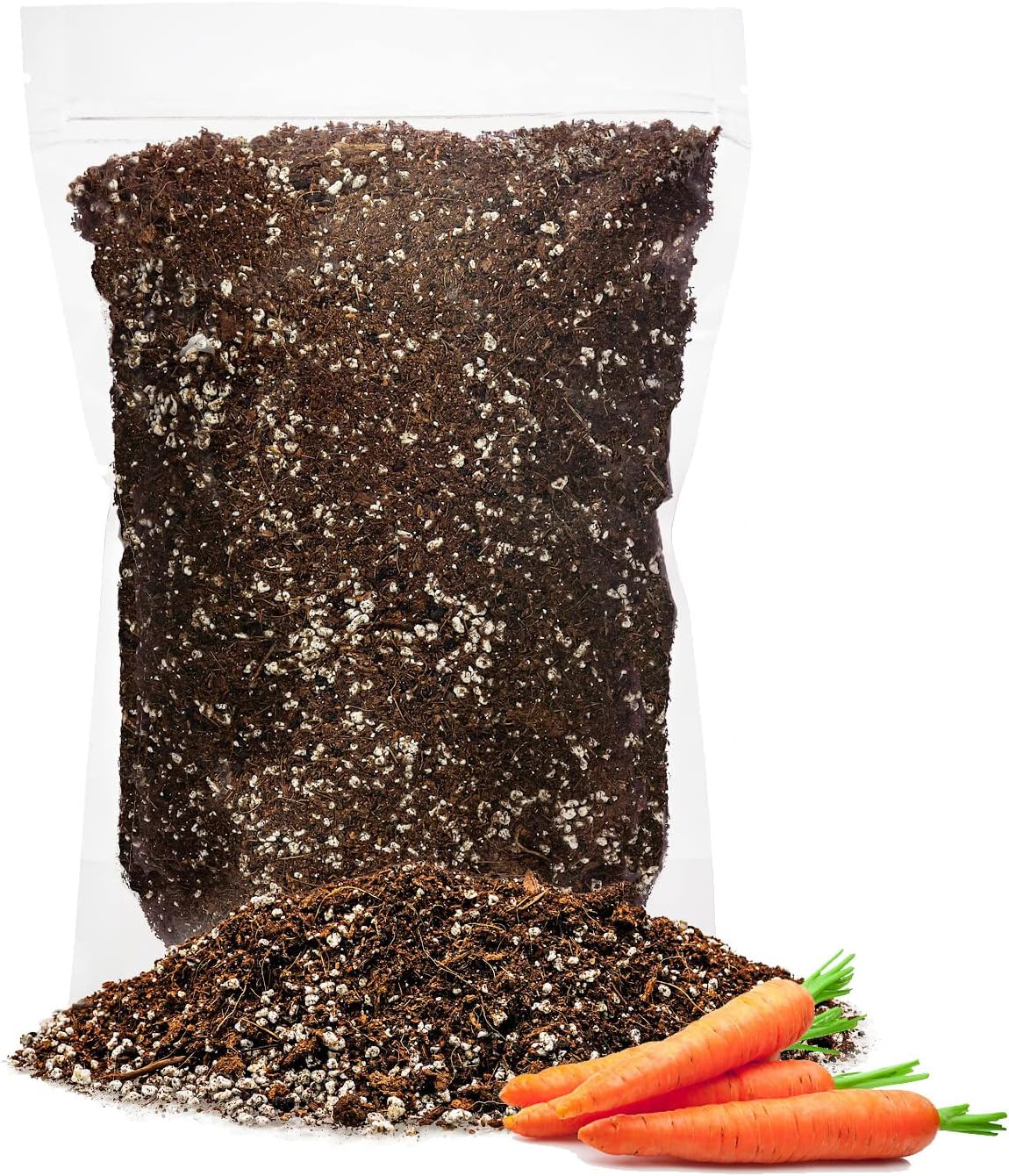
This 5-quart Gardenera potting soil is a lightweight, organic mix aimed at container carrot growing and other edibles. It combines coco coir, Canadian peat moss, perlite, and worm castings to create a blend that holds moisture while improving drainage so roots can expand without staying waterlogged. The extra perlite and low-salt coir help prevent compaction in deep carrot pots and promote rapid root development, which is useful when starting seed or transplanting small carrot varieties. Because it is hand blended on a small farm and labeled organic, it works well for gardeners who want a clean, simple mix without synthetic additives. The bag size is convenient for potting small numbers of containers or refreshing the top layer of window boxes, though you will need multiple bags for many large containers. This is a practical, garden-ready soil for hobbyists focused on healthy root growth, but not a bulk solution for large raised beds or full-season commercial planting.
Best for: Gardeners growing carrots in pots who value an organic, ready-to-use mix that supports healthy root formation and easy seed starting or transplanting.
Less Ideal for: People needing bulk soil for many large containers or raised beds should choose larger-volume mixes or compost-amended garden soil instead.
- Formulated for carrots with ingredients that encourage root development
- Contains perlite for improved drainage and reduced compaction in containers
- Made from 100% natural ingredients and marketed for organic growing
- Small 5 quart bag is easy to handle for potting and container top-ups
- Small volume means multiple bags are needed for several or large containers
- Contains peat moss which some organic gardeners avoid for sustainability reasons
Verdict: A purpose-mixed organic potting soil that makes starting and growing carrots in containers easier by promoting fast root development and reliable drainage.
FoxFarm Ocean Forest Potting Soil, 12 Quart

| Item Form | Granules |
|---|---|
| Specific Uses For Product | Dry Fertilizer |
| Coverage | 4.8 sq ft |
| Mixing Ratio | 1:1 |
FoxFarm Ocean Forest is a pre-mixed potting soil that combines aged forest products, sandy loam and sphagnum peat moss with organic amendments like fish meal, crab meal and earthworm castings. It is sold ready to use straight from the bag for planting in containers, seed starting or top dressing; the manufacturer recommends no additional nitrogen fertilizer for the first 30 days. The mix has a light, aerated texture that promotes drainage while still retaining moisture, and the built-in micronutrients make it practical for growers who want strong early growth without immediate feeding. Practical benefits include easy pot filling, good root zone aeration for roses in containers, and built-in organic fertility to support blooms. Limitations to consider are that the bag is best for containers or small beds only and heavier feeders may need supplemental feeding after the initial month; users should also follow handling precautions to avoid skin or eye irritation.
Best for: Gardeners who want a high-quality, nutrient-rich potting medium to get container roses or plant starts off to a strong, flowering start and prefer a ready-made organic blend.
Less Ideal for: Large in-ground rose beds or landscapers needing bulk soil amendments should look for bulk garden soil or custom rose mixes instead.
- Ready-to-use out of the bag so you can pot immediately
- Organic amendments (fish meal, crab meal, earthworm castings) supply early nutrients
- Light, aerated texture that supports drainage and root development
- pH adjusted for optimal nutrient uptake per product description
- Pack size (12 qt) covers a small area and may require multiple bags for several roses
- No long-term feeding provided after the first 30 days so additional fertilizer is needed for sustained heavy bloom
Verdict: Choose this soil if you want a ready-made, organically amended potting mix that jump-starts container roses and seedlings with good drainage and early fertility.
Miracle-Gro Organic Outdoor Potting Mix, 16 qt.

| Volume | 16 qt. |
|---|---|
| Item Highlight | Plant Soil For Outdoor Container Plants, Contains Quick-Release Natural Fertilizer, OMRI Listed |
| Manufacturer | Scotts Miracle Gro |
This 16 qt. Miracle-Gro Organic Outdoor Potting Mix is designed specifically for outdoor container plants and is useful for planting strawberries in pots. The mix contains responsibly sourced peat and upcycled green waste and includes a quick-release natural fertilizer that feeds for up to two months, which helps young strawberry plants establish and start producing. It is OMRI listed so it fits an organic container-gardening approach. Typical use is to partially fill a 12-inch pot, set the plant with a loosened root ball, add more mix, and water thoroughly; a single bag is sized to fill about one 12-inch container. Practical benefits include moisture retention suitable for exposed pots and a built-in starter nutrient charge so you may not need immediate additional feeding. Important limitations are that nutrients last about two months so plan a feeding schedule for fruiting plants and that peat-based mixes can compact over time, so repotting or refreshing the soil biannually is recommended for continued vigor.
Best for: Gardeners who want an organic-ready potting mix for outdoor container strawberries and prefer a product that gives an initial nutrient boost while simplifying first-season care.
Less Ideal for: Growers who need a long-term, self-sustaining soil blend for mature strawberry beds or those who avoid peat entirely should consider alternatives.
- OMRI listed and made with responsibly sourced peat suitable for organic container gardening
- Includes quick-release natural fertilizer that feeds plants for up to two months
- Formulated to retain moisture for outdoor containers exposed to sun and wind
- Contains upcycled green waste and is locally crafted to reduce transport distance
- Fertilizer effect is limited to about two months so additional feeding is needed for ongoing fruiting
- Peat-based mix can compact over time and requires bi-annual repotting to refresh structure
Verdict: A convenient OMRI-listed container potting mix that gives outdoor strawberry starters an organic nutrient boost and good moisture retention for the first months.
Black Gold All Purpose Potting Mix, 8 Qt

| Volume | 8 quarts |
|---|---|
| Item Type Name | Planting Mix |
| Brand Name | Sun Gro |
| Unit Count | 1 Count |
Black Gold All Purpose Potting Mix is a ready-to-use, nutrient-rich potting medium designed for containers, raised beds, and indoor plants. It combines Canadian sphagnum peat moss, perlite for aeration and drainage, earthworm castings for biological activity, and a built-in controlled-release fertilizer that feeds plants for weeks. In practice this mix holds moisture while still allowing excess water to drain, which helps prevent root rot in potted crops like container carrots. The integrated fertilizer reduces the need for frequent feeding during a single growing cycle, and the texture supports fast root establishment in shallow and medium-depth containers. Limitations to note are the small 8-quart bag size, which means you will need multiple bags for larger carrot plantings, and peat-based mixes may compact over long-term use so occasional refreshing or amendment is helpful for successive crops. For reliability-focused gardeners this product delivers consistent, easy performance for a single season of container-grown carrots.
Best for: Gardeners who want a dependable, ready-to-use potting mix for reliably growing container vegetables like carrots and prefer a low-maintenance feeding schedule.
Less Ideal for: Those planting large-scale raised beds or many deep containers who need bulk soil or prefer a non-peat or fully custom soil blend.
- Controlled-release fertilizer supplies steady nutrients over several weeks without extra feeding
- Perlite improves drainage and aeration to reduce risk of root rot in containers
- Contains earthworm castings to boost biological activity and moisture retention
- Texture supports quick root establishment for container-grown vegetables and herbs
- Small 8-quart bag requires multiple bags for filling several containers
- Peat-based mix can compact over time and may need refreshing between plantings
Verdict: A consistent, ready-made potting mix with built-in fertilizer and good drainage that makes growing container carrots easier and more reliable for one-season plantings.
Miracle-Gro Potting Mix, 16 qt. (2-Pack)

| Feeds Plants | Up to 6 months |
|---|---|
| Volume | 16 quarts |
| Number of Packs | 2 |
| Intended Use | Outdoor containers |
| Ingredients | Sphagnum Peat Moss, Peat, Perlite, Compost, Fertilizer |
Miracle-Gro Potting Mix is a general-purpose container soil designed for outdoor pots, planters, and hanging baskets. It combines peat-based media, perlite, compost, and built-in fertilizer so you can pot vegetables, herbs, annuals, perennials, and shrubs without blending amendments. Typical use is straightforward: fill a pot about one third, set the plant at nursery depth, top off, and water until excess drains. Notable features are fast drainage to prevent root rot, an all-purpose nutrient charge that feeds plants for up to six months, and a texture that helps roots establish quickly. In practice this means less upfront prep and fewer immediate feedings compared with plain soil, and it is handy for seasonal repotting and new container plantings. Important limitations are that it is formulated for containers only (not in-ground beds) and the nutrient boost will diminish after the stated feeding period so you will need to supplement or repot for long-term specimens. Also peat-based mixes can compress over time and require refreshing each season.
Best for: Gardeners who want a low-effort, dependable potting soil for seasonal container planting and quick repots, especially those optimizing time and results across many pots.
Less Ideal for: Those wanting a soil to amend in raised beds or long-term in-ground planting should choose a garden soil formulated for in-ground use instead.
- Ready-to-use mix with built-in fertilizer that feeds up to six months
- Formulated for fast drainage to reduce risk of overwatering and root rot in containers
- Versatile for a wide range of outdoor container plants including vegetables, herbs, and flowers
- Not intended for in-ground garden beds
- Fertilizer effect is temporary and requires refeeding or repotting after about six months
Verdict: A convenient, fast-draining potting mix that simplifies container planting while providing up to six months of built-in nutrition.
Choosing the Right Soil for Carrots in Containers: Key Factors to Consider
Soil Texture and Particle Size
Texture determines how easily carrot taproots can penetrate the mix. Carrots prefer a loose, fine-to-medium crumb rather than a heavy, cloddy medium. Larger particles like coarse sand or perlite help maintain pore space, while finer silt or clay can cause compaction and forked roots.
When assessing a bagged mix, look for descriptions that mention fine loam, screened compost, or components like coarse sand and perlite. Avoid mixes with high proportions of unamended garden soil or clay. Good particle distribution reduces resistance to root growth and helps produce long, straight carrots in containers.
Drainage Versus Water Retention
Containers dry more quickly than beds, but standing water or slow drainage will rot young roots and cause malformation. A successful carrot container mix balances quick drainage with enough moisture-holding capacity to sustain steady growth between waterings.
A blend that includes coarse materials for drainage plus organic components that hold moisture will prevent wide swings between dry and waterlogged conditions. This balance matters for carrot flavor and texture because inconsistent moisture can cause splitting and uneven root development.
Nutrient Content and Release
Carrots need modest, steady nutrients; too much nitrogen encourages foliage at the expense of roots, while too little leads to stunted growth. Container mixes with a balanced, low-to-moderate nutrient charge or slow-release, vegetable-appropriate fertilizers are best.
Look for mixes formulated for vegetables or labeled for root crops, or plan to amend lightly with a low-nitrogen fertilizer. Organic matter should be well-aged; fresh, high-nitrogen compost can create excessive leafy growth and unpredictable nutrient spikes.
pH and Mineral Availability
Carrots grow best in a slightly acidic to neutral pH where key nutrients are available. If the mix is too alkaline or too acidic, micronutrient uptake can be limited and root quality can suffer.
Most container mixes used for vegetables are within the acceptable pH range, but gardeners in areas with unusual water chemistry or using certain amendments should test pH and adjust with lime or sulfur only as needed. pH affects flavor and texture as well as nutrient uptake, so check it when planning long runs of carrots in the same mix.
Structure Retention Over the Season
A good container soil retains its loose structure through repeated watering cycles and does not collapse into a dense mass. If a mix degrades quickly, root growth will be restricted and compaction will increase disease risk.
Components like coconut coir, aged compost, and stable bark fines help maintain porosity longer than pure peat or fine silt. Consider whether you want to reuse potting mix; mixes that retain structure are easier to refresh and reuse for more crops.
Cleanliness and Pest/Disease Risk
Soil used in containers should be free of weed seeds, soil-borne pests, and disease organisms. Bagged, sterilized mixes reduce early-season problems that can sap seedling vigor.
Avoid raw garden soil in containers because it often carries weeds and pathogens. Using a clean mix reduces the need for intervention and gives carrot seedlings a stronger, healthier start.
Choosing Container Depth and Soil Volume
Carrot root length varies by variety, but even short varieties need deep, loose soil to form straight roots. For typical carrot types, plan for at least 10 to 12 inches of friable soil below the surface. If you want longer varieties, use deeper containers and a correspondingly larger soil volume to avoid constricted taproots.
When filling containers, avoid compressing the mix. Lightly firm the surface to eliminate large air pockets but keep the interior loose. Fill pots to leave enough room for watering without overflowing and to allow a shallow mulch layer if desired.
- Shallow containers lead to stubby or forked roots
- Use tapered or tall planters to maximize root length in small footprints
- Allow for about 2 inches of mulch or straw at the surface if you want to conserve moisture
Amending Existing Container Mixes
If you already have a general potting mix, it can usually be adjusted for carrots with a few targeted amendments. Add coarse sand or horticultural grit to improve drainage and reduce compaction. Mixing in perlite or pumice increases aeration without overly drying the soil.
Reduce high-nitrogen amendments and avoid heavy topdressings of fresh compost immediately before sowing. Instead, incorporate well-aged compost sparingly and rely on a light, slow-release vegetable fertilizer if additional nutrients are needed.
- Add 10 to 20 percent coarse sand or grit for dense mixes
- Use perlite or pumice for aeration if the mix seems heavy
- Incorporate only well-aged compost to prevent nitrogen spikes
Seeding Techniques for Container Carrots
Sowing carrots in containers calls for even, shallow sowing into a fine, level surface. Carrot seeds are small, so mixing seeds with dry sand or using a seed tape helps achieve consistent spacing. Sow thinly or plan to thin seedlings to avoid overcrowding, which can produce thin or twisted roots.
Keep the soil surface consistently moist until germination, then water more deeply and less frequently to encourage taproot growth. If seedlings show signs of crowding, remove weaker plants early to leave uniform spacing for the remaining roots.
- Thin to recommended spacing for variety to avoid small or deformed roots
- Maintain even moisture after germination to prevent splitting
- Label rows or sections to track variety and days to maturity
Watering Strategy for Container Carrots
Containers require more frequent attention than in-ground beds because they dry faster, especially in warm weather. Water deeply when the top inch of soil feels dry but avoid letting pots sit in water. Deep, infrequent soakings promote taproot penetration more than light, frequent misting.
Adjust watering for container size and mix. Larger volumes buffer moisture changes, while small pots may need daily checks in hot weather. Mulching the surface with a thin layer of straw or shredded leaves can extend intervals between watering while keeping the soil surface cool.
- Check moisture by feeling the soil rather than relying on schedule alone
- Water until excess drains from drainage holes, then allow partial drying
- Reduce water during cool, cloudy spells to prevent waterlogging
Refreshing and Reusing Container Soil
After a carrot crop, soil in containers benefits from light refreshment. Remove old root debris, loosen compacted areas, and topdress with a small amount of well-aged compost or a balanced vegetable fertilizer. Do not add large amounts of fresh compost between successive carrot plantings.
If you plan to reuse potting mix over multiple seasons, monitor structure and disease presence. Replace or sterilize mixes that show persistent compaction, strong odors, or recurring pest problems. Rejuvenating mix with pumice, compost, and slow-release nutrients restores balance for the next crop.
- Remove root fragments to reduce disease carryover
- Topdress lightly rather than replacing all soil each season
- Replace mixes that have lost porosity or show pathogen signs
How We Chose the Best Soil for Carrots in Containers
We focused on characteristics that matter when growing carrots specifically in containers rather than in open beds. Selection emphasized mixes and blends that provide a loose, fine crumb texture to allow taproot development, consistent drainage to prevent rot and deformities, and stable nutrient levels appropriate for root vegetables. We also prioritized mixes that maintain structure over several weeks to months without compacting excessively in pots. Our evaluation looked at water retention versus drainage balance, particle size and texture, nutrient content and buffering, and organic matter that supports steady growth without causing excessive top growth at the expense of roots. We excluded heavy clay soils, unamended garden loam, and mixes designed for large shrubs or trees because they are too dense or have inappropriate nutrient profiles for carrots. Also excluded were blends intended solely for acid-loving plants or long-term container trees. The final list favors container-appropriate formulations and components that help produce straight, uniform roots in confined spaces.
FAQ
Can I use garden soil in containers for carrots?
Garden soil is usually too dense and may contain weed seeds or pathogens. For containers, a loose, sterile potting mix or a custom blend with coarse sand and aged compost is a better option.
How deep should the soil be for container carrots?
Most carrot varieties need at least 10 to 12 inches of loose soil for proper root development. Longer varieties require deeper containers to avoid root constriction.
How often should I fertilize carrots in containers?
Use a light, balanced feeding schedule. Slow-release or low-nitrogen formulations applied at planting and midseason are usually sufficient. Avoid high nitrogen inputs that push foliage growth over root development.
What causes forked or twisted carrot roots in pots?
Forking and twisting are often caused by compaction, rocks or hard clumps in the mix, inconsistent moisture, or shallow containers. Using a fine, uniform, loose mix and maintaining steady moisture reduces deformities.
Is pH testing necessary for container carrots?
Testing pH is useful if you suspect unusual water or amendment chemistry. Carrots do best in slightly acidic to neutral mixes; most commercial vegetable mixes are already in that range so testing is often optional.
Final Verdict
For carrots in containers, prioritize a loose, well-draining mix with a fine-to-medium particle size and a modest nutrient charge. Balance drainage and moisture retention so roots expand without waterlogging or nutrient surges. Favor mixes that retain structure through the season to avoid compaction and reduce the risk of forked roots. Make decisions based on container depth, how often you will water, and whether you want to reuse mix. By focusing on texture, drainage, nutrient stability, and cleanliness, you can grow straighter, better-flavored carrots even in small spaces.
