

Note: This article contains affiliate links. If you click on these links and make a purchase, I may earn a small commission at no extra cost to you. This helps support my research and content. Read my full affiliate disclosure here.
Ginger performs best in a loose, fertile mix that drains quickly yet retains enough moisture and nutrients to support steady rhizome growth. Choosing the right soil for ginger determines how well roots develop, how much watering the plant needs, and how resistant it is to rot in warm, humid conditions. This guide covers six shortlisted soils chosen for gardeners growing ginger in containers, raised beds, or garden rows. We evaluate mixes for drainage, nutrient holding, texture, and disease resistance so you can pick a soil that fits your growing situation and maintenance style.
Top Picks at a Glance
| Best Overall The best all-around choice for most situations | Sawgrass Organics Organic Potting Mix, 4 qt |  |
| Best Quality Built to a higher standard if you want something more solid | FoxFarm Ocean Forest Potting Soil, 12 Quart |  |
| Best Value The sweet spot between price and what you get | Espoma Organic Potting Soil Mix, 8 qt |  |
| Highest Rated A top-rated pick with lots of positive feedback | circle soil Houseplant Potting Mix (Peat-Free, 4 Qt) |  |
| Most Popular A crowd favorite that many people choose with confidence | Miracle-Gro Indoor Potting Mix for All Plants, 6 qt., 2-Pack |  |
| Best Seller A high-volume bestseller chosen again and again | Back to the Roots Organic Indoor Potting Mix, 6 Quart |  |
Sawgrass Organics Organic Potting Mix, 4 qt

| Volume | 4 quarts |
|---|---|
| OMRI Listed | Yes |
| Unit Count | 128 Ounce |
| Peat-Free | Yes |
| Triple Screened Compost | Yes |
This 4 qt Sawgrass Organics potting mix is a ready-to-use, peat-free blend designed for potted vegetables, herbs and seedlings. It combines fully composted, triple-screened compost with coco coir for water retention and biochar to support microbial life and nutrient holding. Because it is triple screened and blended at a controlled moisture level it arrives consistent and largely free of debris and gnats, which makes it easy to use straight from the bag for repotting, starting seeds or top-dressing containers. The peat-free formula re-wets reliably after drying and resists compaction so root systems stay airy in small pots and raised planters. It is OMRI listed, so it fits an organic vegetable garden workflow. The main limitations are the small 4 quart volume, which means frequent repurchasing for larger beds, and the lack of built-in fertilizer so regular feeding is still needed for heavy-feeding vegetables.
Best for: Gardeners who prioritize reliable, organic-tested potting media for container-grown vegetables, herbs, and seedlings and who want a consistent, low-maintenance mix to repot or start plants.
Less Ideal for: People installing or amending large in-ground vegetable beds who need bulk soil or those seeking a mix with built-in long-term fertilizer and amendments for heavy feeders.
- Peat-free blend with coco coir for good water retention and easier re-wetting
- Contains fully composted, triple-screened compost for consistent texture and few debris
- Biochar included to support beneficial microbes and nutrient retention
- OMRI listed for use in organic production
- Blended and bagged at controlled moisture to reduce gnats and make it usable immediately
- Small 4 quart bag is insufficient for large vegetable beds or multiple containers
- Does not include starter fertilizer so feeding is required for heavy-feeding vegetables
Verdict: Choose this potting mix when you want a consistent, peat-free, OMRI-listed blend that re-wets well and supports healthy roots in container vegetable gardens.
FoxFarm Ocean Forest Potting Soil, 12 Quart

| Item Form | Granules |
|---|---|
| Specific Uses For Product | Dry Fertilizer |
| Coverage | 4.8 sq ft |
| Mixing Ratio | 1:1 |
FoxFarm Ocean Forest is a pre-mixed potting soil that combines aged forest products, sandy loam and sphagnum peat moss with organic amendments like fish meal, crab meal and earthworm castings. It is sold ready to use straight from the bag for planting in containers, seed starting or top dressing; the manufacturer recommends no additional nitrogen fertilizer for the first 30 days. The mix has a light, aerated texture that promotes drainage while still retaining moisture, and the built-in micronutrients make it practical for growers who want strong early growth without immediate feeding. Practical benefits include easy pot filling, good root zone aeration for roses in containers, and built-in organic fertility to support blooms. Limitations to consider are that the bag is best for containers or small beds only and heavier feeders may need supplemental feeding after the initial month; users should also follow handling precautions to avoid skin or eye irritation.
Best for: Gardeners who want a high-quality, nutrient-rich potting medium to get container roses or plant starts off to a strong, flowering start and prefer a ready-made organic blend.
Less Ideal for: Large in-ground rose beds or landscapers needing bulk soil amendments should look for bulk garden soil or custom rose mixes instead.
- Ready-to-use out of the bag so you can pot immediately
- Organic amendments (fish meal, crab meal, earthworm castings) supply early nutrients
- Light, aerated texture that supports drainage and root development
- pH adjusted for optimal nutrient uptake per product description
- Pack size (12 qt) covers a small area and may require multiple bags for several roses
- No long-term feeding provided after the first 30 days so additional fertilizer is needed for sustained heavy bloom
Verdict: Choose this soil if you want a ready-made, organically amended potting mix that jump-starts container roses and seedlings with good drainage and early fertility.
Espoma Organic Potting Soil Mix, 8 qt

| Brand Name | Espoma |
|---|---|
| Unit Count | 256 Ounce |
| Volume | 8 liters |
| Style Name | Mix |
Espoma Organic Potting Soil Mix is a ready-to-use, organic container mix designed for indoor and outdoor pots, including vegetables and herbs such as jalapenos. It blends sphagnum peat moss, humus and perlite to give a light, well-draining texture while added earthworm castings, alfalfa meal, kelp meal and feather meal supply slow-release nutrients. The included Myco-Tone mycorrhizae can help young roots establish and improve nutrient uptake, which is useful when starting pepper seedlings or repotting into larger containers. Typical use is filling 1–5 gallon pots or containers, planting transplants, and topping up as plants grow. Because it is formulated without synthetic fertilizers, you get a more natural fertility baseline but may need to supplement with a balanced organic fertilizer for heavy-feeding pepper plants during peak fruiting. The 8 quart volume is convenient for small batches and container gardening but means you will need multiple bags for several plants. For jalapenos this mix provides the drainage, structure, and organic matter peppers prefer while supporting steady growth with minimal prep.
Best for: Home gardeners who grow jalapenos in containers and want an organic, ready-made mix that supports healthy root development and steady growth without DIY blending.
Less Ideal for: Large-scale growers or those who prefer a single bag to supply many plants should consider larger volume commercial mixes or bulk soil options.
- Organic formula with peat moss, humus and perlite for good drainage and aeration
- Contains earthworm castings and plant meals for slow-release organic nutrients
- Includes Myco-Tone mycorrhizae to help root establishment and nutrient uptake
- Suitable for both indoor and outdoor container vegetables and herbs
- Small 8 qt volume requires multiple bags for several pepper plants
- No synthetic fertilizer included so extra feeding may be needed for heavy fruiting
Verdict: A convenient organic potting mix that gives jalapeno plants good drainage, natural fertility, and beneficial mycorrhizae for strong container growth.
circle soil Houseplant Potting Mix (Peat-Free, 4 Qt)
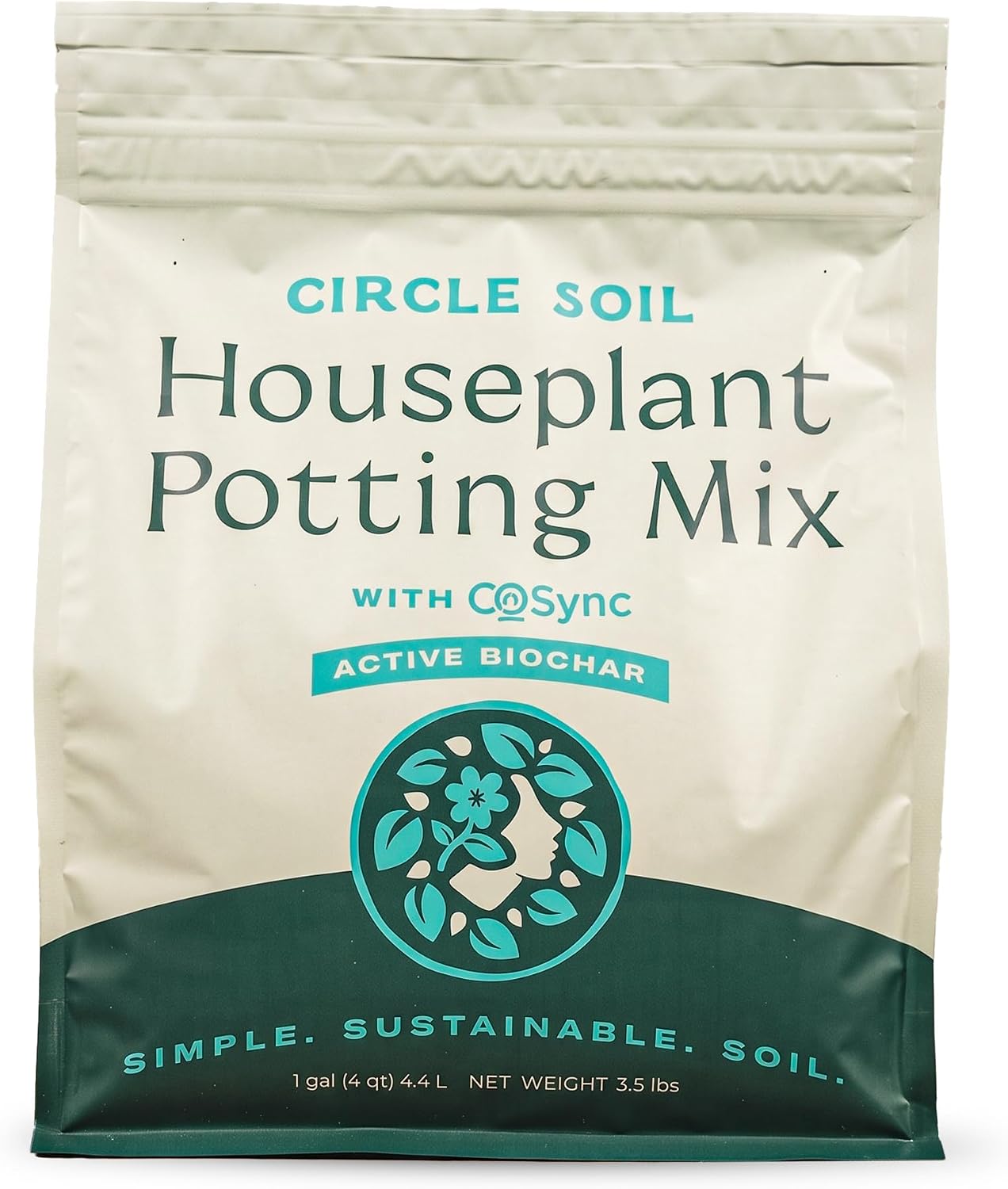
| Unit Count | 56 Ounce |
|---|---|
| Item Highlight | Active Biochar, Worm Castings, Expanded Shale, Peat-Free, Organic, for Indoor Plants and Herbs |
| Brand Name | circle soil |
| Number of Packs | 1 |
This peat-free houseplant potting mix is built around active biochar, coconut coir and expanded shale to give a light, well-aerated medium that holds moisture without waterlogging. Typical uses include repotting potted herbs and common houseplants or topping up container soil for more even moisture retention. Notable features are the biochar that helps retain nutrients and support microbial life, worm castings and local compost for organic feeding, and expanded shale for natural drainage. In practice the mix should reduce the risk of root rot and encourage healthy root development by balancing air and water in small pots. Because it is designed for everyday indoor use, gardeners will appreciate the resealable packaging and the peat-free composition if they prefer sustainable ingredients. Limitations are that the bag is a modest 4 quart size, so frequent purchases are likely for multiple or larger containers, and gardeners needing a gritty, fast-draining cactus mix or a heavy-duty outdoor planting soil will want a different formula.
Best for: Gardeners who prioritize consistent, reliable results for potted herbs and common indoor plants and prefer sustainable, peat-free mixes for routine repotting and container care.
Less Ideal for: Growers who need large volumes of soil for outdoor beds or a very gritty, cactus-specific mix for drought-tolerant plants should consider other products.
- Peat-free formula with active biochar to improve nutrient retention and microbial activity
- Balanced aeration and drainage from expanded shale and coconut coir to prevent waterlogging
- Contains organic amendments like worm castings and compost for gentle, ongoing nutrition
- Resealable packaging helps keep the small bag usable between repottings
- Small 4 quart unit requires buying multiple bags for more than a few pots
- Not formulated specifically for succulents or heavy outdoor soils so drainage profile is moderate rather than very fast
Verdict: Choose this peat-free, biochar-enriched potting mix when you want a reliable, sustainable medium that keeps potted cilantro and other herbs evenly moist without soggy roots.
Miracle-Gro Indoor Potting Mix for All Plants, 6 qt., 2-Pack

| Number of Packs | 2 |
|---|---|
| Unit Count | 400.58 Ounce |
| Item Highlight | Feeds for up to 6 Months |
| Ingredients | Sphagnum Peat Moss, Coir, Perlite, Fertilizer, Wetting Agent |
This Miracle-Gro indoor potting mix is formulated as an all-purpose soil for indoor container plants and is sold in a two-pack of 6‑quart bags. It combines sphagnum peat moss, coconut coir, and perlite to create a lightweight, well-draining mix that holds moisture yet releases it to roots, which helps tropical houseplants like a Dragon Tree avoid waterlogged roots. The bagged mix includes a slow-release fertilizer meant to feed plants for up to six months so you do not need to amend immediately after potting. Notably the formula excludes bark and compost, which can reduce habitats for fungus gnats — useful when repotting indoor specimens. Use is straightforward: fill a pot with drainage, set the plant, backfill with mix, and water. Limitations are that the fertilizer schedule is fixed to the included feed and heavy feeders may need additional fertilizing after several months, and serious growers who want a custom cactus or orchid-style mix will find the texture too fine. For routine repotting of Dragon Trees and similar tropical houseplants this mix is convenient and consistent.
Best for: Buyers who want a reliable, low-effort potting mix for repotting tropical houseplants like Dragon Trees and prefer a product with built-in feeding and pest-reduction features.
Less Ideal for: Specialist growers who need custom texture blends for succulents, orchids, or aggressive feeders should choose purpose-formulated mixes or amend this product accordingly.
- Balanced blend of peat moss, coir, and perlite for good moisture retention and drainage
- Includes slow-release fertilizer that feeds up to six months for low-maintenance care
- Bark- and compost-free formula reduces places for fungus gnats to breed
- Ready-to-use bag makes repotting quick with no mixing required
- Fertilizer is fixed for about six months so additional feeding may be necessary for heavy feeders
- Texture may be too fine for plants that prefer very fast-draining or chunky mixes
Verdict: A convenient, low-maintenance indoor potting mix that keeps Dragon Trees healthy with good drainage and up to six months of built-in feeding.
Back to the Roots Organic Indoor Potting Mix, 6 Quart

| Unit Count | 192 Fluid Ounces |
|---|---|
| Item Type Name | Indoor Potting Mix 6qt |
| Item Highlight | Peat-free, 100% organic, made in the USA |
| Ingredients | Coconut Coir, Yucca, Mycorrhizae, Perlite, Horticultural Sand |
This Back to the Roots indoor potting mix is a ready-to-use, 6-quart blend designed for common houseplants such as pothos, monstera and ferns. It combines coconut coir, yucca extract, mycorrhizae, perlite and horticultural sand to improve moisture retention, drainage and root development without peat. In practice it feels light and friable, so it is easy to pot seedlings or repot mature plants and it reduces compaction that can suffocate roots. The added mycorrhizae helps young roots establish and take up nutrients more efficiently while yucca extract helps the mix hold water between waterings, which is convenient for forgetful or busy plant owners. Because it is peat-free and made in the USA, it is a more sustainable choice versus traditional peat-based mixes. Limitations are the small 6-quart size, which means frequent repurchasing for larger collections, and the bag does not include fertilizer so you will need to feed plants separately as they grow.
Best for: Buyers who prioritize low-risk, easy-care houseplant solutions and want an organic, ready-to-use potting mix that reduces watering hassles and supports healthy root growth.
Less Ideal for: Not ideal for gardeners who need large-volume soil for many pots or for those expecting a mix that includes built-in fertilizer for long-term feeding.
- Peat-free organic formula that reduces environmental impact
- Yucca extract improves moisture retention between waterings
- Contains mycorrhizae to support root development and nutrient uptake
- Light, well-draining texture suitable for repotting seedlings and houseplants
- Small 6-quart volume may require frequent repurchasing for larger plant collections
- Does not include fertilizer so additional feeding is necessary
Verdict: A compact, peat-free potting mix that simplifies indoor plant care by holding moisture and boosting root establishment.
Choosing the Right Soil for Ginger: Key Factors to Consider
Drainage and Aeration
Ginger requires a soil that drains quickly to prevent rhizome rot while still retaining some moisture. A mix with coarse components such as perlite, coarse sand, or shredded bark improves aeration and creates pore space for oxygen around roots. In containers, drainage also depends on pot size and drainage holes, but the soil mix is the primary control for how freely water moves through the root zone.
Poor drainage leads to slow growth and fungal problems; overly open mixes dry out too fast and stress plants. Look for a balance that allows water to move through excess quickly but holds enough film moisture for consistent uptake between waterings.
Organic Matter and Nutrient Holding
Ginger benefits from steady, moderate fertility rather than short bursts of high nitrogen. Organic matter such as well-rotted compost, coconut coir, or leaf mold provides a slow-release nutrient base and improves the soil's ability to hold water and cations like potassium and calcium. These materials also feed beneficial microbes that support root health.
A mix too light on organics will require frequent fertilizing to maintain growth, while too much fresh, high-nitrogen material can burn roots or cause excessive leafy growth at the expense of rhizome development. Aim for stable, decomposed organic components in the blend.
Texture and Root Penetration
Loose, friable texture allows ginger rhizomes to expand without encountering compacted layers. Fine-textured soils or those that compact when wet inhibit horizontal rhizome spread and create zones where water pools. Soil particles and aggregate structure determine whether the root zone remains workable through the season.
Good texture supports both early root establishment and later harvestability. For garden beds, mixing in coarse compost and aged bark can improve tilth; in containers, choose mixes formulated to stay light and crumbly.
pH and Nutrient Availability
Ginger prefers slightly acidic to neutral conditions where most macro- and micronutrients remain available. pH drives the chemistry of nutrient uptake so an appropriate pH range reduces the need for constant correction. Many organic components buffer pH, but some soilless mixes or peat-heavy blends may skew acidic and need attention.
Testing the mix or amending it with lime or sulfur as needed helps keep nutrient availability consistent for rhizome development and overall plant vigor.
Disease Suppression and Cleanliness
Soils with well-composted organic matter and sterile soilless bases reduce the load of soilborne pathogens that attack ginger rhizomes. Dirty or unpasteurized compost and recycled field soils can introduce nematodes, fungal spores, or bacteria that cause rot. For container growers, using a clean, pathogen-minimized mix lowers disease risk and prevents spread between crops.
Good disease-suppressive mixes also support beneficial microbes that compete with pathogens. Consider mixes with proven compost quality or those designed for vegetable production to reduce risk.
Water Retention Vs Evaporation
Ginger likes consistent moisture but not saturation, so the balance between water retention and evaporation matters. Components like coir and compost hold water in plant-available form, while coarse particles help excess drain away. In hot or exposed sites evaporation increases, so mixes with more water-holding organics help reduce watering frequency.
For container growers, the mix should provide enough retention to avoid daily watering in warm weather but still drain freely after irrigation events to keep oxygen at the roots.
Preparing Existing Garden Soil for Ginger
If you are planting ginger in a garden bed, improving existing soil texture and fertility first will produce better results than digging a shallow hole and planting directly. Work the bed deeply to loosen compacted layers, and incorporate plenty of well-rotted compost plus coarse sand or grit to improve drainage and tilth.
Aim to create a raised planting ridge or slight mound in heavy soils so excess water moves away from the rhizomes. Avoid fresh manure or uncomposted yard waste that can burn roots or introduce pathogens. Allow amended beds to settle for a few weeks and water-test the drainage before planting.
- Add 30 to 50 percent organic matter in poor soils to improve structure
- Use coarse sand or grit to break up clay and speed drainage
- Form slight mounds in wet sites to keep rhizomes above the water table
Mix Recipes for Containers and Raised Beds
Containers need lighter mixes than in-ground beds. A reliable container recipe blends a loose soilless base with organic matter and an aeration element. For raised beds you can use a heavier, more compost-rich mix because the larger volume buffers moisture fluctuations.
Adjust ratios to your climate: in hot dry areas favor more water-holding organics; in cool, wet climates increase coarse components for drainage.
- Typical container mix: 40% soilless base, 30% compost, 20% coir, 10% perlite
- Typical raised bed mix: 50% topsoil, 30% compost, 20% coarse organic matter
Fertilizing and Feeding in Different Soils
Soils high in decomposed organic matter supply slow-release nutrients and reduce the need for frequent synthetic feeding. In lighter soilless mixes plan for periodic fertilizer applications, such as balanced organic liquid feed every few weeks during active growth.
Avoid heavy nitrogen spikes that push leafy growth at the expense of rhizome formation. Instead, favor balanced N-P-K or slightly higher phosphorus and potassium during rhizome bulking stages.
- Top-dress with compost mid-season for beds
- Use diluted liquid feed in containers every 2 to 4 weeks during growth
Managing Moisture Across Seasons
Ginger enters a dormancy phase in cooler or drier months and requires less water then. During active growth maintain consistent moisture without saturating the soil. Mulch beds to slow surface evaporation and protect soil structure.
In containers, reduce watering frequency as foliage yellows and dies back. Good drainage is essential year-round; inspect containers after heavy rain to ensure excess water is escaping.
- Mulch beds with organic material to retain moisture and suppress weeds
- Allow the top inch of container mix to dry slightly between waterings
Dealing with Pests and Soilborne Problems
Healthy soil biology helps limit pests. Nematodes and root-rotting fungi can be a problem where soils are poorly drained or reused without sanitation. Rotate planting sites when possible and avoid replanting ginger in the same spot for multiple successive years if you suspect soilborne issues.
Sterilize or replace potting mix if you observe persistent root rot or pests in containers. Incorporate beneficial practices such as adding compost teas or microbial inoculants to rebuild a healthy root zone.
- Rotate beds every few years to reduce buildup of pathogens
- Replace container mixes after severe disease outbreaks
How We Chose the Best Soil for Ginger
We selected soils that help ginger form healthy, plump rhizomes and vigorous foliage under common home-garden conditions. Our filters prioritized drainage performance and moisture balance because ginger needs a mix that avoids waterlogging while still keeping roots from drying out between waterings. Nutrient content and organic matter were weighed heavily because steady, moderate fertility supports continuous rhizome expansion. Texture and tilth were evaluated to ensure the mix stays loose enough for root spread without compacting over a growing season. Disease suppression and pH stability were considered, favoring blends with well-decomposed compost or peat alternatives and neutral to slightly acidic pH levels. Ease of use for container gardeners and suitability for raised beds or in-ground planting were also part of the selection criteria. We excluded heavy, clay-dominant soils and mixes formulated solely for cacti or succulents because they do not hold adequate nutrients and organic matter for ginger. Highly amended soils that require complex feeding schedules were also filtered out to keep recommendations practical for hobby gardeners. The final list reflects blends and base soils that meet the core requirements for drainage, nutrient retention, texture, and disease resistance.
FAQ
Can I grow ginger in plain potting soil?
Plain potting soil may work initially but often lacks the drainage and air space ginger needs. Amendments such as coarse perlite, sand, or bark and added compost improve aeration and nutrient supply for better rhizome development.
How much compost should I mix into garden soil for ginger?
Aim for 30 to 50 percent well-rotted compost in poor or heavy soils to improve structure and fertility. In already fertile, crumbly soils a lower rate around 20 to 30 percent is sufficient to boost organic matter without creating compaction as it decomposes.
Is coir or peat better for ginger containers?
Coconut coir is preferred for sustainability and water retention, while peat holds water well but can acidify the mix over time. Both work when paired with aeration particles and compost. Monitor pH if you use peat-heavy mixes.
How often should I water ginger in containers?
Watering frequency depends on mix and climate but generally water when the top inch of mix feels slightly dry. In warm weather that may be every few days; in cooler or shaded conditions it will be less often. Ensure excess drains freely after each irrigation.
Can I use garden soil straight from my yard for ginger?
Using unamended backyard soil risks compaction, poor drainage, and introducing pests. Improve native soil with compost and coarse amendments or use a prepared blend to avoid these problems and give ginger the loose root environment it needs.
Final Verdict
Choose a soil that balances free drainage with steady nutrient and moisture availability. Prioritize loose texture, stable organic matter, and a slightly acidic to neutral pH so rhizomes can expand without sitting in water. For containers use lighter, well-aerated mixes and for beds focus on improving structure with compost and coarse amendments. The right soil reduces disease risk and watering headaches while promoting steady rhizome bulking. Use the decision criteria above to match a mix to your climate and planting method, and you will be well positioned to grow healthy, productive ginger.
