

Note: This article contains affiliate links. If you click on these links and make a purchase, I may earn a small commission at no extra cost to you. This helps support my research and content. Read my full affiliate disclosure here.
Picking the right soil for lemon tree use has a big effect on growth, fruit set, and winter survival. In gardens, containers, or raised beds, the wrong mix can hold too much water or fail to supply key nutrients and trace elements citrus need. This guide looks at seven shortlisted soils suited for lemon tree planting and repotting, with attention to drainage, nutrient availability, and pH control. Each pick was evaluated for physical structure and how it performs in real garden and container situations.
Top Picks at a Glance
| Best Overall The best all-around choice for most situations | Miracle-Gro Cactus, Palm & Citrus Potting Mix, 8 qt. |  |
| Best Quality Built to a higher standard if you want something more solid | GARDENWISE Organic Lemon Tree Soil (3 quarts) |  |
| Best Value The sweet spot between price and what you get | Soil Sunrise Citrus Tree Potting Soil Mix (30 Quarts) |  |
| Best Budget The cheapest option that still gets the job done reliably | Kapecute 2 QT Citrus Potting Mix for Lemon and Other Citrus Trees |  |
| Highest Rated A top-rated pick with lots of positive feedback | E.B. Stone Organics Citrus & Palm Mix Potting Soil, 1.5 cu ft |  |
| Most Popular A crowd favorite that many people choose with confidence | Soil Sunrise Citrus Tree Potting Soil Mix (12 Quarts) |  |
| Best Seller A high-volume bestseller chosen again and again | Miracle-Gro Organic Indoor Potting Mix, 16 qt. |  |
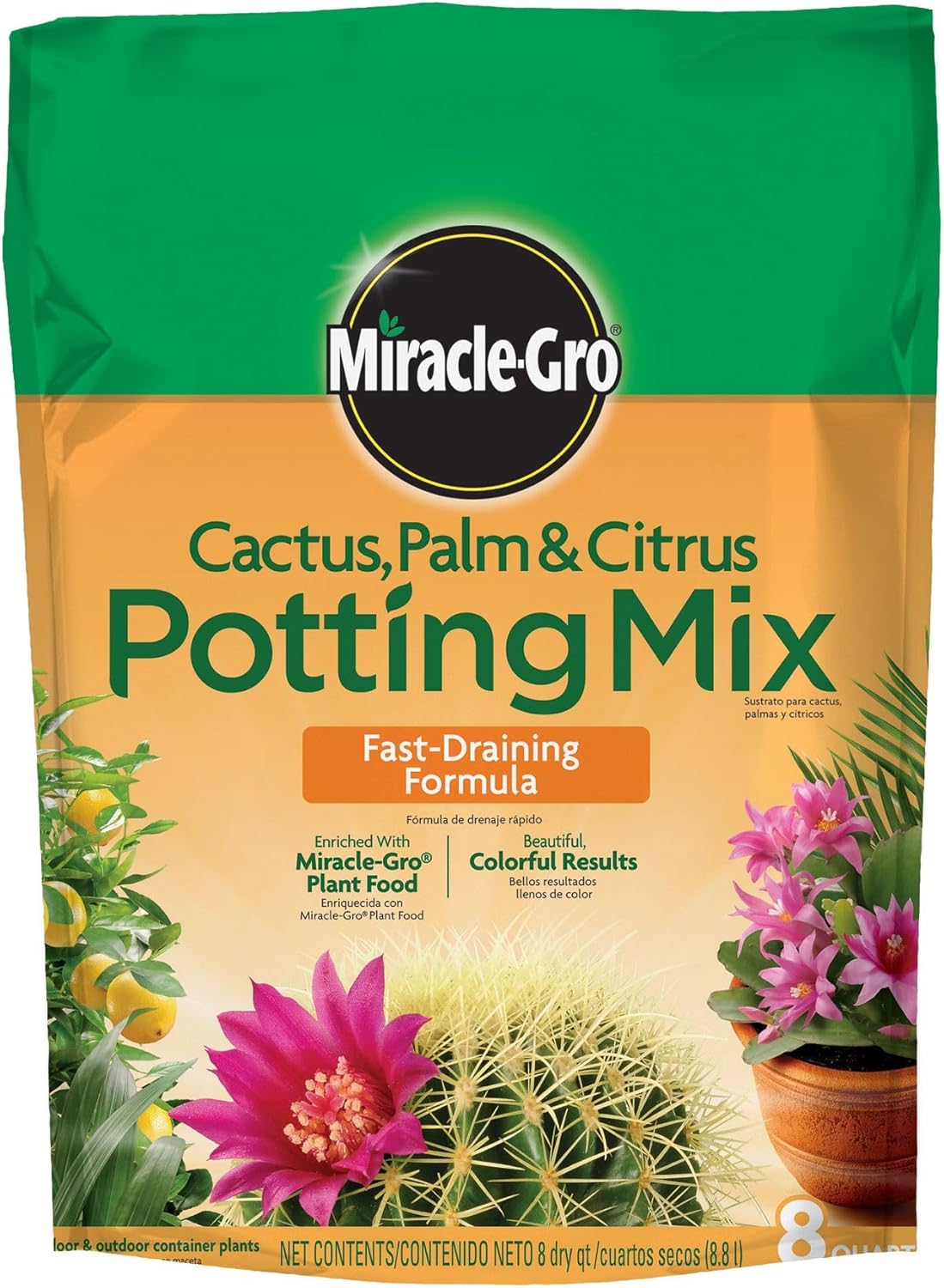
Miracle-Gro Cactus, Palm & Citrus Potting Mix, 8 qt.
| Volume | 8 quarts |
|---|---|
| Enriched with | Miracle-Gro Plant Food |
| Formula | Fast-draining with peat moss, sand and perlite |
| Suitable for | Indoor or outdoor container plants |
This 8-quart Miracle-Gro mix is designed for container-grown cacti, palms, and citrus and combines forest products, sphagnum peat moss, sand, and perlite for quick drainage and reduced compaction. It arrives ready to use and is enriched with Miracle-Gro plant food so newly potted lemon trees get an initial nutrient boost without immediate fertilizing. Typical use is filling a pot with a drain hole, positioning the root ball, backfilling and watering through; the package notes one bag fills roughly two 8-inch containers. The fast-draining texture helps prevent waterlogging, which citrus dislikes, while the lightweight components make repotting and root inspection easier. Limitations are the small 8 qt. volume for larger lemon trees and that long-term feeding will still be needed after the initial enriched mix is used up. Also it is a potting mix meant for containers rather than in-ground planting, so you will need a larger quantity or a different soil if planting in the landscape.
Best for: Buyers who grow lemon trees in pots and want an easy, ready-to-use mix that improves drainage and gives a short-term nutrient lift.
Less Ideal for: Gardeners planting lemon trees directly in the ground or those needing large volumes for mature trees should choose bulk soil or an in-ground amendment instead.
- Fast-draining formula suitable for citrus to avoid root rot
- Enriched with plant food to give young or repotted trees an initial nutrient boost
- Lightweight, low-compaction blend that makes repotting and root work easier
- Small 8 qt. bag is only adequate for seedlings or small container trees
- Formulated specifically for containers so not ideal for in-ground planting
Verdict: A convenient fast-draining, fertilizer-enriched potting mix that makes repotting and starting potted lemon trees simpler and healthier.
GARDENWISE Organic Lemon Tree Soil (3 quarts)

| Unit Count | 96 Fluid Ounces |
|---|---|
| Included Components | Perlite, coarse sand, coconut coir, vermiculite, garden compost, peat moss, dolomite, organic fertilizer |
| Item Type Name | Lemon Tree Soil |
| Volume | 3 quarts |
This citrus-specific potting mix is designed to give potted lemon trees the acidic, well-draining root zone they prefer. The blend combines perlite, coarse sand, coconut coir, vermiculite, compost, peat moss and dolomite with organic fertilizer and mycorrhizal fungi to improve aeration, moisture retention and nutrient uptake. It is typically used for repotting or topping up containers for Meyer lemons and other citrus where good drainage and slightly acidic pH matter. The included organic fertilizer claims up to six months of feeding, which reduces the need for frequent fertilizing early on. Notable features are the optimized pH range of 5.5 to 6.5 and the extra coarse particles that help prevent waterlogging and root rot. Because the product comes in a small 3 quart volume, it suits small potted trees, starter plants, or targeted soil amendments rather than full repots of large containers. Expect to supplement with additional soil if you are filling larger pots or planning long-term container culture.
Best for: Buyers who want a ready-made, citrus-focused potting mix that simplifies feeding and improves drainage for potted lemon or Meyer lemon trees.
Less Ideal for: Gardeners needing large volumes for in-ground planting or repotting very large containers should look for bulk mixes or larger bags.
- Formulated pH of 5.5–6.5 ideal for citrus health
- Contains a mix of drainage materials (perlite and coarse sand) to reduce overwatering issues
- Includes organic fertilizer that supplies nutrients for up to six months
- Lightweight, breathable texture that promotes strong root development
- Small 3 quart volume means multiple bags are required for repotting larger containers
Verdict: A ready-to-use, citrus-tuned potting mix that gives potted lemon trees the acidic pH and drainage they need with built-in organic feeding.
Soil Sunrise Citrus Tree Potting Soil Mix (30 Quarts)

| Volume | 30 quarts |
|---|---|
| Ingredients | Peat moss, perlite, sand, worm castings, lime |
| Style Name | Sandy |
This Soil Sunrise Citrus Tree Potting Soil Mix is a ready-to-use, 100% natural blend designed for potted citrus such as Meyer lemons, key limes, and dwarf mandarins. It combines peat moss, perlite, coarse sand, worm castings, and lime to deliver good drainage and air porosity while keeping enough moisture and nutrients for steady growth. Typical use is repotting or filling containers for indoor or patio citrus where you need a reliable, citrus-friendly medium and balanced pH. Notable features include the addition of worm castings for slow nutrient release, lime to stabilize pH, and coarse particles for fast-draining texture that reduces risk of root rot. In practice this mix makes watering easier to manage and helps young and established container citrus develop healthy root systems. Limitations to expect are that organic mixes with peat may compress over time and will benefit from occasional top-up or repotting, and heavy feeders will still need supplemental fertilization during the growing season.
Best for: Home gardeners who want a low-fuss, purpose-built potting mix to repot or start container lemon trees and prioritize reliable drainage and pH balance.
Less Ideal for: Growers looking for an all-in-one fertilized soil or those who prefer peat-free, fully inorganic media for hydroponic-style systems.
- Formulated specifically for container citrus with ingredients that support balanced pH
- Coarse components like perlite and sand provide fast drainage and good aeration
- Worm castings add organic nutrients and improve soil biology
- 100% natural blend with no synthetic additives
- Peat-based mixes can compress and lose volume over time requiring refresh or repotting
- Does not include complete fertilizer so periodic feeding is necessary
Verdict: A practical, citrus-focused potting mix that gives container lemon trees the drainage, aeration, and pH stability they need to establish and grow well.
Kapecute 2 QT Citrus Potting Mix for Lemon and Other Citrus Trees

| Brand | Kapecute |
|---|---|
| Item Type Name | potting soil |
| Volume | 2 quarts |
This compact 2 quart kit supplies compressed sphagnum moss flakes, a perlite pack, and a slow-release NPK fertilizer so you can create a light, well-draining potting medium tailored for citrus. Use it by hydrating the compressed moss until it expands, mixing in the perlite and the fertilizer, then adjusting moisture before potting young lemon trees or refreshing the root zone in small containers. The moss gives good water retention for drier periods while perlite improves aeration so roots are less likely to sit in water. Individually packaged components make it easy to use only what you need for one or two small pots, which helps avoid waste. Limitations are the small overall volume and the temporary nature of the included fertilizer, so larger trees or long-term repots will need more soil and follow-up feeding. This product is most useful as a starter or top-up mix for budget-minded growers who want a citrus-specific, easy-to-mix option without buying large bags.
Best for: Buyers who want an inexpensive, small-quantity citrus potting mix for potting or refreshing young lemon trees in containers and prefer a ready-to-mix option that avoids purchasing large bags.
Less Ideal for: Gardeners repotting mature or large citrus specimens or anyone needing a long-term, ready-to-use bulk potting soil should look for larger-volume mixes and a more complete fertility plan.
- Pre-measured compressed sphagnum moss expands quickly for convenient mixing
- Perlite included to improve drainage and root aeration
- Individually packaged components let you use only what you need for small pots
- Includes slow-release NPK granules to provide initial nutrients
- Only 2 quarts total volume is insufficient for repotting medium or large lemon trees
- NPK slow-release fertilizer effect diminishes over time and requires later feeding
Verdict: A compact, low-cost, easy-to-mix citrus potting kit that works well for small potted lemon trees or as a starter/top-up mix.
E.B. Stone Organics Citrus & Palm Mix Potting Soil, 1.5 cu ft

| Brand Name | E.B. Stone Organics |
|---|---|
| Volume | 1.5 cubic feet |
| Style Name | Potting Soil |
| Unit Count | 1536 Ounce |
This Citrus & Palm Mix is a purpose-built organic potting soil for lemon trees and other tropical or deep-rooted plants. It combines aged fir bark and pumice for fast drainage and improved aeration, which reduces the risk of root rot in container-grown citrus while still retaining enough moisture between waterings. The blend includes mycorrhizae to support root nutrient and water uptake, so young and established trees can establish stronger root systems faster. Use it straight from the bag to pot citrus or mix into planting holes when setting lemon trees in the ground. The 1.5 cubic foot bag is convenient for repotting a few containers or refreshing topsoil around isolated plantings, though larger plantings will need multiple bags. This is a straightforward, no-mix solution aimed at steady, low-maintenance growth rather than specialty nutrient tailoring, so gardeners who prefer to custom-blend their media or need very large volumes should plan accordingly.
Best for: Home gardeners who want a reliable, ready-made soil that supports healthy lemon tree growth with minimal fuss and consistent results.
Less Ideal for: Landscapers or growers who need bulk quantities or gardeners who prefer to custom-blend specific nutrient profiles for specialist fertilizing plans.
- Formulated specifically for citrus and tropical plants to match their root needs
- Fast-draining mix reduces chance of soggy soil and root rot in containers
- Includes mycorrhizae to improve nutrient and water uptake
- Ready to use out of the bag for quick repotting or planting
- 1.5 cu ft bag is small for larger trees or multiple plantings requiring several bags
Verdict: A dependable, ready-to-use organic mix that gives lemon trees the drainage, aeration, and beneficial microbes they need to establish strong, healthy roots.
Soil Sunrise Citrus Tree Potting Soil Mix (12 Quarts)

| Volume | 12 quarts |
|---|---|
| Ingredients | Peat moss, perlite, sand, worm castings, lime |
| Unit Count | 1 Count |
This Soil Sunrise citrus potting mix is a ready-to-use blend aimed at potted lemon, lime, and dwarf orange trees. The formula combines peat moss for moisture retention, perlite and sand for faster drainage and improved aeration, worm castings as a natural nutrient source, and lime to help maintain a citrus-friendly pH. In practice it makes repotting and starting young lemon trees easier by reducing waterlogged root issues and offering a loose, airy medium that encourages root development. The resealable 12-quart bag size is convenient for single pots or small collections, and the all-natural ingredient list will appeal to buyers who prefer low-chemical options. Limitations are typical for peat-based mixes: it may compress over time and will need occasional replenishing of nutrients for mature, fruiting trees, and larger trees will need more volume than one bag provides. Safety notes advise avoiding skin and eye contact and keeping the mix away from children and pets.
Best for: Home growers who want an off-the-shelf, low-chemical potting mix tailored to potted lemon trees and prefer mixes that reduce soggy roots and promote steady early growth.
Less Ideal for: Growers with large or multiple mature citrus trees in big containers or in-ground plantings should look for bulk soil or custom mixes with greater volume and long-term fertility.
- Blend of peat, perlite, and sand for good drainage and reduced root rot risk
- Worm castings provide natural nutrients to support early growth
- Added lime helps stabilize pH to suit citrus preferences
- 12-quart resealable bag is convenient for repotting small to medium container trees
- Peat-based mixes can compress and lose structure over time
- Single 12-quart bag is small for established or multiple citrus trees
Verdict: A convenient, all-natural potting mix that makes repotting and growing container lemon trees easier by improving drainage, aeration, and pH balance.
Miracle-Gro Organic Indoor Potting Mix, 16 qt.

| Unit Count | 1 Count |
|---|---|
| Item Highlight | Protects Against Over & Under Watering |
| Item Type Name | Miracle-Gro Organic Indoor Potting Mix |
| Manufacturer | Scotts Miracle Gro |
| Volume | 1 cubic feet |
Miracle-Gro Organic Indoor Potting Mix is an all-purpose organic container mix designed for houseplants and seed starting. It combines coir for improved air space, sphagnum peat moss to hold and release water, and a quick-start natural fertilizer to give newly potted plants an initial nutrient boost. Typical use is filling pots for transplanting or starting seeds; the product notes that one 16 qt. bag fills a 12-inch container. The mix is OMRI Listed, which supports organic indoor growing, and the manufacturer recommends using pots with drainage holes and following normal watering and repotting cues. For someone potting an indoor lemon tree seedling or transplant, the blend should help protect against both over- and under-watering while providing light starter nutrition. Limitations are that the bag is relatively small for larger citrus specimens and it is formulated specifically for indoor container use, so gardeners needing heavier feeding or long-term outdoor planting mixes may want a larger or more specialized citrus potting soil over time.
Best for: Buyers who want a reliable, low-risk indoor potting mix for starting or repotting young lemon trees and other houseplants and who prioritize organic-certified ingredients and ease of use.
Less Ideal for: Gardeners repotting large, established lemon trees or those who need an outdoor citrus-specific soil and long-term nutrient plan should choose a larger or specialized citrus potting mix.
- Formulated to balance moisture and aeration to reduce over- and under-watering risk
- Contains coir and sphagnum peat moss for both air space and water retention
- Includes a quick-start natural fertilizer to feed new transplants and seedlings
- OMRI Listed for organic indoor growing, suitable for organic-minded gardeners
- 16 qt. bag is small for repotting established citrus or multiple plants
- Not specifically tailored for heavy-feeding citrus needs over the long term
Verdict: A safe, organic-ready indoor potting mix that helps beginners and cautious growers establish lemon seedlings and young container citrus with consistent moisture control.
Choosing the Right Soil for Lemon Tree: Key Factors to Consider
Drainage and Soil Texture
Soil texture determines how quickly water moves through the root zone and how much air is available to roots. For lemon trees you want a mix that drains freely but still holds enough moisture between waterings, especially in containers where roots are confined. Coarse components such as coarse sand, perlite, or pumice improve drainage and prevent compaction, while finer organic particles hold nutrients and moisture. In heavy garden soils, amending with coarse organic matter and mineral grit improves root health and reduces root rot risk.
Good texture also supports root development. Very fine, clay-heavy soils can suffocate roots and promote disease, while overly fast-draining mixes may leave trees thirsty and lacking nutrients. Aim for a balanced structure that matches whether the tree will be grown in-ground or in a pot.
pH and Acid-Base Balance
Lemon trees prefer slightly acidic soil, typically in the mid acidic range. pH affects nutrient availability: iron, manganese, and other micronutrients become less available as pH rises, which can cause yellowing and poor growth even when nutrients are present. Choosing a soil with a neutral to slightly acidic baseline makes it easier to maintain ideal levels without heavy modification.
Soils that include sulfur-containing amendments or acidic organic matter are easier to adjust downward. Conversely, if the local tap water is alkaline, gardeners should pick mixes that buffer pH or plan regular acidifying maintenance. Test soil pH periodically, especially after repotting or heavy fertilization.
Nutrient Content and Retention
Young and established lemon trees need a steady supply of nitrogen, phosphorus, potassium, and micronutrients over the growing season. Soils with a moderate amount of stable organic matter release nutrients gradually and help maintain a feeding reserve. Highly inert mixes may require more frequent feeding, while very rich soils can burn roots or encourage foliage at the expense of fruit.
Consider how the soil retains nutrients versus how easily it leaches in rainy climates or with frequent container watering. A good mix balances immediate availability with slow-release reserves so you do not need to correct deficiencies constantly.
Salt Management and Leaching
Citrus are sensitive to salt buildup, particularly in containers where salts from fertilizers and water can concentrate in the root zone. Soils that promote even leaching when irrigated reduce the risk of salt stress. Components that retain too much fertilizer can make regular flushing necessary, while very free-draining blends may wash nutrients out too quickly.
When choosing soil, consider how it behaves with your irrigation routine and water quality. If you use tap water with higher dissolved salts, pick a soil that tolerates periodic flushing and plan regular leaching to avoid tip burn and leaf drop.
Structure for Container Versus In-Ground Planting
Soil needs differ between container-grown and in-ground lemon trees. Containers require mixes that stay light, drain well, and do not compact over time. In-ground trees benefit from amendments that improve native soil but still integrate with existing drainage and biology. The right structure reduces repotting frequency for pots and eases root establishment for planted trees.
When selecting soil, match particle sizes and organic content to the planting situation. Container blends often include added pumice or perlite, while in-ground amendments emphasize composted organic matter and grit for improved field drainage.
Biological Activity and Organic Components
Healthy soils host microbes that cycle nutrients and support root health. Soils containing composted organic materials, well-aged bark, or humus encourage beneficial microbial life and improve nutrient mineralization for citrus. However, very fresh or uncomposted materials can tie up nitrogen as they decompose, so mature organic components are preferable.
Consider whether the soil includes inoculants or composted matter that enhances biology. For container citrus, mixes that maintain microbial balance without becoming anaerobic are ideal.
Potting Practices for Lemon Trees
When potting a lemon tree choose a container with ample drainage and match the soil to the pot size. Larger pots hold more moisture and warm more slowly, so mixes for big containers can include a bit more organic matter. Smaller pots need freer-draining mixes to prevent waterlogging between frequent waterings.
Layer coarse grit or broken terracotta shards over drainage holes only if you plan to prevent soil loss; do not rely on a rock layer to improve drainage. Instead, use a mix that drains well throughout the profile and water until excess runs freely from the pot to condition the media.
- Top-dress with compost annually rather than replacing the whole mix for established trees in large pots.
- Repot young trees every 1 to 2 years, and mature trees only as root-bound constraints appear.
Adjusting Soil pH Without Major Repotting
If your lemon tree shows signs of iron deficiency or general chlorosis, you can lower pH in the root zone with soluble acidifiers or by adding acidic organic materials. Apply these adjustments cautiously and test pH before and after changes to avoid overcorrecting.
Foliar iron sprays can provide a short-term fix while you work on soil adjustments. For longer-term stability, incorporate acidic mulch such as pine fines or peat in small amounts and monitor tree response over a season.
- Use pH test kits or meters for spot checks rather than guessing.
- Avoid frequent strong acid applications that can harm beneficial microbes.
Managing Watering and Drainage in Different Climates
In wet climates choose soil mixes that shed excess water quickly to avoid root decline. In arid climates prioritize water-holding organic matter and mulches that reduce evaporation, then rely on scheduled deep waterings to encourage deep roots.
For container-grown trees in hot regions, a mix with larger pore space helps keep roots cooler and reduces the need for constant shallow irrigation. Conversely, in cool climates a soil that retains a little more warmth and moisture supports active root function during slower growth months.
- Match irrigation frequency to pot size and soil composition rather than a fixed schedule.
- Consider a moisture meter for large containers to avoid overwatering.
Top-Dressing and Rejuvenating Old Potting Soil
Rather than full repotting, many gardeners can rejuvenate established container soils by removing the top several inches and replacing with fresh mix and a light application of balanced fertilizer. This refreshes organic matter and nutrients without disturbing the root ball excessively.
Annual top-dressings with compost and slow-release citrus fertilizer help sustain productivity while maintaining soil structure. If a potting mix has compacted or smells sour, full repotting and inspection of roots is safer.
- Keep the root crown slightly above the soil line to reduce collar rot.
- When refreshing, avoid burying the trunk deeper than the previous soil level.
Simple Amendments to Improve Existing Garden Soil
For in-ground lemon trees, integrate coarse sand or grit and well-rotted compost into native soil to improve drainage and nutrient cycling. Dig amendments into the planting zone to a depth of the existing root spread rather than mixing in a deep pit that can create a moisture trap.
Avoid overuse of peat moss in heavy soils since it can hold too much moisture long term. Instead, prioritize crumbly organic matter and mineral grit that open structure and encourage earthworm activity.
- Work amendments in during the dormant season to minimize root disturbance.
- Test soil pH before adding lime or sulfur; amend gradually and retest.
How We Chose the Best Soil for Lemon Tree
We focused on characteristics that directly affect lemon tree health in both containers and in-ground plantings. Criteria included soil texture and drainage to prevent waterlogged roots; nutrient buffering and organic matter content to support steady fruiting; pH stability and amendability because citrus prefer slightly acidic conditions; and salt tolerance and leaching behavior to limit fertilizer buildup in pots. We also considered particle size distribution to ensure good root penetration and aeration, and the presence of beneficial organic components that support microbial activity. Exclusions included blends formulated only for unrelated plants, mixes with unclear ingredient lists, and soils primarily designed for annuals rather than woody citrus. Our process prioritized real-world gardener concerns such as repotting frequency, winter moisture control, and ease of adjusting acidity.
FAQ
What soil pH is best for lemon trees?
Lemon trees prefer slightly acidic soil, typically in the mildly acidic range. Maintaining that acidity helps micronutrient uptake. Test periodically and make small adjustments rather than large abrupt changes.
Can I use regular potting soil for a lemon tree in a container?
Regular potting soil can work if it drains well and is lightened with grit or perlite. Many standard mixes are too moisture retentive for citrus unless amended to increase aeration and reduce compaction.
How often should I repot a potted lemon tree?
Young trees often need repotting every 1 to 2 years as they outgrow nursery mixes. Mature trees in large pots can go several years between repottings; focus on top-dressing and monitoring root-bound symptoms instead of routine annual repotting.
How do I prevent salt buildup in container soil?
Flush pots periodically by running water through the container until excess drains, and avoid over-fertilizing. Use a soil that allows even leaching and choose fertilizers formulated for citrus with appropriate micronutrients.
Is compost alone a good soil for lemon trees?
Pure compost is generally too fine and can hold excess moisture and compact. Compost is excellent as a component for nutrient and microbial support, but it should be mixed with mineral components to ensure proper drainage and structure.
Final Verdict
Choose soil for lemon tree planting based on how you plan to grow the tree. For containers prioritize drainage and aeration with enough organic matter to sustain feeding between applications. For in-ground plantings focus on improving native soil structure and maintaining slightly acidic pH. Balance is the key tradeoff: mixes that hold moisture reduce watering frequency but increase disease risk, while very free-draining media require more frequent feeding. Use the evaluation criteria above to match soil behavior to your climate and watering habits so you can select the right mix with confidence.
