

Note: This article contains affiliate links. If you click on these links and make a purchase, I may earn a small commission at no extra cost to you. This helps support my research and content. Read my full affiliate disclosure here.
Growing roses in containers changes what you need from potting soil. In pots, roses need a mix that drains quickly enough to avoid root rot yet holds enough moisture and nutrients to support steady growth and repeated blooms. The wrong soil can cause stress, shallow roots, and poor flower production. This guide shortlists the top soils for roses in containers and explains why each made our list. We evaluated mixes for drainage, nutrient retention, structure, and suitability for repeated seasonal use so you can pick the right option for your container setup.
Top Picks at a Glance
| Best Overall The best all-around choice for most situations | FoxFarm Ocean Forest Potting Soil, 1.5 cu ft (with 2 plant tags) |  |
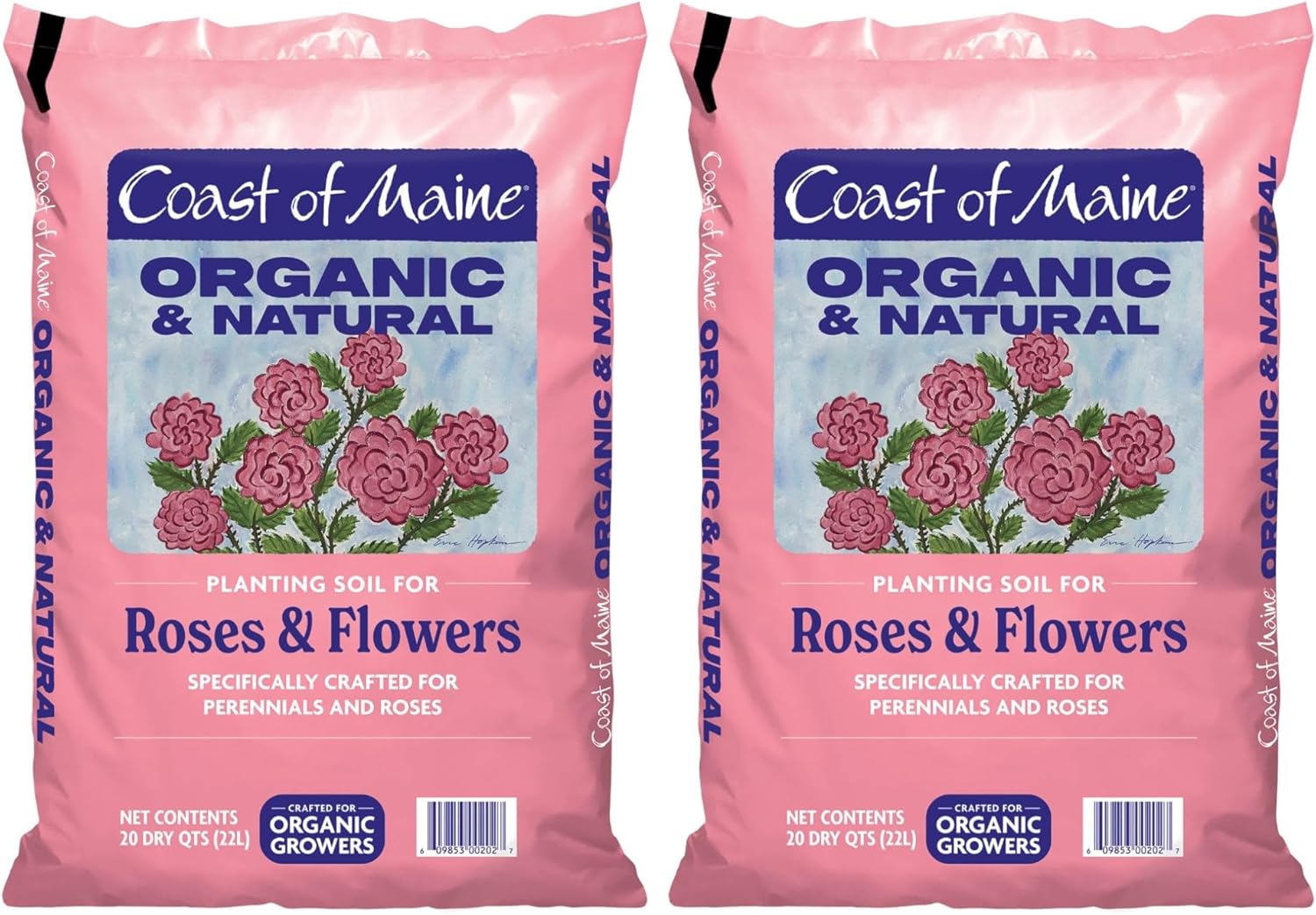
| Best Quality Built to a higher standard if you want something more solid | Coast of Maine Roses & Flowers Planting Soil, 20 qt (2-pack) |  |
| Best Value The sweet spot between price and what you get | Burpee Premium Organic Potting Mix with Coco Coir (9 Quart) |  |
| Best Budget The cheapest option that still gets the job done reliably | Doter Organic Rose Soil Mix (1 qt) |  |
| Highest Rated A top-rated pick with lots of positive feedback | FoxFarm Happy Frog Potting Soil — Container Garden, 2 cu ft (with 2 Plant Tags) |  |
| Most Popular A crowd favorite that many people choose with confidence | Miracle-Gro Organic Outdoor Potting Mix, 16 qt. |  |
| Best Seller A high-volume bestseller chosen again and again | Miracle-Gro Organic Indoor Potting Mix, 16 qt |  |
FoxFarm Ocean Forest Potting Soil, 1.5 cu ft (with 2 plant tags)

| Brand | FoxFarm |
|---|---|
| Volume | 1.5 cubic feet |
| Style Name | Light, Aerated Potting Mix |
| Unit Count | 520 Ounce |
FoxFarm Ocean Forest is a premixed potting soil formulated for containers and seedlings that comes ready to use straight from the bag. The blend combines sphagnum peat moss, sandy loam and composted forest humus for a light, airy texture that helps roots breathe while retaining moisture. It is amended with fish meal, crab meal and earthworm castings plus bat guano to supply organic nutrients over several weeks, and the mix is pH adjusted to promote fertilizer uptake. In practice this means easier transplanting, strong early growth and fewer watering headaches for container roses compared with plain garden soil. The included plant tags are a small convenience for labeling varieties. Limitations to note are that heavily feeding roses long-term will still require regular fertilization and the 1.5 cu ft bag is best for several small to medium pots rather than many large containers. For gardeners who want a lightweight, fertile base for potted roses, Ocean Forest gets plants off to a vigorous start.
Best for: Gardeners who want a reliable, nutrient-rich potting mix to get container roses off to a strong start and prefer a ready-made blend that balances drainage and moisture retention.
Less Ideal for: Growers who need bulk soil for many large containers or who prefer a sterile, soilless medium for propagation should consider other options.
- Ready-to-use, pH adjusted mix that promotes nutrient uptake
- Light, aerated texture reduces compaction and improves root oxygenation
- Contains organic amendments (fish meal, crab meal, earthworm castings, bat guano) for sustained fertility
- Formulated for container use so it balances moisture retention and drainage
- 1.5 cu ft bag provides a limited volume for multiple large containers
- Organic nutrient supply will taper and requires supplemental feeding for heavy-feeding roses
Verdict: A nutrient-dense, ready-to-use potting mix that helps container roses establish vigorous early growth with balanced drainage and moisture retention.
Coast of Maine Roses & Flowers Planting Soil, 20 qt (2-pack)
| Unit Count | 2 Count |
|---|---|
| Volume | 20 quarts |
| OMRI Listed | Yes |
| Brand Name | Coast of Maine |
This Coast of Maine Roses & Flowers planting soil is an OMRI-listed organic blend designed to boost container-grown roses and flowering plants. It is typically used as a top dressing, potting mix amendment, or to refresh tired container soil before planting. The formula includes seaweed, lobster meal, and composted ingredients that add nutrients and feed beneficial soil life, which helps establish stronger roots and more abundant blooms. Its balance of moisture retention and drainage makes it useful in pots where overwatering and compaction are concerns. Practical benefits include improved soil structure, a steady release of organic nutrients, and support for microbial activity that sustains plant health over a season. Limitations are its relatively small total volume per pack for large containers or multiple pots and the need to combine with additional potting mix for optimum drainage or lighter weight in some container setups. Handle with care to avoid skin or eye irritation and store in a cool dry place to maintain quality.
Best for: Gardeners focused on getting strong flowering performance from container roses who prioritize organic, biologically active soils and are prepared to amend or refresh potting mixes seasonally.
Less Ideal for: Anyone needing large volumes of potting mix at once for many big containers or landscapers who require bulk commercial quantities.
- OMRI-listed organic blend safe for edible and ornamental plantings
- Contains nutrient-rich amendments (seaweed, lobster meal, compost) that feed roots and soil life
- Balanced moisture retention and drainage suitable for container roses
- Supports biodiversity and beneficial microorganisms for long-term soil health
- Pack size provides limited volume per purchase for multiple or large containers
Verdict: Choose this organic, nutrient-rich soil when you want a biologically active planting mix to improve bloom and root performance in container roses.
Burpee Premium Organic Potting Mix with Coco Coir (9 Quart)

| Coverage | 9 Qt Container |
|---|---|
| Item Form | Powder |
| Specific Uses For Product | Plant Growth, Root Development, Seed Development, Soil Conditioning |
| OMRI Listed | Yes |
This Burpee Premium Organic Potting Mix is a ready-to-use container soil designed to support seed starting and sustained growth in pots. It blends organic ingredients with coco coir to improve aeration and moisture retention, which helps roots establish without becoming waterlogged. In practical use you fill containers or raised beds, plant seeds or transplants, and water; the mix supplies immediate nutrients and says it feeds for up to three months. The OMRI listing makes it suitable for organic approaches and the inclusion of fertilizer means fewer early feedings. For container roses it offers good drainage and root-air exchange, though heavy-feeding rose varieties may need supplemental fertilizer after the initial nutrient period. The 9-quart bag is convenient for trial pots and small arrangements but may require multiple bags for larger containers or multi-plant combos. Expect consistent moisture balance and easier watering intervals, with the trade-off that larger or long-season roses will need periodic nutrient top-ups and greater volume than one bag provides.
Best for: Gardeners who want a convenient, organic-ready potting mix to get container roses established quickly and reduce early maintenance for small to medium pots.
Less Ideal for: Growers planning large single-plant rose containers or long-season feeding schedules who prefer bulk soil purchases or custom rose-specific blends.
- OMRI-listed organic formulation suitable for organic container gardening
- Coco coir improves moisture retention while maintaining good drainage
- Includes fertilizer to provide nutrients for up to three months
- Designed for seed starting and root development in pots and containers
- 9-quart bag is small for larger rose containers or multiple plants
- Nutrient supply is limited to initial months so additional feeding is needed for long-season roses
Verdict: A compact, OMRI-listed potting mix with coco coir that gives container roses a balanced, low-maintenance start.
Doter Organic Rose Soil Mix (1 qt)

| Brand Name | Doter |
|---|---|
| Item Type Name | Garden soil |
| Manufacturer | Doter |
| Volume | 1 quarts |
This 1 quart Doter Rose Soil Mix is a compact, budget-friendly potting medium designed for container roses and small potted ornamentals. It is formulated with an optimized pH around 6.0–6.5 and enriched with compost and nutrients to encourage root development and flowering. The mix includes coarse particles such as sand and perlite for faster drainage while retaining enough moisture for container culture, which helps prevent root rot in pots. Because it is fortified with macro and micronutrients, it can be used as the primary media for repotting young roses or refreshing the top few inches of an established container. Practical limitations are its small volume and single-quart packaging, which means multiple bags are needed for larger pots or several plants, and gardeners who prefer to tailor feeds or amend heavily may find it less flexible than buying amendment components separately. The product also carries standard safety notes to avoid inhalation when handling dry mix.
Best for: Best for budget-conscious gardeners who need a ready-made, rose-focused mix for one or a few small containers and want a plug-and-play option that supports blooms without complex amendments.
Less Ideal for: Not well suited to gardeners who need large volumes for multiple big containers or who prefer to custom-blend soils and amendments at scale.
- pH balanced for roses to improve nutrient uptake
- Enriched with compost and organic matter to support root growth
- Contains coarse particles for improved drainage in containers
- Fortified with macro and micronutrients for healthier foliage and blooms
- Only sold in a small 1 quart size, so not suitable as a sole source for multiple or large containers
Verdict: A handy, inexpensive 1-quart rose mix that gives small container roses the right pH and drainage for healthier growth and better blooms.
FoxFarm Happy Frog Potting Soil — Container Garden, 2 cu ft (with 2 Plant Tags)

| Brand Name | FoxFarm |
|---|---|
| Item Highlight | Ready-to-Use Amended Container Blend with Soil Microbes, Earthworm Castings, Bat Guano, and Aged Forest Products |
| Unit Count | 600 Ounce |
| Volume | 2 cubic feet |
| Style Name | Container Garden |
FoxFarm Happy Frog Potting Soil is a premixed container blend designed to support vigorous root growth and strong aboveground performance in pots. You use it straight from the bag to fill containers for roses, shrubs, and other potted ornamentals; the included plant tags help track varieties and dates. The formula contains earthworm castings, bat guano, aged forest products, and a proprietary mix of soil microbes and mycorrhizal fungi, which together promote nutrient breakdown and improved root uptake. For container roses this means better flowering and healthier foliage compared with plain topsoil or generic mixes. It is pH adjusted for nutrient availability and contains no cheap fillers, so plants get a consistent medium out of the bag. Expect easier establishment and reduced need for immediate heavy fertilizing, though long-term container culture still benefits from periodic feeding and repotting as plants grow. The bag is substantial for multiple pots, but because it is a premium, amended mix it may be richer than needed for very young seedlings or for gardeners who prefer to custom-blend their own media.
Best for: Gardeners who want a dependable, out-of-the-bag potting mix that consistently supports established container roses and reduces early guesswork in feeding.
Less Ideal for: Growers who prefer to create custom soil blends from base components or who only need a very light seed-starting mix.
- Ready-to-use blend tailored for containers so you can pot roses immediately
- Contains beneficial microbes and mycorrhizal fungi to improve root development
- Amended with earthworm castings and bat guano for richer, organic nutrition
- pH adjusted to promote nutrient uptake
- Includes plant tags for tracking varieties and planting dates
- May be richer than necessary for seedlings or very small transplants
- Does not replace the need for periodic fertilizing or repotting in long-term container culture
Verdict: Choose this potting soil when you want a reliable, nutrient-rich container mix that helps roses establish strong roots and bloom well with minimal initial setup.
Miracle-Gro Organic Outdoor Potting Mix, 16 qt.

| Item Highlight | Plant Soil For Outdoor Container Plants, Contains Quick-Release Natural Fertilizer, OMRI Listed |
|---|---|
| Brand Name | Miracle-Gro |
| Volume | 1 cubic feet |
| Item Weight | 13.1 pounds |
| Style Name | Outdoor |
This 16 qt. Miracle-Gro Organic Outdoor Potting Mix is formulated for outdoor containers and is designed to feed plants for up to two months with a quick-release natural fertilizer. In practice it is used the same way as other container mixes: partially fill the pot, loosen the root ball, add mix around the roots, firm gently and water. Notable features include OMRI listing for organic gardening, responsibly sourced peat, and upcycled green waste in the blend, which help retain moisture and supply nutrients suited to sun and wind exposure in outdoor pots. The bag size is meant to fill about one 12-inch container, so it is handy for single pots and small container beds. Limitations are that it is specifically blended for outdoor use rather than indoor houseplants and that the nutrient boost is relatively short term, so container-grown roses will need re-potting or supplemental feeding on a regular schedule for sustained bloom and vigor. For heavier feeders or large planters you will likely need multiple bags or additional amendment over the season.
Best for: Gardeners who grow roses in individual outdoor containers and want an organic, ready-to-use mix that balances moisture retention and short-term feeding without mixing amendments themselves.
Less Ideal for: Growers who maintain large raised beds, many oversized planters, or who prefer a long-release fertilizer-only approach should choose bulk soil blends or custom-amended mixes instead.
- OMRI listed for organic gardening, so suitable for organic container plantings
- Contains quick-release natural fertilizer that feeds plants for up to two months
- Formulated to retain moisture for outdoor pots exposed to sun and wind
- Made with responsibly sourced peat and includes upcycled green waste
- Feeding duration is limited to about two months so you must reapply fertilizer or repot for long-season roses
- Bag volume is suited to a single 12-inch pot, so larger or multiple rose containers require several bags
Verdict: A convenient OMRI-listed potting mix that gives container roses an organic moisture-holding base plus a short-term nutrient boost to get them established and flowering.
Miracle-Gro Organic Indoor Potting Mix, 16 qt

| Unit Count | 1 Count |
|---|---|
| Item Type Name | Miracle-Gro Organic Indoor Potting Mix |
| Style Name | Indoor |
| Volume | 1 cubic feet |
Miracle-Gro Organic Indoor Potting Mix is a small-bag, OMRI-listed potting medium designed for indoor containers and seed starting. It combines coir and sphagnum peat moss to hold and release moisture while maintaining air space, plus a quick-start natural fertilizer to give seedlings and transplanted houseplants an immediate nutrient boost. Typical use is filling pots or seed trays with a well-draining mix, planting or transplanting, and watering until excess drains; the bag notes it will fill a 12-inch container. For someone cautious about plant health, the organic certification and instruction to use containers with drainage make this a safe, predictable choice. The mix is versatile for many indoor varieties, including herbs and houseplants, though for roses in containers you may want to blend in additional coarse grit or perlite to improve drainage and add slow-release fertilizer suited to heavy feeders. The 16 qt size is convenient for repotting a few plants but means you will need multiple bags for larger or multiple rose containers.
Best for: Buyers who prioritize a low-risk, certified organic potting mix for indoor containers and seed starting and who prefer an off-the-shelf product with predictable moisture control.
Less Ideal for: Gardeners growing large or multiple container roses that require specialized heavy-feeding mixes and higher drainage without additional amendments.
- OMRI-listed organic ingredients for use in organic indoor gardening
- Blend of coir and sphagnum peat moss balances moisture retention and aeration
- Contains quick-start natural fertilizer to support initial growth
- Formulated for seed starting and transplanting with clear usage guidance
- Small 16 qt bag may not be enough for multiple or large rose containers
- Designed for general indoor plants so heavy-feeding roses may need extra fertilizer or amendment
Verdict: A safe, OMRI-listed indoor potting mix that gives risk-averse growers predictable moisture control and an initial nutrient boost for container plants.
Choosing the Right Soil for Roses in Containers: Key Factors to Consider
Drainage Versus Retention Balance
Drainage determines how quickly excess water leaves the container and prevents root suffocation. For roses in containers you want a mix that sheds surplus water while still retaining a reserve that roots can access between waterings.
A balance is essential because mixes that drain too fast force more frequent watering and can stress blooms, while mixes that hold too much water increase the risk of root rot and fungal issues. Pay attention to particle size and inclusion of gritty components like perlite or coarse sand to tune drainage without sacrificing moisture holding capacity.
Organic Matter and Nutrient Release
Organic components provide both immediate and gradual nutrient release and help soil structure. Well-decomposed compost, coconut coir, or aged bark supply feeding for roses and improve microbial activity around roots.
Consider how nutrients are delivered: a mix that relies solely on fast-release fertilizers will need frequent feeding, while blends with slow-release granules or stable organic matter supply a steadier diet for prolonged blooming and healthier canes.
Soil Structure and Aeration
Roots need oxygen as much as water. A friable structure with a blend of fine and coarse particles lets roots grow freely and prevents compaction over a season. Components like coarse pine bark, perlite, or expanded clay help maintain pore space.
Compact mixes reduce root growth and make plants more susceptible to drought stress and nutrient lockup. Structure also affects ease of repotting and top-dressing between seasons, so choose a mix that stays workable.
pH and Micronutrient Availability
Roses prefer a slightly acidic to neutral pH where essential nutrients are most available. A potting mix that buffers pH helps avoid micronutrient deficiencies, such as iron chlorosis, that can weaken flowering vigor.
Look for mixes that include pH-stabilizing components or are formulated for acid-loving ornamentals if your water is very alkaline. Micronutrient content and organic chelators help roses access iron, manganese, and other trace elements.
Longevity and Top-Dressing Needs
Container soil undergoes faster changes than ground soil because watering, root growth, and feeding alter structure and fertility. A long-lasting mix retains structure and nutrients across a growing season so you do not need frequent full repots.
Consider whether the mix can be refreshed with top-dressing, added compost, or fertilizer between seasons. Some blends break down quickly and require more frequent replacement, which affects maintenance time and cost.
Weight and Container Compatibility
The weight of the soil affects the suitability for certain containers and locations. Heavy mixes with a lot of mineral material can increase stability for tall varieties but make moving pots difficult.
Lightweight mixes are easier to handle and are preferable for hanging baskets or balcony containers, but may need more attention to watering. Match the mix weight to container size, material, and where the pot will be placed.
Matching Soil to Container Size
The same soil behaves differently in a small 8-inch pot versus a 20-inch container. Smaller pots dry out faster and benefit from mixes with greater water-holding components, while large containers need better drainage and more structural material to prevent anaerobic pockets.
If you move pots indoors for winter, choose a stable mix that tolerates reduced watering and lower light without collapsing or becoming hydrophobic. For balcony or rooftop gardens, prioritize lighter mixes that still include coarse particles to maintain aeration.
- Small pots: increase water-holding components like coir or compost
- Large containers: emphasize drainage and structural bark or grit
- Mobile pots: prefer lighter mixes to ease handling
Preparing a Container for Rose Planting
Start with a clean container and ensure drainage holes are clear. Place a thin layer of coarse material such as gravel or broken pottery only if the pot has very large holes; otherwise, a straight mix to the hole level works better because coarse layers can create perched water zones.
Use a well-structured soil and avoid compacting it when filling. Set the plant so the graft union or bud union sits at the finished soil surface or slightly above, then backfill and firm lightly to remove air pockets without crushing the structure.
- Avoid sealed layers that trap water
- Firm gently to keep pore space
- Position plants at correct depth to prevent crown rot
Feeding and Watering Strategies for Container Roses
Container roses require regular but measured feeding. Use a combination of soluble feeds during the growing season and slow-release or organic amendments in the soil to maintain bloom production without over-fertilizing.
Watering frequency depends on mix and weather. Check soil moisture below the surface before watering and water deeply until excess runs from the drainage holes rather than frequent light sprinklings. Adjust frequency for hot spells and windy locations.
- Combine slow-release granules with periodic liquid feeds
- Water thoroughly and allow the top inch to dry between waterings
- Monitor container temperature; black pots heat faster and dry soil more quickly
Refreshing and Repotting Container Soil
Top-dressing with compost or fresh potting mix each year can restore nutrients and improve structure without a full repot. Remove the top 1 to 2 inches of old mix and replace with fresh blend, then feed lightly to settle the new material.
Plan full repotting every 2 to 3 years for most roses in containers, or sooner if roots are circling or the mix has compacted. When repotting, prune long roots and refresh the bulk of the mix while preserving as much healthy root mass as possible.
- Annual top-dress extends time between full repots
- Repot when roots are rootbound or mix degrades
- Refresh structure with coarse amendments during repot
Adjusting Soil for Climate and Water Quality
In hot, dry climates increase organic matter and moisture-retaining components to reduce watering frequency. In cool, wet climates favor faster-draining mixes and avoid heavy composts that hold too much water.
If you have alkaline tap water, choose a mix with buffering capacity and consider acidifying feeds to keep nutrient uptake normal. For very soft water, you may need to monitor for nutrient leaching and replace mineral inputs more frequently.
- Hot climates: boost water-holding components
- Wet climates: prioritize drainage and coarse particles
- Hard or alkaline water: use pH-buffering components and appropriate fertilizers
How We Chose the Best Soil for Roses in Containers
We focused on attributes that actually matter to roses grown in containers rather than general potting mixes. Our selection filtered for mixes and blends that promote healthy root development, regulate moisture, and supply nutrients on a steady schedule. We prioritized drainage performance because waterlogged roots quickly lead to decline in potted roses, and we also looked for water-holding capacity so plants do not dry out between waterings. Structure and particle size were assessed to ensure roots can penetrate and the mix resists compaction across a season. Nutrient sources and the balance between quick-release and slow-release inputs were evaluated for sustained bloom support. We checked pH buffering ability and amendments that help roots access iron and other micronutrients. Longevity and how well a soil can be refreshed or topped up between seasons was another selection factor. Exclusions: we excluded mixes designed solely for cacti, orchids, or aquatic planting because their properties do not suit rose requirements. Heavy garden soil or unamended topsoil blends were also excluded due to poor drainage and compaction risk. The final picks all met the core criteria above and represent options suited to a range of container sizes and maintenance routines.
FAQ
Can I use regular garden soil in containers with roses?
Usually not. Garden soil compacts in containers and restricts root growth, which reduces oxygen and drainage. It also dries unevenly and can harbor pests and diseases better than purpose-made container mixes.
How often should I fertilize container roses?
Often depends on the mix and fertilizer type. If the soil includes slow-release nutrients, supplemental liquid feeding every 3 to 4 weeks during active growth is common. With only fast-release feeds, you will need more frequent applications.
How do I know when a container rose needs repotting?
Signs include roots circling the pot, very rapid drying, reduced flowering, or visible roots at drainage holes. Repotting every 2 to 3 years is typical, though smaller pots may need it sooner.
Should I adjust soil pH for roses in containers?
Roses prefer slightly acidic to neutral pH. If you see yellowing between veins or poor growth, test the potting mix and adjust with appropriate amendments or acidifying feeds if pH is outside the suitable range.
Is it better to buy a ready-made rose potting mix or blend my own?
Both approaches work. Ready-made mixes save time and are formulated for container performance. Blending your own lets you tailor drainage, weight, and nutrient content for specific pots and climates, but requires selecting appropriate components.
How can I reduce the weight of large containers without harming roses?
Use lighter components such as expanded clay or pumice and reduce heavy mineral content while maintaining sufficient coarse particles for drainage. Also choose container materials and planting techniques that lower overall weight while preserving root volume.
Final Verdict
Choosing the right soil for roses in containers is a balance between drainage, moisture retention, and nutrient delivery. Match the mix to your container size, climate, and maintenance routine, and prioritize structure and steady nutrient sources to support repeated blooming. Regular top-dressing and occasional repotting will keep the pot environment healthy so you can focus on pruning and pest management rather than rescue efforts.
